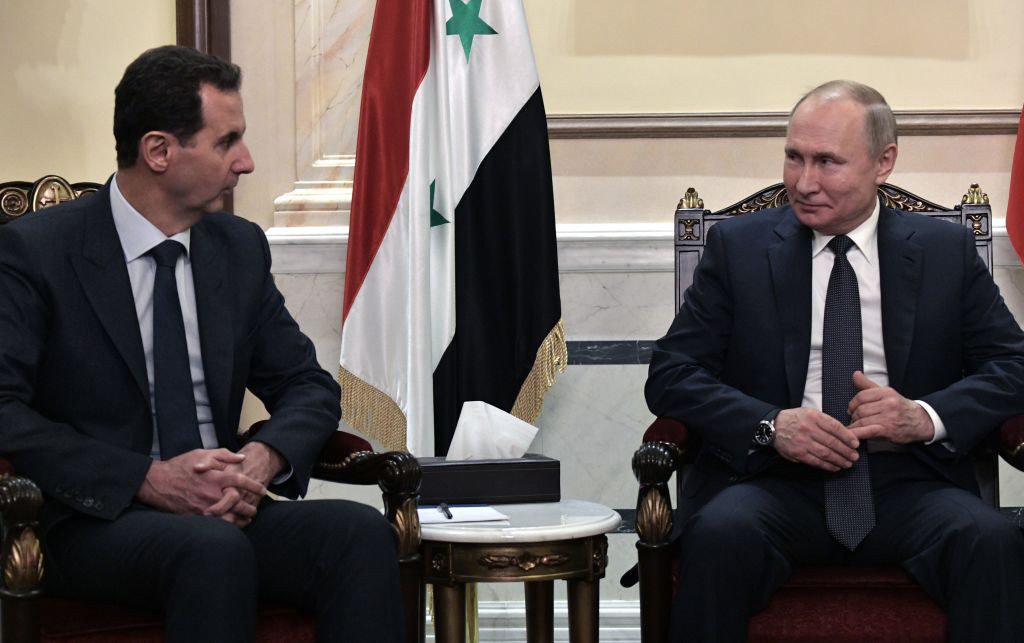
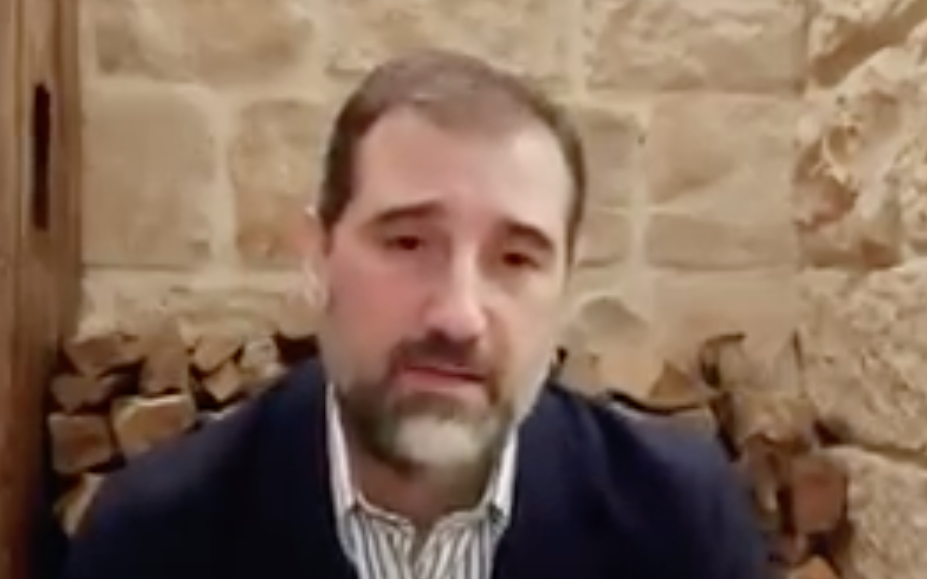
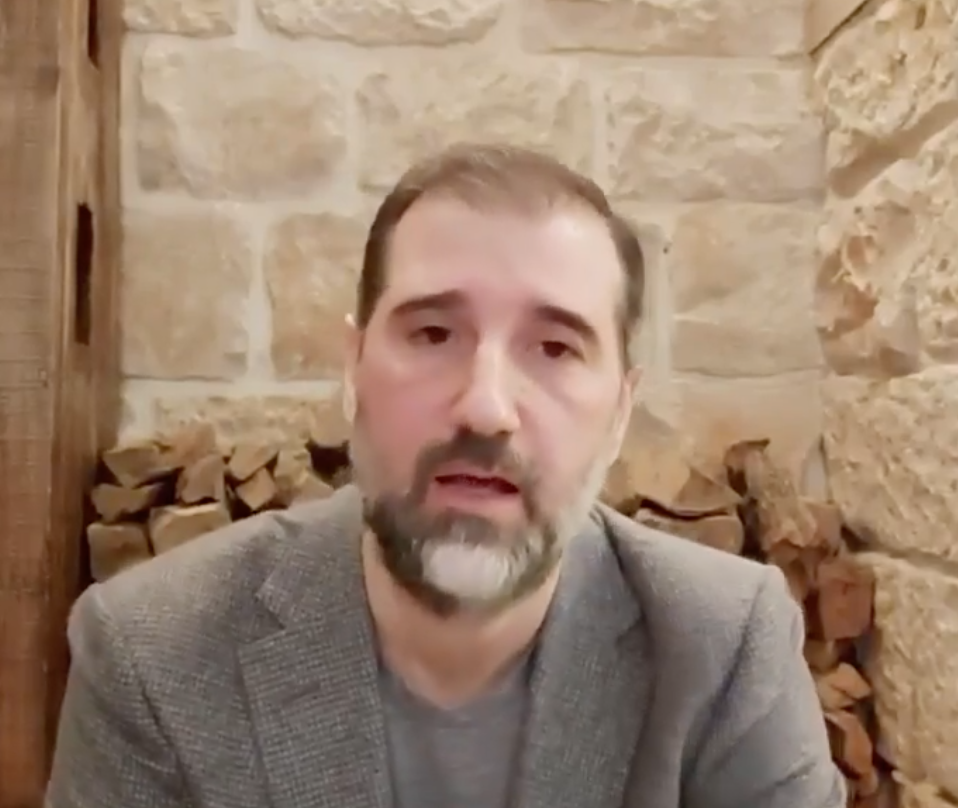
Makhlouf videos reveal Syria’s growing regime infighting
The fact that Makhlouf chose to go public heightens the stakes at play at the top of the regime and within the Alawite clan, arguably more than ever.
The arrival of COVID-19 into Iraq and the resulting reduction in frontline deployed forces has widened the scope for ISIS operations.
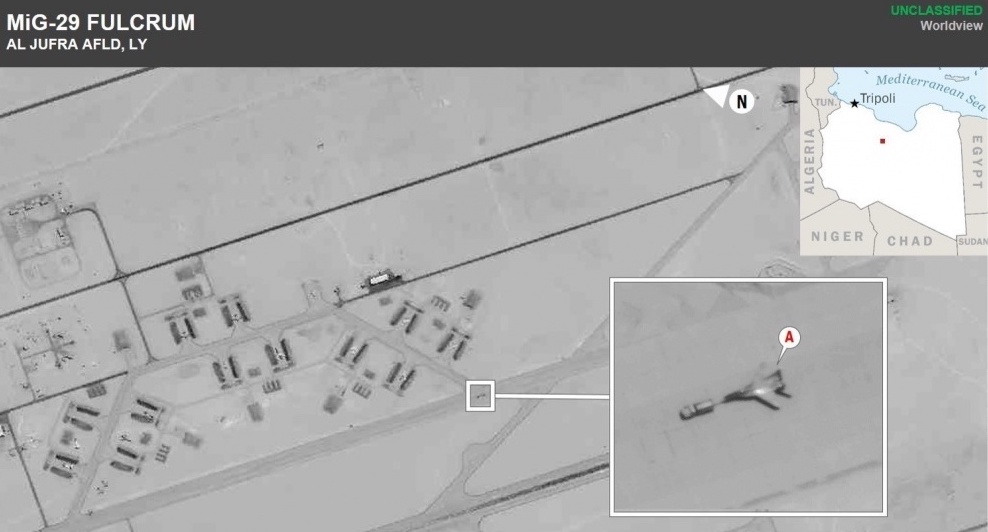
Last week Libya witnessed one of the oldest tricks in the book: unilaterally declare a cease-fire at exactly the moment when your opponents are poised to gain territory.
The uncertain political circumstances this time around make these efforts worth watching.
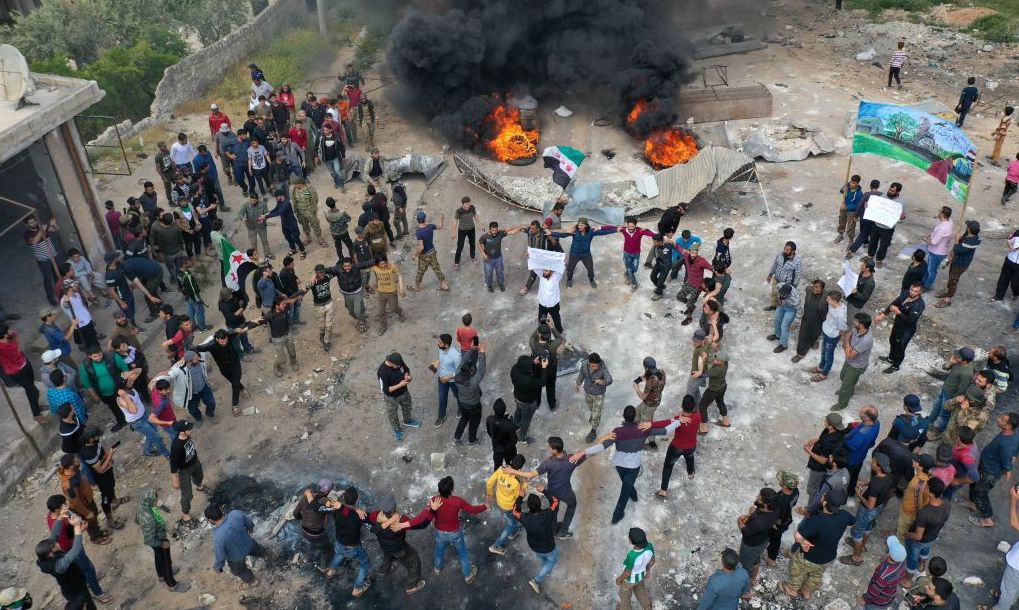
With its territory under increasing pressure, its finances dwindling, and manpower more challenged than ever, HTS’s ability to balance its extremism with controlled uses of pragmatism is under strain. Internally, its leadership is bitterly divided over decisions of the past, present, and future and externally, its rivals and enemies all appear to be conspiring against it. In an attempt to protect internal cohesion, HTS has become determinedly self-assertive in recent weeks, pursuing unpopular policies such as trading with the regime and lashing out at those brave enough to express their dissatisfaction. In response to HTS aggressions, a wider array of opposition voices — both moderate and Islamist — are declaring loudly that HTS now represents a threat to their revolution.
This precedent, along with the implementation of the Caesar Bill, guarantees the future isolation of the Syrian regime.
Basma El Husseiny (Action for Hope) and Samar El Yassir (Anera) join guest host Lyne Sneige to discuss the impact of the COVID-19 pandemic on refugee communities and the NGOs that work with them.
Officially, Syria has just 42 COVID-19 cases, all but one of them in regime-held areas, as testing capacity is almost non-existent elsewhere. The actual number is certainly higher, but there appear to be few severe cases at the moment. Yet, interviews with doctors and NGO workers conducted over the phone and via messaging apps across all areas of control in Syria — from regime-held areas and the northeast to Idlib and the Turkish-controlled region — paint a grim picture of a health care sector utterly unprepared for a pandemic.
When the American-backed Syrian Democratic Forces (SDF) captured the village of al-Baghouz in late
March 2019, ISIS’s self-proclaimed “caliphate” came to an end. The largest multinational military
coalition in modern history spent four-and-a-half years methodically rolling back ISIS’s control of an
expanse of territory the size of Britain, stretching across Syria and Iraq.
Immediately after the Syrian regime and its allies captured central Syria in late 2017, ISIS began waging an effective and deadly insurgency in the area. It first targeted urban centers along the western Euphrates before shifting focus in spring 2018 to the transport lines and mountains running along the M20 from Khunayfis to Shoula. These wide-ranging operations have killed a minimum of 860 pro-regime fighters of all ranks, units, and types. This report tracks self-reported regime losses in the region, as indicated on loyalist Facebook pages, community pages, and unit pages, from Nov. 10, 2017 through March 31, 2020.
The ingredients that fueled ISIS’s explosive expansion in Syria in 2013-14 are not only still present today, they are worse.
Last Sunday, the pandemic claimed the life of the most internationally prominent face of the Arab Spring in Libya. The tragic death of former Libyan Prime Minister Mahmoud Jibril in a Cairo hospital, at just 68 years of age, is in fact a fitting metaphor for the many stillborn aspects of Libya’s attempted political rebirth.
US support for the Black Sea and the Middle East has been through several phases in recent years, with President Donald Trump’s generals having the biggest impact on policy change. While there has been increased engagement in the region, much more is needed from the US – as well as NATO and the EU – to ensure Black Sea security.
The Islamic Republic’s unconventional alliance network reaches far and wide, and its workings have only intensified since the killing of Gen. Qassem Soleimani in early January 2020. The systematic effort to consolidate these alliances, indicated by the swift appointment of Gen. Esmail Qaani and his new deputy Gen. Mohammad Hosseinzadeh Hejazi to lead the Quds Force, is about much more than just retaliation and revenge against the United States. It is also, and perhaps more importantly, a calibrated response to the Trump administration’s reckless and escalatory changes to the established “rules of engagement” between Washington and Tehran.
Blurring the lines between the physical world and the online one, the Iranian group known as the “Nakhsa Warriors” remains cloaked in mystery. Their identity and status are unclear. Are they a military force that carries out operations, an online group of like-minded individuals that share content, part of an Iranian disinformation campaign — or perhaps something else altogether?