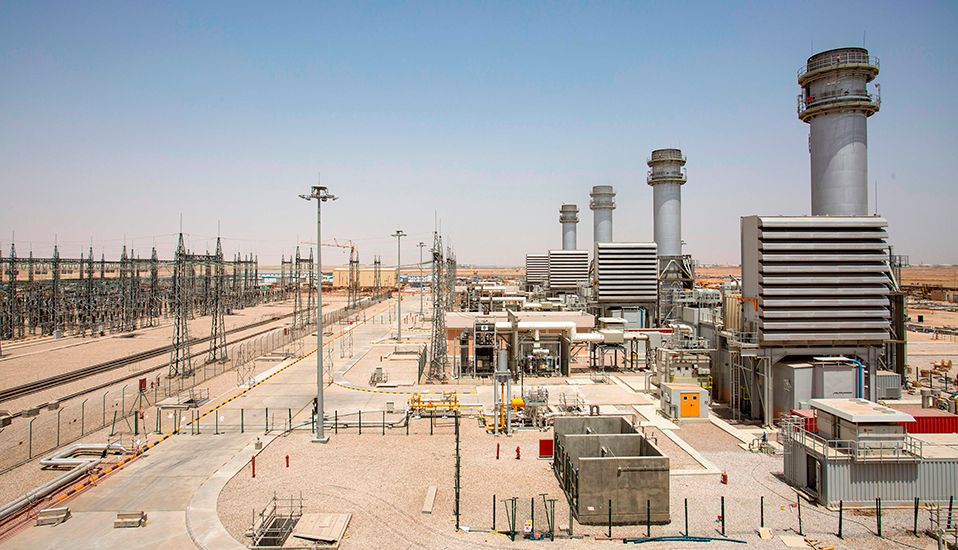
Iraq’s long-running electricity dilemma is now a daily source of public misery. The struggle of the power generation and distribution system to keep up with relentless demand caused by almost free electricity, especially as temperatures soar to record levels of over 120 degrees, is likely to get worse without reforms.
The annual Conference of the Parties (COP) was initiated by the United Nations Framework Convention on Climate Change (UNFCCC) in 1995 to assess progress made by UN members in dealing with climate change. Some meetings have had practical and measurable outcomes, such as the Kyoto Protocol of 1997. But arguably the most well-known meeting is the 2015 COP21 in Paris, also known as the Paris Agreement.
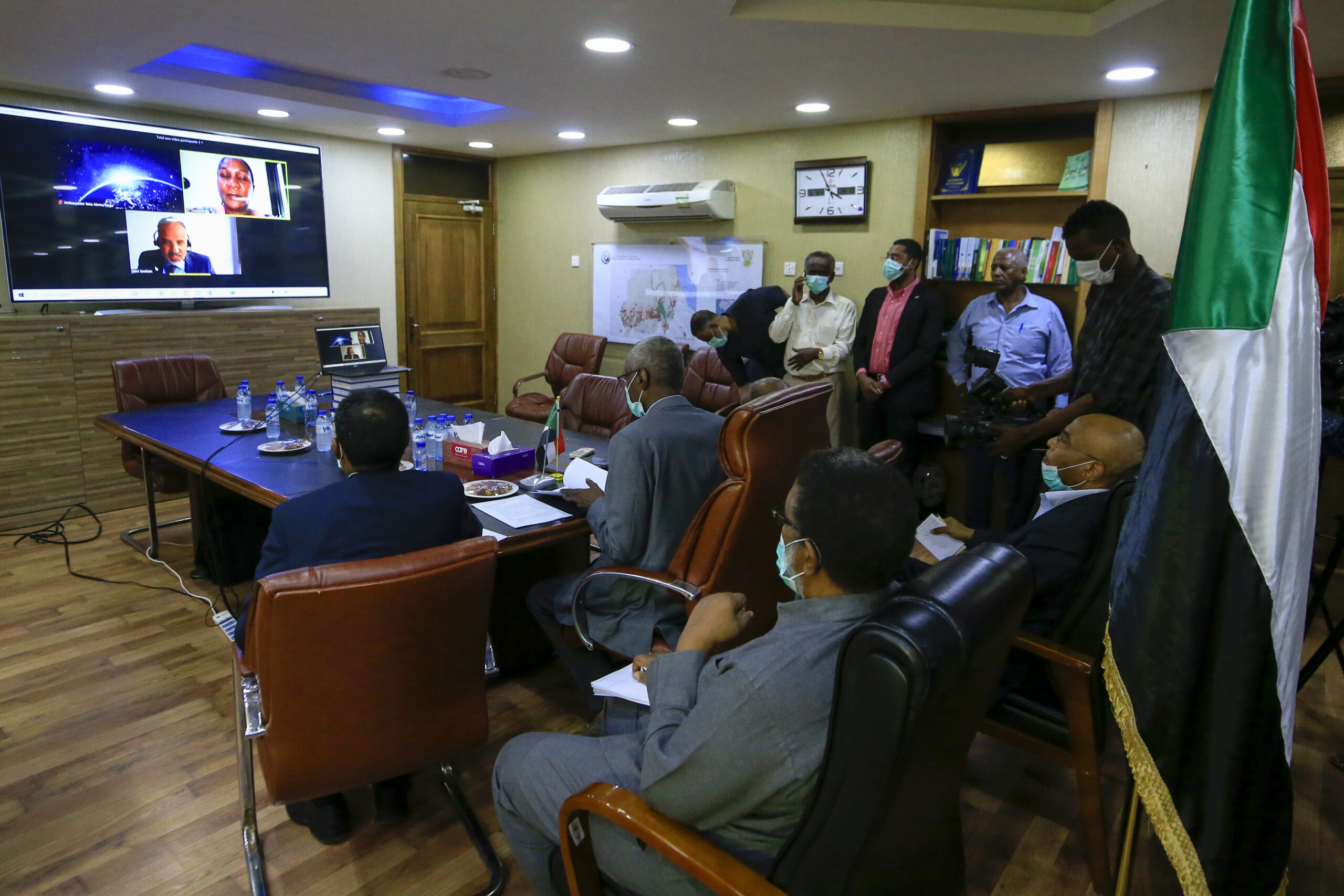
MEI’s Mirette Mabrouk and Guled Ahmed join host Alistair Taylor to discuss the ongoing dispute between Egypt, Sudan, and Ethiopia over the Grand Ethiopian Renaissance Dam (GERD), recent developments in Somaliland, and changing dynamics in the Horn of Africa.
Monday Briefing: GERD talks continue, but political will is still lacking
This week’s briefing on recent news and upcoming events in the region featuring Mirette F. Mabrouk, Marvin G. Weinbaum, Gonul Tol, Alex Vatanka, and Gerald Feierstein.
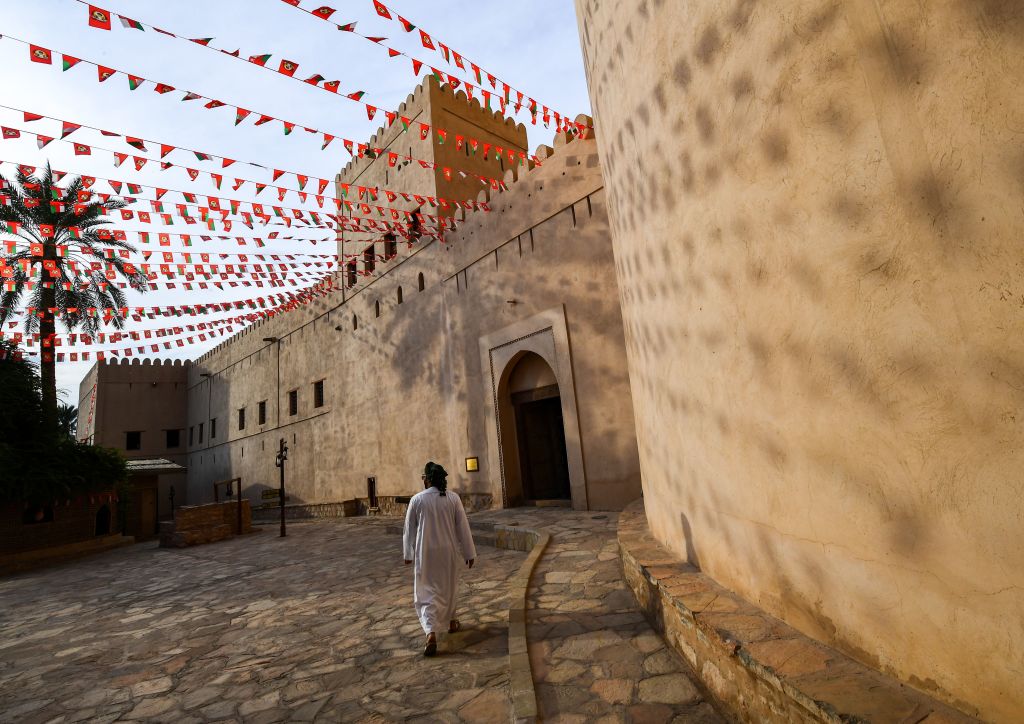
Linking the past to the future: Economic diversification and tourism in Oman
Oman’s new ruler, Sultan Haitham, only has a short timeframe in which to aggressively diversify the country’s economy and reduce its dependency on hydrocarbon exports. This already difficult task is further complicated by the twin challenges of the global coronavirus pandemic and low oil prices, both of which limit the government’s fiscal room for maneuver. One obvious sector that Oman should consider expanding rapidly is its tourism industry.
So far, Saudi Arabia’s push for OPEC+ restraint appears to be working. If projections of a gradual demand recovery in 2020 are accurate, the Saudis should be able to reaffirm their centrality as market stabilizers.
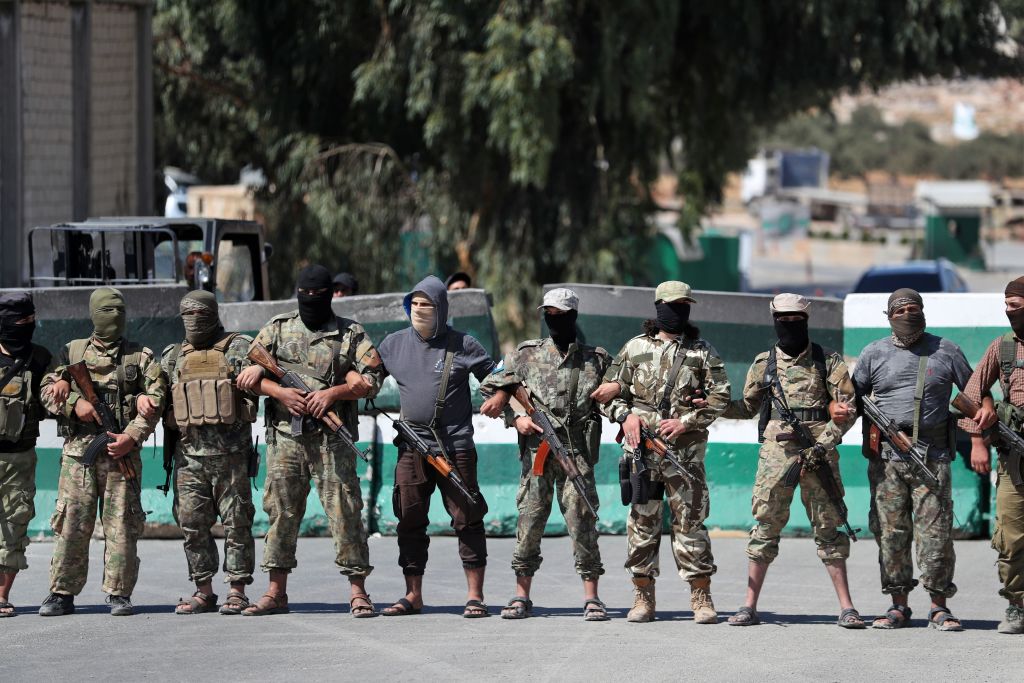
HTS and al-Qaeda in Syria: Reconciling the irreconcilable
HTS launched multiple raids on SBS, forcing its factions to close their military bases and banning the formation of any new factions or operations rooms. In doing so, it has killed two birds with one stone: demarcating new redlines for its rivals and demonstrating its usefulness to its Turkish “partner” and the international community in their war on terrorism.
The eastern Mediterranean heats up as conflicts over energy move onshore
Not too long ago, the Mediterranean was described as “NATO’s lake” — a sleepy backwater in a world dominated by conflict. Today, Israel’s quarrels with Lebanon, Palestine, and Syria are viewed — and minimized — as legacy conflicts, overshadowed by a new and unstable strategic environment centered upon competing visions of offshore energy and security in the eastern Mediterranean.
US-Russia rift exacerbates Afghanistan’s crisis of confidence
Multiple signs point to a crisis of confidence in Afghanistan. Ever since the publication of a sensational report alleging that a Russian military intelligence unit secretly offered bounties to the Taliban to kill American soldiers, there has been an intense debate about the possibility of peace in Afghanistan following the U.S. exit.
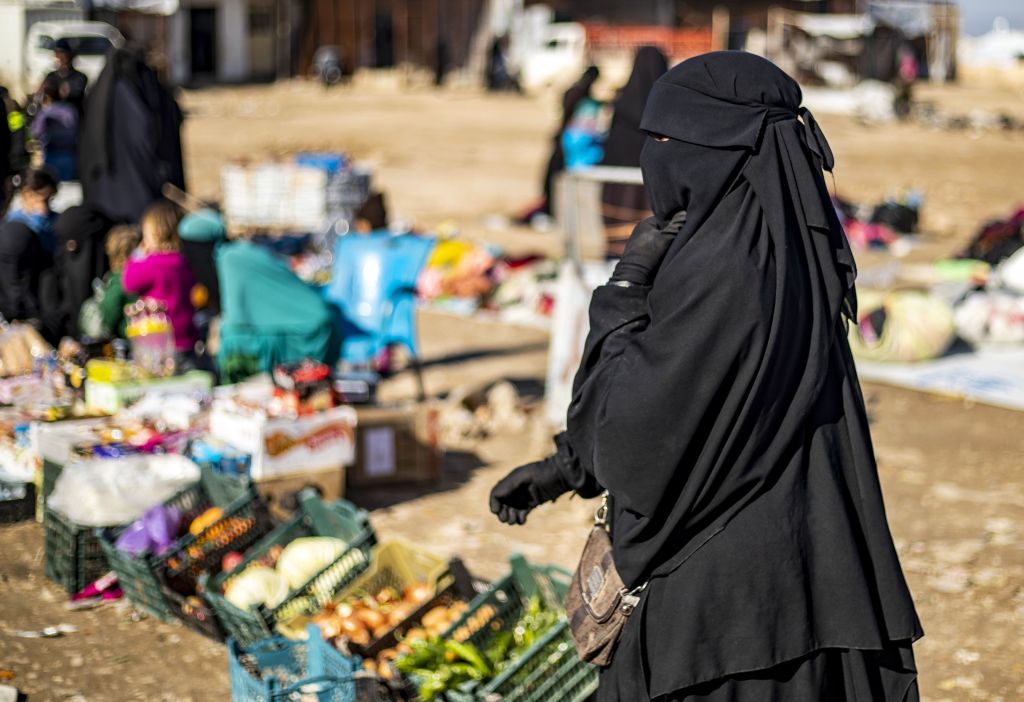
After the fall of ISIS in 2019, many relatives of fighters who were detained or killed, including 10,000 families of foreign fighters, were housed in camps like Roj and al-Hol in territory controlled by the Syrian Democratic Forces. Like any closed society, the foreigners’ annex in al-Hol has its own dynamic and life there is much more complicated than is often portrayed.
When OPEC+ ministers hold their next monthly meetings on July 14-15, the Saudis are likely to be a strong voice pushing for the continuation of production limits, for both economic and political reasons.
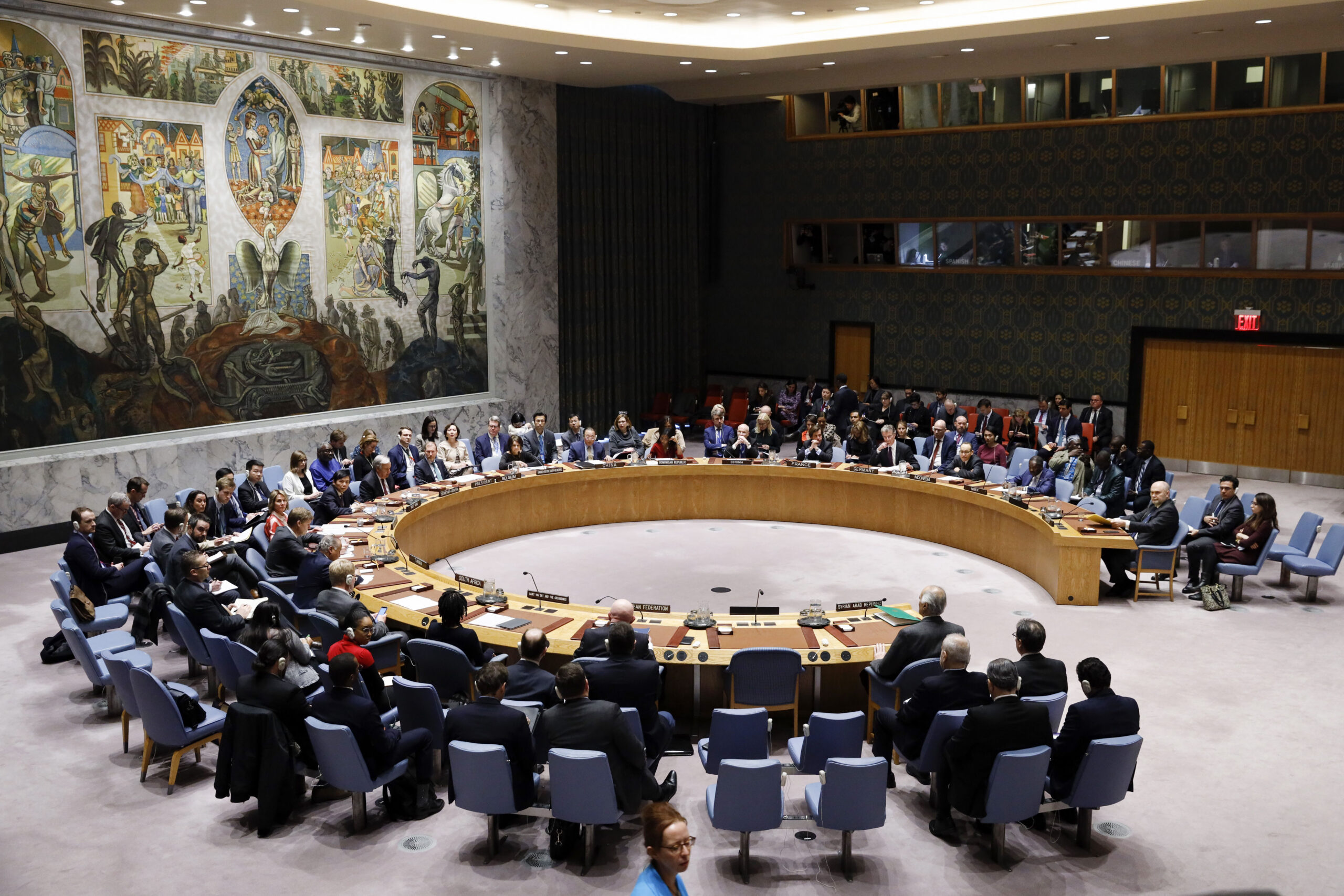
Monday Briefing: The UN Security Council must act now to save northwest Syria
This week’s briefing on recent news and upcoming events in the region featuring Dara Conduit, Marvin G. Weinbaum, Mark Heller, Syed Mohammad Ali, Gonul Tol, and Guled Ahmed.
Today’s landscape is dramatically different from that to which we awoke on Sept. 11, 2001. It’s a complex mix of foreign and domestic forces influenced by economic and social conditions that breed extremism which ebbs and flows across physical and cyber space often defined by great power competition. While terrorist groups like al-Qaeda and ISIS have innovated and adapted, U.S. counterterrorism strategy has remained unchanged, fighting yesterday’s war while neglecting present day threats as well as those over the near horizon. America is long overdue to update its counterterrorism strategy and, perhaps more importantly, how we measure success.
Deradicalization Programs for SOSMA, POTA, and POCA Detainees in Malaysia
Counterterrorism strategies can be made more effective by incorporating deradicalization and rehabilitation measures. Deradicalization is a key element of Malaysia’s counterterrorism and violent extremism strategy. This article discusses the Malaysian Government’s multi-stage deradicalization process.