Afghan authorities say Iran-trained militants planned to sabotage TAPI inauguration
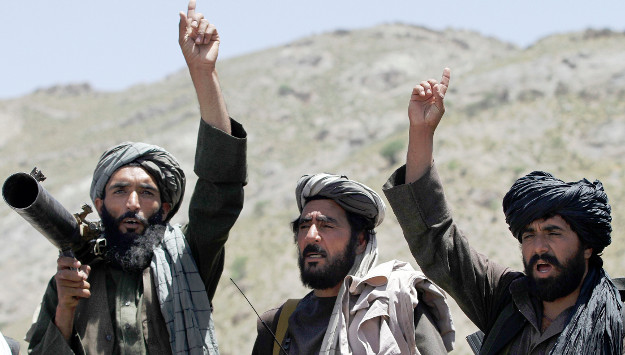
Afghan authorities in Herat Province today paraded a group of 10 militants who were reportedly trained in Iran to sabotage the inauguration ceremony of the landmark TAPI gas pipeline project in western Afghanistan. Mohammad Ayub Alizai, the head of the extremist group, claimed that he and his colleagues had received all necessary training and equipment to disrupt the ceremony.
Iran-Backed group: We’ll avenge our casualties by cleansing Iraq of US presence
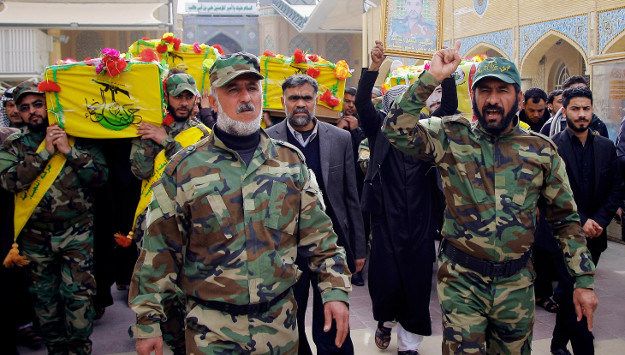
The secretary-general of Harakat al-Nujaba, an Iraqi militia group with close ties with the Islamic Revolution Guards Corps (IRGC), has said that the group will avenge the blood of Iraqi paramilitary forces recently killed in the Iraqi province of Kirkuk by “cleansing” Iraq of the American presence,
IRGC seeking to exploit rising instability in Khuzestan Province
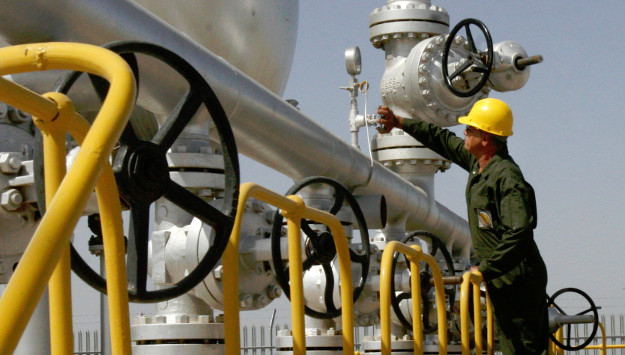
The latest anti-regime protests and internal security problems are more damaging to Iran’s national security than external threats, Major General Yahya Rahim Safavi, a senior adviser to Supreme Leader Ali Khamenei, warned today.

Operation Olive Branch
Turkey is one month into its military offensive against U.S.-backed Syrian Kurdish forces in the area of Afrin in northern Syria. How is the operation going, and how has the strained U.S.-Turkish relationship been affected? Gonul Tol, director of Turkish studies at MEI, and Amberin Zaman, a journalist and columnist for Al-Monitor, join host Paul Salem to discuss.

Iran’s Quds Force officers in the limelight
The extraterritorial operations Quds Force of the Islamic Revolution Guards Corps (IRGC-QF) is supposedly a secret special operations unit. Yet, leading commanders of the Quds Force have aggressively been seeking public attention lately.
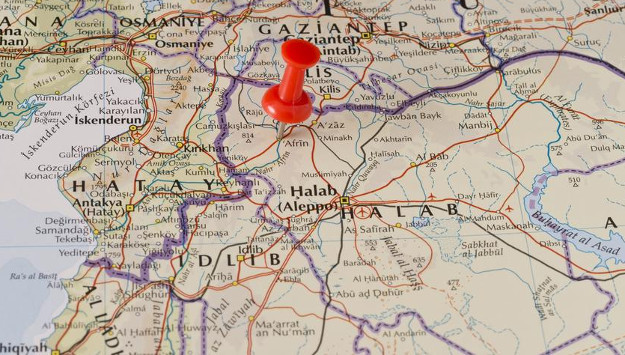
Report claims Iran deploys military personnel to Afrin to counter Turkish offensive
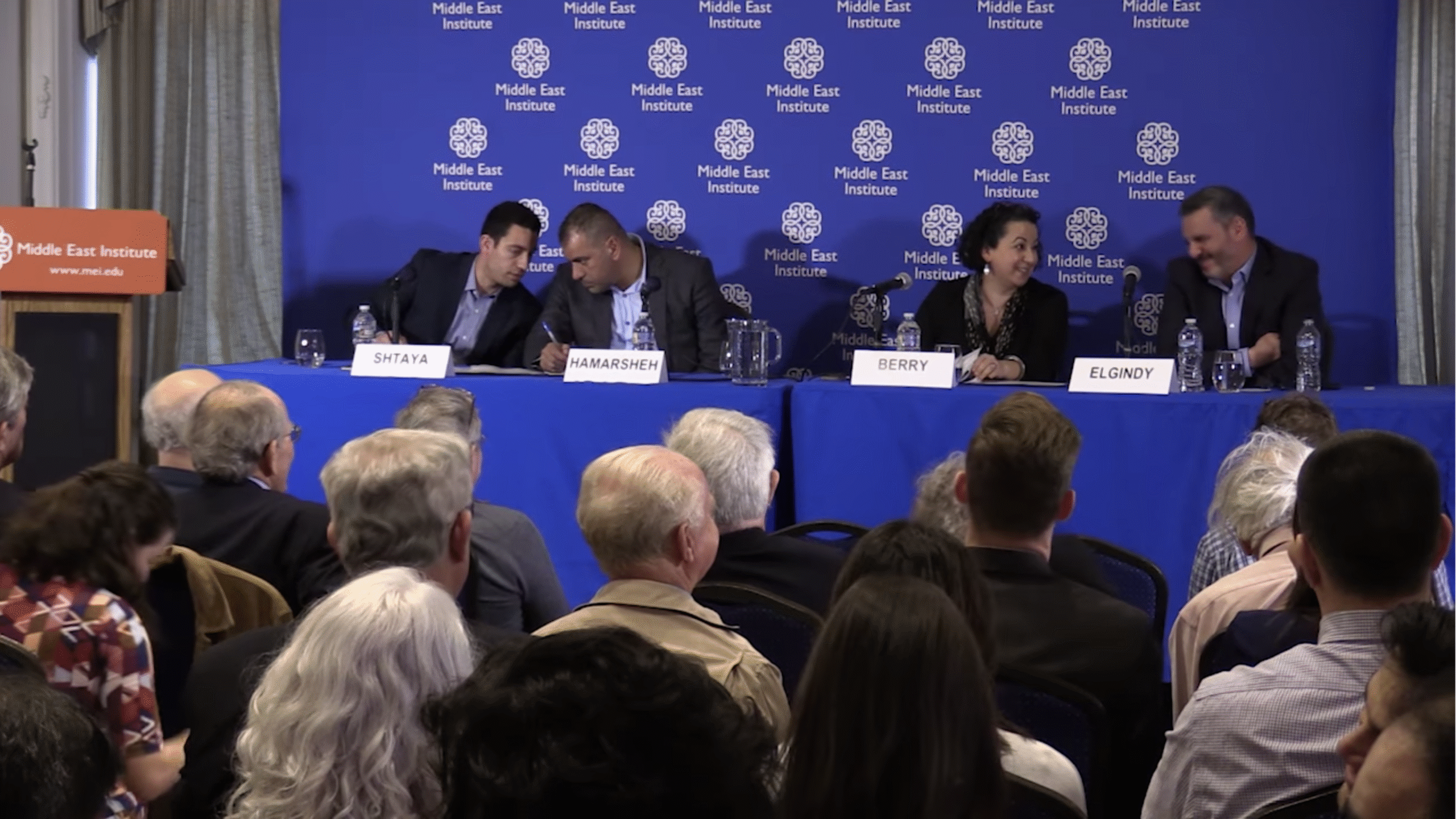
Envisioning Palestine: strategies for Palestinian self-determination
Relations between the U.S. and the Palestinians are in free-fall. The Trump administration’s decisions to recognize Jerusalem as Israel’s capital and then cut funding to UNRWA to force the Palestinians back to the negotiating table have been met with mass protests and official recriminations. Meanwhile, peace has never seemed more distant, with a recent poll showing support for a two-state solution at a historic low among both Israelis and Palestinians.
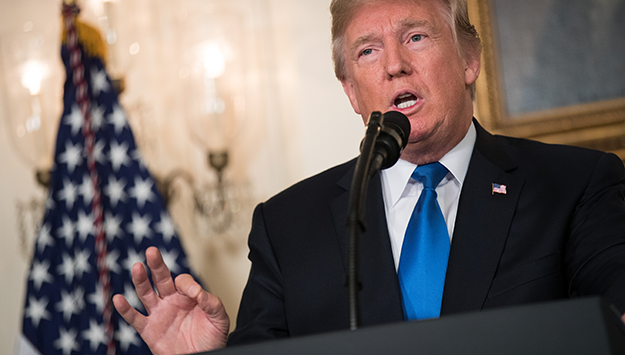
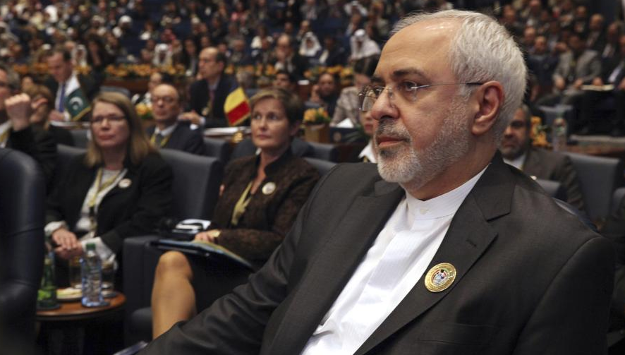
Iran’s negligible role in Iraq’s postwar reconstruction
While donor countries and organizations pledged $30 billion for Iraq’s reconstruction at an international conference held in Kuwait on February 14, Iran – which portrays itself as Iraq’s closest ally – made no financial commitments.
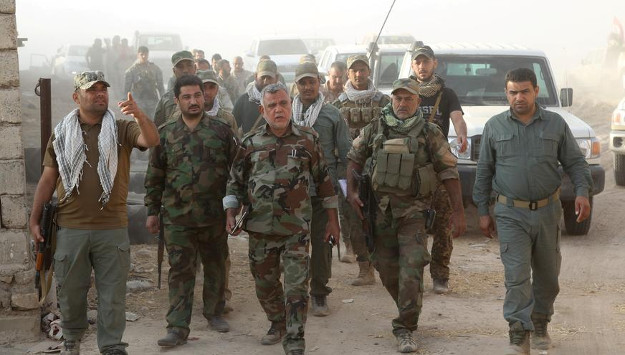
Iran’s allies in Iraq dial up calls for US withdrawal as parliamentary elections near
Several Iranian-supported Iraqi militia commanders and politicians this week called for the withdrawal of American troops from the country, argying that they are no longer needed as ISIS is now militarily defeated, Iranian and Iraqi media reported. A senior official of Asa’ib Ahl al-Haq (AAH), a unit within the Popular Mobilization Force with close ties with Iran’s elite Quds Force and the Lebanese Hezbollah, said today that the paramilitary forces and Iraqi parliament will not allow Washington to keep its troops in Iraq.
China, Jerusalem and the Israeli-Palestinian Conflict
On the surface, the Chinese reaction to the US decision to effectively recognize Jerusalem as the capital of Israel was clear. Following President Trump’s announcement to transfer the US embassy to the Holy City on December 6, 2017. Several days later, China voted with every other member on the UN Security Council (UNSC) to uphold the international consensus and previous UN decisions on Jerusalem. By going against world opinion, the US arguably looked out of step in relation to the conflict. By contrast, China’s alignment with international public opinion gave it the aura of a potential mediator. This essay considers whether Beijing has the political will and capacity to make a significant positive impact on the Israeli-Palestinian conflict.
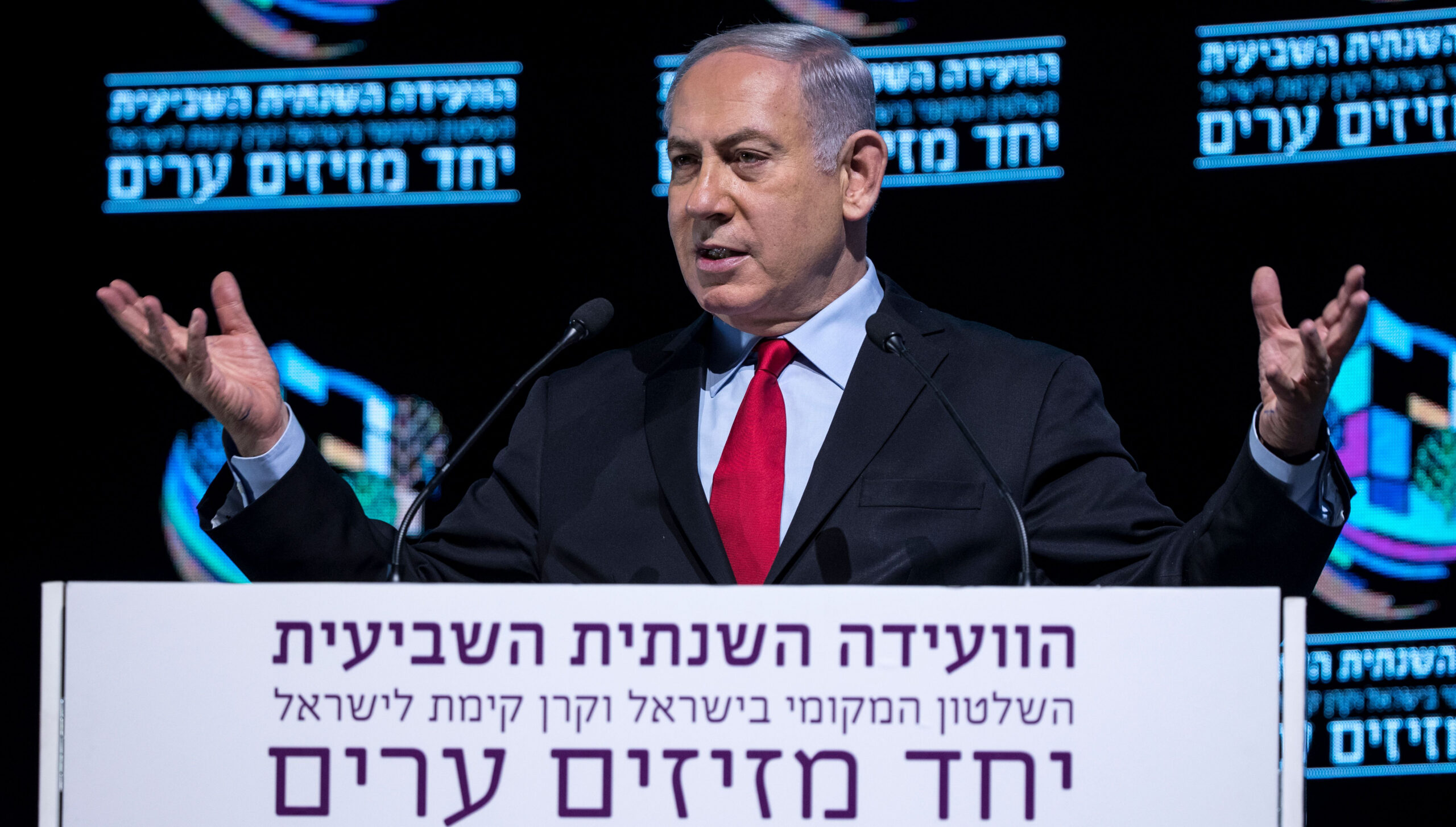
Weekly briefing: Netanyahu faces a whirlwind of investigations
In this week’s Weekly Briefing, MEI experts Eran Etzion, Gonul Tol, and Ibrahim al-Assil provide analysis on recent and upcoming events including Benjamin Netanyahu investigations, the impact of Rex Tillerson’s visit to Turkey, and Russia’s presence in Eastern Ghouta.
Netanyahu faces a whirlwind of investigations
Eran Etzion, MEI Scholar
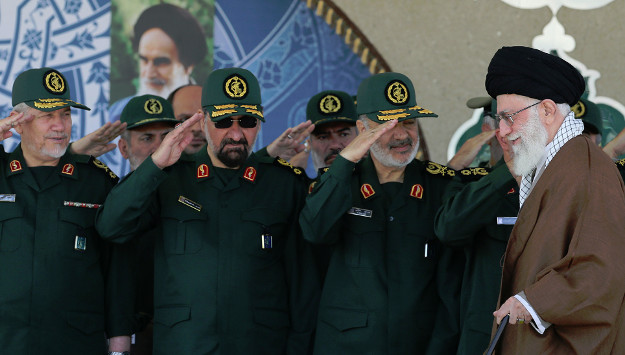
Ex-IRGC chief threatens to “raze Tel Aviv to ground” if Israel takes action against Iran
The Iranian armed forces will destroy Tel Aviv if Israel makes any wrong moves against the Islamic Republic, Mohsen Rezaei, the secretary of Iran’s Expediency Council, warned on Monday. “If the Zionist regime intends to take any action against Iran, we will raze Tel Aviv to the ground,” the former chief commander of the Islamic Revolution Guards Corps (IRGC) added. “We will not even give you the opportunity to escape,” Rezaei said about Israeli Prime Minister Benjamin Netanyahu during his speech to IRGC commanders.
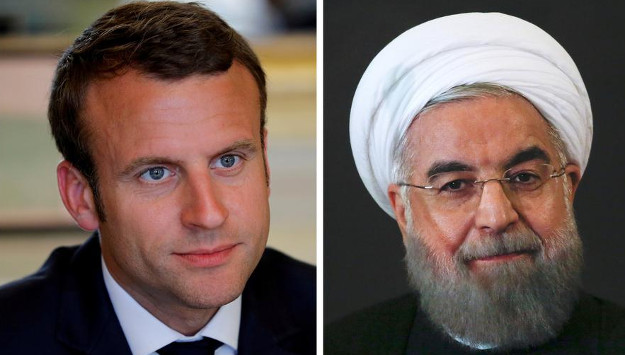
European powers step up efforts to address Iran’s destabilizing role in region
The Iranian Foreign Ministry reacted angrily to latest statements by France and Britain about Tehran’s hard power strategies that promote instability in the Middle East.