In this week’s Monday Briefing, MEI experts Charles Lister, Randa Slim, Jean-François Seznec, and Mirette F. Mabrouk provide analysis on recent and upcoming events including escalating tensions in Idlib, protests in Basra and their implications for Iraqi politics, a Saudi sovereign wealth fund’s loan to help make up for Aramco IPO revenue, and Egypt’s diplomatic outreach to China.
UN Special Envoy Martin Griffiths will lead a new round of negotiations next week to attempt to end the long and costly war in Yemen. A new UN report this week that outlines possible war crimes by the parties engaged in the conflict underscores the need to find a resolution. MEI’s Gerald Feierstein, a former U.S. ambassador to Yemen, and Randa Slim, who was a member of the last UN negotiating team on Yemen, join host Paul Salem to assess the prospects for the peace talks.
Can the US and Turkey mend fences in Manbij? | Monday Briefing
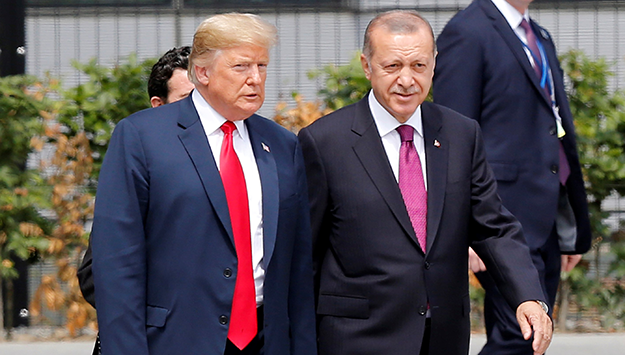
In this week’s Monday Briefing, MEI experts Gonul Tol, Robert S. Ford, Bilal Y. Saab, and Mirette F. Mabrouk provide analysis on recent and upcoming events including Turkey-U.S. cooperation in Syria amid diplomatic tensions, talks between U.S. and Russian officials on Syria policy, the implications of a new Iranian fighter jet, and Egypt’s revitalized work in regional diplomacy.
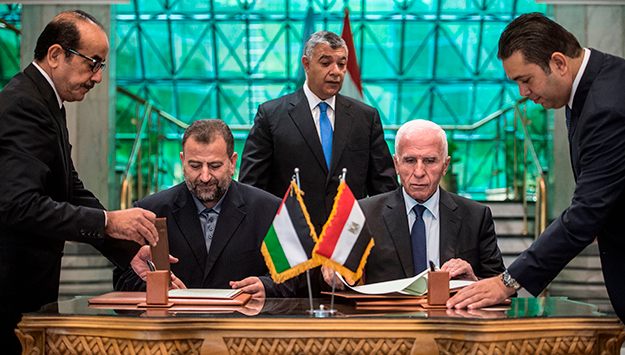
In this week’s Monday Briefing, MEI experts provide analysis on Fatah-Hamas reconciliation talks in Cairo, possible cooperation between the Syrian Democratic Council and the Assad regime, the protests in Iraq, the U.S.’s lifting of restrictions on aid to Egypt, and Imran Khan’s victory in the Pakistani elections.
Houthi attack in strategic shipping lane could undermine oil markets
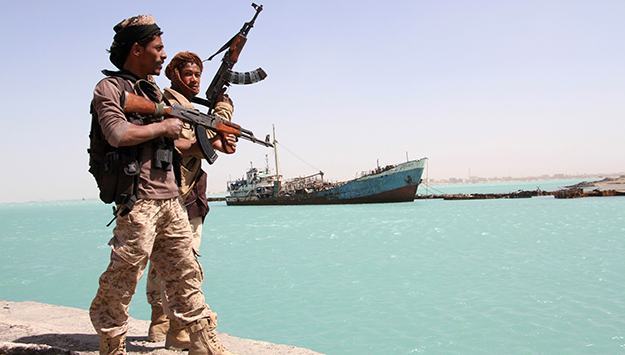
Saudi Arabia temporarily halted all oil shipments through the Bab al-Mandab strait on Wednesday, Jul. 25, after two of its very large crude carriers were attacked by Houthi rebels. According to Saudi and Yemeni officials, the attack was launched from the besieged port city of Hodeida.
Regional conflict and internal chaos have allowed militant jihadi groups to rise and flourish in Yemen. This paper analyzes two of the most prominent such groups, al-Qaeda in the Arabian Peninsula (AQAP) and the Islamic State in Yemen (ISY), by scrutinizing the factors that led to their respective ascents and examining the challenges and pressures that have caused their respective declines.
Can the Hodeidah offensive open the door to dialogue?
With the Saudi-led coalition’s offensive operations against the strategic port and city of Hodeidah stalled, eyes are now on UN Special Envoy Martin Griffiths as he attempts to negotiate a political resolution. Fatima al-Asrar, senior analyst at the Arabia Foundation, and Sama’a al-Hamdani, director of the Yemen Cultural Institute for Heritage and the Arts, join guest host Gerald Feierstein to assess the state of the four-year-old Yemen conflict and its impact on the Yemeni people.
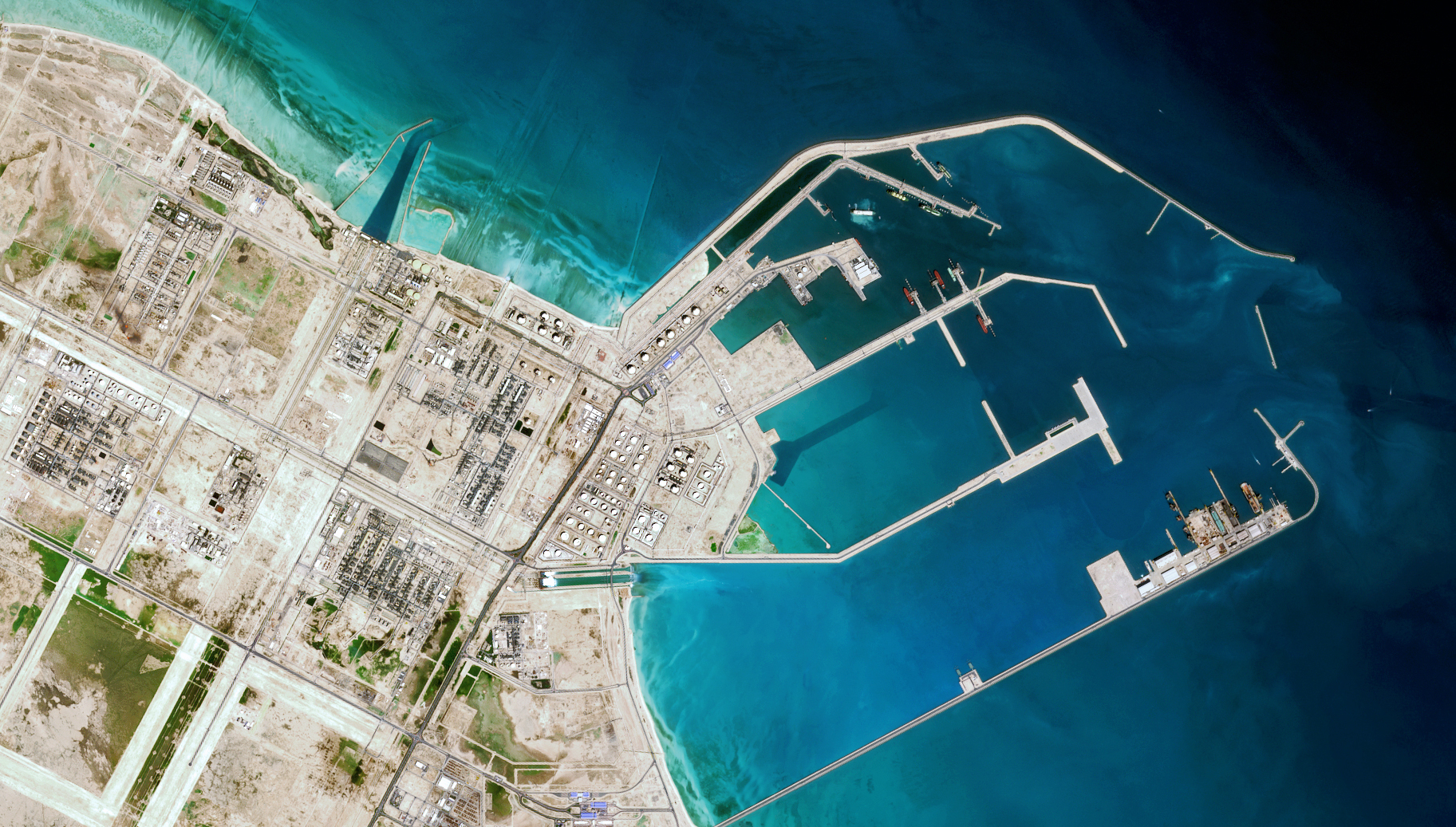
Even though energy production and exports are the lifeblood of all Arab states in the Gulf, the present crisis between Qatar on the one hand and Saudi Arabia, the United Arab Emirates, Bahrain, and Egypt on the other has had very little influence on the economics of oil and gas either internationally or within the region. However, the countries involved have a lot to gain from a resolution of the conflict, particularly if it leads to greater energy market integration.
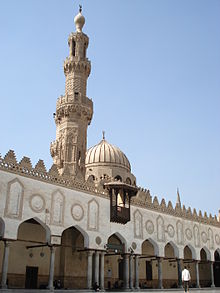
Embracing Moderation: Egypt’s al-Azhar and Indonesia’s Pesantren
Over the past 20 years, Indonesia — the world’s fourth most-populous country and the largest Muslim-majority nation — has evolved into a democracy based on tolerance and a moderate interpretation of Islam, and has emerged as one of Asia’s fastest-growing economies. This essay is part of a series on “Indonesia and the Middle East: Exploring Connections,” which examines the nature, scope, and implications of Indonesia’s ties with the MENA region.
There are promising signs that the Saudi-backed coalition in Yemen’s assault on the port of Hodeida is opening a window of opportunity for a return to the political process. After a year of stalling, the Houthis have reportedly expressed a willingness to hand over operation of the port to a neutral third party, most likely the U.N. itself. Meanwhile, U.N.
The battle for Hodeida and the humanitarian crisis in Yemen
Aid groups are warning that a major offensive underway to capture the strategic port of Hodeida could make Yemen’s humanitarian crisis even worse. Basma Alloush (Norwegian Refugee Council), Farea Al-Muslimi (Sana’a Center for Strategic Studies), and Gerald Feierstein (MEI), join host Paul Salem to assess the situation.
Egypt’s sustainable development threatened by Ethiopian dam
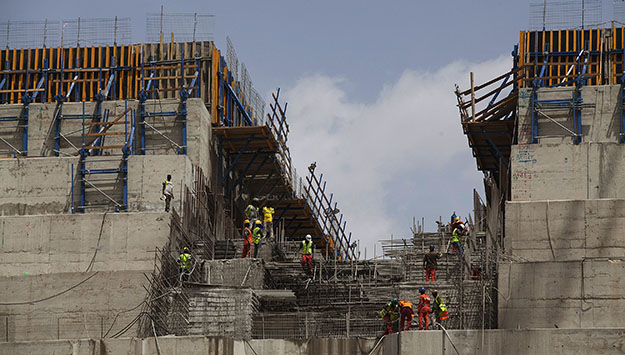
It is a travesty that in the 21st century the construction of a mega-hydropower-generation project, the Great Ethiopian Renaissance Dam (GERD) has been underway for over seven years without an independent, comprehensive transboundary Environmental and Social Impact Assessment (ESIA) conducted first.
In a region beset with conflicts, Oman has served as a valued intermediary in foreign relations, including as a facilitator in U.S.-Iranian contacts that led to the Iran nuclear deal. How is it managing its delicate diplomatic balancing act as it works to mediate the Yemen civil war and the dispute between Qatar and other GCC states? Sayyid Badr bin Hamad al-Busaidi, secretary general of Oman’s ministry of foreign affairs, joins guest host Gerald Feierstein to discuss.
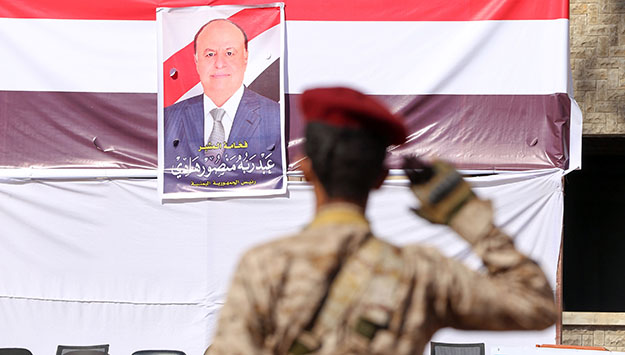
A ray of hope for Yemen finally appeared on Apr. 17 when Martin Griffiths, the new U.N. special envoy to Yemen, announced that he will put in place a framework for new talks within two months. However, a string of resignations and revelations in the Yemeni government raises questions about Hadi’s leadership of the anti-Houthi forces.
Iran’s regional allies threaten Saudi Arabia and US after Houthi leader’s death
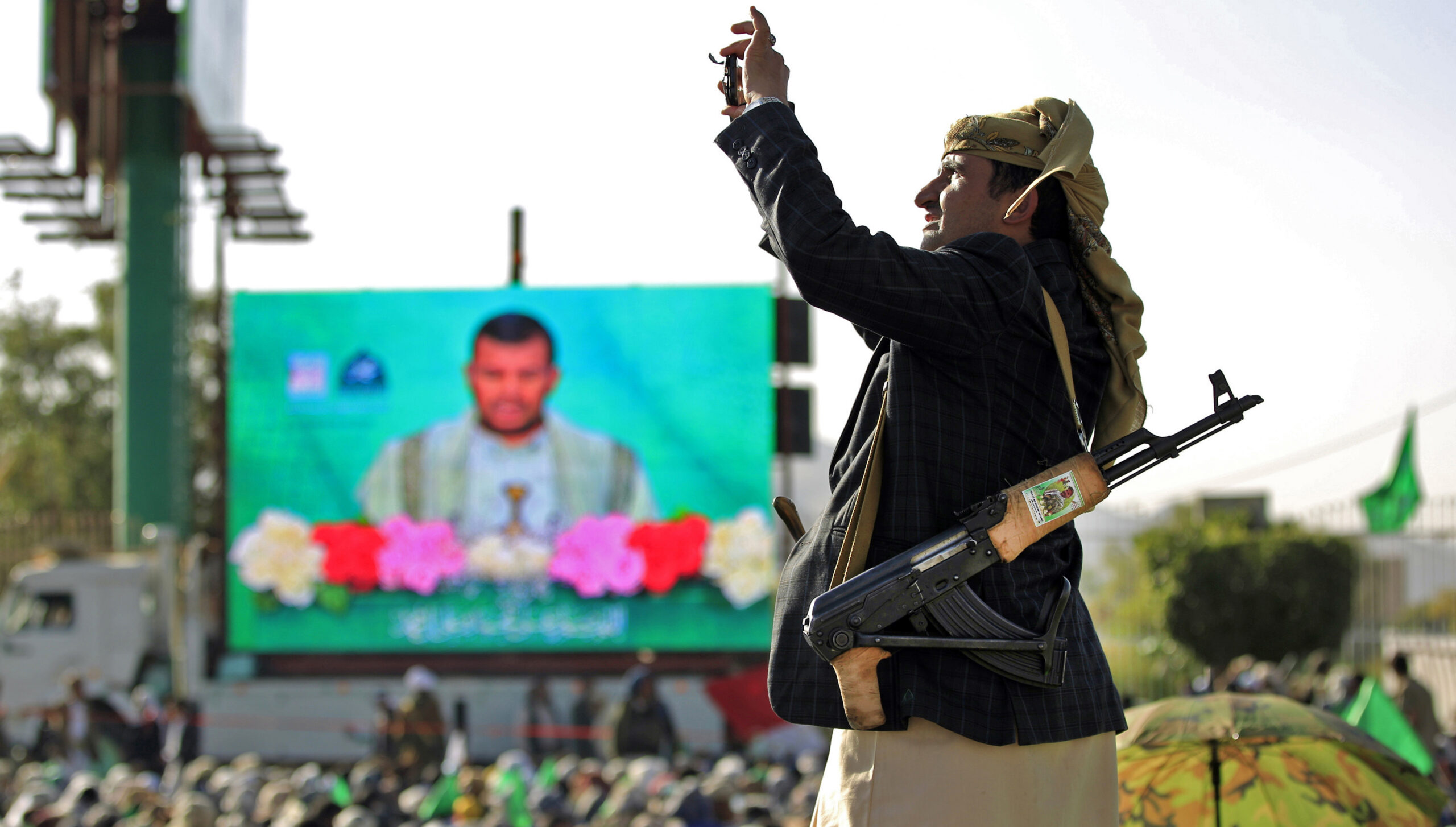
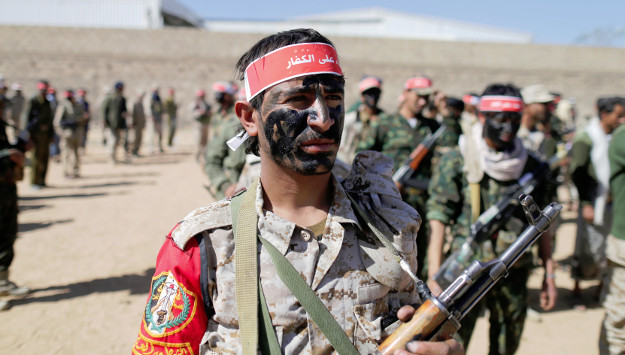
Iran’s regional militia allies have vowed retaliation for the death of Houthi leader Saleh al-Sammad in Yemen, the Iranian media reported. The Houthi rebels as well as Iran’s regional militia proxies said they would hold not only Saudi Arabia but also the United States accountable for the killing of al-Sammad. The Iraqi Hezbollah said the Houthi leader’s assassination will open a new chapter in the fight against Saudi Arabia, which it said is “mired in the Yemeni quagmire.” It also accused Washington of complicity.