Egyptian Civil Society in Transition—Reflections on Cairo’s Governance
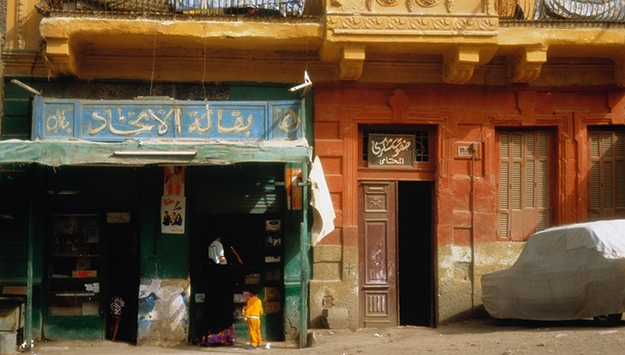
This essay discusses the various barriers that inhibit local communities in densely populated, poor quarters in Cairo from taking action in order to improve the provision of basic services and the overall conditions in these neighborhoods.
The United States Should Prevent an Egyptian Shift to Russia
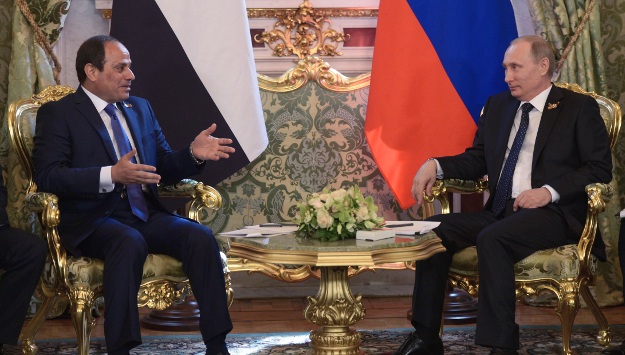
Roughly five decades since the Soviet foray into the Middle East vis-à-vis the Czech arms deal with Egypt in September 1955, Russia is reasserting its influence in Egypt. The deal marked the beginning of a brief period that saw Moscow serve as the primary military supplier for a number of regional countries that formed an ‘anti-imperialist front’, such as Egypt, Iraq, and Syria.
U.S. Forces in Sinai Ripe Pickings for Islamic State
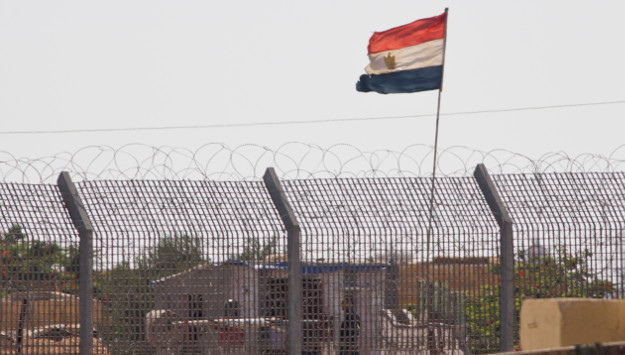
Despite its preferences, the United States is quietly increasing and modifying its military deployment in Egypt’s Sinai Peninsula in response to the growing threat posed by ISIS.
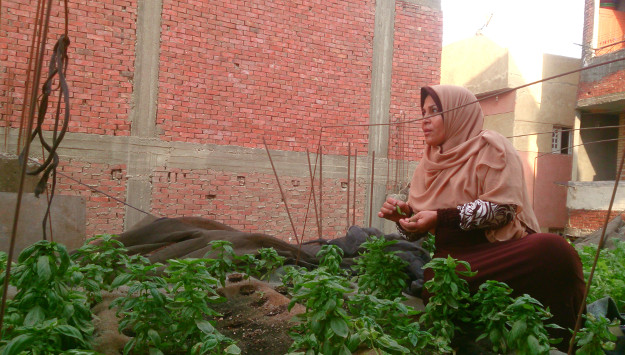
On the rooftop of a three-story brick building tucked inside a dusty alley of ‘Izbat al-Nasr, a poor and informal neighborhood southeast of Cairo, Leila Hussein crouches, tending to the basil and rocket she grows. The incessant cackling of geese, chickens, and pigeons emanating from the roof of a similarly run-down, red brick structure opposite the street gives an eerie, rural soundtrack to her meticulous work.
The Egyptian state today faces one acute crisis after the other. To be fair, the Egyptian military cannot be held responsible for creating these crises. However, it is unlikely that Egypt will be able to resolve them unless and until the armed forces divests itself of the power and the privileges associated with the immense economic power and privileges it has accumulated.
According to the UN’s World Urbanization Prospects 2014, there are 28 “megacities” worldwide (i.e., urban agglomerations with populations in excess of 10 million). By 2030 another dozen will likely be added to their ranks.
The following represents findings from an MEI delegation trip to Egypt that took place between October 5 and 9. The delegation met with government, civil society, youth and business leaders, and heard a variety of views on the country’s challenges. What follows is a presentation of the views we heard, not an MEI assessment.
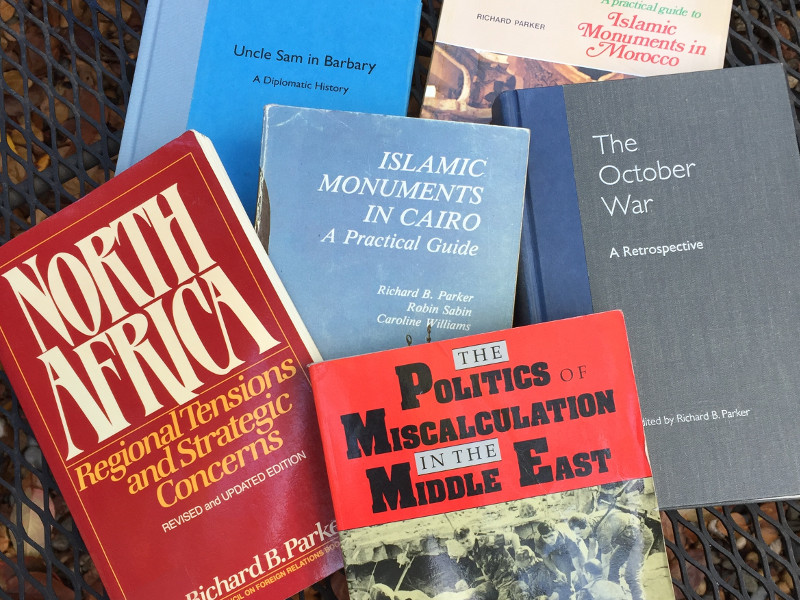
Only a few authors have works that can be found on both floors of the Oman Library at The Middle East Institute, and fewer still that have a personal connection to both the institute and the history of the region. The late Ambassador Richard B. Parker can claim this status, having served 31 years in the Foreign Service and as the third editor of The Middle East Journal. He was also a longtime MEI scholar-in-residence.
Dateline Egypt: Roadmaps, Refinancing, and Regional Roles
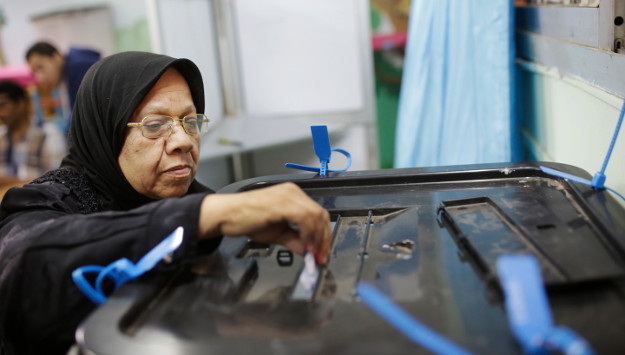
In the past ten days Egypt held a first round of parliamentary elections, announced renewed loan talks with the IMF, experienced new clashes with militants in the Sinai, and joined multinational talks to end the war in Syria. These headlines provide current glimpses into the country’s complex and challenging political, economic and security trajectories.
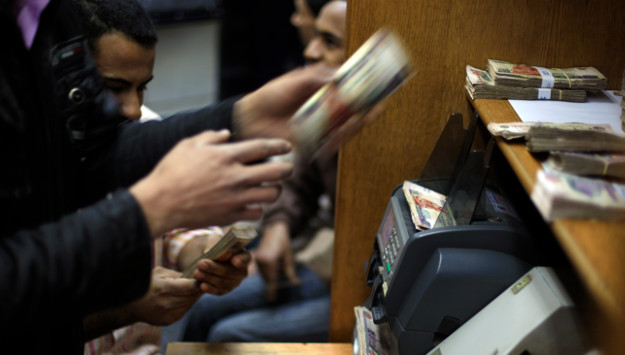
Since the 1990s, the need for streamlined procedures to facilitate business, trade and investment has grown to crisis proportions in Egypt. But the political will to deliver administrative reform was always lacking, not least because it would involve lay-offs and wage reductions; in other words, direct threats to the livelihoods of some seven million state employees and consequently the regime’s popularity. But with the government wage bill estimated to reach USD30 billion next year, Egypt has finally taken action.
In mid-June, just before Ramadan, the pre-dawn calm of downtown Cairo was shattered by the sound of heavy machinery. The municipality had decided to repair the battered sidewalks, a fairly regular occurrence since shoddy concrete tiles are typically used for the job. Truckloads of sand were deposited at intervals along the main boulevards to be spread as a bed for the new tiles, while much of the rubble from the old ones was left piled by the curbs. To avoid the rough new terrain pedestrians took to the streets with the cars.
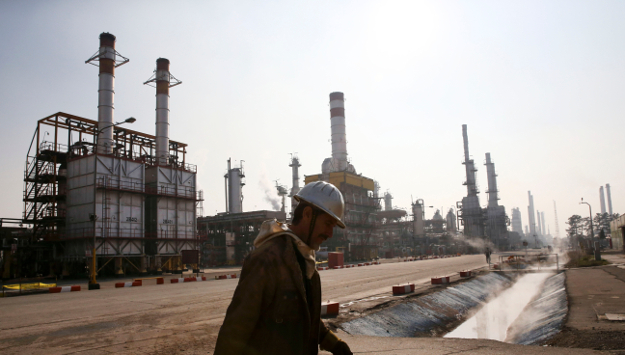
Italian energy company Eni announced on August 30 that it had discovered a deep-water gas field 93 miles north of Egypt’s Mediterranean coast.[1] The field, named Zohr, holds an estimated 30 trillion cubic feet (cft)[2] of natural gas (NG) reserves, potentially making it the twentieth largest in the world and the largest in the Mediterranean.
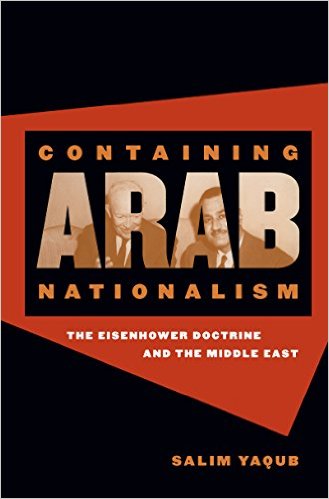
Collection Spotlight: Containing Arab nationalism: the Eisenhower doctrine and the Middle East
Under the threat of an increasingly influential Communist Soviet Union, in the mid-twentieth century the United States became more and more involved in Middle Eastern affairs. Struggling to reconcile its goals of containment, access to oil, and Israeli security, the U.S. government implemented a historic doctrine that pledged increased economic and military aid to the region in exchange for political allegiance.
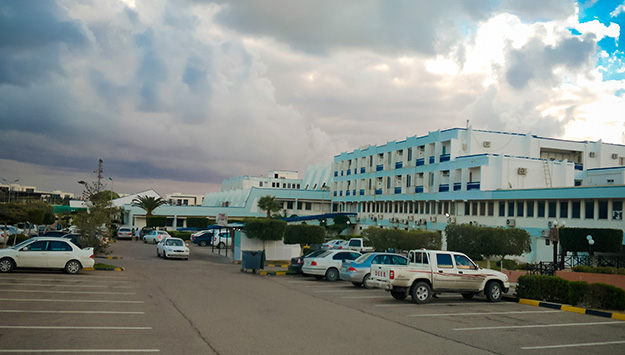
MEI spoke with Reida El Oakley, Libya’s minister of health, about the state of health care in the country and how Libya could receive the funding it desperately needs.