The politics and geopolitics of the Afghan refugee crisis
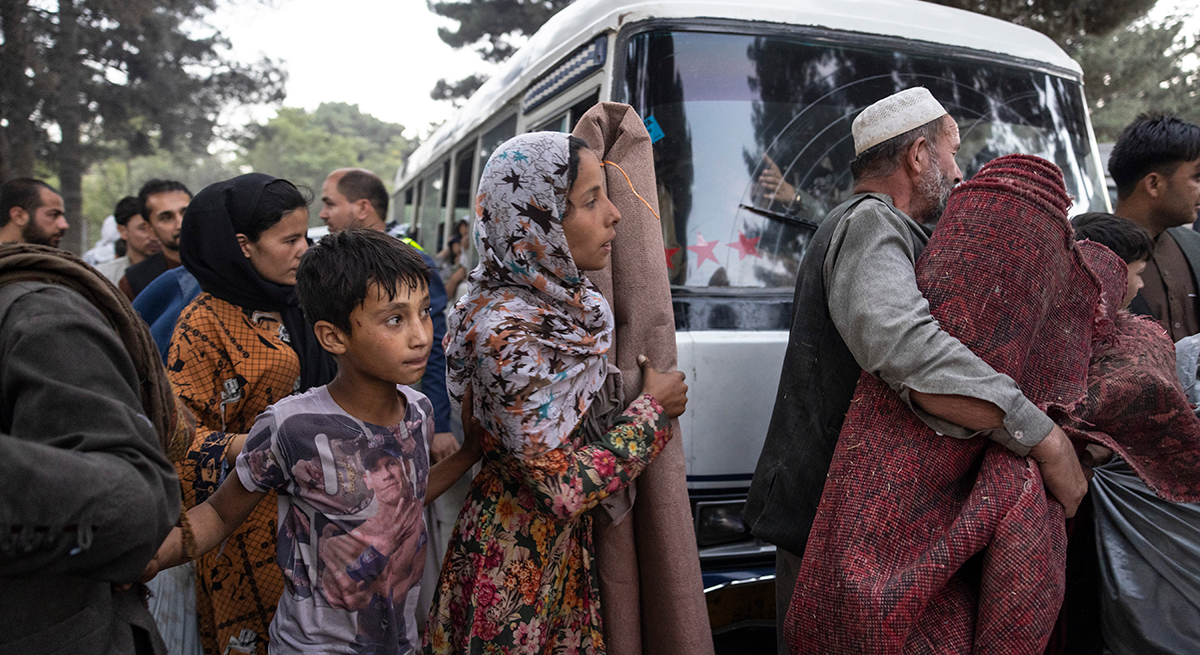
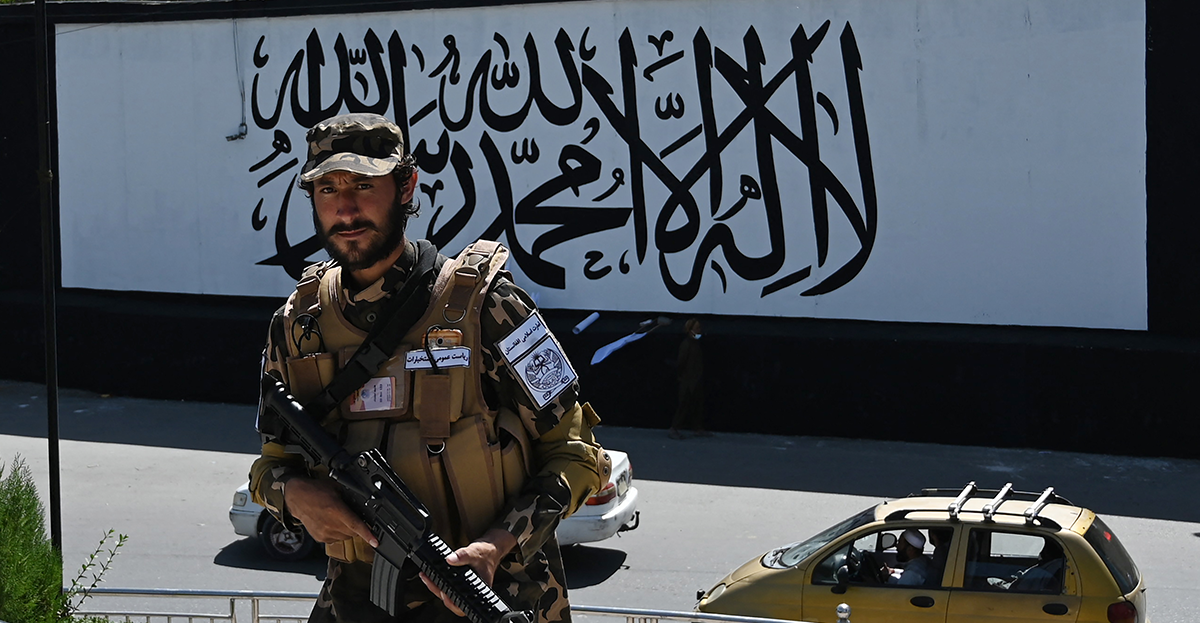
For the second time in the past two decades, a large number of Afghans find themselves escaping chaos. Twenty years ago, it was the American invasion of Afghanistan after the terrorist attacks of 9/11 that caused a large wave of refugees. More recently, the hasty American withdrawal from the country and the ensuing Taliban takeover have created another wave of refugees.
Iulia Sabina-Joja and Alex Vatanka join the program to discuss Iranian foreign policy and the Shanghai Cooperation Organization. Amid growing concerns about the regional repercussions of the Taliban takeover of Afghanistan, the SCO met for its 20th anniversary summit in Dushanbe, Tajikistan on September 16th and 17th. Regional security cooperation and Iranian accession were at the top of the agenda, with Iran formally joining the organization as a full member on September 17th.
Iran and the Taliban after the US fiasco in Afghanistan
For Iran, Washington’s Afghanistan fiasco has been touted as confirmation that U.S. policy in the Islamic world is doomed to fail. The immediate geopolitical and ideological gains, however, could be overshadowed by the potential challenges that a Taliban-ruled Afghanistan may pose for Iran’s security and regional interests in the long run.
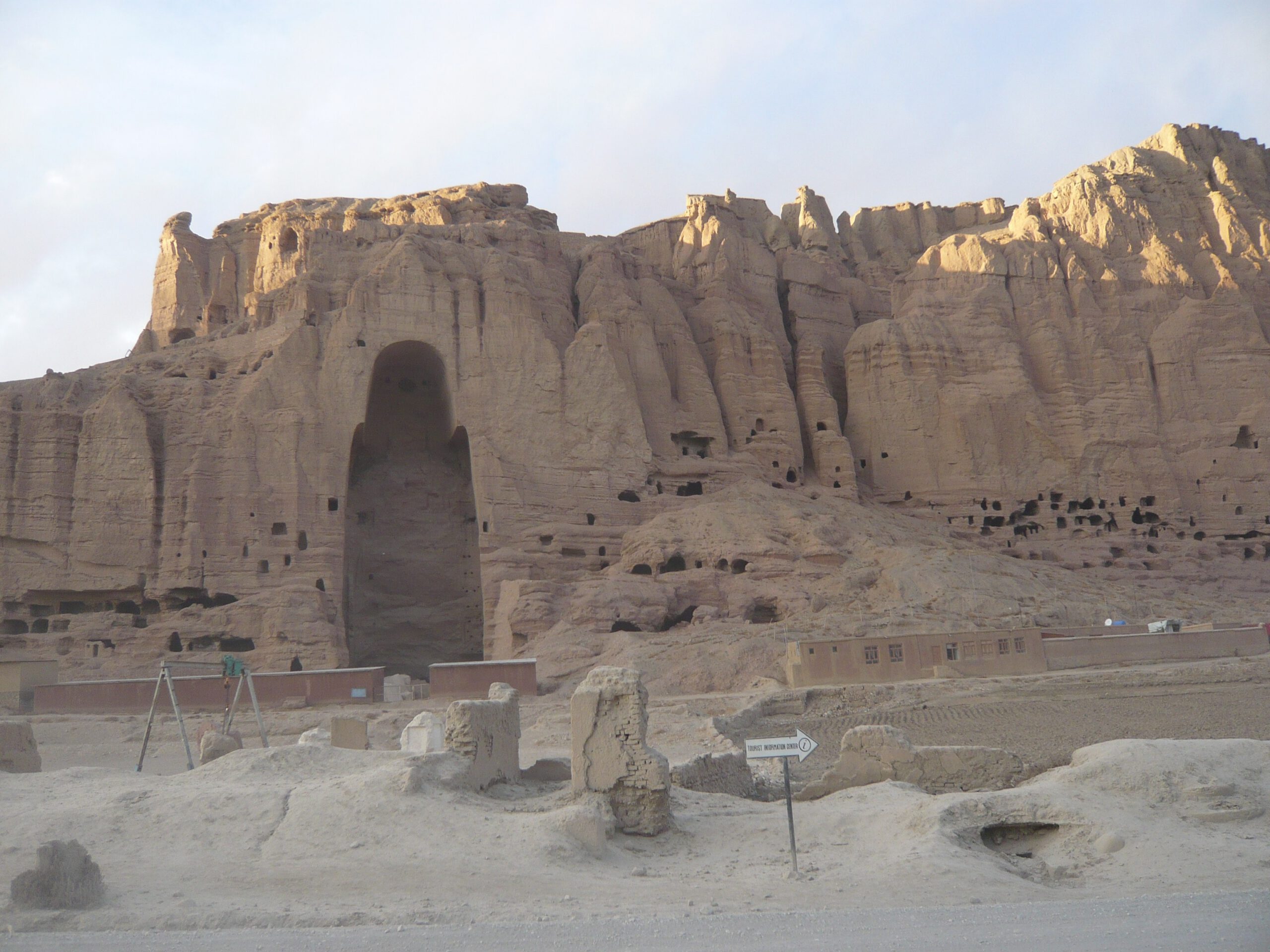
ديجافو مرة أخرى في أفغانستان: التفاوض مع طالبان لإنقاذ المواقع التراثية
بينما يشاهد العالم استيلاء طالبان على أفغانستان وما أعقب ذلك من أحداث متلاحقة، يبدو الأمر وكأنه “ديجافو” أو تكرار لمعاناة أبناء هذه الأمة. ومع عودة طالبان إلى وادي باميان، وهو أحد مواقع التراث العالمي لليونسكو الذي أجاز فيه الملا عمر تدمير تمثالين من القرن السادس لبوذا قبل 20 عامًا، ندرك أننا شاهدنا هذا الفيلم من قبل ونعرف كيف تكون نهايته.
The Afghan refugee crisis: What does it mean for Iran?
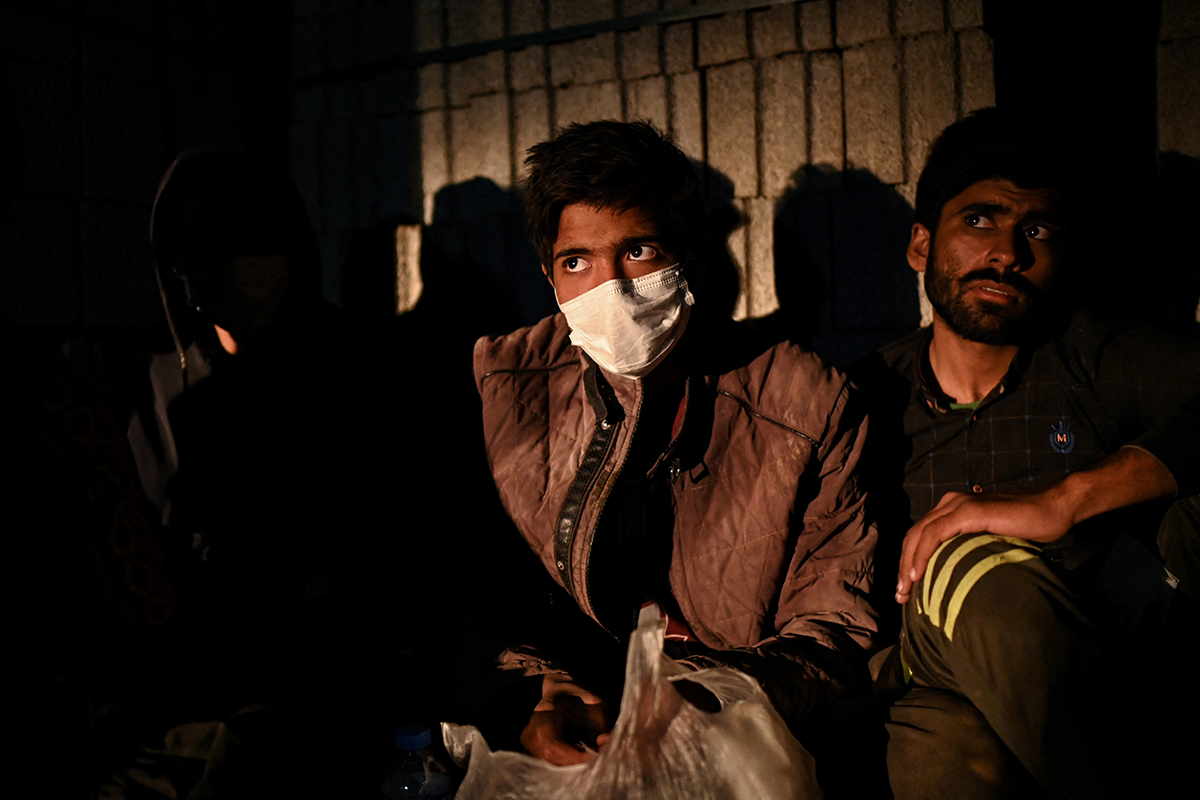
The images of desperate Afghan citizens trying to leave their country, beyond highlighting a massive human tragedy, may become a symbol of the so-called war on terror. Many of those Afghans already understand the feeling of abandoning their homes, because their families experienced it. They know what happens when foreign armies withdraw from their country and the tragedies that can ensue. The difference this time, however, was the deadline — only a few weeks.
Afghanistan must address existential and structural challenges before tapping natural resource wealth
Right now, Afghanistan is on the cusp of an economic collapse, not some Chinese investment bonanza. Its immediate challenges are existential. And until economic, political, and security conditions stabilize, and legal and regulatory frameworks for investments are in place, Afghanistan’s connectivity and mineral wealth dreams will remain just that.
Though aware of the weaknesses of the former Afghan government, none of the Central Asian governments seemed prepared for the rapidity and decisiveness of the Taliban victory. Not unreasonably, Central Asians fear that it will spur the growth of regional terrorism and extremism, either through direct Taliban sponsorship or inspiration. The five Central Asian states backed the anti-Taliban opposition in the 1990s and then the U.S.-led NATO military campaign in Afghanistan after 2001. Presently, the Central Asian governments are eschewing policies that could antagonize the new regime while looking for indications whether the Taliban have genuinely turned over a new leaf and renounced international terrorism. If they have, then some Central Asian countries seem open to economic and perhaps other cooperation. If not, Central Asians will likely rely on Russia for enhanced security support.
The return of the pharaohs: The rise of Egypt’s civilization-state
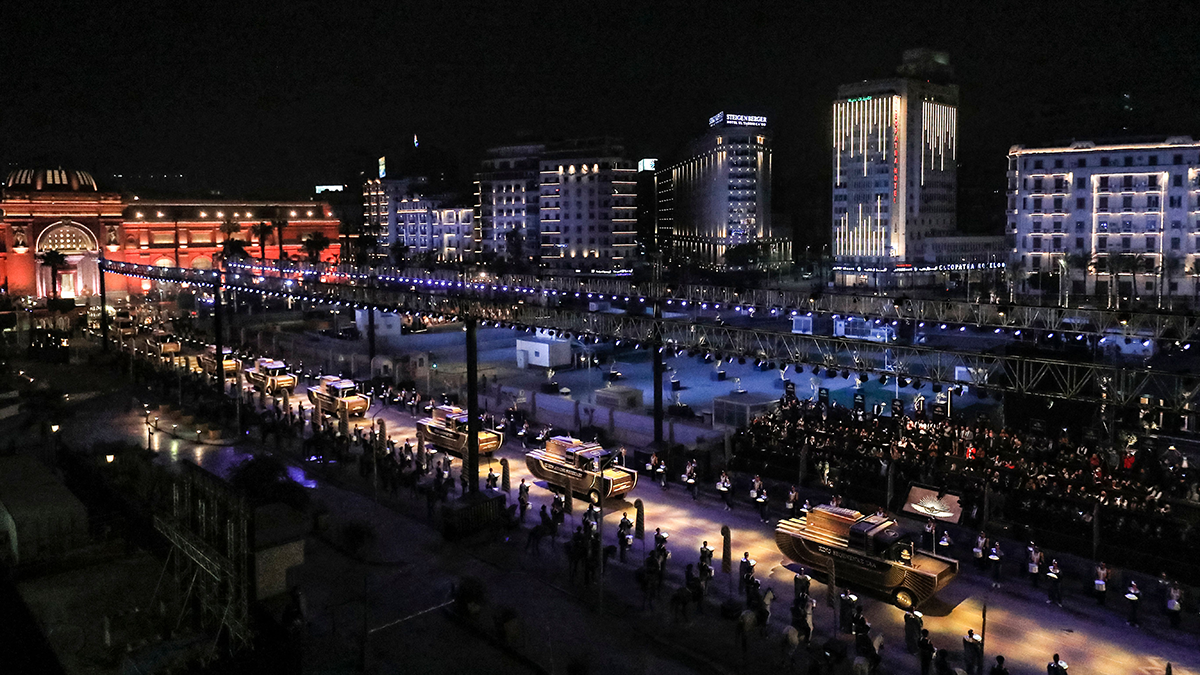
After decades of soul searching to define itself as a state, Egypt is building its own civilization-state and seeks to join an emerging club of nations that center historical and cultural tradition in their policy and governance structures and reject the West’s cultural dominance. The civilization-state is the prism through which Western capitals should view and understand Egypt’s domestic and foreign policy moves.
Budget dust: Better approaches for security and sustainability — lessons learned from Iraq and Afghanistan
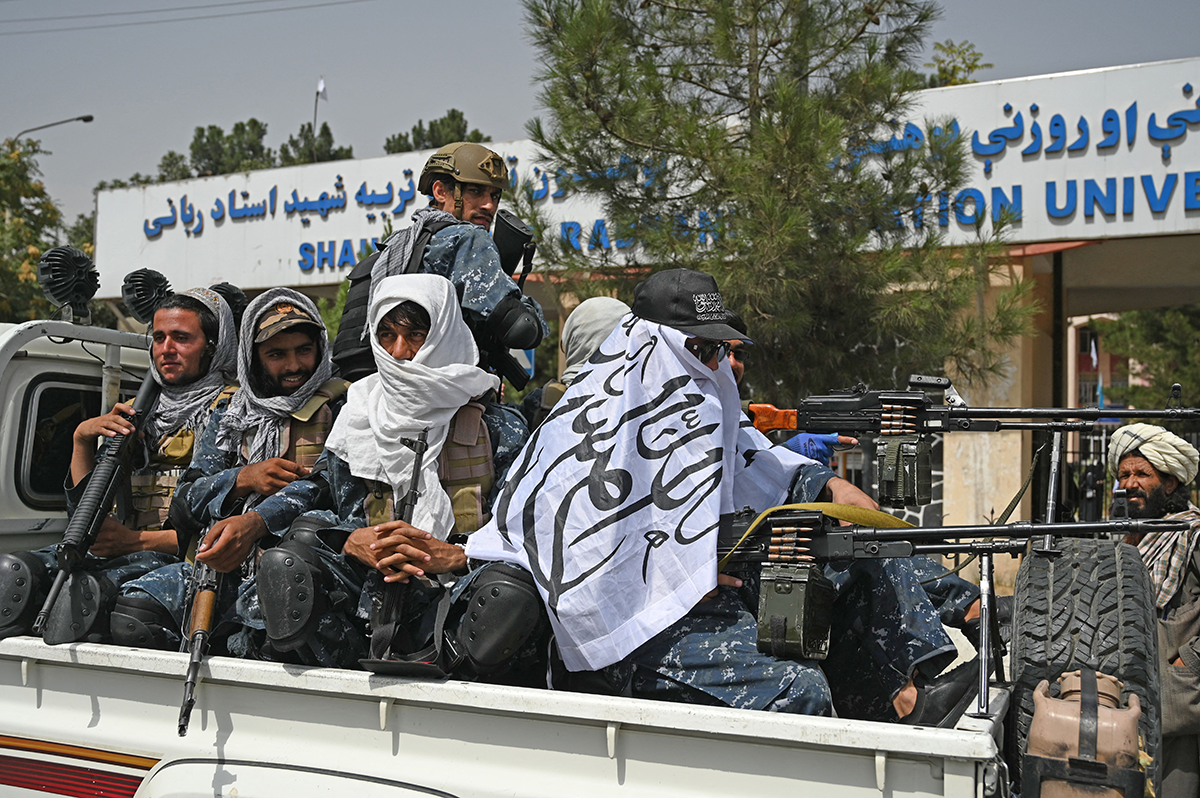
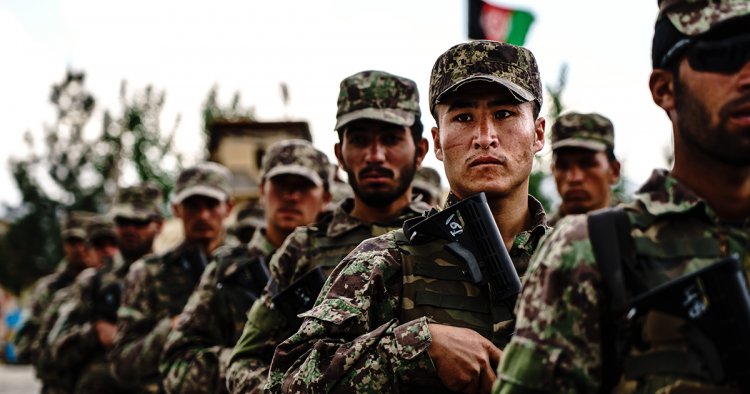
It took the Taliban just three and a half months to undermine a 20-year international effort to build a competent Afghan military. The Afghanistan National Army (ANA) collapsed once it was clear the U.S. was pulling out ground troops and ceasing air support operations after two decades of training and sustainment that cost the American taxpayer approximately $83 billion. When required to stand alone, against a Taliban force, the ANA failed unequivocally. Building the ANA as a mirror image of the U.S. military was strategically and operationally flawed. If they are designed to fight like the U.S. but cannot fight in the absence of U.S. forces, they are ineffective. What lessons should we learn from this and how could our approach be different in the future?
Stuck in the middle: Afghanistan between the superpowers
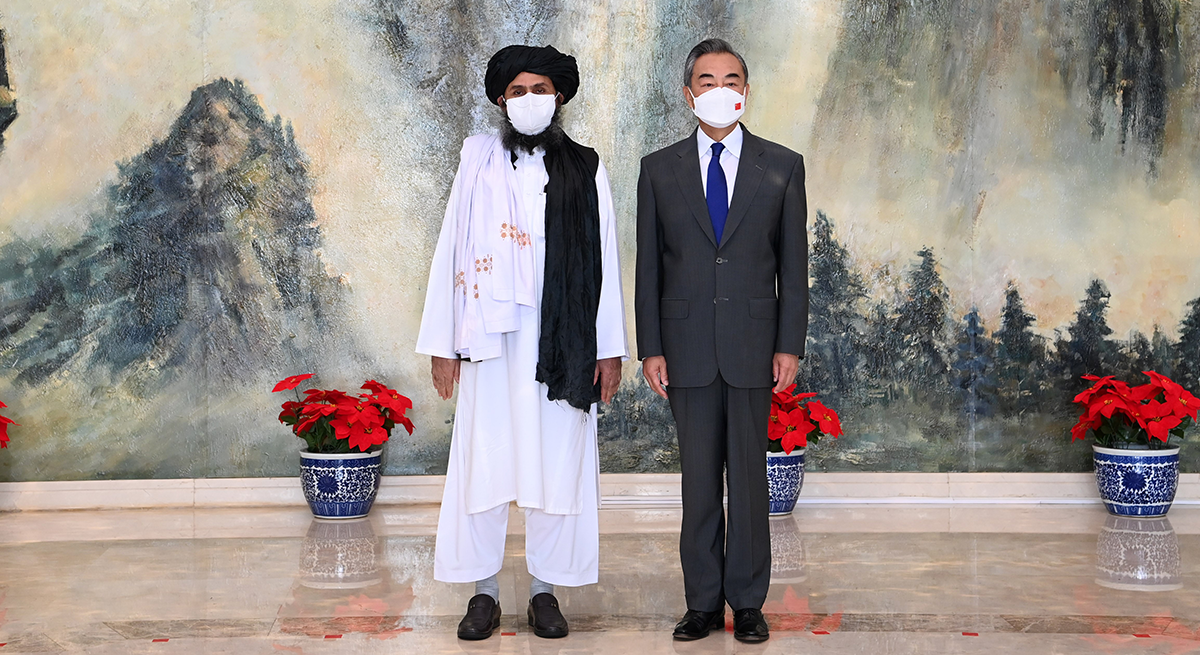
After 20 years of extensive involvement in Afghanistan by the U.S. and other NATO allies, now is the time to ask what China sees in the country and how it plans to approach relations with its new rulers, the Taliban.
Balancing ties, Russia expands Afghanistan cooperation with both India and Pakistan
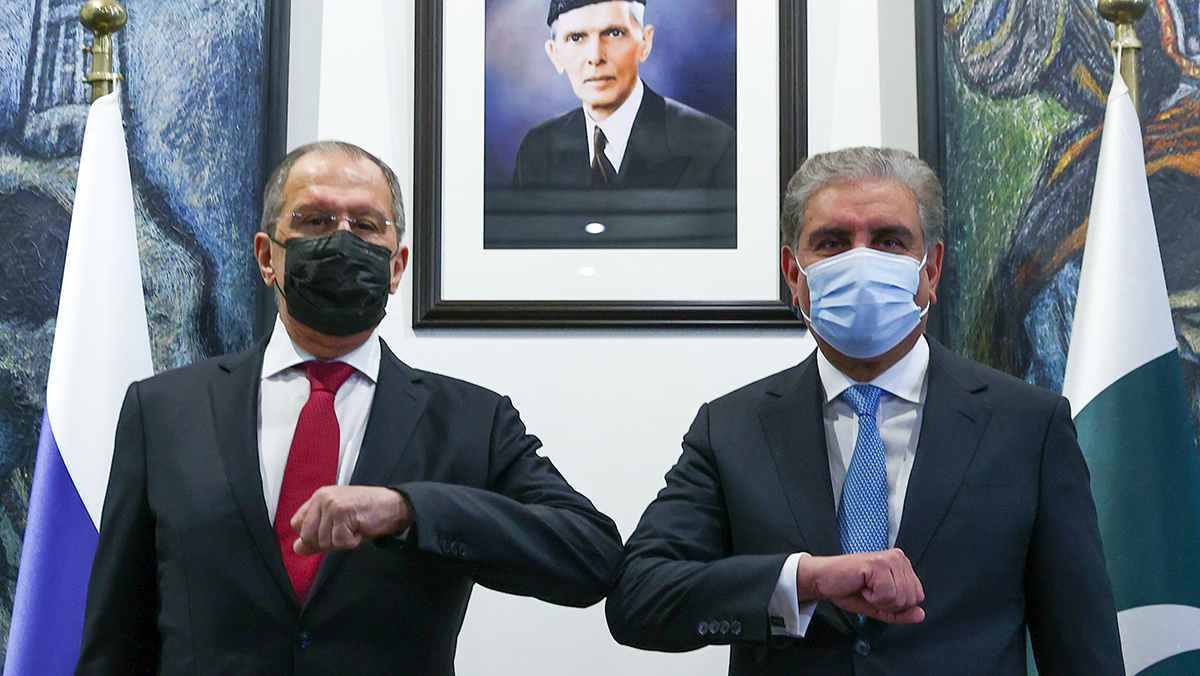
Since the Taliban seized control of Kabul on Aug. 15, Russia has expanded its engagement with India and Pakistan on Afghanistan. Russian President Vladimir Putin held talks with Indian Prime Minister Narendra Modi on Aug. 24, which resulted in the creation of a permanent bilateral channel for consultations on Afghanistan. On Sept. 8, Modi’s national security advisor, Ajit Doval, met with his Russian counterpart, Nikolay Patrushev, and agreed to expand Russia-India cooperation against terrorism and drug trafficking. On Aug. 25, Putin spoke with Pakistani Prime Minister Imran Khan about the situation in Afghanistan, which resulted in Khan inviting Putin to visit Pakistan. Russia’s simultaneous engagement with India and Pakistan on Afghanistan is the latest iteration of its balancing strategy toward the two South Asian rivals.
Rida “Lenin” Cheheb Mekki: The ideologue of Tunisia’s July 25 power grab?
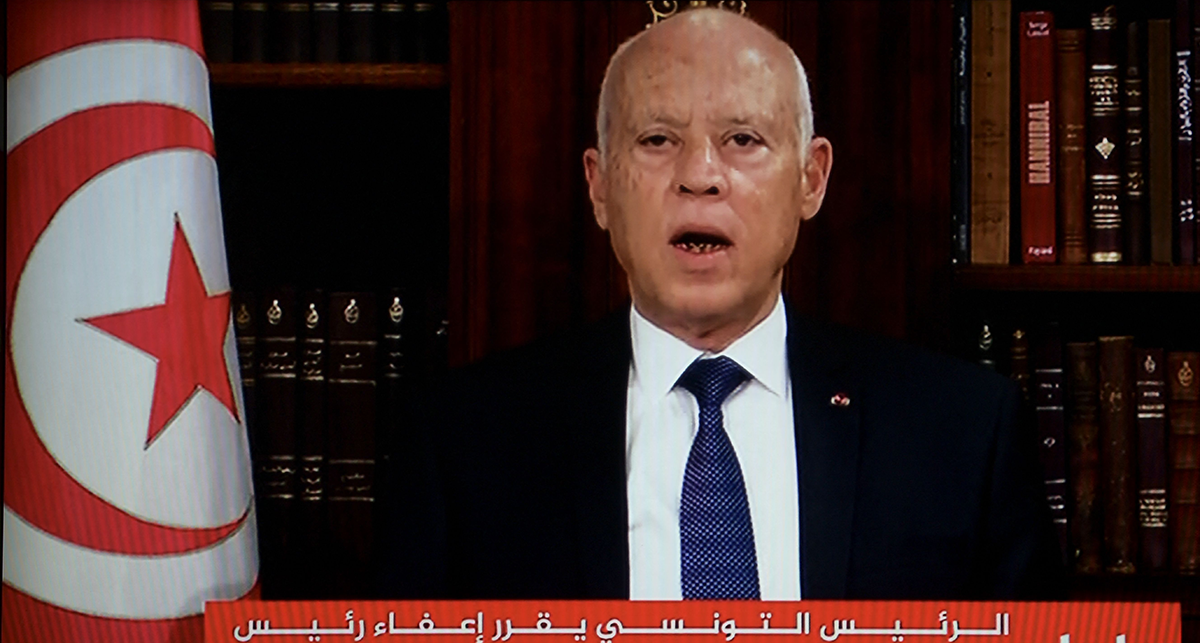
Tunisia’s July 25 hirak was in the making since 2011, but perhaps we researchers were simply looking in the wrong place. This article presents a simplified account of the ideological roots of President Kais Saied’s July 25 power grab. Drawing on original and previously unused data as well as diverse sources, including a book recently withdrawn from stores, it offers a snapshot of the concept-map of ideas that have thus far remained hidden from the public domain.
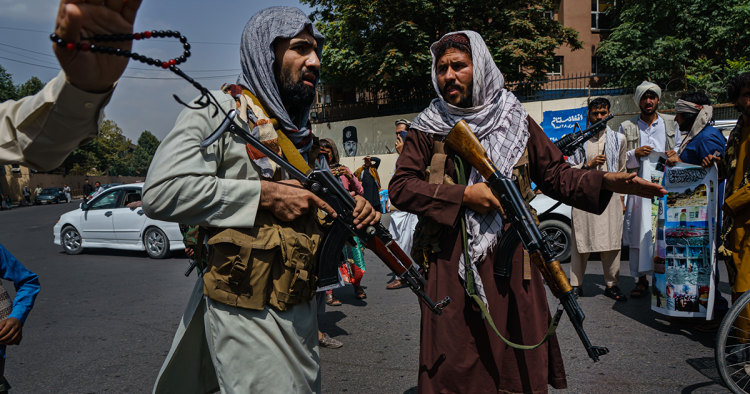
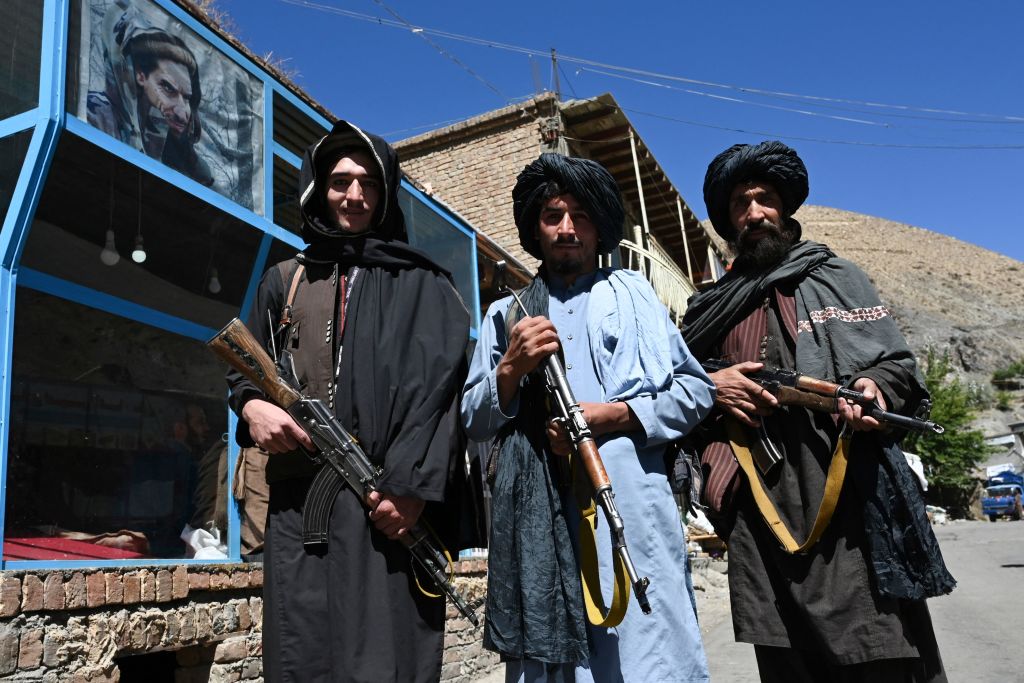
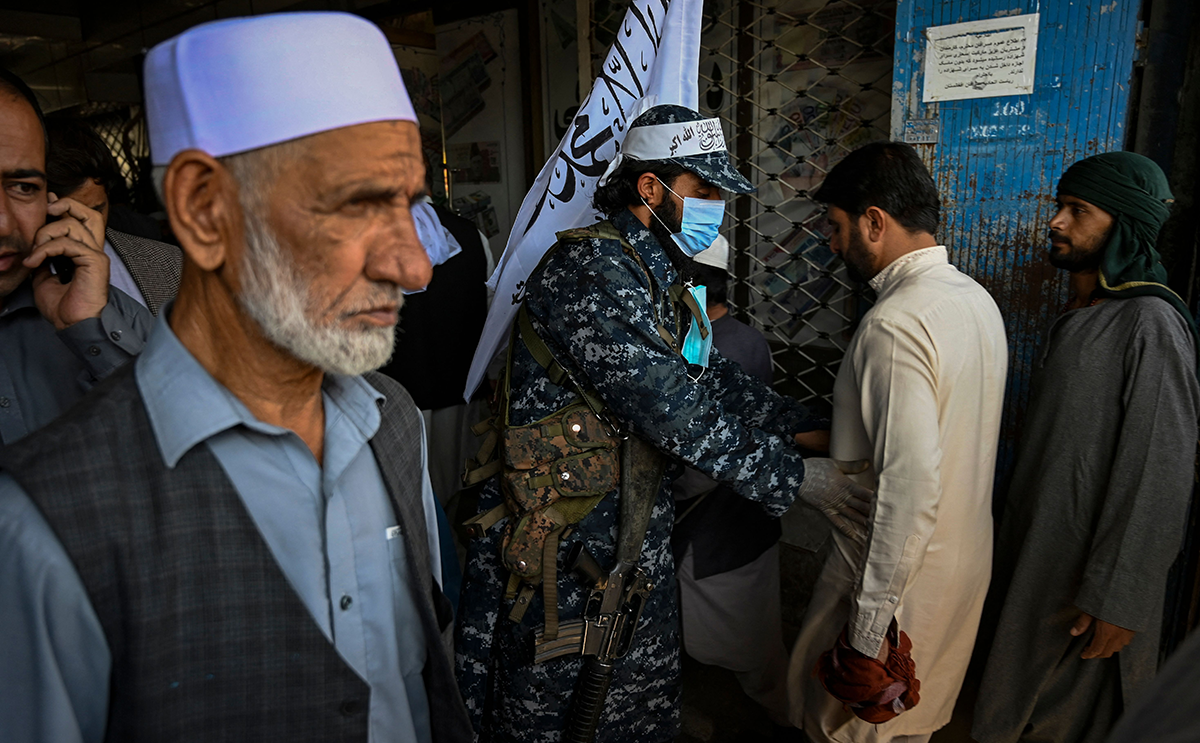
The selection of the interim Afghan government led by Mullah Hasan Akhund has the unmistakable stamp of Pakistan’s security establishment. Islamabad has always wanted the international community to believe that the Taliban are a nationalistic Pashtun force that has a legitimate claim to rule the country, but the manner in which the new government has been announced is a testament to the fact that the Taliban are also a proxy force for Pakistan
Maati Monjib and Rachid Aourraz join guest host Intissar Fakir to discuss the results of Morocco’s Sept. 8 general elections, their context and why they are important, and what they signal about political trends in the country moving forward.