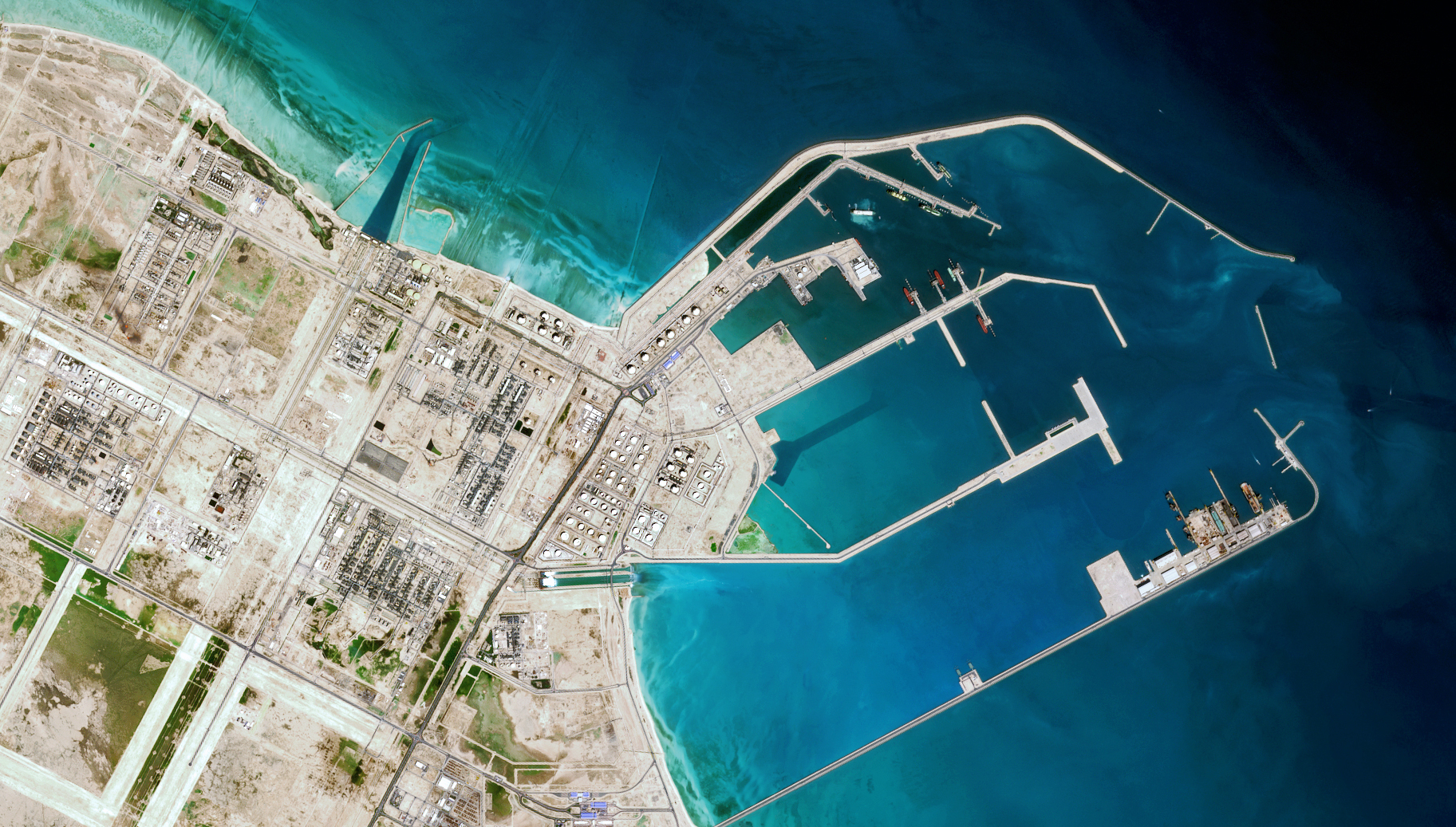
Even though energy production and exports are the lifeblood of all Arab states in the Gulf, the present crisis between Qatar on the one hand and Saudi Arabia, the United Arab Emirates, Bahrain, and Egypt on the other has had very little influence on the economics of oil and gas either internationally or within the region. However, the countries involved have a lot to gain from a resolution of the conflict, particularly if it leads to greater energy market integration.
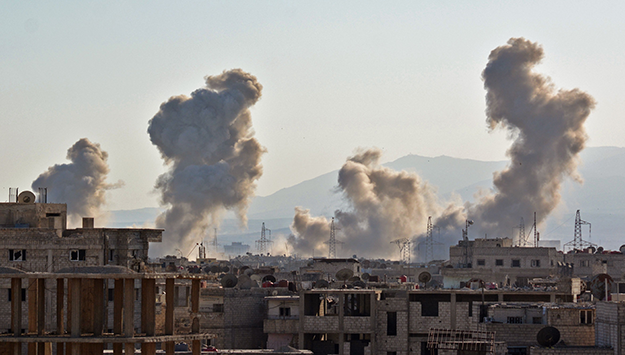
In this week’s Monday Briefing, MEI experts Charles Lister, Alex Vatanka, Randa Slim, and Marvin G. Weinbaum provide analysis on the US’s silence amid the Assad regime’s expansion, the Iranian president’s trip to Europe, the uptick in violence after Iraq’s elections, and the upcoming Pakistani parliamentary elections.
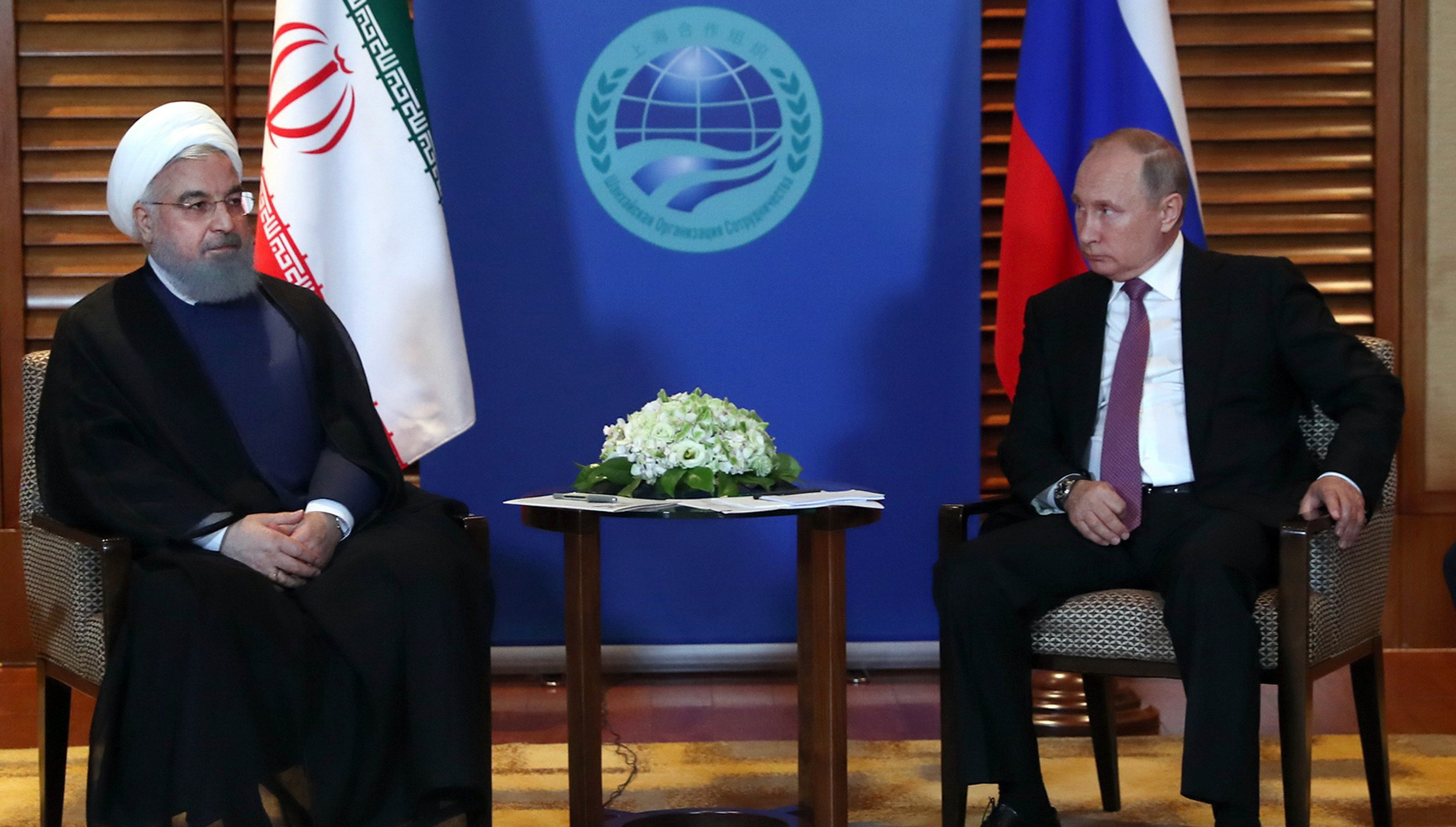
As international companies leave Iran under U.S. pressure, the Iranian government is scrambling to salvage as much foreign investment as possible. The top leadership in Tehran believes the solution is to engage with Russia, China, and the “east” to replace the West’s hesitant commitment to the Iranian market. But this eastward approach is a pipe dream, and there is plenty of history to prove it.
Egypt’s sustainable development threatened by Ethiopian dam
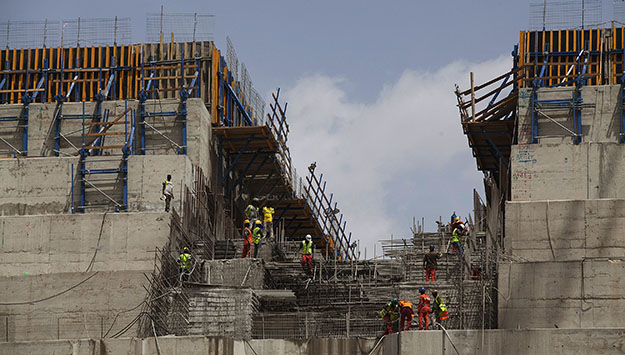
It is a travesty that in the 21st century the construction of a mega-hydropower-generation project, the Great Ethiopian Renaissance Dam (GERD) has been underway for over seven years without an independent, comprehensive transboundary Environmental and Social Impact Assessment (ESIA) conducted first.
Sub-Saharan Africa must respect North Africa's water rights
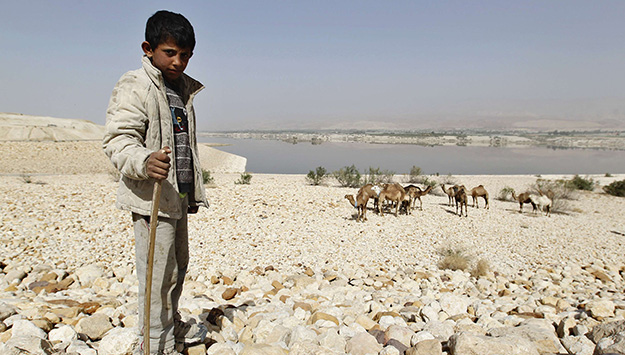
The Middle East is the world’s most arid region and the one most dependent on renewable freshwater resources that originate outside its territories. These resources are largely contained in the Nile, Euphrates-Tigris, and Jordan river basins. An international law-based approach to transboundary watercourse development and management is vital for human security and regional stability. Applying legal principles in the Nile Basin is imperative, as unilateral actions by upstream countries can harm livelihoods on a large scale in downstream countries and destabilize their economies.
Oil in Iraq: pathways to enabling better governance
Despite setbacks from the war against ISIS, Iraq remains the world’s fourth largest producer of oil, second only to Saudi Arabia among OPEC states. However, the administration of this vital natural resource has been plagued by corruption and disputes over how revenues should be allocated to promote equitable economic growth. The issue has drawn Iraq’s ethnic, sectarian, and political divisions to the surface.
Climate Change: The Middle East Faces a Water Crisis
The International Panel on Climate Change (IPCC) projects that the Middle East and North Africa (MENA) will be one of the world’s regions hit hardest by climate change in the 21st century, particularly due to increased heat and aridity. In face of these challenges, interventions in domestic agricultural sectors have the potential to offset many negative impacts on the region.
Wars Distracting Middle East from Serious Climate Change Threats
Wars in MENA are causing irreparable damage to water security and resilience to climate change in some of the region’s countries and to their viability. The continuation of this dangerous state could ultimately reinforce even deeper instability in MENA.
Millions of Rural Working Women in Egypt at Risk from Climate Change
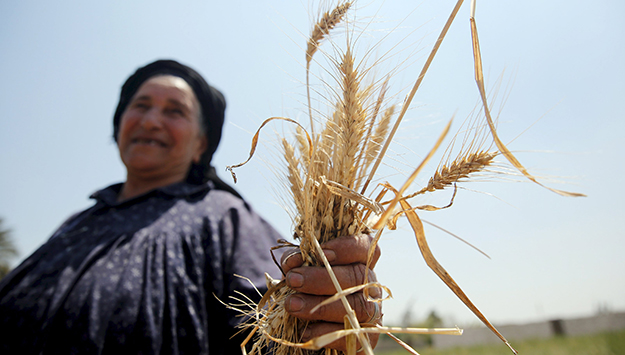
The impacts of climate change on Egypt’s agriculture are likely to be substantial, and will affect the millions of Egyptian women reliant on this economic activity for their livelihoods. The agricultural sector employs a large percentage of Egypt’s working women, a sector known for its low and unstable earnings. Millions of rural Egyptian women working in agriculture already suffer from poverty, and climate change will make matters worse.