تمت ترجمة هذا النص بواسطة الذكاء الاصطناعي وقد يحتوي على أخطاء.
تخطي إلى المحتوى

Research & Commentary Results

تصفية حسب
1065 Results
Lebanon Then and Now: Revisited
معهد الشرق الأوسط
  • Podcast
  • Lebanon Then and Now: Revisited

    Patrick Baz, Kristine Khouri, and Emilie Madi join guest host Lyne Sneige to discuss the impact of the August 4 Beirut Port explosion on Lebanon’s artistic community; how museums and galleries are working to preserve cultural heritage; and how photojournalists recorded this tragic moment in Lebanon’s history. They are among the contributors and co-sponsors of “Lebanon Then and Now: Photography from 2006 to 2020,” an interactive virtual exhibit hosted by the MEI Art Gallery through September 30.

    September 23, 2020

    From port to port: Both Lebanon and Turkey would benefit from greater shipping connectivity
    Photo by Sezgin Pancar/Anadolu Agency/Getty Images
  • التحليل
  • From port to port: Both Lebanon and Turkey would benefit from greater shipping connectivity

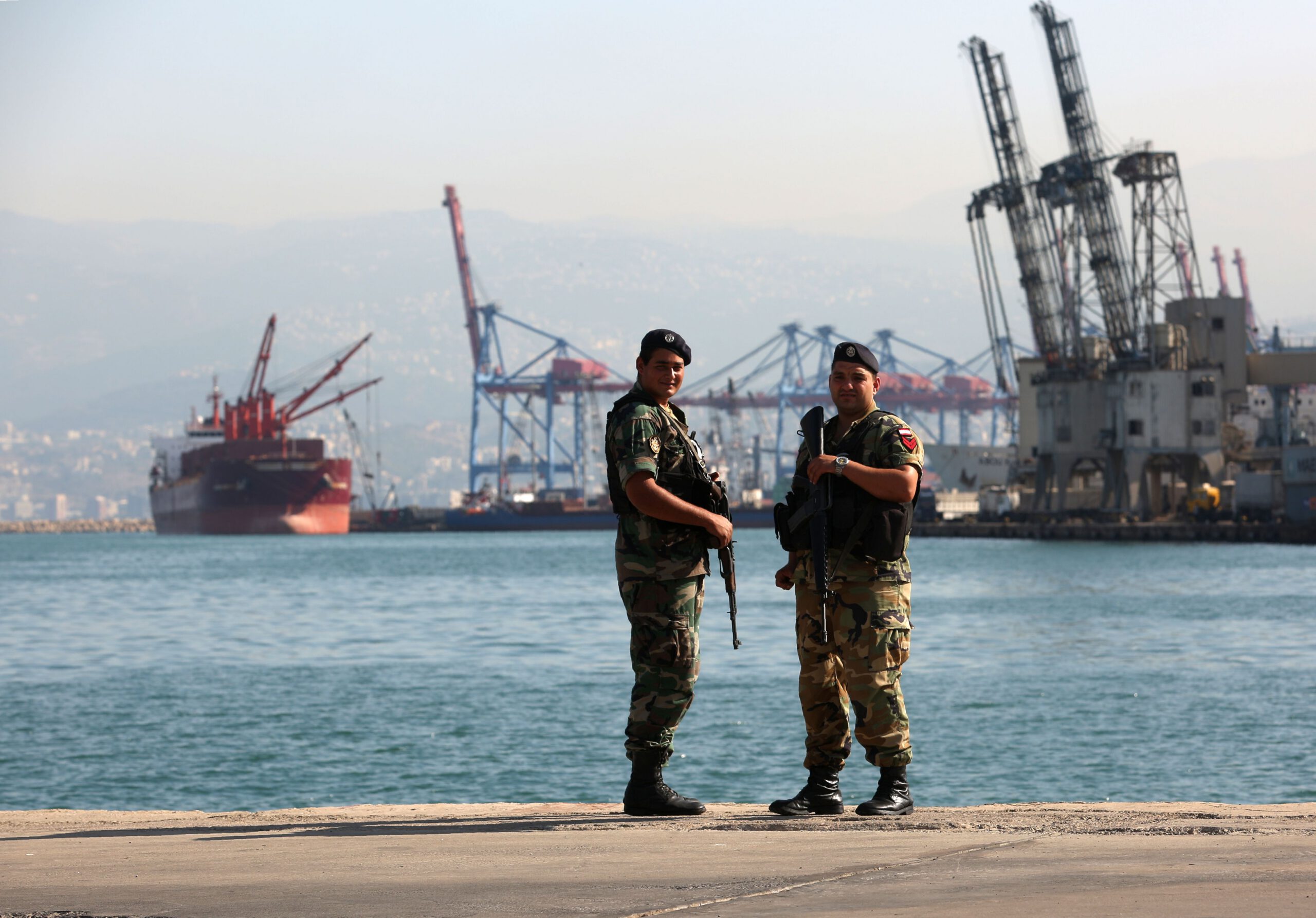
    Following the devastating explosion that rocked Beirut on Aug. 4, one of the first foreign state dignitaries to visit Lebanon to pledge support was Turkish Vice President Fuat Oktay. Oktay said that not only would Turkey help to rebuild the damaged port and the surrounding buildings, but it could also provide temporary support in the form of linking Turkey’s largest Mediterranean port, Mersin International Port, with the Port of Beirut.

    September 2, 2020

    Help Lebanon help itself
  • تعليق
  • Help Lebanon help itself

    Rebuild Beirut, But Hold the Government to Account

    September 1, 2020

    How is the crisis in Lebanon impacting Syria’s economy?
    الصورة من وكالة فرانس برس عبر غيتي إيمدجز
  • التحليل
  • How is the crisis in Lebanon impacting Syria’s economy?

    The explosion at the Port of Beirut on Aug. 4 has resulted in a further escalation of the political and economic crisis in Lebanon. Its repercussions can already be deeply felt in neighboring Syria and are expected to take an even greater toll on the country given its complex links to Lebanon. This crisis is feeding into Syria through multiple channels and has severe implications for its ability to import goods and, ultimately, its food security.

    August 28, 2020

    Yemen's dire crisis continues
    معهد الشرق الأوسط
  • Podcast
  • Yemen's dire crisis continues

    MEI’s Gerald Feierstein and Mick Mulroy join host Alistair Taylor to discuss the ongoing conflict in Yemen and the country faces crises on multiple fronts, from the unchecked spread of COVID-19 and widespread hunger to renewed fighting and a lack of international funding.

    August 26, 2020

    Lebanon’s invisible: Refugees, COVID-19, and the Beirut port explosion
    Photo by PATRICK BAZ/AFP via Getty Images
  • التحليل
  • Lebanon’s invisible: Refugees, COVID-19, and the Beirut port explosion

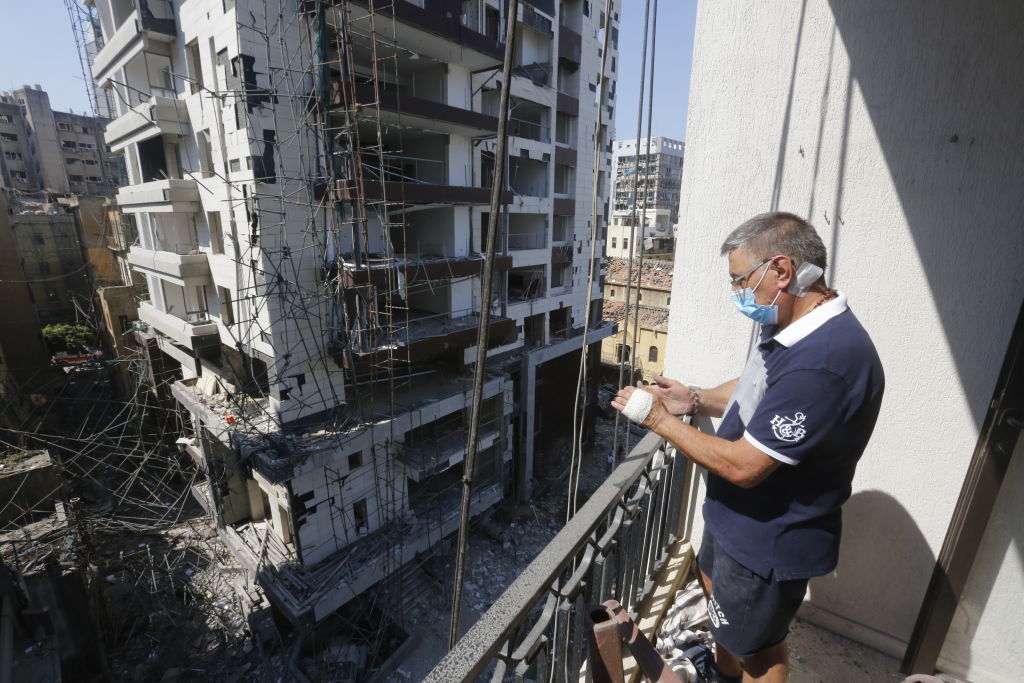
    The catastrophic explosion in Beirut on Aug. 4 left 200 dead and thousands more injured. This included at least 43 Syrian and Palestinian refugees and dozens of foreign migrant workers that were killed or injured. The Beirut port explosion will place a great burden on Lebanese society and it will have short- and long-term impacts on marginalized communities.

    August 19, 2020

    Saudi Arabia’s Nuclear Program and China
    معهد الشرق الأوسط
  • التحليل
  • Saudi Arabia’s Nuclear Program and China

    In recent years, Saudi Arabia and China have publicly announced several joint nuclear projects in the Kingdom, including one to extract uranium from seawater, with the stated goal of helping the world’s largest oil producer develop a nuclear energy program or become a uranium exporter. This article discusses China’s reported involvement in Saudi Arabia’s nascent nuclear program.

    August 19, 2020

    The Impact of Middle East Regional Competition on Security and Stability in the Horn of Africa
    Photo by Volkan Furuncu/Anadolu Agency/Getty Images
  • التحليل
  • The Impact of Middle East Regional Competition on Security and Stability in the Horn of Africa

    The relationship between the Middle East and the Horn of Africa is centuries-old and complex. While the world’s attention is focused mainly on the “great power competition” in the region, primarily between the U.S. and China, the Horn of Africa has also become a central battleground for influence among competing regional players, principally Saudi Arabia, the UAE, Turkey, Qatar, Iran, and Egypt. As they pursue their interests in the region, from Ethiopia and Sudan to Somalia and Djibouti, these competing states are the main drivers of tension and instability in the Horn of Africa.

    August 18, 2020