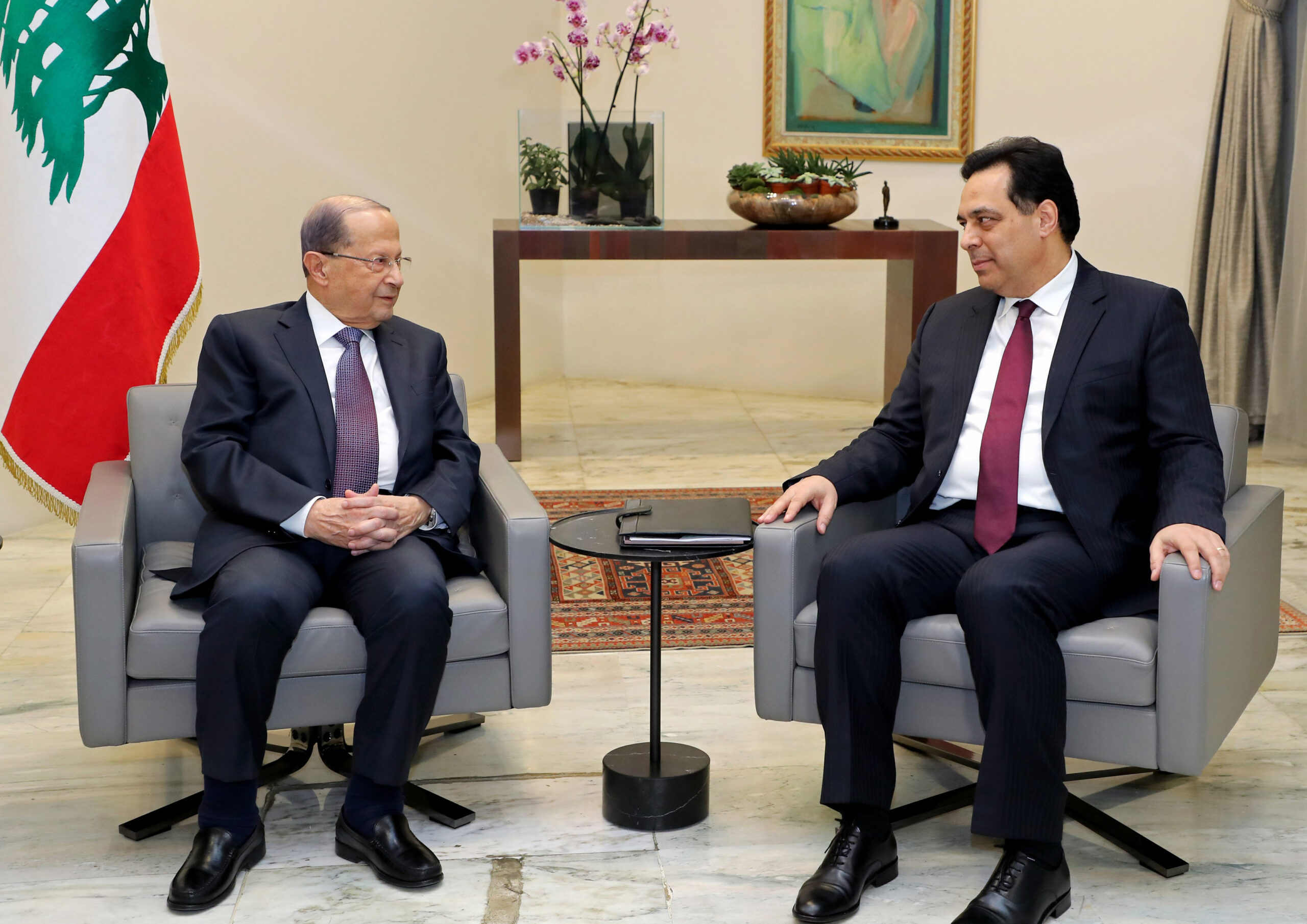
Monday Briefing | Lebanon: The twilight of an impotent government
This week’s briefing on recent news and upcoming events in the region featuring Paul Salem, Hafsa Halawa, Marvin G. Weinbaum, Anne-Linda Amira Augustin, and Gerald Feierstein.
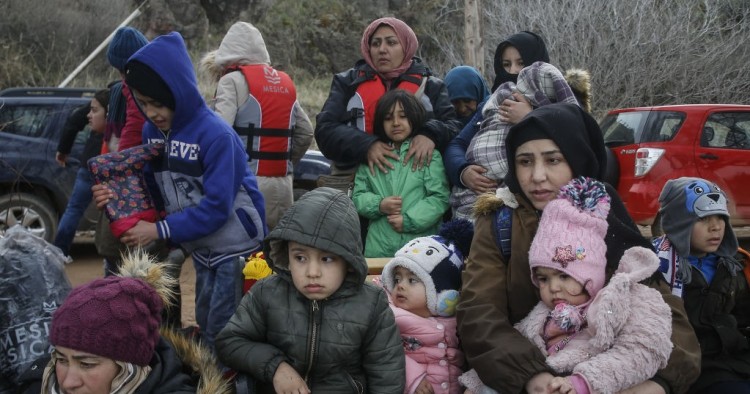
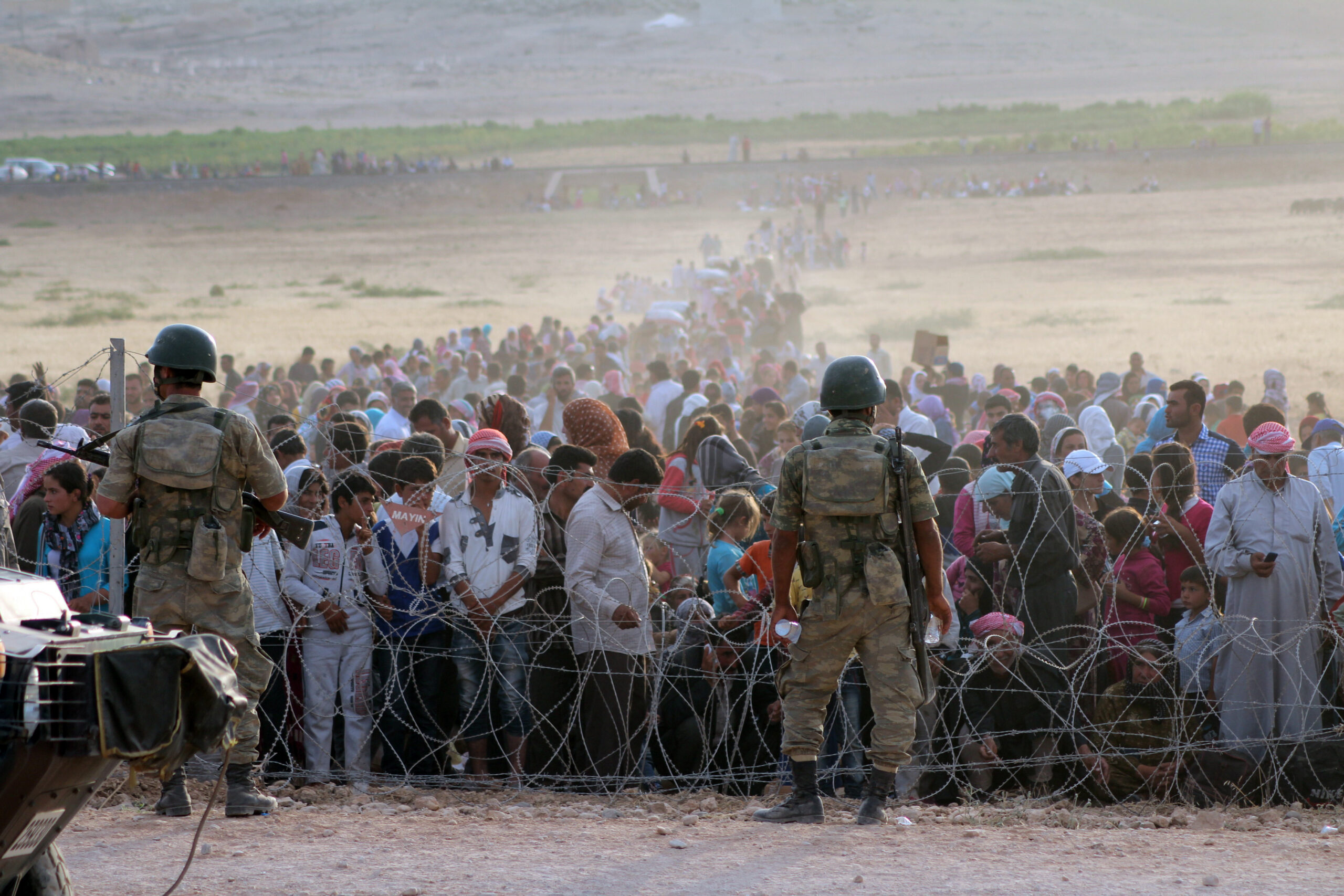
The circumstances seem to be right for a genuine rethink of the Syrian political process, but there are few answers to the question that can be heard often in Geneva, Washington, and Brussels these days: “What now?” The Syrian Association for Citizens’ Dignity has just released a major report, titled “We Are Syria,” that could help to provide the answer to that question: reorient the political process to make the rights of the displaced its foundation, and make the regime and its allies understand that this is the way toward the easing of sanctions and ultimately a sustainable political solution.
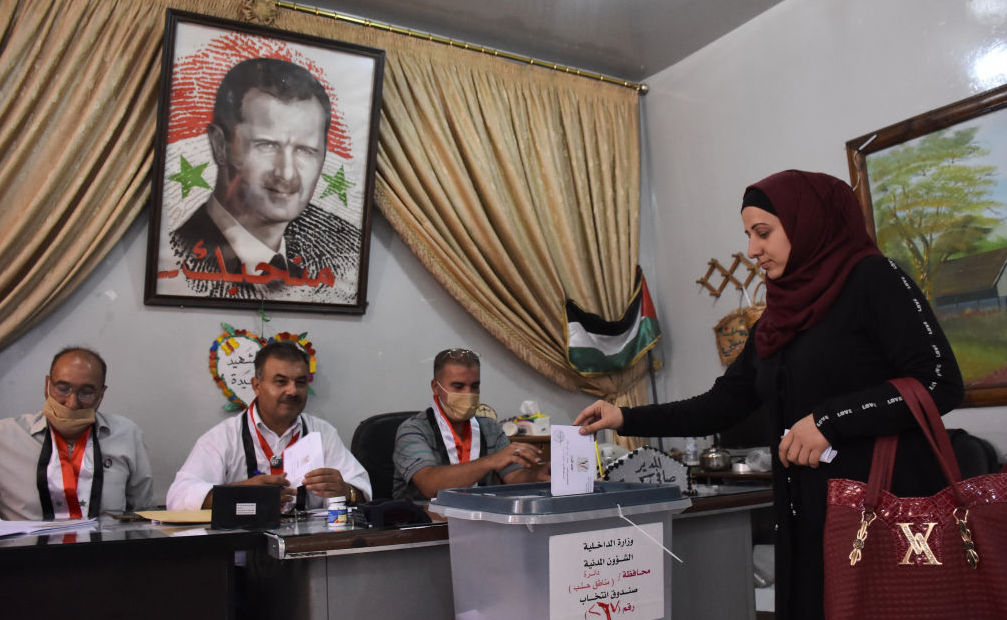
Syria’s 2020 parliamentary elections: The worst joke yet
Syria’s recent parliamentary elections, held on July 19, set a new precedent for the Assad regime, and there were 10 key differences from the previous elections that have been held since they were first introduced by Hafez al-Assad in 1973.
HTS and al-Qaeda in Syria: Reconciling the irreconcilable
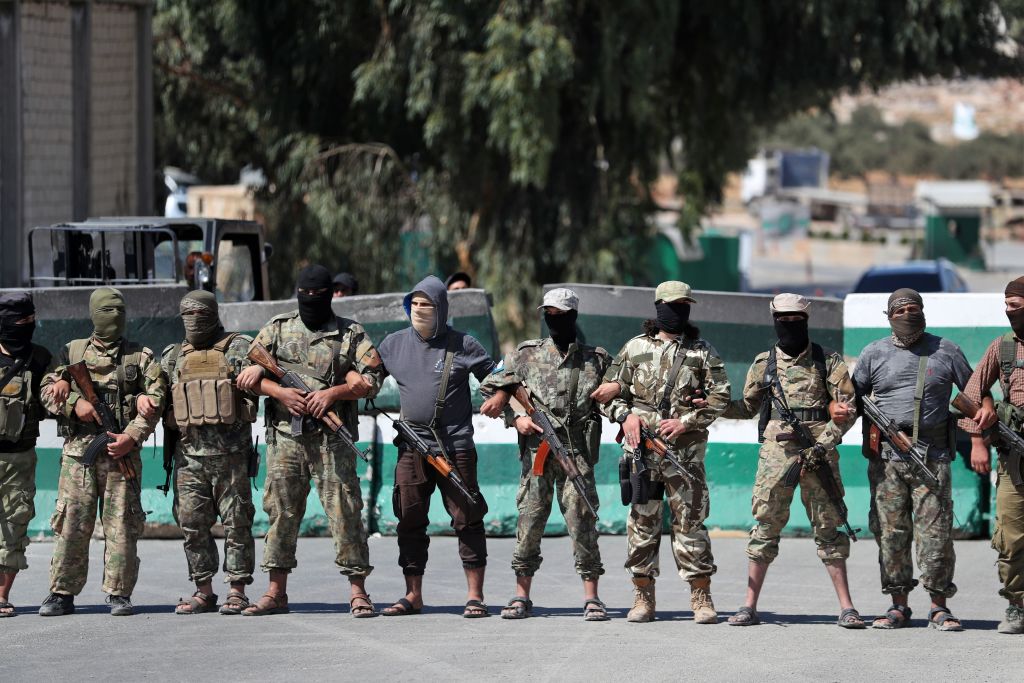
HTS launched multiple raids on SBS, forcing its factions to close their military bases and banning the formation of any new factions or operations rooms. In doing so, it has killed two birds with one stone: demarcating new redlines for its rivals and demonstrating its usefulness to its Turkish “partner” and the international community in their war on terrorism.
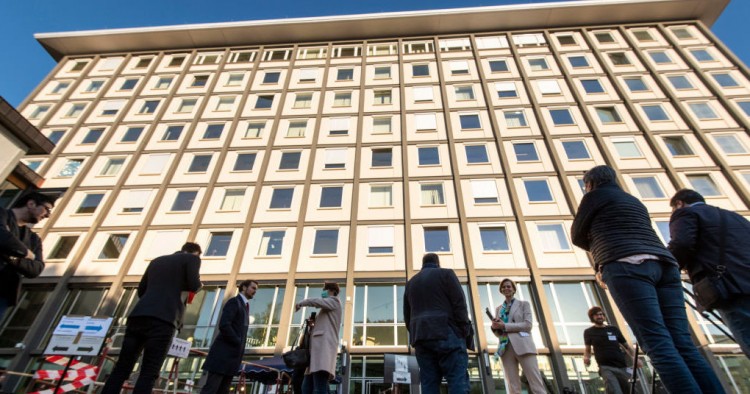
The road to accountability in Syria will undoubtedly be long, difficult, and imperfect. However, in recent years and even months, there have been tangible steps taken toward criminal accountability, particularly in Europe.
Russia’s approach to Responsibility to Protect in the Black Sea and Syria
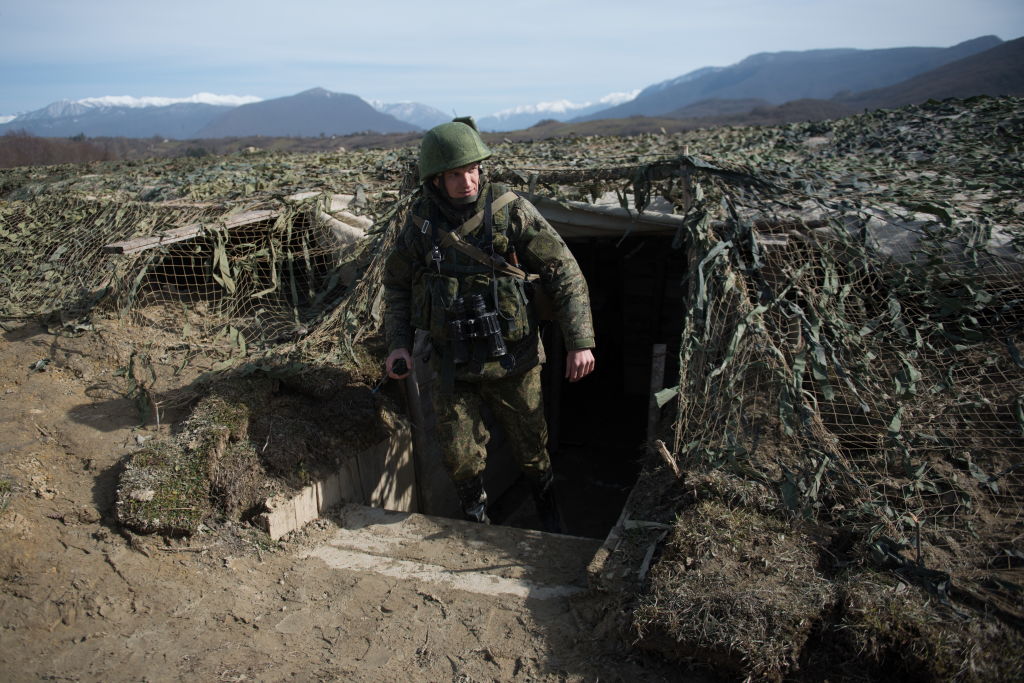
Where most of the international community sees R2P as a mechanism for protecting human rights when a state cannot or will not ensure them, Russia’s take on the same concept focuses on the protection of national sovereignty at any cost. However, Moscow’s commitment to the notion of sovereignty has been selectively applied to the states of the Middle East and the Black Sea.
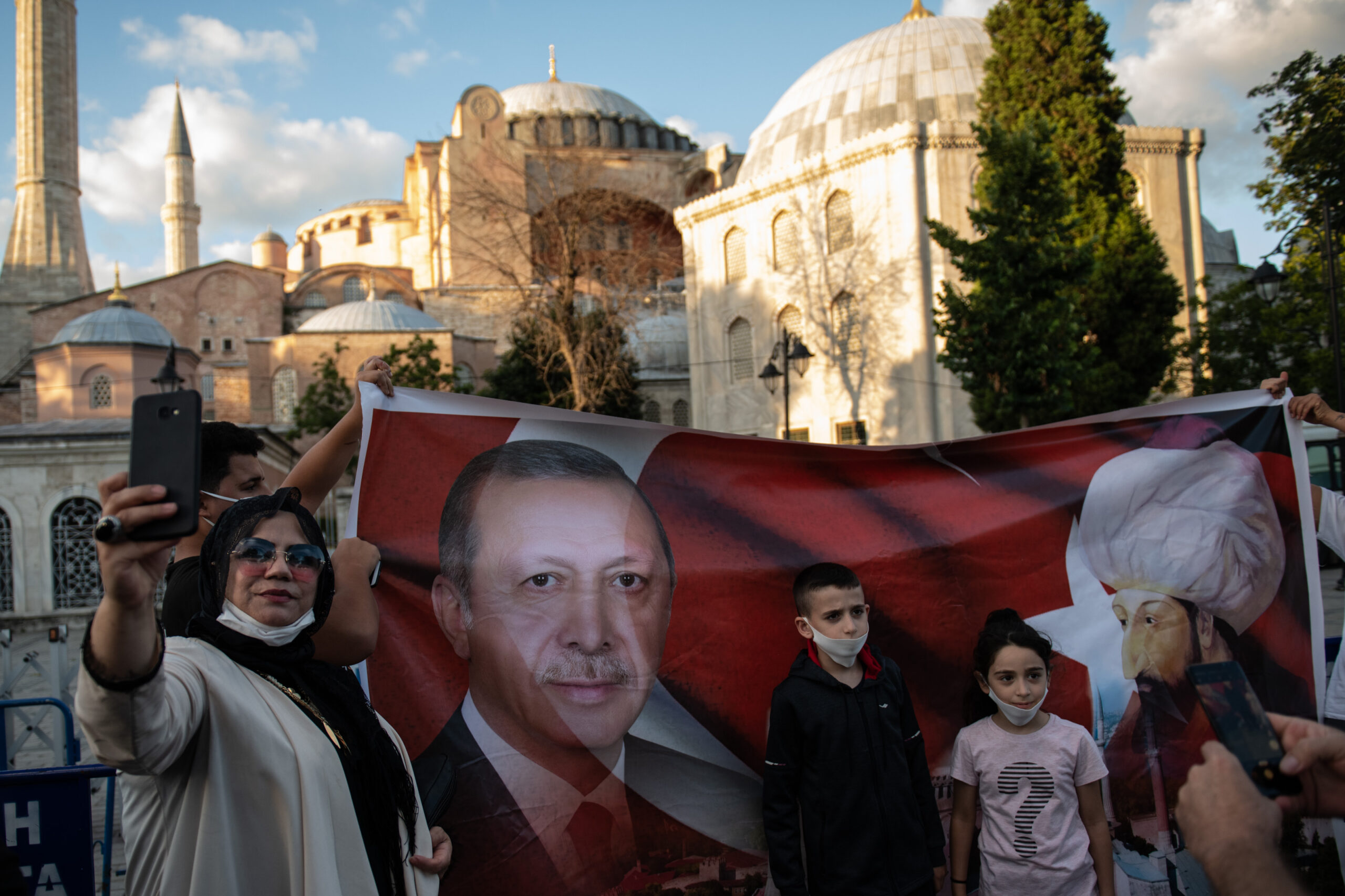
Monday Briefing: Erdoğan and the “symbolic war” over Hagia Sophia
This week’s briefing on recent news and upcoming events in the region featuring Seren Selvin Korkmaz, Marvin G. Weinbaum, Mirette F. Mabrouk, Robert S. Ford, and Nilsu Goren.
Investing in Syria: “Photo ops” outweigh real change
As in other countries, not all announced investments come to fruition. But the ratio in Syria is particularly staggering. Of the 118 projects approved by the Syrian Investment Agency in 2018, only 46 percent have taken any serious steps toward implementation as of early 2020.
Defusing a “floating bomb”: Yemen’s impending Safer disaster
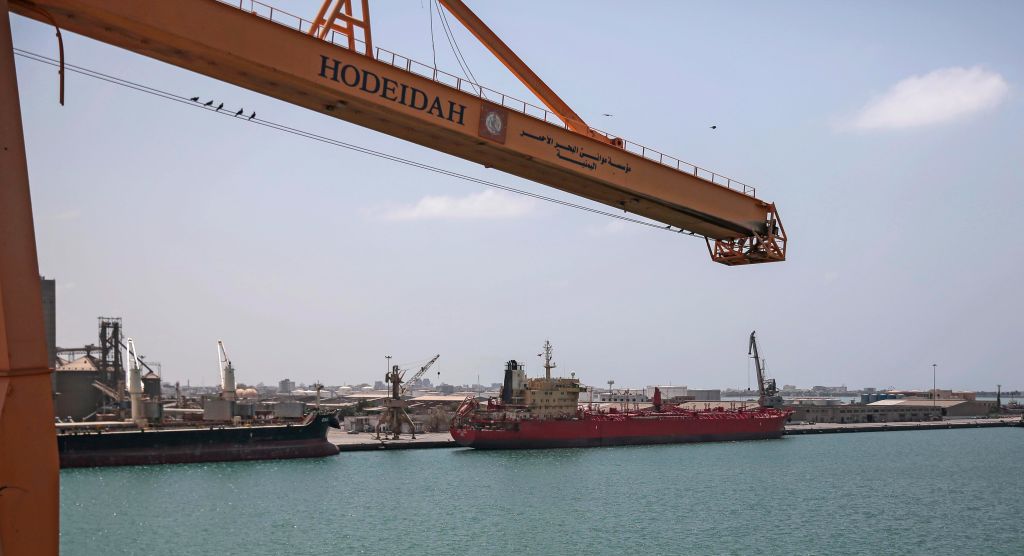
Having given Yemen’s Houthi rebels control over the ports of Hodeida governorate on humanitarian grounds as part of the December 2018 Stockholm Agreement, the international community has failed to address the looming environmental, economic, and political threats presented by the decaying Safer oil tanker sitting offshore — a “floating bomb” waiting to explode.
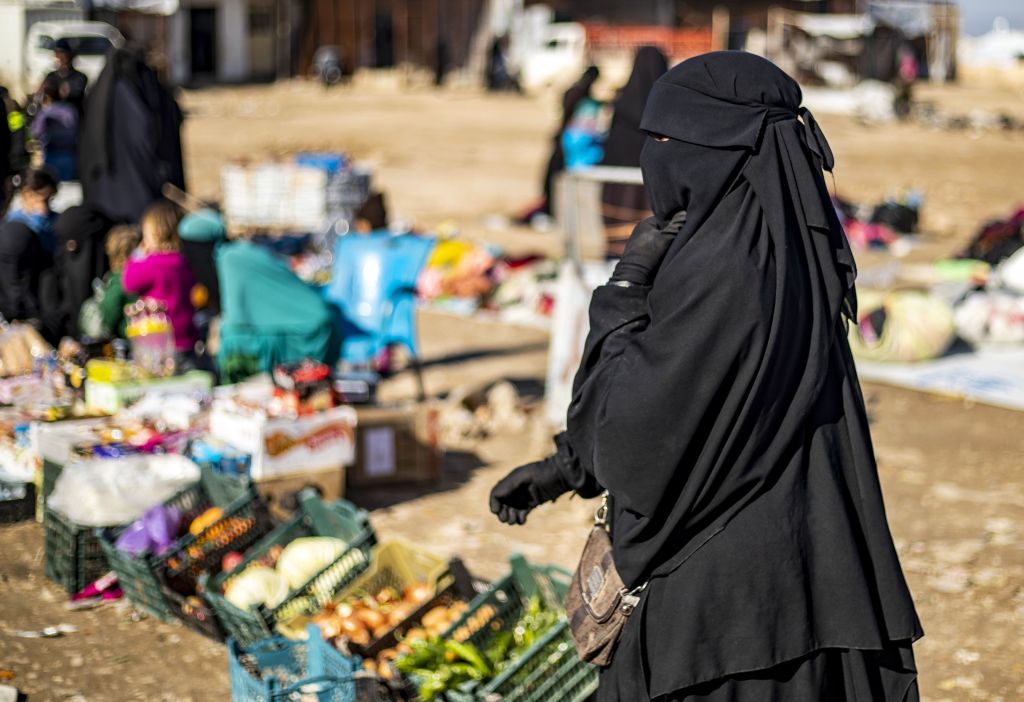
After the fall of ISIS in 2019, many relatives of fighters who were detained or killed, including 10,000 families of foreign fighters, were housed in camps like Roj and al-Hol in territory controlled by the Syrian Democratic Forces. Like any closed society, the foreigners’ annex in al-Hol has its own dynamic and life there is much more complicated than is often portrayed.
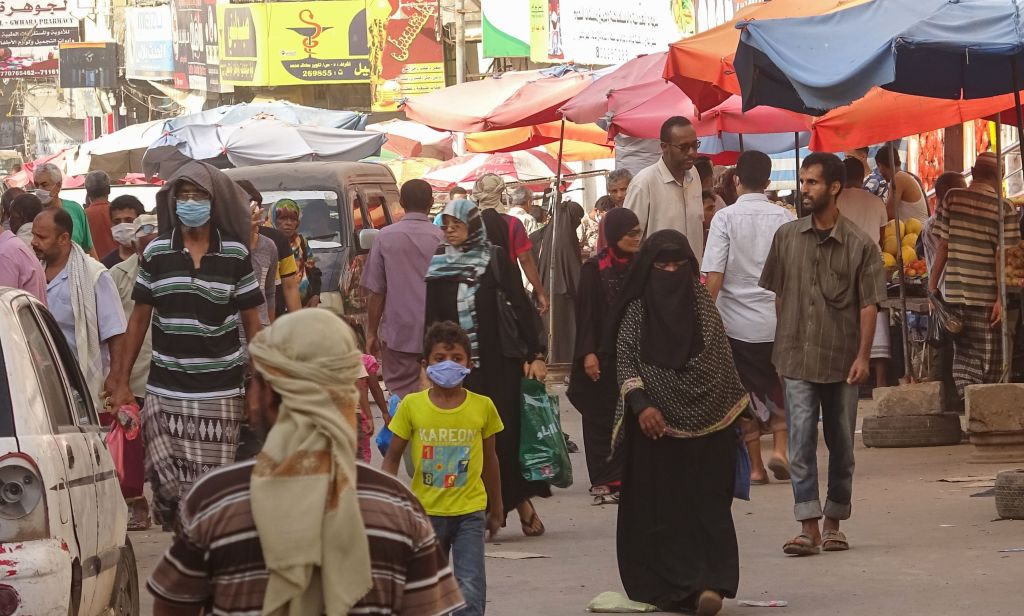
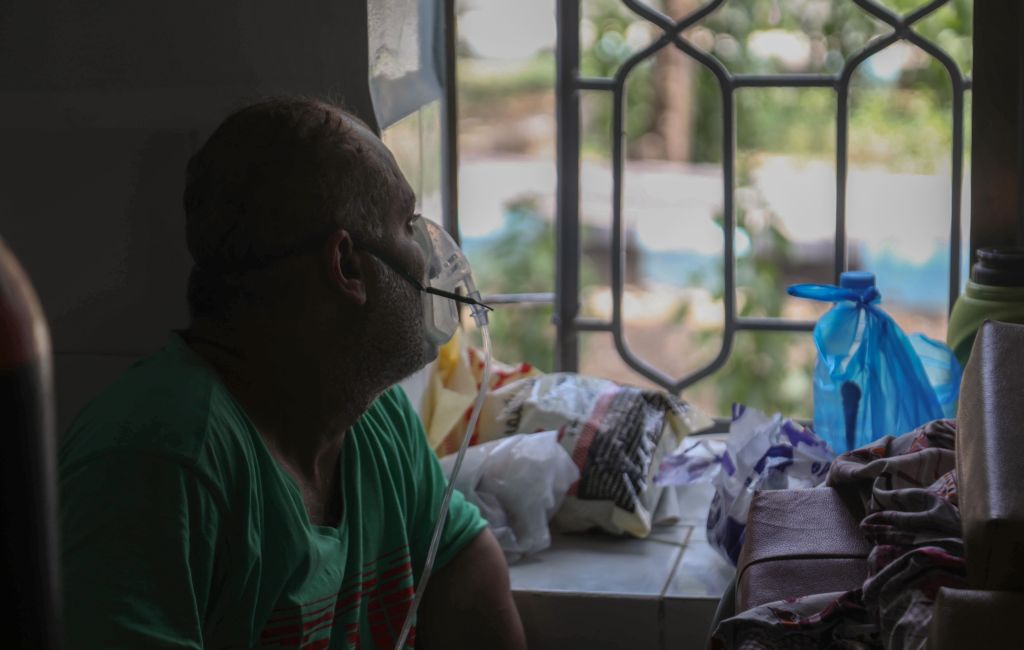
Since Yemen was first hit by the coronavirus in April, the southern port city of Aden has gone on to become the epicenter of COVID-19 in the country. While the number of cases and deaths remains low, the situation on the ground in Yemen is far more complex than the official numbers suggest.
Brussels conference highlights tensions between Syria’s growing needs and political stalemate
The fourth Brussels Conference on Supporting the Future of Syria and the Region concluded last week with a drop in donations for 2020 for those affected by the decade-long war, a result which is disappointing but not surprising.
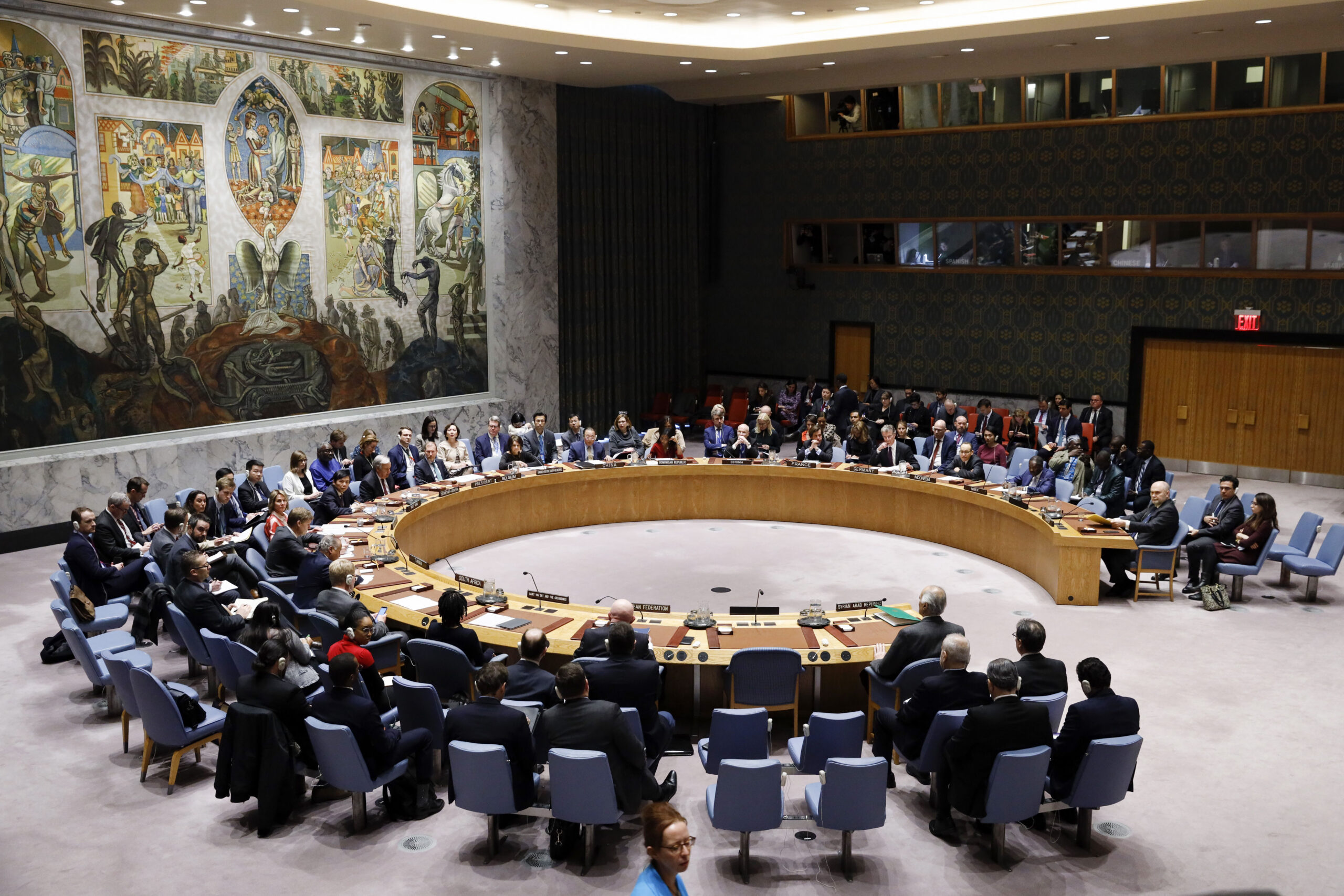
Monday Briefing: The UN Security Council must act now to save northwest Syria
This week’s briefing on recent news and upcoming events in the region featuring Dara Conduit, Marvin G. Weinbaum, Mark Heller, Syed Mohammad Ali, Gonul Tol, and Guled Ahmed.
Yemen’s botched pandemic response and fragile conflict dynamics allow COVID-19 to spread undetected
On April 2, 2020, the Houthi version of Saba News Agency in Sanaa announced the first coronavirus case in Yemen, but shortly afterwards it retracted the news and the deputy chairman of the agency’s board of directors was fired. Many Yemenis had hoped the Saudi-led coalition’s blockade of the country and its resulting isolation might have helped to prevent an outbreak.