Iranian-backed militia attacks on coalition forces threaten to ignite eastern Syria
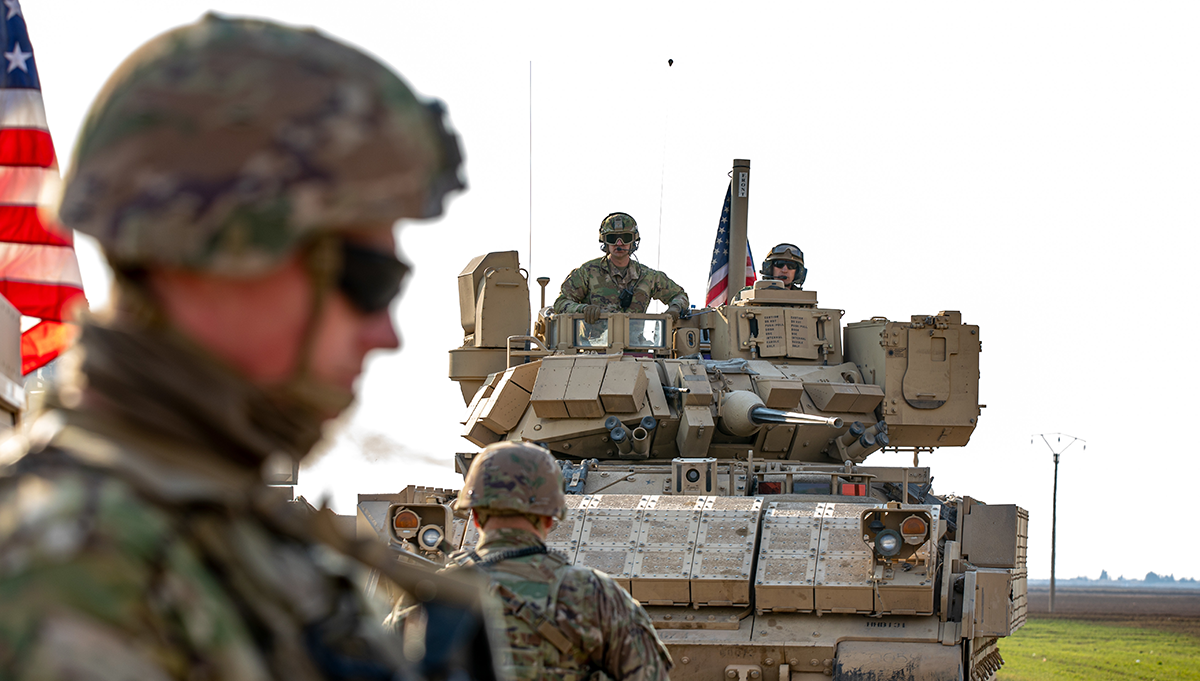
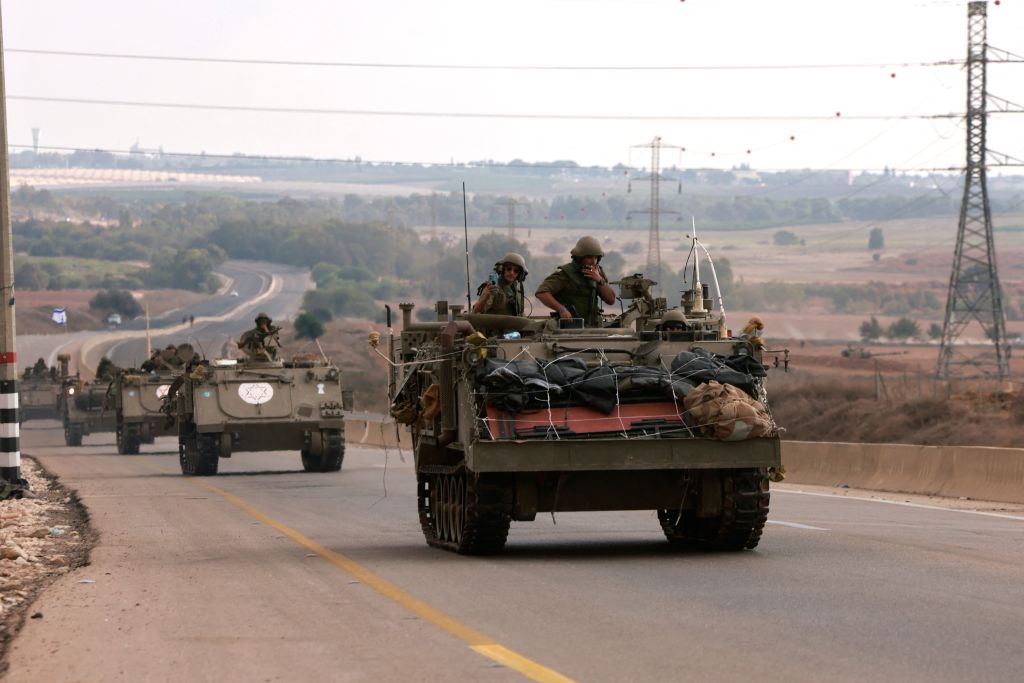
Over the last three weeks, there has been a notable escalation in attacks targeting international coalition bases in northeastern Syria orchestrated by Iranian-backed militias operating in Iraq and Syria. Concurrently, there have been reports indicating the establishment of operational centers aimed at coordinating these strikes. These developments appear to be part of an effort to exploit the widespread popular discontent with the United States and Israel, with the strategic aim of expanding and consolidating Iranian influence in Syria.
Afghan refugees as victims of Pakistan and Afghanistan’s clashing security interests
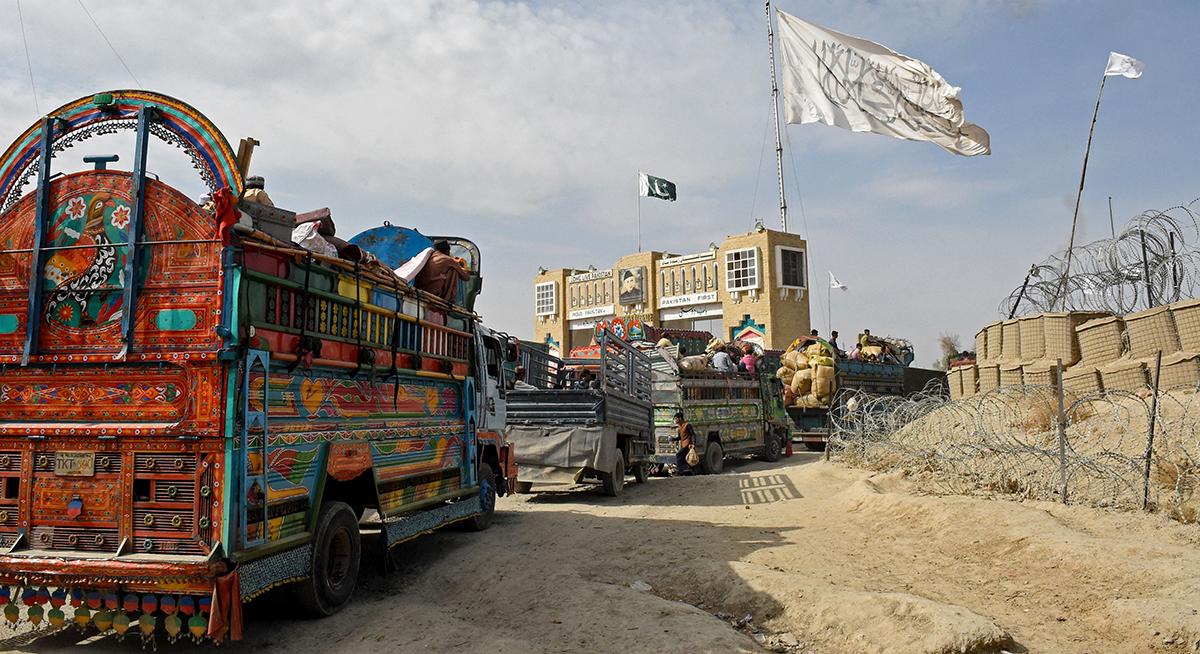
For decades Pakistan has threatened to deport its undocumented Afghan refugees, but Islamabad has never undertaken a campaign to oust Afghans on anything like the scale now underway. Whether voluntarily or through force, Pakistan’s interim administration, backed by the senior military leadership, seems determined to rapidly uproot 1.7 million of the estimated 3.5 million Afghans believed to be in the country. The government’s decision comes at a terrible time given the conditions in Afghanistan and the feared humanitarian impact.
Iran and Hamas beyond the borders of the Middle East
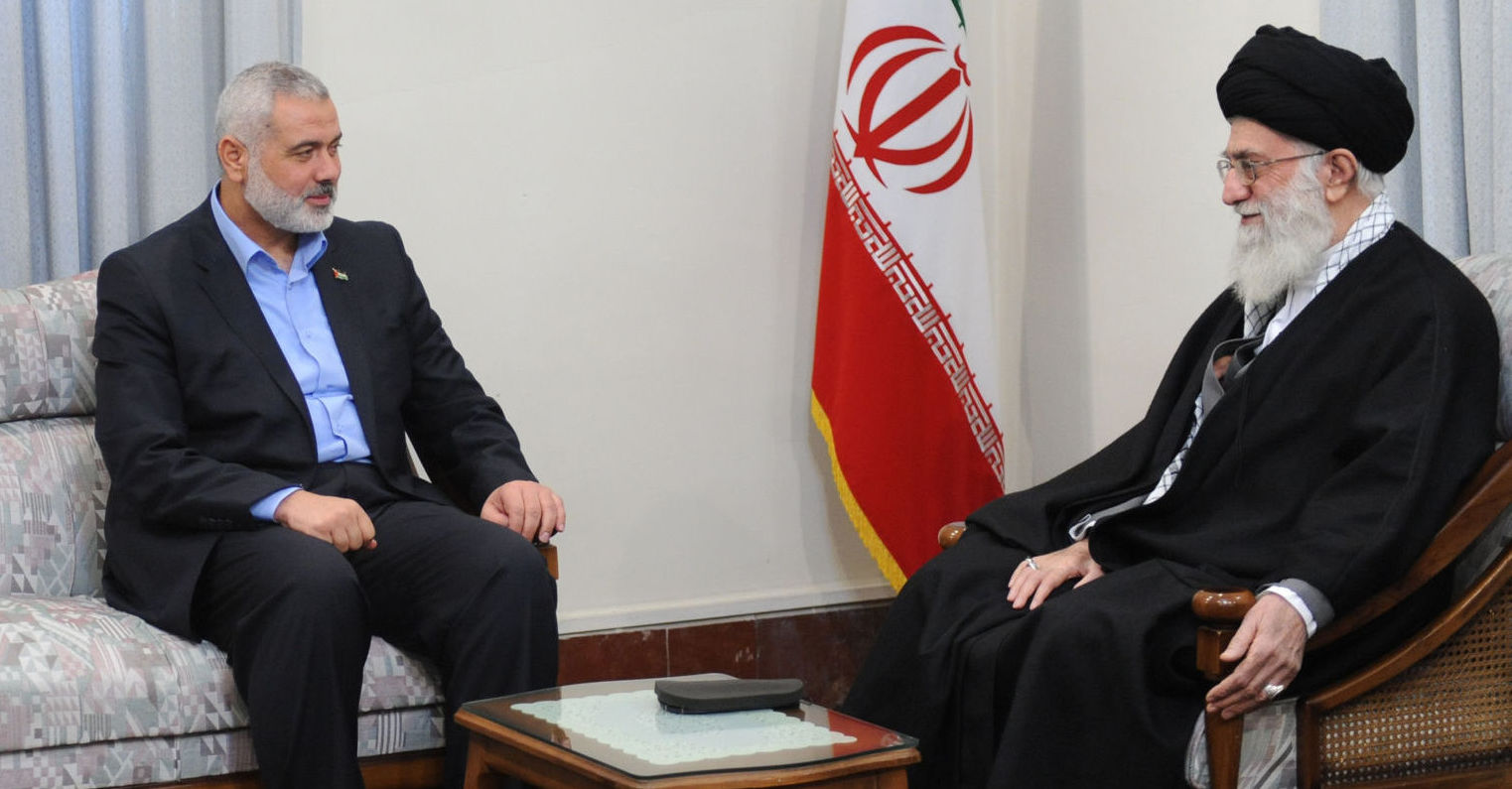
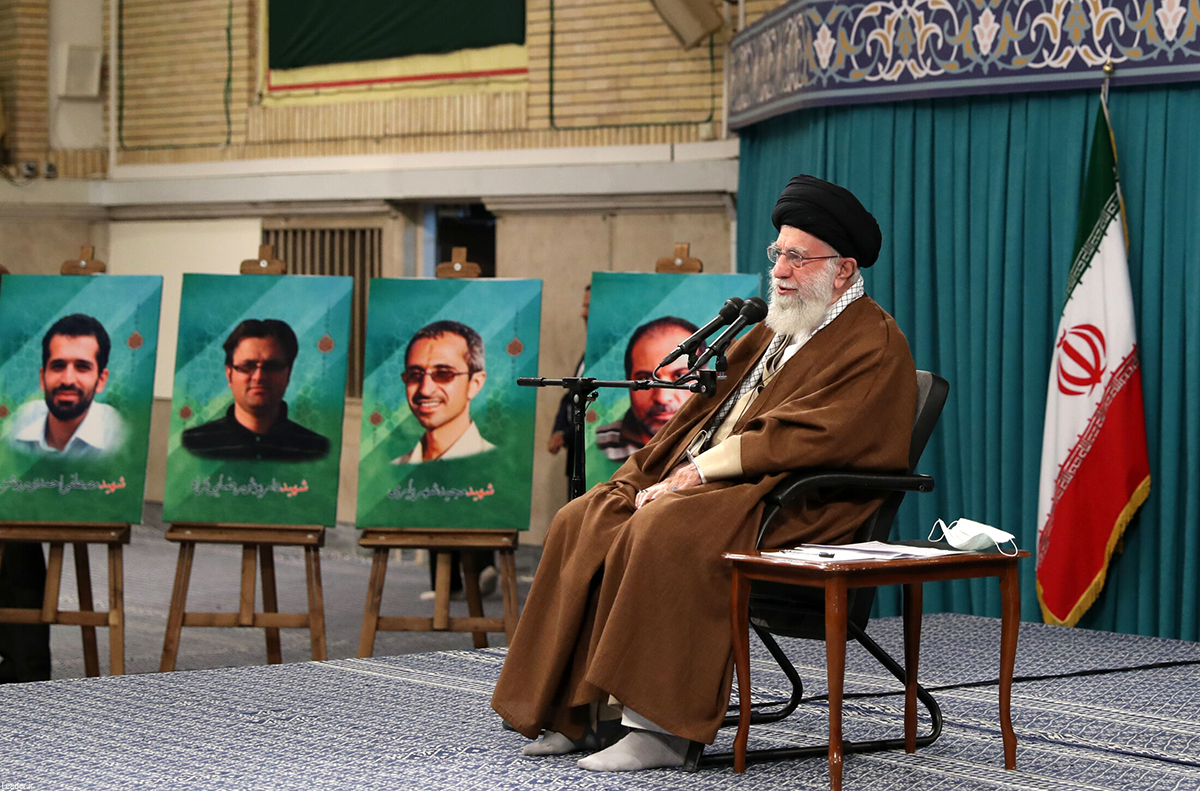
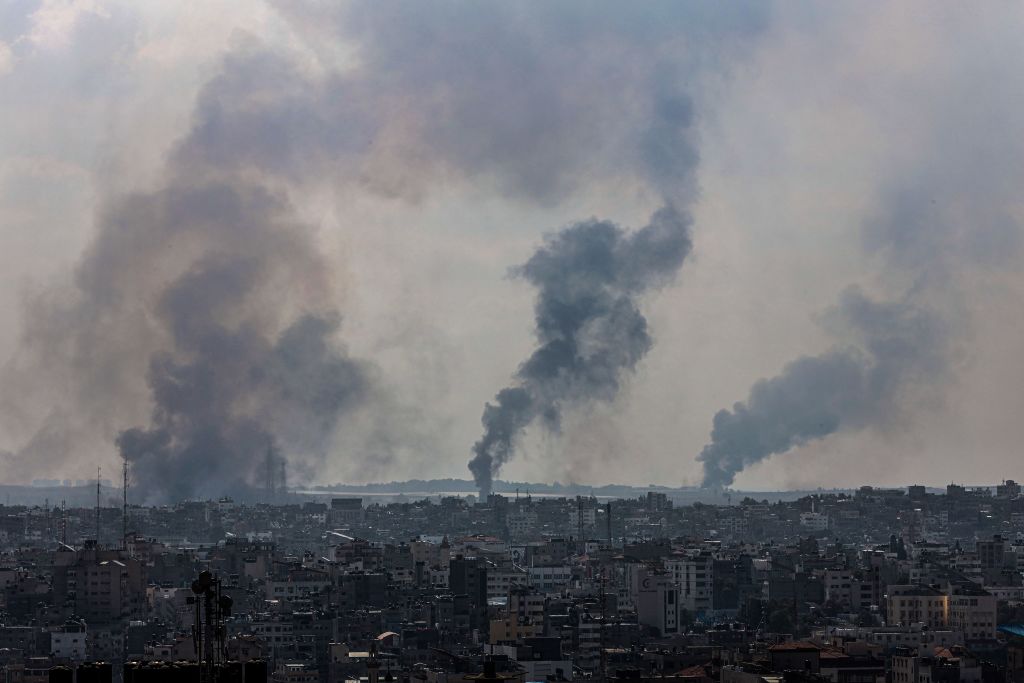
As the fighting in Gaza continues to rage, Iran’s influence with Hamas, hitherto limited, could expand further, extending beyond the Middle East. Tehran is looking to contain Israel not just in the region but in Africa and Latin America as well. Although there are ideological differences between these two members of the so-called “Axis of Resistance,” the Israel-Hamas war may bring them closer together and strengthen their partnership.
As the Israel-Hamas war rages on, Iran’s role will continue to be a pivotal question. While Tehran no doubt feels vindicated in its model of armed campaign against Israel, it will likely not seek escalation by confronting Israel and the United States militarily. Instead, Iranian officials seem to consider the war as a moment to elevate Tehran’s image in the Islamic world—and in the global south generally.
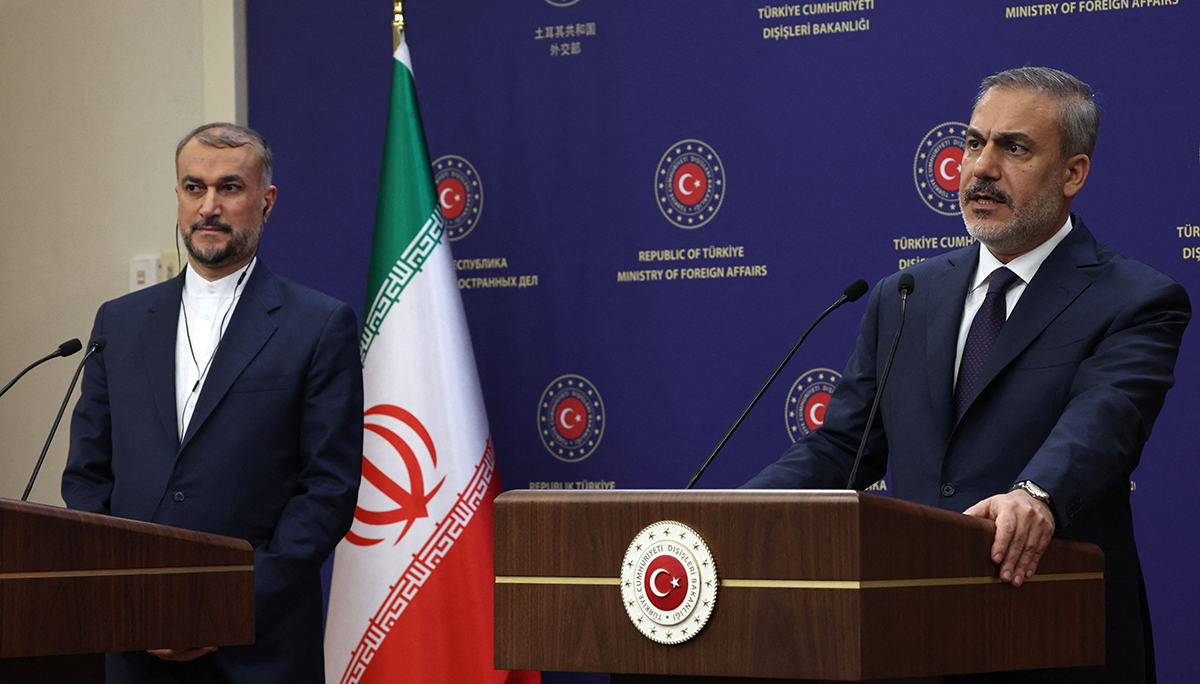
Turkey and Iran: Toward an “Axis of Revisionism” amid the war in Gaza?
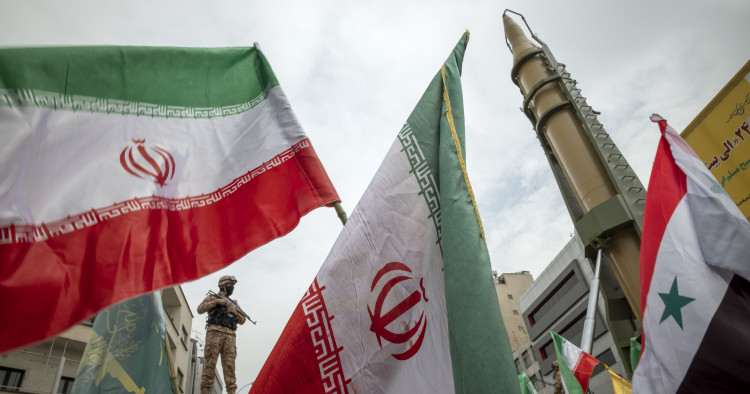
Hamas’ violent and unexpected Oct. 7 attack on Israel has shaken a fragile regional order in the Middle East. Ankara and Tehran are worried that a stronger U.S. presence in the Middle East is detrimental to their regional interests. The war in Gaza might help close the ranks between Turkey and Iran, yet there are serious limitations to a sustainable alliance between the two countries.
The Houthis’ Red Sea missile and drone attack: Drivers and implications
On Oct. 19, the Pentagon press secretary confirmed that the Iran-backed Houthi militia targeted the USS Carney, an Arleigh Burke-class guided-missile destroyer, in the Red Sea. The USS Carney reportedly intercepted three cruise missiles and several drones without sustaining any damage or casualties. Although the Houthis have yet to claim responsibility for the attack, the drones and missiles were likely fired from north-western, Houthi-held positions in Hodeida and Hajjah governorates on Yemen’s Red Sea coast and were headed “north,” most likely toward Israel.
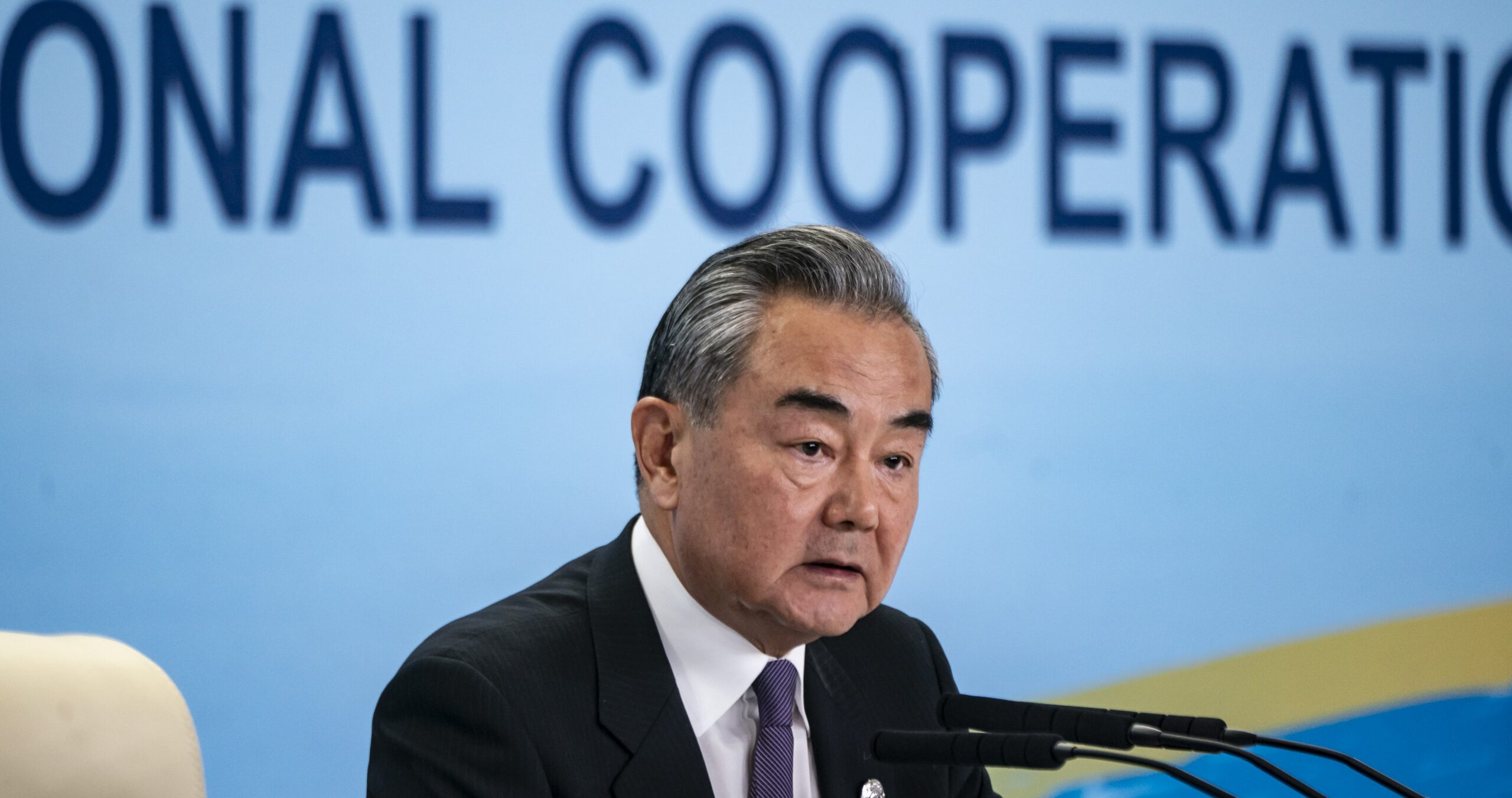
The war in Gaza as a major test of China’s Middle East peace diplomacy
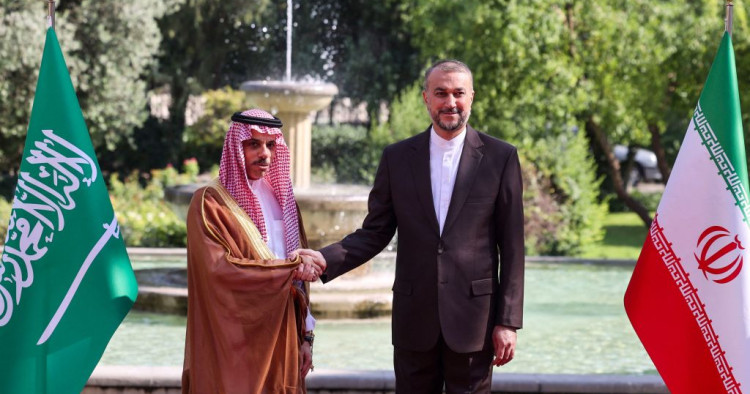
China has long sought to brand itself as a “neutral” player and force for peace in the Middle East and elsewhere, willing and able to talk to “all sides.” Beijing’s nascent ambition to play the role of peacemaker and its potential to shape regional events was on display when it succeeded last March in brokering the détente between Riyadh and Tehran. The Israel-Hamas war offers no such low-hanging fruit. On the contrary, it poses a major test of China’s Middle East peace diplomacy — and an opportunity to examine some of our own, perhaps faulty assumptions.
As the war rages on between Israel and Hamas in Gaza, the role of Iran will remain a central factor. Tehran is not only Israel’s top regional foe but also the leading provider of military aid and training for Hamas. But what is its endgame? As with all stakeholders in this war, Tehran’s calculations are evolving and shaped by events on the ground in Gaza.
Earthquake in Afghanistan: Natural disasters, international isolation, and Taliban incapacity
On Oct. 15, a third earthquake hit western Afghanistan’s Herat province within the span of roughly one week. The Taliban’s international isolation has neither compelled the Taliban to change its behavior nor improved its capacity to respond to such disasters. A new policy for Afghanistan is long overdue and must place Afghans at the center of the debate. It’s time for the international community to wake up to that stark reality and respond to thehumanitarian crises turning Afghanistan into a black hole.
Gulf States should push Iran to get serious about lowering tensions
Two days after the Hamas attack on Israel last weekend, a top Iranian official said that “Arab states willing to normalize relations with Israel [should] give up the process and learn a lesson from the latest developments in Palestine.” The comment makes one thing clear: Like Hamas, Tehran wants to stop Arab diplomatic normalization with Israel.
Myths and realities of ‘gender apartheid’ in Afghanistan under the Taliban
The dire state of girls and women in Afghanistan under the Taliban, a tragedy that has featured frequently in international media reports in the last two years, came up for discussion in the United Nations Security Council (UNSC) on September 27. The UNSC convened for an open briefing, followed by consultations focusing on the severe restrictions imposed on the rights of women and girls in the country.
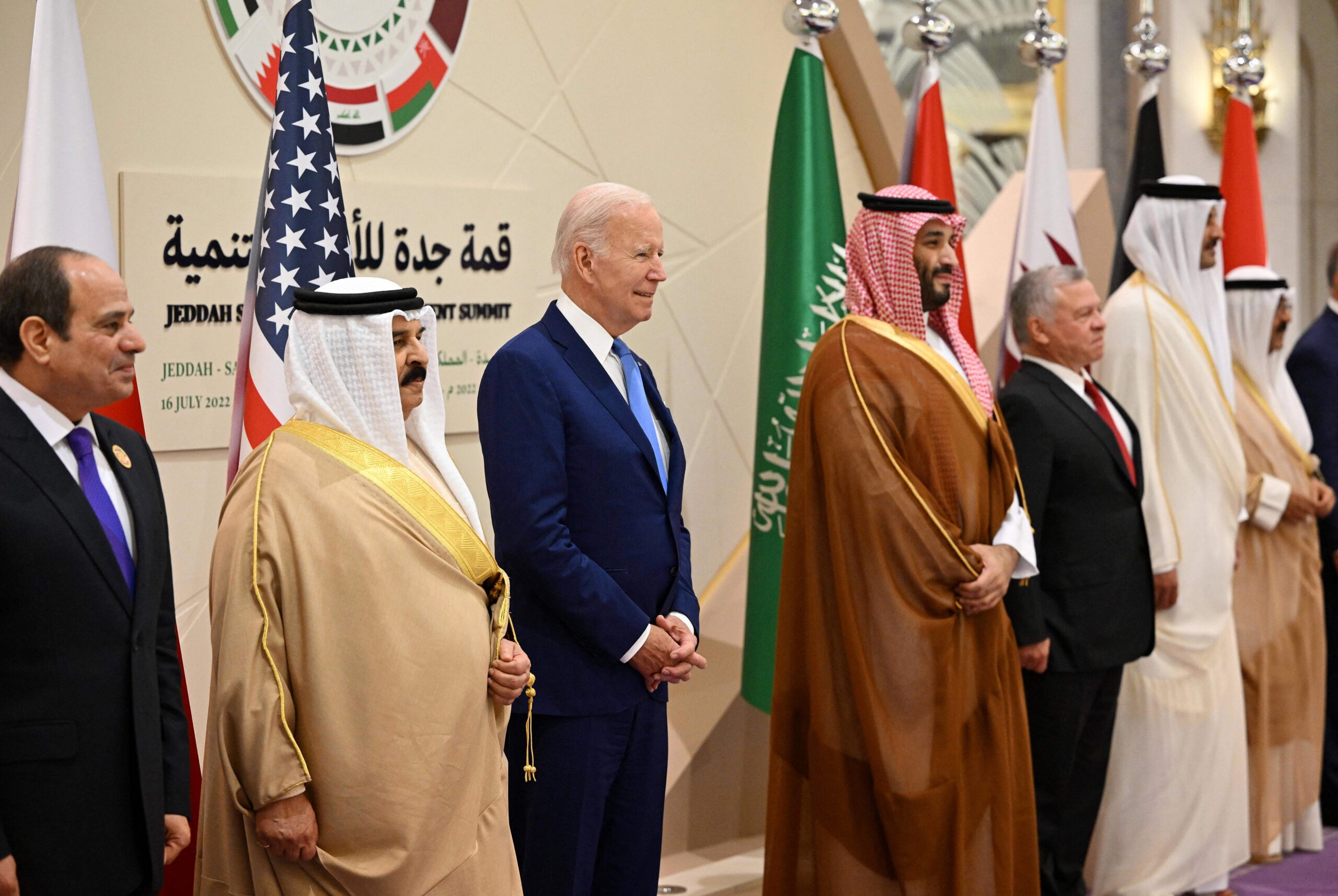
Treading Cautiously on Shifting Sands: An Assessment of Biden’s Middle East Policy Approach, 2021-2023
This report provides an interim assessment of the Biden administration’s overall Middle East strategy and examines the strategic opportunities and risks for U.S. policy in the broader region.