مواجهة كوفيد 19 في المغرب: الرضى عن الوضعية الاقتصادية لا يحجب طلب مزيد من فرص الشغل ومحاصرة الفساد
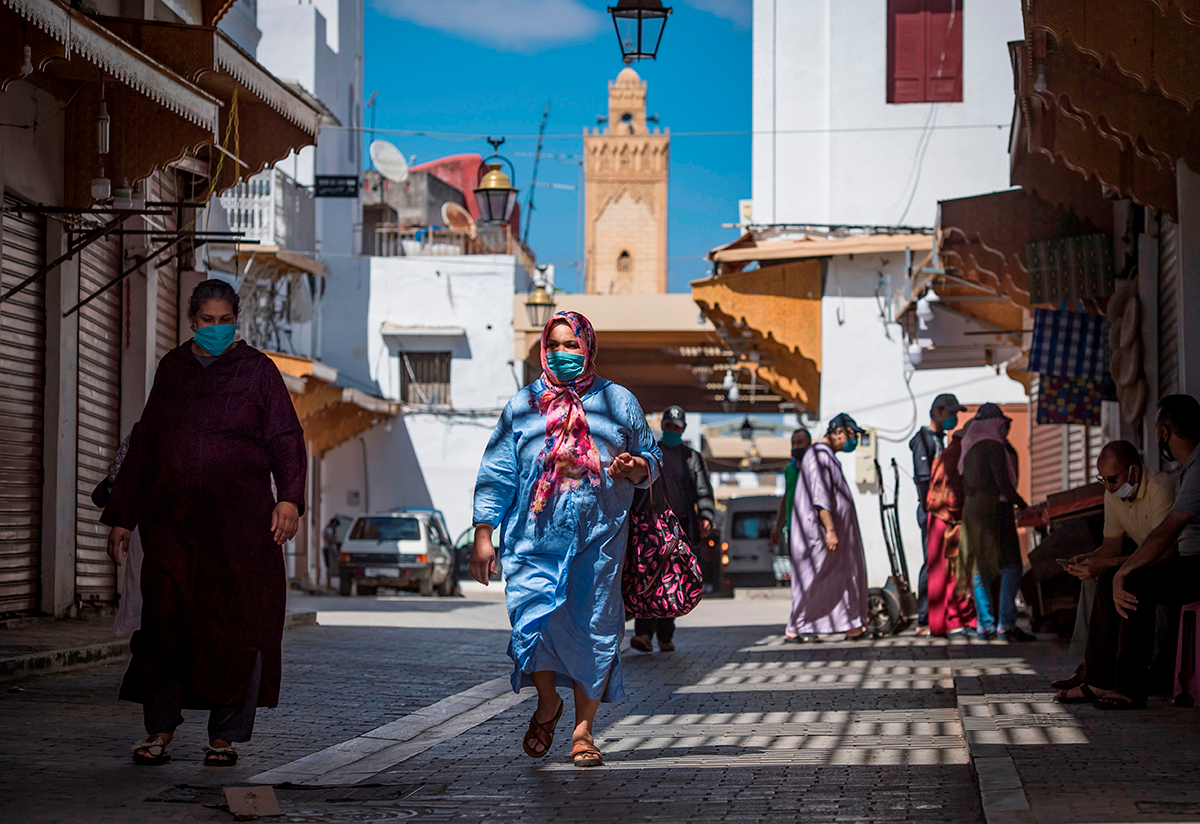
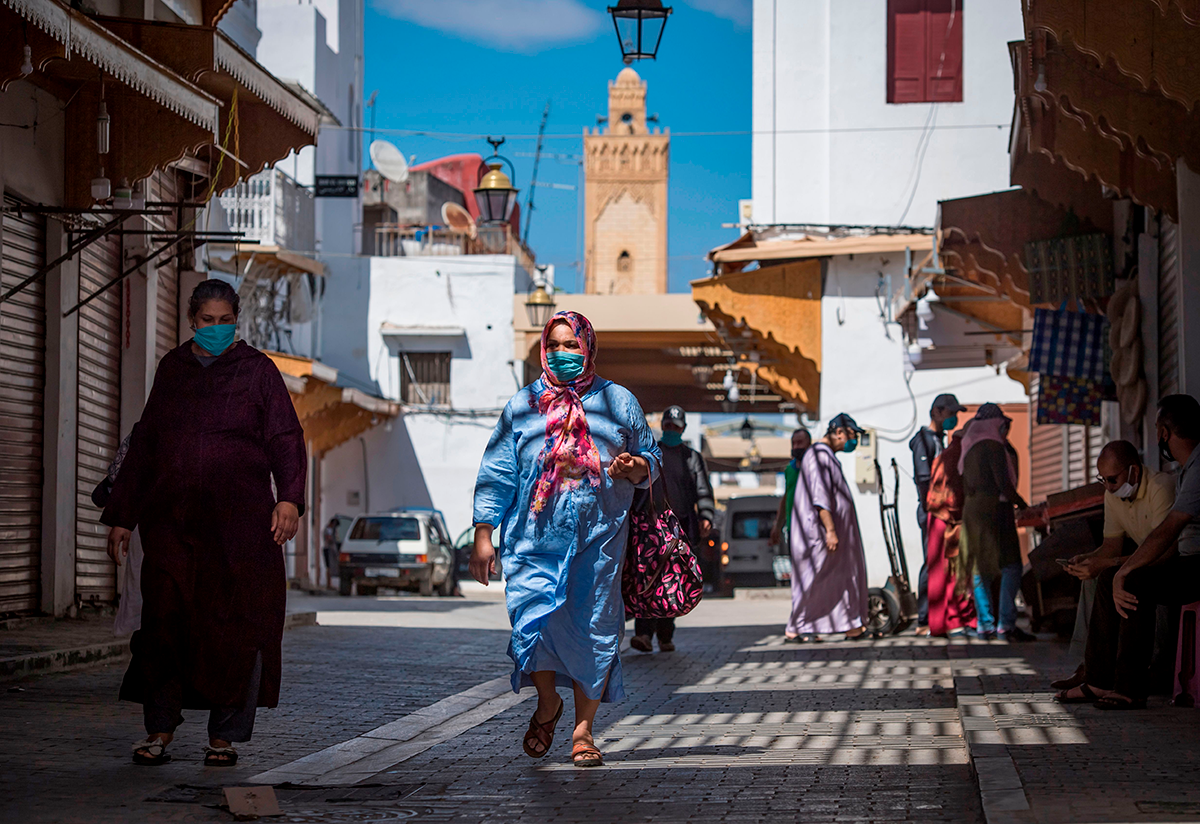
مجرد ظهور العلامات الأولى للأزمة الصحية الناجمة عن فيروس كورونا المستجد في شمال إفريقيا، اتخذ المغرب إجراءات سريعة وحاسمة، حيث نفذ تدابير صحية واقتصادية وأمنية واجتماعية بدءا من نهاية فبراير 2020. تفسر هذه الإجراءات إلى حد كبير تصور المواطنين الإيجابي لتعامل الدولة مع هذا الوضع الصعب، وهو تحد لم يسبق له مثيل منذ الربيع العربي في 2011.
Facing COVID-19 in Morocco: Satisfaction with the economy does not preclude the need for more jobs and anti-corruption efforts
As soon as the first signs of the health crisis caused by COVID-19 appeared in North Africa, Morocco took swift and decisive action, implementing health, economic, security, and social measures at the end of February 2020. These actions explain the largely positive perception among Moroccans of the state’s handling of this difficult situation, a challenge unlike any since the Arab Spring in 2011.
The findings of the fourth part of the Arab Barometer survey’s sixth wave, carried out in May 2021, confirm that the spread of COVID-19 (43% of respondents) and the economic situation (33%) are still the main challenges for Moroccans.
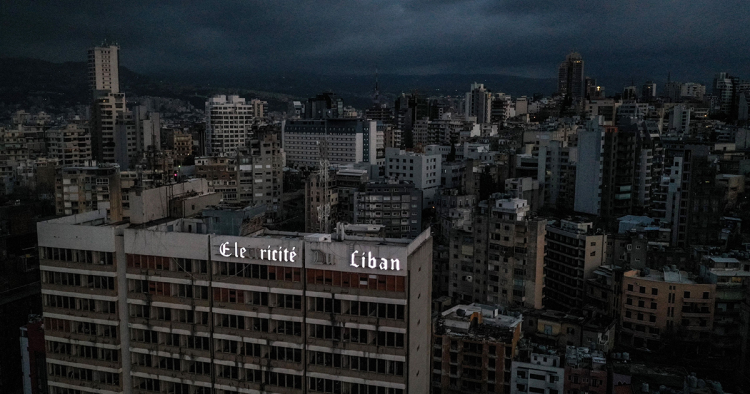
Power sector reforms are new Lebanese governments’ ultimate test
The formation of a new government in Lebanon — after more than a year of political deadlock and amid an economic crisis of dizzying severity — is a positive development. The scale of Lebanon’s economic challenges, however, requires a new government capable of breaking with its predecessors’ deliberate inaction. It necessitates strong and genuine political leadership, will, and action to tackle the country’s many pressing challenges, especially in its dysfunctional energy sector.
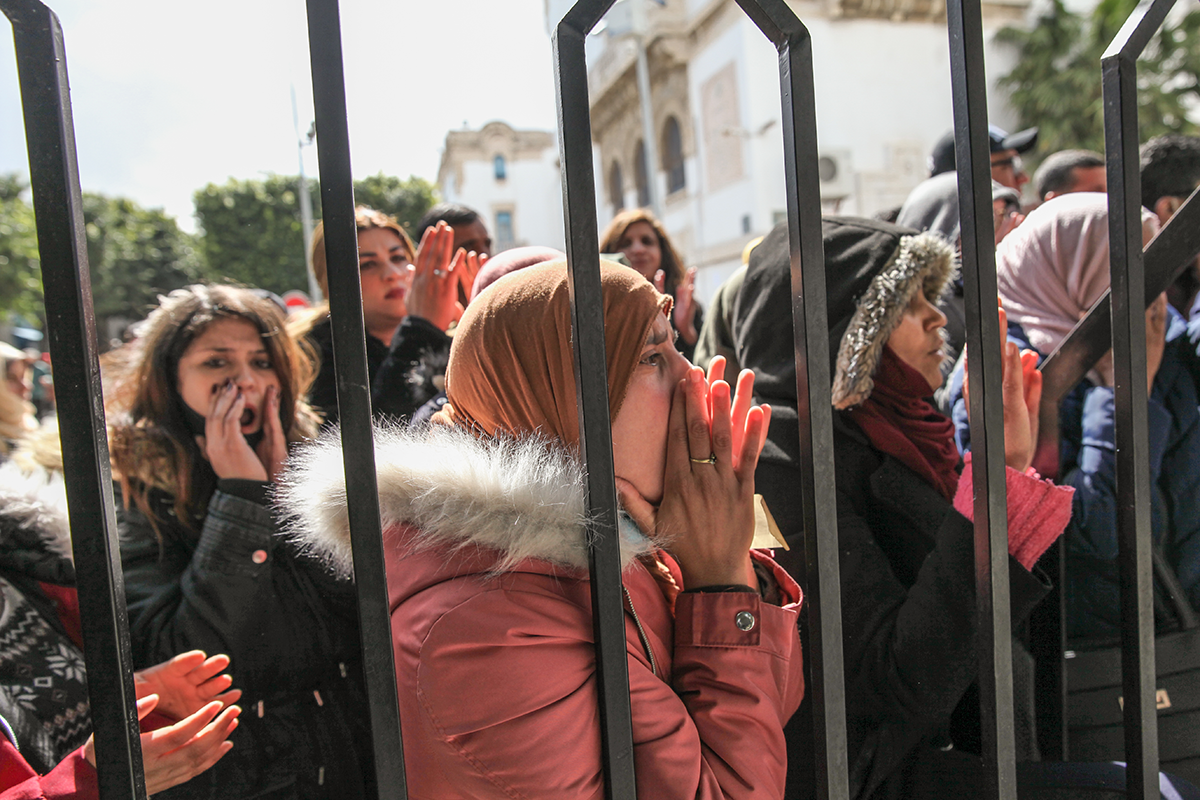
In surveys, Tunisians tell of continuous economic grievances
The latest round of public opinion surveys conducted by Arab Barometer confirms that the deterioration of the economy — or more specifically a continuing collapse in living standards — has been at the forefront of people’s minds in Tunisia.
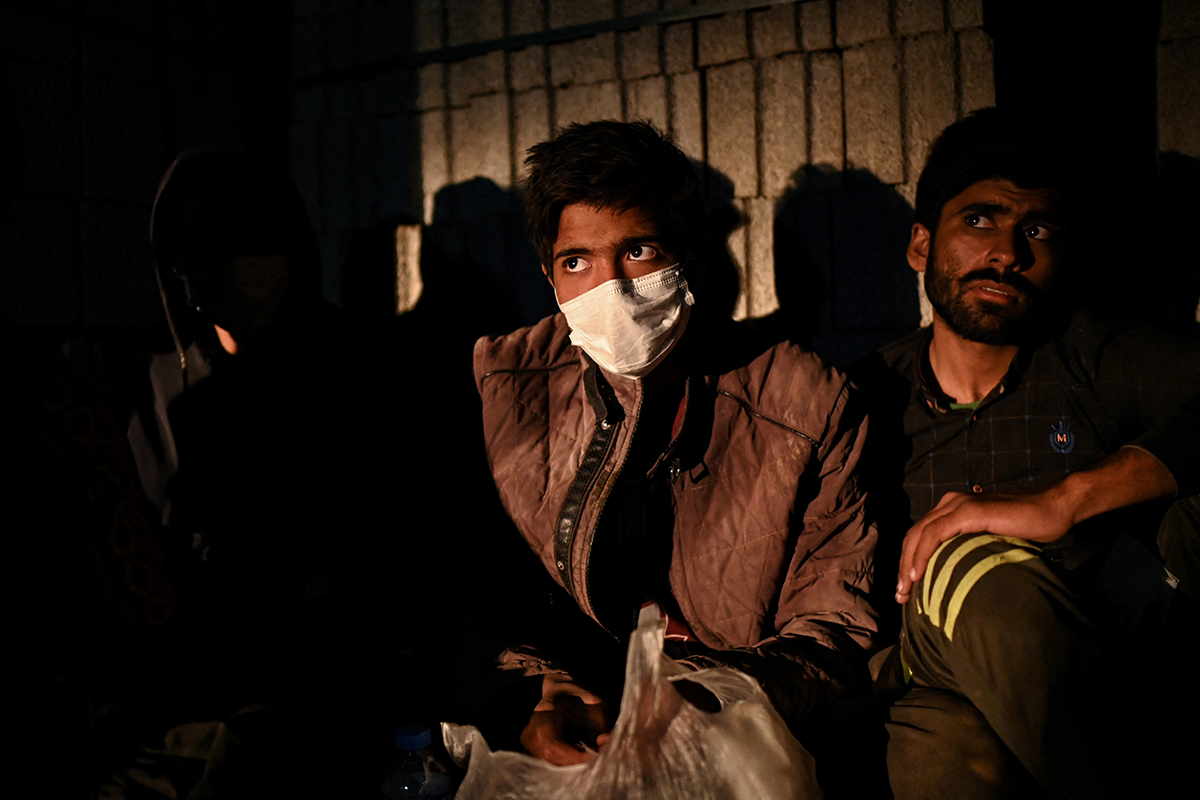
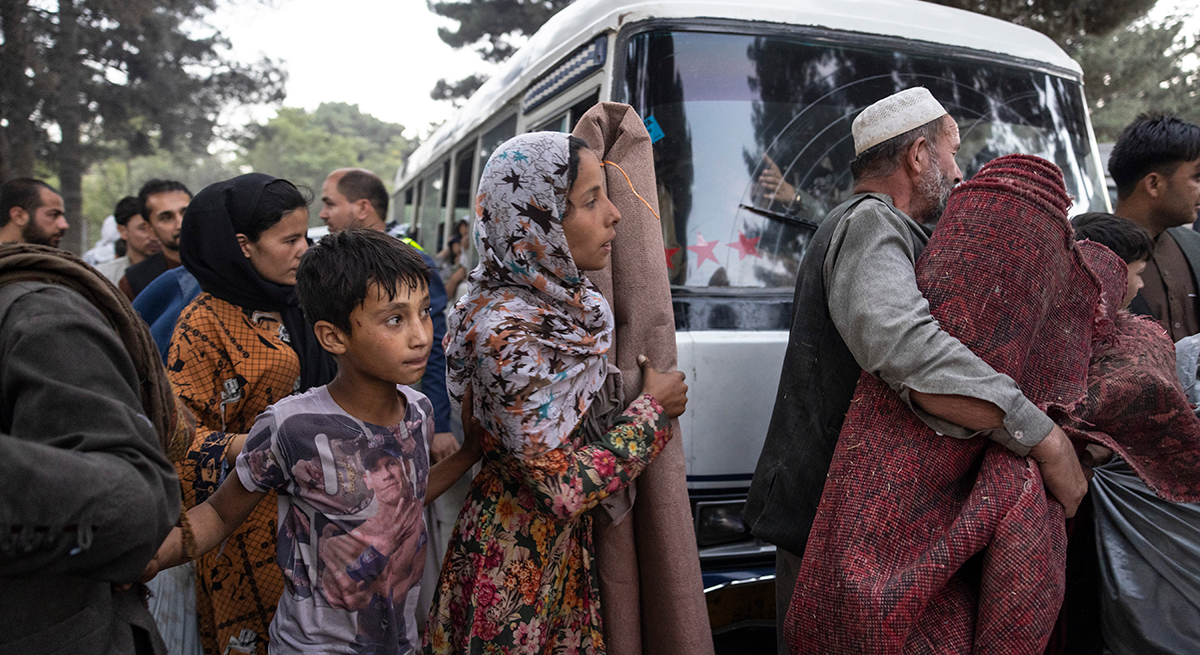
The politics and geopolitics of the Afghan refugee crisis
For the second time in the past two decades, a large number of Afghans find themselves escaping chaos. Twenty years ago, it was the American invasion of Afghanistan after the terrorist attacks of 9/11 that caused a large wave of refugees. More recently, the hasty American withdrawal from the country and the ensuing Taliban takeover have created another wave of refugees.
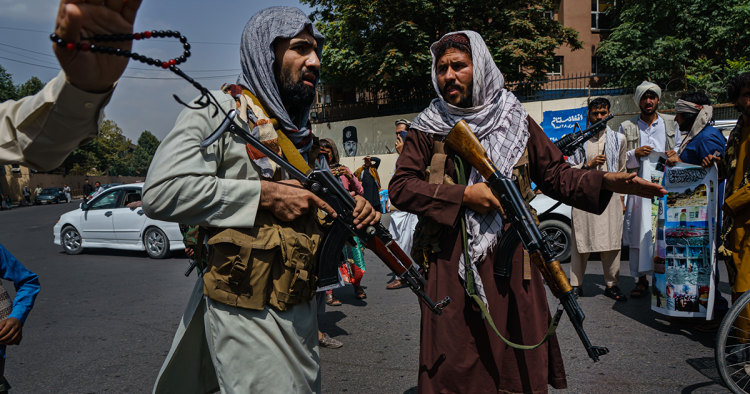
Iran and the Taliban after the US fiasco in Afghanistan
For Iran, Washington’s Afghanistan fiasco has been touted as confirmation that U.S. policy in the Islamic world is doomed to fail. The immediate geopolitical and ideological gains, however, could be overshadowed by the potential challenges that a Taliban-ruled Afghanistan may pose for Iran’s security and regional interests in the long run.
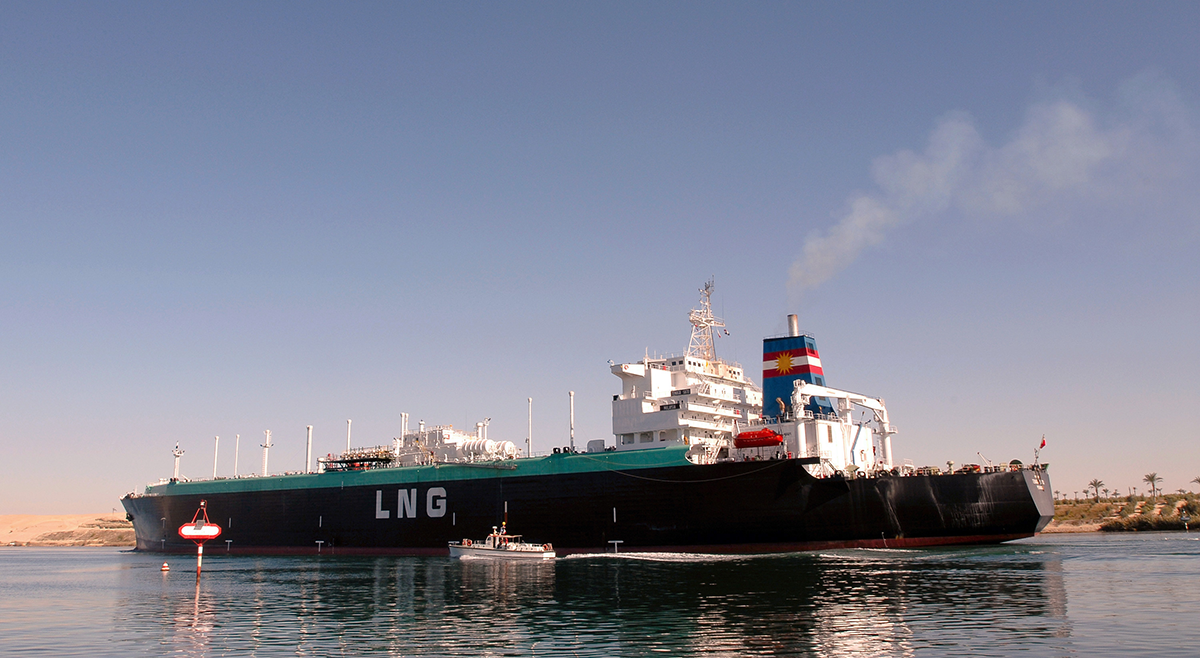
Egypt is currently the fastest-growing Arab exporter of liquefied natural gas (LNG), according to a report released by the Organization of Arab Petroleum Exporting Countries on Aug. 16. The report showed that Egypt exported around 1.4 million tons of LNG in the second quarter of 2021, having not exported any LNG during the same period in 2020.
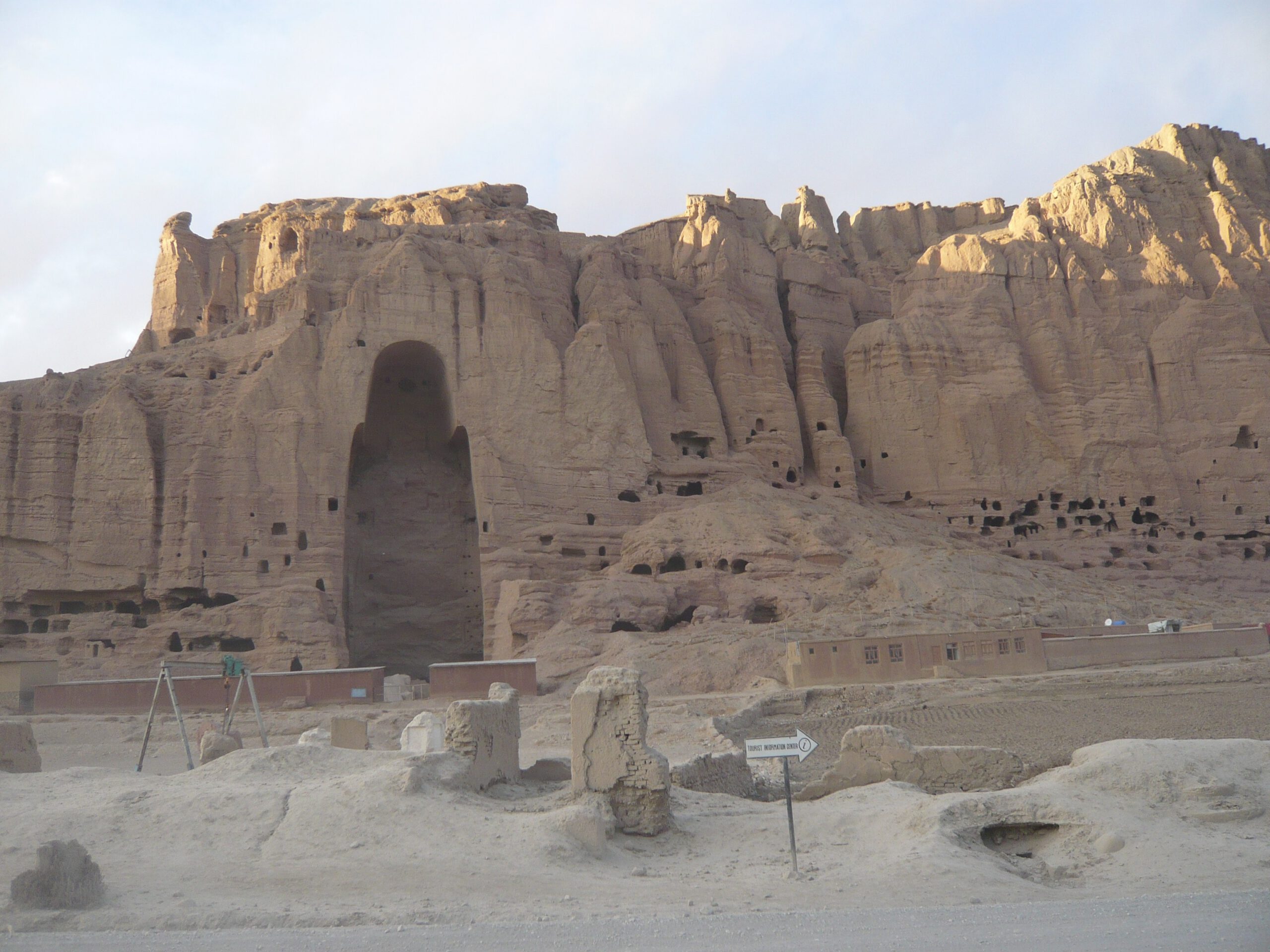
ديجافو مرة أخرى في أفغانستان: التفاوض مع طالبان لإنقاذ المواقع التراثية
بينما يشاهد العالم استيلاء طالبان على أفغانستان وما أعقب ذلك من أحداث متلاحقة، يبدو الأمر وكأنه “ديجافو” أو تكرار لمعاناة أبناء هذه الأمة. ومع عودة طالبان إلى وادي باميان، وهو أحد مواقع التراث العالمي لليونسكو الذي أجاز فيه الملا عمر تدمير تمثالين من القرن السادس لبوذا قبل 20 عامًا، ندرك أننا شاهدنا هذا الفيلم من قبل ونعرف كيف تكون نهايته.
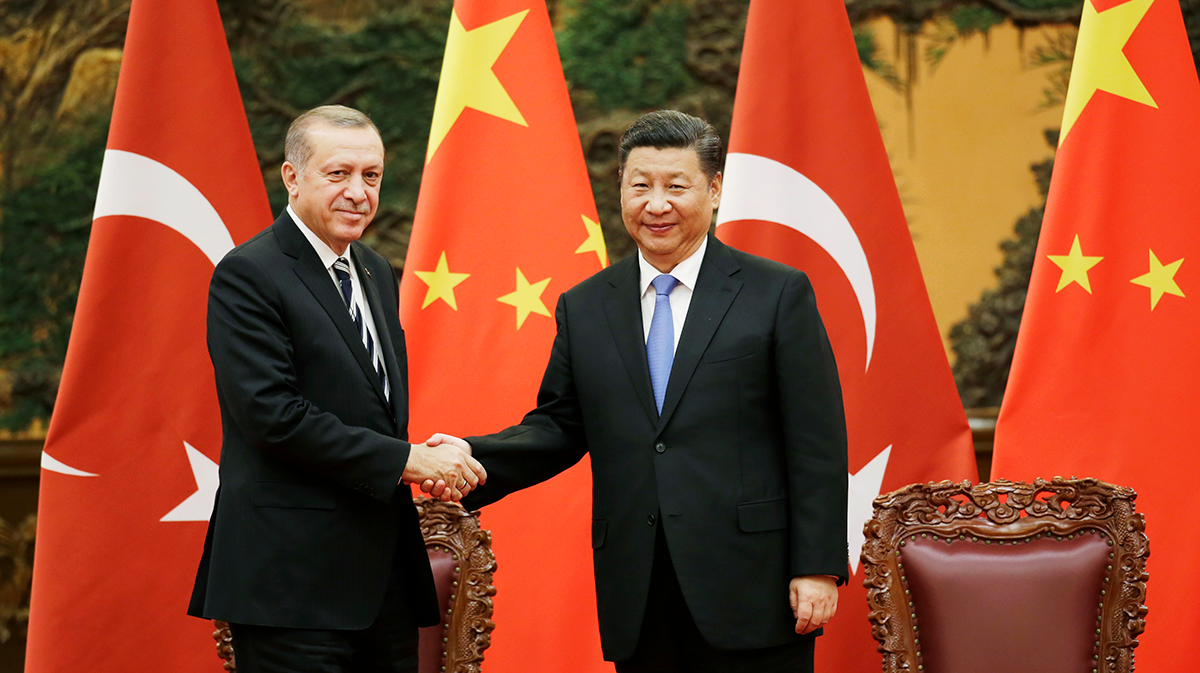
Courting danger, Erdoğan ramps up reliance on China
China’s recent multi-sectoral engagements in Turkey suggest that the Black Sea region’s significance is on the rise in Beijing, and under President Erdoğan, Turkey has consistently sought its favor and investment.
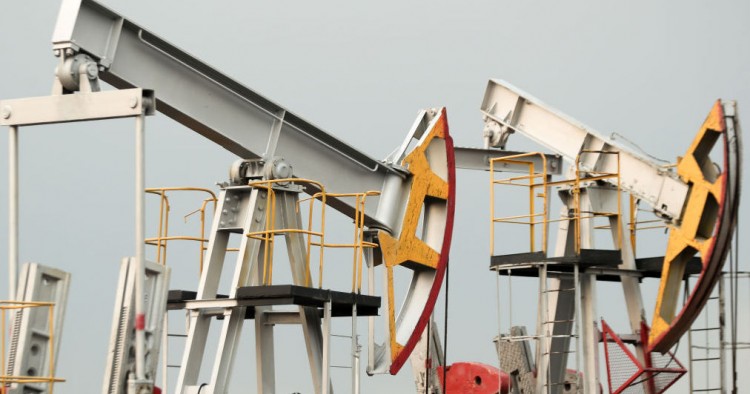
OPEC+ oil producers are unlikely to step back from their plans to increase production, as both the short-term market forecasts and long-term expectations of structural changes in the global oil market are forcing producers to focus more on market share expansion.
The Afghan refugee crisis: What does it mean for Iran?
The images of desperate Afghan citizens trying to leave their country, beyond highlighting a massive human tragedy, may become a symbol of the so-called war on terror. Many of those Afghans already understand the feeling of abandoning their homes, because their families experienced it. They know what happens when foreign armies withdraw from their country and the tragedies that can ensue. The difference this time, however, was the deadline — only a few weeks.
Afghanistan must address existential and structural challenges before tapping natural resource wealth
Right now, Afghanistan is on the cusp of an economic collapse, not some Chinese investment bonanza. Its immediate challenges are existential. And until economic, political, and security conditions stabilize, and legal and regulatory frameworks for investments are in place, Afghanistan’s connectivity and mineral wealth dreams will remain just that.
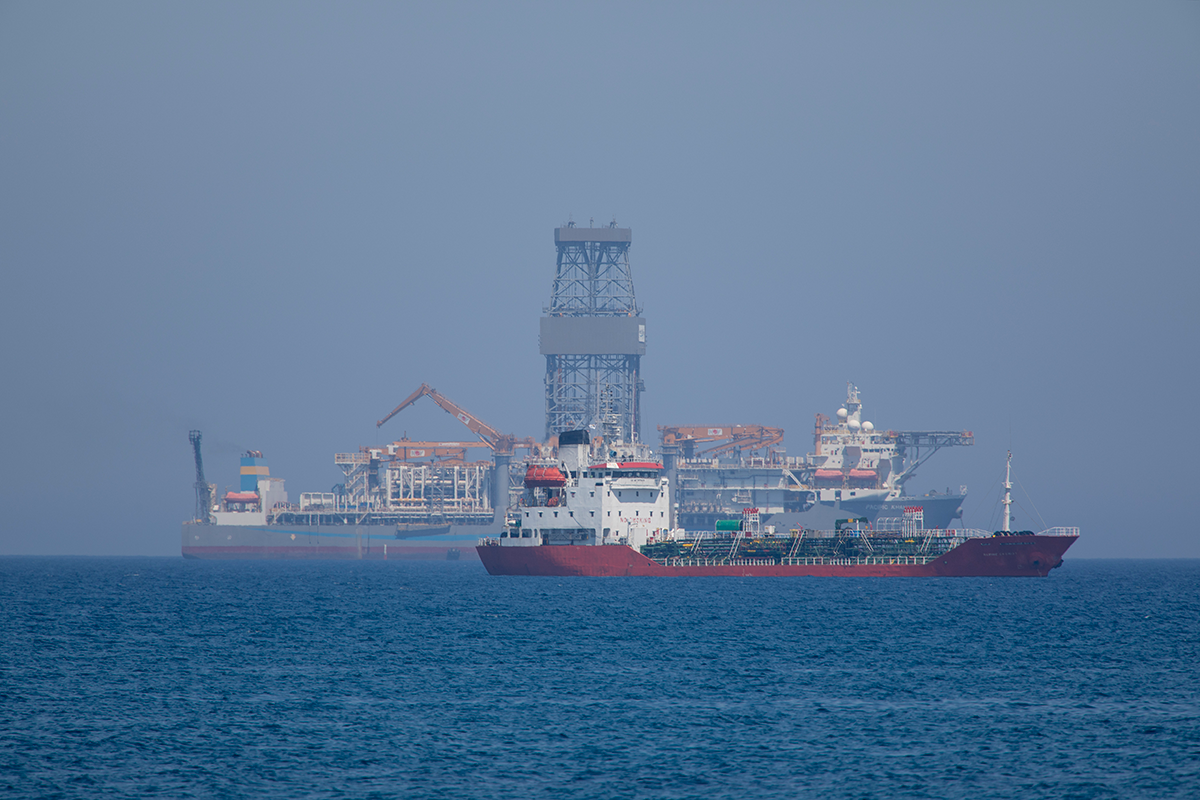
East Med gas needs clean tech and regional integration to support investment case
The viability of Eastern Mediterranean natural gas resources has long been a source of debate for reasons including cost considerations, market demand, and regional geopolitical tensions. The past couple of years have further complicated the debate, introducing new questions about the role of these resources in supporting post-pandemic economic recovery or helping more advanced markets achieve net-zero policies by replacing coal and other fuel sources (a particularly relevant topic of debate given Europe and Asia are key export targets for East Med gas).
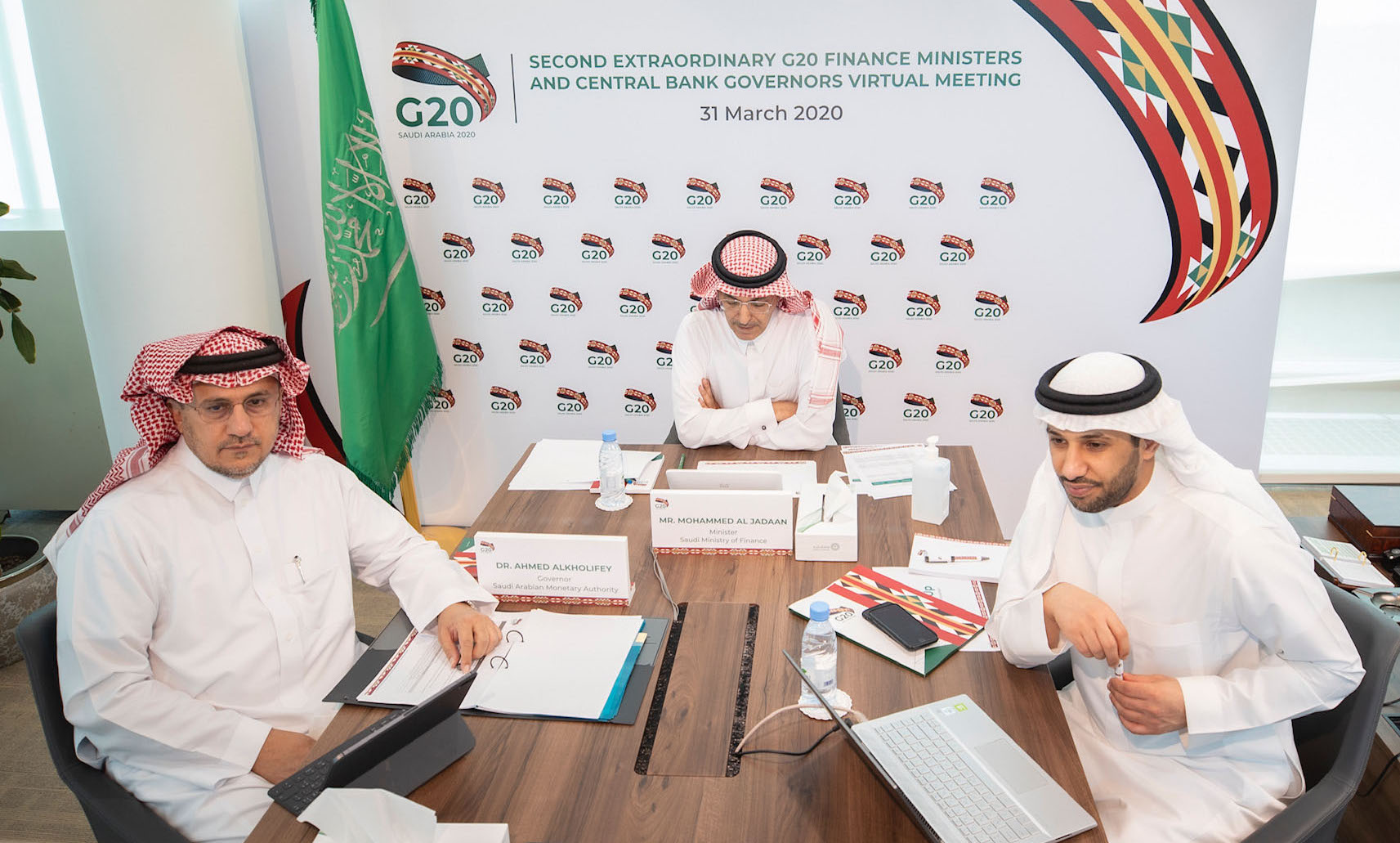
Mega-projects and Small Enterprises: Understanding Saudi Arabian Banks’ Role in Economic Development
Vision 2030 promises a transformation of Saudi Arabia’s economy, and the financial sector will be crucial to achieving this. The sector will facilitate private investment focusing on small and medium-sized enterprise (SME) financing, fund mega-projects, and be a driver for diversifying away from oil. As a result, banks’ role must go from being distributive and largely passive to developmental and active. This article will highlight how the role of the Saudi banking sector has been transformed in the last five years and how its composition is changing to cope.
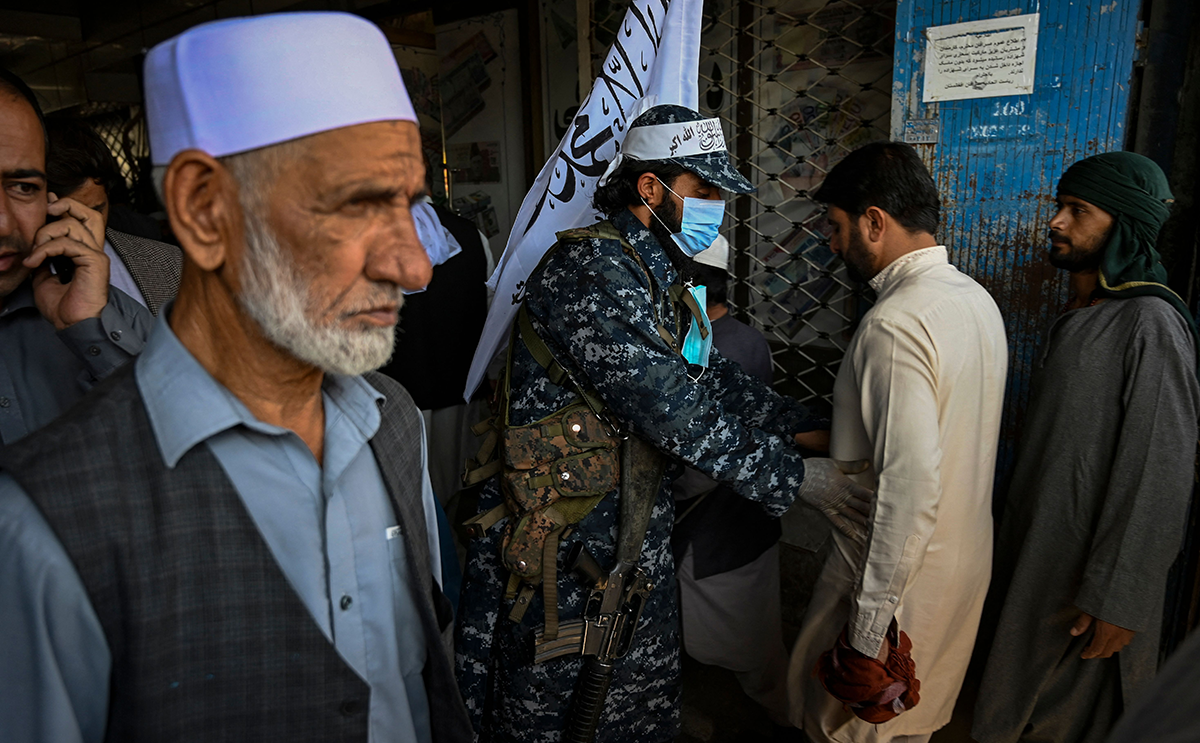
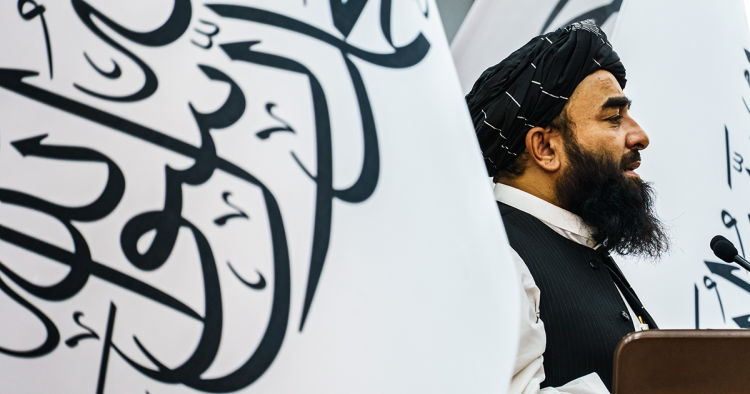
The Taliban’s post-battle narratives on women’s rights and governance
Unanticipated swiftness of victory can be potentially befuddling, even for the victor. After the Taliban’s dramatic and largely bloodless capture of power, their leadership has struggled to finalize the structure of a government that will rule the country. The group, however, has attempted to use the interregnum period to indulge in a rebranding exercise. Statements issued by its spokespersons in Kabul as well as in Doha indicate that the group does not wish to take revenge on the “collaborators” of the fallen government. Instead, it wishes to form an “inclusive” government, which although it will be governed by sharia, may still have role for former government servants and women. However, this could only be a feeble attempt at building a narrative, which the group will find hard to sustain, even in the short term.