Senior Iraqi Shiite Leader Says Ties with Tehran Remain Strong
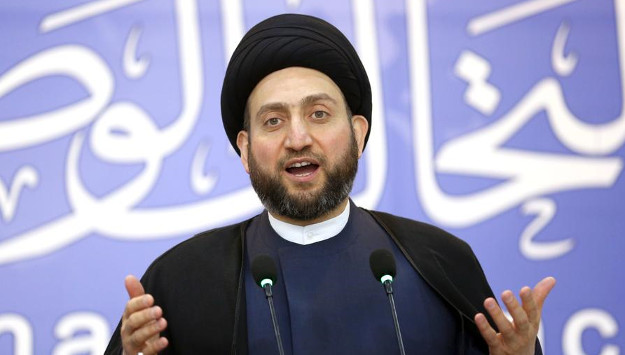
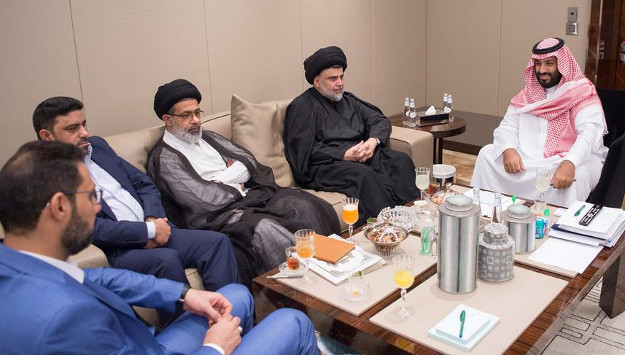
Ammar al-Hakim, a senior Iraqi Shiite politician and cleric, has rejected reports that relations between Tehran and Iraqi Shiite leaders have been souring lately.
Iran-Backed Militia Group Threatens to Attack U.S. Troops in Iraq
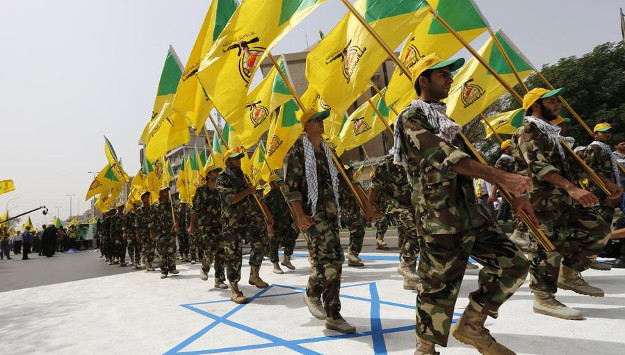
A commander of Iranian-backed Iraqi militia group has warned that his forces will target American troops in Iraq if they do not leave the country after the battle against the Islamic State is over, the Iranian media reported. Jafar al-Hussaini, the spokesman for Kata’ib Hezbollah (Hezbollah Brigades), also accused the United States and the leadership of the Iraqi Kurdistan of assisting Islamic State militants to safely withdraw from Tal Afar, an Iraqi city west of Mosul recently liberated from the Islamic State.
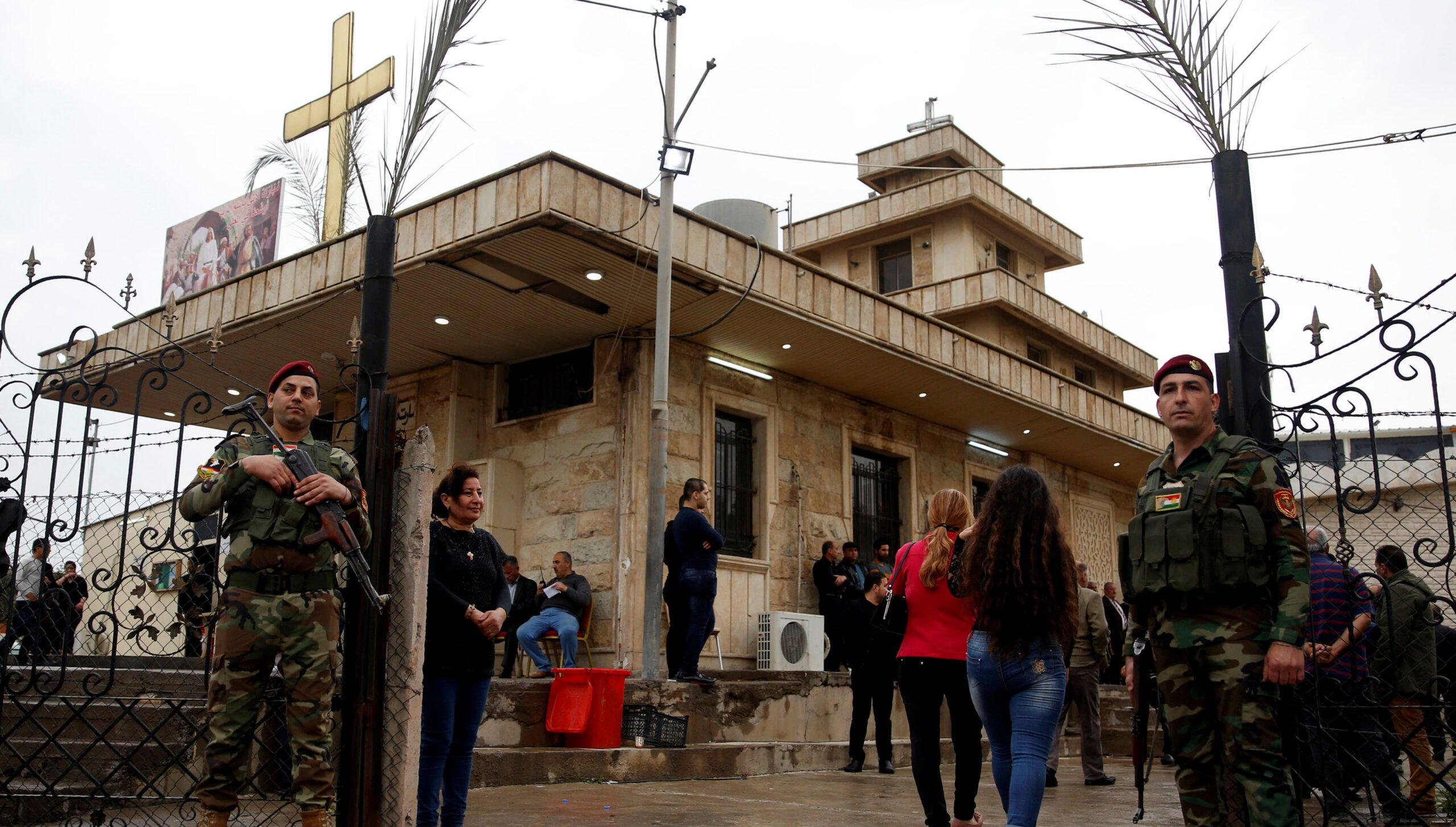
What will a Future Kurdish State Do with its Own Minorities?
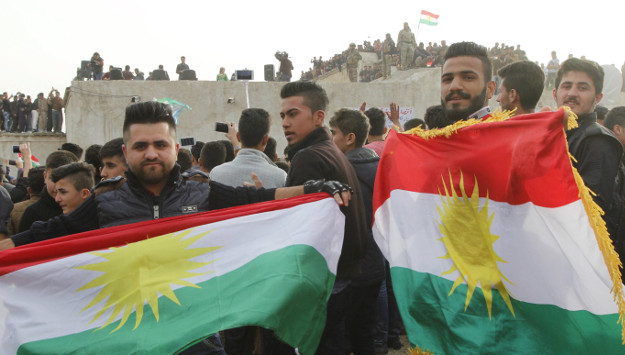
The Kurdistan Region of Iraq (K.R.I.) is expected to hold a referendum on independence from Iraq on September 25. While the disputes between Kurds and Iraq’s Sunni and Shiite Arab populations will be a key factor in any independence process, the realities of building a Kurdish state in northern Iraq will be made more complex by the enormous ethnic and religious diversity in the region.
Iran: Consequences of Referendum Will be Dire for Iraq and Region
Secretary of Iran’s Expediency Council Mohsen Rezaei has warned that the consequences of the Iraqi Kurdistan’s plan to hold an independence referendum will be dire for Iraq and the broader region. “Disintegration of Iraq would mark the beginning of widespread insecurity not only in Iraq, but in the entire region… We oppose such a referendum and call on the Kurdish leaders to halt that plan,” he said at a press conference in Baghdad on Monday.
Hezbollah-Islamic State Deal Divides Iraqi Leaders
After Iraqi Prime Minister Haider al-Abadi criticized the latest Hezbollah and Syria-backed agreement to transfer Islamic State fighters from the Lebanese-Syrian border to eastern Syria near the Iraqi border, several Iraqi political and militia leaders close to Tehran voiced support for the deal and praised Hezbollah leader Hassan Nasrallah.
Iran-Backed Iraqi Paramilitary Forces Will Participate in Hawija Offensive
The spokesman of the Iraqi Popular Mobilization Forces (P.M.F.) has announced that the paramilitary forces will participate in the next major offensive against the Islamic State in Hawija city of Iraq’s Kirkuk Province. Ali al-Husseini said on Friday that the military operation will begin within a few days. There are about 2,000 Islamic State fighters in Hawija, Fars News Agency quotes a local official as saying. The P.M.F.
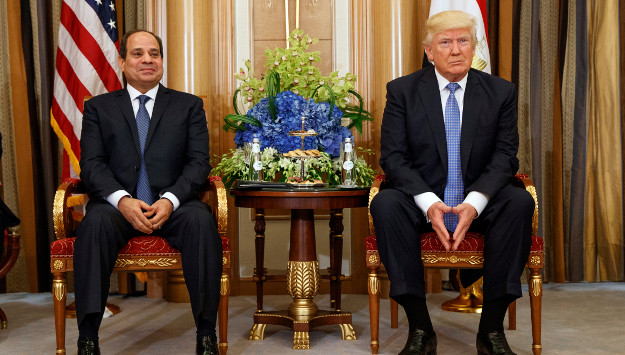
A Return to Ambiguity in U.S.-Egyptian Relations | Monday Briefing
In this week’s Monday Briefing, MEI experts Paul Salem, Gerald Feierstein, Randa Slim, Bilal Y. Saab, and Jean-François Seznec provide analysis on recent and upcoming events including tensions between Washington and Cairo over Egypt’s excessive authoritarian crackdown, Russia’s attempt to help mediate the G.C.C. crisis, the likely postponement of the Kurdish independence referendum, the performance of the Lebanese Army in anti-ISIS operations, and the Iraqi oil minister’s trip to Moscow to discuss oil production cuts.
I.R.G.C. Outlet: Tal Afar Liberation Paves Way for Expulsion of U.S. from Iraq
The liberation of Tal Afar is a “major defeat for America and terrorists” and paves the way for the expulsion of U.S. Troops from Iraq, says an article in hardline Javan Online, a mouthpiece of the Islamic Revolution Guards Corps (I.R.G.C.).
Iran-Backed Al-Hashd al-Turkmani Group Playing Major Role in Tal Afar
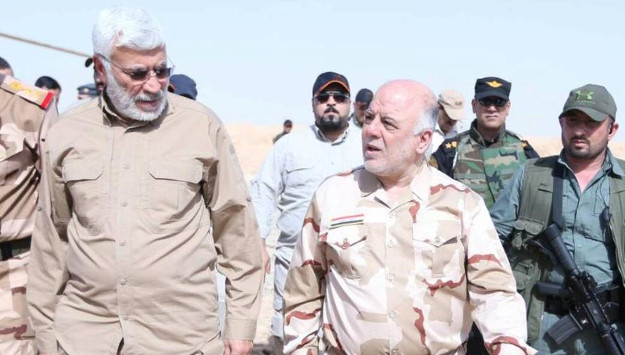
A senior commander of the Iraqi Popular Mobilization Force (P.M.F.) has announced that forces from al-Hashd al-Turkmani will play a major role in the military operation to liberate the city of Tal Afar from the Islamic State, Iran’s Fars News Agency reported today. Abu Mahdi al-Muhandis, the chief operational commander and deputy head of the P.M.F., made the statement after meeting with the leaders of Hashd al-Turkmani, a P.M.F. unit close to Iran and strongly anti-American.
The Middle East Dialogue, a regional Track 1.5 group in which officials and non-officials from the region and beyond meet to discuss current issues in their personal capacities, met May 12-13 in Malta. Read the full report (PDF).
Iraqi Kurdistan’s democratic future and stability is at risk, and one party and family is especially closely linked to the crisis. In recent years, the Barzani family and the Kurdistan Democratic Party (K.D.P.) have consolidated power while displaying indifference to rule of law when facing critics or uncooperative minorities. This creeping autocracy should urgently concern those hoping to see a stable new democracy in a troubled region. On September 25, the Kurdish region is due to hold its independence referendum.
Monday Briefing | Abbas Hoping for a Commitment from Kushner on MidEast Peace
In this week’s Monday Briefing, MEI experts Yousef Munayyer, Paul Salem, Ahmad Majidyar, Alex Vatanka, and Gonul Tol provide analysis on recent and upcoming events including the upcoming trip by the U.S. delegation headed by Jared Kushner to Israel/Palestine, Iraq’s anti-ISIS operation in Tal Afar, President Trump’s upcoming announcement on U.S. military strategy in Afghanistan, Iran’s efforts to find a role in China’s One Belt, One Road project, and Turkey’s rocky relations with Germany.
Iran-Backed Groups Playing “Extensive Role” in Tal Afar Operation
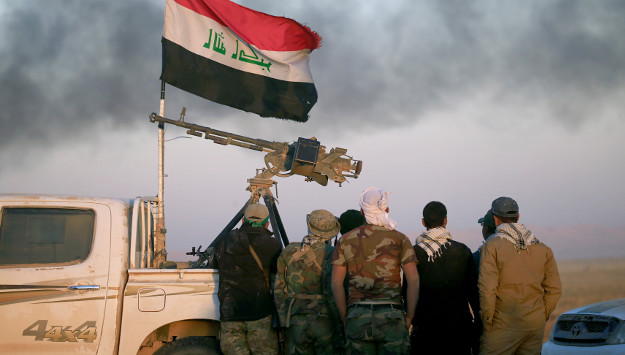
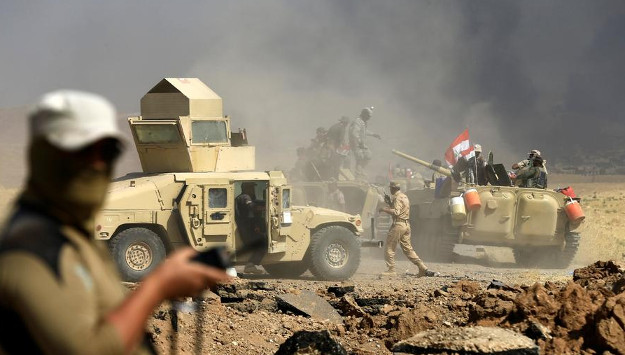
Iraqi Popular Mobilization Forces (P.M.F.) commanders say their paramilitary forces are actively participating in the recently-launched military operation to liberate the city of Tal Afar from the Islamic State, the Iranian media report. The Badr Organization, a powerful Iranian-supported P.M.U. group, announced on Sunday that its forces have captured “mountainous regions” in northwestern parts of Tal Afar. A report in Fars News Agency, which is affiliated with the Islamic Revolution Guards Corps, said P.M.F.
I.R.G.C. Outlet: Foreign "Plots" Underway to Divide Shiites, Damage Tehran-Baghdad Ties
Regional Arab states and their Western allies are attempting to divide the Iraqi Shiites and drive a wedge between Tehran and Baghdad to alter the balance of power in Iraq, warns an article in Tasnim News Agency, an Iranian outlet affiliated with the Isl