Tajikistan Accuses Iran of Sponsoring Terrorism, Restricts Iranian Organizations’ Activities
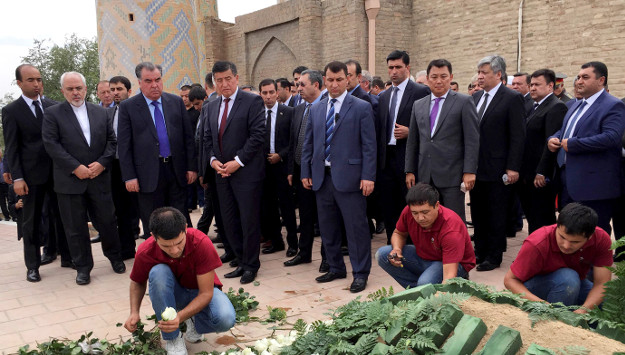
Tajikistan has accused Iran of having played a subversive role in the country’s civil war in the 1990s by sending terrorists to the Central Asian republic, the latest sign of deteriorating relations between the two countries.
Iraqi Paramilitary Forces to Participate in Tal Afar Operation despite Concerns
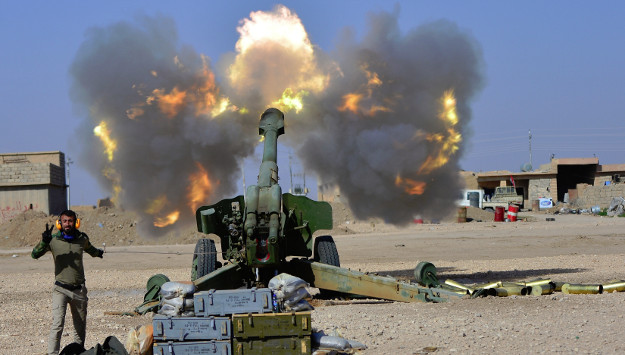
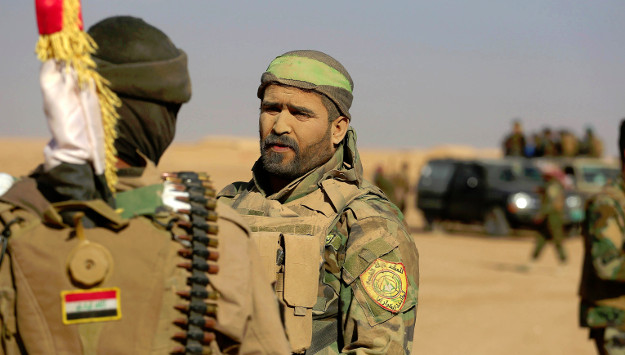
The spokesperson for the Iraqi Popular Mobilization Forces (P.M.F.) has announced that the paramilitary forces will participate in the upcoming military operation against the Islamic State in Tal Afar despite regional concerns, Iran’s Fars News Agency reported today. “In the operation to liberate Tal Afar, all Hashd al-Shaabi forces, the Iraqi army, the federal police and also counterterrorism and rapid-reaction forces will participate,” Ahmed al-Assadi was quoted as saying.
Malaysia Navigates the Sectarian Dimension of the Saudi-Iran Rivalry
Malaysia’s diplomatic relations with Saudi Arabia and Iran generally have been cordial while its economic ties with both countries have been expanding. However, the Saudi-Iran strategic rivalry has intensified both within and beyond the Middle East, raising several questions that this essay proposes to address: What are Malaysia’s interests in Saudi Arabia and Iran? Is there any evidence that Saudi Arabia and Iran, as a function of their competition with each other, are seeking to expand their influence in Southeast Asia, and in Malaysia in particular, through the promulgation of Shia and Wahhabi ideology? If so, to what extent and by what means could Malaysia respond to this development so as to avoid jeopardizing the fruitful aspects of their relations with both countries?
Iraqi Militia Leader Says Will Hold U.S. Responsible for Killing 40 Militiamen, 7 I.R.G.C. Officers
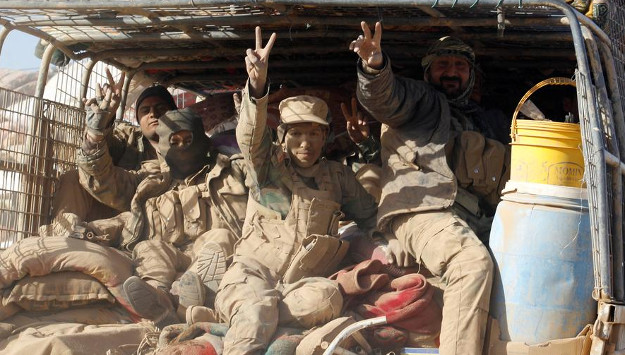
The commander of an Iranian-backed Iraqi paramilitary unit has accused the American troops of colluding with the Islamic State and killing dozens of Iraqi militiamen and Islamic Revolution Guards Corps (I.R.G.C.) officers along the Iraqi-Syrian border last night – a charge the U.S.-led coali
Iran-Allied Iraqi Militia Group Threatens Violence over Kurdistan Independence Plan
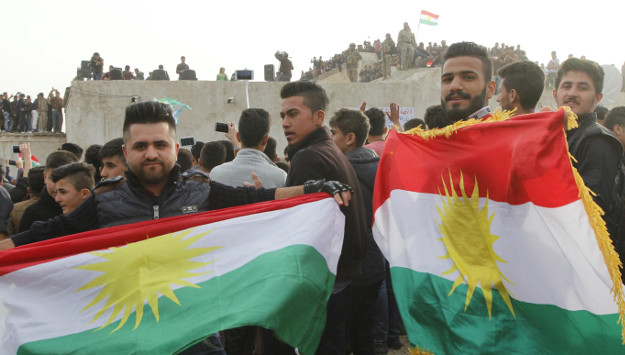
A senior official of Asa’ib Ahl al-Haq, an Iran-supported militia unit within Iraq’s Popular Mobilization Forces (P.M.F.), has threatened violence against the leadership of the Iraqi Kurdistan, according to Fars News Agency, which is affiliated with the Islamic Revolution Guards Corps (I.R.G.C.).
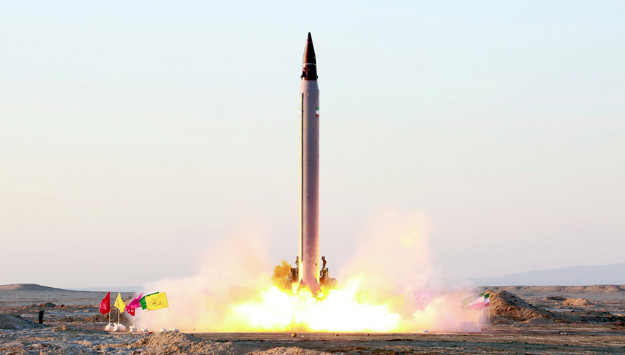
I.R.G.C. Commander: Iran Won’t Repeat Libya’s Mistake of Giving up Its Military Assets
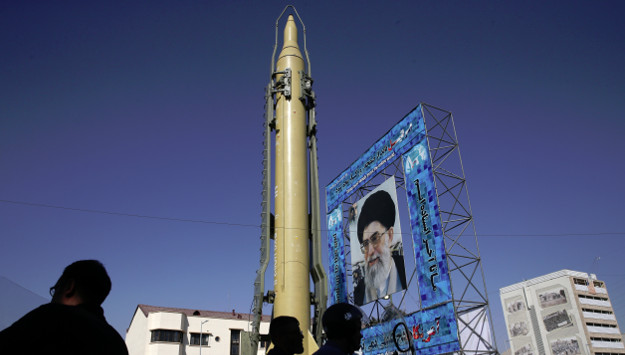
The chief commander of the Islamic Revolution Guards Corps (I.R.G.C.) Aerospace Force has said that the Islamic Republic has stepped up its efforts to enhance its miss
Top Iranian Nuclear Official: All Options on Table If Washington Abandons Deal
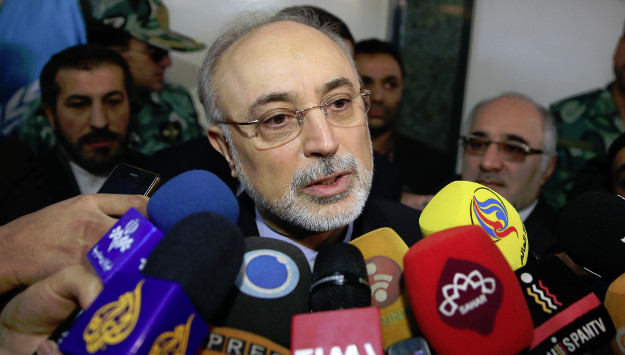
The head of the Atomic Energy Organization of Iran (A.E.O.I.) has warned that Tehran will keep all options on the table if Washington walks away from the nuclear agreement the Islamic Republic signed with the United States and five other world powers in July 2015. In an interview with Lebanon’s Arabic-language Al-Mayadeen TV, Ali Akbar Salehi said the nuclear accord is an international document and it will be difficult for the Trump administration to cancel the deal.
Astana Experts Meet in Tehran and Turkey Holds Naval Exercises with Qatar | Monday Briefing
In this week’s Monday Briefing, MEI experts Randa Slim, Gerald Feierstein, Gonul Tol, and Jean-François Seznec provide analysis on recent and upcoming events including next steps in the Syrian conflict de-escalation process, General Zinni’s mission to the Gulf, Qatari-Turkish relations, and crude oil informal cooperation.
P.M.F. Spokesman: We’ll Not Be Disbanded, Will Remain Key Player in Iraq
The Popular Mobilization Forces – the Iraqi paramilitary forces also known by its Arabic name Hashd al-Shaabi – will not be disbanded after the fight against the Islamic State is over and will remain a key player in Iraq, the alliance’s security spokesman said on Sunday. “Hashd al-Shaabi is an official military organization affiliated with the government of Iraq.
Damascus Asks Tehran to Play Major Role in Syria’s Rebuilding, Economic Revival
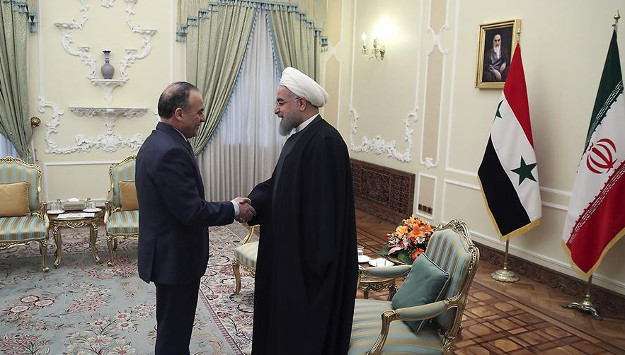
The Syrian government greatly appreciates Tehran’s unwavering support in “the fight against terrorism” over the past years and now wants Iran to play an active role in the war-torn country’s reconstruction and economic development, Syria’s Prime Minister Imad Khamis said in a meeting with Iranian Parliament Speaker Ali Larijani on Sunday.
Senior Iranian political and military officials have said that the Islamic Republic will not allow the United States or any other Western country to inspect its military sites under any circumstances, the Iranian media reported.
Iran’s Intelligence Ministry says it has arrested 27 terrorists linked with the Islamic State, the Iranian media reported today. A statement released by the ministry claimed that the terrorist group planned terrorist attacks in Iran’s strategic provinces and religious cities, and that Iranian intelligence agents also confiscated weapons and explosive material the militants were attempting to smuggle into Iran.
Iran-Backed Iraqi Paramilitary Forces Form New Alliance to Contest Parliamentary Elections
Iraq’s Popular Mobilization Forces (P.M.F.) groups have agreed to form an alliance – dubbed as the Coalition of the Loyalists – under the leadership of the Badr Organization to participate in the country’s next parliamentary elections, Fars News Agency, an Iranian outlet affiliated with the Islamic Revolution Guards Corps (I.R.G.C.) reports. P.M.F. units such as Kata’ib Hezbollah, Kata’ib Sayyid al-Shuada, Kata’ib Jund al-Imam, and Asaib Ahl al-Haq will be part of the new alliance.
Libya Still Seeking Grand Bargains, But Facing Range of Spoilers
The hopeful scene in Paris July 25 was a familiar one. Libyan leaders, in this case General Khalifa Haftar and Prime Minister Fayez al-Sarraj, meet under the umbrella of another world leader, in this case, French Prime Minister Emmanuel Macron, and announce progress on a deal to put Libya back together and hold new elections.
It was a scene that had last played on May 2 in Abu Dhabi, under Emirati guidance with the same Libyan players, and one I and others had sought to put together a full year ago when I was serving as U.S. Special Envoy for Libya.

 Bilal Y. Saab has joined the Middle East Institute as a senior fellow and director of the new Defense and Security Program (DSP).