تمت ترجمة هذا النص بواسطة الذكاء الاصطناعي وقد يحتوي على أخطاء.
تخطي إلى المحتوى

Research & Commentary Results

تصفية حسب
943 Results
A Comprehensive Review of the Effectiveness of US and EU Sanctions on Syria
معهد الشرق الأوسط
  • التحليل
  • A Comprehensive Review of the Effectiveness of US and EU Sanctions on Syria

    The subject of Western sanctions on Syria is a divisive one among analysts and policymakers interested in ending the misery of the country’s citizens. The division comes at a time when, more than ever, the country needs a comprehensive policy that ends the agony of most Syrians. This study assesses the effectiveness of the sanctions imposed on the regime of Bashar al-Assad by conducting a comprehensive review of their history, evaluating shortcomings in the current setup, and recommending ways to move forward.

    August 6, 2021

    Facing the abyss: Refugees and the Beirut port explosion one year later
    Photo by Marwan Naamani/picture alliance via Getty Images.
  • التحليل
  • Facing the abyss: Refugees and the Beirut port explosion one year later

    On the first anniversary of the catastrophic explosion at the Beirut port last August, Lebanon is threatened by political discord and economic collapse. The past year has been difficult for the average Lebanese citizen and it has been even worse for the country’s most marginalized communities. The ripple effects of the overlapping political, economic, and health crises have pushed the vast majority of refugees and migrant workers into extreme poverty. These communities now stand on the edge of the abyss.

    August 3, 2021

    The Uphill Economic Recovery from Covid-19 in the Gulf Cooperation Council
  • تعليق
  • The Uphill Economic Recovery from Covid-19 in the Gulf Cooperation Council

    The future of economic growth in the GCC is looking better than some analysts expected in the depths of the downturn in 2020. What may be different in this recovery compared to previous economic crises in the Gulf is a more limited fiscal policy space, and more variance among GCC countries in their ability to rebound with smart stimulus. As the global economic recovery now strengthens oil demand, taking advantage of this interim period of the global energy transition will mean accelerating government spending in areas where it can make a long-term impact on productivity growth and increased labor force participation among citizens in the private sector, especially women. Some governments will be able to accelerate productivity, including using highly skilled foreign labor and favorable long-term residency regimes, and others will be simply treading water to satisfy immediate demands of their populations.

    The future of US cooperation with Pakistan
    الصورة من قبل AAMIR QURESHI/AFP عبر Getty Images
  • التحليل
  • The future of US cooperation with Pakistan

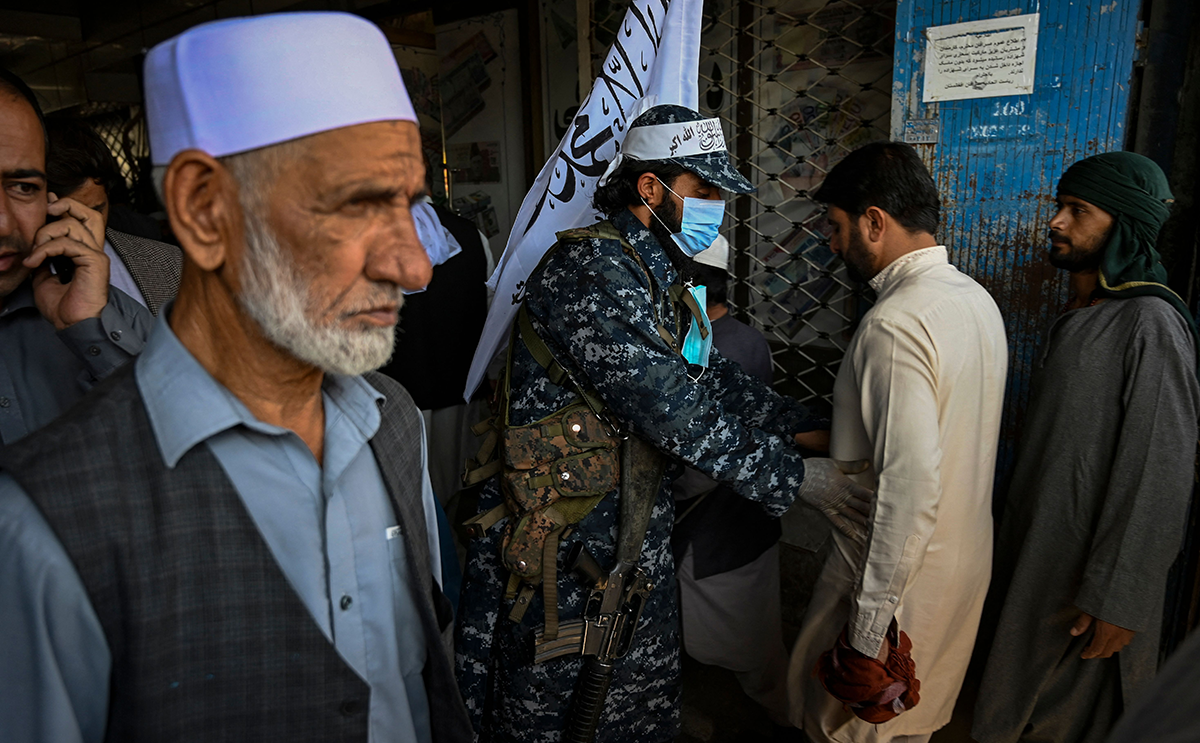
    The United States and Pakistan have had a complex and often disappointing “love-hate” relationship since 1947 — one severely tested during the 20-year U.S.-led intervention in Afghanistan. We believe the time has come for serious policy consideration of whether and how both nations can achieve a more strategically beneficial and sustainable post-intervention relationship between the American and Pakistani governments and their populations

    Why many Tunisians are celebrating President Saied’s decision
    الصورة من FETHI BELAID/AFP عبر Getty Images
  • التحليل
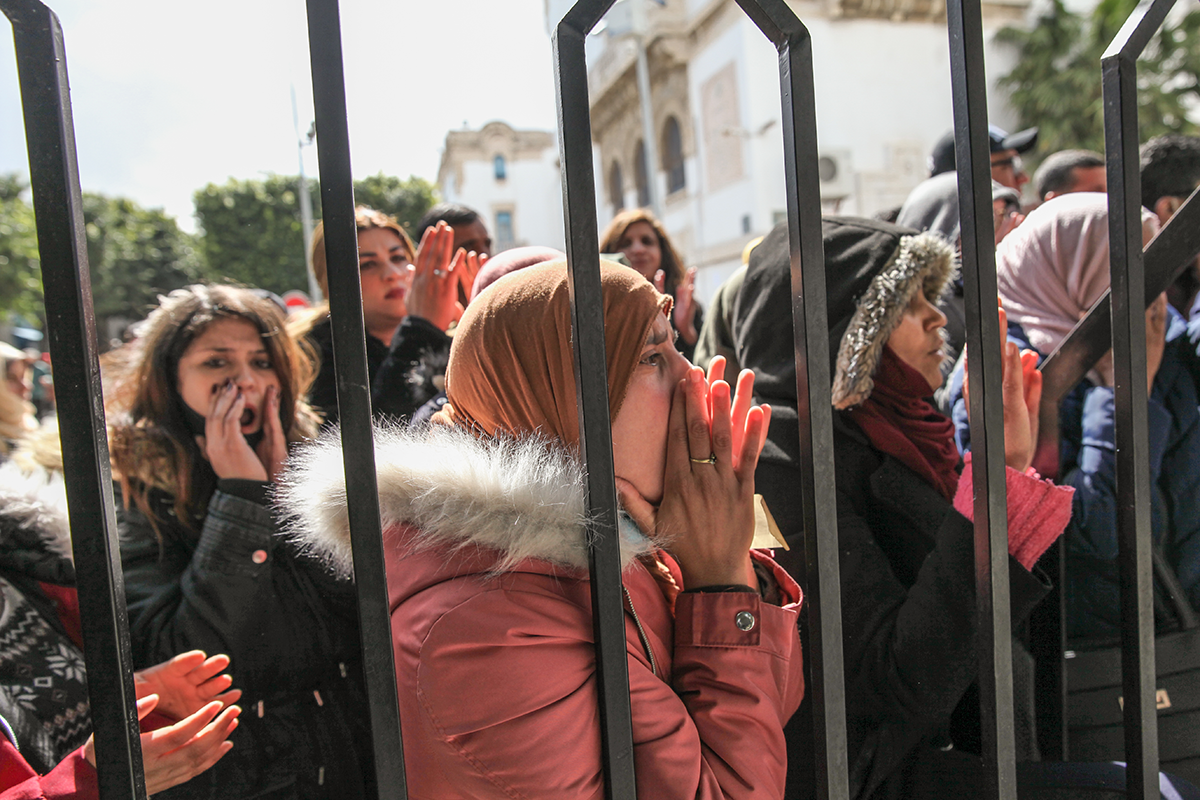
  • Why many Tunisians are celebrating President Saied’s decision

    Tunisian President Kais Saied’s opponents and international commentators more familiar with Egypt have been quick to condemn what they are calling a “coup.” In addition to the need to assess the Tunisian situation on its own unique terms, it may be useful to set aside legalistic and political science taxonomy for the moment and consider instead why many in Tunisia have celebrated the president’s recent decisions.

    July 26, 2021

    Hezbollah’s Regional Activities in Support of Iran’s Proxy Networks
    Photo by Marwan Naamani/picture alliance via Getty Images.
  • التحليل
  • Hezbollah’s Regional Activities in Support of Iran’s Proxy Networks

    As a Lebanese actor ideologically tied to Iran, Hezbollah has multiple allegiances and objectives that do not always align symmetrically. Hezbollah’s regional activities are a reflection of the group’s increasingly close alignment with Iran, rather than the interests of the Lebanese state or citizenry. Today, Hezbollah’s regional adventurism is most pronounced in its expeditionary forces deployed in Syria and elsewhere in the region, but no less important are the group’s advanced training regimen for other Shi’a militias aligned with Iran, its expansive illicit financing activities across the region, and its procurement, intelligence, cyber, and disinformation activities. Together, these underscore the scale and scope of the group’s all-in approach to transforming from one of several Lebanese militias into a regional player acting at Iran’s behest.

    July 26, 2021

    After Afghanistan: Western militaries and the rise of new strategic threats
    Photo by HAUKE-CHRISTIAN DITTRICH/POOL/AFP via Getty Images
  • التحليل
  • After Afghanistan: Western militaries and the rise of new strategic threats

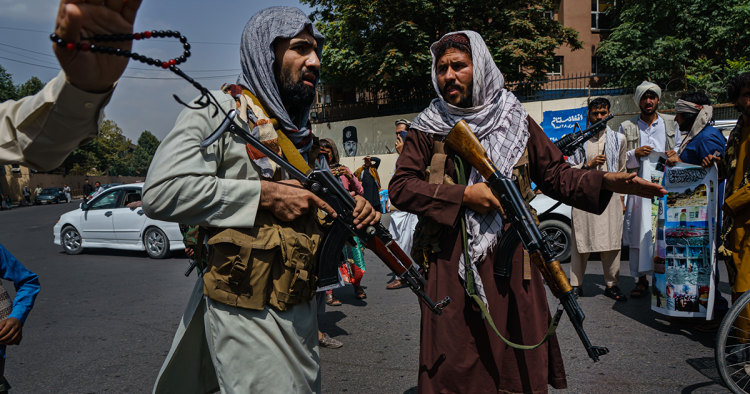
    The withdrawal from Afghanistan marks the end of a historic chapter. It involves more than just the conclusion of a drawn-out international military engagement in Afghanistan. Rather, it signals the end of a decades-long phase in which Western militaries placed the broader Middle East and the fight against international terrorism at the center of their strategic attention. With competition between the great powers on the rise, Western militaries have realized their current vulnerabilities vis-à-vis near-peer competitors and the need to shift gears.

    July 26, 2021

    The changing Saudi banking landscape
    Photo by Simon Dawson/Bloomberg via Getty Images
  • التحليل
  • The changing Saudi banking landscape

    While Western banks saw their valuations drop substantially during the first 18 months of the COVID pandemic — and have yet to recover — the declines among Saudi banks have been smaller and their valuations are now closer to, if not above, their pre-pandemic levels. Identifying the drivers of this seemingly contradictory trend helps us better understand the shifts within the Saudi banking sector and the growing impacts of policies related to Vision 2030, the country’s long-term economic development and diversification program.

    July 22, 2021

    Djibouti needs a Plan B for the post-Guelleh era
    Photo by YASUYOSHI CHIBA/AFP via Getty Images
  • التحليل
  • Djibouti needs a Plan B for the post-Guelleh era

    Although it is home to the Horn of Africa’s main transshipment hub, a host of foreign military bases, and a booming local service sector, Djibouti faces a number of major economic challenges, including new and growing competition, dangerous reliance on Ethiopian power and water supplies, climate change, and high levels of debt. This is why Djibouti needs a Plan B for what comes next after the presidency of its long-time leader, Ismail Omar Guelleh, in power since 1999.

    July 20, 2021

    Morocco finds on-ramp into EV manufacturing through electronic chip production for Tesla    
    الصورة من فاضل سينا/وكالة فرانس برس عبر غيتي إيمدجز
  • التحليل
  • Morocco finds on-ramp into EV manufacturing through electronic chip production for Tesla    

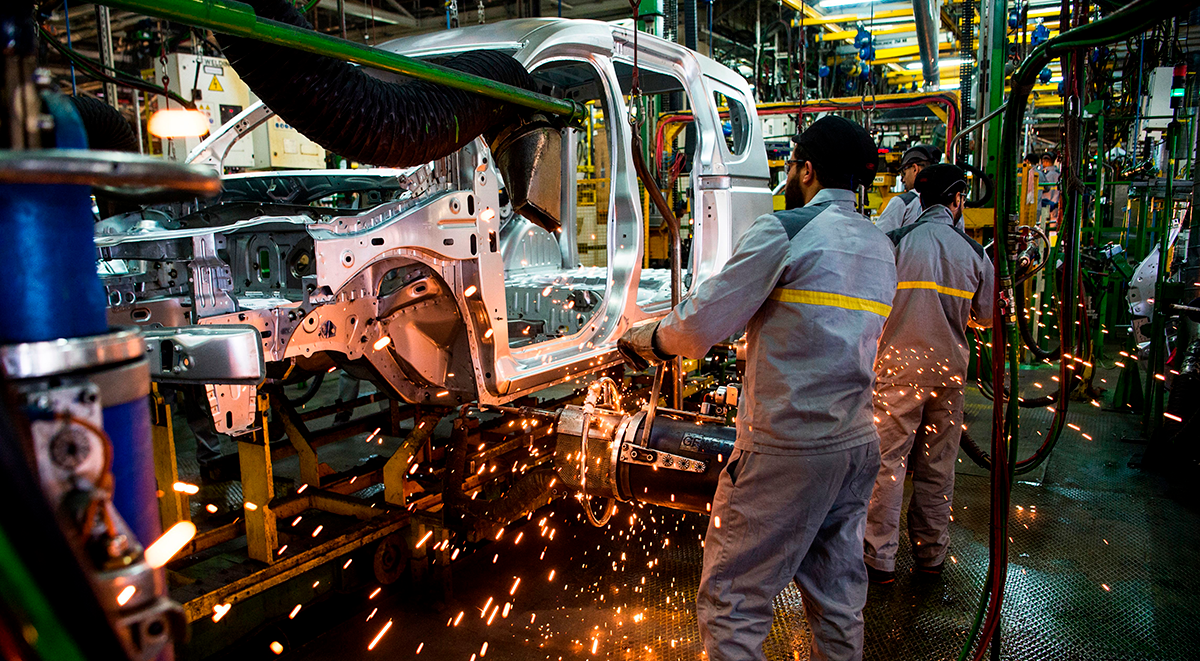
    STMicroelectronics, one of Europe’s leading semiconductor manufacturers, will very shortly inaugurate a new production line in Morocco to manufacture electronic chips for American electric car pioneer Tesla. The production line is the latest example of a larger trend among international firms to look to Morocco as an attractive location for “nearshoring.” Through Rabat’s smart infrastructure investments and careful management of its foreign partnerships, Morocco has already exploited this trend to emerge as Africa’s leading automaker. Now with an auto chip production line dedicated to electric vehicles (EVs), Morocco is positioning itself to become a center for EV production while turning itself into a strategic component of Western semiconductor supply chain resilience.

    Mitigating the darkest hour: Lebanon’s struggle for power
    Photo by DYLAN COLLINS/AFP via Getty Images
  • التحليل
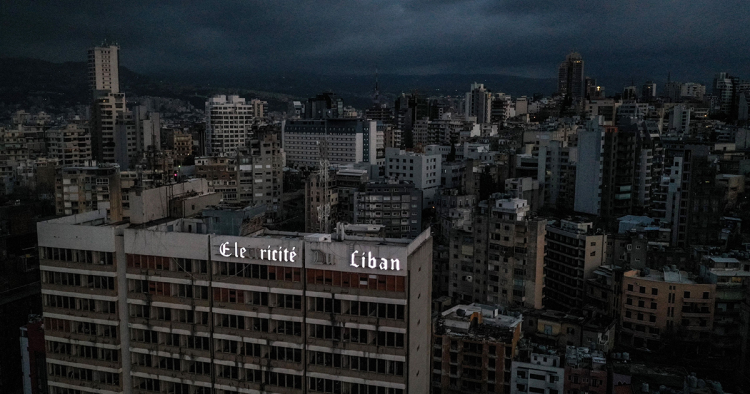
  • Mitigating the darkest hour: Lebanon’s struggle for power

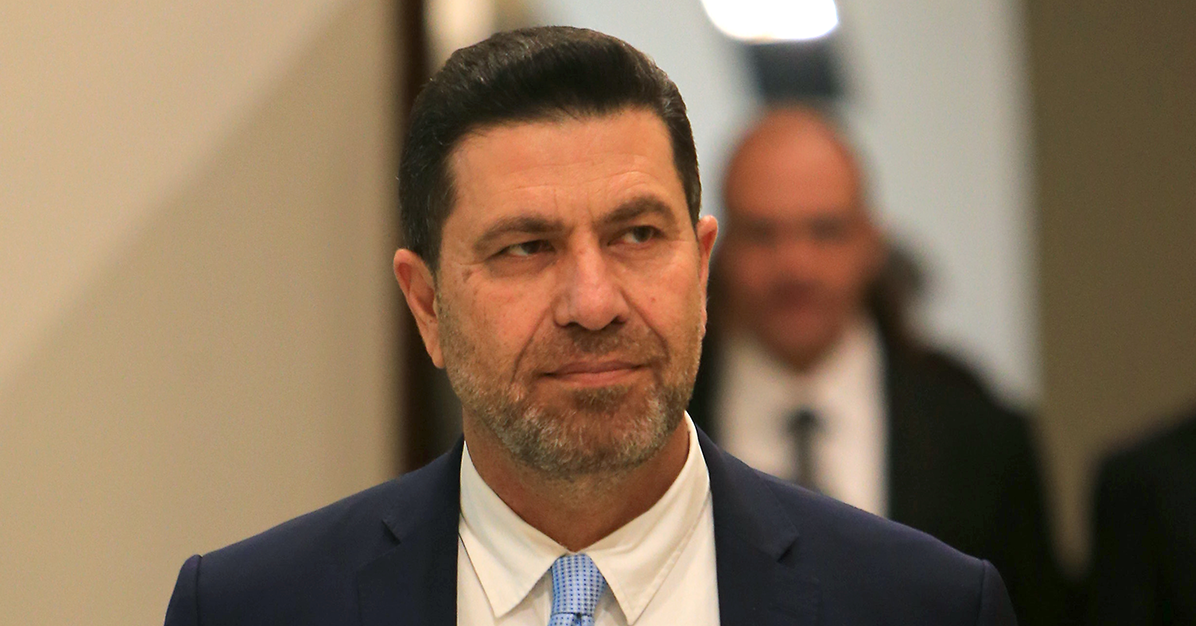
    Lebanon is steadily plunging into total darkness. Decades of political bickering, weak governance, and vested interests have taken their toll on the power sector and are developing into economic and humanitarian crises. A long-term strategy focused on improving the sector’s governance is needed. In the short term, however, immediate actions such as distributed renewable energy and out-of-the-box financing mechanisms should be taken to avoid the darkest hour.

    July 20, 2021

    The Saudi-Emirati OPEC rift might be local, but the core dispute is global
    Simon Dawson/Bloomberg via Getty Images
  • التحليل
  • The Saudi-Emirati OPEC rift might be local, but the core dispute is global

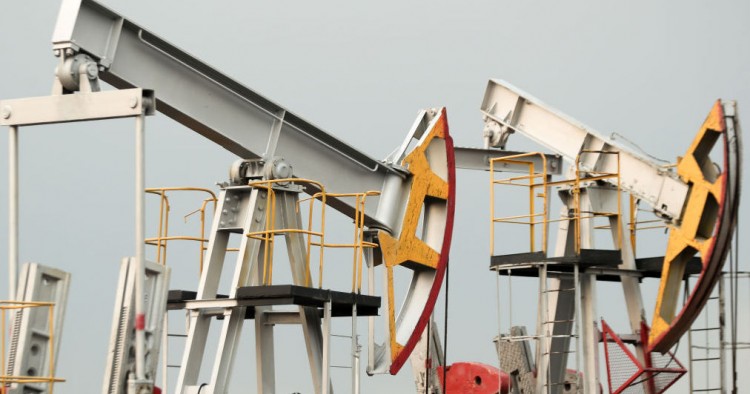
    In spite of the growing political distance between Riyadh and Abu Dhabi, it was economic factors that played the key role in the UAE decision not to support the extension of the OPEC+ agreement until the end of 2022, thus putting on hold the cartel’s decision to increase production in the coming months. The OPEC+ agreement in place since December 2016 may have finally run its course. The medium term will see a changed landscape among oil producers, not just in the GCC, but globally as they compete for customers in emerging markets, the only place where oil demand is expected to increase after 2030, and as they attempt to transform their businesses across energy products. The national oil companies that can access capital, attract new investment, offload assets, and be nimble enough to grow across energy lines, whether it be hydrogen, solar, or even natural gas, will be the ones that thrive. Producers like Libya, Iraq, Iran, and even Russia and Saudi Arabia may be at a disadvantage in accessing new investment and pursuing transformation. The future of OPEC and its ancillary partners is one of intense competition and divergent time horizons for hydrocarbon exploitation.

    The coming US and Middle East energy collision
    Photo by Drew Angerer/Getty Images
  • التحليل
  • The coming US and Middle East energy collision

    The Biden administration’s goals in climate policy, renewable energy infrastructure investment both domestically and globally (the Build Back Better World, or B3W, initiative), and its Middle East policy may be on the verge of a collision. While the administration would like to dial back its engagement in the Middle East at least militarily, the region will be essential to meeting U.S. foreign and domestic energy goals.

    Consolidating Saudi-Omani relations under Sultan Haitham
    Photo by ANDREW CABALLERO-REYNOLDS/AFP via Getty Images
  • التحليل
  • Consolidating Saudi-Omani relations under Sultan Haitham

    Sultan Haitham bin Tariq al-Said arrived in Neom, Saudi Arabia, on July 11, 2021, in his first foreign trip since becoming the sultan of Oman on Jan. 11, 2020. At the start of his two-day visit to the kingdom he was met by King Salman and accompanied by a high-level Omani delegation. A slew of new agreements were signed across commerce, culture, and transport.

    July 13, 2021

    Exploring the rising workforce participation among Saudi women
    Photo by FAYEZ NURELDINE/AFP via Getty Images
  • التحليل
  • Exploring the rising workforce participation among Saudi women

    In the past few months, several articles have been written on the significant rise in the Saudi female labor force participation rate (LFPR) from 17.7% in Q2, 2016 to 33.2% in Q4, 2020. Interestingly, this increase in female LFPR was not coupled with a rise in unemployment, which often occurs when workforce participation rises for a particular group. In fact, the unemployment rate among female nationals declined to its lowest level in four years, at 24.4% in Q4, 2020. However, it still remains over twice as high as that for male nationals. Another positive labor market indicator, albeit one receiving little attention from analysts, is the significant change in the employment rate among Saudi women. In other words, Saudi women not only increased their share in the workforce, but were also able to gain jobs once they entered the labor force.

    July 9, 2021