Iran Recruits and Trains Large Numbers of Afghan and Pakistani Shiites
While much ink has been spilled about how Iran’s involvement in the Syrian civil war has fueled sectarianism and instability in the Arab world, the implications of Iran’s increasing recruitment of Afghan and Pakistani Shiites on security and stability in South Asia have largely been overlooked. Over the past five years, the Islamic Revolution Guards Corps (IRGC) has recruited, indoctrinated, trained and deployed thousands of Afghan and Pakistani Shiites to fight under its command against Sunni rebel groups across Syria.
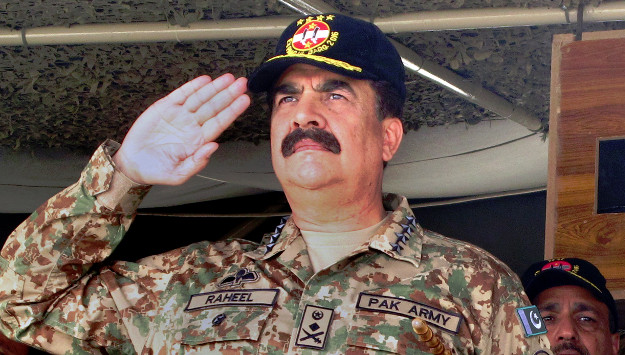
The recent announcement by Saudi Arabia that the retired Pakistani General Raheel Sharif will head a 39-member anti-terrorism coalition made of Muslim states is a matter of much concern in Tehran. Iran, which was not invited to join the coalition, regards the Saudi initiative as a regional project aimed to contain its influence.
Hezbollah Front Company Allegedly Training Kuwait University Students
A Lebanese company fronting for Hezbollah allegedly has contracted with Kuwait University to provide students with training in computers and information science, according to the Kuwaiti daily al-Shahed. Alarmed Kuwaitis have asked the Ministry of Education to investigate the reports. According to the al-Shahed report, the sources claim that the front company is using its program to “brainwash” the students and is providing them with free travel to Lebanon, including tickets and accommodations, which includes arranging visits to Hezbollah headquarters in Beirut.
The China-Pakistan Economic Corridor (CPEC): Underway and Under Threat
China is already Pakistan’s largest trade and defense partner. But the coming into operation of the CPEC lends a new meaning to, and could transform the relationship between these two “all-weather allies,” including insofar as their ties to the Middle East are concerned — provided that the territorial and maritime security challenges associated with the completion and use of this corridor can be satisfactorily addressed.
A top Iranian religious figure has called on the Shiite minority in Pakistan to “stay united” and remain active and influential in society. Mohammad Hassan Akhtari, who is the head of the Iranian-controlled Ahl-ul Bayt – a Shiite-centric religious propaganda arm of the Iranian state – said that Iran “has no problems with majority of the Sunnis” but that its “fundamental conflict is with Wahhabis.”
Monday Briefing: Egypt Faces New Wave of Terrorist Attacks
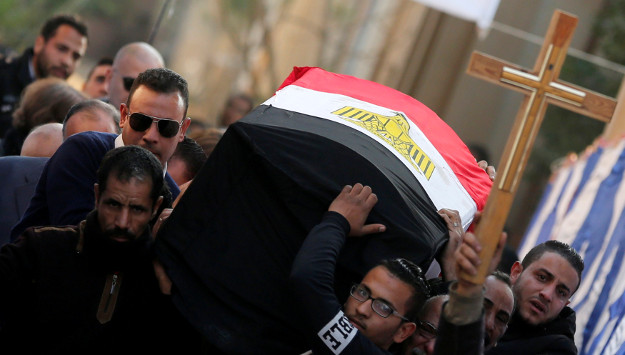
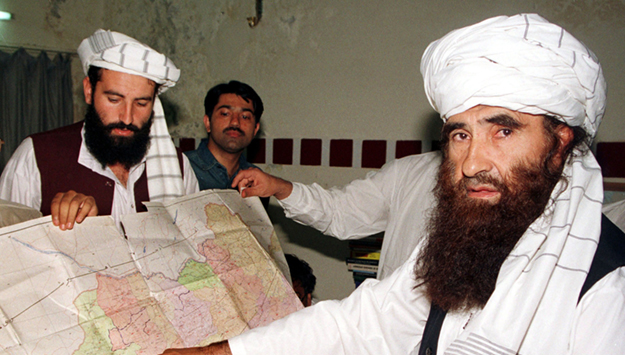
In this week’s Monday Briefing, MEI experts Paul Salem, Randa Slim, Charles Lister, Jean-François Seznec, Eran Etzion, and Marvin G. Weinbaum provide analysis on recent and upcoming events including yesterday’s terrorist attack on the Coptic Christian Cathedral in Cairo, the Sryian regime’s progress in retaking Aleppo, the continued threat presented by ISIS, the potential selection of Rex Tillerson as the next Secretary of State, Ash Carter’s farewell trip to Israel, and new Congressional pressure for Pakistan to crack down on the Haqqani Network.
In this week’s Monday Briefing, MEI experts Herman Franssen, Charles Lister, W. Robert Pearson, and Marvin G. Weinbaum provide analysis on recent and upcoming events including OPEC’s agreement to reduce oil output, the continuing offensive in Aleppo, Erdogan’s increasing executive powers, and deteriorating relations between Pakistan and India.
Iran’s Recruitment of Afghan, Pakistani Shiites Fuels Sectarianism
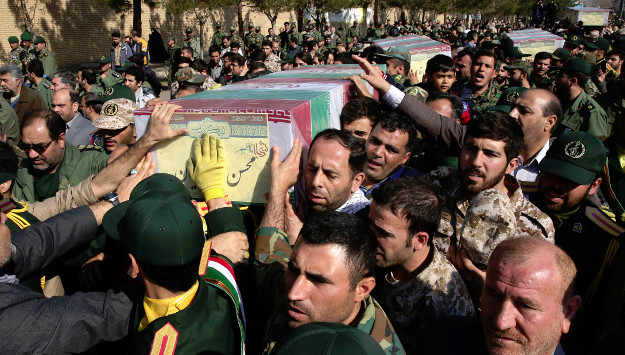
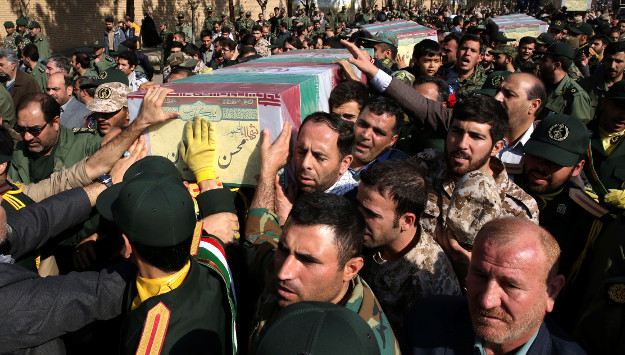
On November 30, hundreds of people gathered in the Iranian city of Qom to attend the funeral procession of several Afghan and Pakistani Shiites killed in Syria.
In this week’s Monday Briefing, MEI experts Robert S. Ford, Paul Salem, and Marvin G. Weinbaum provide analysis on recent and upcoming events including Russia’s recent escalation of military force in Syria, deteriorating Saudi-Iranian relations, and an escalation in the Kashmir between India and Pakistan.
Monday Briefing: Erdogan Reaching Out to Russia; Update on Battle for Aleppo
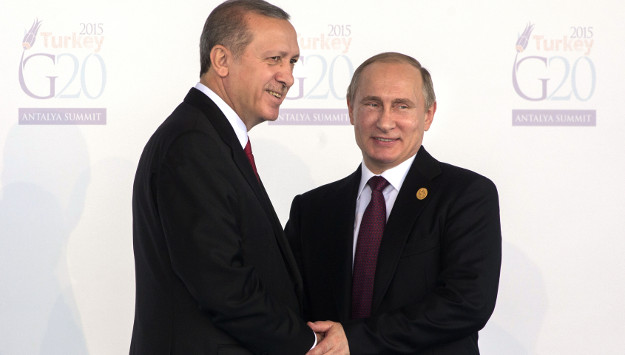
In this week’s Monday Briefing MEI experts provide analysis on recent and upcoming events including Turkish President Erdogan’s trip to Russia tomorrow, Iranian President Rouhani’s upcoming meeting with President Putin in Baku, the ongoing battle for Aleppo, strains in U.S.-Pakistan relations over the Haqqani Network, and what’s next for Tunisia’s political transition following the vote of no confidence in the current government.
Monday Briefing: After Turkey's Failed Coup, How Far Will the Crackdown Go?
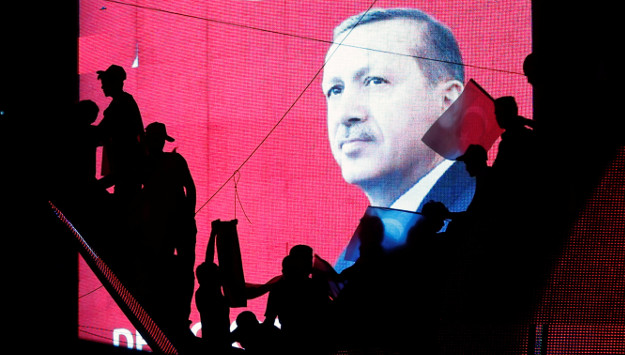
In this week’s Monday Briefing, MEI expert W. Robert Pearson provides analysis on the failed coup in Turkey and the impending crackdown on opposition. Marvin Weinbaum considers whether the unpopularity of Pakistan’s government could put it at risk of a military coup of its own. And Charles Lister looks at how ISIS is adapting in the face of territorial losses in Iraq and Syria.