Punching above their weight: Cyber lessons for small states
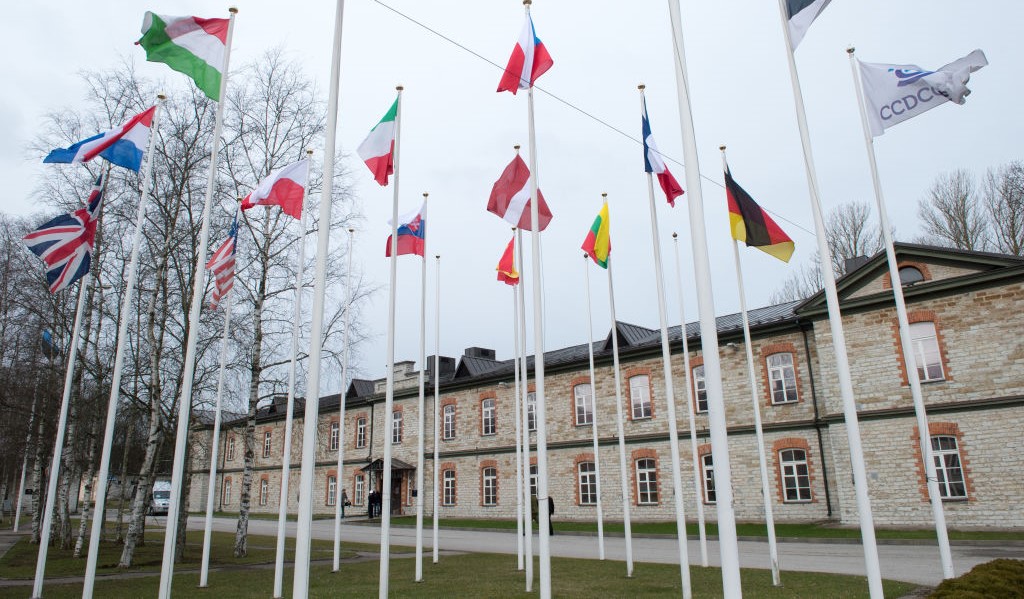
The role of cybersecurity in the future of geopolitics in the Middle East and the surrounding regions will have much to do with individual state and enterprise preparedness. With cyber threats a growing source of interstate tension, governments must take measures to increase national cyber preparedness that are tailored to their vulnerabilities and cyber ecosystems. Israel and Estonia are examples of states that prove this rule. Despite their relatively small size, both have demonstrated an exceptional capacity to deter or defend against cyber aggression from their much larger, more aggressive neighbors.
Balance in the Black Sea: The complex dynamic between Turkey, Russia, and NATO
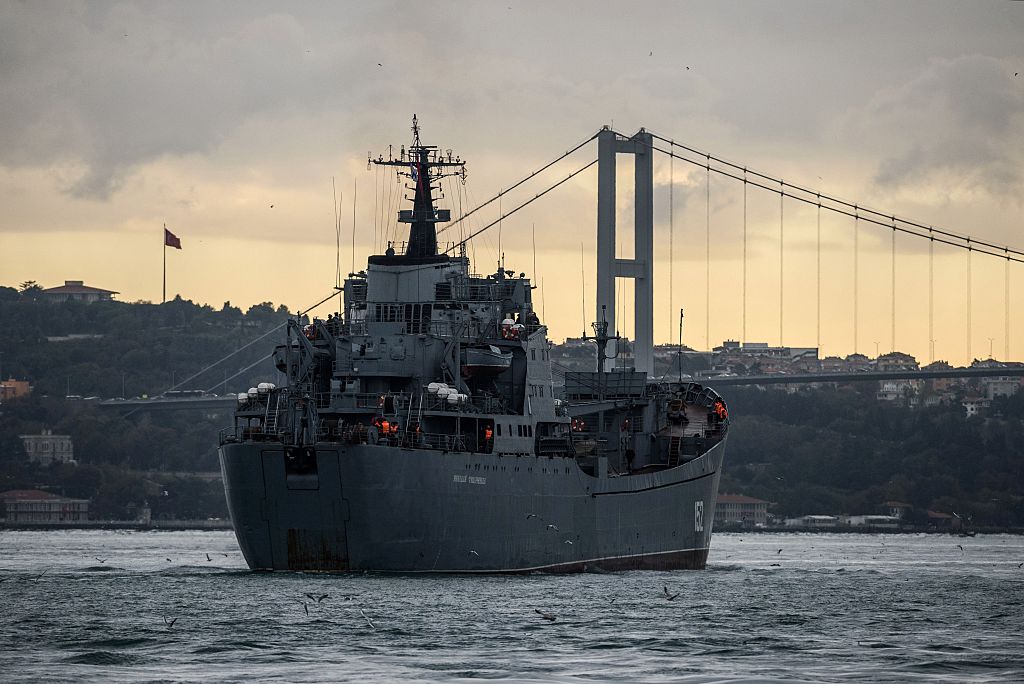
Turkey’s relations with its Western allies are at an all-time low while its partnership with Russia is flourishing. Since Russia began delivery of its S-400 advanced aerial defense system in July, questions have abounded about Turkey’s future in the NATO alliance. Such concerns are not baseless. Turkey-Russia ties have never been closer. The two countries cooperate closely not only on energy and trade but also in the defense sector. But fears of a Turkish withdrawal from the alliance overlook the continued tension between Ankara and Moscow, which makes NATO an indispensable partner for Turkey.
With the fall of the Berlin Wall 30 years ago, ties between Western and Eastern Europe were renewed. In the same period, another wall crumbled — between the Middle East and the former Soviet states. And yet, to this day, U.S. national security institutions continue to view these two regions through a Cold War lens, separating how they are handled. This approach needs to change; integrating research and policy toward the Middle East and the bordering states of the former Soviet Union would improve analytical understanding and help identify new policy options.
UN Summits Week puts a spotlight on climate change
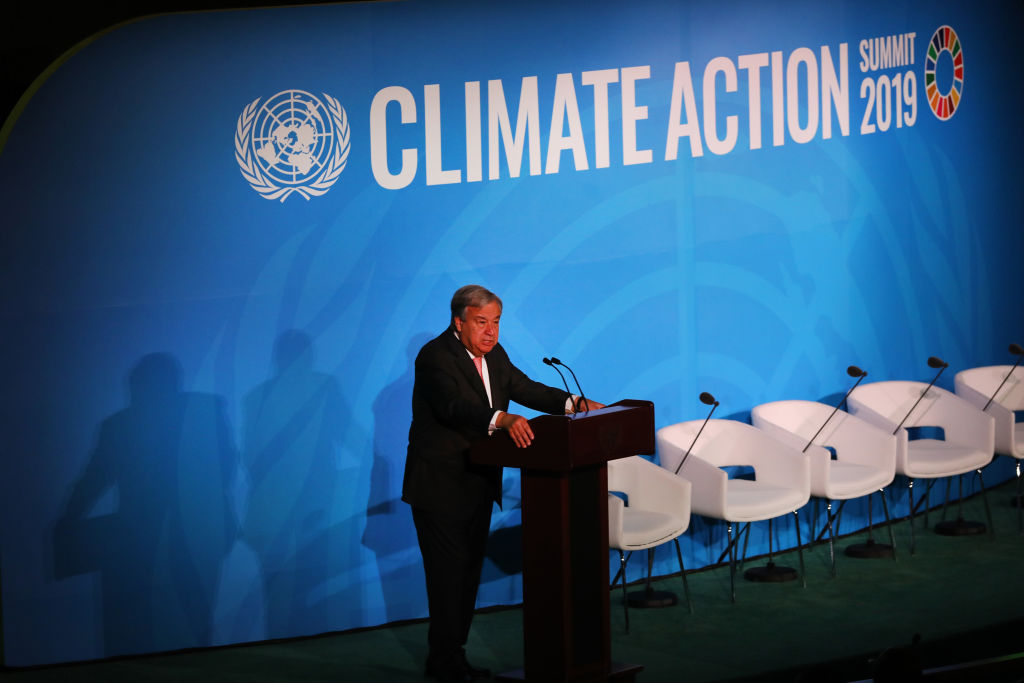
This week heads of state and government are gathered in New York for the UN Summits Week, during which five key summits are taking place to urge action on major challenges that continue to undermine human security globally.
The end is not near: Sleepwalking through human and military security crises in MENA
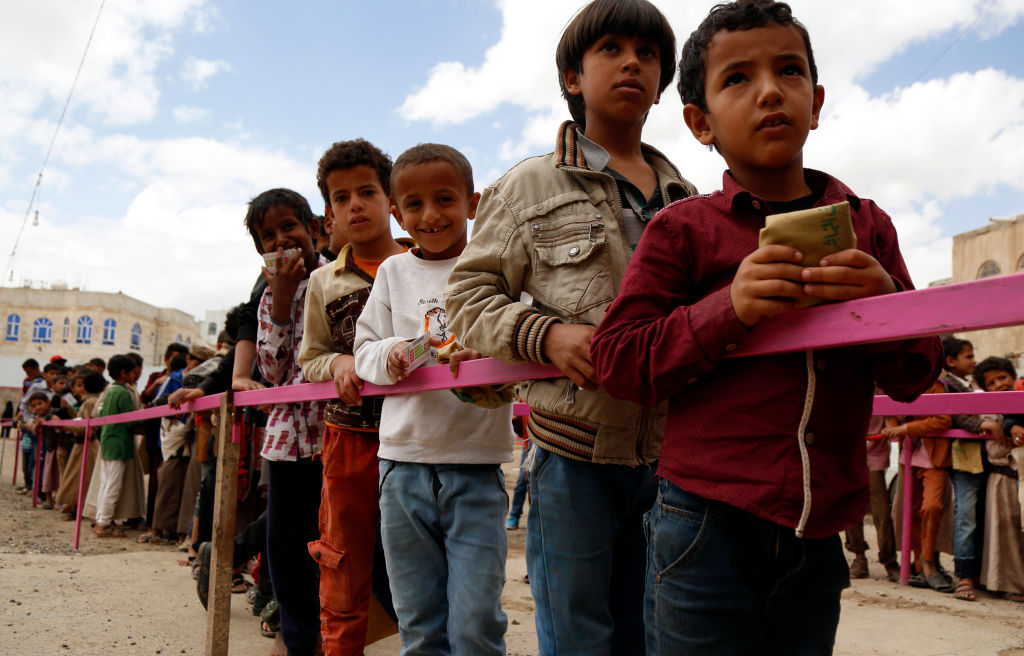
The Middle East and North Africa (MENA) is shouldering the world’s largest humanitarian caseload and most severe crises of undernourishment since World War II. Tens of millions of people in five MENA countries are struggling with chronic hunger, and millions of them are on the brink of famine. MENA has also been grappling with the world’s longest chain of consecutive regional wars every decade since the mid-20th century, now spanning nearly 75 years.
Freshwater Resources in the MENA Region: Risks and Opportunities
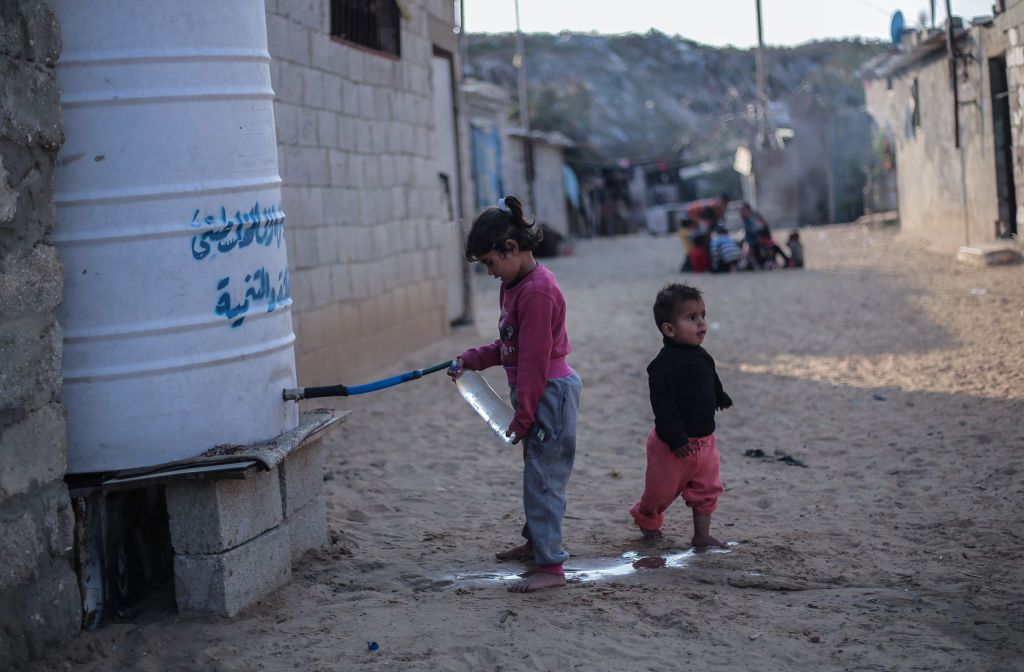
A reliable supply of freshwater is a prerequisite for sustainable socioeconomic development, as well as for sociopolitical stability and human prosperity, especially in semi-arid and arid regions of the world. The Middle East and North Africa’s freshwater resources are under immense pressures and are facing significant risks to their sustainability due to overexploitation, climate change, and interstate competition over their use that extends beyond the region’s boundaries.
Interconnected: Trade, food security, and stability in the GCC and MENA
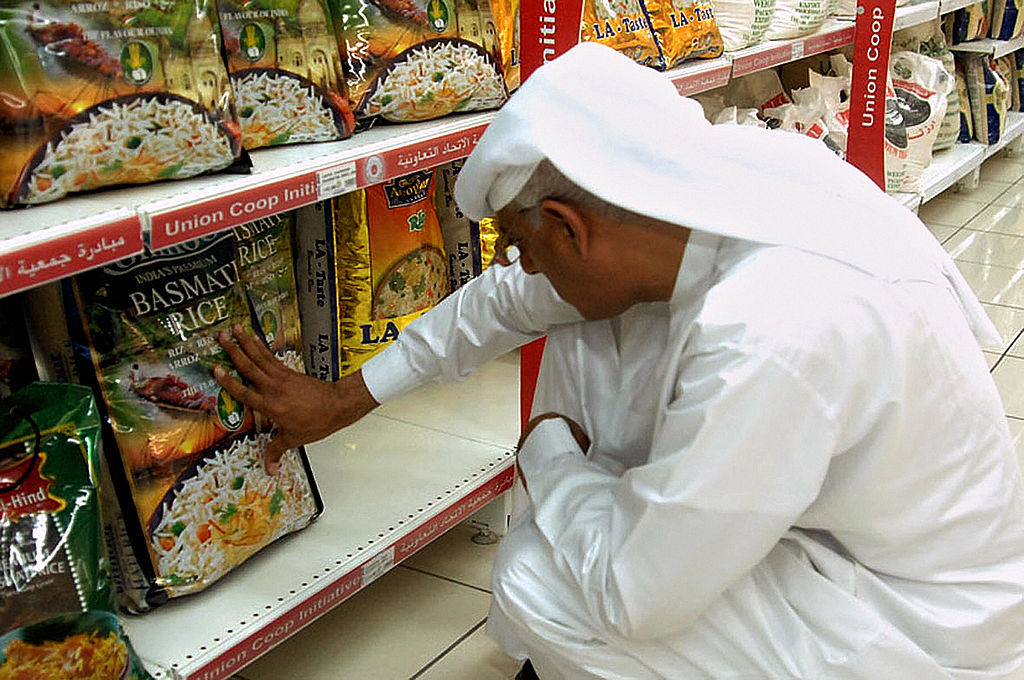
It is easy to overlook the fact that food security could be an issue of concern in the Gulf Cooperation Council. After all, its member states have some of the world’s highest per capita income levels. Food supplies in the Gulf are normally abundant and stable. Were they to be disrupted, however, it could lead to food security challenges and a chain of adverse consequences for human security throughout the region.
Egypt’s sustainable development threatened by Ethiopian dam
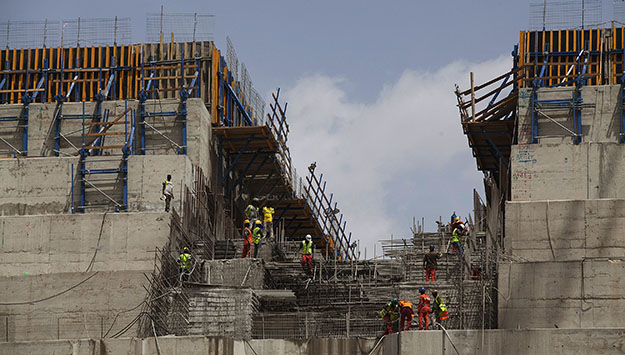
It is a travesty that in the 21st century the construction of a mega-hydropower-generation project, the Great Ethiopian Renaissance Dam (GERD) has been underway for over seven years without an independent, comprehensive transboundary Environmental and Social Impact Assessment (ESIA) conducted first.
Sub-Saharan Africa must respect North Africa's water rights
The Middle East is the world’s most arid region and the one most dependent on renewable freshwater resources that originate outside its territories. These resources are largely contained in the Nile, Euphrates-Tigris, and Jordan river basins. An international law-based approach to transboundary watercourse development and management is vital for human security and regional stability. Applying legal principles in the Nile Basin is imperative, as unilateral actions by upstream countries can harm livelihoods on a large scale in downstream countries and destabilize their economies.
Climate Change: The Middle East Faces a Water Crisis
The International Panel on Climate Change (IPCC) projects that the Middle East and North Africa (MENA) will be one of the world’s regions hit hardest by climate change in the 21st century, particularly due to increased heat and aridity. In face of these challenges, interventions in domestic agricultural sectors have the potential to offset many negative impacts on the region.
Wars Distracting Middle East from Serious Climate Change Threats
Wars in MENA are causing irreparable damage to water security and resilience to climate change in some of the region’s countries and to their viability. The continuation of this dangerous state could ultimately reinforce even deeper instability in MENA.
Millions of Rural Working Women in Egypt at Risk from Climate Change
The impacts of climate change on Egypt’s agriculture are likely to be substantial, and will affect the millions of Egyptian women reliant on this economic activity for their livelihoods. The agricultural sector employs a large percentage of Egypt’s working women, a sector known for its low and unstable earnings. Millions of rural Egyptian women working in agriculture already suffer from poverty, and climate change will make matters worse.