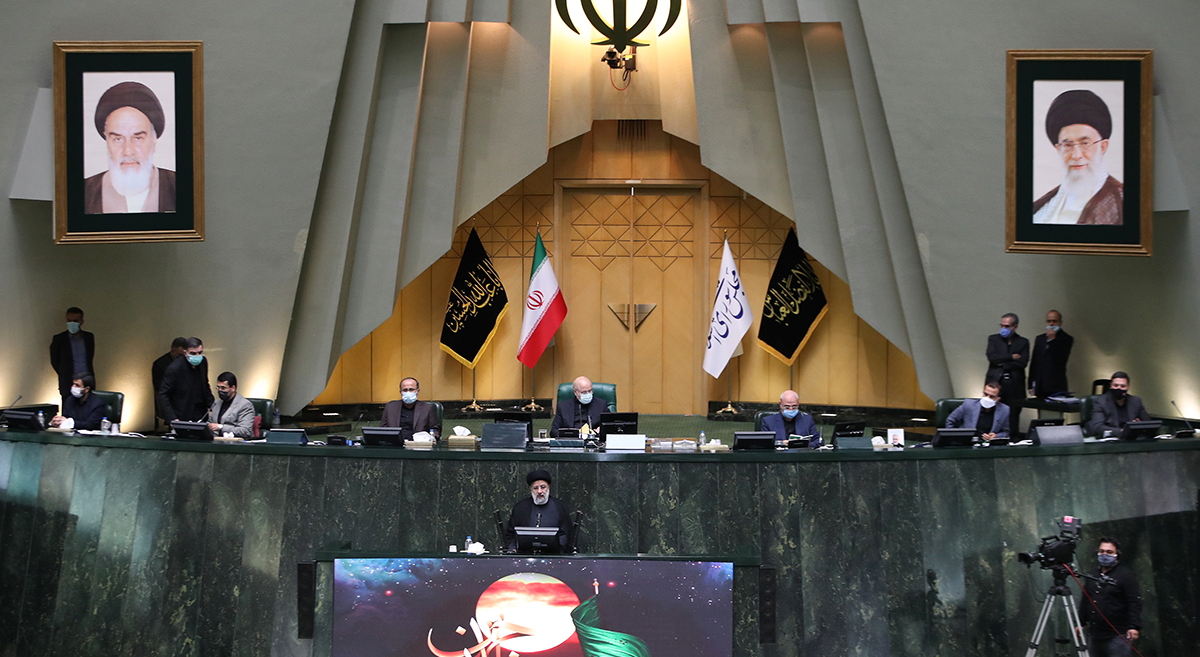
Since 1979 U.S. policies toward Iran have alternatively ranged from some version of “maximum pressure” to appeasement and back again while maintaining the same assumptions and calculus: the clerics would ultimately fall when the elite and middle class had enough and were willing to pay the price for revolting. Today, however, the landscape is evolving. While Iran’s leaders appear to be adapting, U.S. thinking is rooted in the past.
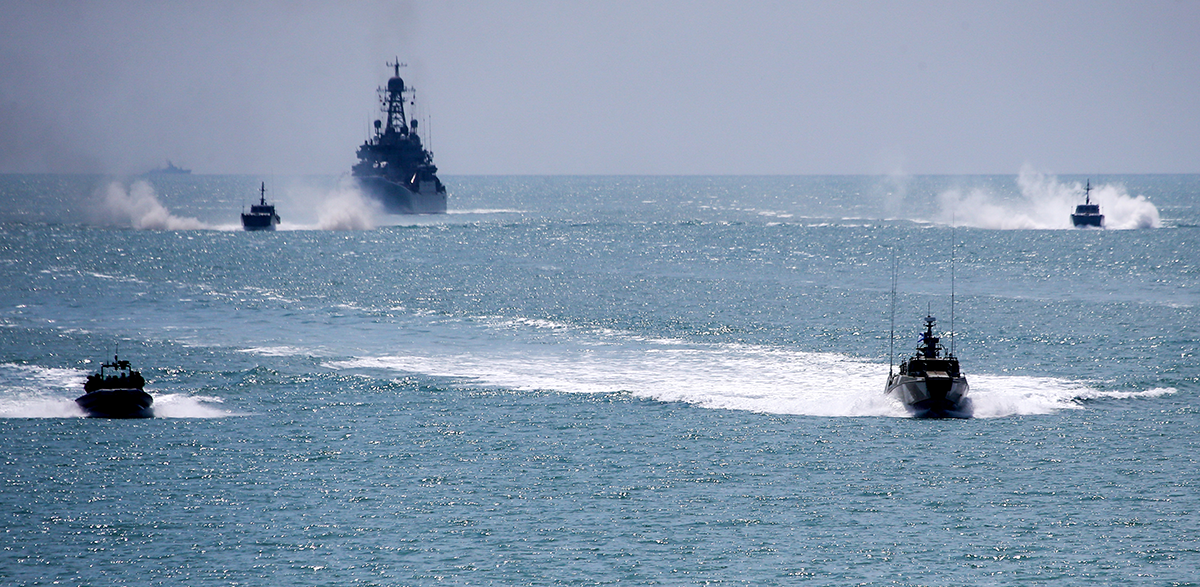
Preparing for advancements in Russian warfare in the Black Sea region
Suddenly and seemingly without warning, Russian forces amassed in Crimea and near the Ukrainian border in April 2021. Heavy armor, long-range missiles and artillery, modern air forces, and elite airborne infantry units deployed into positions that raised alarm in Ukraine and throughout Europe. The situation today appears stable, but reports of new and upgraded hardware, including unmanned vehicles, demand a fresh evaluation of the Russian way of war.
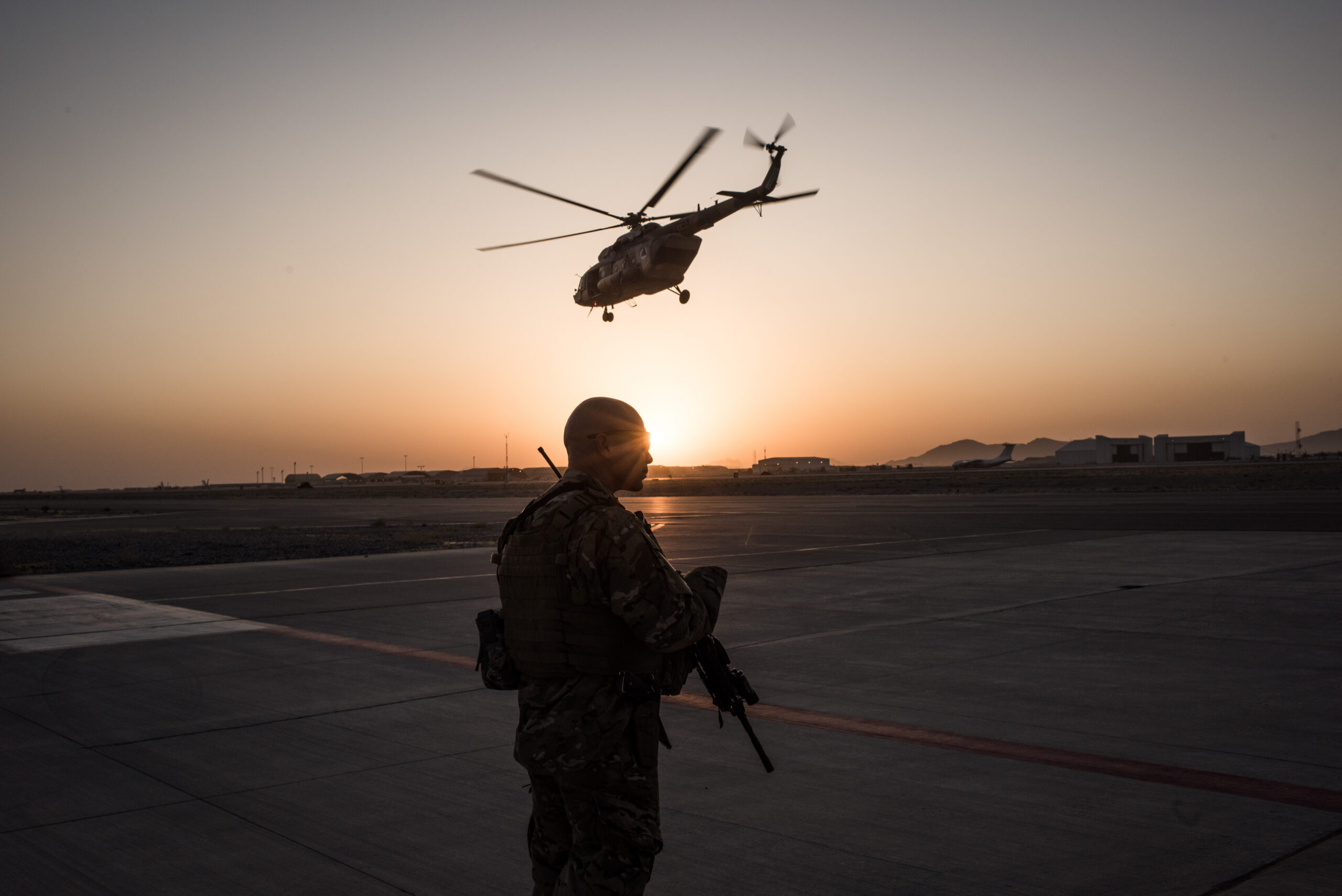
Biden Must Keep U.S. Operatives in Afghanistan To Enable the Counterterrorism Mission
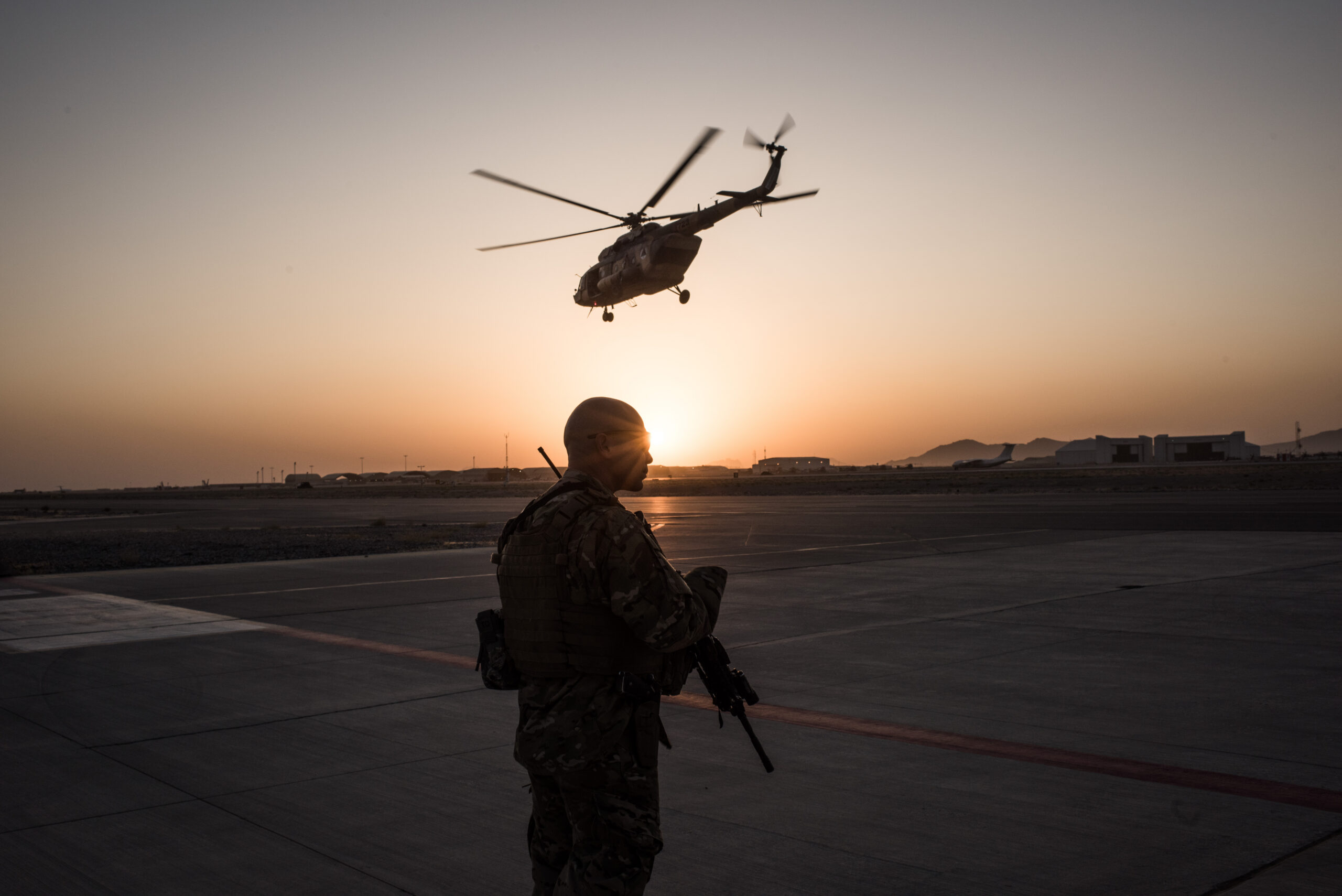
We can and must provide that assistance not to help defeat the Taliban, fix Afghanistan, or remove our moral stain, but to achieve a much more limited objective, one that’s stated by the President himself, which is to ensure that no major attack against the U.S. or U.S. strategic interests is launched from Afghanistan.
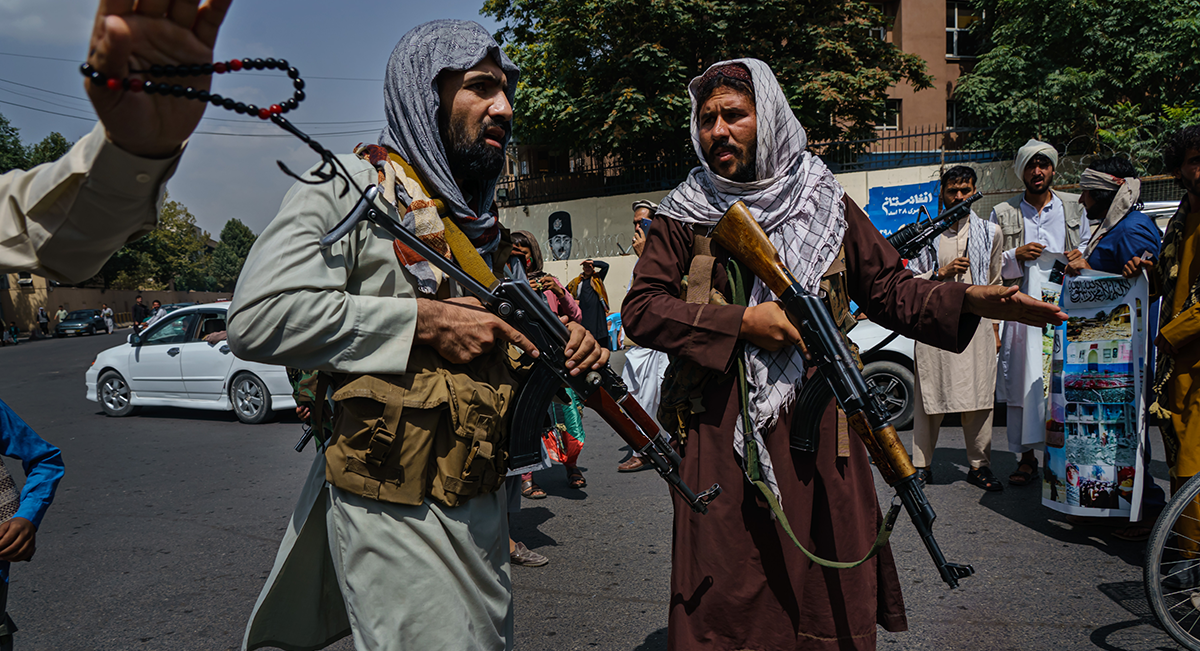
What’s next in Afghanistan? The prospects for future political violence
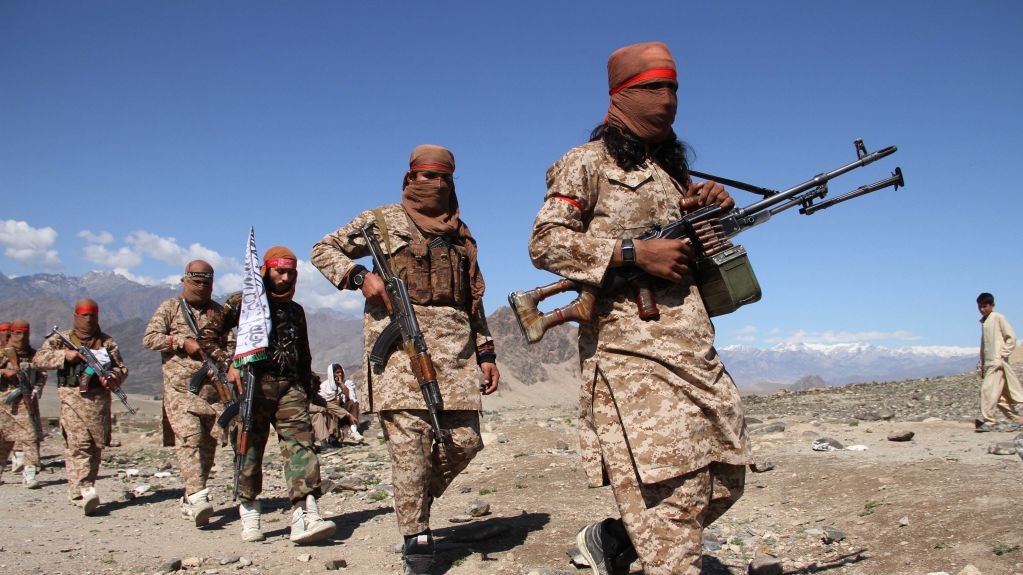
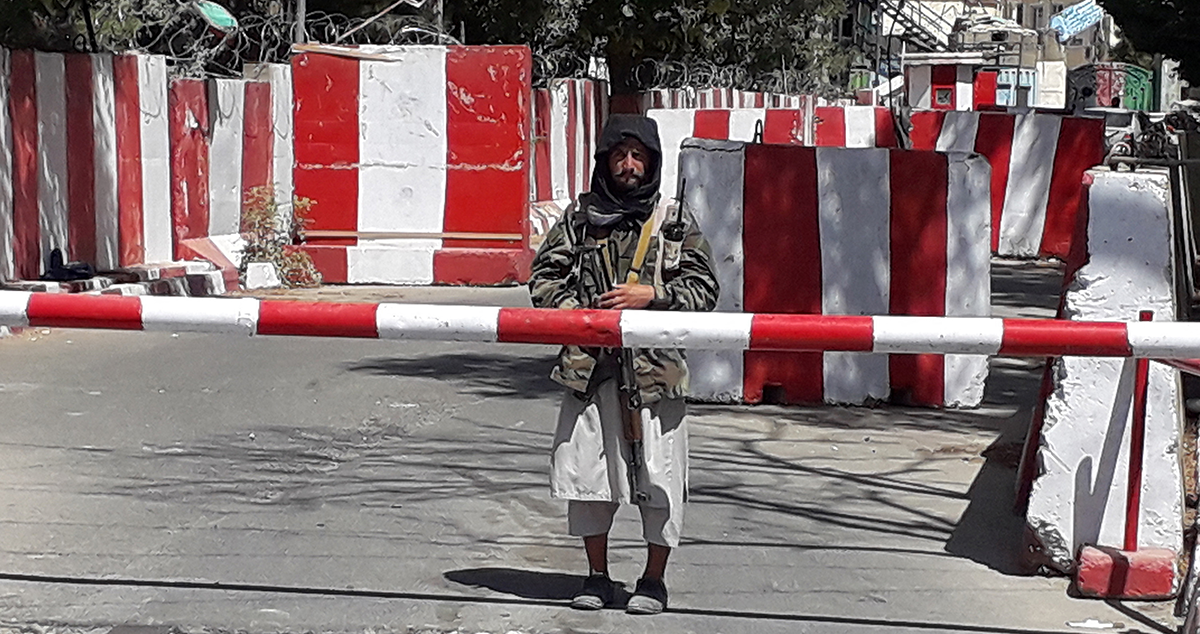
As the U.S. withdrew troops from Afghanistan, the Taliban pushed through large portions of the country, capturing strategic regional centers and ultimately securing the capital city of Kabul. In its pursuit, the Taliban faced relatively little resistance as it seized government strongholds. Rather than widespread fighting, reports indicate that Taliban fighters often cut deals with soldiers, offering payoffs or demanding surrenders. At the same time and as of the time of writing, the Taliban announced a general amnesty, encouraging former government officials and women to support the group.
Whether and how long this period of limited resistance and amnesty might last are unclear. What are the prospects for future political violence both within and outside the country?
“You’re all going to die”: Persuading Pakistan’s generals to see the light
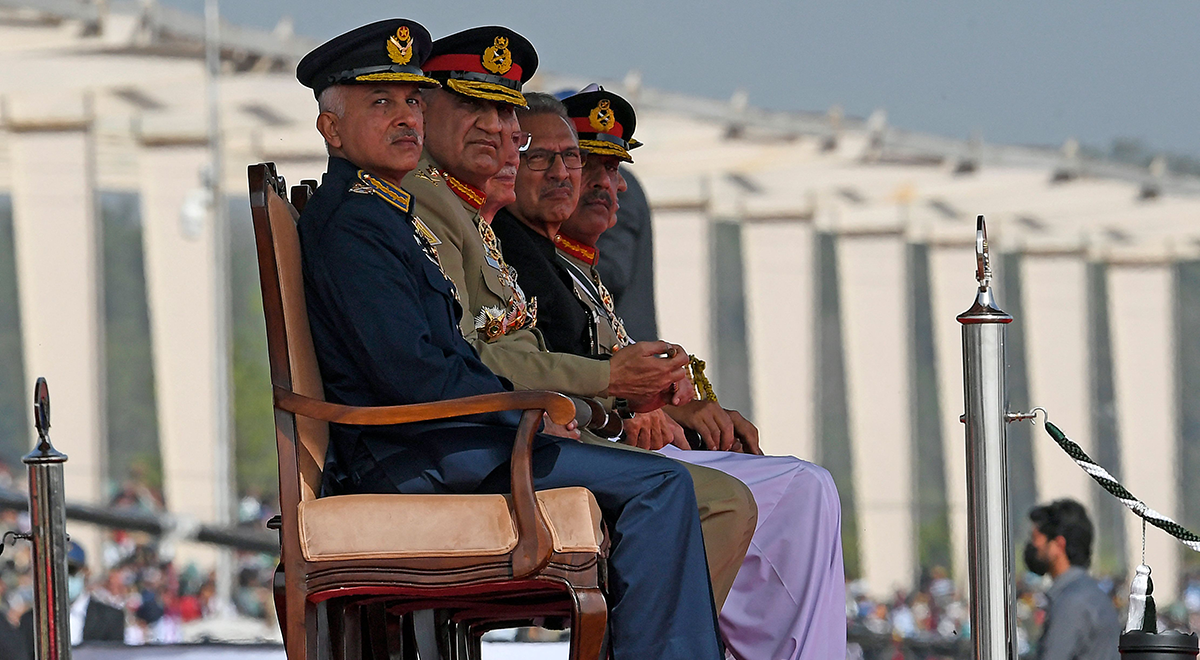
“You’re all going to die,” the diminutive, senior U.S. intelligence official observed in matter-of-fact fashion to her stunned Pakistan Inter-Services Intelligence (ISI) hosts. Her rather blunt appraisal was uncharacteristic of the engagement to which the senior Pakistani officials had grown accustomed and cut to the chase: the consequences of decades of Pakistan’s support to the Taliban, violent Kashmiri liberation groups, radical madrassas, and extremist local political groups were coming home to roost.
As Kabul falls to the Taliban, it’s safe to say that this is without a doubt the most significant day for al-Qaeda since 9/11. After two decades of relentless counterterrorism pressure from the United States and allies, al-Qaeda’s central leadership was in dire straits just weeks ago.
In June 2021, southern Syria once again dominated the headlines when the regime laid siege to the Daraa al-Balad area of Daraa city. A few days after the monthlong siege, an agreement to end the escalation collapsed and the Syrian army’s Fourth Division spearheaded a major military push in the area. Intense clashes broke out as groups of unreconciled rebels violently repelled the advancement of Syrian military forces. Armed confrontations spread into eastern and western Daraa amid heavy bombardment via missiles, artillery, and mortar shells, marking the deadliest and most intense fighting in Syria’s south-west since the conclusion of the 2018 “reconciliation” agreements.
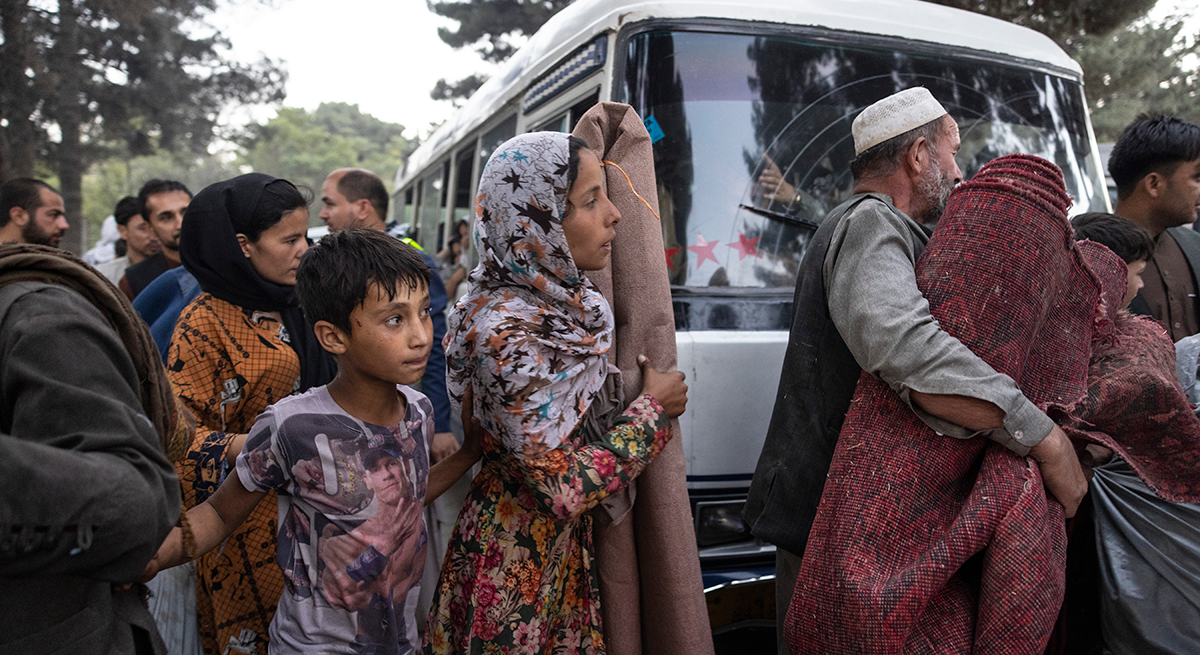
Weeks before the official U.S. military withdrawal, Afghanistan is unraveling rapidly as the Taliban continue their swift military advance. They now control more than two-thirds of the country and half of the provincial capitals. With the government’s hold on Kabul in doubt, the Biden administration has dispatched troops to evacuate U.S. citizens from the country. We asked experts and scholars from across MEI to weigh in with their thoughts on the situation and what it means for the country, the wider region, and key international players.
A Taliban victory would be a major win for the global jihadist movement
The Afghan government appears to be in a state of precipitous collapse. At least a dozen provincial capitals have fallen to the Taliban in a week. The Taliban now control around 66% of the country.
Now is the time for difficult conversations on Afghanistan
The debate about whether Afghanistan was worth thousands of U.S. lives and a trillion U.S. taxpayer dollars should have occurred before those lives were lost and the money was spent. The decision to pull out our remaining 2,500 troops was made after all of that was done. That minimal number of troops preserved everything we fought for in the last two decades. We had significantly reduced the risk to our forces and the expense to the U.S. taxpayer.
Irregular Warfare: A Case Study in CIA and US Army Special Forces Operations in Northern Iraq, 2002-03
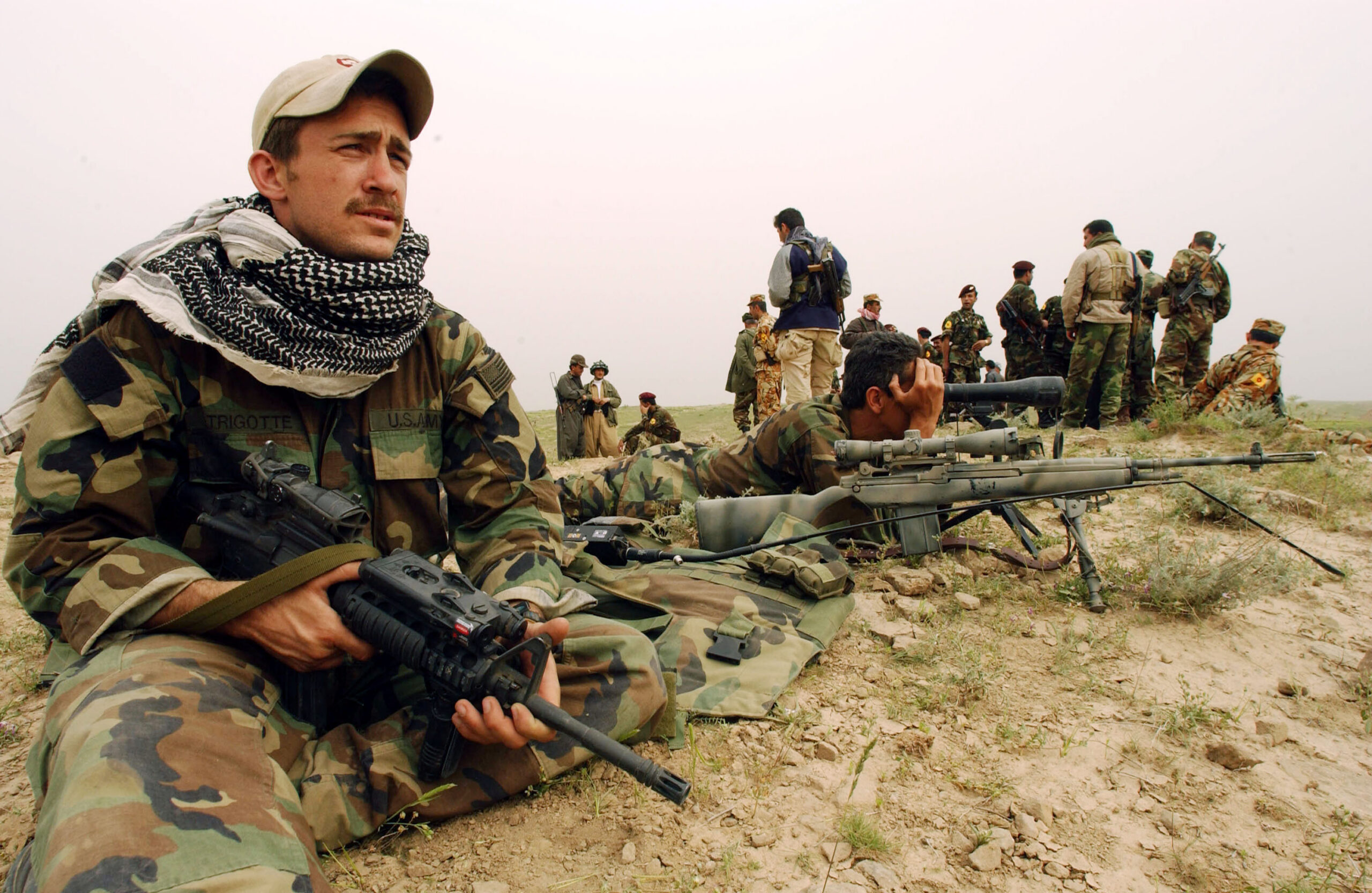
Irregular warfare (IW) is increasingly common in the 21st century and the U.S. must learn from its successful experiences with it and apply those lessons to great power competition. For the past two decades the CIA and Army Special Forces have demonstrated how to leverage interagency relationships and apply complementary capabilities to achieve successful IW outcomes. The CIA/Army Special Forces partnership in Northern Iraq during the invasion of Iraq demonstrates the value of this interagency team and provides lessons and a model for the conduct of IW in the future.
The Pro-Al Qaeda Indonesian Connection with HTS in Syria: Security Implications
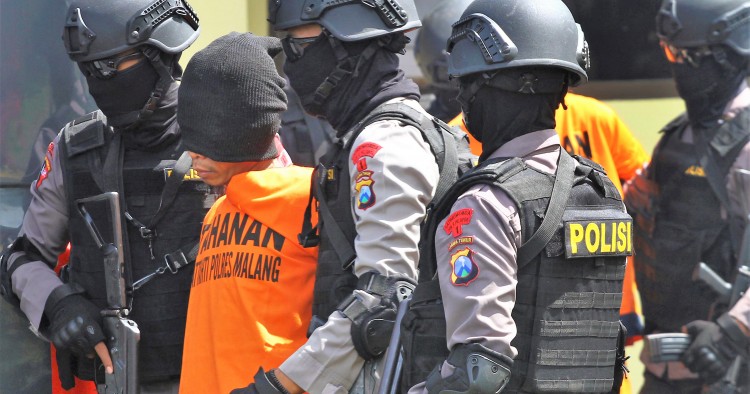
Despite being largely low-key and limited in nature, ties between pro-Al Qaeda jihadists operating in Indonesia and Syria respectively continue to exist. Recent activity involving Jemaah Islamiyah (JI) and other militant Indonesian groups illustrates the potential security risks from this nexus, which should not be overlooked.
Now more than ever, the US needs to reaffirm its commitment to Georgia
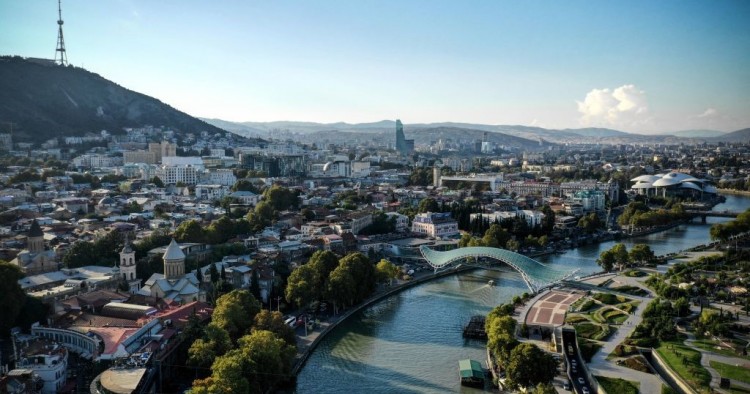
As we near the 13th anniversary of the end of the Russia-Georgia war, we reflect on the continuing tragedy of Russia’s invasion and occupation of Georgia. The consequences of this Russian aggression continue to place a heavy burden on Georgia today. Since 2008, we have witnessed the country’s tremendous commitment to overcoming Russia’s malign influence. Georgians’ overwhelming and bipartisan support for the country’s path toward EU and NATO integration has not been diminished — despite continuous Russian pressure.
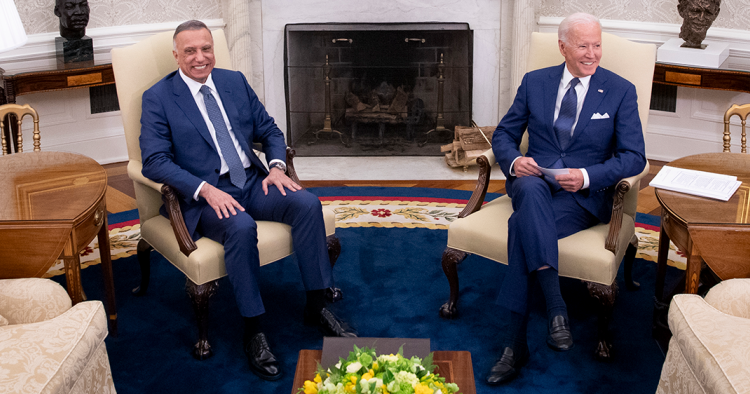
There were two parts to the Iraqi prime minister’s request to President Biden on July 26 in their meeting at the White House: end Washington’s combat mission in Iraq but maintain U.S. military assistance there. The first part was aimed mostly at Mustafa al-Kadhimi’s domestic audience; the roughly 2,500 U.S. troops in Iraq are there primarily to advise and assist the Iraqi army. But the second part deserves a bit of thought.