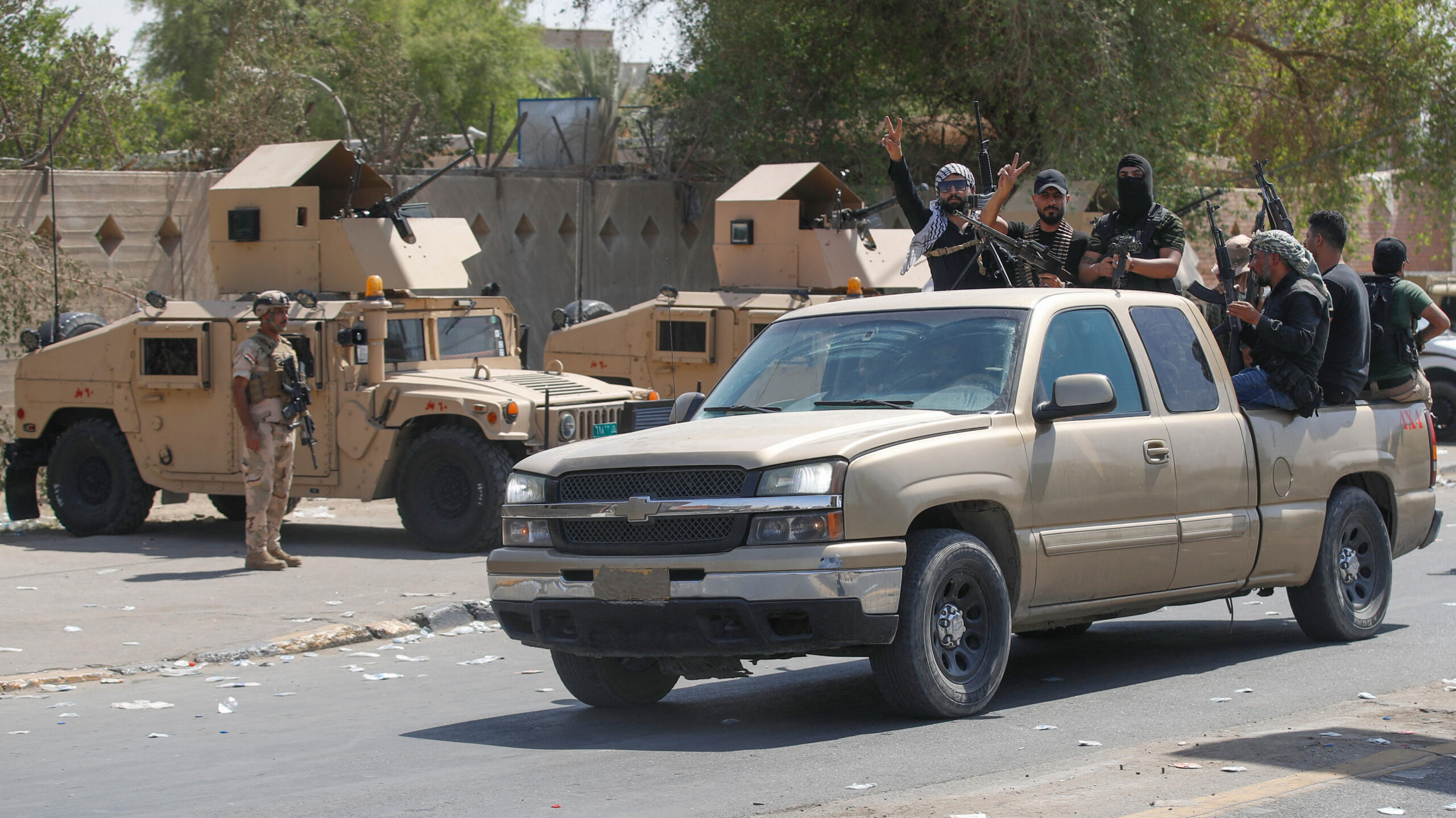
Followers of Iraqi Shi’a cleric and political leader Muqtada al-Sadr and those of the Iran-aligned Coordination Framework clashed in downtown Baghdad on Aug. 29. Iraqis spent that evening wondering whether the country was descending into an intra-Shi’a civil war.
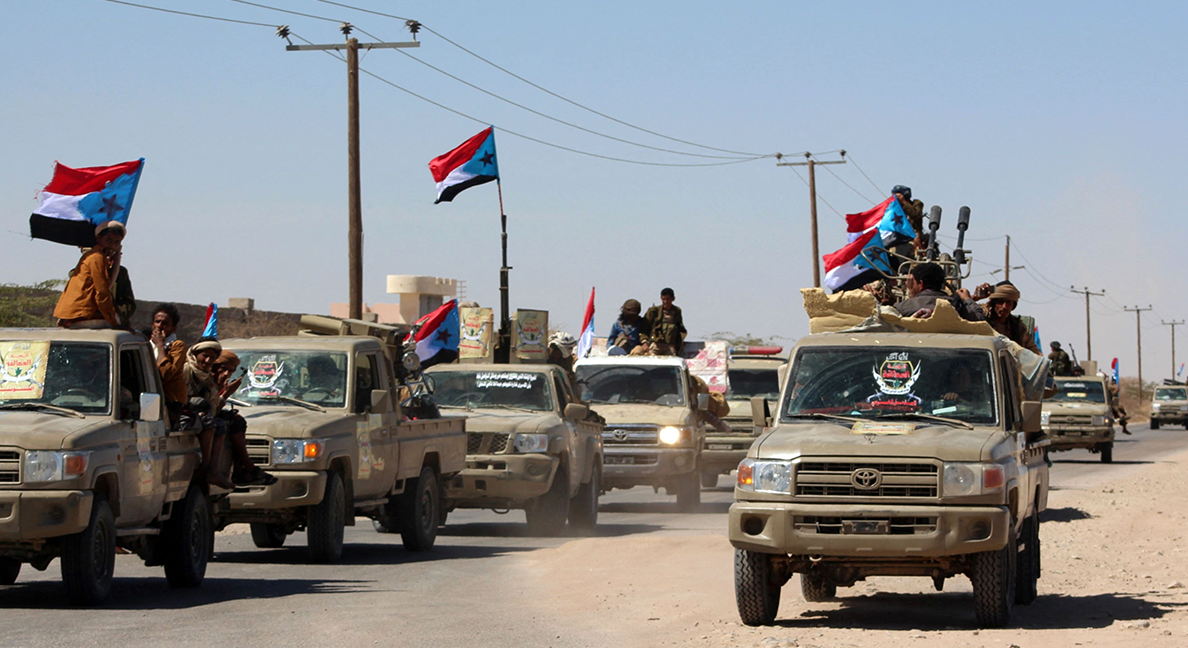
Emirati-backed forces eye Yemen’s energy heartland
The battle for control of the Yemeni heartland and its energy resources has reached a turning point. Yemen’s internationally recognized institutions are, once again, in crisis. In fact, the current infighting within the “government camp” threatens both the long-stalled implementation of the 2019 Riyadh Agreement and the political legitimacy of the newly-established Presidential Leadership Council.
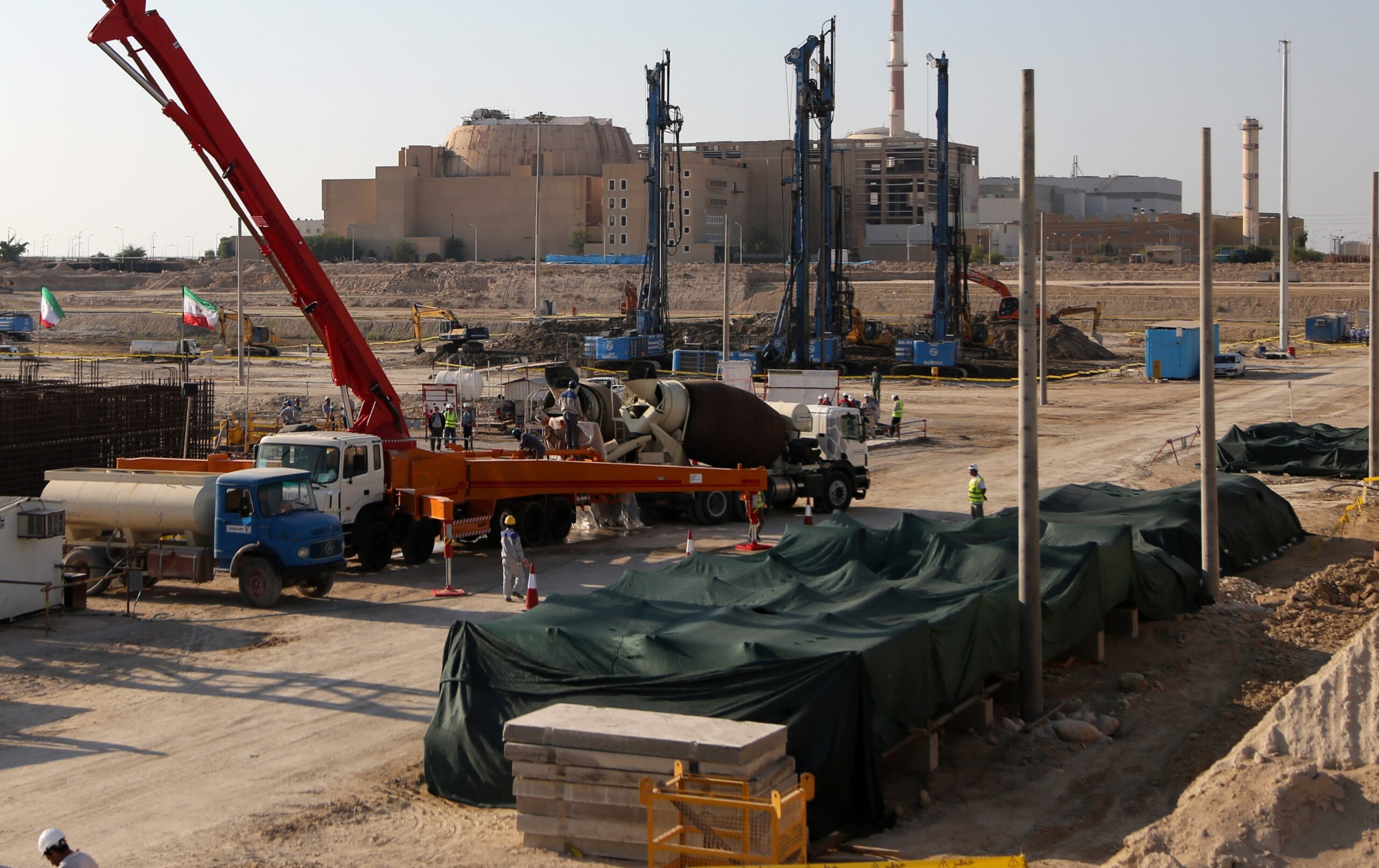
The renewal of the international agreement on Iran’s nuclear program does not undermine Israeli national security per se but rather a longstanding tenet of Israel’s strategic thinking: that it must be able to fully eradicate any challenge to its military superiority deep inside enemy territory.
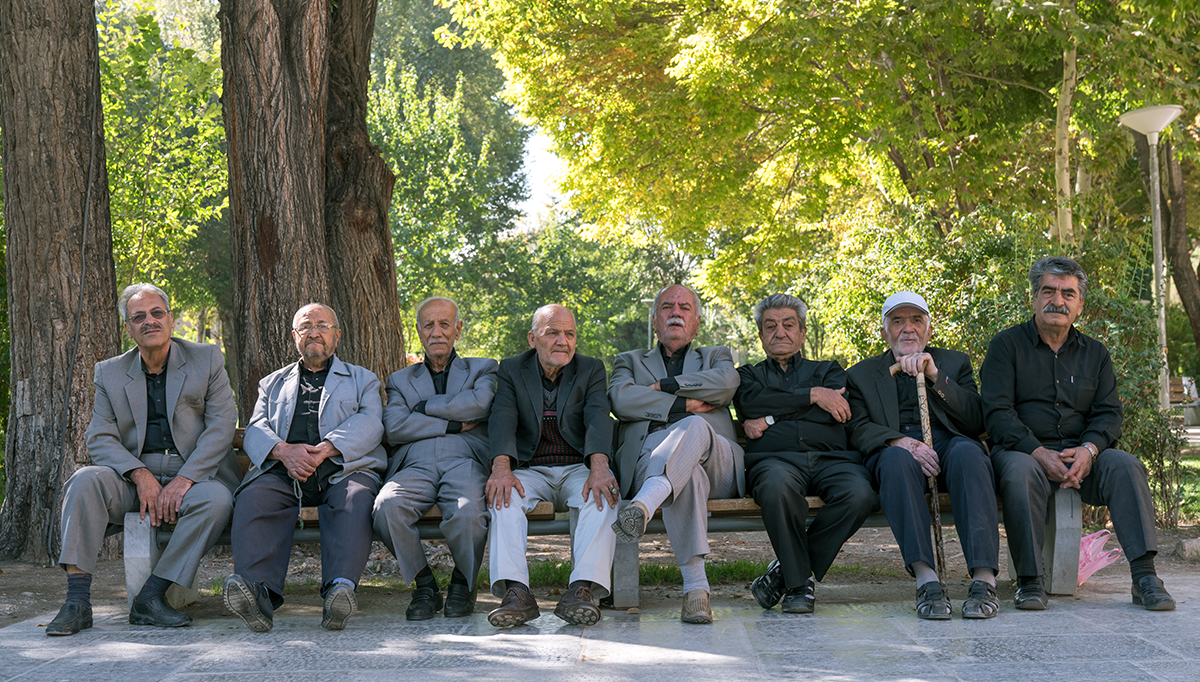
What Iran’s emerging demographic “tsunami” means for Tehran
Officials in the Islamic Republic of Iran have been warning about an emerging demographic “tsunami” as local and international forecasts suggest the country could have one of the five largest elderly populations by 2050. Nearly 11% of Iranians are now over 60 years old, and this figure could significantly increase going forward.
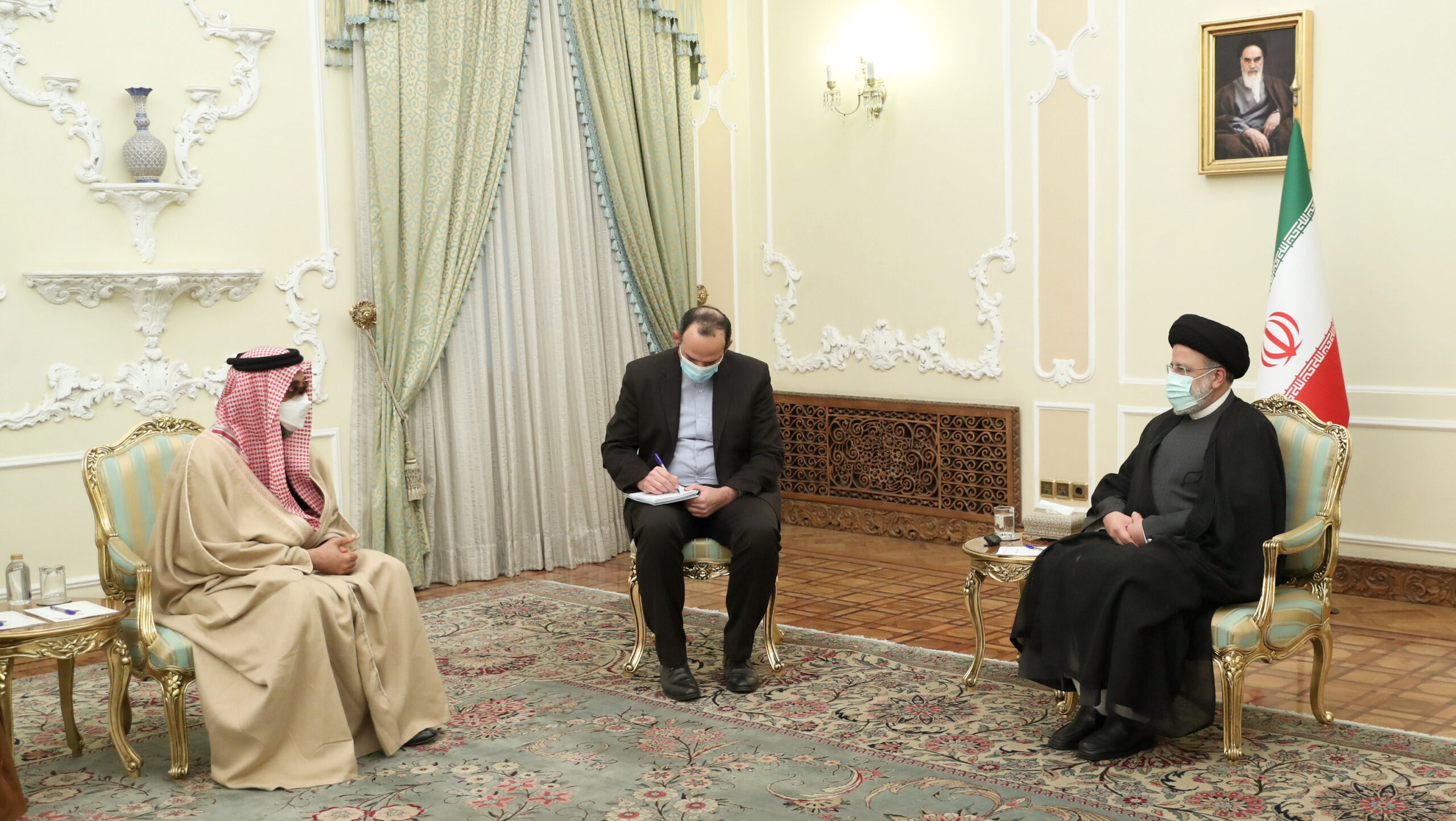
The diplomatic ice is breaking in the Gulf. What does that mean for the region?
The announcements in mid-August that both the United Arab Emirates and Kuwait will be returning their ambassadors to Tehran after six years provided the latest indication that the diplomatic ice has started to break in the Gulf region.
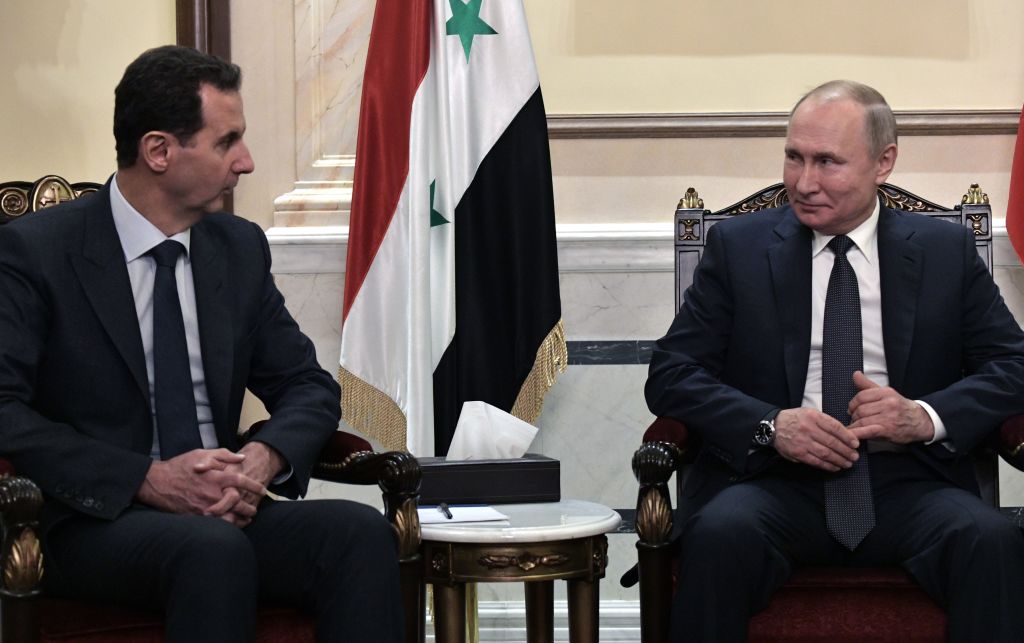
Syrian foreign policy in the Caucasus and Ukraine: An unbalanced, Russia-centered approach
The embattled Syrian regime’s need to preserve Russian military and political support has compelled Damascus to adopt the Kremlin line in its foreign policy positions toward the former Soviet space.
Trump Didn’t Kill the Carter Doctrine—It Was Born Dead
The United States and its Gulf Arab partners need a new security arrangement that effectively shares the burden of defending against Iranian hostility and goes beyond deterrence.
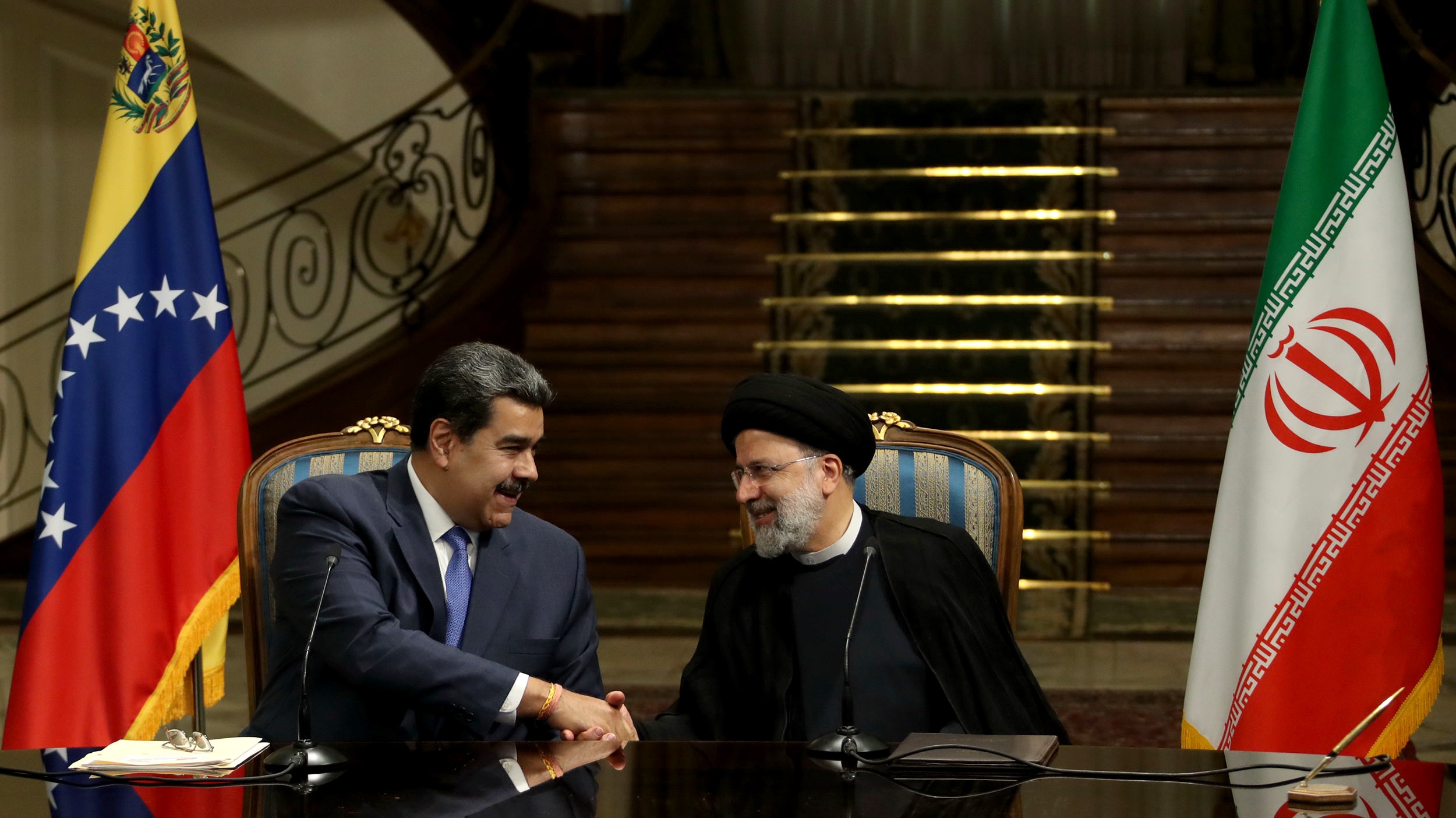
Iran-Venezuela relations: Presidents, postures, and pressures
In June, Iran and Venezuela signed a 20-year road map on cooperation. As much as Iranian President Ebrahim Raisi has wanted to differentiate himself from his predecessor, his Venezuela policy has so far closely resembled that of Hassan Rouhani during the latter’s second term.
Europe's efforts to hold Iranian officials accountable for their crimes
There is currently an ongoing conversation in Europe around how to hold the Iranian government accountable for its crimes. While efforts to bring justice to the regime’s victims continue, the road ahead will be difficult and as the recent Swedish and Belgian cases make clear, sometimes it will be one step forward and one step back.
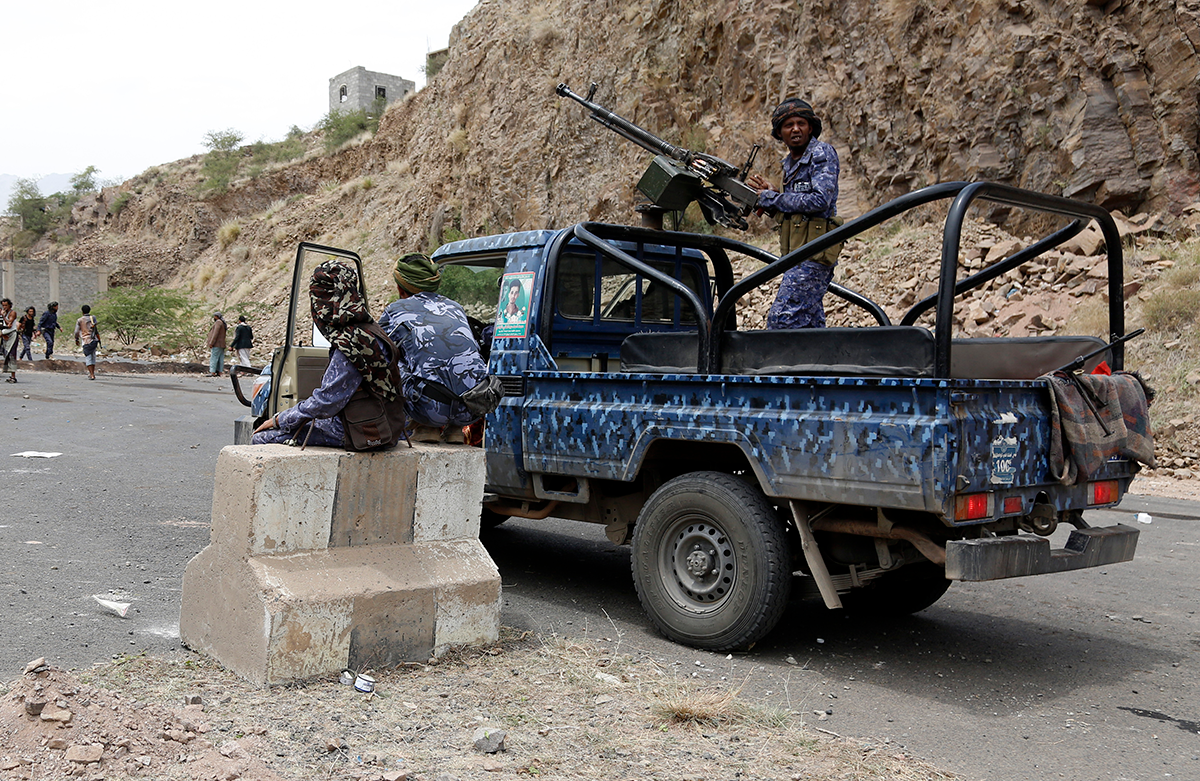
There is no shortage of U.N. interest in Taiz or concern over the Houthis’ blockade and truce violations in the city, but pressure on the Houthis to commit to relieving the humanitarian suffering of the Taizi people remains lacking.
Despite official hype of a “strategic partnership,” Iranian public is skeptical of Russia
The Iranian government has invested heavily in trying to sway public attitudes to embrace closer relations with Russia; but a plurality of Iranians would like to see balanced ties with all nations and for Tehran to pursue a mature, pragmatic overseas agenda.
In July 1987, Iran lost the opportunity to end the Iran-Iraq war as part of a U.N. deal by imposing two preconditions, one of which was impossible to meet. In 2022, Iran is likely to lose another opportunity, this time to return to the 2015 nuclear deal, once again by imposing two preconditions, one of which is also impossible to meet.