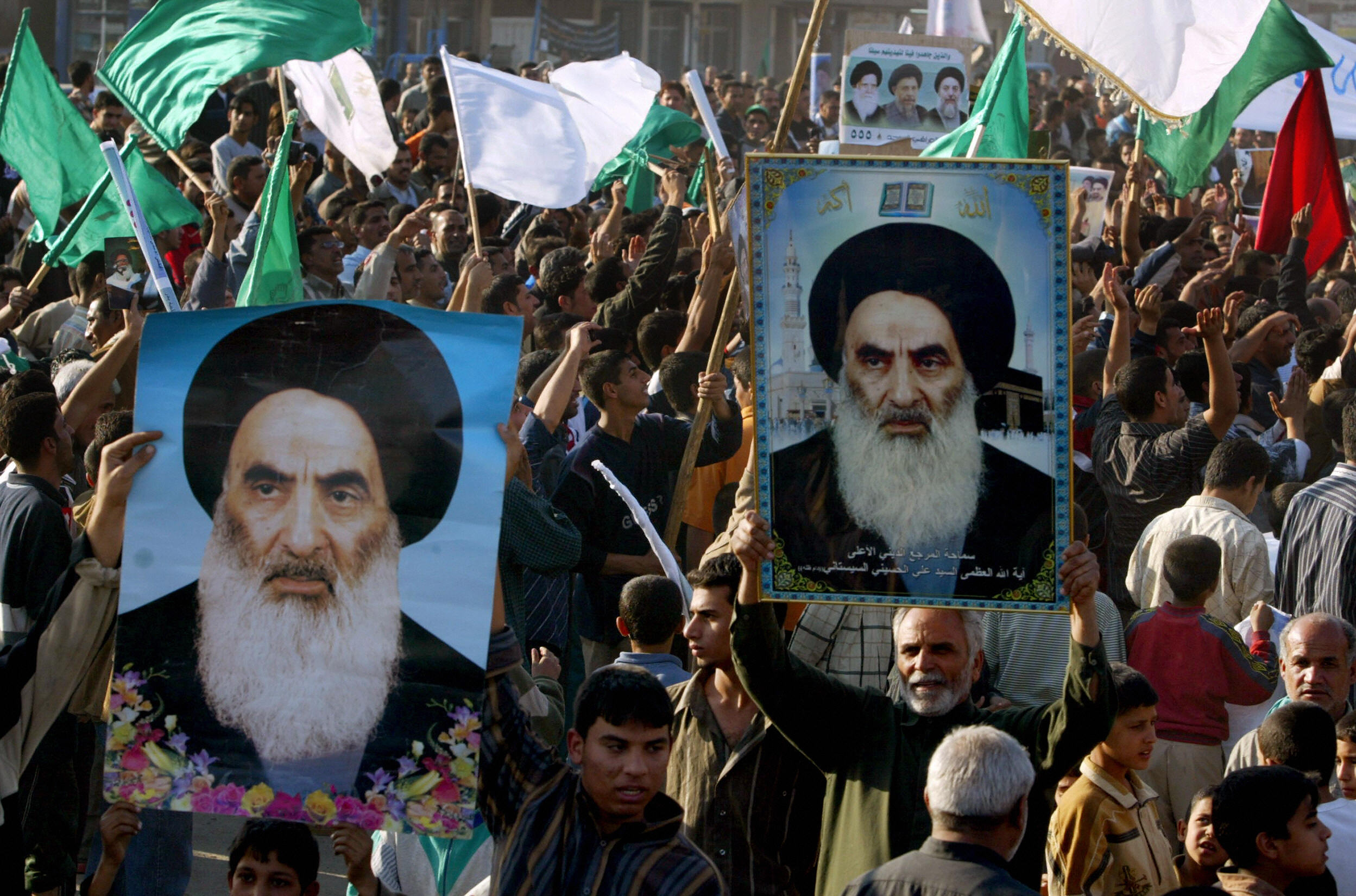
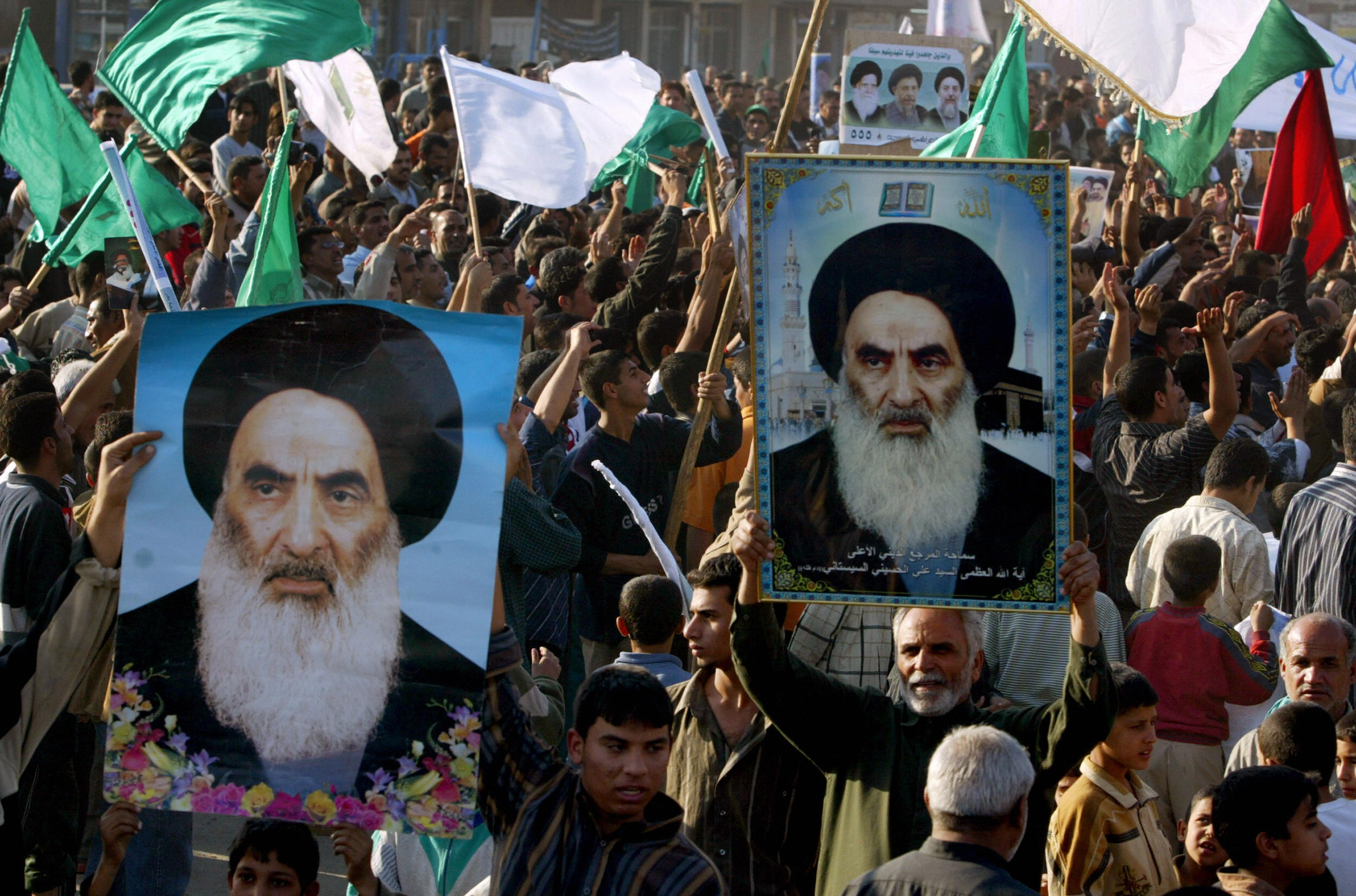
بعد غزو العراق في ٢٠٠٣، تحولت الأنظار إلى السيد علي السيستاني في النجف بوصفه نقطة محورية ليس فقط على مستوى العراق، بل في عموم المنطقة. اليوم، يبلغ السيستاني ٩١ عامًا مما يجعل مسألة خلافته أمرًا يشغل المتابعين، ليس فقط على مستوى الساحة الشيعية، ولكن على مستوى منطقة الشرق الأوسط بشكل عام. وعليه، تهدف هذه الدراسة إلى تسليط الضوء على مستقبل المرجعية الشيعية على أساس التغيير المرتقب القادم بعد السيستاني.
Will Sistani be the Last Legend? The Challenge of Succession and the Future of the Marj’aiyyah
For Shi’a Muslims, the highest-ranking religious authorities are known as marj’as, who serve as a reference point for emulation for laypeople (marj’a al-taqlīd). The position of the marj’a, known as the marj’aiyyah, has the exclusive right to issue religious rulings (fatwas). Since the 2003 invasion of Iraq, Ayatollah Sayyid Ali Sistani in Najaf has become a focal point not only for Shi’a in Iraq, but for the entire region. Sistani is now 91 years old and the question of succession is a central one — one that concerns not only Shi’a Muslims, but the wider Middle East as well. This paper aims to shed light on the future of the religious authority in the Shi’a world based on the unavoidable change after Sistani.
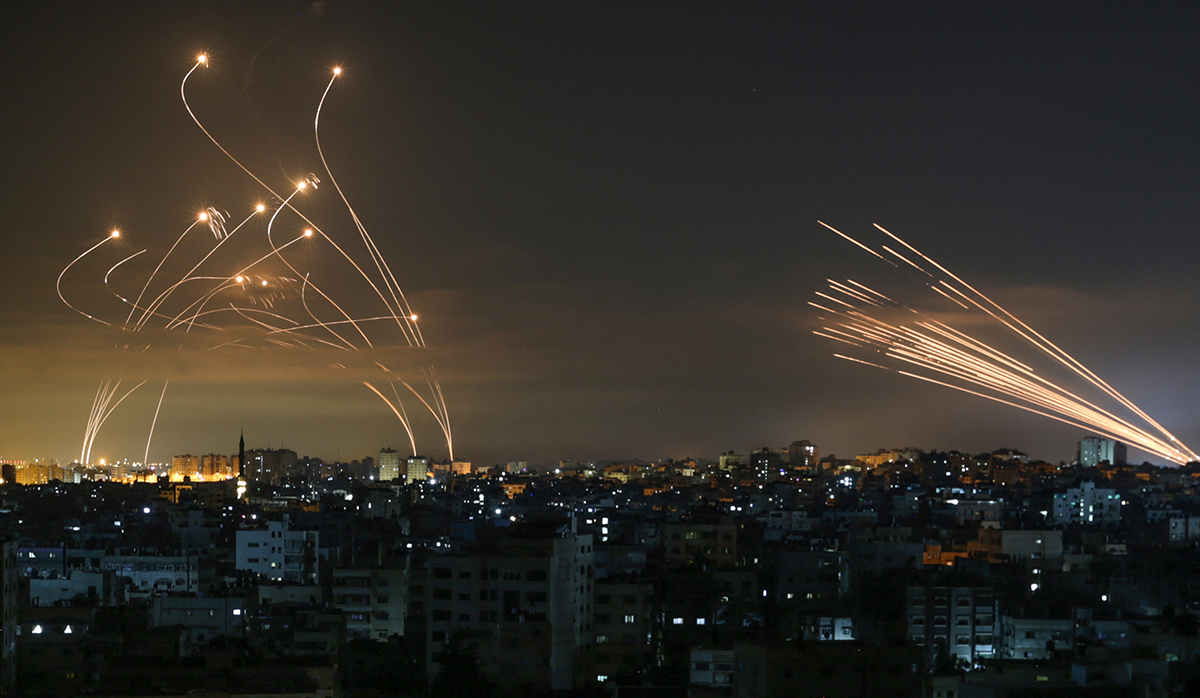
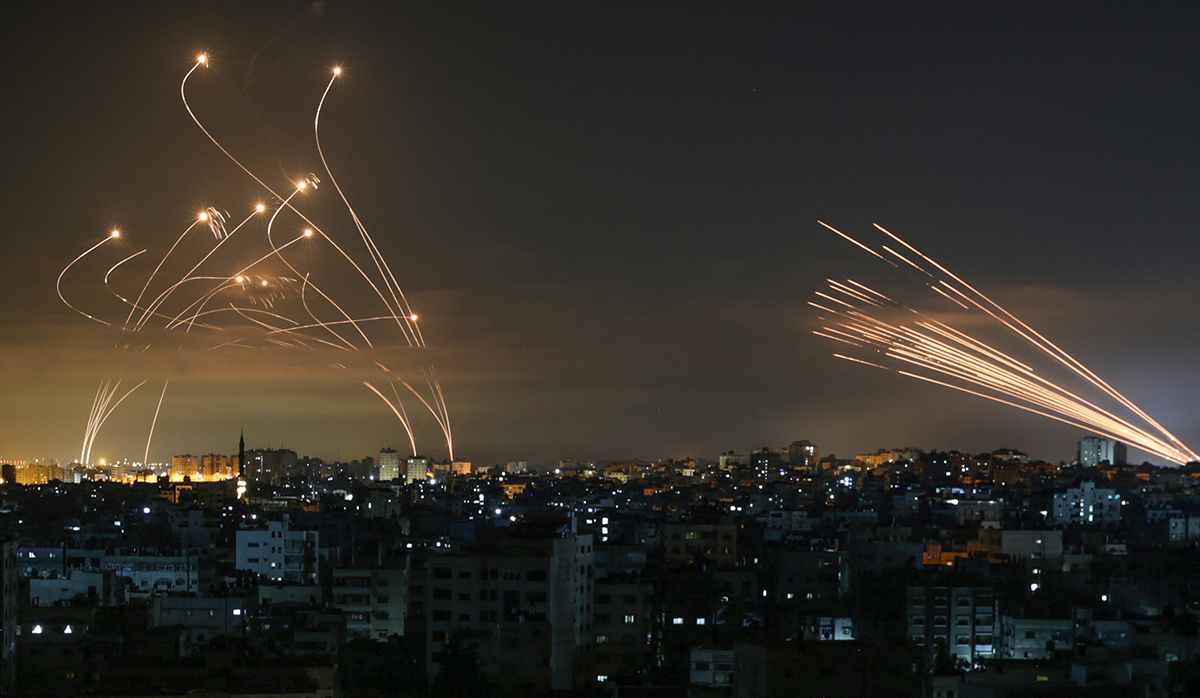
الجدل المستمر (والمبالغ فيه إلى حد كبير) حول قرار أعضاء الكونغرس التقدميين بإعاقة إدراج مليار دولار في التمويل الإضافي لنظام الدفاع الصاروخي الإسرائيلي المسمى بالقبة الحديدية، إلى جانب الـ 3.8 مليار دولار من المساعدات العسكرية الأمريكية التي تتلقاها إسرائيل بالفعل، كشف عن تصدعات في داخل الحزب الديمقراطي وكذلك عن مدى إمكانية إجراء نقاش حقيقي حول القضايا المتعلقة بإسرائيل/فلسطين في واشنطن.
While much of the discourse surrounding the Iron Dome controversy is mired in hysterics and hyperbole, some have put forward a more rational case for providing additional funding for it. One of the standard arguments advanced in recent days is that Iron Dome is crucial not only for saving Israeli lives but is equally important (perhaps even more so) for saving Palestinian lives. This claim has been echoed by numerous American and Israeli analysts and even Members of Congress, and seems to have been accepted by a number of journalists as well. But is it actually true?
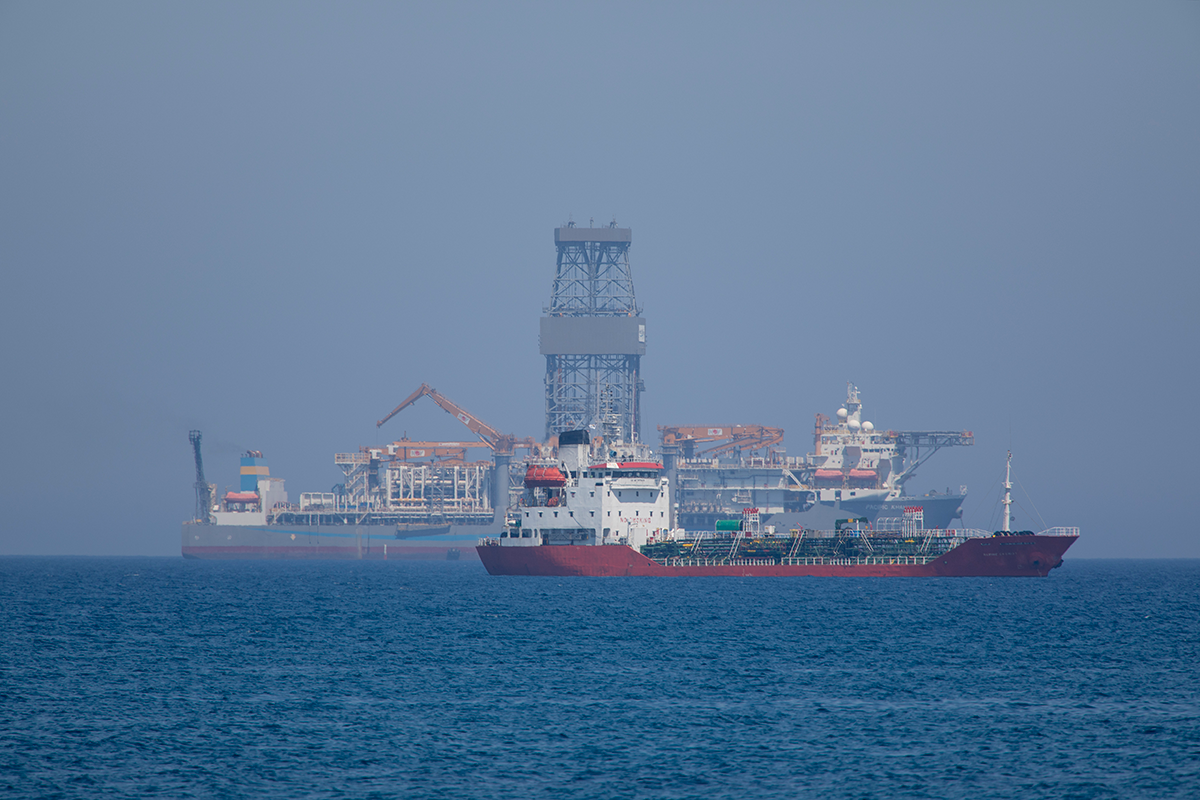
East Med gas needs clean tech and regional integration to support investment case
The viability of Eastern Mediterranean natural gas resources has long been a source of debate for reasons including cost considerations, market demand, and regional geopolitical tensions. The past couple of years have further complicated the debate, introducing new questions about the role of these resources in supporting post-pandemic economic recovery or helping more advanced markets achieve net-zero policies by replacing coal and other fuel sources (a particularly relevant topic of debate given Europe and Asia are key export targets for East Med gas).
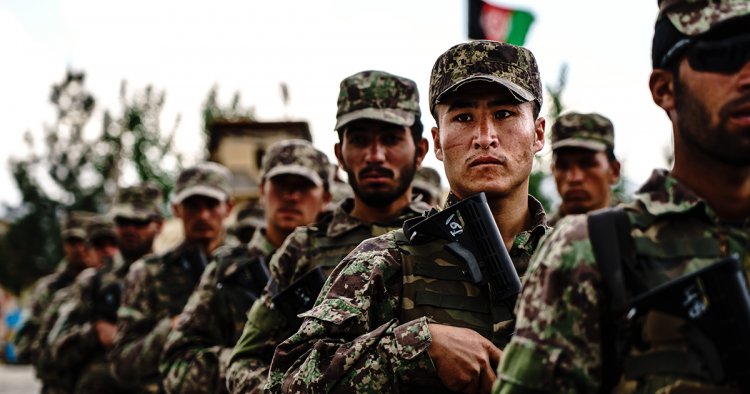
Budget dust: Better approaches for security and sustainability — lessons learned from Iraq and Afghanistan
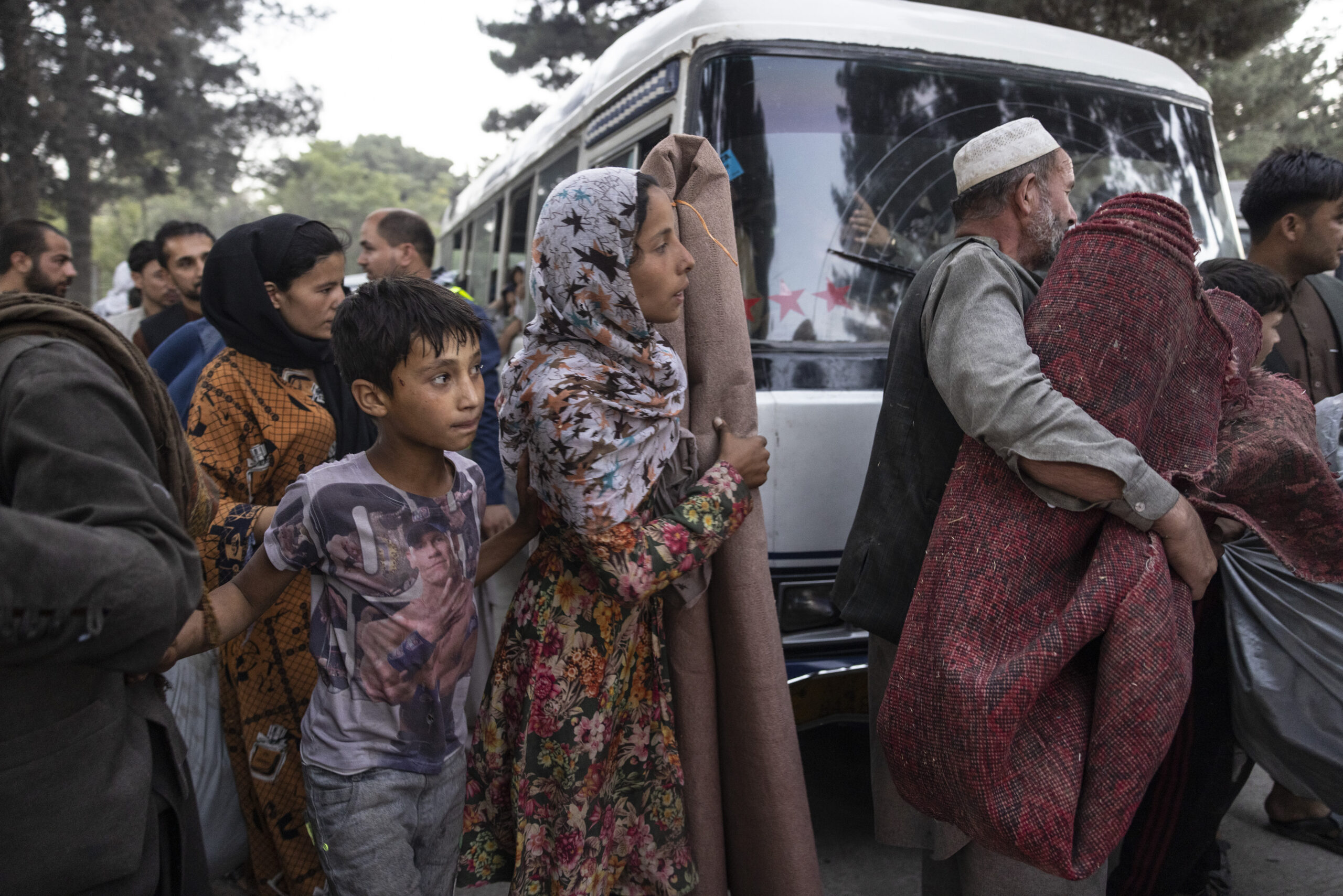
It took the Taliban just three and a half months to undermine a 20-year international effort to build a competent Afghan military. The Afghanistan National Army (ANA) collapsed once it was clear the U.S. was pulling out ground troops and ceasing air support operations after two decades of training and sustainment that cost the American taxpayer approximately $83 billion. When required to stand alone, against a Taliban force, the ANA failed unequivocally. Building the ANA as a mirror image of the U.S. military was strategically and operationally flawed. If they are designed to fight like the U.S. but cannot fight in the absence of U.S. forces, they are ineffective. What lessons should we learn from this and how could our approach be different in the future?
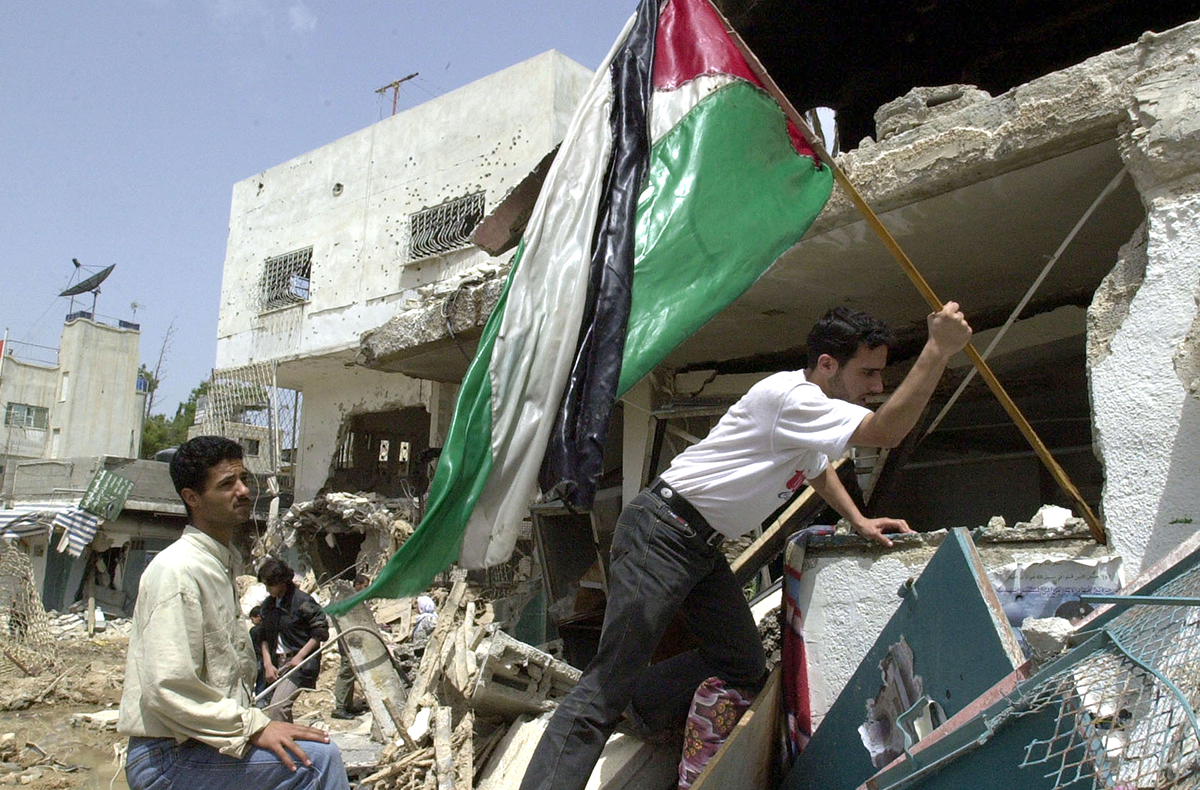
The legacy of 9/11 in the Middle East Peace Process
As we mark 20 years since the 9/11 terror attacks and the subsequent U.S. interventions in Afghanistan, Iraq, and other protracted elements of the ill-fated and ill-conceived “war on terror,” it is easy to overlook other disastrous legacies of U.S. policy in the post-9/11 era. This is particularly true in the case of the Israeli-Palestinian conflict, where Washington’s response to 9/11 effectively marked the beginning of the long, tortured death of the Middle East Peace Process, and with it hopes for a two-state solution.
Ross Harrison, Paul Salem, and Randa Slim join host Alistair Taylor to reflect on 9/11’s impact on US policy in the Middle East over the past 20 years and how its legacy has been viewed by the region.
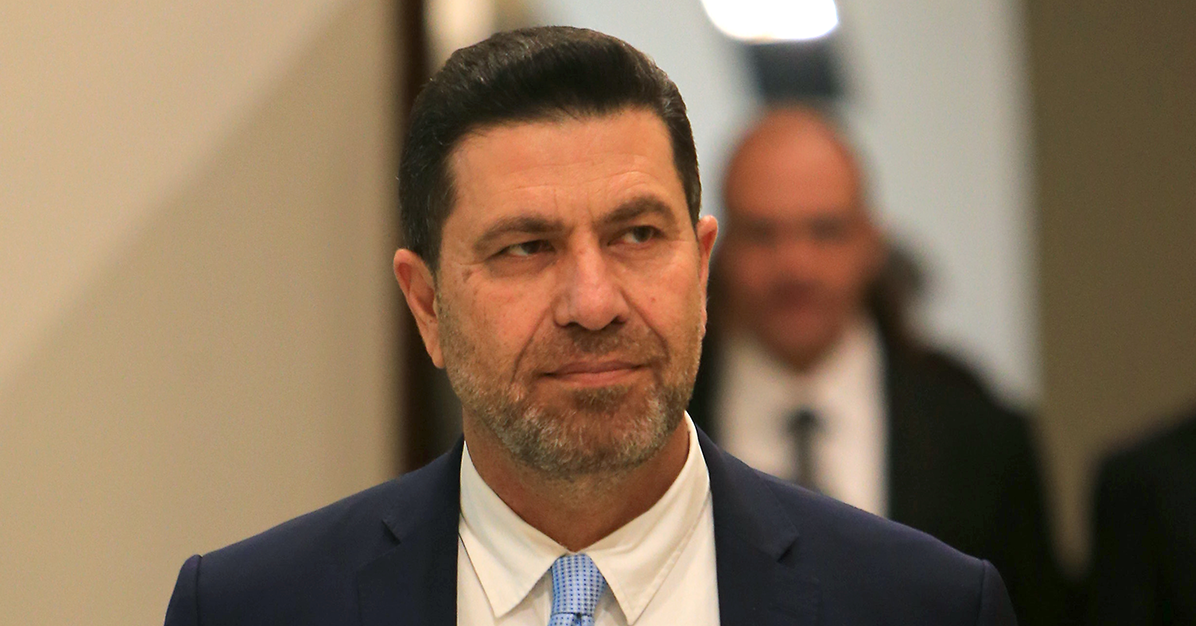
Baghdad, Beirut, and the politics of Lebanon’s power crisis
On July 24, Beirut and Baghdad signed a governmental framework agreement under which Iraq pledged 1 million tons of heavy fuel oil to Lebanon over a full year.
Mick Mulroy and Ken Tovo join host Alistair Taylor to discuss their recent paper on how US intelligence and military operatives effectively collaborated with local Kurdish partners in Northern Iraq in the early 2000s, why it was a successful partnership, and what lessons it may provide for future operations. The paper, “Irregular Warfare: A Case Study in CIA and US Army Special Forces Operations in Northern Iraq, 2002-03,” is available now on MEI’s website.
The July 29 suicide drone attack on the Israeli oil tanker Mercer Street, which left two British and Romanian crewmembers dead in the Arabian Sea, was carried out by Iran and was intended to cause human casualties and physical damage, according to the investigative report from U.S. Central Command(CENTCOM). While Tehran denied any hand in the strike, the G7 directly blamed Iran and U.S. Secretary of State Antony Blinken promised a “collective response.”
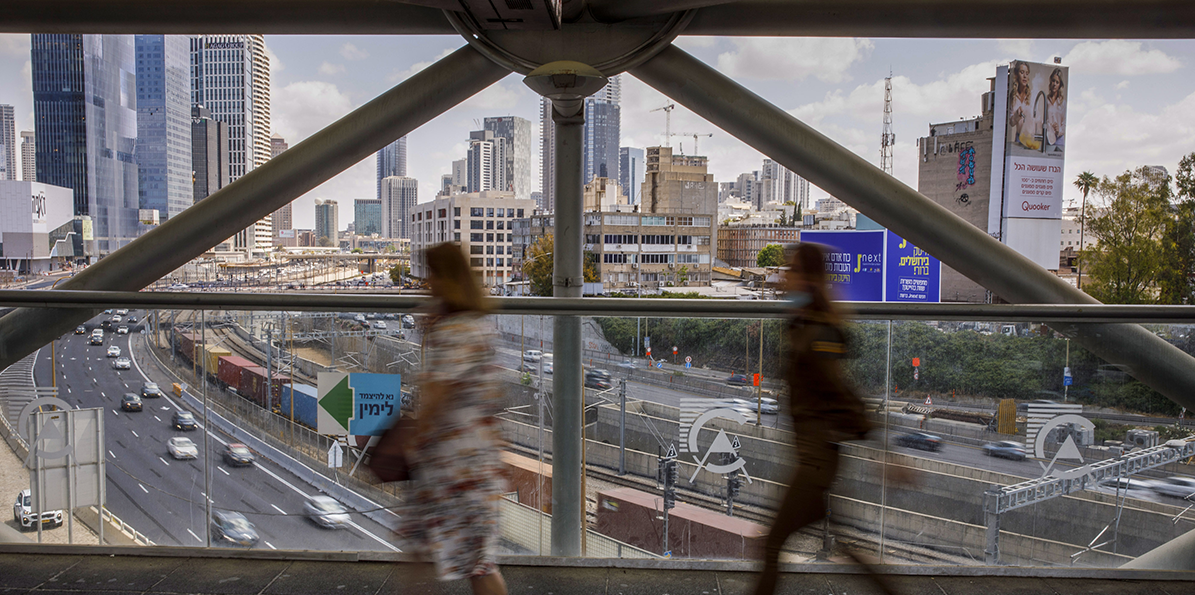
إسرائيل ومصر تتصدران توقعات النمو في الشرق الأوسط وشمال إفريقيا: قصة استراتيجيتين متباينتين
الدولتان في الشرق الأوسط اللتان تتمتعان بأعلى توقعات نمو لعام 2022 هما إسرائيل ومصر. وتقدر مؤسسة فيتش سوليوشنز أن الناتج المحلي الإجمالي على مستوى منطقة الشرق الأوسط وشمال إفريقيا سينمو بنسبة 3.6% في عام 2021، بعد انكماش بنسبة 4% في عام 2020. هنا نجد أن مصر وإسرائيل هما الدولتان الوحيدتان في المنطقة اللتان يُتوقع نمو اقتصادهما بما يتجاوز حجم مستويات ما قبل كوفيد-19.
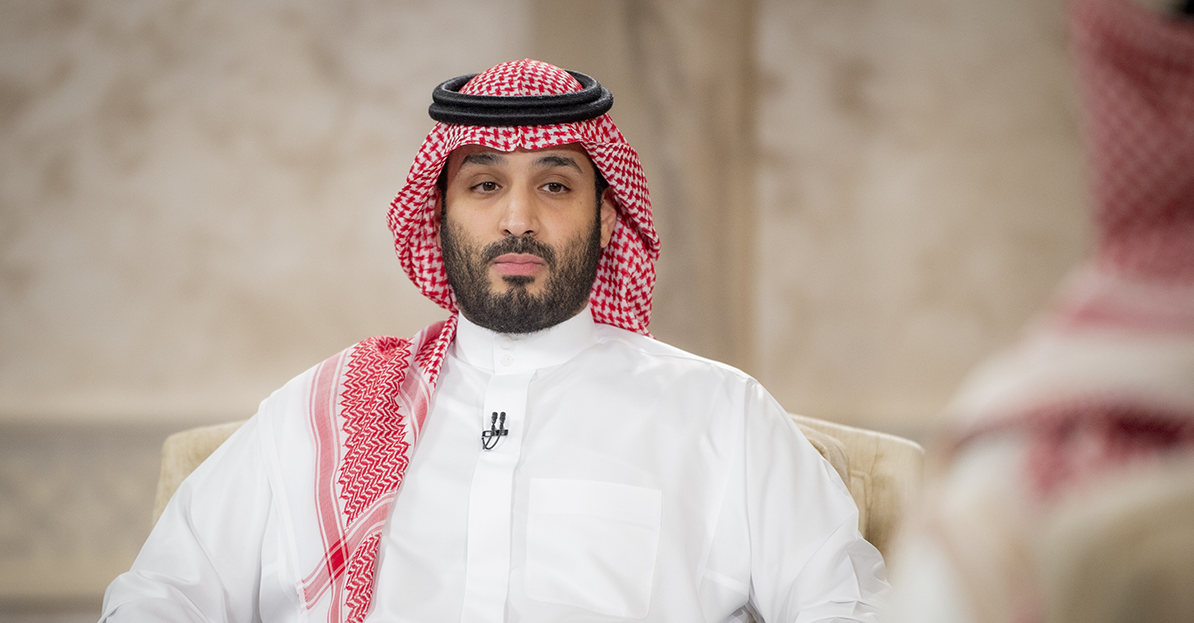
At the dawn of the Biden era of American foreign policy, a more mature, realistic Saudi foreign policy is emerging to match the shifting signals from Washington. In some measure, the Saudis are readopting elements that traditionally characterized their policy preferences before the meteoric rise of Crown Prince Mohammed bin Salman (MbS), the kingdom’s de facto ruler.