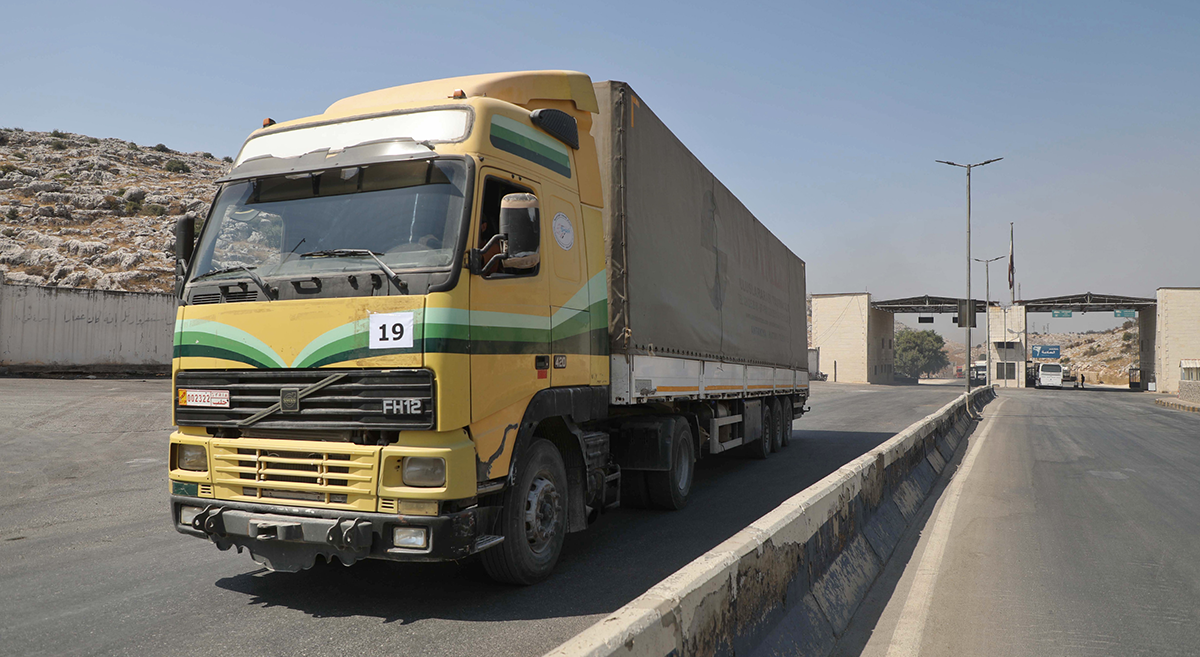
Syria faces a looming crisis over humanitarian aid access
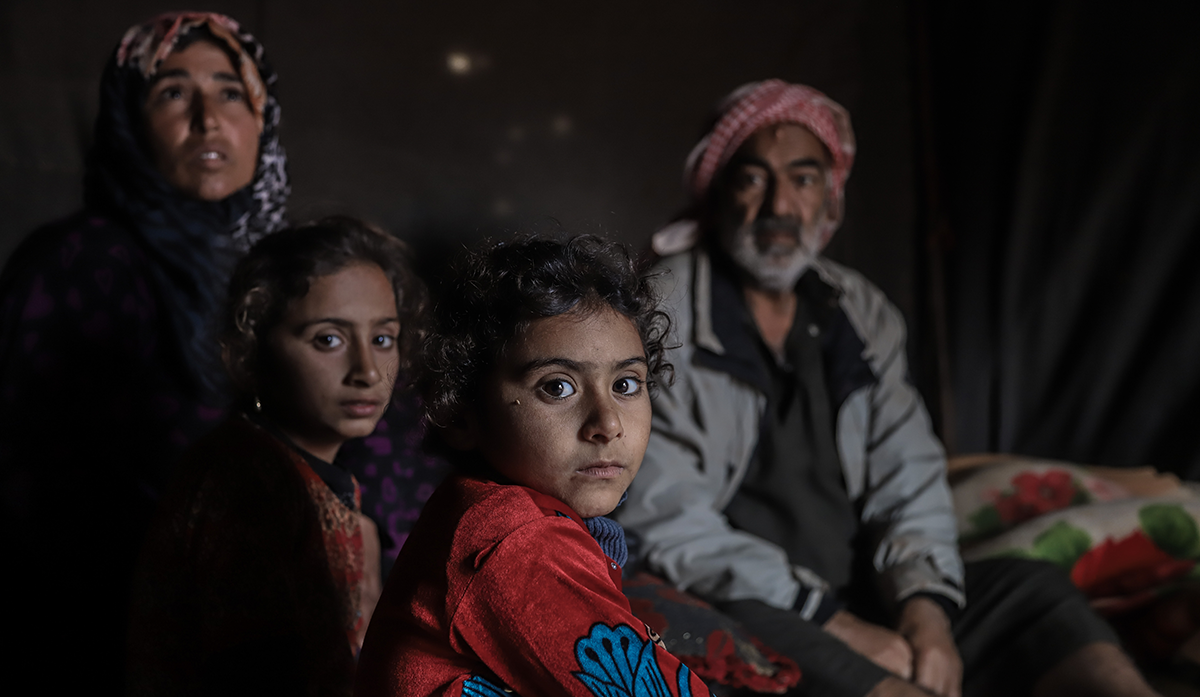
Should nothing change, the loss of cross-border aid access and the absence of cross-line mechanisms to northern Syria could potentially leave over 4.5 million civilians without assistance — a humanitarian catastrophe of unprecedented proportions.
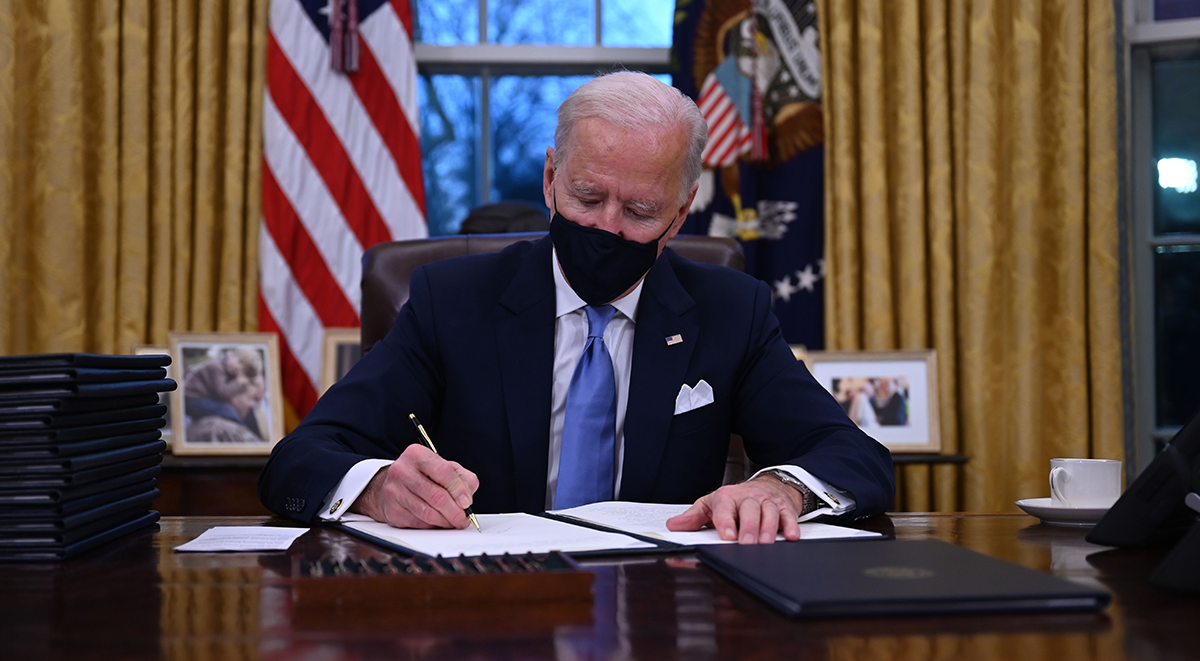
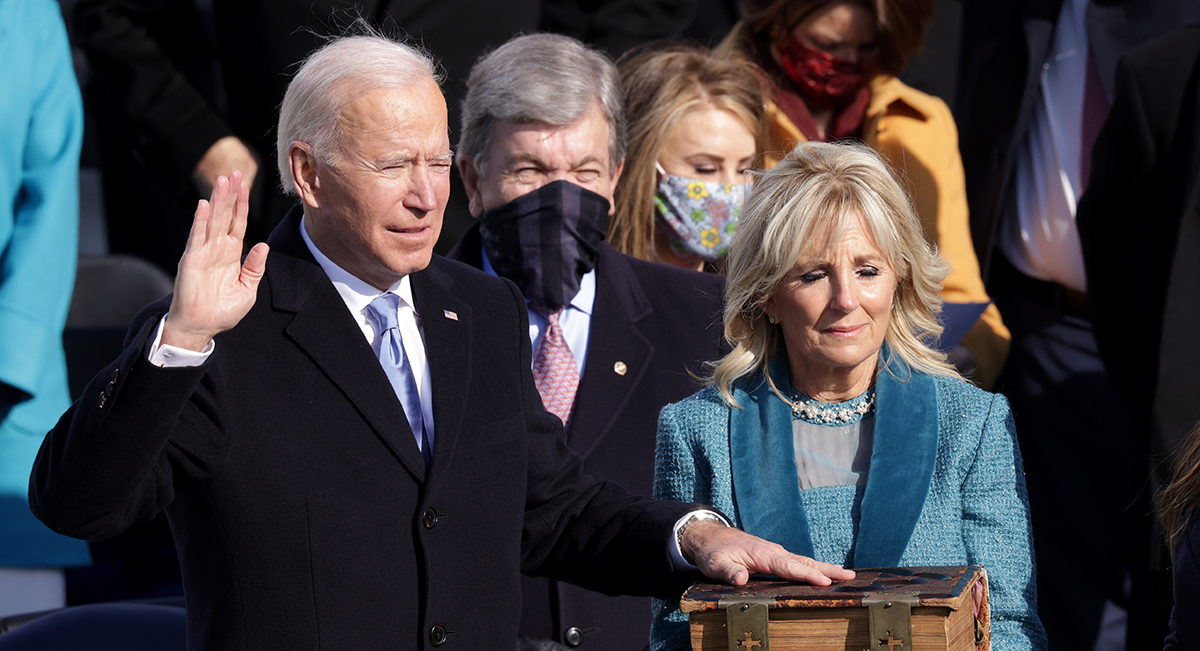
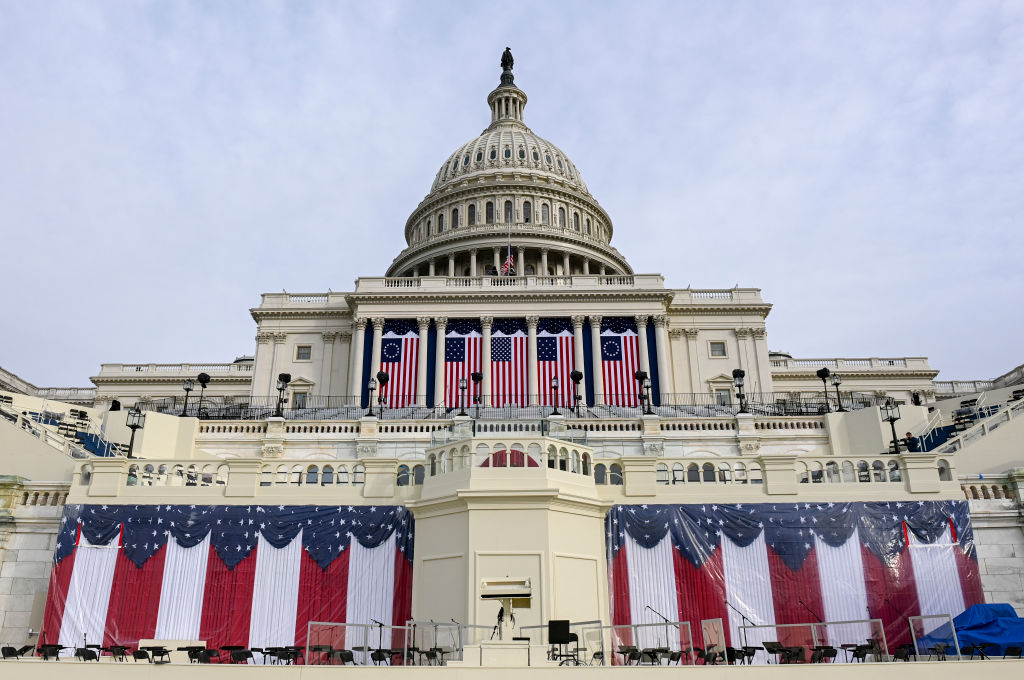
The incoming Biden administration has a full plate as it seeks to reinvigorate American foreign policy engagements around the world. The need to reimagine future U.S. engagement with South Asia may not be among the highest priorities for policy makers. Yet, this region, home to nearly a quarter of the world’s population, presents perennial challenges as well as new threats that U.S. policy makers cannot afford to ignore.
The Biden administration and the Middle East: Regional perspectives on the first 200 days
As the Biden administration takes office, it faces a host of challenges, both at home and abroad. Where does the Middle East fit into all of this and what should the new administration prioritize in its first 200 days? In the second part of a two-part series, we asked experts and scholars from across the region to weigh in with their thoughts.
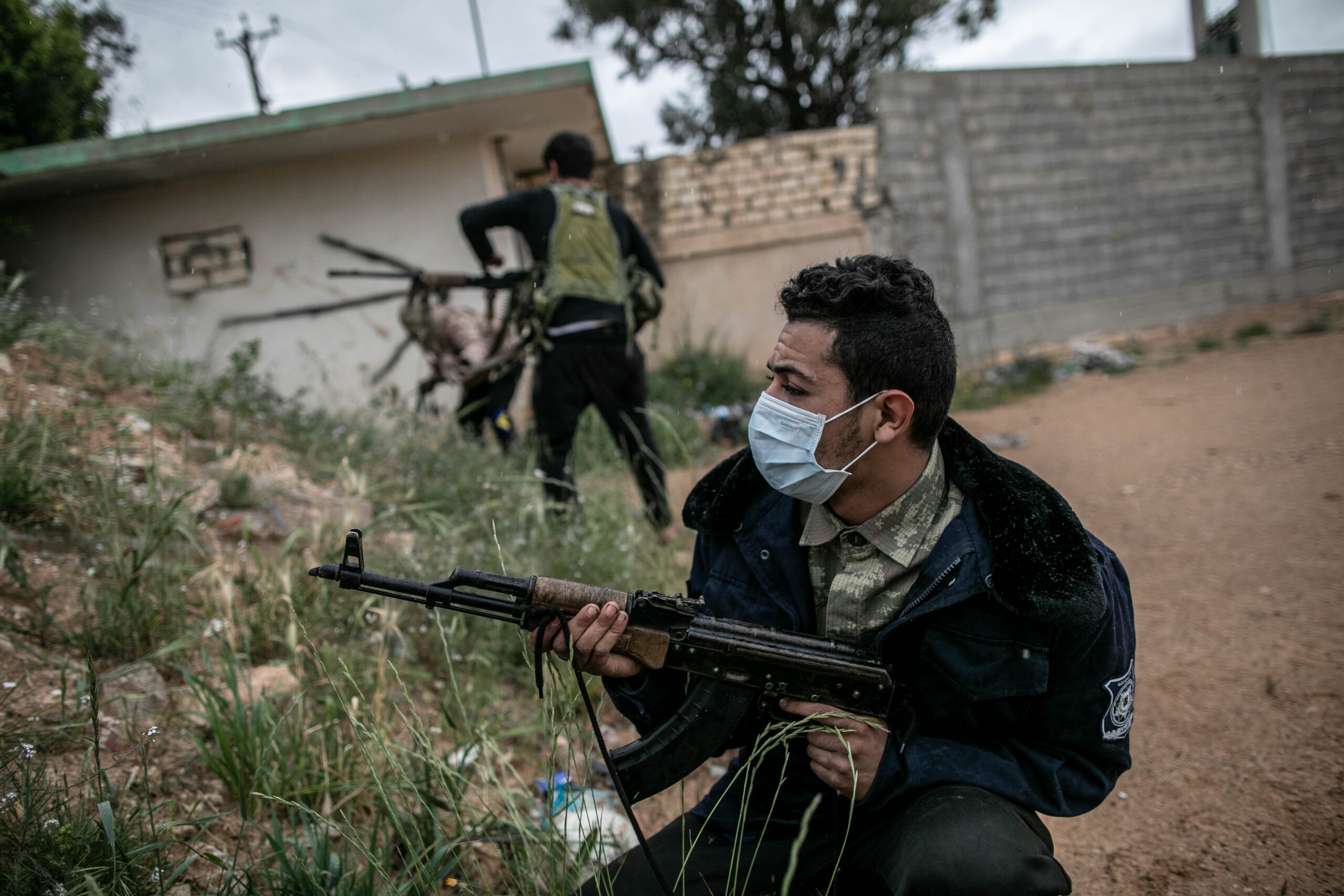
The Middle East is in turmoil, with civil wars raging in Syria, Iraq, Yemen, and Libya. COVID-19 is now an additional factor on top of the violence and monumental international support tasks, all of which require a sustained commitment. The effects of the deadly COVID-19 pandemic highlight the need for more robust international stabilization efforts to achieve long-term peace and self-sufficiency in the Middle East.
MEI experts Gerald Feierstein, Alex Vatanka, Gonul Tol, and Charles Lister join host Alistair Taylor to survey what lies ahead for the region in the year ahead, with particular attention to Yemen, Iran, Turkey, and Syria.
In two months’ time, Syria’s crisis will turn 10 years old — a grim milestone for what has been the most deadly and destructive civil conflict in recent history.
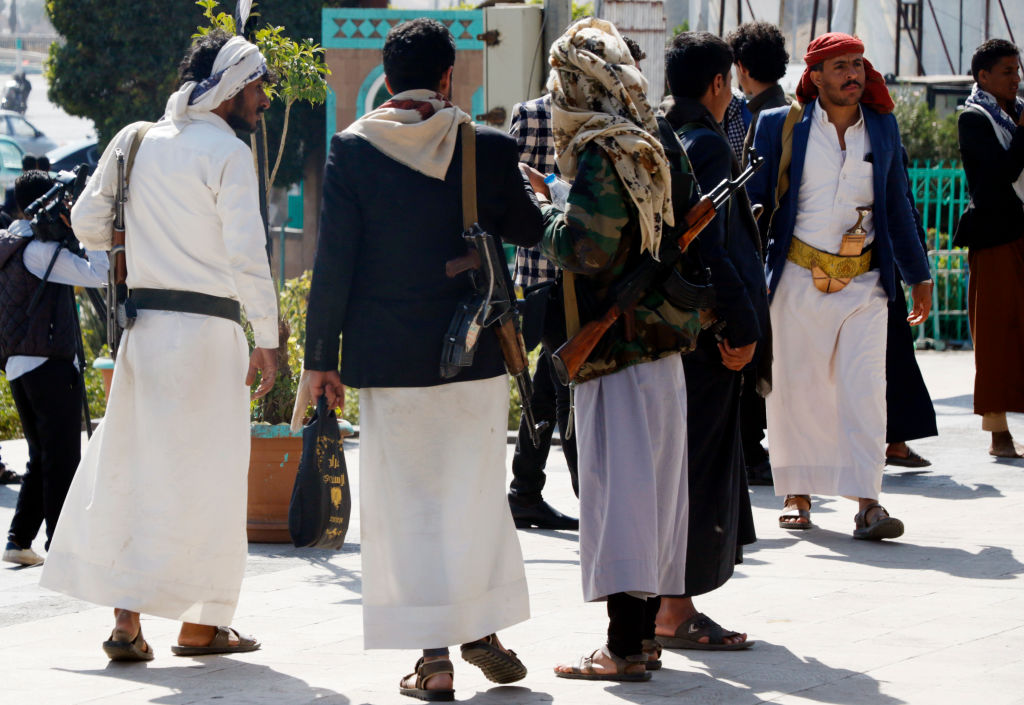
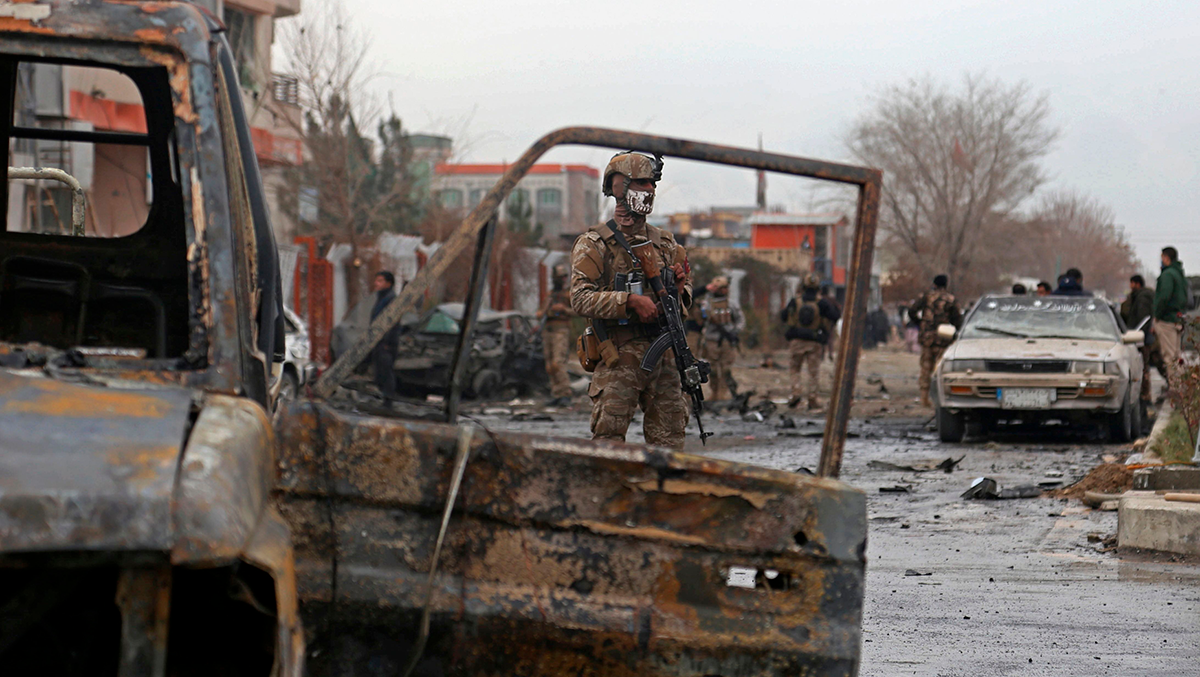
Peace talks between the Kabul government and the Taliban resumed in Doha on Jan. 5 amid a sharp resurgence in violence and controversy over a video shared on various social media platforms by pro-Taliban elements.
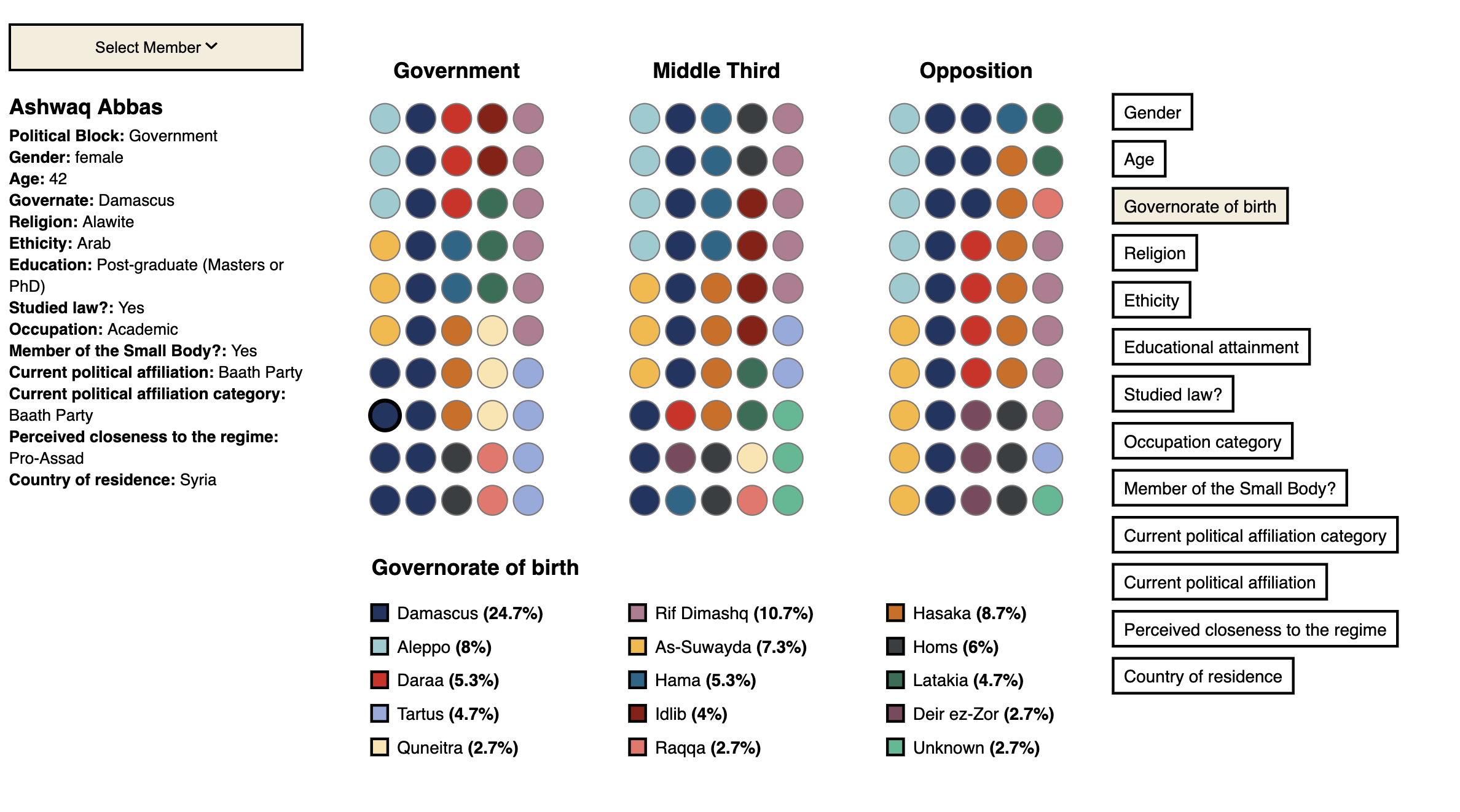
Syria’s Constitutional Committee: The Devil in the Detail
This interactive data visualization and accompanying article provide background information on the members of the Syrian Constitutional Committee as well as analysis of its dynamics and policy recommendations on how to improve it.
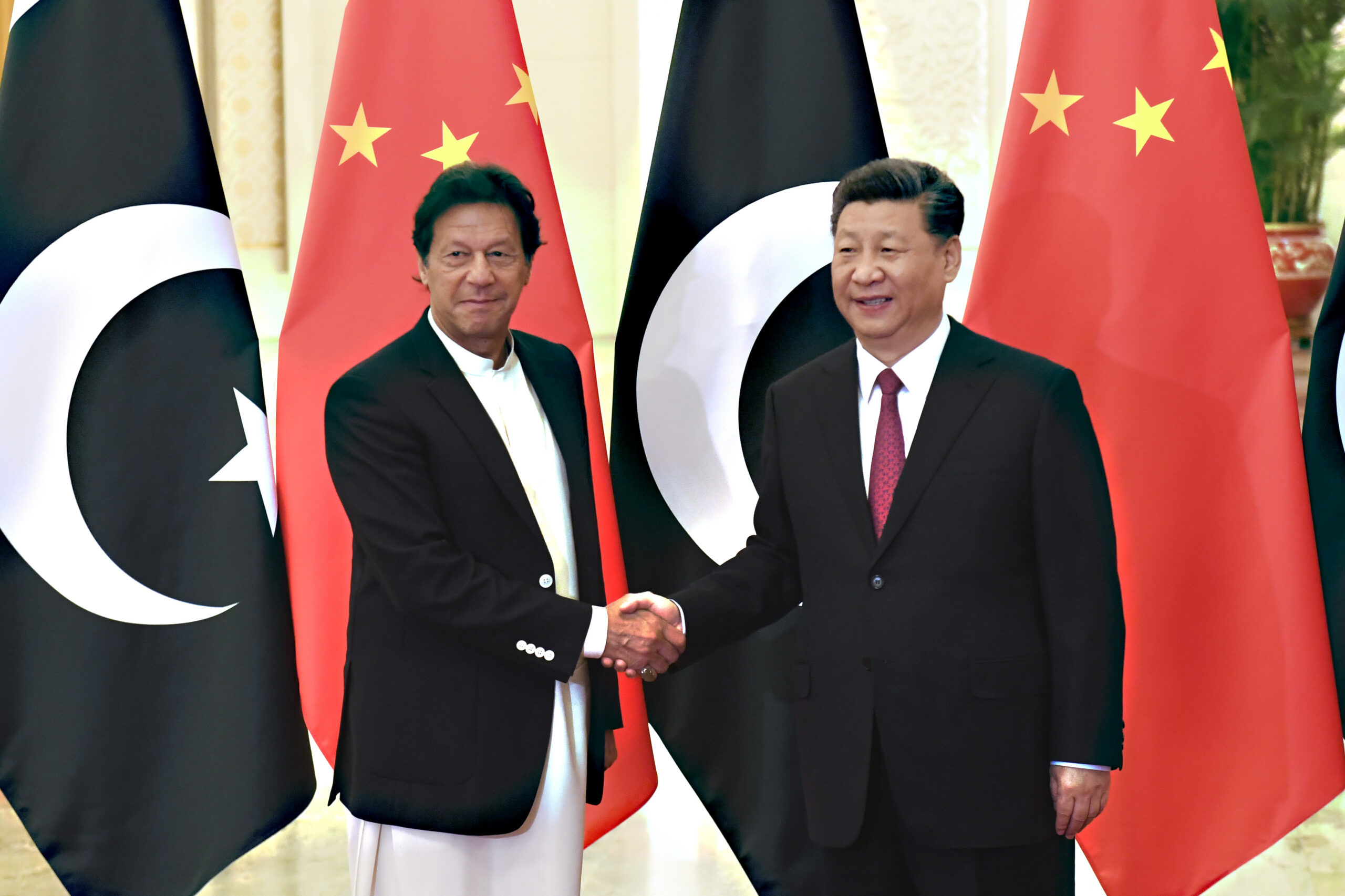
How can China mediate between Israel and Pakistan?
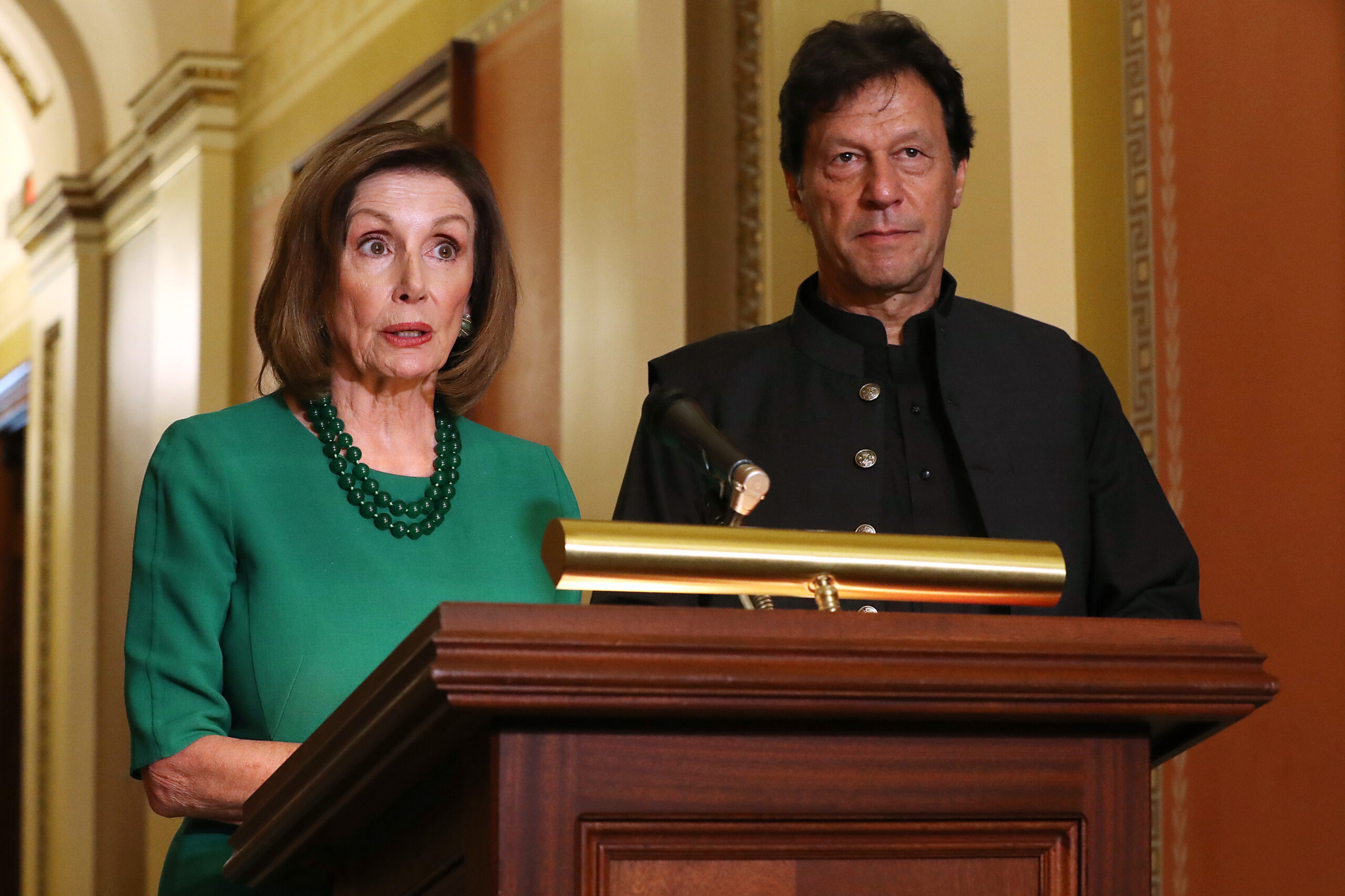
Pakistan’s Prime Minister Imran Khan recently revealed that several countries are pressuring Islamabad to follow in the footsteps of the Gulf states by recognizing the state of Israel. Khan, however, expressed opposition to this idea, at least until there is a political settlement that meets Palestinian demands. While full normalization between Israel and Pakistan may still be out of reach, China could mediate between these two countries which have never established a diplomatic relationship.
In our final episode of the year, host Alistair Taylor interviews several MEI scholars on the key events that transpired across the Middle East in 2020 including in Iraq, Iran, and Afghanistan, and they discuss US defense and diplomatic strategy in region as the as the transition to the Biden administration gets underway. Guests include Paul Salem, Bilal Saab, Randa Slim, and Marvin Weinbaum.