A country in free fall, a corruptocracy in full swing: Why a building collapse in Iran matters
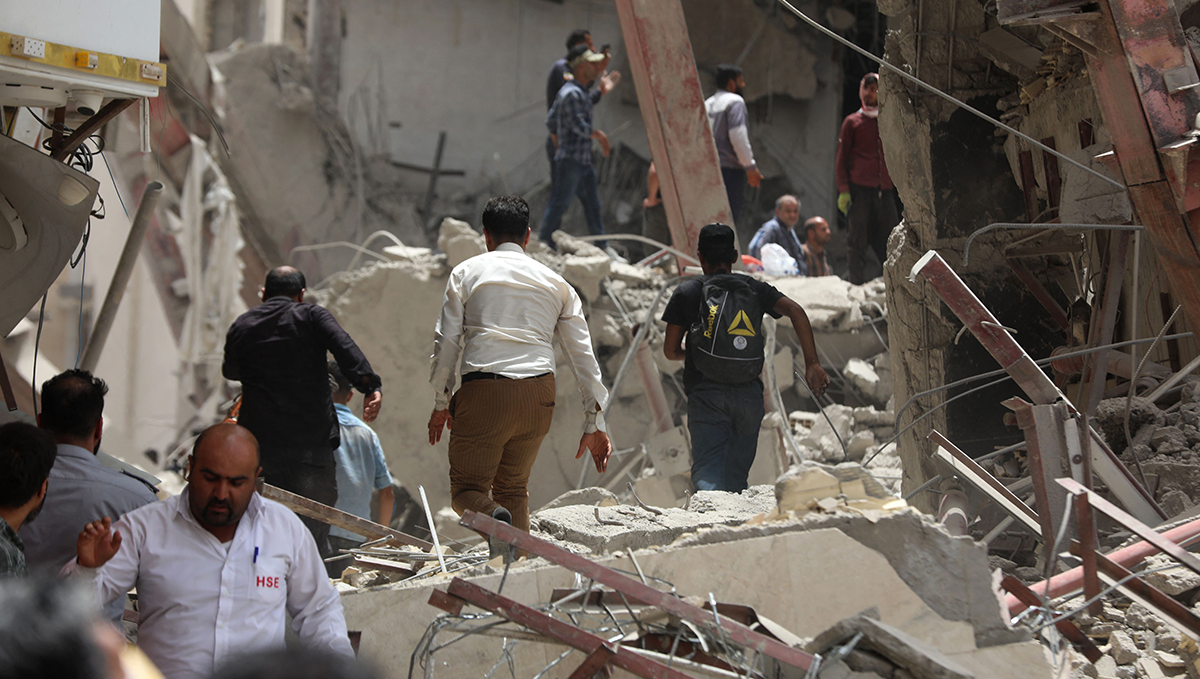
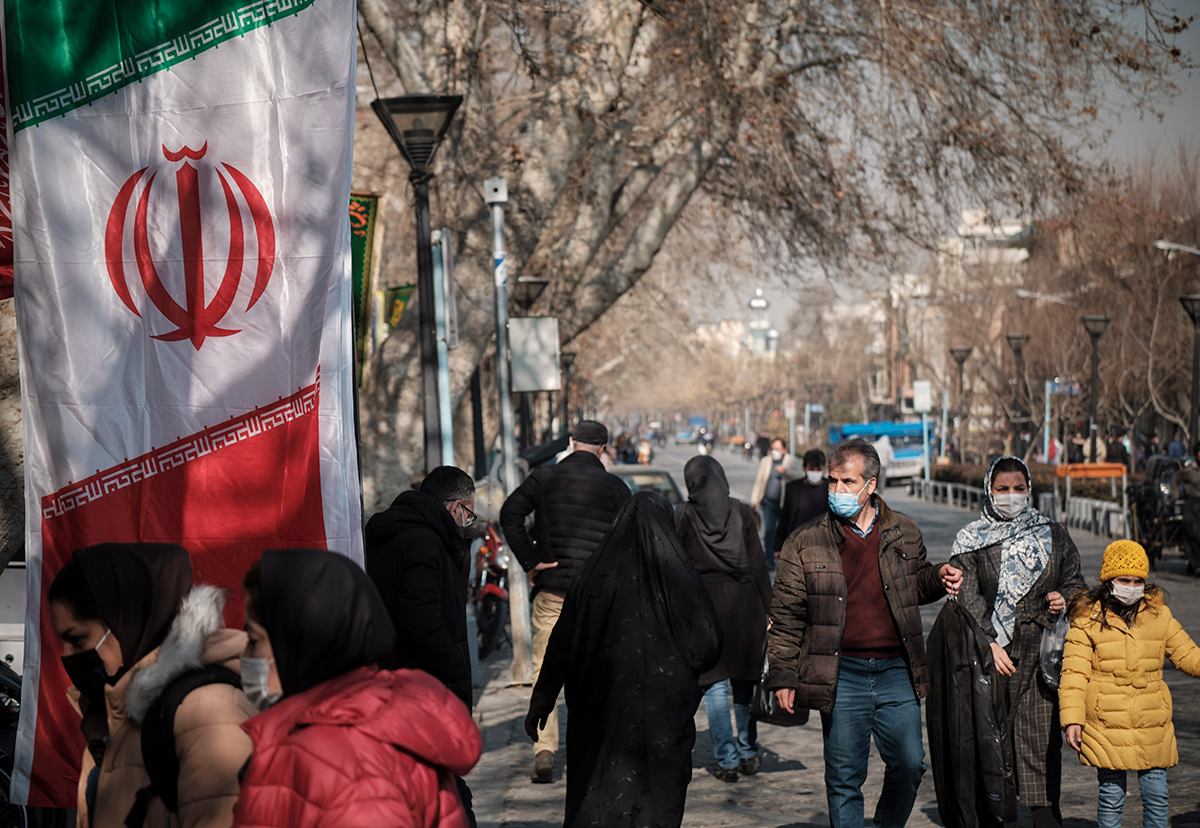
On May 23, 2022, Metropol tower, a 10-story commercial building in the city of Abadan in Iran’s oil-rich southwestern Khuzestan Province, collapsed, killing at least 41 people and trapping dozens more beneath the rubble. For an outside observer, this might seem like a tragic but random accident that could have happened anywhere. In reality, it is a stark illustration of a country mired in corruption and mismanagement.
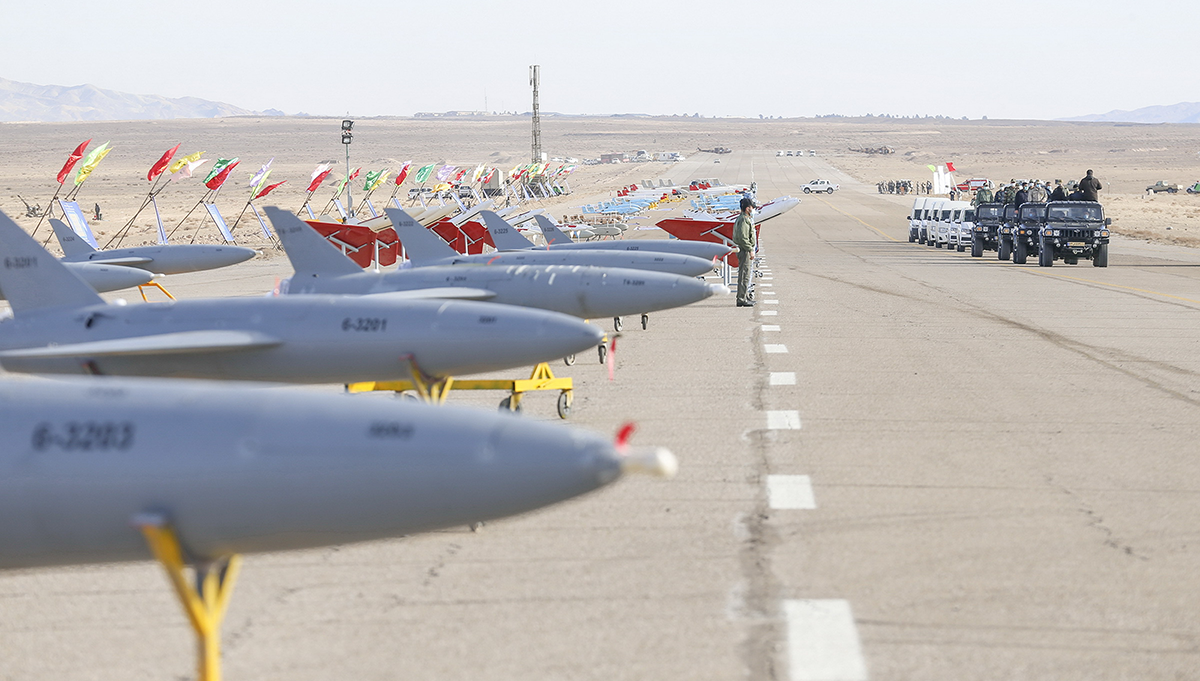
On May 17, 2022, Iran inaugurated a drone factory in neighboring Tajikistan, its first drone production facility abroad. With this factory, Iran intends to reinforce bilateral relations and reduce recent tensions with Tajikistan, address shared security concerns on the Afghan border, boost profits in a growing export market, and complicate Israeli efforts to further sabotage its drone program.
Protecting Gulf waters through regional cooperation
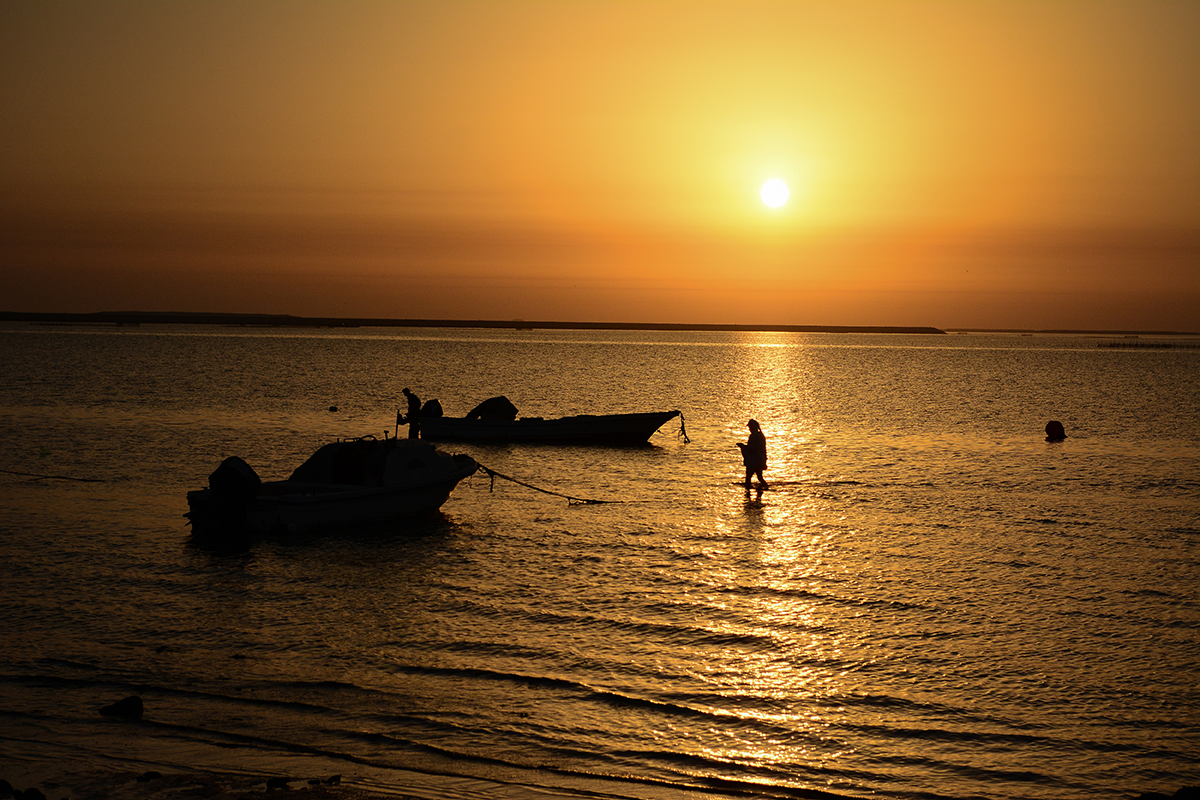
In collaboration with regional and international experts and organizations, the Middle East Institute is implementing a program aimed at promoting regional approaches to solve climactic and anthropogenic challenges to the waters of the Gulf.
From rivalry to partnership: Managing climate risks through regional collaboration
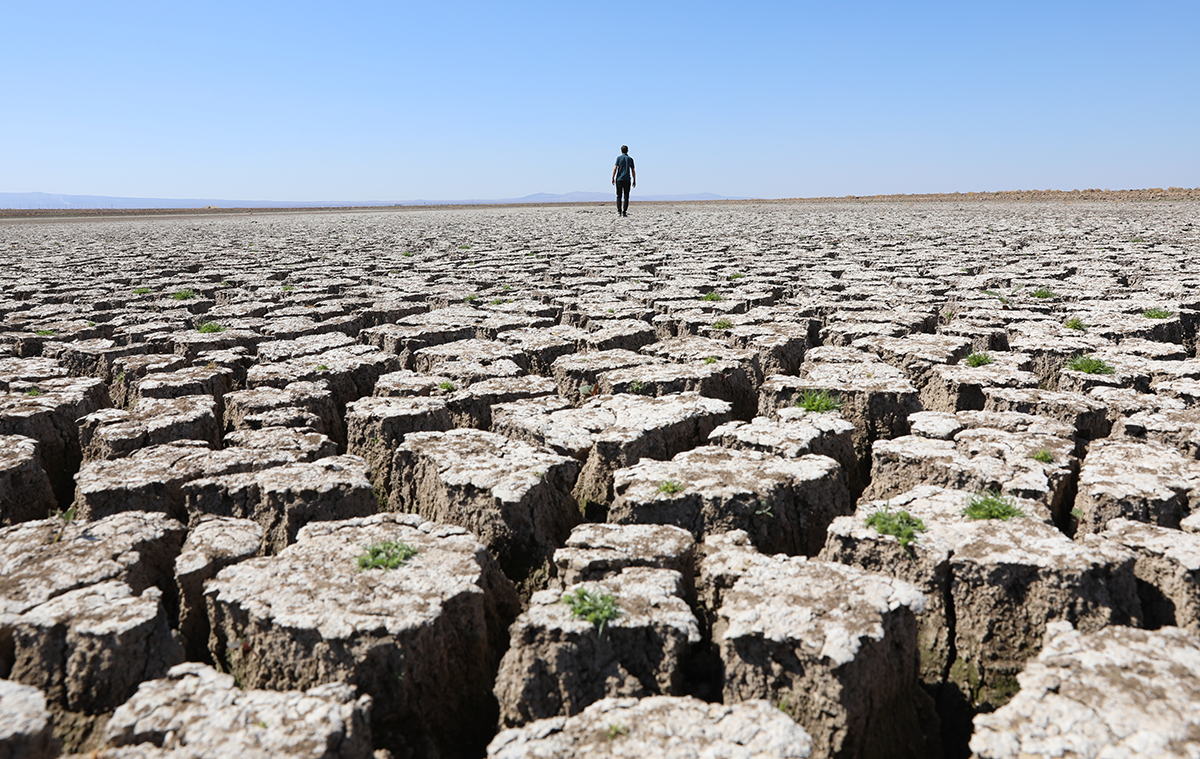
Countries across the region face similar climate risks and impacts, but tensions and socio-economic challenges have hampered regional collaboration and collective efforts to tackle climate change. One way to address this problem and to circumvent poor policy coordination is through technical research and knowledge-sharing.
Not “business as usual”: The Chinese military’s visit to Iran
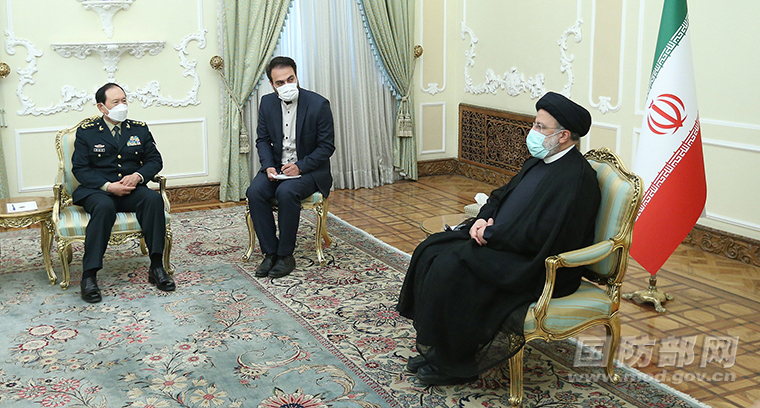
A senior Chinese military delegation landed in Iran for a visit in late April. The readouts from Tehran were rather dull, but there is more to this visit than meets the eye. While a new “axis” may not necessarily be forming, there are troubling trendlines that Western policymakers need to counter.
The Dorra Field: Global gas market impact or bellwether for regional relations?
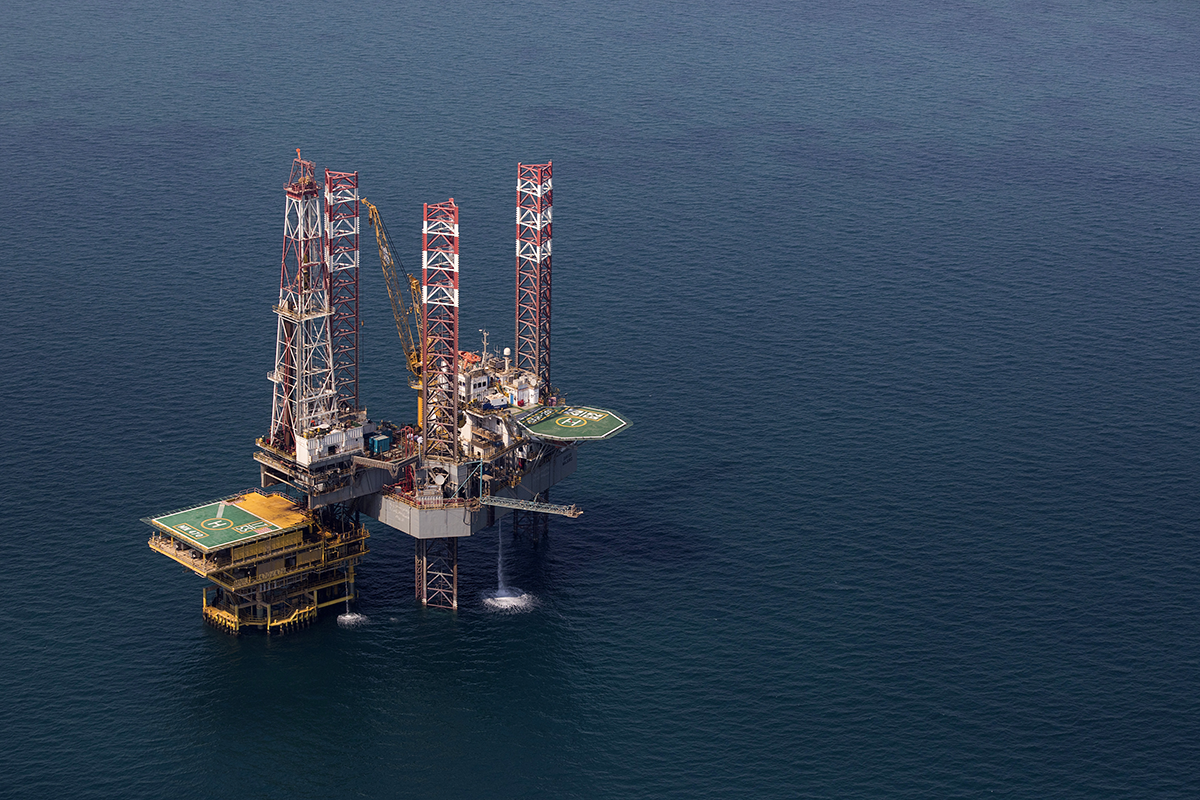
The Dorra Gas Field, located in shallow waters offshore in the northern Arabian Gulf, lies at the junction of competing territorial claims by Kuwait, Iran, and Saudi Arabia. With the growing gas demand in these countries, any production will be absorbed into the domestic network and the impact of production on the global gas and LNG market will be insignificant. However, the development of the field, if it occurs, may serve as a bellwether for regional relations.
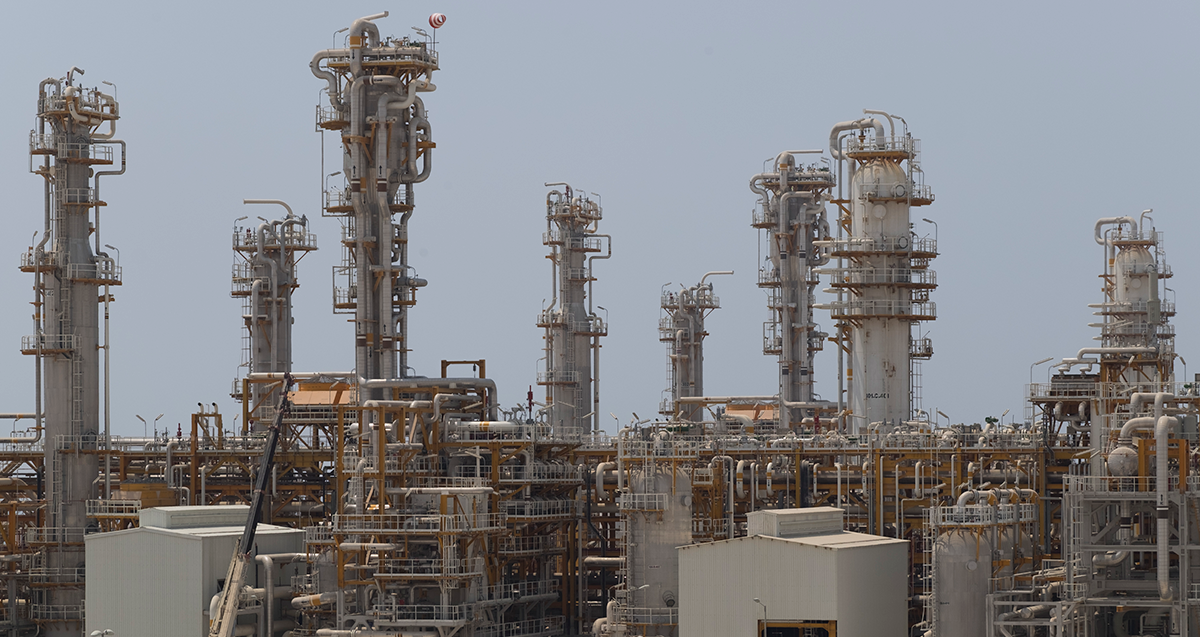
Making the most of Iran’s reserves will require it to develop shared fields like Dorra/Arash, a gas field located offshore in the northern Gulf, where Iran must vie with competing claims from neighboring Kuwait and Saudi Arabia. In the past, Iran has often neglected its joint gas fields as a result of sanctions and focused instead on meeting its rapidly growing domestic needs through exploiting non-shared fields, but the country says this must change going forward.
The CMF-153: Rebuilding US-GCC confidence through maritime security
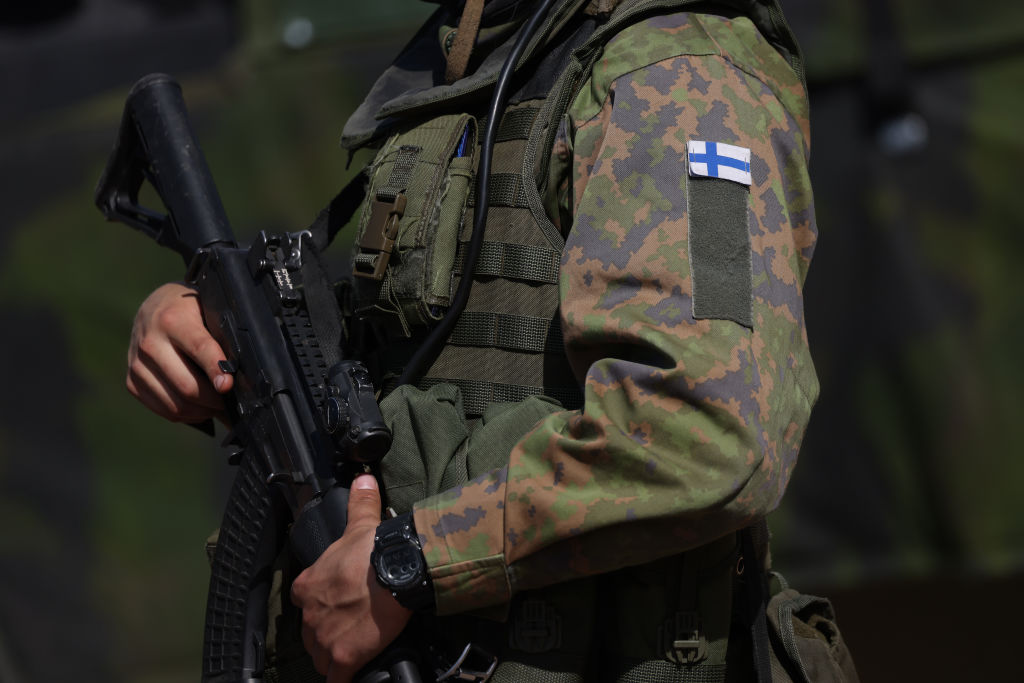
Efforts to restore confidence between the U.S. and the Arab Gulf states took a first step with the recent formation of a new naval task force, known as the Combined Maritime Forces-153 (CMF-153), to improve maritime security in the Red Sea, Bab el-Mandeb, and the Gulf of Aden, including the hotspot of Yemen. Established in mid-April, the new task force intends to target weapons smuggling for Ansar Allah, as the Houthi militias are officially known, as well as human trafficking and the drug trade.
Bad policy advice could lead to a catastrophe for Iran’s public economy
Iran began the new fiscal year on March 21, 2022 having recorded an estimated GDP growth rate of about 4% over the previous year, but CPI has grown by 35% year-on-year. While GDP growth could be the result of the stabilization of the economy after several years of recession, a steady rate of high inflation is alarming for Iran’s economy.
هزینه سنگین حمایت حزب الله برای اقتصاد و امنیت ایران
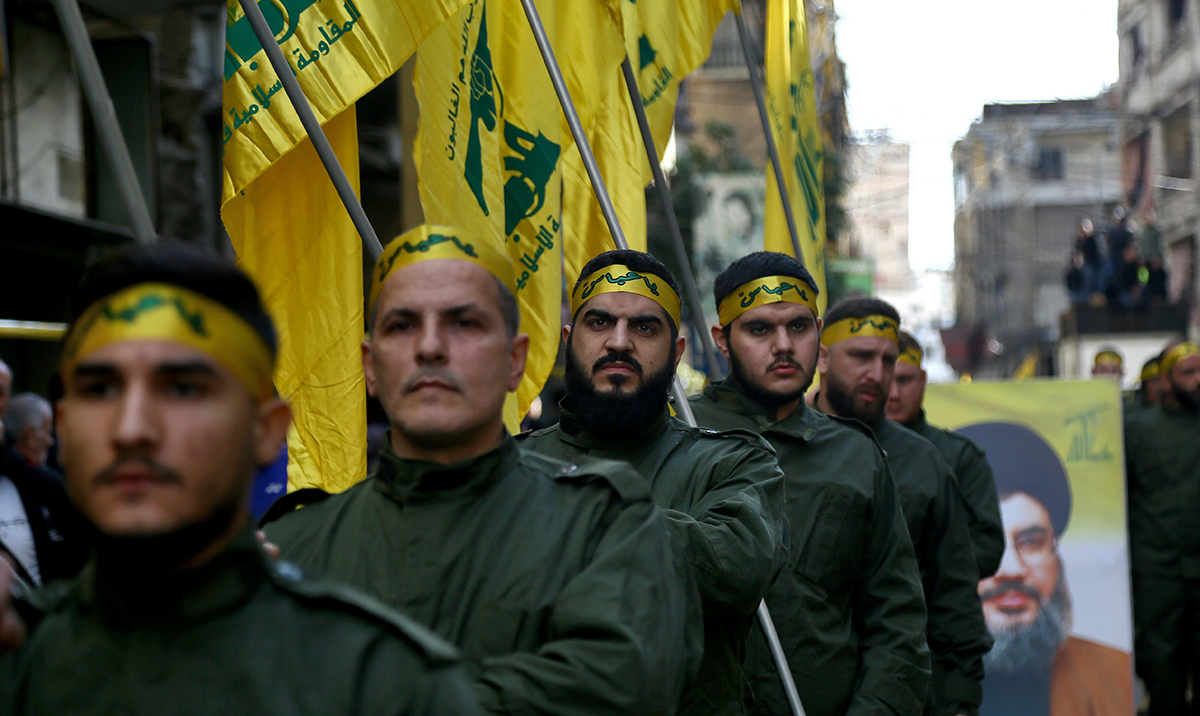
در جمهوری اسلامی ایران, این فرضیه وجود دارد که حمایت از سازمان حزب الله در لبنان, امنیت و قدرت بازدارندگی ایران را افزایش داده است. در عین حال, شواهد و قرائنی وجود دارند که نتایج انان برعکس این فرضیه را نشان می دهند.
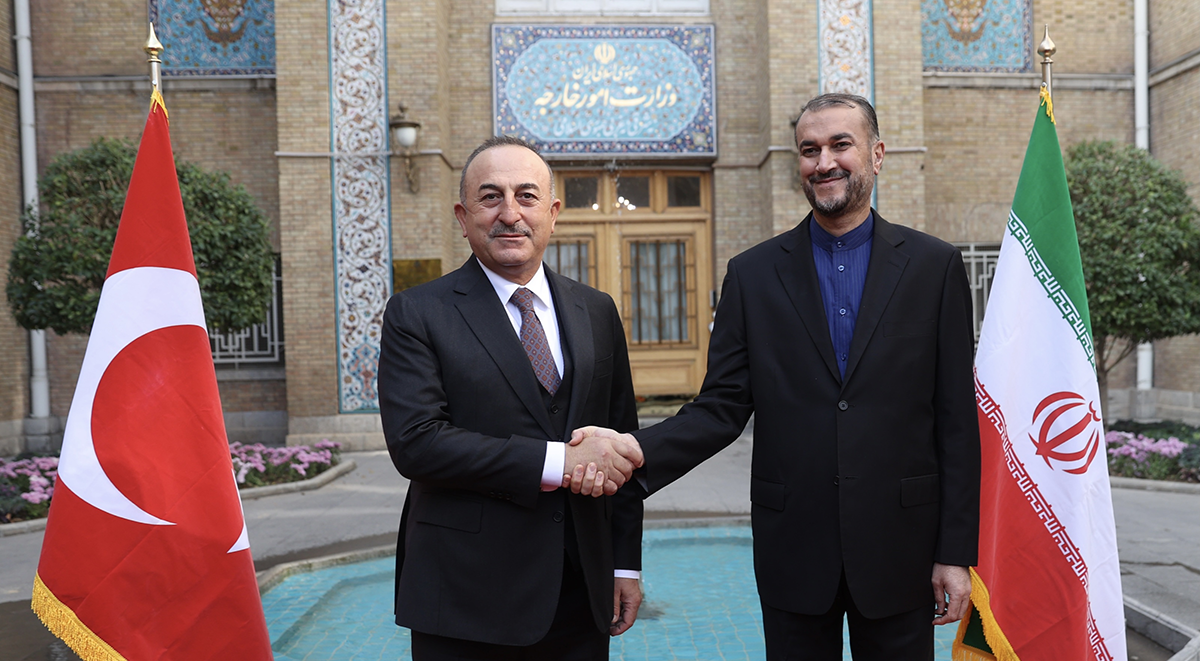
Iran, Turkey, and the future of the South Caucasus
Since late September 2021, Tehran and Baku have engaged in a process of de-escalation, largely focused on economic cooperation and regional transportation links. Such efforts should be welcomed, but underlying geopolitical tensions, especially the Iranian-Turkish competition for influence in the South Caucasus, can still derail them at any moment.
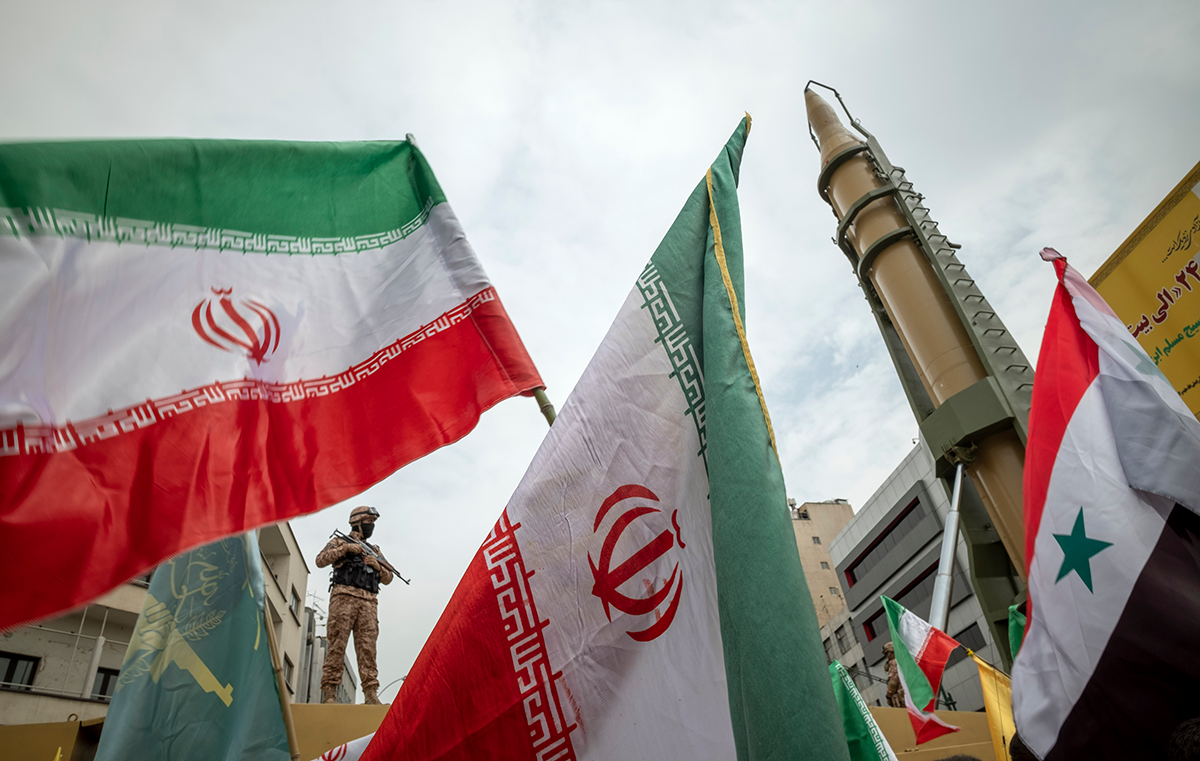
Iran’s Revolutionary Guard and the Rising Cult of Mahdism: Missiles and Militias for the Apocalypse
As the U.S. administration considers whether to remove Iran’s Islamic Revolutionary Guard Corps as a foreign terrorist organization, understanding its nature, development, and ideology is essential to making an informed decision. There is much about it that differentiates it from a conventional armed force. One fundamental aspect of its ideology that until now has been overlooked is the doctrine of Mahdism.