This text has been translated by AI and may contain errors.
Skip to Content

Research & Commentary Results

Filter by
1778 Results
بايدن بحاجة إلى الهدوء في العراق
  • Commentary
  • بايدن بحاجة إلى الهدوء في العراق

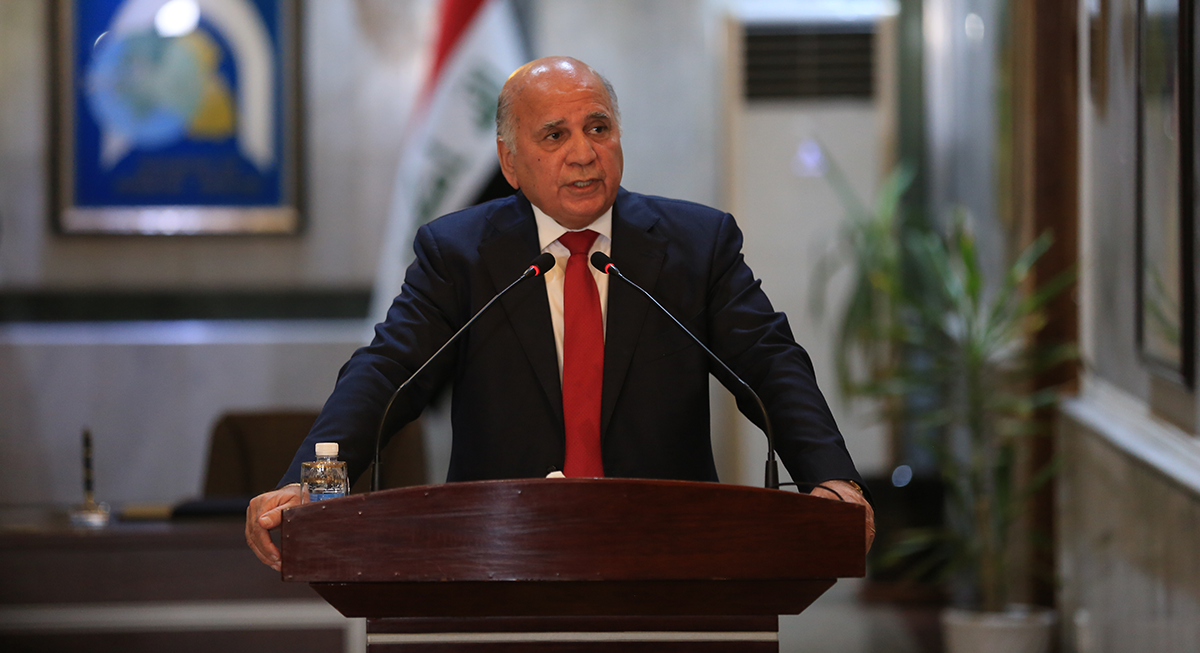
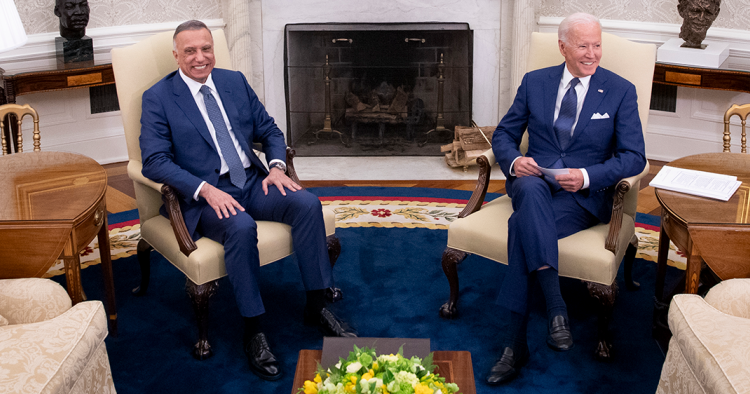
    لقاء الرئيس جو بايدن مع رئيس الوزراء العراقي مصطفى الكاظمي يوم الاثنين 26 يوليو/تموز لن يفتح آفاقًا جديدة، لكن الأمريكيين بدلًا من ذلك يحاولون إبراز الجوانب غير العسكرية للعلاقة الثنائية. ففي وزارة الخارجية الأمريكية في نهاية الأسبوع الماضي، قاد وزير الخارجية أنتوني بلينكن ووزير الخارجية العراقي فؤاد حسين فرقًا ناقشت التعاون المستمر في مجالات مثل الصحة العامة، حيث يدعم الأمريكيون جهود بغداد للتعامل مع تفشي فيروس كورونا. كما أعلن بلينكن يوم الجمعة الماضي عن مساعدات إنسانية أخرى بقيمة 155 مليون دولار للعراقيين النازحين داخليًا وكذلك لتجمعات اللاجئين العراقيين في الدول المجاورة.

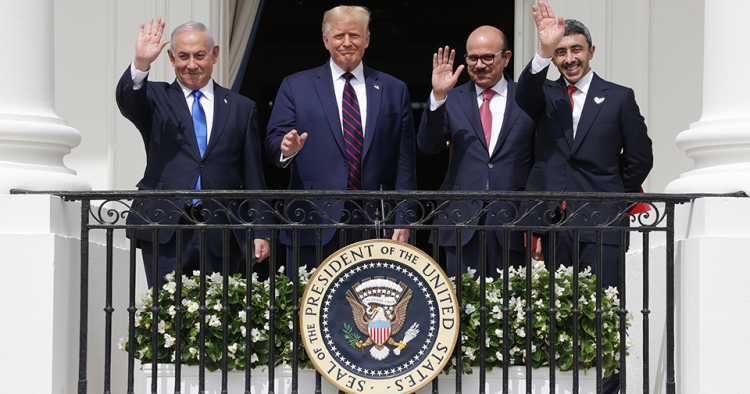
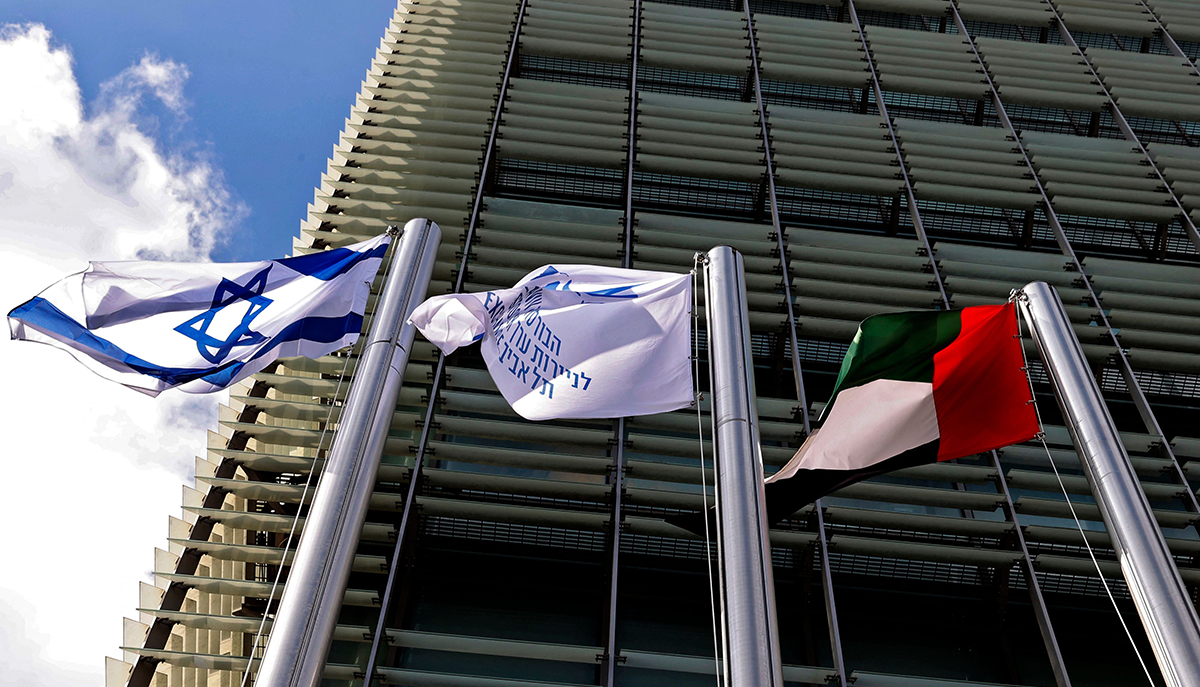
    An Indo-Abrahamic alliance on the rise: How India, Israel, and the UAE are creating a new transregional order
    Photo by JACK GUEZ/AFP via Getty Images
  • Analysis
  • An Indo-Abrahamic alliance on the rise: How India, Israel, and the UAE are creating a new transregional order

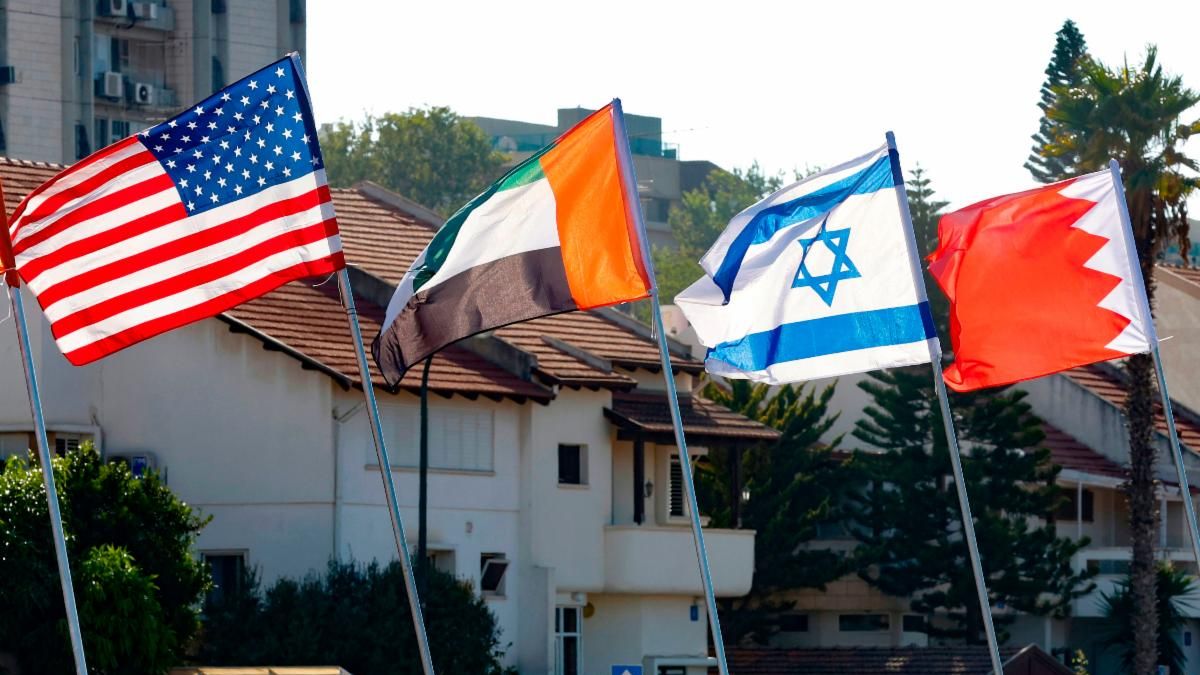
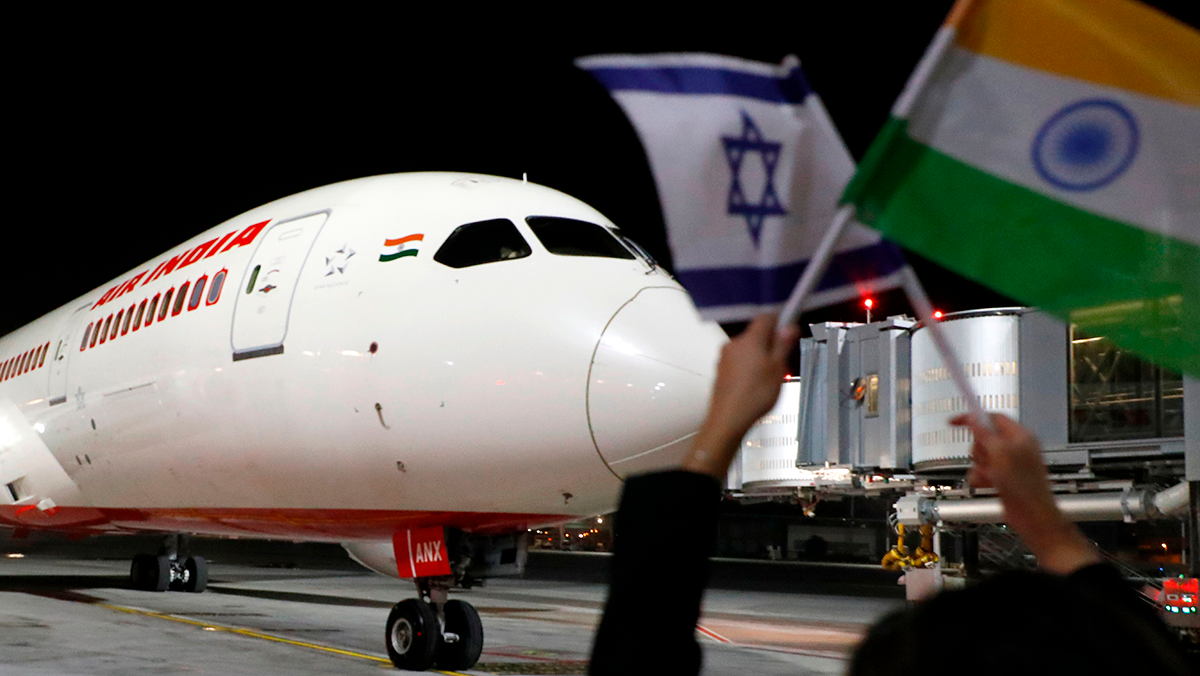
    There is a new and little noticed geostrategic alliance on the rise. India, Israel, and the UAE have had surface-level, transactional relations for a long time. However, last year’s normalization agreements between Israel and several Arab states — chief among them, the UAE — along with Turkey’s bid to return as the leader of a Muslim order and the growing distance between the UAE and Pakistan have created an unlikely and unprecedented “Indo-Abrahamic“ transregional order. This emerging multilateral pact may fill the gap the United States is leaving in the Middle East and has the potential to transform the region’s geopolitics and geoeconomics.

    Hezbollah’s Regional Activities in Support of Iran’s Proxy Networks
    Photo by Marwan Naamani/picture alliance via Getty Images.
  • Analysis
  • Hezbollah’s Regional Activities in Support of Iran’s Proxy Networks

    As a Lebanese actor ideologically tied to Iran, Hezbollah has multiple allegiances and objectives that do not always align symmetrically. Hezbollah’s regional activities are a reflection of the group’s increasingly close alignment with Iran, rather than the interests of the Lebanese state or citizenry. Today, Hezbollah’s regional adventurism is most pronounced in its expeditionary forces deployed in Syria and elsewhere in the region, but no less important are the group’s advanced training regimen for other Shi’a militias aligned with Iran, its expansive illicit financing activities across the region, and its procurement, intelligence, cyber, and disinformation activities. Together, these underscore the scale and scope of the group’s all-in approach to transforming from one of several Lebanese militias into a regional player acting at Iran’s behest.

    July 26, 2021

    A eulogy for Iraq’s democracy
    (Photo by Arshad Mohammed/Anadolu Agency via Getty Images
  • Analysis
  • A eulogy for Iraq’s democracy

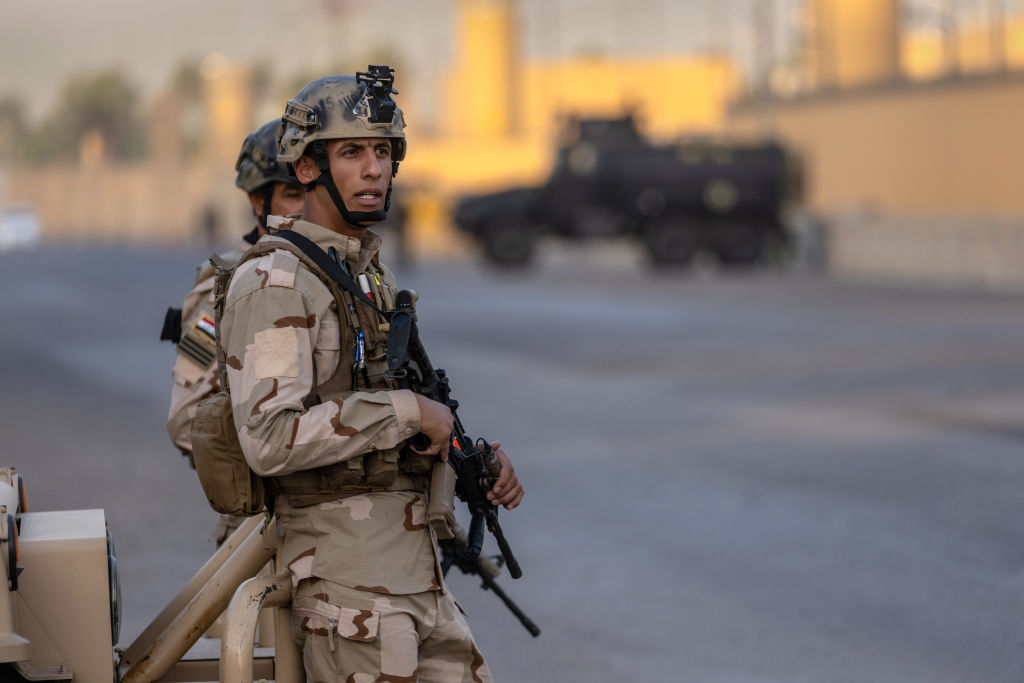
    The idea for writing this piece came late last Tuesday as feelings ran high — the author’s included — amid scenes of patients’ charred bodies being pulled out from what remained of a burned-out coronavirus isolation ward in Nassiriya. It was originally meant to be a eulogy for those lost to Iraq’s stubborn corruption and chronic mismanagement, but it has since become a eulogy for democracy in Iraq.

    July 20, 2021

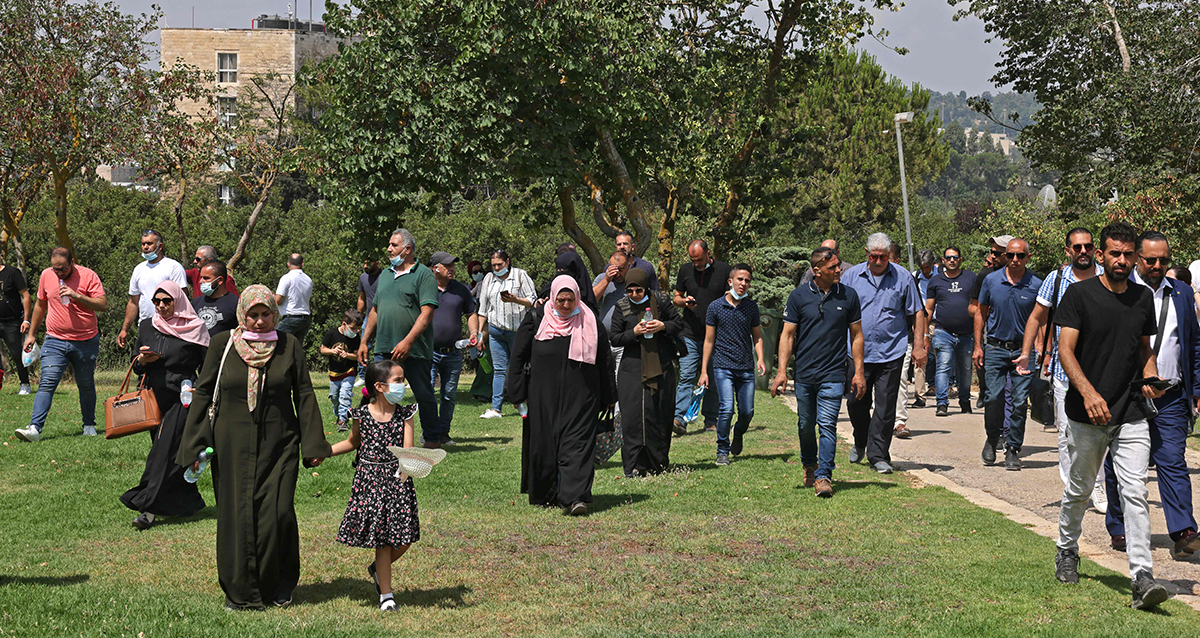
    Going back to school on Palestinian textbooks
    Photo by HAZEM BADER/AFP via Getty Images
  • Analysis
  • Going back to school on Palestinian textbooks

    It would be an understatement to say that the Georg Eckert Institute for International Textbook Research in Germany has written the book on how to analyze textbooks. The Institute has actually published many books — ones that are meticulous, detailed, and dispassionate. Now the Institute has published one more, this time on Palestinian textbooks.

    July 12, 2021

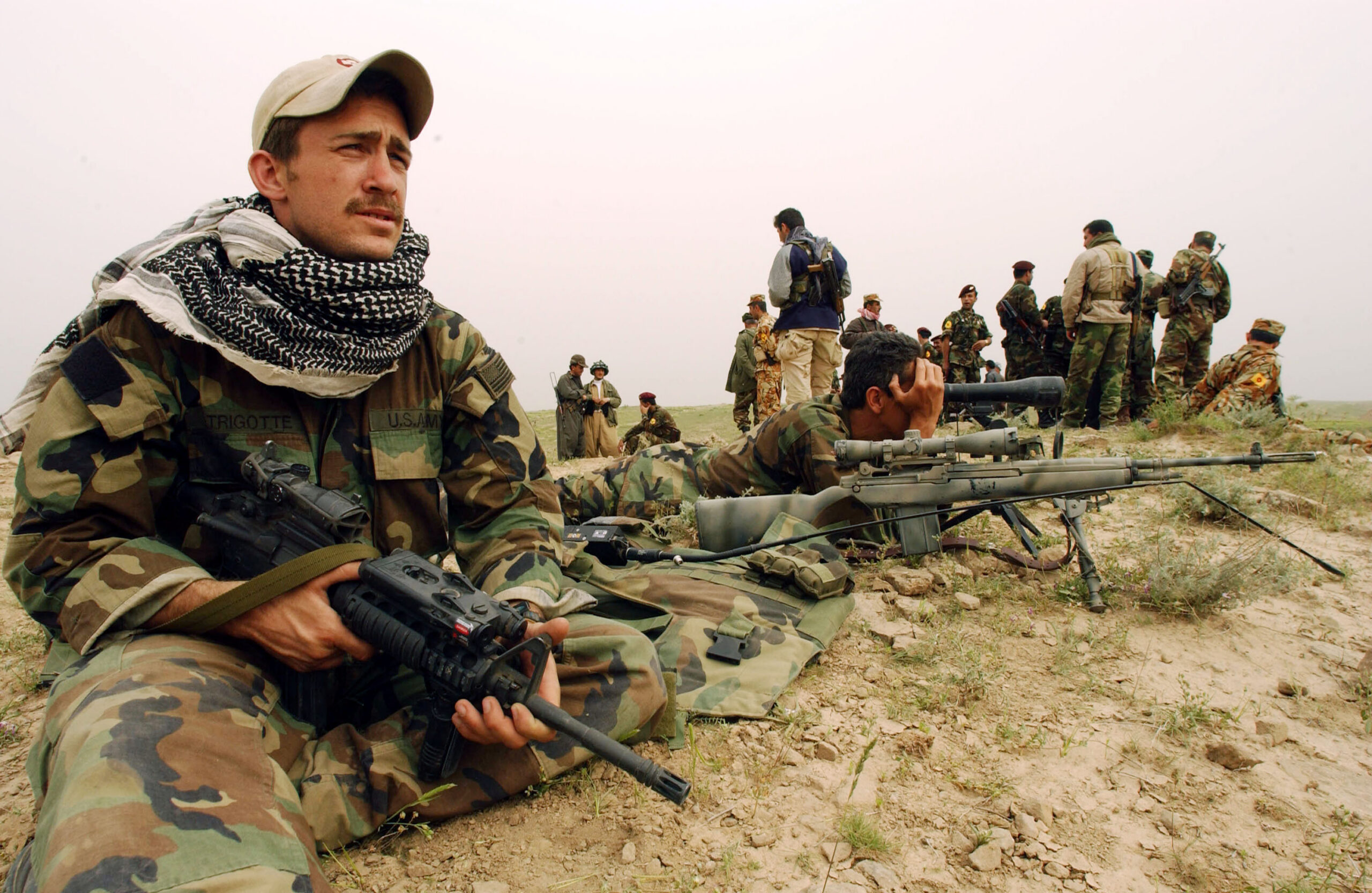
    The War at Home: The Need for Internal Security Sector Reform in Iraqi Kurdistan
  • Analysis
  • The War at Home: The Need for Internal Security Sector Reform in Iraqi Kurdistan

    The forces and agencies of Kurdistan’s Ministry of Interior and the Kurdistan Region Security Council, collectively referred to the Kurdistan Region Interior Forces, are now the region’s main security actors, but their role as instruments of partisan rivalry and enforcers of public loyalty to the political bureaus threatens the Kurdistan Region’s stability. This report makes the case that coalition security sector reform efforts should be refocused on them. Although Peshmerga reform is necessary to improve the Kurdistan Region’s ability to combat external threats, it is equally, if not more important to start the same reform within these internal forces and agencies to achieve durable stability.

    July 6, 2021

    الضربات الجوية الأمريكية على الميليشيات العراقية وخطر دوامة التصعيد
  • Commentary
  • الضربات الجوية الأمريكية على الميليشيات العراقية وخطر دوامة التصعيد

    مهما كانت شدة محاولات الحكومة العراقية لتوجيه البلاد بعيدًا عن الصراع الإيراني الأمريكي، فإن الميليشيات العراقية المدعومة من إيران ستظل تسحبها مجددًا لهذا الصراع

    June 29, 2021

    The promise and the pitfalls of Iraq’s tripartite New Mashreq
    Photo by AHMAD AL-RUBAYE/AFP via Getty Images
  • Analysis
  • The promise and the pitfalls of Iraq’s tripartite New Mashreq

    Sunday was a festive day in Baghdad. The last time Iraqis had received an Egyptian president 30 years ago, the region was gearing up for war and uncertainty as the late President Hosni Mubarak shuttled between Baghdad and Gulf capitals prior to Saddam Hussein’s invasion of Kuwait in 1990. The circumstances were quite different on June 27, when Egyptian President Abdel-Fattah el-Sisi and King Abdullah II of Jordan were given the red-carpet treatment at a tripartite summit marking the fourth meeting between the leaders of the three countries aiming to form a new regional alliance.

    June 29, 2021

    With Netanyahu gone, the Abraham Accords will not only survive, they might even flourish
    Photo by JACK GUEZ/AFP via Getty Images
  • Analysis
  • With Netanyahu gone, the Abraham Accords will not only survive, they might even flourish

    Some international concern has been voiced about the future prospects of the Abraham Accords under Israel’s new government. This stems from the perception that the normalization agreements Israel signed in 2020 with the UAE and Bahrain were the personal achievements of two former leaders — Donald Trump and Benjamin Netanyahu — and would not have happened without them. The question thus arises of whether the agreements can survive their departure from power. Not only will the Abraham Accords survive, they will now be able to flourish and reach new heights. Foreign Minister Yair Lapid’s statement that his first visit abroad will be to the UAE is a good indicator. 

    June 24, 2021

    The “Palestinian exception”: Social media censorship of Palestinian activism
    Photo by Gokhan Kurtaran/Anadolu Agency/Getty Images
  • Commentary
  • The “Palestinian exception”: Social media censorship of Palestinian activism

    In a landscape of suppression and retaliation against Palestinian journalists and activists at the hands of Israel, social media networks have been at once critical organizing platforms and tools for exacerbating censorship.

    June 23, 2021

    Games without Frontiers: Renegotiating the Boundaries of Power in Iraqi Kurdistan
  • Analysis
  • Games without Frontiers: Renegotiating the Boundaries of Power in Iraqi Kurdistan

    Over the past year, intensifying political and economic conflicts between the Kurdistan Region’s two hegemonic parties, the Kurdistan Democratic Party and the Patriotic Union of Kurdistan, have challenged the legal and institutional order in which the Kurdistan Regional Government operates. A new generation of leadership within the parties, a fraught relationship with the federal government, and a prolonged economic crisis have strained the relationship between the two parties to its breaking point.

    June 23, 2021