Iraq’s political jockeying continues as Baghdad-Erbil tensions flare up
The current state of affairs is a clear indication that the post-2003 system of apportionment of political posts on ethno-sectarian lines is no longer working.
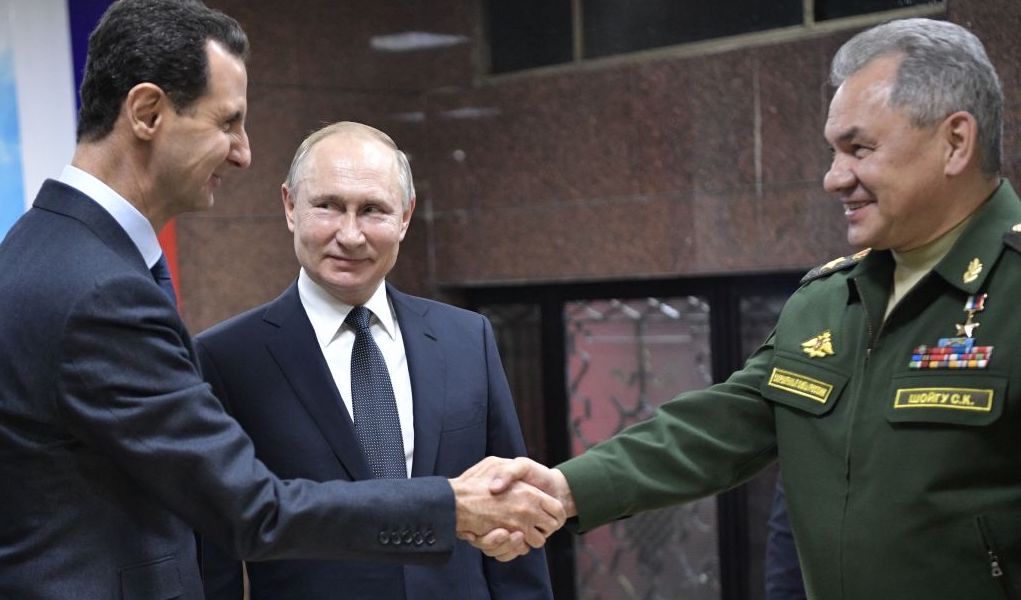
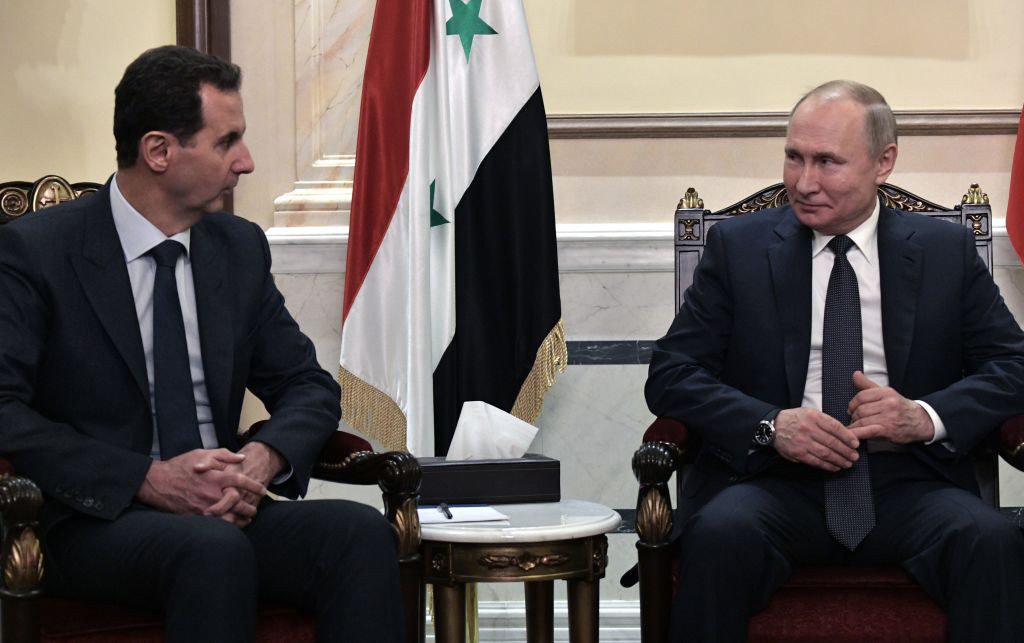
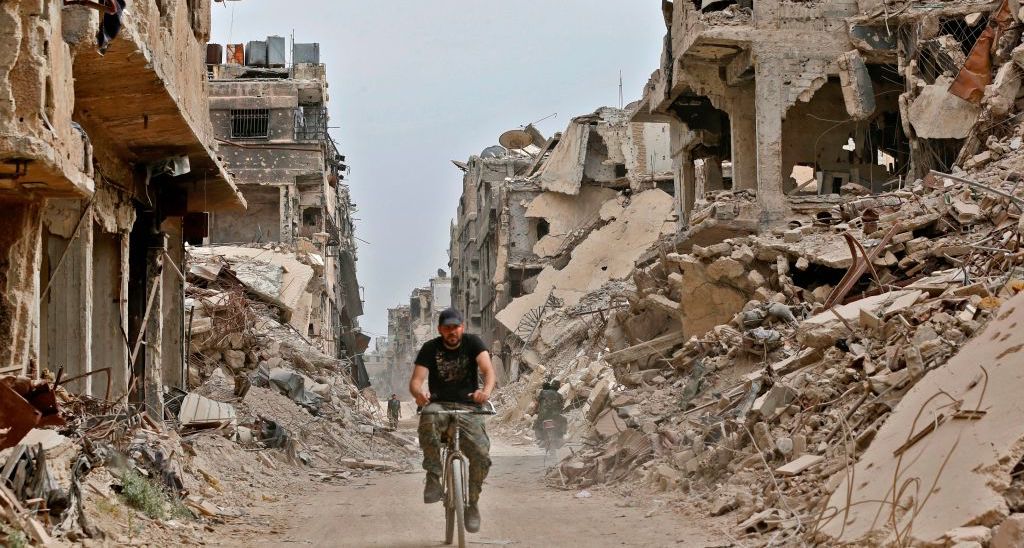
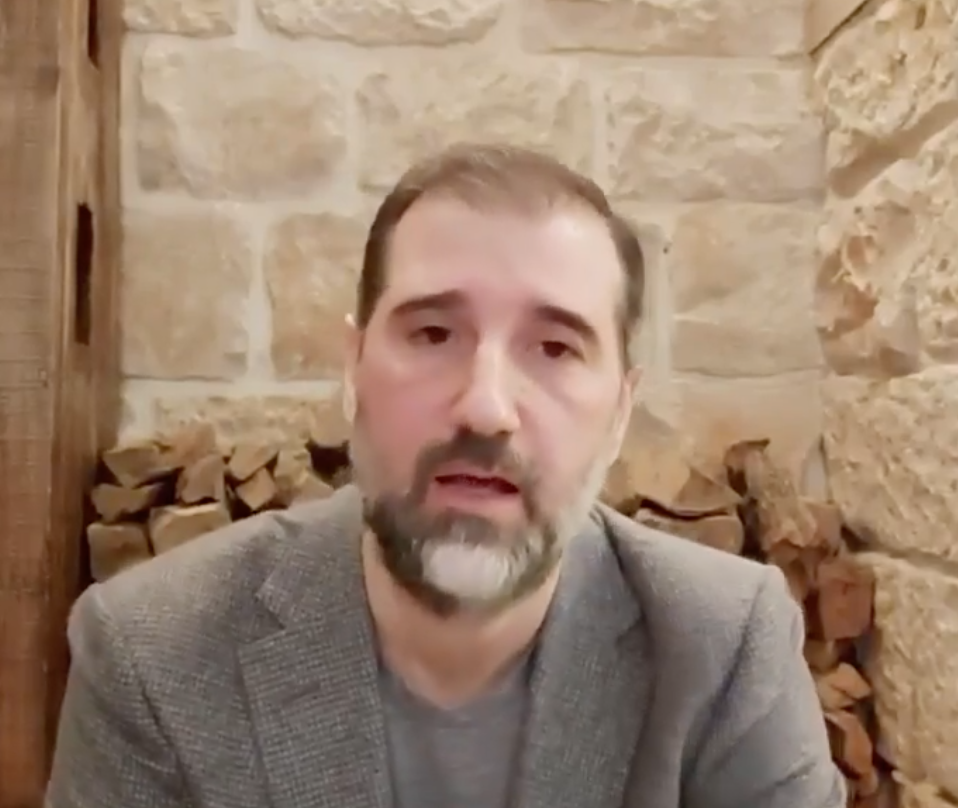
This precedent, along with the implementation of the Caesar Bill, guarantees the future isolation of the Syrian regime.
Basma El Husseiny (Action for Hope) and Samar El Yassir (Anera) join guest host Lyne Sneige to discuss the impact of the COVID-19 pandemic on refugee communities and the NGOs that work with them.
Officially, Syria has just 42 COVID-19 cases, all but one of them in regime-held areas, as testing capacity is almost non-existent elsewhere. The actual number is certainly higher, but there appear to be few severe cases at the moment. Yet, interviews with doctors and NGO workers conducted over the phone and via messaging apps across all areas of control in Syria — from regime-held areas and the northeast to Idlib and the Turkish-controlled region — paint a grim picture of a health care sector utterly unprepared for a pandemic.
MEI Distinguished Senior Fellow Joseph Votel, a retired four-star general in the Army and former commander of U.S. Central Command, joins host Alistair Taylor to discuss the challenges facing American forces in the Middle East today, from COVID-19 and ISIS to the turbulent situations in Iraq and Afghanistan.
As the protests have raged, the Iraqi government has implemented a new policy in its application of rules and regulations monitoring civil society organizations (CSOs). The militias’ violent response to the protests has been well-documented; however, the more covert attack on civil society threatens civic engagement among the population more broadly.
The spiritual cousin to the Shabandar Café — Baghdad’s literary heart that survived being bombed by extremists in 2007 — Mosul’s Book Forum is both an intellectual refuge and a laboratory for discussion and cultural expression.
When the American-backed Syrian Democratic Forces (SDF) captured the village of al-Baghouz in late
March 2019, ISIS’s self-proclaimed “caliphate” came to an end. The largest multinational military
coalition in modern history spent four-and-a-half years methodically rolling back ISIS’s control of an
expanse of territory the size of Britain, stretching across Syria and Iraq.
Immediately after the Syrian regime and its allies captured central Syria in late 2017, ISIS began waging an effective and deadly insurgency in the area. It first targeted urban centers along the western Euphrates before shifting focus in spring 2018 to the transport lines and mountains running along the M20 from Khunayfis to Shoula. These wide-ranging operations have killed a minimum of 860 pro-regime fighters of all ranks, units, and types. This report tracks self-reported regime losses in the region, as indicated on loyalist Facebook pages, community pages, and unit pages, from Nov. 10, 2017 through March 31, 2020.
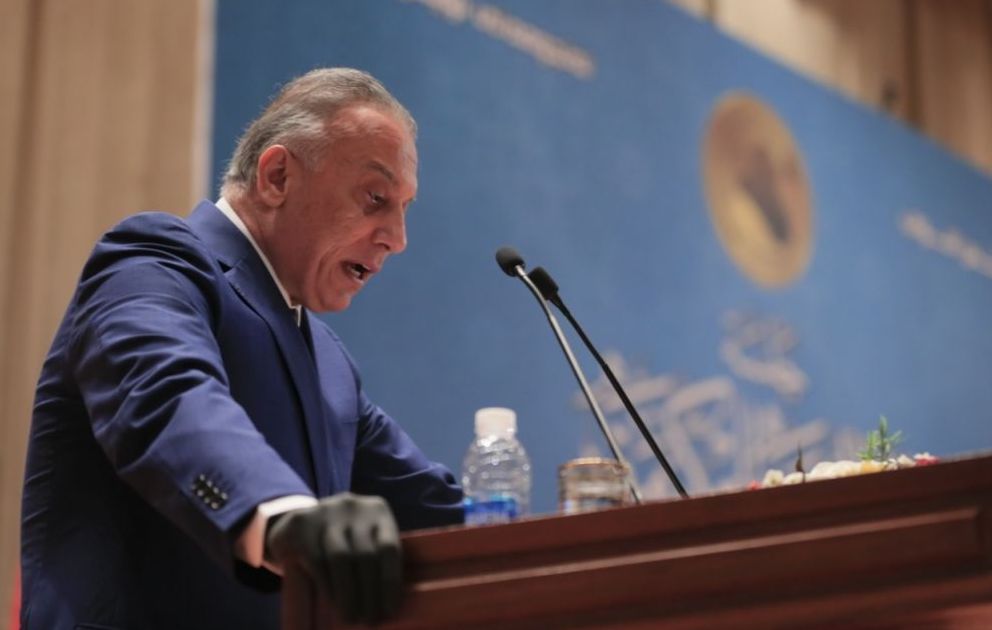
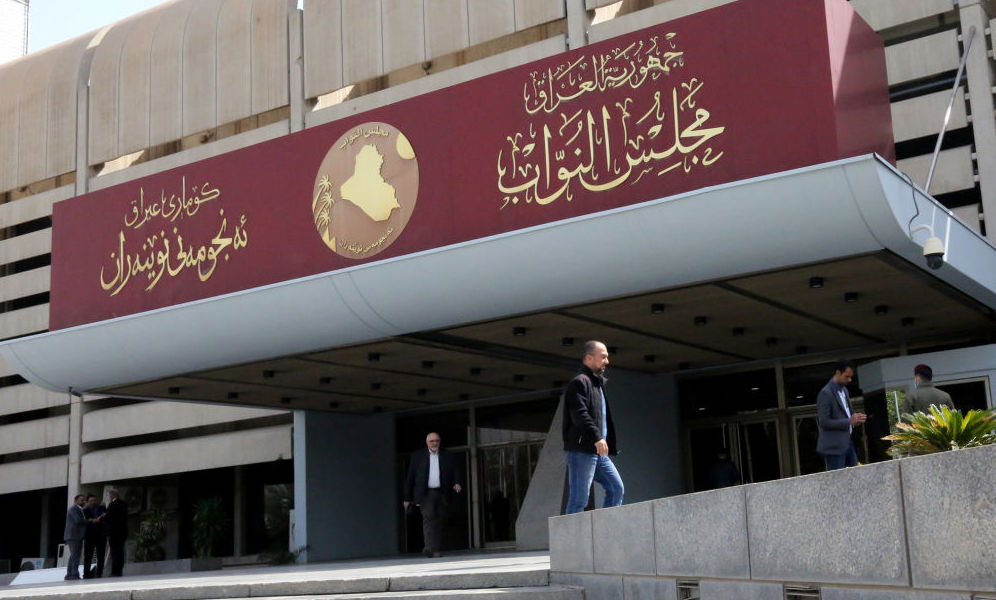
Despite his support, al-Kadhimi’s path to obtain confirmation of his cabinet from the Council of Representatives is riddled with challenges.
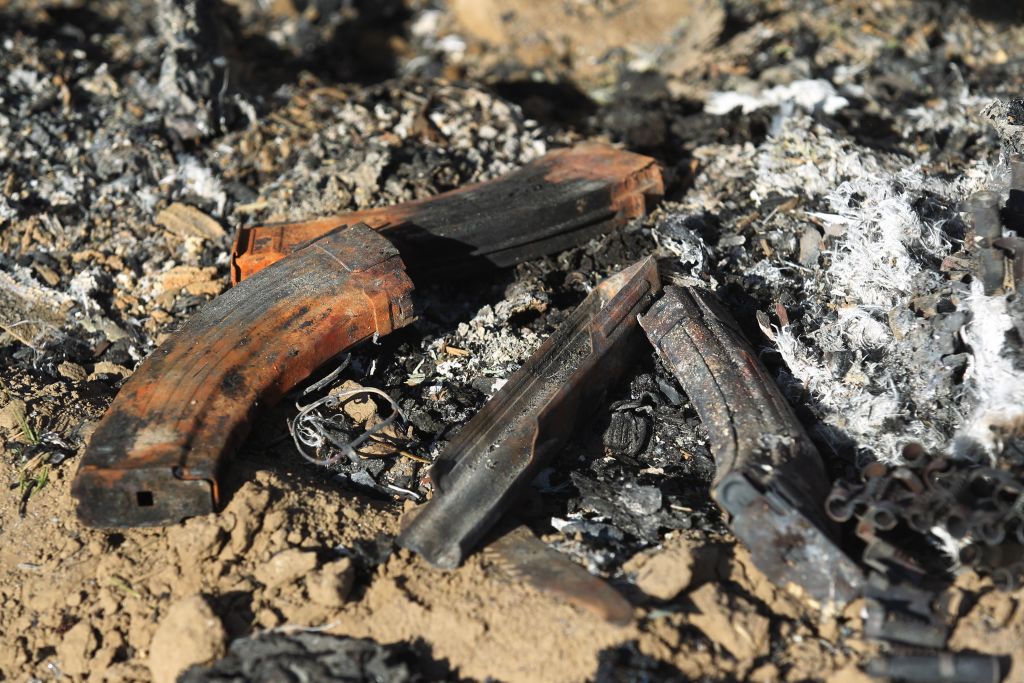
The ingredients that fueled ISIS’s explosive expansion in Syria in 2013-14 are not only still present today, they are worse.
US support for the Black Sea and the Middle East has been through several phases in recent years, with President Donald Trump’s generals having the biggest impact on policy change. While there has been increased engagement in the region, much more is needed from the US – as well as NATO and the EU – to ensure Black Sea security.
The Islamic Republic’s unconventional alliance network reaches far and wide, and its workings have only intensified since the killing of Gen. Qassem Soleimani in early January 2020. The systematic effort to consolidate these alliances, indicated by the swift appointment of Gen. Esmail Qaani and his new deputy Gen. Mohammad Hosseinzadeh Hejazi to lead the Quds Force, is about much more than just retaliation and revenge against the United States. It is also, and perhaps more importantly, a calibrated response to the Trump administration’s reckless and escalatory changes to the established “rules of engagement” between Washington and Tehran.
Blurring the lines between the physical world and the online one, the Iranian group known as the “Nakhsa Warriors” remains cloaked in mystery. Their identity and status are unclear. Are they a military force that carries out operations, an online group of like-minded individuals that share content, part of an Iranian disinformation campaign — or perhaps something else altogether?
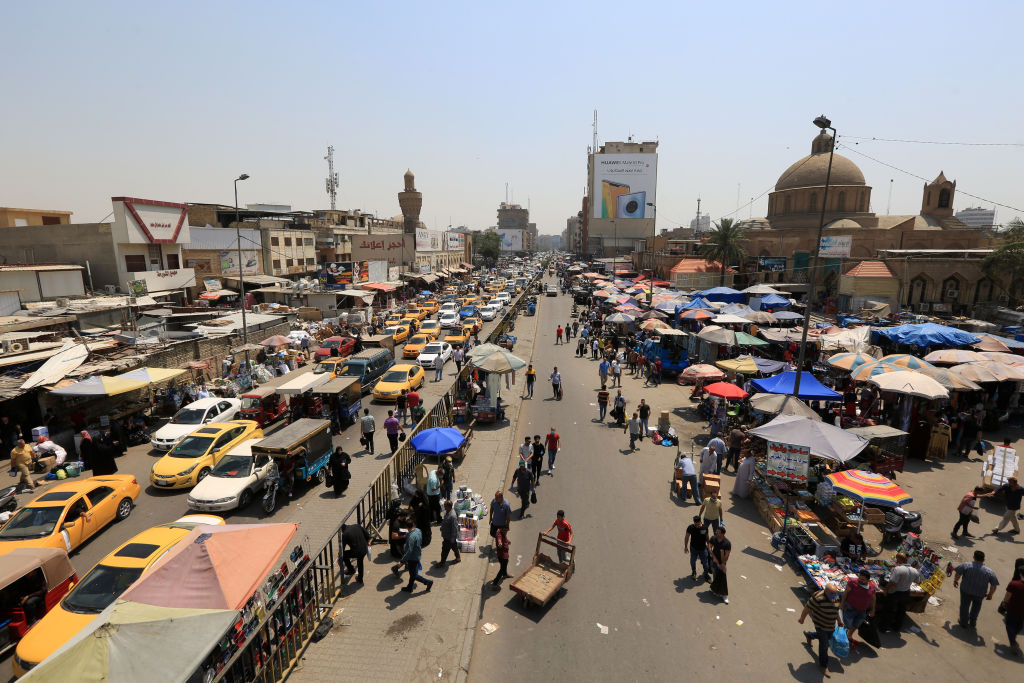
The different scenes in Baghdad tell the tale of a future that will, at the very least, present serious challenges, and at the worst could become chronically violent.