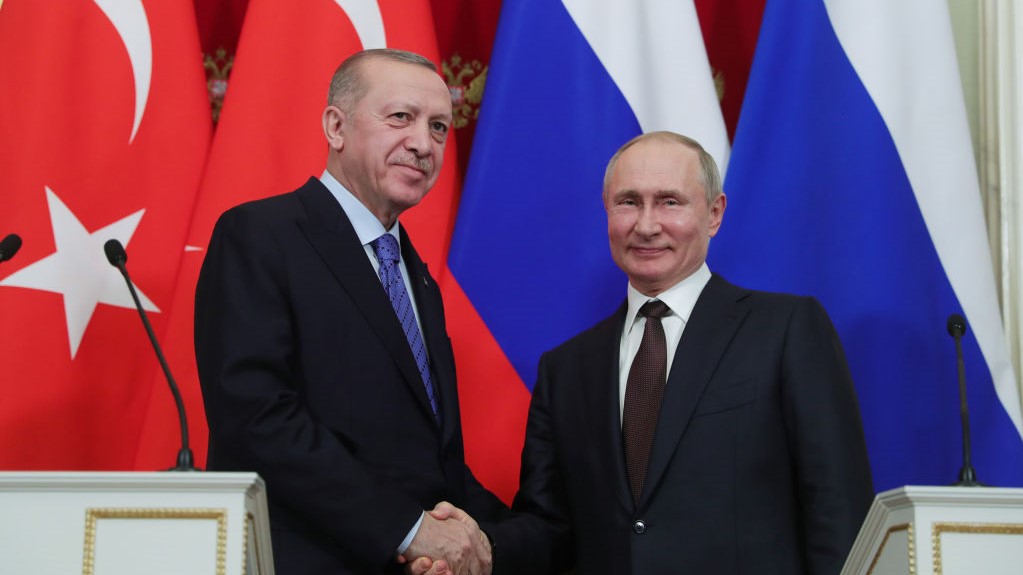
Turkey and Russia agree to a cease-fire in Idlib, but will it hold?
In the past, similar cease-fire agreements ended shortly after they were announced and were followed by more fierce fighting that further consolidated the regime’s control.
All eyes on Moscow as Erdogan and Putin meet for Syria talks
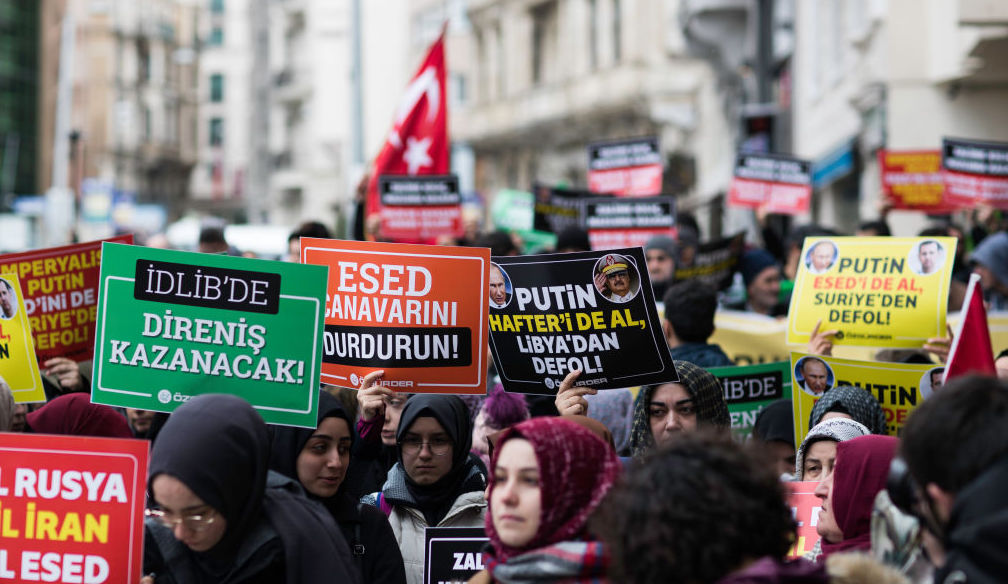
Turkish President Recep Tayyip Erdogan typically never misses an opportunity to appear in front of the cameras. But after the airstrike last week that killed dozens of Turkish soldiers in Syria’s Idlib Province, he was unusually quiet. The local governor of the south-eastern Turkish province of Hatay, just across the border from Idlib, did the talking instead, providing information to the outraged public about Turkey’s worst day in the Syrian conflict so far. As the death toll rose, so did the public anger.
Running around in circles: How Saudi Arabia is losing its war in Yemen to Iran
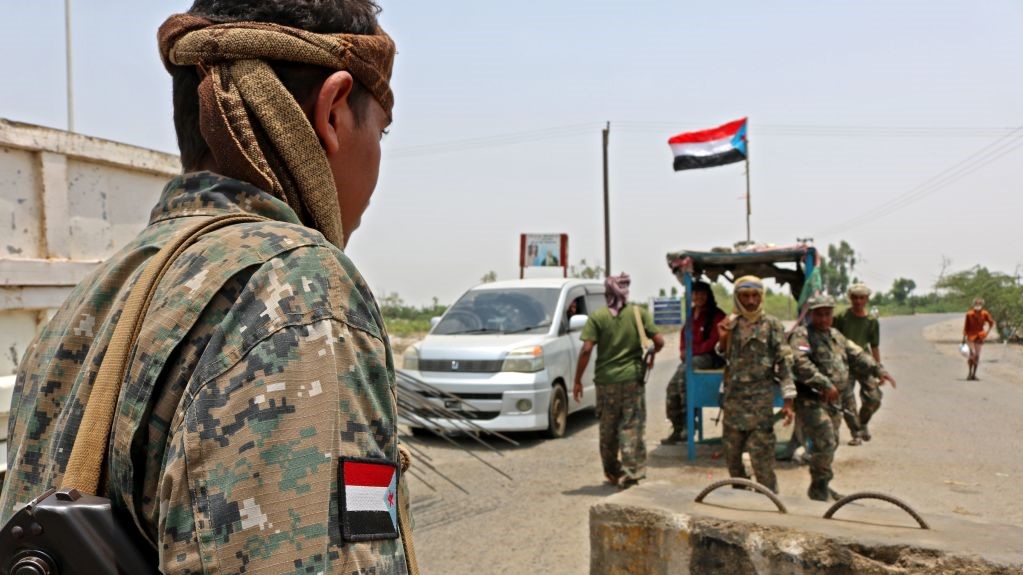
On March 1, the Iran-backed Houthis took control of the city of al-Hazm, the capital of al-Jawf Province, after weeks of fierce clashes with local tribes and Yemeni government forces. Incompetence, lack of unified leadership, and the absence of a military strategy by the Yemeni government and the Saudi-led coalition have played into the hands of the Houthis.
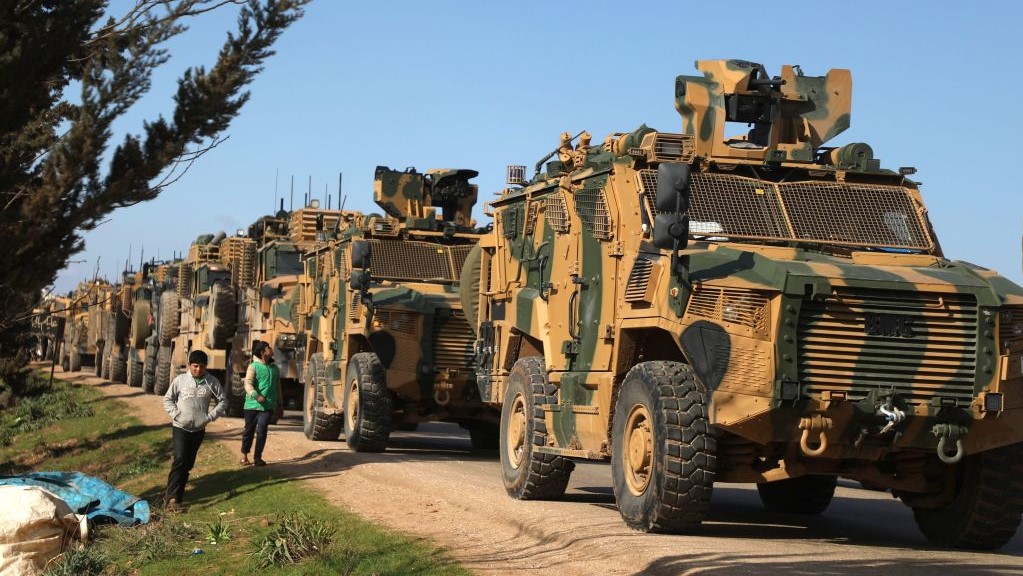
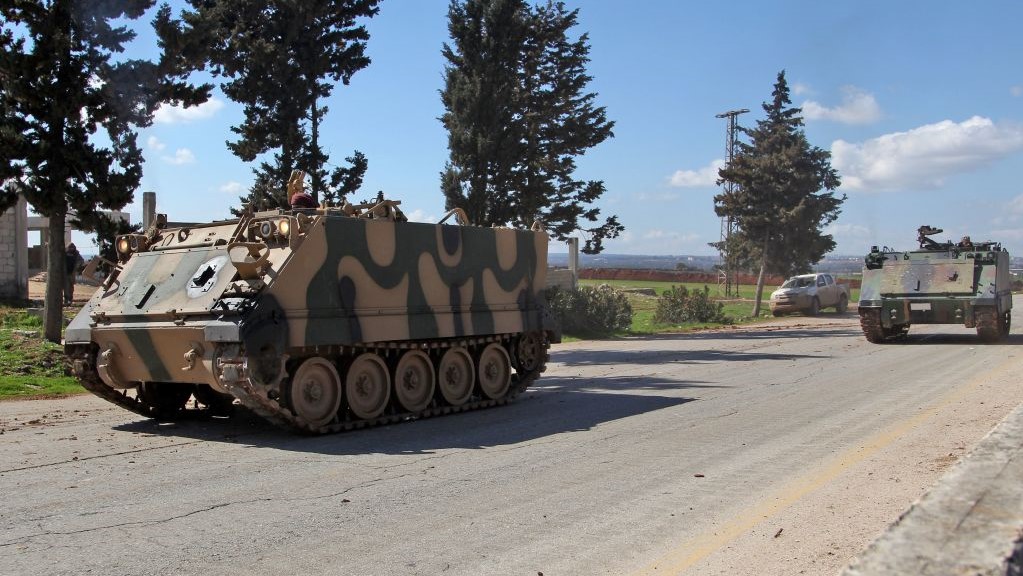
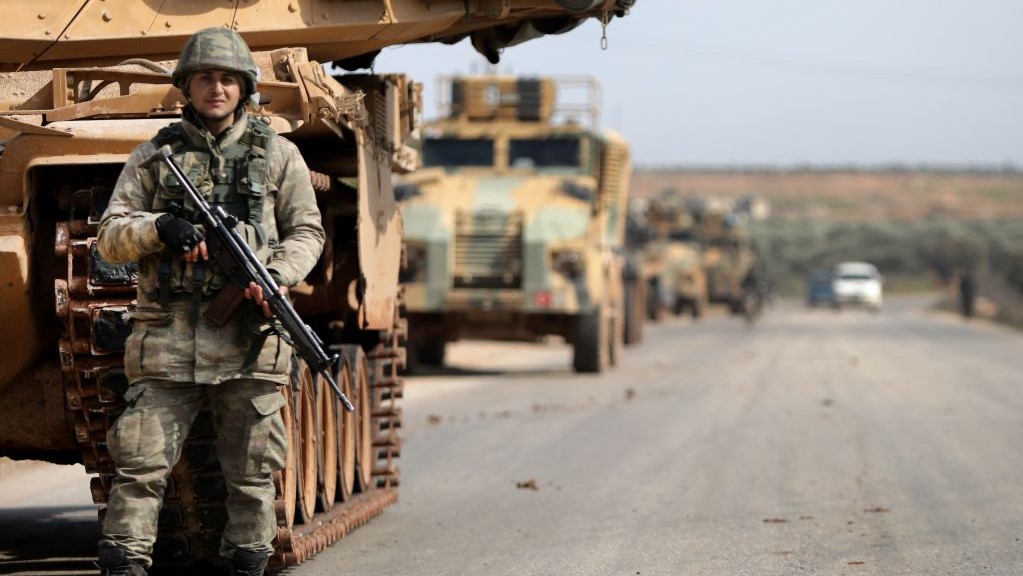
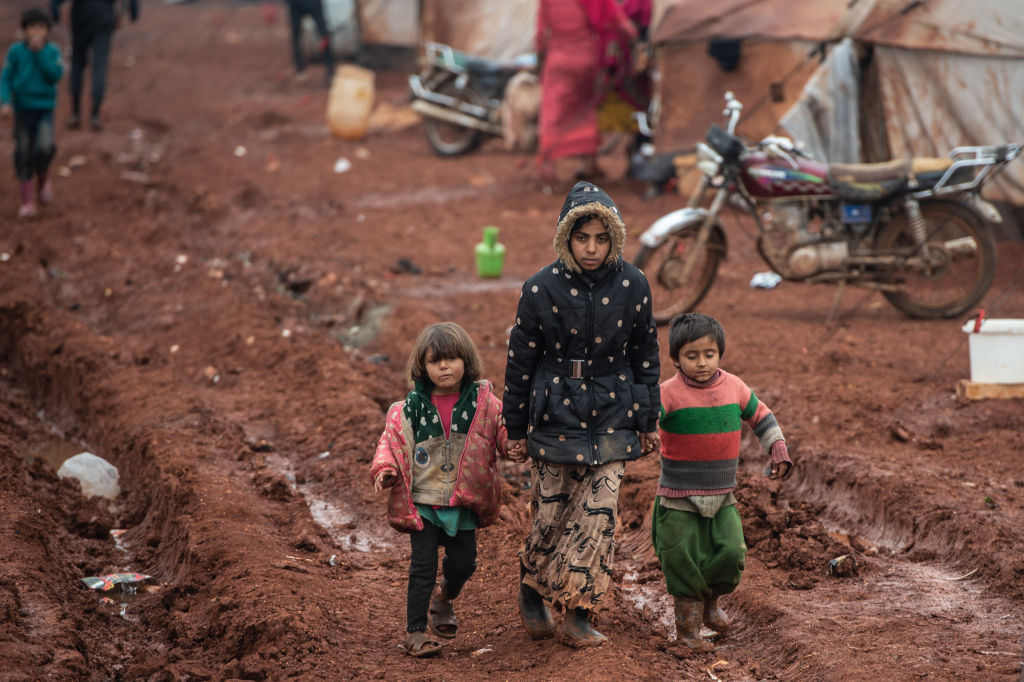
An airstrike last Thursday, which killed 33 Turkish soldiers and wounded 60 more, was a game-changing development in the Syrian conflict. In the days since, Turkey has unleashed a major military response, carrying out scores of drone attacks on Syrian Army units and facilities. All of this is taking place against the backdrop of a massive and growing humanitarian crisis, with nearly a million people fleeing toward the Turkish border. Charles Lister and Sasha Ghost-Siminoff join host Alistair Taylor to discuss how events are unfolding.
As its air campaign in Idlib continues, Turkey looks unlikely to stand down
The scale of Turkey’s intervention will have shaken Moscow and the losses incurred by pro-regime forces are serious and will further strain a Syrian Army that was already overstretched.
Turkey is running out of options in Idlib Province and in Syria. Aggressively taking on a task that is beyond its capabilities, the government in Ankara now is faced with doubling down on a high-risk gamble, hoping someone, somewhere will believe its bluff, or saving Turkey and the area from worse destruction. There are two things the U.S could do, working together with the EU, NATO, and the UN.
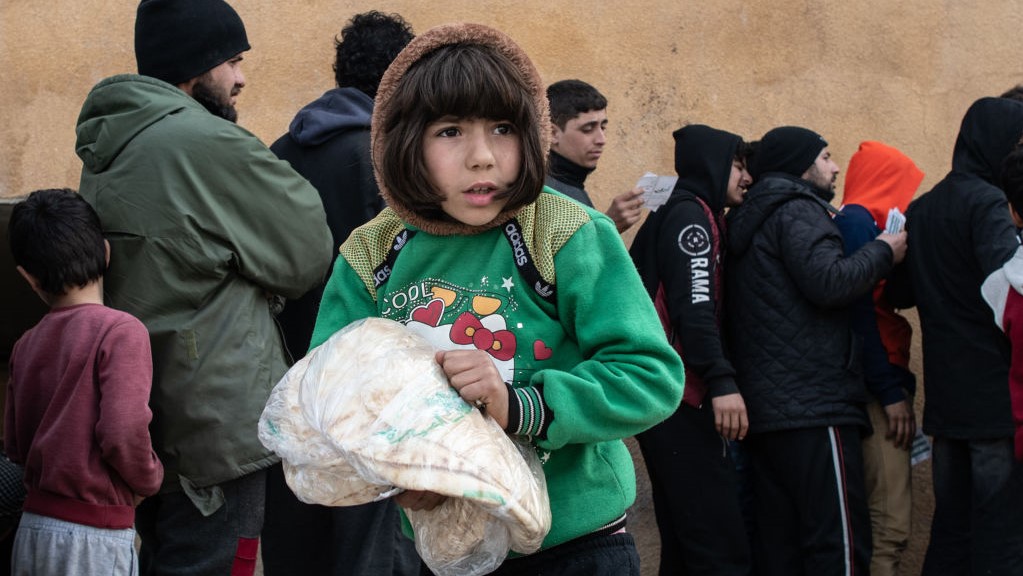
“People can’t even afford to buy bulgur”: Discontent is on the rise as Syria’s economic crisis worsens
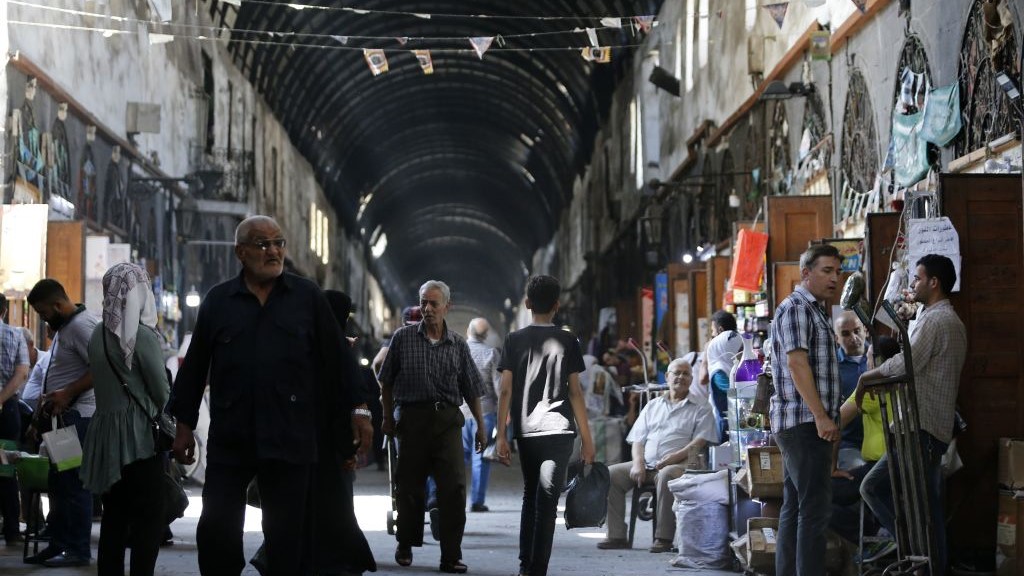
The latest economic crisis in Syria is hitting the population hard. Syrians have been beset by currency depreciation, soaring prices for basic goods, and energy shortages that have left people to freeze in the harsh winter, leading to growing and increasingly vocal discontent.
A wake-up call: The Idlib crisis and its effects look set only to worsen
The death of at least 33 Turkish soldiers and wounding of 60 more in Syria’s Idlib on Thursday night was a game-changing development. The crisis there and its effects represent an existential threat to Turkish President Recep Tayyip Erdogan and for now, it appears likely that Turkey will remain alone in dealing with the crisis. That presents us with two possible scenarios, both bleak. If the world wants to avoid a true nightmare from becoming reality, it needs to wake up and get engaged.
If the West leaves Idlib to Russia and Assad, it won’t be only Syrians who pay the price
If Assad and the Russians are not reined in and are instead allowed to conquer Idlib — and the more than three million people trapped there — the results could be catastrophic, leading to massive displacement and loss of life.
The UAE may have withdrawn from Yemen, but its influence remains strong
On Feb. 9, 2020, after five years of involvement in Yemen’s civil war as part of the Saudi-led coalition, the UAE’s leadership celebrated the completion of its phased military withdrawal from the country in a ceremony at Zayed Military City. Although the UAE’s withdrawal has provided an exit strategy from the stalemate in Yemen, it neither suspends Abu Dhabi’s role in the coalition nor curtails Emirati influence on the ground.
Obstacles to the implementation of the Riyadh Agreement
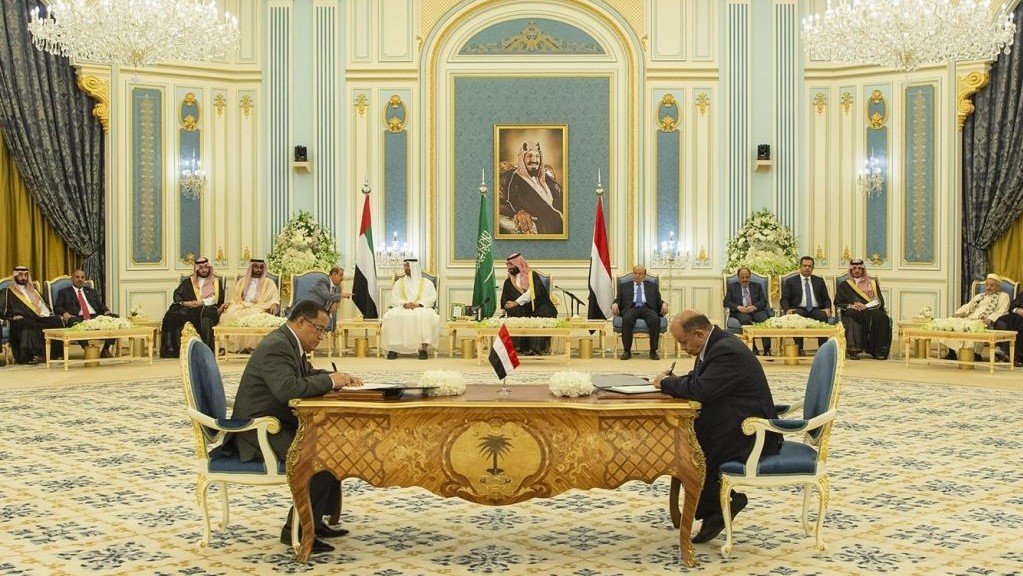
Now that all of the implementation deadlines have come and gone, where do things stand with the Riyadh Agreement, signed in late 2019 by Yemen’s Hadi government and the Southern Transitional Council?
Why Erdogan can't afford to back down over conflict with Assad and Russia
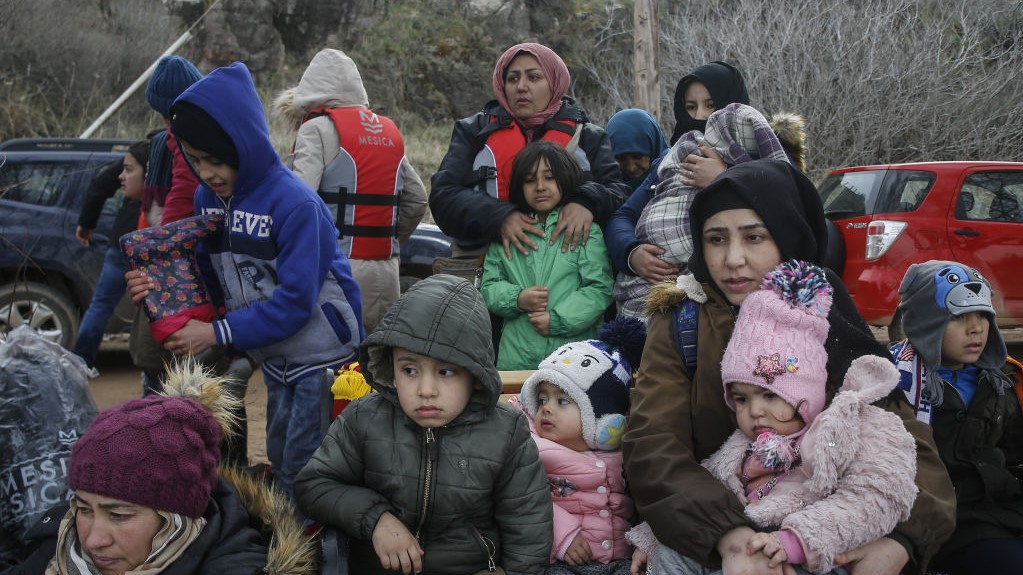
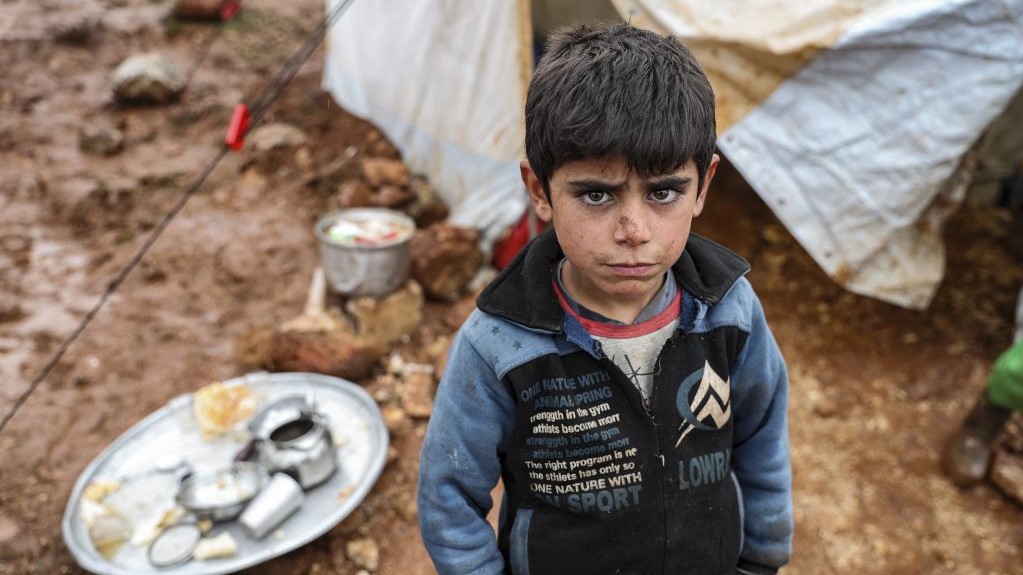
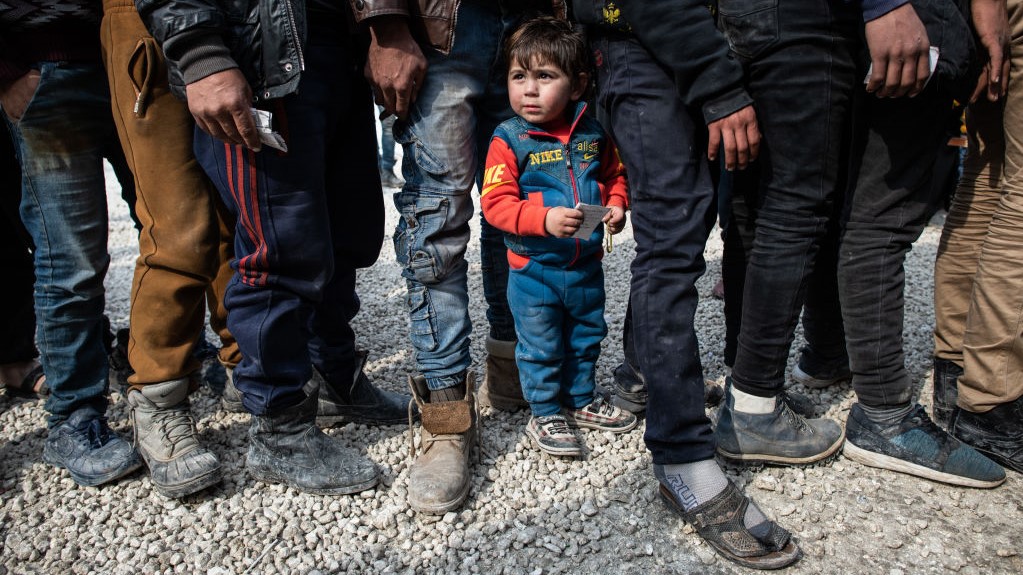
Nearly a million civilians, 81 percent of them women and children, have been displaced from their homes in 90 days in Syria’s northwestern province of Idlib, amid a brutal military campaign by Syria’s Assad regime, Russia and Iran-backed militias.