تمت ترجمة هذا النص بواسطة الذكاء الاصطناعي وقد يحتوي على أخطاء.
تخطي إلى المحتوى

Research & Commentary Results

تصفية حسب
764 Results
Vulnerabilities and Resistance to Islamist Radicalization in India
  • التحليل
  • Vulnerabilities and Resistance to Islamist Radicalization in India

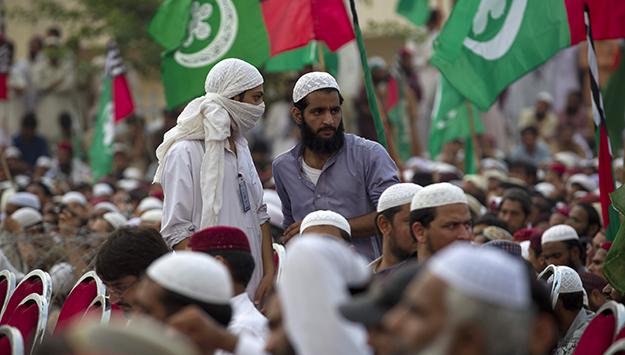
    India has long remained an enigma within the discourse on the Islamist extremism and terrorism that have afflicted widening areas of the world. The emergence of the Islamic State (ISIS) and its appeal to significant numbers of radicalized Muslims have highlighted ambiguities surrounding the role of these ideologies in India. Fighters from at least 82 countries are said to have joined ISIS. Western countries with tiny Muslim populations and long-standing programs intended to counter the trends toward radicalization of Muslims have found that scores—even hundreds—of their citizens are involved in the fighting in Iraq and Syria. By comparison, India, with a Muslim population of about 176 million (well over twice the total population of Europe), has seen an estimated 18 radicalized Muslims join ISIS in Iraq-Syria.
    January 12, 2015

    Report: Sunni Deobandi-Shi'i Sectarian Violence in Pakistan
  • التحليل
  • Report: Sunni Deobandi-Shi'i Sectarian Violence in Pakistan

    In both general and more informed discussions in Pakistan and beyond, sectarian violence in Pakistan between Sunni and Shi‘i groups is almost without exception referred to simply as Sunni-Shi‘i violence. But such a characterization is a misnomer. Two of Pakistan’s three major Sunni subsects, the Ahl-e-Hadis, and to a lesser extent, the Barelvis, may have antipathy toward the Shi‘a, but rarely express such sentiments through violent activity.

    December 11, 2014

    Iran-Pakistan: Will Border Tensions Boil Over?
  • التحليل
  • Iran-Pakistan: Will Border Tensions Boil Over?

    This article was first published on BBC News.

    There have been a number of rounds of border skirmishes between Iran and Pakistan since the first week of October. However, reports that Pakistani forces have returned mortar fire is highly unusual and represents an increase in tensions that have marred this region for years.

    Pakistan's Political Turmoil: Interview with Dr. Marvin Weinbaum
  • التحليل
  • Pakistan's Political Turmoil: Interview with Dr. Marvin Weinbaum

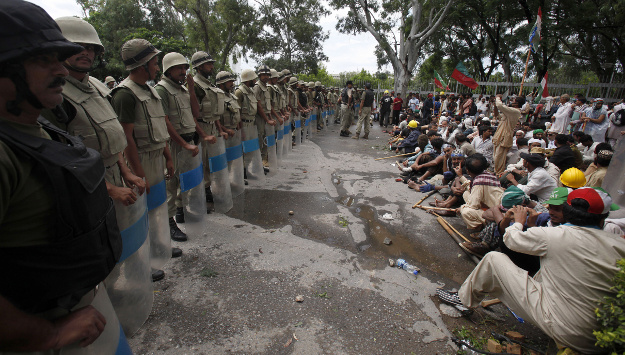
    The crisis in Pakistan is coming to a head. Of course it’s been building since the 15th of August, but now we’re faced with a situation in which this government is either going to survive or, very likely, were going to see a military takeover.

    The big question is where does the military stand, because everybody realizes that ultimately the outcome will depend on what the military is willing to accept or, indeed, what the military wants.

    The Quest to Eradicate Polio in Pakistan
    معهد الشرق الأوسط
  • التحليل
  • The Quest to Eradicate Polio in Pakistan

    Pakistan is only one of three countries—the others being Afghanistan and Nigeria—in which polio has never been eradicated. Polio in Pakistan has been a particular worry recently, with a disturbing spike in cases. According to the World Health Organization (WHO), 61 out of 77 cases of polio reported worldwide from January through mid-May 2014, or 79 percent, were in Pakistan.[1]

    May 29, 2014

    Kuwait: At the Crossroads of Change or Political Stagnation
  • التحليل
  • Kuwait: At the Crossroads of Change or Political Stagnation

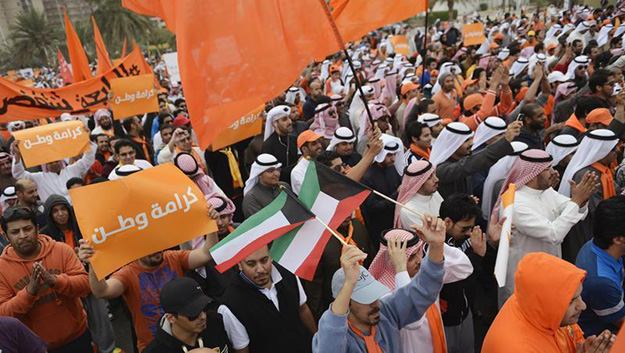
    Though Kuwaitis have been striving for change, particularly since 2011, their country’s political structures remain more or less unaltered.  Yet change is inevitable, writes Shafeeq Ghabra in this MEI Policy Paper. At issue is a semi-democratic system that has proven ineffective at dealing with problems such as government mismanagement, corruption, a lack of economic transparency, and inequality toward tribes and undocumented immigrants.

    May 20, 2014

    Ukraine and the Middle East
    معهد الشرق الأوسط
  • التحليل
  • Ukraine and the Middle East

    Introduction

    The political crisis in Ukraine and subsequent annexation of Crimea by Russia have sent reverberations throughout the Middle East, where Western and Russian influences continue to weave a complex geopolitical web. MEI interviewed four of its scholars to produce this detailed account of the challenges the conflict poses to the region’s political, security, and economic conditions.

    March 27, 2014

    Will Punishing Musharraf Be Good for Democracy?
  • التحليل
  • Will Punishing Musharraf Be Good for Democracy?

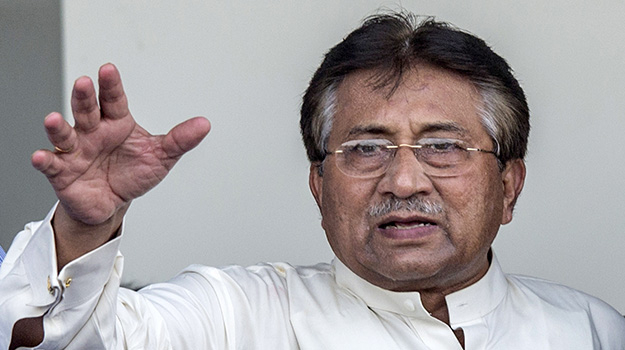
    After weeks of delay tactics by his lawyers, former military ruler Pervez Musharraf could be indicted in early February by a special court in Pakistan for high treason. If he is indicted, Musharraf will be the first serving or retired general in Pakistan’s history to face this particular ignominy.

    February 3, 2014

    The Necessity of Karez Water Systems in Balochistan
    معهد الشرق الأوسط
  • التحليل
  • The Necessity of Karez Water Systems in Balochistan

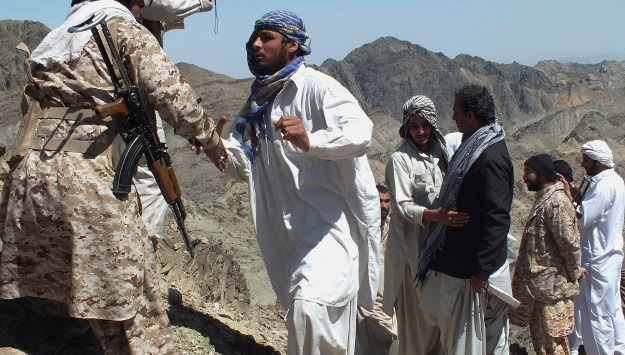
    Land is infinite in Balochistan. It is the one place in South Asia where if you ask someone how much land they have, they will generally have no idea. Instead, it is water that matters. In Balochistan, social station is not determined by landholdings but by the size of one’s share of water in a karez. These manmade underground channels passively tap groundwater and provide the lifeblood of villages at the valley floor.

    January 17, 2014

    Turkey-Pakistan Security Relations since the 1950s
    معهد الشرق الأوسط
  • التحليل
  • Turkey-Pakistan Security Relations since the 1950s

    The initial impulse for Pakistan and Turkey to pursue security cooperation stemmed from their common opposition to Communism in the 1950s. Over the past decade, Pakistan and Turkey have once again sought to cooperate in the security sphere, this time in countering terrorism and ensuring stability in Afghanistan.

    November 25, 2013

    The Tortuous Route of the U.S.-Afghan Security Pact
  • التحليل
  • The Tortuous Route of the U.S.-Afghan Security Pact

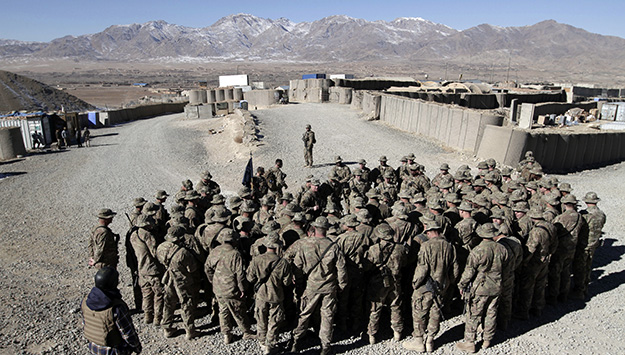
    Yesterday, the United States and Afghanistan completed a bilateral security pact ensuring that U.S. troops will remain in the country. It now goes to a council of elders—the loya jirga—for authorization. MEI spoke with Scholar-in-Residence Marvin Weinbaum about the pact’s sticking points, next steps for its approval, and what each country gains from the agreement.

    What does the U.S.-Afghan security pact stipulate?