Against Ontologies of Hospitality: About Syrian Refugeehood in Northern Lebanon
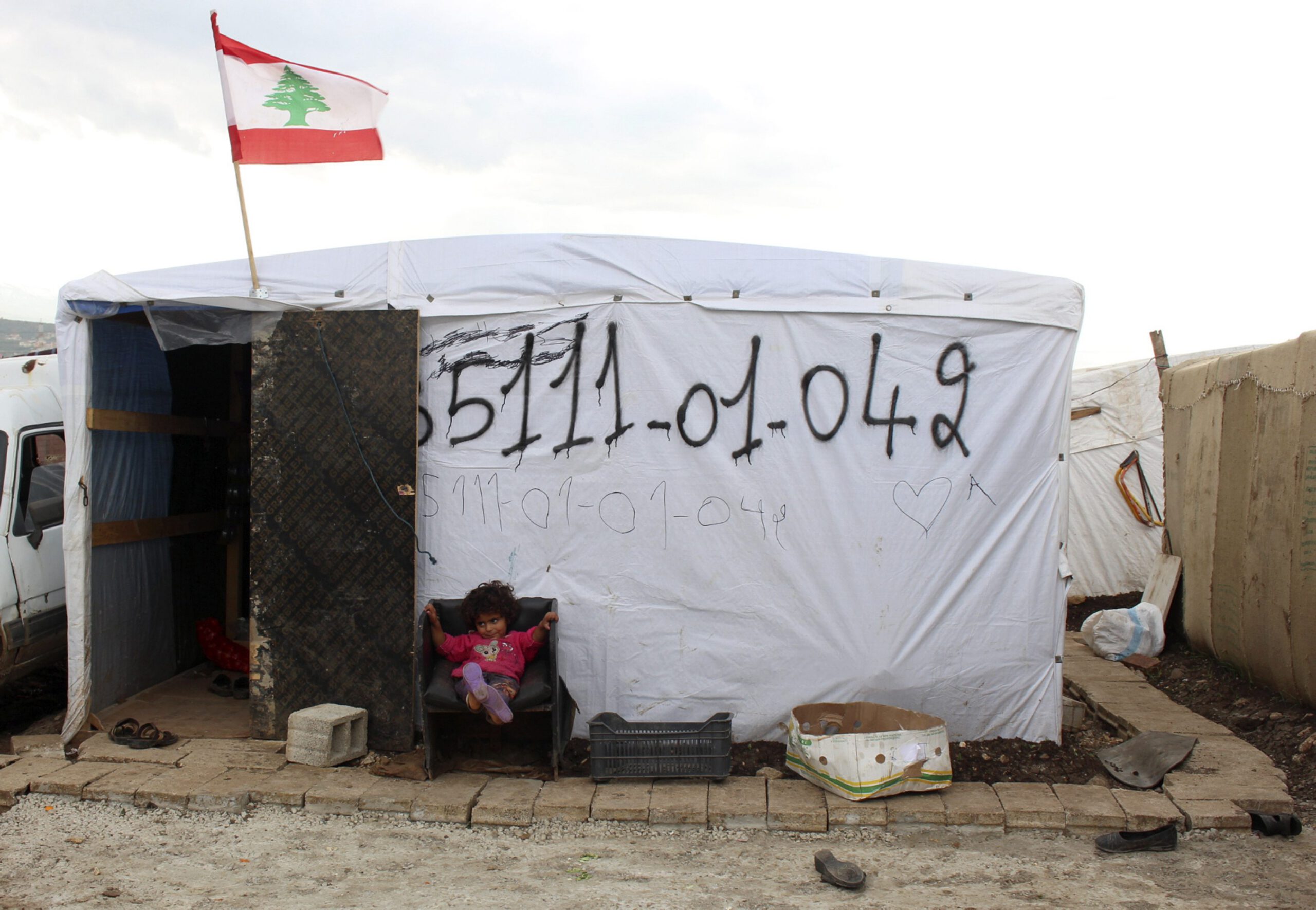
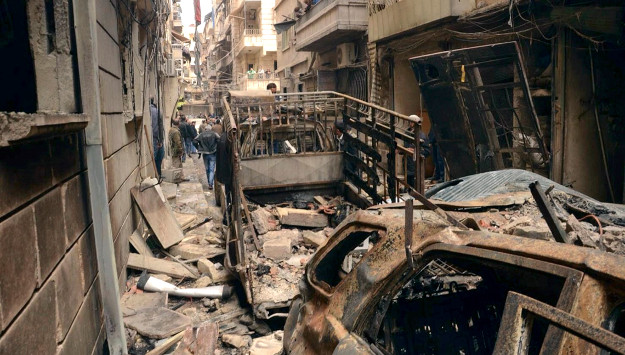
This essay explores the relationship between Syrian refugees and local Lebanese. In particular, it discusses the dominance of the discourse of ‘hospitality’ in the international media depiction of this relationship and in the humanitarian response informed by it. As this essay will show, these tendencies have resulted in the ‘hospitality’ discourse informing and reinforcing the international response to the Syrian refugee influx into and presence in Lebanon.
Monday Briefing: Lebanon Set to Elect President; Steady Progress toward Mosul
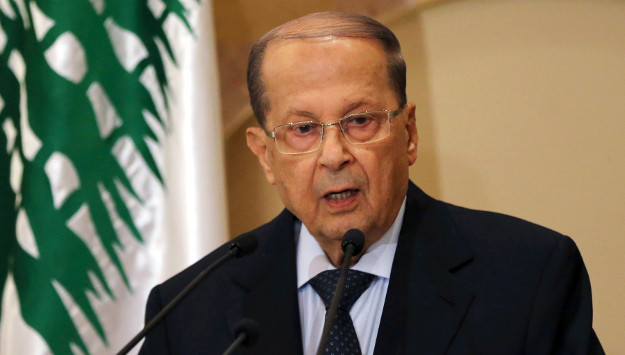
In this week’s Monday Briefing, MEI experts Paul Salem and Charles Lister provide analysis on recent and upcoming events including the expected election of Michel Aoun as president of Lebanon and the operation to expel ISIS from Mosul.
A different kind of horror descended upon Beirut with the opening of Maskoon Fantastic Fest, the Middle East’s first film festival for horror, fantasy, action, and science-fiction.
The brainchild of Abbout members, Lebanon’s most prominent production house, Maskoon was an attempt to expand the scope of genres undertaken by the local industry. The festival was held September 14-18.
Monday Briefing: Chilcot Report, French FM in Lebanon, Iran Economy
In this week’s Monday Briefing, MEI experts Daniel Serwer, Alex Vatanka, and Paul Salem provide analysis on recent and upcoming events including the recent Chilcot Report, European trade delegations visit to Iran, and France’s push to end the Lebanon stalemate.
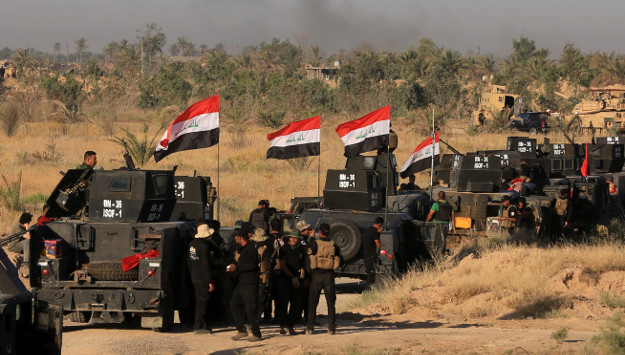
The battle for Fallujah, Thursday's OPEC meeting, and Hariri's loss in Tripoli
In this week’s briefing, MEI experts Charles Lister, Herman Franssen, and Paul Salem provide analysis on recent and upcoming events including the battle for Fallujah, Thursday’s OPEC meeting, and Saad Hariri’s defeat in Tripoli, Lebanon.
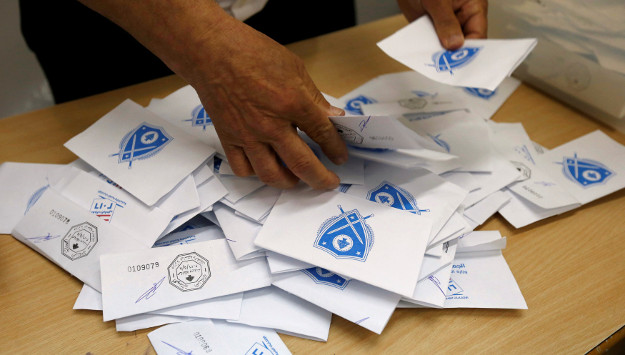
Monday Briefing: Lebanon's Elections, Gaza Unrest, Syria Talks, and Saudi's New Oil Minister
In this week’s Monday Briefing, MEI experts Paul Salem, Paul Scham, Charles Lister, and Jean-François Seznec provide analysis on recent events including Lebanon’s elections, unrest in Gaza, the ongoing Syria talks, and Saudi Arabia’s new oil minister.
Humanitarianism in Highly Religious Contexts: Responding to Syrian Refugees in Lebanon
This essay discusses the potential value of and impediments to the provision of assistance to refugees by local religious institutions. It explores this issue by focusing on Lebanon, highlighting the important contribution of a small NGO, the Lebanese Society for Educational and Social Development (LSESD), in mentoring and training pastors and many of the key local church leadership in how to respond to the humanitarian needs of Syrian refugees.
Weekly Briefing: Syria Ceasefire, Iran Elections, and Saudi Arabia's Suspension of Aid to Lebanon
In the first installment of a new series of weekly briefings on the most important regional issues, MEI experts Randa Slim, Alex Vatanka, and Paul Salem analyze recent events including the ceasefire agreement in Syria, upcoming elections in Iran, and Saudi Arabia’s suspension of military aid to Lebanon.
Will New Cease-fire Deal in Syria Succeed?
Randa Slim Director, Initiative for Track II Dialogues
Fate of the Dragon in the Year of the Red Fire Monkey: China and the Middle East 2016
February 2016 marks the beginning of a new phase in the Chinese lunar calendar, drawing to a close a year marked by heightened risks and fortuitous gains in China’s efforts to secure its interests in the Middle East and North Africa (MENA) region. This essay addresses three questions: How well has China adapted to the conflict and instability that have swept the region? And as we enter the Year of the Red Fire Monkey, what are the concerns that are likely to preoccupy Chinese leaders? What, if any, policy adjustments by Beijing, can realistically be expected in light of the current circumstances and uncertain prospects for the region and for China itself?
Washington and Ankara are in yet another difficult phase in a relationship cycle that runs from very good to very bad. American public opinion about another country forms slowly, but persists through time once set. As Turkey changes, we keep trying to fit new evidence into the old paradigm. At some point, the contradictions are too obvious to explain away, and the new narrative emerges. Right now, Americans are caught in that dilemma regarding Turkey. Unless we have a better idea of which Turkey we are dealing with, we are certain to make bad choices.
Lebanon’s Uprisings—Bringing the Political Back In
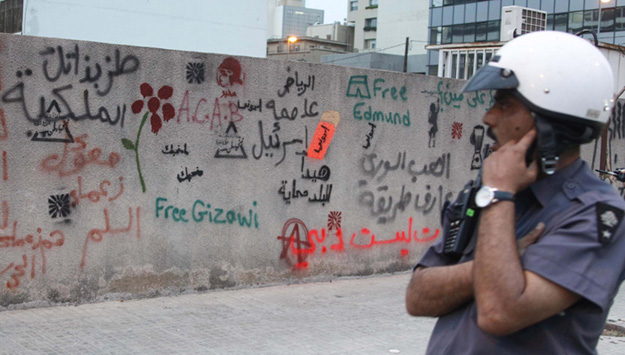
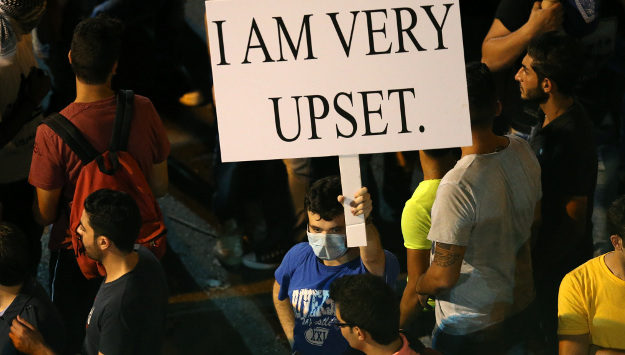
The #YouStink movement and its various associate movements have denounced “the system,” “confessionalism,” and “the political class” of all orientations, including the parliament, the cabinet of minister, the prime minister, and so on, without really showing an understanding of how all these institutional positions relate to one another, and to the problem of corruption and of the poor public sector. By looking at the recent protests in Lebanon, this article proposes ways to avoid this slippery slope and demonstrates how to think of genuine change––and recognize its limits––given the prevailing political context.
Lebanese have long suffered through water shortages, regular electricity blackouts, a leaking sewage system and poor health and education services. But as trash has piled up on the streets in recent weeks, it looks like the people of Lebanon have had enough.
“You Stink” is the message they are sending. And the campaign might just succeed where others have failed.
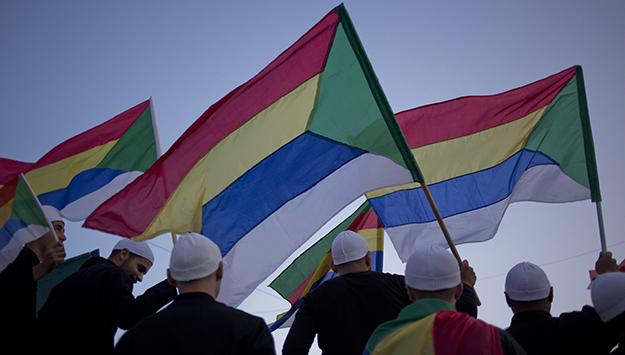
In the last few weeks, the Syrian Druze have been a focal point in significant fighting on the ground. If their role in the fighting continues, or even if it changes, the Druze will likely have a profound impact on the trajectory of the Syrian conflict.