Russia, Iran, and the competition to shape Syria’s future
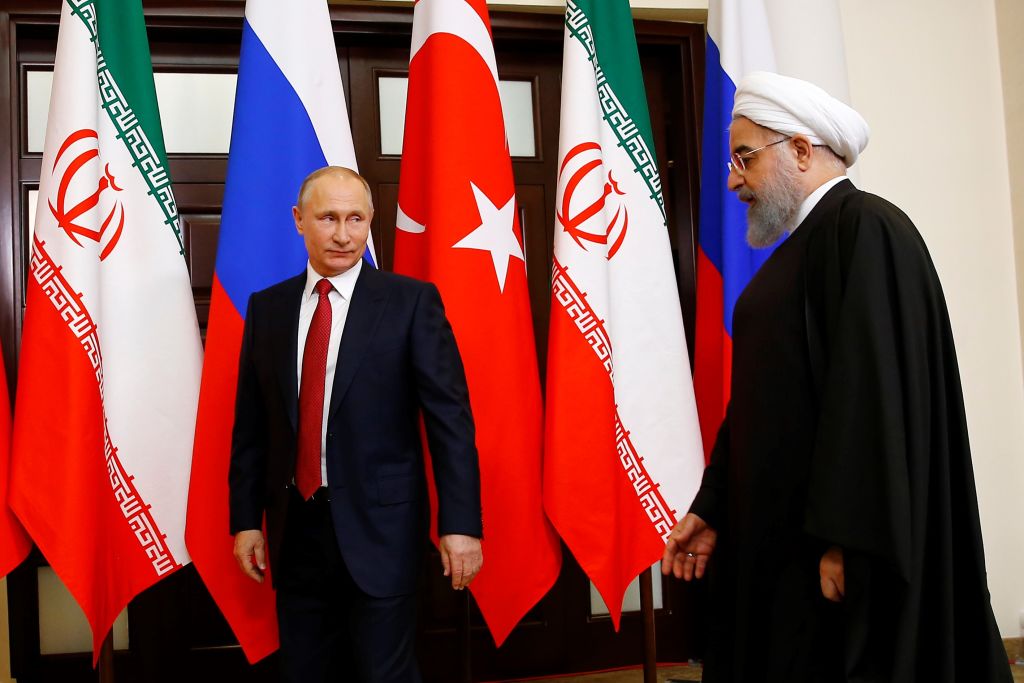
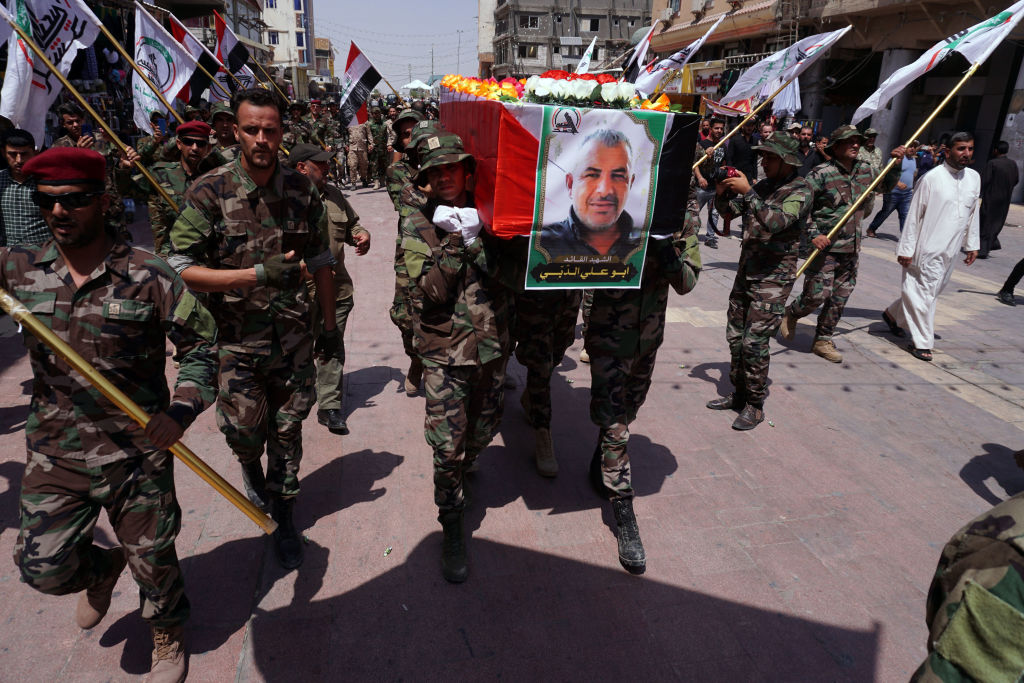
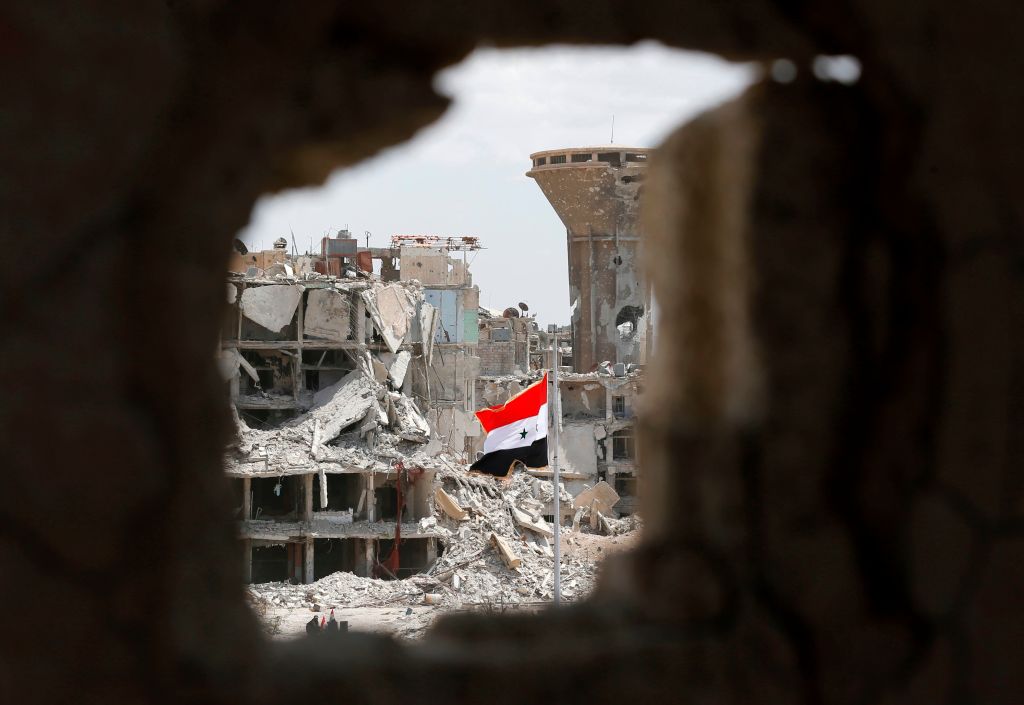
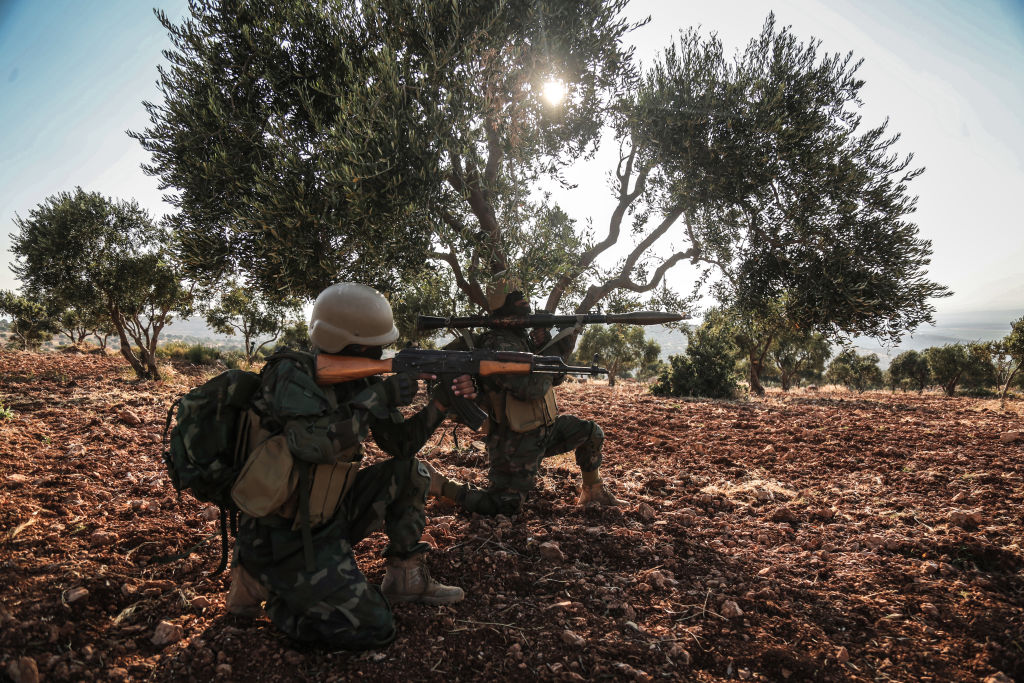
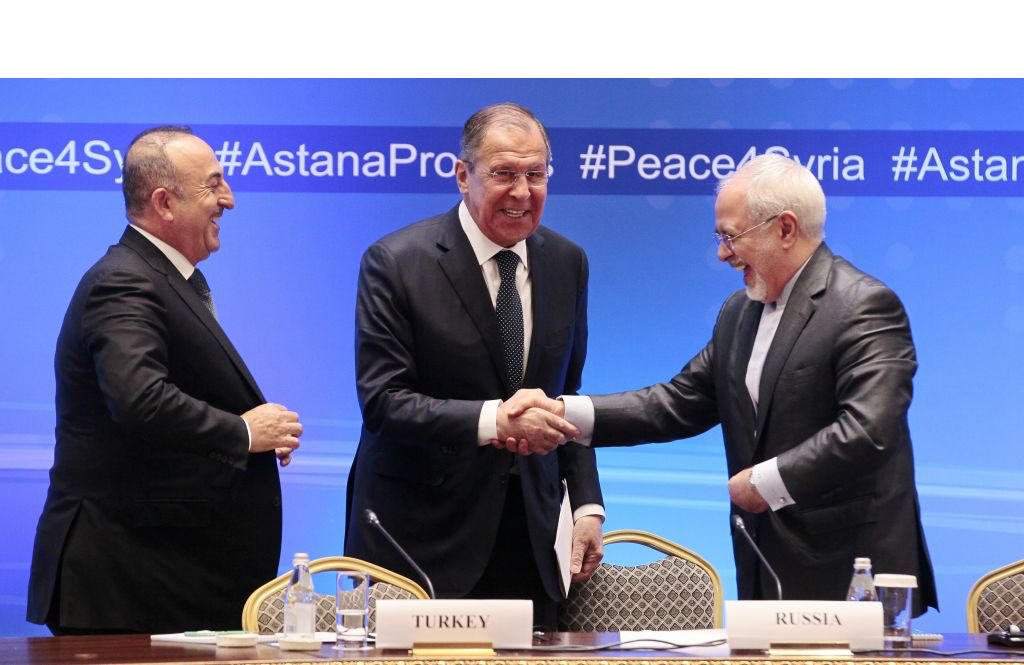
One important dynamic that is not acknowledged enough is the intensifying competition between Russia and Iran to determine the future shape of Syria and their position in it. While the very real competitive dynamic between Moscow and Tehran will never transition to hostility, it is beginning to have a very real effect on the evolution of major aspects of the crisis — from active conflict theaters, to the structures of the state, control over resources, and the prospect of intra-state conflict on Syrian soil.
Libya’s Hifter and the false narrative of authoritarian stability
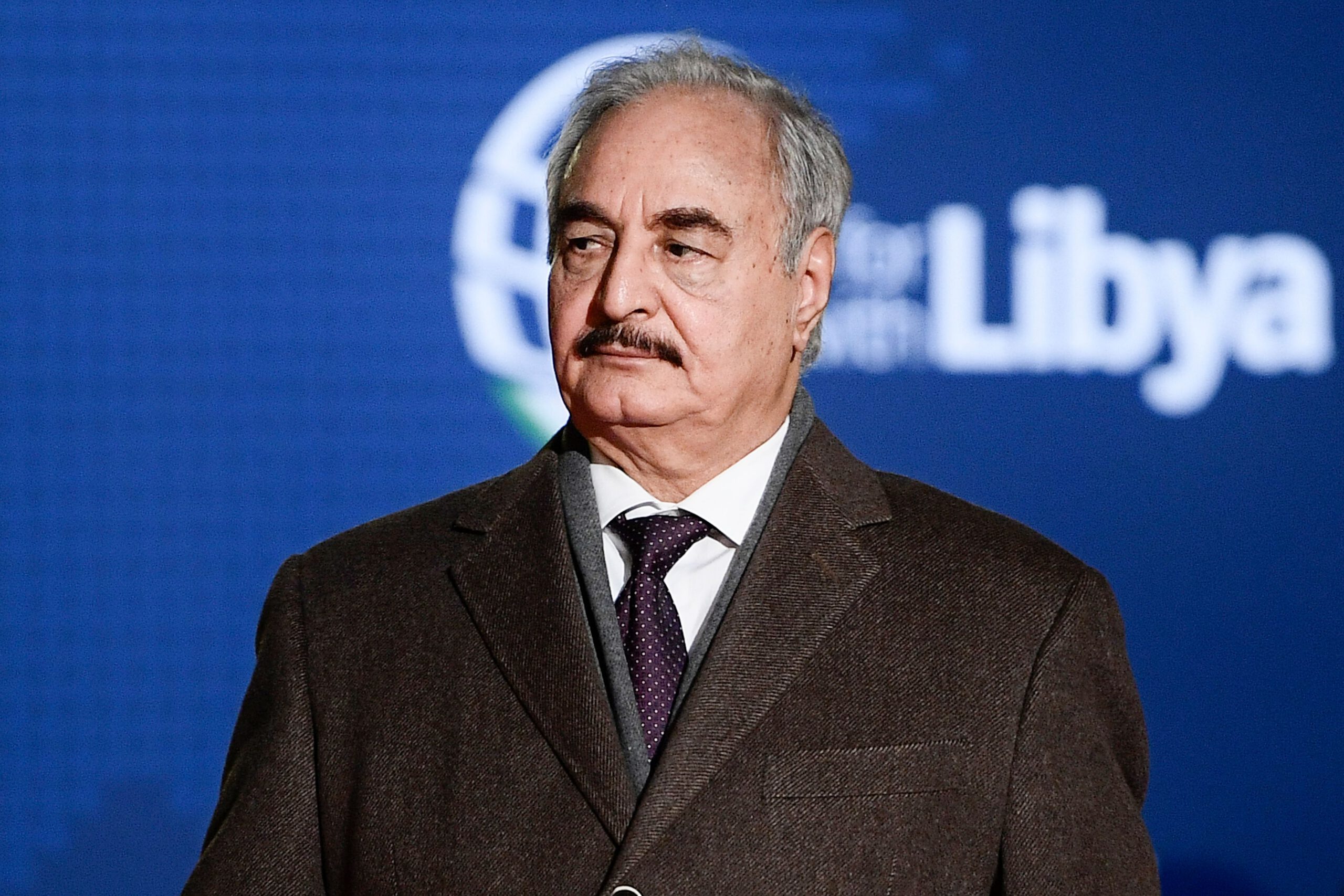
Khalifa Hifter has managed to garner outside support by appealing to foreign states’ desire for a stable Libya, but this rogue former general and would-be authoritarian has proven a troublesome proxy. In supporting his ongoing offensive on Tripoli, foreign states are undermining their own narrative of authoritarian stability.
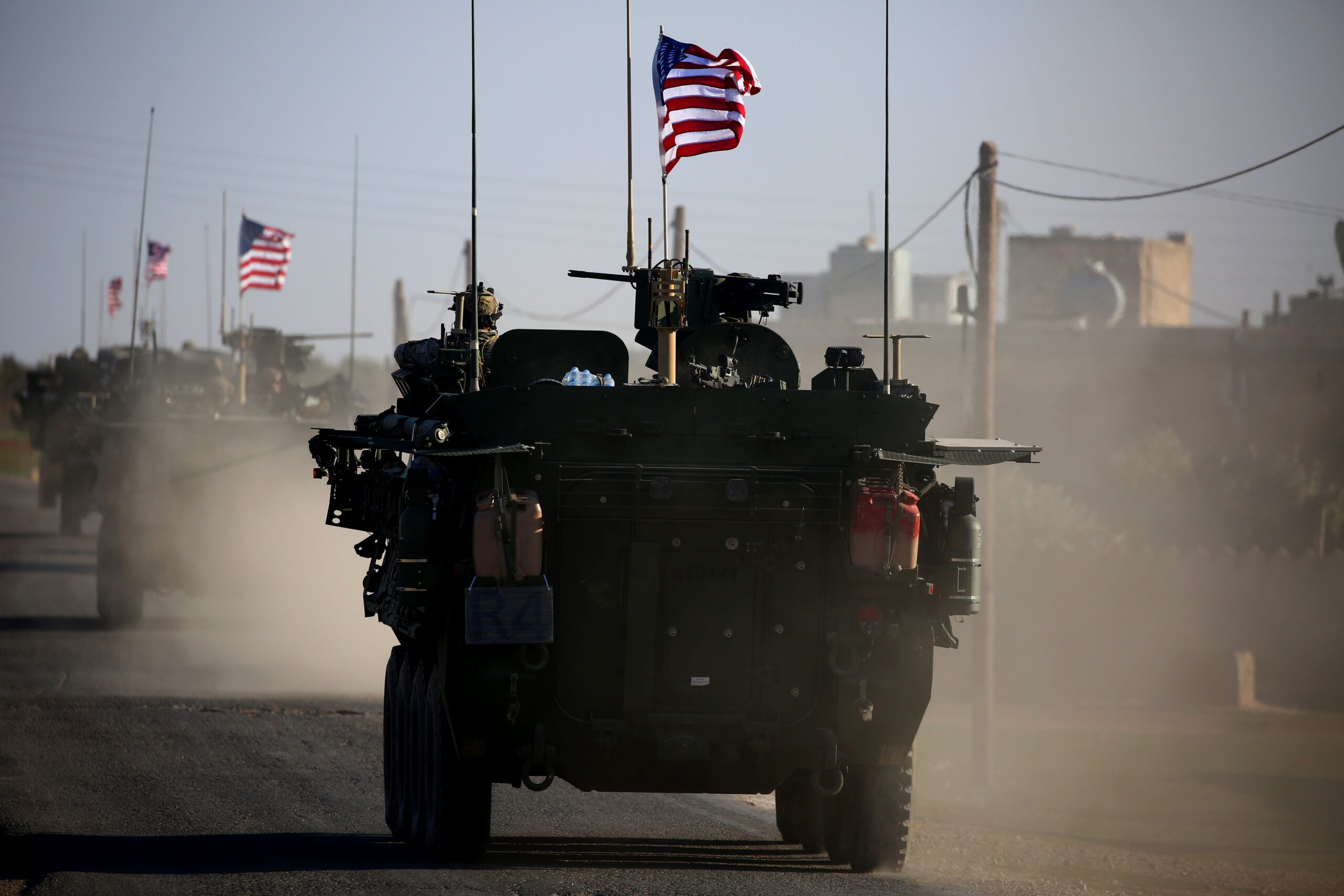
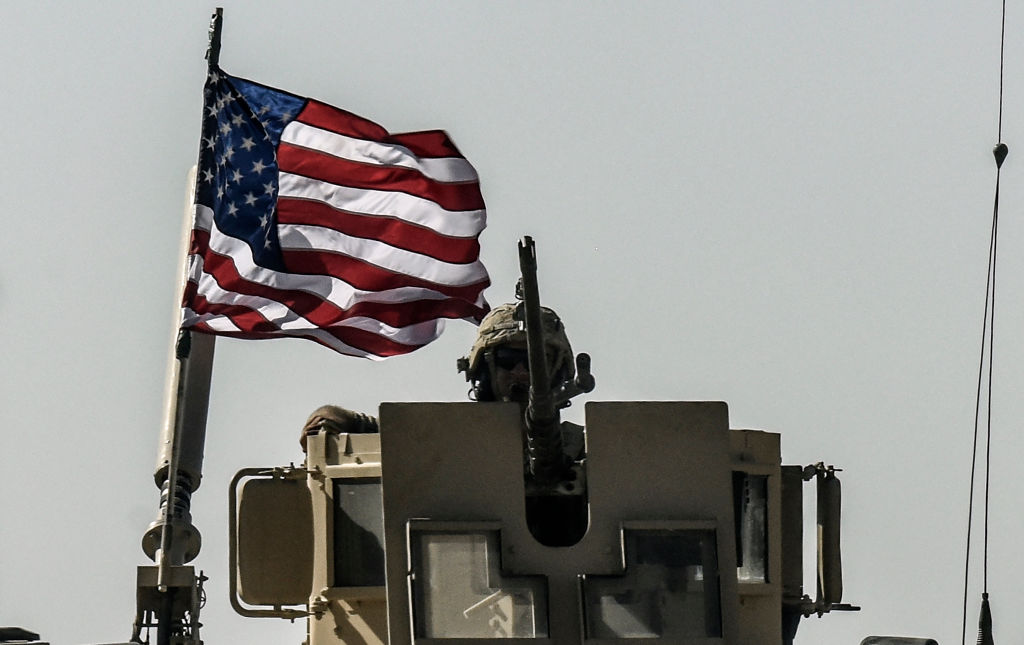
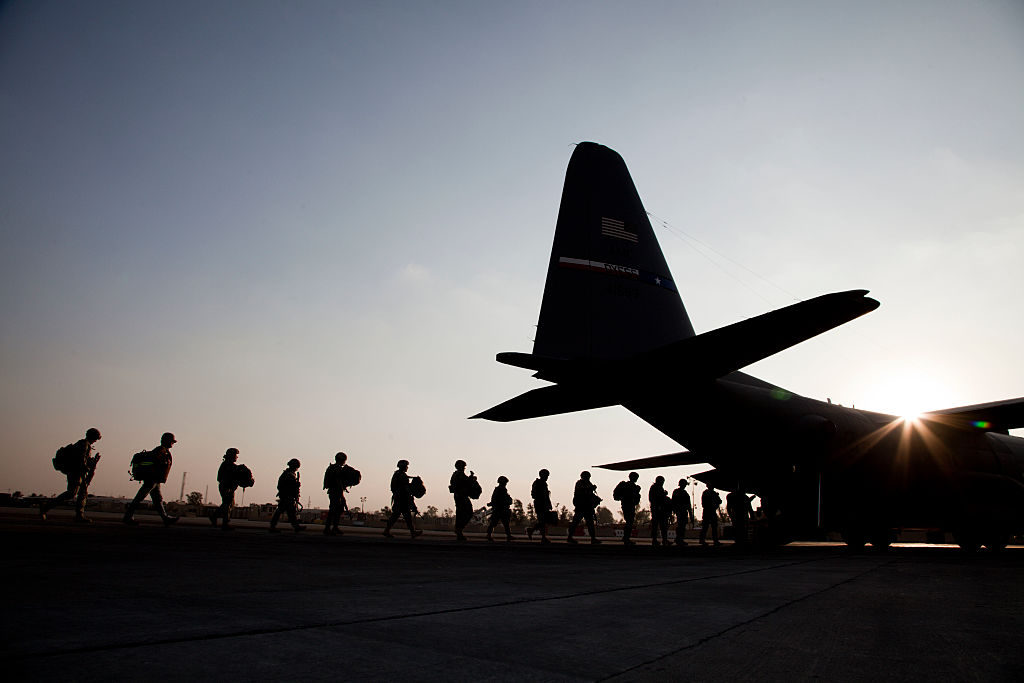
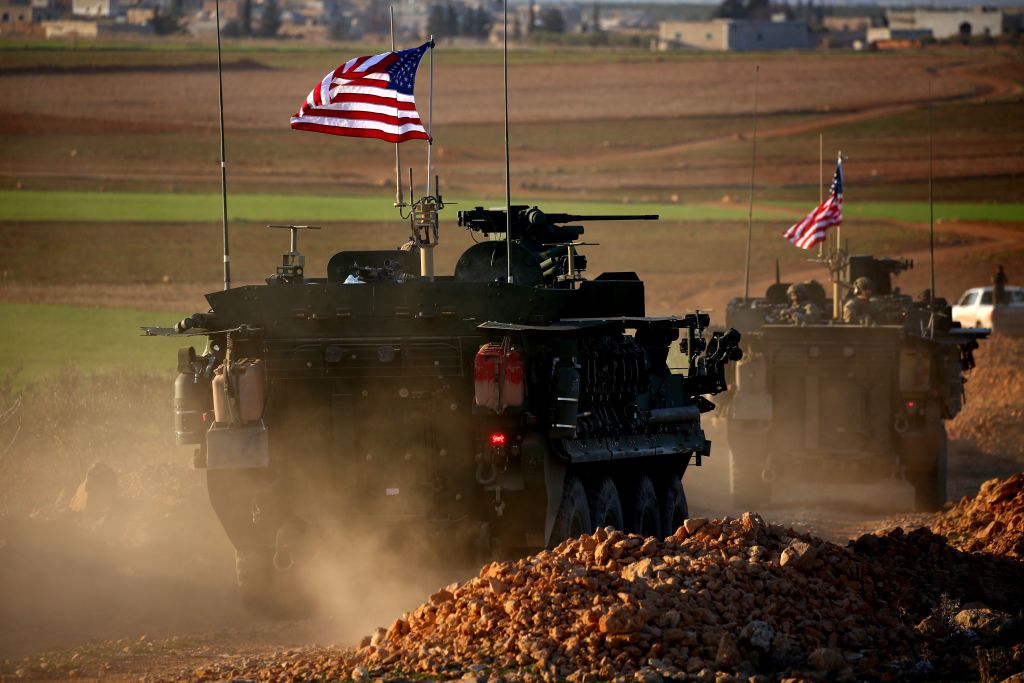
Over the past few weeks, my colleagues at MEI have debated whether the U.S. should stay in Syria or leave. Here I’d make a different argument: that it doesn’t really matter. The president has already made the decision to leave, and while his aides may have been able to slow roll the troop drawdown, the reality is that Donald Trump has made it clear the U.S. will not disburse any additional resources. Even within the 2020 Democratic field, not a single candidate has advocated increasing resources.
The Syrian Oil Crisis: Causes, Possible Responses, and Implications
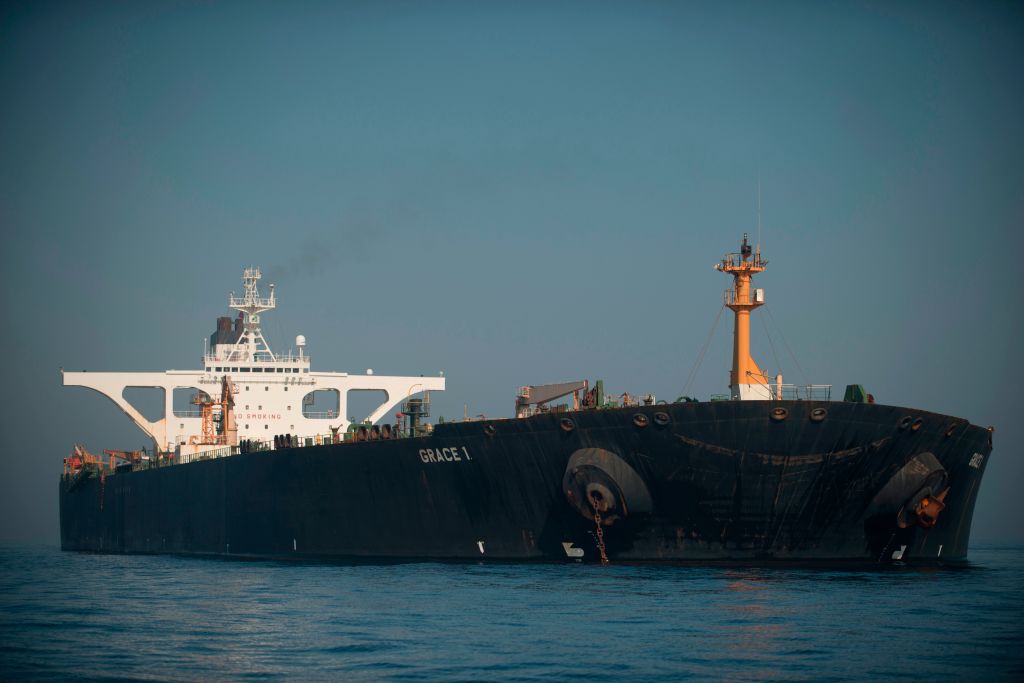
Unlike most other goods, the inflation-adjusted prices of oil and oil derivatives actually became cheaper in the years after the Syrian uprising and the loss of most of the country’s oil fields. Iran stepped in to fill the gap by shipping oil by sea through the Suez Canal. In recent months, however, these shipments seem to have ground to a halt, crippling regime-controlled areas. This paper examines several competing explanations for the slowdown in Iranian oil shipments, explores a range of possible responses for the Assad regime, and takes a closer look at the implications for the regime, its allies, and regular Syrians.
Monday Briefing: Drone strike thrusts Iraq into Iranian-Israeli military confrontation
This week’s briefing on recent news and upcoming events in the region featuring Randa Slim, Gerald Feierstein, Alex Vatanka, Robert S. Ford, and Michael Sexton.
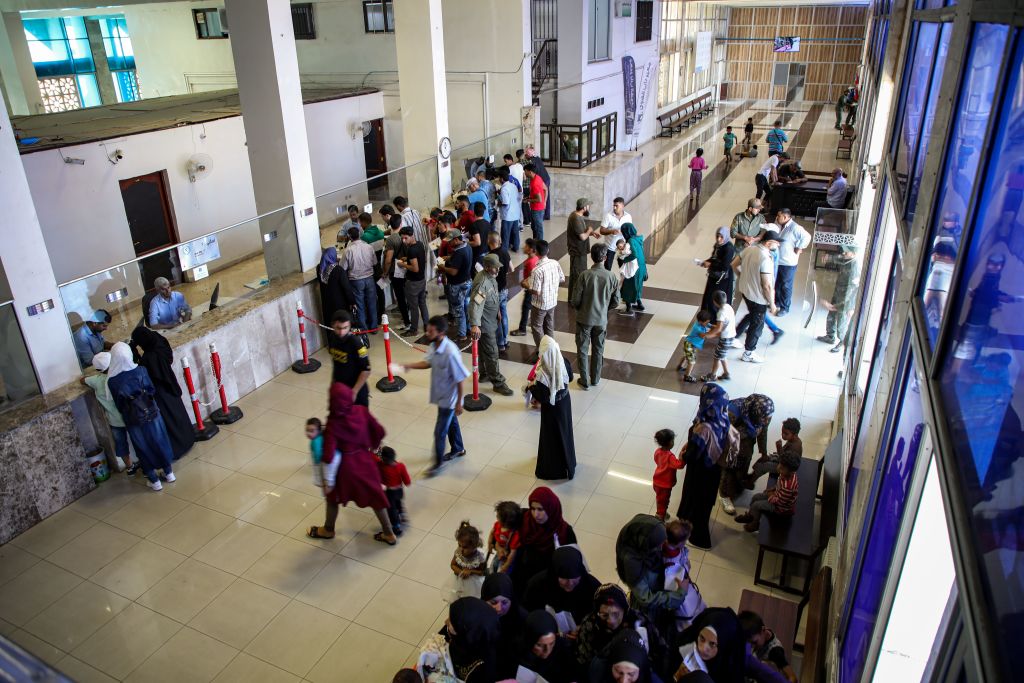
Debates about populism often lump Turkey’s President Recep Tayyip Erdogan together with Donald Trump in the US, Vladimir Putin in Russia, and Viktor Orban in Hungary. All four are kindred spirits who have used the same tactics to gain and hold onto power. They stir up fear, divide societies, fuel social conflict, criminalize the opposition, and create internal and external enemies. On the issue of refugees, however, Erdogan has been the epitome of liberalism, setting him apart from his fellow populists.
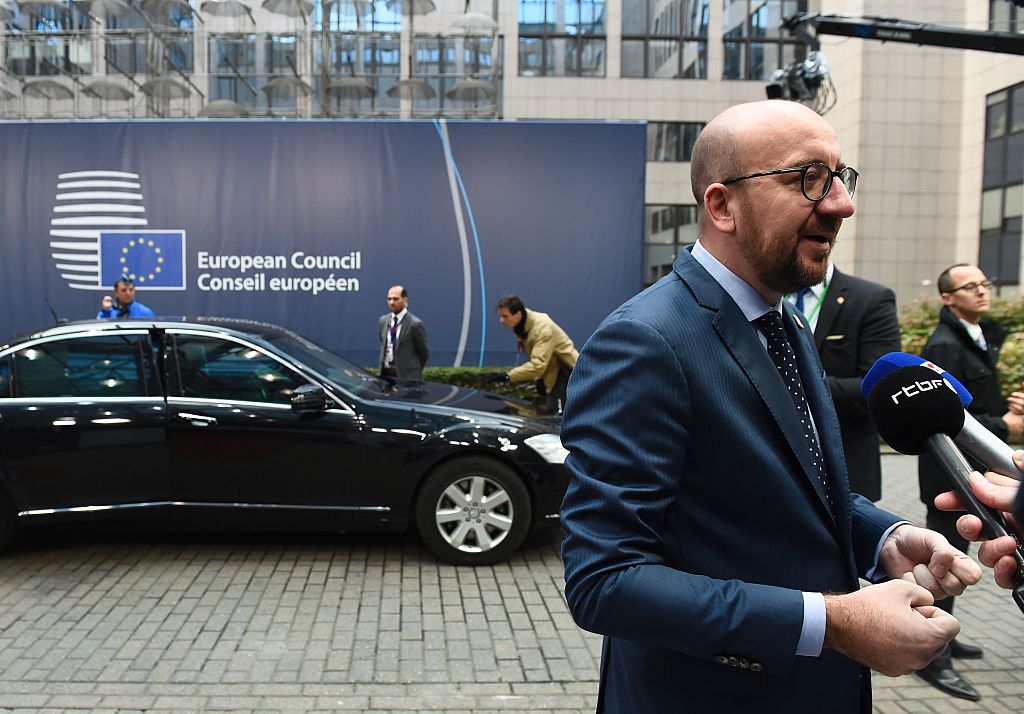
What will the European Council's new president mean for EU-MENA relations?
While some changes may be in the offing, for now most signs suggest that regional leaders should expect neither new opportunities, nor new challenges, but more likely a broad continuity of existing EU policy toward the region.
The uneasy triangle between Turkey, the US, and the YPG
Turkey and the US recently announced an agreement for establishing a safe zone in northern Syria to serve as a buffer between Turkey and the YPG, which is seen by Ankara as a terrorist group and by Washington as a partner in the fight against ISIS. MEI’s Gonul Tol and Charles Lister join host Alistair Taylor to discuss how this policy may impact dynamics on the ground.
Leaving Syria won’t make things any better — for the US or Syria
Responding to Daniel Serwer’s “not so progressive case for withdrawing from Syria,” Charles Lister makes the case that the U.S. should remain in Syria — at the very least for long enough to secure conditions in which a realistic set of objectives could be achieved, including the existing counter-ISIS mission.
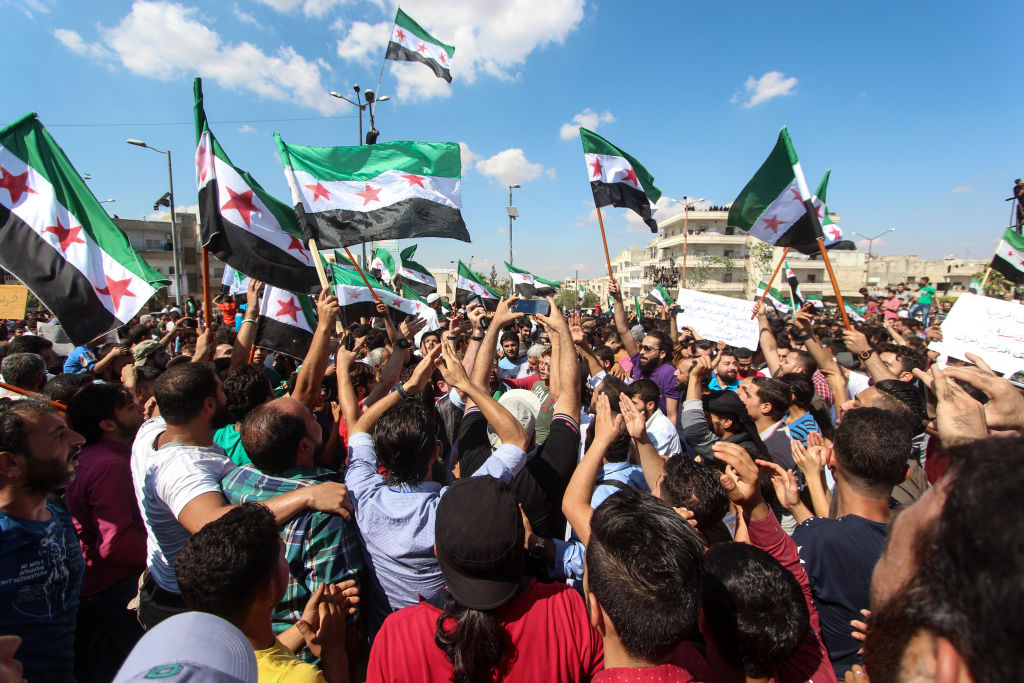
Over eight years ago, Syrian men, women, and children took to the streets, often holding hands or clutching roses, calling for political reform. Wahed, Wahed, Wahed, al-Shaab al-Suri Wahed, they chanted — “One, One, One, the Syrian People are One!” But the regime did not listen; instead, we were shot at, gassed, and later bombed. As regime violence escalated, the uprising gradually militarized and what had been a local movement driven by society soon became a vicious conflict driven in large part by foreign governments. Then came al-Qaeda, ISIS, and Hezbollah and soon enough, the lives, thoughts, and desires of ordinary Syrians mattered little.
A not so progressive case for withdrawing from Syria
Elizabeth Tsurkov has courageously put forward what she calls a progressive case for staying in Syria. I would regard myself as progressive but I’m not convinced, even if I would have supported many of her arguments in the past. In arguing for an indefinite presence in Syria, Tsurkov relies on the notion that staying gives the U.S. influence over Ankara and Moscow, serves as a counter to Tehran, and pressures the Assad regime, possibly even creating “internal fissures in its senior ranks” and causing “the Assad regime to institute reforms that would benefit all Syrians.” Those fissures and reforms have been desired for the past eight years but have not yet appeared. It would be easier to argue that withdrawal is more likely to cause them, and to pressure Ankara and Moscow into countering Tehran.
The progressive case for staying in Syria, for now
Ideally, the various sides of the Syrian civil war would seize the opportunity to reach an agreement. However, the Assad regime’s current intransigence and inability counter ISIS necessitate continued U.S. protection of northeastern Syria and efforts to stabilize it until such a deal can be made. This is not an ideal scenario, but the cost of a pullout at this stage will be immense.
Monday Briefing: US-Turkey dispute over Syria comes to a head
This week’s briefing on recent news and upcoming events in the region including the Turkish-U.S. crisis meeting in Ankara on Syria, the resumption of U.S.-Taliban negotiations, Trump’s creation of a new “dovish” line on Iran, a rise in Egypt’s poverty levels, Sudan’s democratic transition, the easing of female guardianship rules in Saudi Arabia, and the end of the ceasefire in Idlib, featuring Charles Lister, Marvin G. Weinbaum, Paul Salem, W. Robert Pearson, Mirette F. Mabrouk, Thomas W. Lippman, and Robert S. Ford.
This week’s briefing on recent news and upcoming events in the region including Kazakhstan’s upcoming “Astana talks” on Syria, Jared Kushner’s planned visit to the Middle East, the shift in US-Pakistan relations, and Abbas’ announcement that the Palestinian Authority will halt all signed agreements with Israel, featuring Charles Lister, Gerald Feierstein, Marvin G. Weinbaum, and Khaled Elgindy.