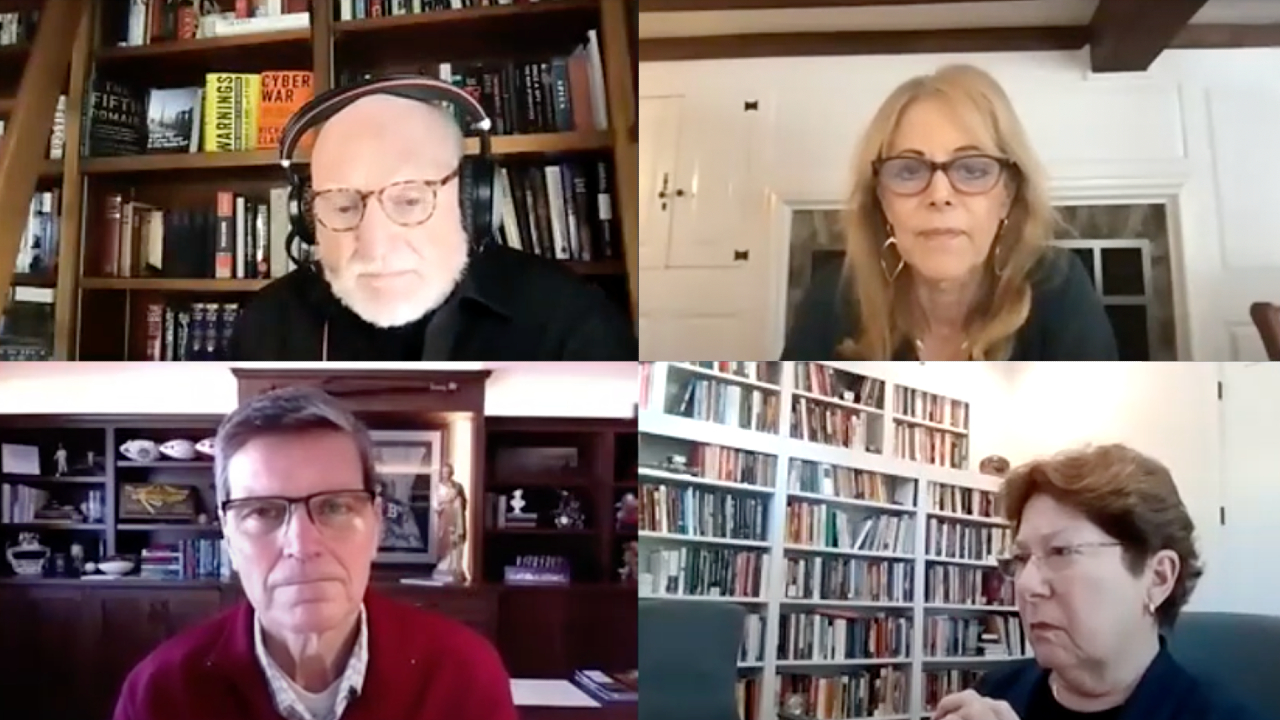
Matthew Levitt and Douglas London join host Alistair Taylor to discuss the new and evolving threats of terrorism at home and abroad and what the US needs to do to adapt and innovate to address them.
Political risk vs. risk to force: How policy decisions impact risk and capability in partner operations
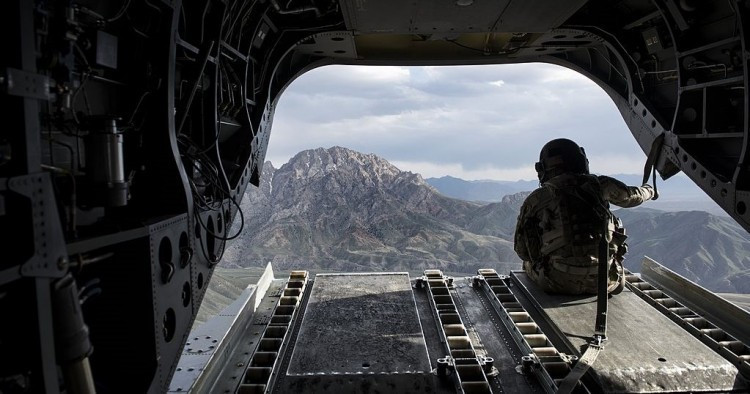
Operation Inherent Resolve (OIR) is the U.S. military’s name for the international intervention to defeat ISIS in Syria and Iraq starting in 2014. While OIR has been a success, it has necessarily been imperfect. Throughout the campaign, cost-benefit calculations made by policymakers led to missed opportunities and possibly a longer conflict. These decisions will have lasting repercussions that could undermine the hard-won victory against ISIS, as well as the ability to partner in future interventions. In particular, the United States mishandled its partner relationships in the war to defeat ISIS. Political considerations apparently won out against supporting and sustaining the SDF, our military partner forces.
A decade on, the Syrian crisis is far from over and the US must step up
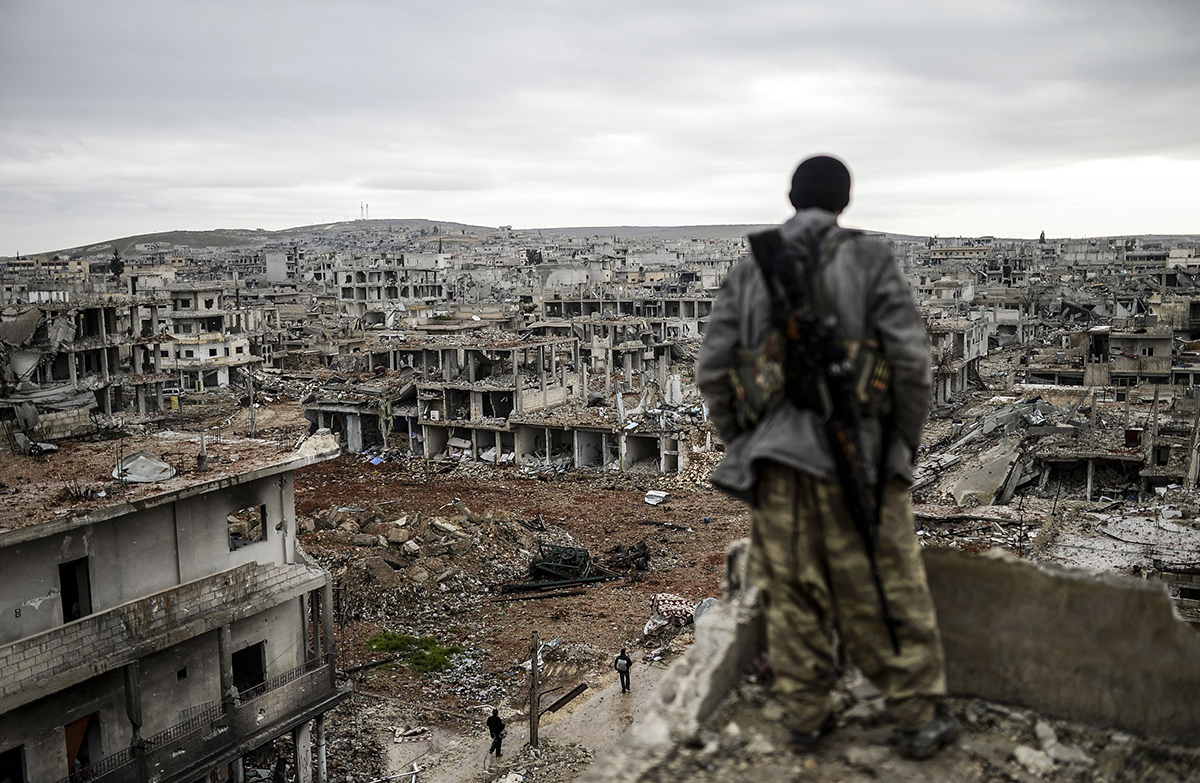
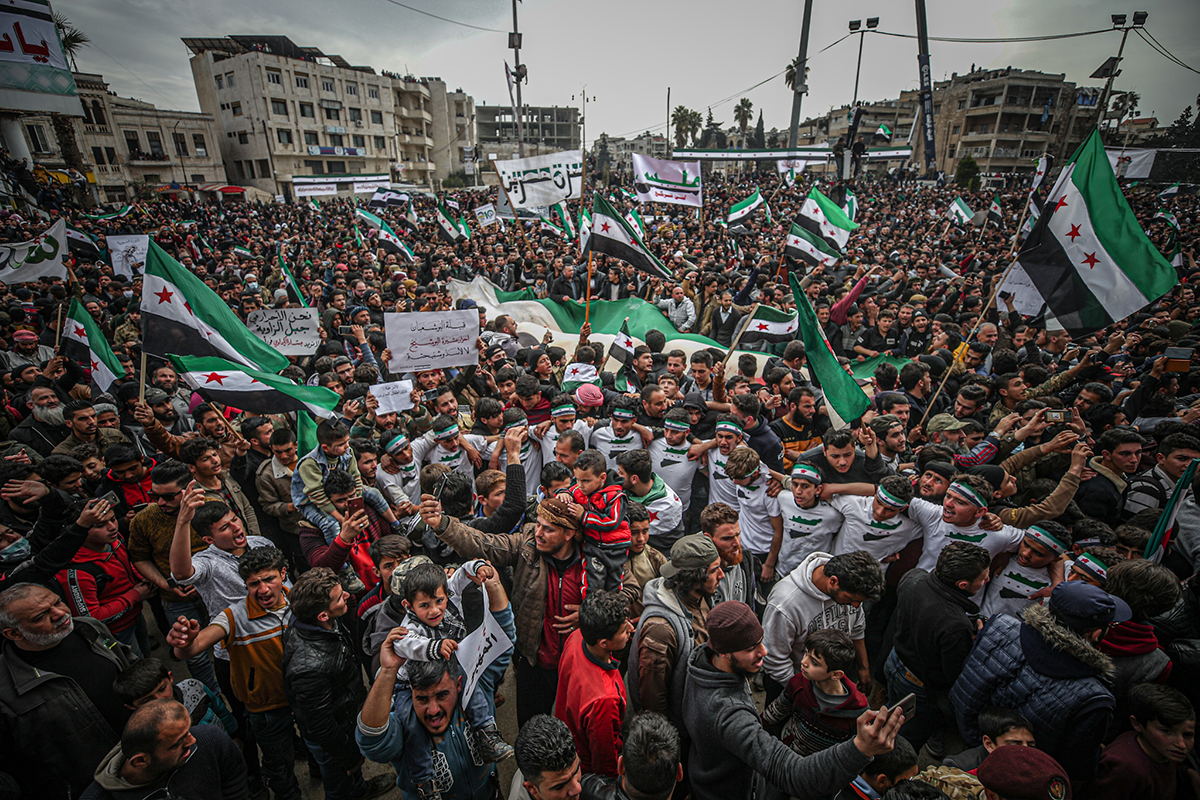
As Syrians mark the 10-year anniversary of the 2011 uprising this week, it remains inescapably true that the country’s debilitating crisis is far from over. After a decade of conflict that was initiated and driven by an utterly ruthless regime and reinforced and diplomatically protected by its Russian and Iranian allies, Syria is broken.
ISIS and the Assad regime: Strategy and counter-strategy in Syria’s Badia
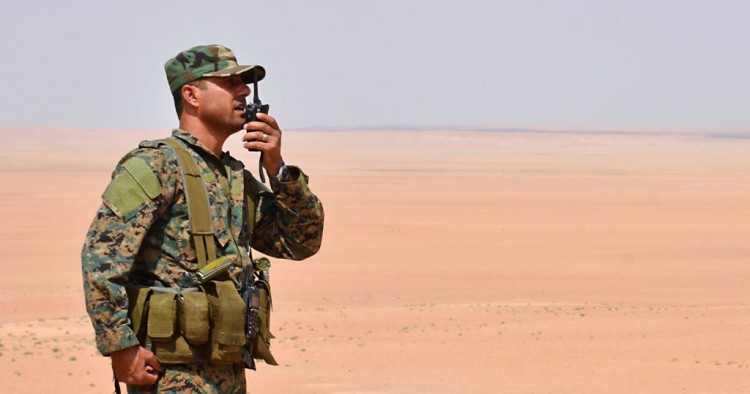
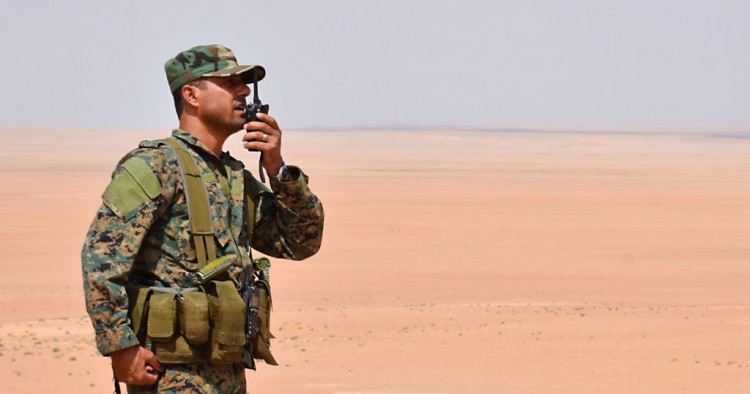
It has been more than a month since the launch of military operations by Syrian regime forces and their allies, with air support from the Russian air force, in the Syrian Badia — the country’s expansive central desert region — in an attempt to eliminate ISIS cells deployed there. To date, however, these operations have not yielded any tangible results.
"داعش" والنظام الاستراتيجية والاستراتيجية المضادة في البادية
مضى قرابة الشهر على العمليات العسكرية التي تشنها قوات النظام السوري وحلفائها، بدعم جوي من الطيران الروسي في البادية السورية، في محاولة للقضاء على خلايا تنظيم “داعش” المنتشرة في تلك المناطق، لكن تلك الهجمات لم تُثمر عن نتائج تذكر حتى اللحظة.
الهجمات العسكرية للقوات المعادية للتنظيم لم تتغير على الصعيدين العملياتي والاستراتيجي، فقد اقتصرت على عمليات توغل لقوات برية بأسلحة خفيفة ومتوسطة، بغطاء جوي من طائرات حربية روسية تُمهد بعمليات قصف جوي، وطائرات مروحية مرافقة للقوات المتقدمة برياً تحسباً لهجمات التنظيم الدفاعية.
The Biden Administration and the Middle East: Policy Recommendations for a Sustainable Way Forward
In a new policy briefing book, entitled The Biden Administration and the Middle East: Policy Recommendations for a Sustainable Way Forward, MEI scholars tackle a large number of country-specific and region-wide issue areas, laying out both the abiding U.S. interests and specific recommendations for Biden administration policies that can further U.S. interests amid a region in turmoil.
How is Iran responding to Biden’s policy shift on Yemen?
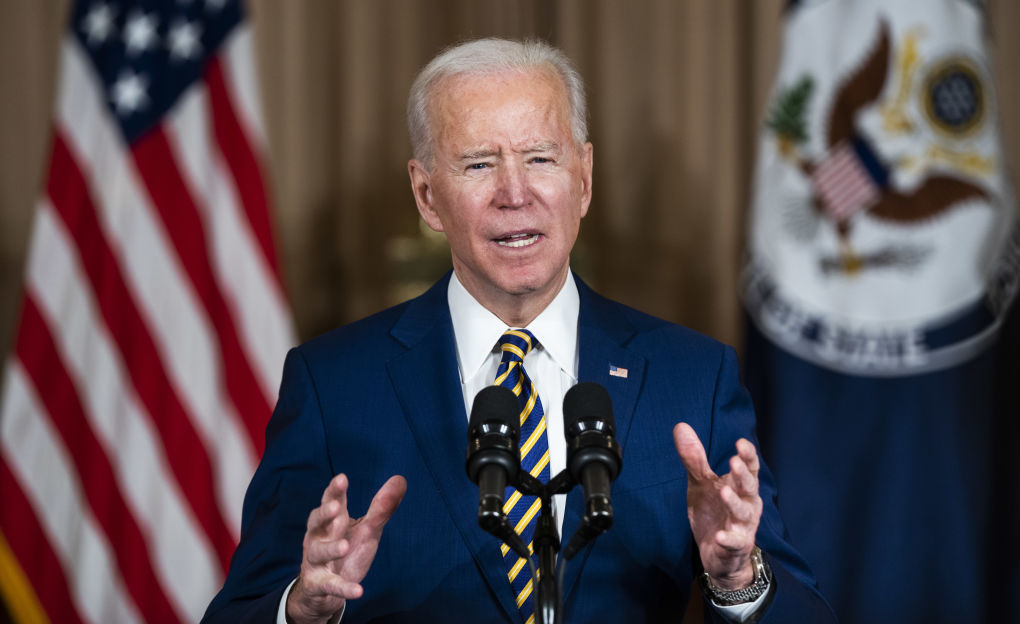
On Feb. 4, President Joe Biden announced the end of U.S. support for the Saudi Arabia-led coalition’s offensive military operations in Yemen. This decision fuelled optimism about a U.S. return to negotiations over the JCPOA with Iran. Instead of engaging with the United States, Iran has supported the Houthi-orchestrated Marib offensive and stepped up its diplomatic efforts in Yemen.
The understandings reached between Washington and Jerusalem half a century ago establish the critical context for the Biden administration’s current effort to restore the JCPOA, which Israeli Prime Minister Benjamin Netanyahu fiercely opposed during its adoption by the U.N. Security Council in July 2015 and which he still bitterly contests today.
The Middle East Institute (MEI) is pleased to make available to the public a keynote address by Gen. Kenneth F. McKenzie Jr., Commander of U.S. Central Command (CENTCOM), which kicked off the first MEI-CENTCOM Annual Conference. In the pivotal moment of a new U.S. administration, amid major changes in the region including the signing of the Abraham Accords and the incorporation of Israel into CENTCOM’s area of responsibility, Gen. McKenzie joined MEI Senior Vice President Amb. (ret.) Gerald Feierstein in conversation to address key issues and build on his June 2020 discussion with MEI President Paul Salem on CENTCOM’s approach to a changing Middle East.
What will the Middle East look like in 2030? An Israeli Perspective
The following article addresses the question of how the Middle East might develop in the coming decade. Long-term and detailed strategic predictions are a thankless task and are often doomed to failure. Therefore, this article refrains from attempts at prophecy but deals instead with “thinking about the future.” It opens with an analytical framework for scenario development, supplemented by “trends impact” and “horizon scanning.” The second section studies “the futures of the past,” in terms of what we might learn about the pitfalls of future projection and scenario-building from those outlining possible futures for 2020 from years past. Then, on the basis of the first two sections, four scenarios elaborate some distinctly different pathways that the Middle East might take to 2030. Finally, the article concludes with several key takeaways for Israeli decision makers.
Why Biden shouldn’t seek to deprive Iran of conventional deterrence
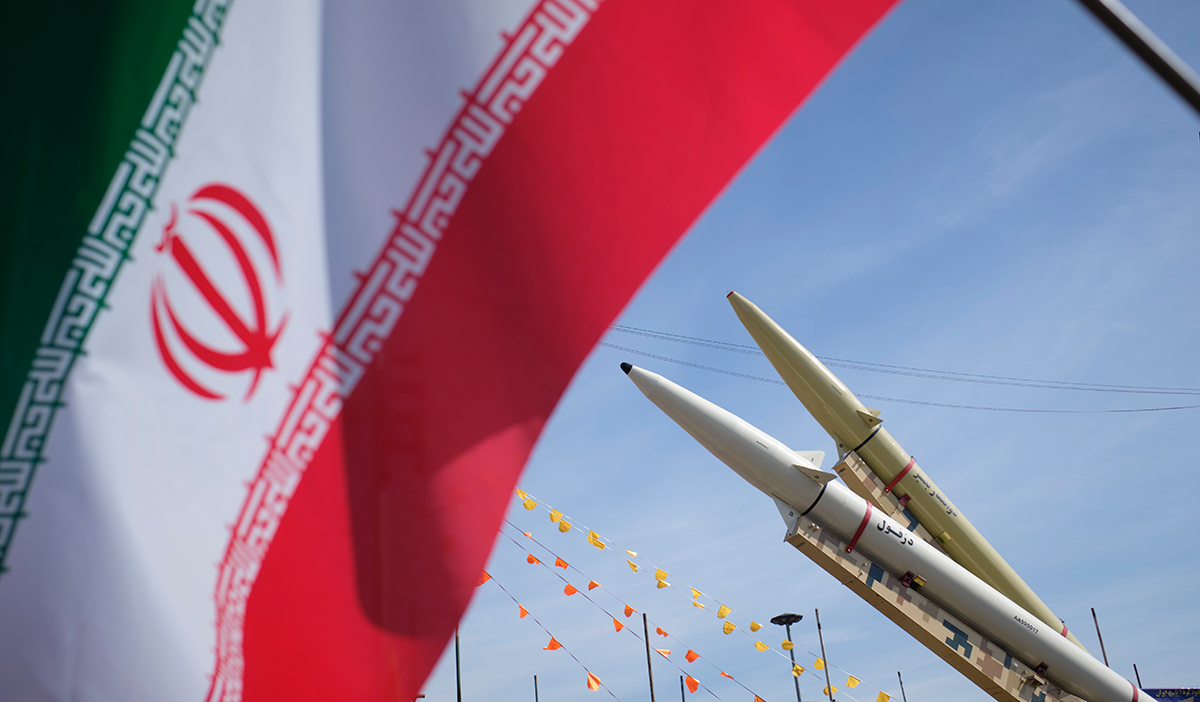
Earlier in February, Iran’s minister of intelligence, Mahmoud Alavi, signaled that if the U.S. continues provoking the country, Tehran might lash out like a “cornered cat” and consider the nuclear option. Will Joe Biden’s late reentry into the JCPOA and the expected resulting increase in tensions influence Iran’s strategic logic on nuclear weapons? A look back at the history of Iran’s decision making on the issue suggests that shifts in military threat assessments are as important as technical developments when it comes to Tehran’s nuclear strategy.
Preventing the next crisis in U.S.-Israeli relations
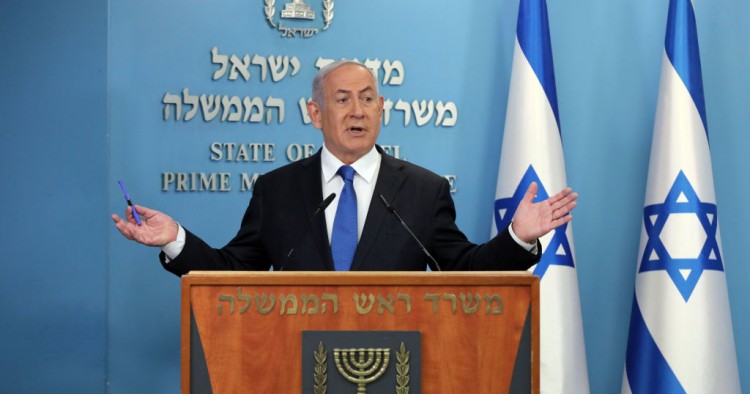
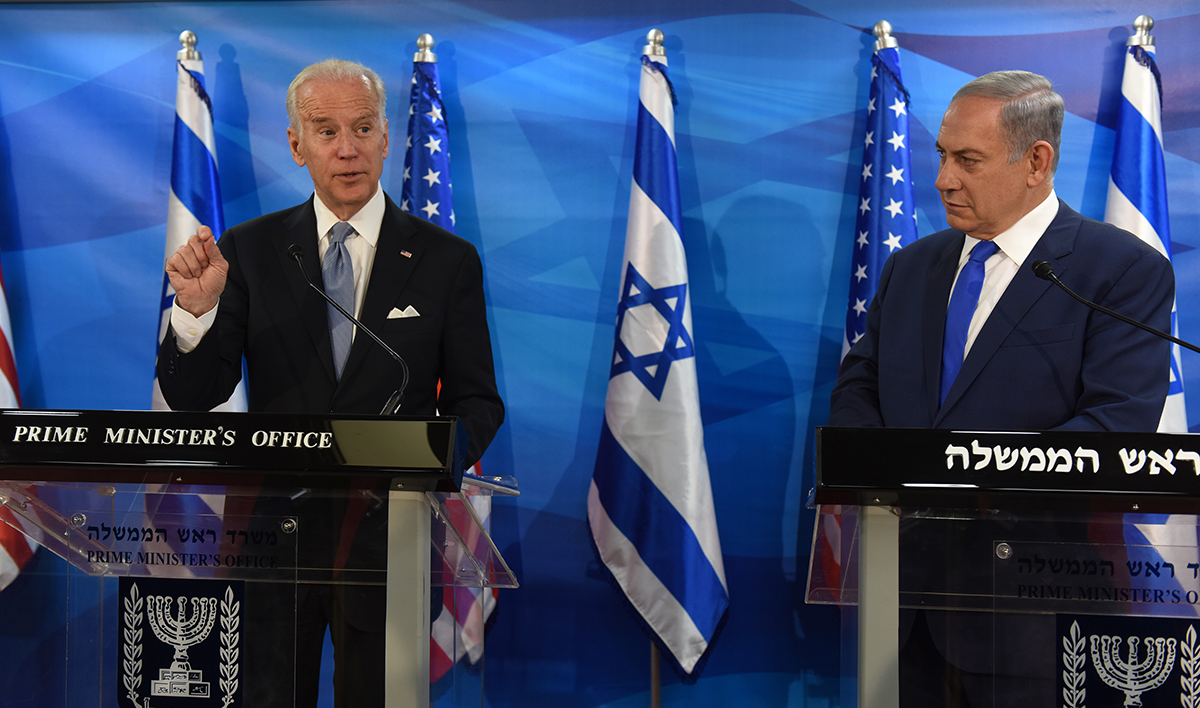
There was little daylight between Washington and Jerusalem during the four years of Donald Trump’s presidency. The new U.S. administration under President Joe Biden appears poised — based on staffing decisions and declared policies — to revert to a U.S. policy in the Middle East that more closely resembles that of Obama. Meanwhile, Netanyahu, who fought bitterly and publicly against Obama’s policies regarding the Israeli-Palestinian conflict and the Iran nuclear issue, remains at the helm in Israel. The stage may be set for a sequel of the acrimonious relationship between Jerusalem and Washington.