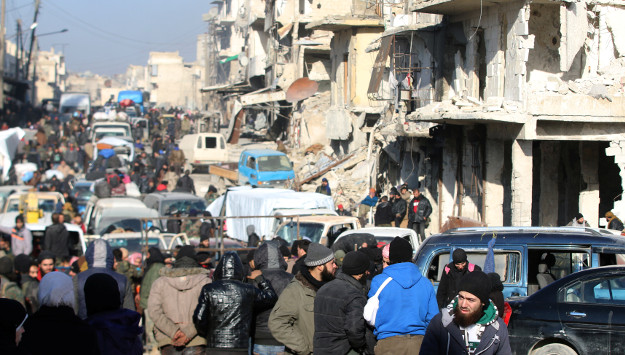
The Iranian media reports that the evacuation of Syrian rebels and civilians from eastern Aleppo has come to an end, and that the entire city is now under the control of the Syrian army.
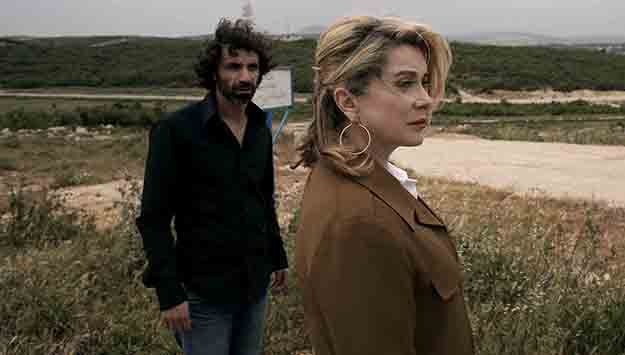
The long, turbulent history of Lebanese cinema is one fraught with financial precariousness, thwarted potentials, and colonialist impediments. Fighting for decades to break away from the hegemony of Egyptian cinema, Lebanon finally came of age in the 1960s and 1970s, reaching a peak with a series of hugely popular mainstream flicks that included the popular Rahbani/Fairuz folk musicals. The rise of what was once deemed as the most exciting Arab cinema at the time proved to be short lived, coming to a premature halt with the outbreak of the Lebanese Civil War.
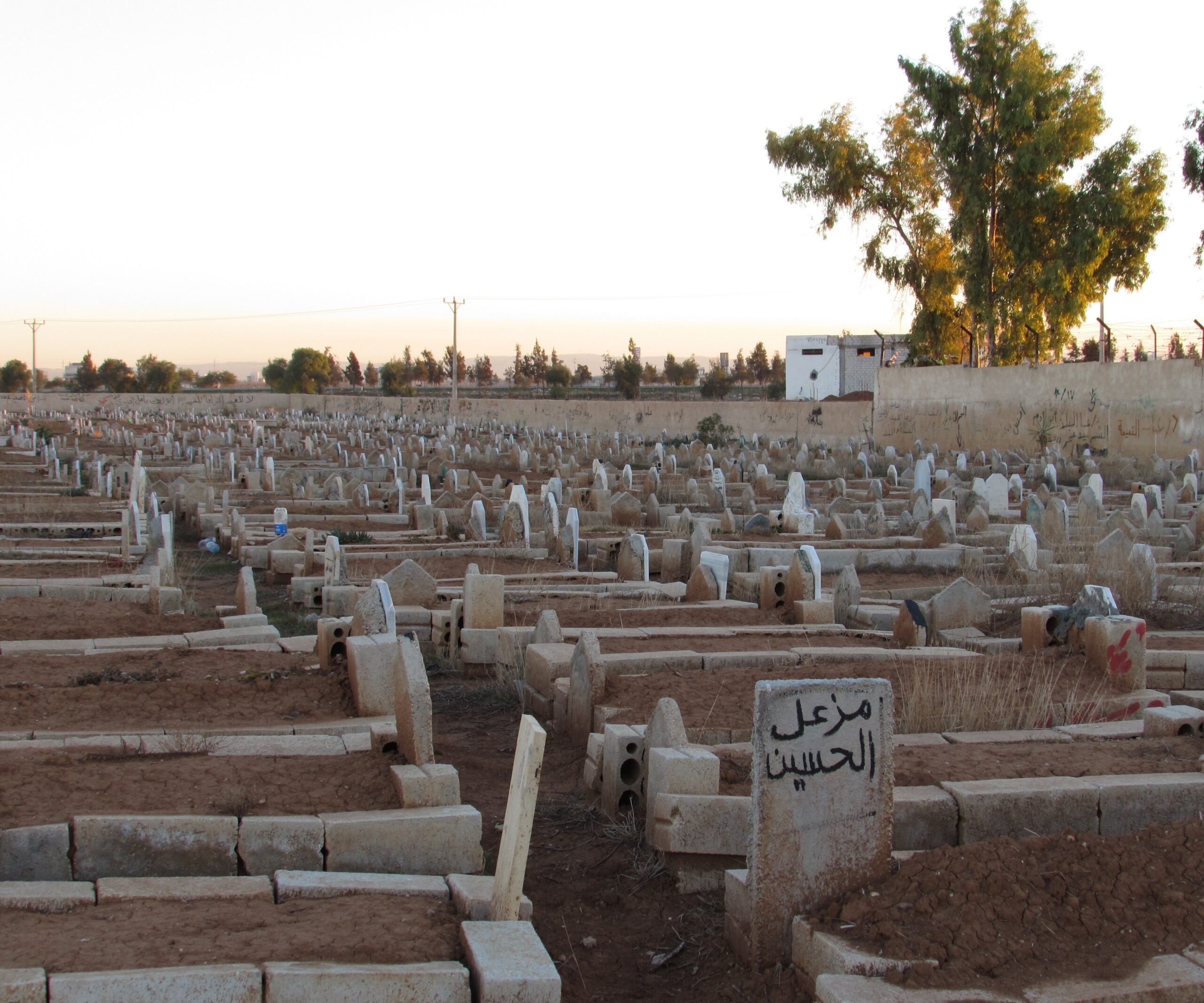
For the Assad regime in Damascus, displacement has become an essential tactic in shaping the terms of its encounter with dissent, alongside violence and detention. At the same time, the process of displacement has not unfolded in a coherent or predictable manner. Rather, displacement in the Syrian conflict is a product of choices, chief among them the regime’s choice to erase, rather than accommodate, political Opposition in Syria. It is also the result of how the Opposition responds to these challenges. This essay explores how Opposition networks have adapted pragmatically to displacement and exile. Far from accepting the terms of the conflict passively, Syria’s diverse opposition continues to mobilize in the face of ongoing state oppression.
Iran Shows No Concern for Safety of Civilians in Aleppo
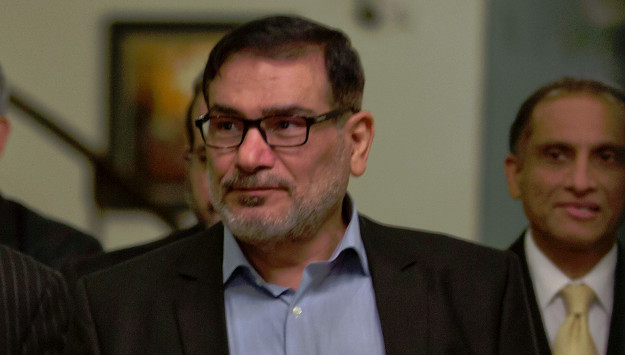
A senior Iranian security official has slammed a United Nations Security Council resolution that calls for international observers to monitor the evacuation of civilians trapped in the besieged Syrian city of Aleppo.
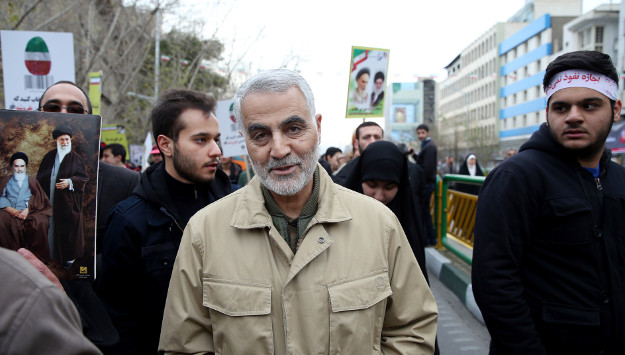
Iranian Official Admits Role in Syria’s Destruction
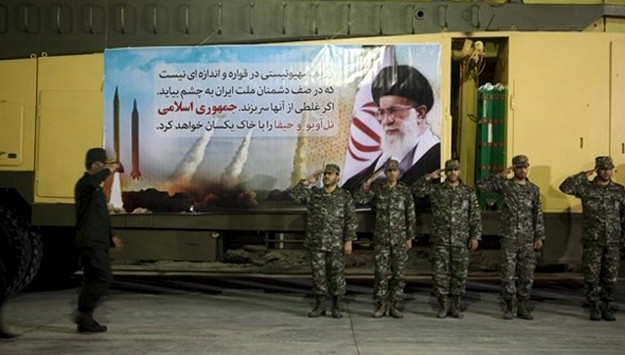
A top Iranian official admitted on December 21 that Tehran and Moscow shared a base in Syria to coordinate their military support for the country’s embattled President Bashar al-Assad.
The China-Pakistan Economic Corridor (CPEC): Underway and Under Threat
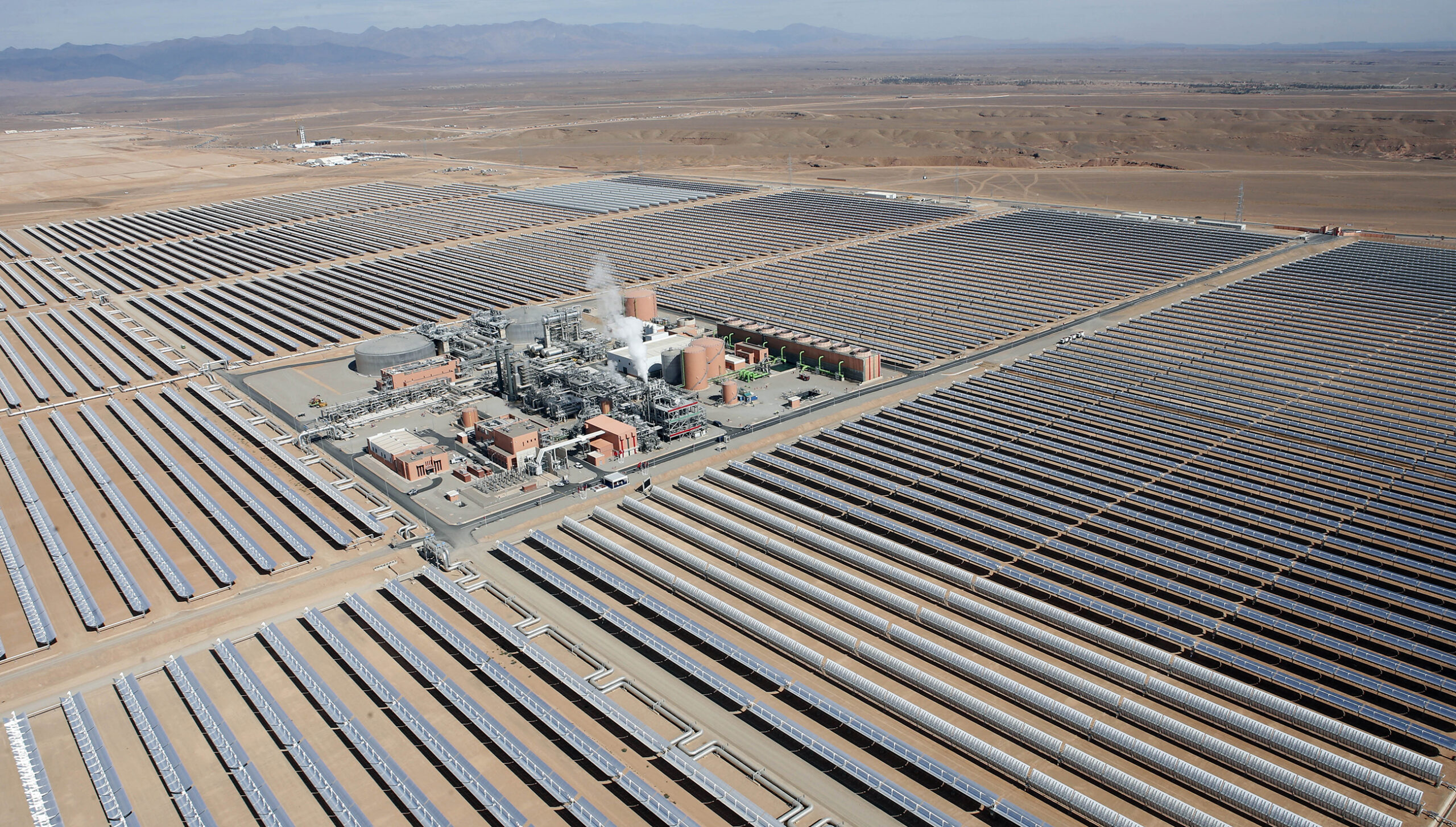
China is already Pakistan’s largest trade and defense partner. But the coming into operation of the CPEC lends a new meaning to, and could transform the relationship between these two “all-weather allies,” including insofar as their ties to the Middle East are concerned — provided that the territorial and maritime security challenges associated with the completion and use of this corridor can be satisfactorily addressed.
Rouhani Trying to Woo Voters with Empty Human Rights Slogans
On December 19, Iranian President Hassan Rouhani unveiled a “Citizens’ Rights Charter” that he promised would guarantee Iranians’ individual rights and civil liberties.
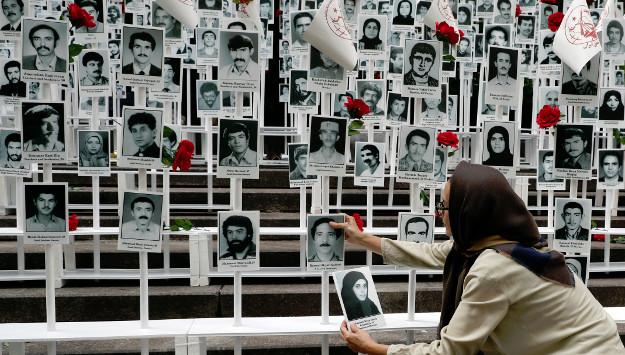
In a speech published in the Iranian media, Rouhani called on relevant authorities to ensure that all Iranian citizens enjoy personal security and freedom, have access to fair trial and justice, are not subjected to forced confessions, are immune from illegal intrusions into their privacy, and are not persecuted for religious beliefs.
The Islamic Revolutionary Guards Corps (IRGC) has claimed that its engineers are tasked to repair the Mosul Dam, Iraq’s largest dam that generates hydroelectricity and provides water for agricultural irrigation in Nineveh Governorate.
Hailing the IRGC’s scientific capabilities and non-military expertise, General Salar Abnoush, the deputy head of IRGC’s construction conglomerate Khatam al-Anbiya Construction Base, said that the company was busy “repairing cracks in Mosul Dam to prevent the complete inundation of the Iraqi cities of Samarra, Mosul and Kadhimiya.”
Iran-led Militia Forces Planning to Seize Iraq’s Tal Afar
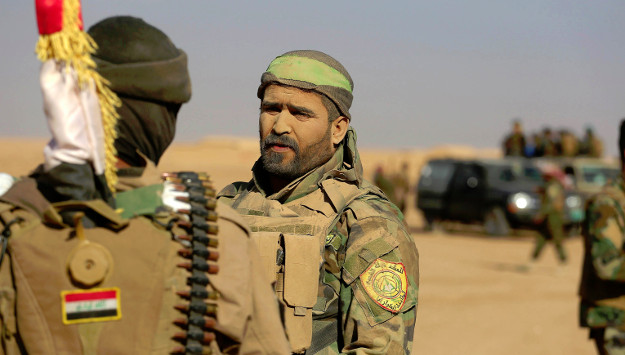
On December 20, a senior commander of an Iran-run Popular Mobilization Forces (PMF) unit in Iraq said the militia forces were stationed within three kilometers of Tal Afar city and were awaiting for an order from Baghdad to enter the city center.
From Conflict-insensitive to Conflict-driven Aid: Responding to the Syrian Refugee Crisis in Lebanon
In part due to a broader move from an emergency to development-based approach and due to pressure from central Lebanese government authorities, the humanitarian effort has now been coupled, since mid-2014, with one that takes into greater account the needs of local host communities alongside those of refugees. This traces the way in which tensions between hosts and refugees have become increasingly central to the development and execution of aid projects aimed at community-level support. The author argues that this has important consequences that may actually incentivize the tensions it aims to alleviate.
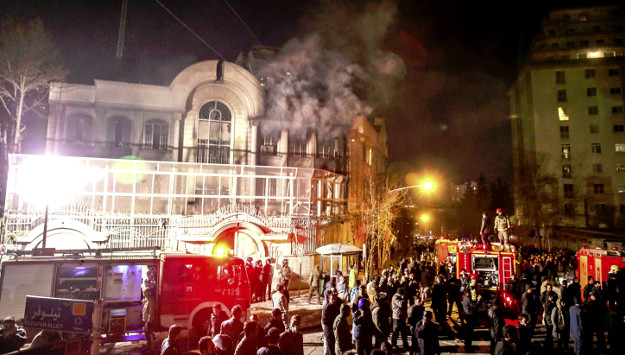
Iranian Responsible for Saudi Embassy Attack Claims Iran Government Gave “Green Light”
Iranian extremist cleric Hassan Kurdmihan, the confessed mastermind of the January 2016 attack on the Saudi Embassy in Tehran, is heard in a leaked tape recording telling his followers that the attack was “carried out upon a green light from the government and the regime,” according to a December 18 report in al-Arabiya. Kurdmihan can also be heard in the leaked calls directing members of the Iranian Basij and the Islamic Revolution Guards Corps (IRGC) to burn and destroy the Embassy and seize documents inside. The leaked recordings have been attributed to the Iranian opposition Green Mov