Rouhani under Pressure to Do More for Opposition Figure's Release
As President Hassan Rouhani is readying for reelection next May, he has come under growing pressure from his reformist supporters to improve the human rights situation in the country.
Success of China’s Hui Muslims: Assimilation or Hyphenation?
With the increased international media attention on the plight of the Uyghur Muslim minority in Xinjiang, Western news magazines have started to also focus on the Hui, or Chinese-speaking Muslims. Some of these accounts attribute the Hui’s success to their assimilation into Han Chinese culture and society. This essay refutes this argument by highlighting the differences between the manner in which Uyghurs and Hui were incorporated into the Chinese state.
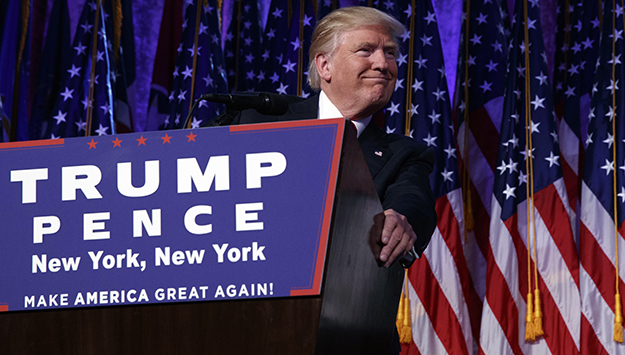
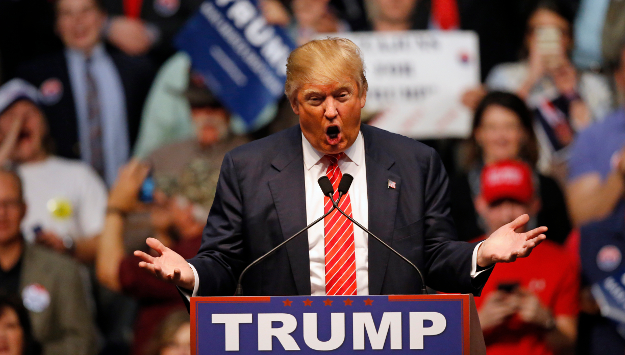
Iranians Divided over Impact of Trump’s Victory on Iran-US Relations
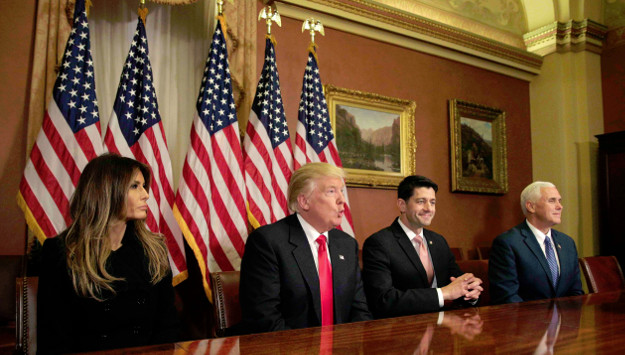
Iranian officials and media have reacted to Donald Trump’s election victory with a mixture of cautious optimism and alarm.
During the final stages of US presidential election, Iran’s Supreme Leader Ali Khamenei and leaders of the Islamic Revolution Guards Corps (IRGC) had implicitly supported Trump over Hillary Clinton. With Trump’s victory, they now hope that his pro-Moscow and anti-Saudi Arabia rhetoric translates into policy to favor Iran’s interests in Syria and the broader region.
News of Trump’s Secretary of State Nominees Sends Shockwaves Across Iran
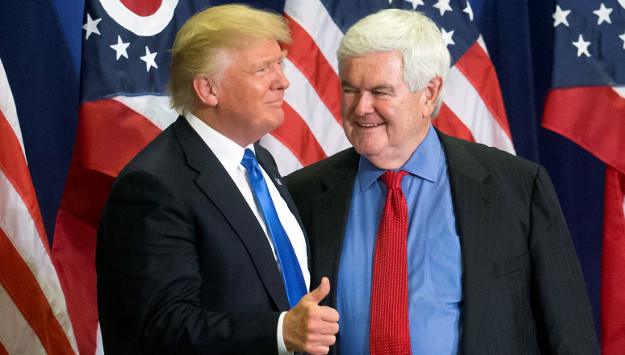
On November 10, a number of US news outlets reported that President-elect Donald Trump was considering his top campaign surrogates for top cabinet positions.
U.S.-G.C.C. Relations: Recommendations for the Next Administration
The United States will confront a new and very different set of challenges in its relationship with the G.C.C. states over the coming four years. For the first time since the end of World War II, a new administration will come to power in Washington next January facing a ‘trust deficit’ in its management of relations with its G.C.C. partners. The overwhelming Congressional vote to override President Barack Obama’s veto of the JASTA legislation was interpreted in the region as a lessening of popular support for the U.S.-G.C.C. relationship.
Briefing: Middle East Reactions to the U.S. Election
In this special edition of our weekly briefing, MEI experts Paul Salem, Robert S. Ford, Eran Etzion, Gonul Tol, Alex Vatanka, and Gerald Feierstein provide analysis on the impact of Donald Trump’s victory in the U.S. Presidential Election on the future of Middle East policy, its particular effect on the crises in Iraq and Syria, and how the news has been received across the region, including in Turkey, Iran, and the GCC.
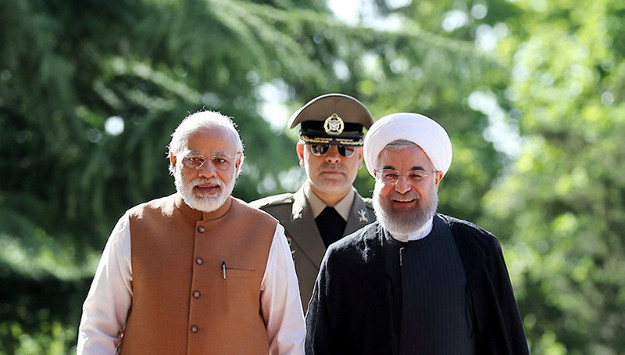
The last few weeks has seen a flurry of important announcements in Iranian-Indian relations. It is usually the commercial transactions that capture most of the headlines, but the potential for closer ties between these two states runs much deeper.
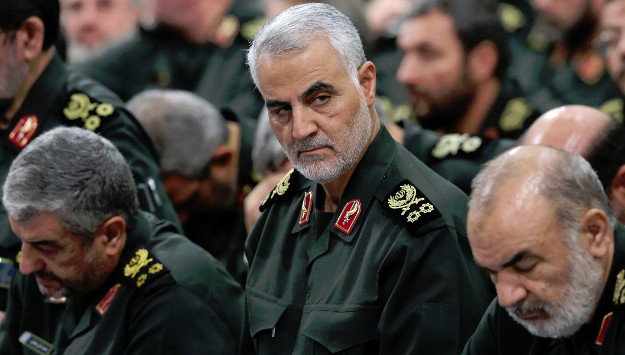
Suleimani's Role in Iraq Raises Fear of Sectarianism after Islamic State's Ouster from Mosul
As the Iraqi security forces are fighting the Islamic State to retake Mosul, a top Iranian general and his aides are reportedly playing a key role on the battlefield.
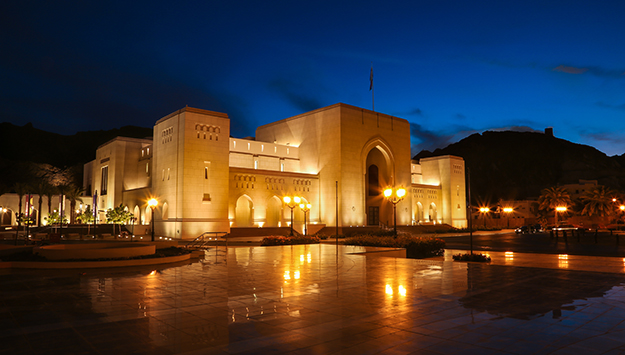
Director Jamal al-Moosawai wanted the new National Museum of Oman to be a space that grows and expands with its knowledge base, and is in tune with ongoing archaeological discoveries in the Arab country.
The result of a ten year collaboration between the Ministry of Heritage and Culture, the Royal Estate Affairs of Oman, Jasper Jacob Associates (J.J.A.), and Arts Architecture International Ltd (A.A.I.), the museum’s blend of the traditional and the contemporary, as well as its high-tech research facilities, make it unique in the region.
Iran-Backed Iraqi Militias Mulling Post-Mosul Role in Syria
As the Iraqi security forces are moving deeper into eastern districts of Mosul, the Iranian media reports that militia groups from the Popular Mobilization Forces (PMF) are making territorial gains against the Islamic State in Mosul’s western region.
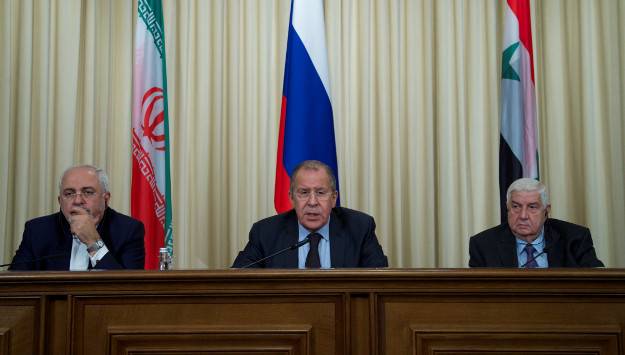
Tehran-Moscow Ties Growing but Alliance Remains Shaky
At the invitation of Iran’s Parliament Speaker Ali Larijani, the chairwoman of the Federation Council of Russia, the country’s upper house of parliament, is