دور الشرق الأوسط في السباق بين الولايات المتحدة والصين للسيطرة على مجال الذكاء الاصطناعي
تعد الذكاء الاصطناعي محفزًا محوريًا للابتكار العالمي، حيث تتصدر الولايات المتحدة تطوير هذه التكنولوجيا التحويلية في خضم تنافسها المستمر مع الصين على القوة العظمى. يهدف هذا التقرير إلى تعريف مفهوم التفوق في مجال الذكاء الاصطناعي ومراجعة استراتيجية الولايات المتحدة في هذا المجال وفقًا لفهم أكثر شمولية له. كما يبحث التقرير في كيفية تأثير المنافسة على الأطراف الفاعلة في الشرق الأوسط، ولا سيما الإمارات العربية المتحدة والمملكة العربية السعودية، في محاولة لتوجيه الحوار حول السباق العالمي في مجال الذكاء الاصطناعي نحو مفهوم شامل لسيادة الذكاء الاصطناعي يرتكز على واقع الشؤون الدولية والتنافس بين القوى العظمى الأمريكية والصينية.
ما وراء النفط: رهان جوجل الكبير على مستقبل الذكاء الاصطناعي في السعودية
في خطوة تاريخية تشير إلى الأهمية المتزايدة للشرق الأوسط في المشهد التكنولوجي العالمي، دخلت Google في شراكة استراتيجية مع صندوق الاستثمار العام السعودي (PIF)، وهو صندوق الثروة السيادي للمملكة. تؤكد هذه الشراكة على "الترابط المتزايد" بين الذكاء الاصطناعي والطاقة، حيث تستخدم المملكة العربية السعودية - إلى جانب الإمارات العربية المتحدة ودول الخليج الأخرى - فائضها من الطاقة لتشغيل مراكز البيانات، التي تعد ركيزة أساسية في البنية التحتية للذكاء الاصطناعي.
مع وصول الشرق الأوسط إلى حافة الهاوية، كيف يمكن للولايات المتحدة إعادة ضبط ردها؟
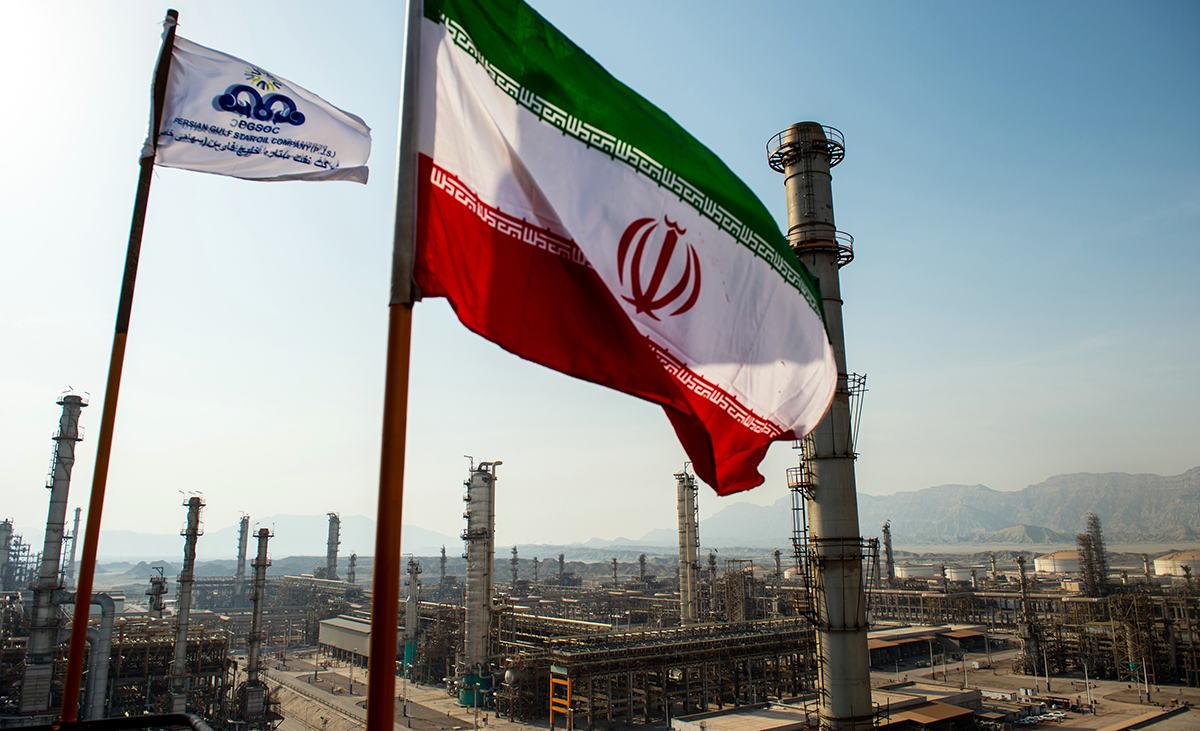
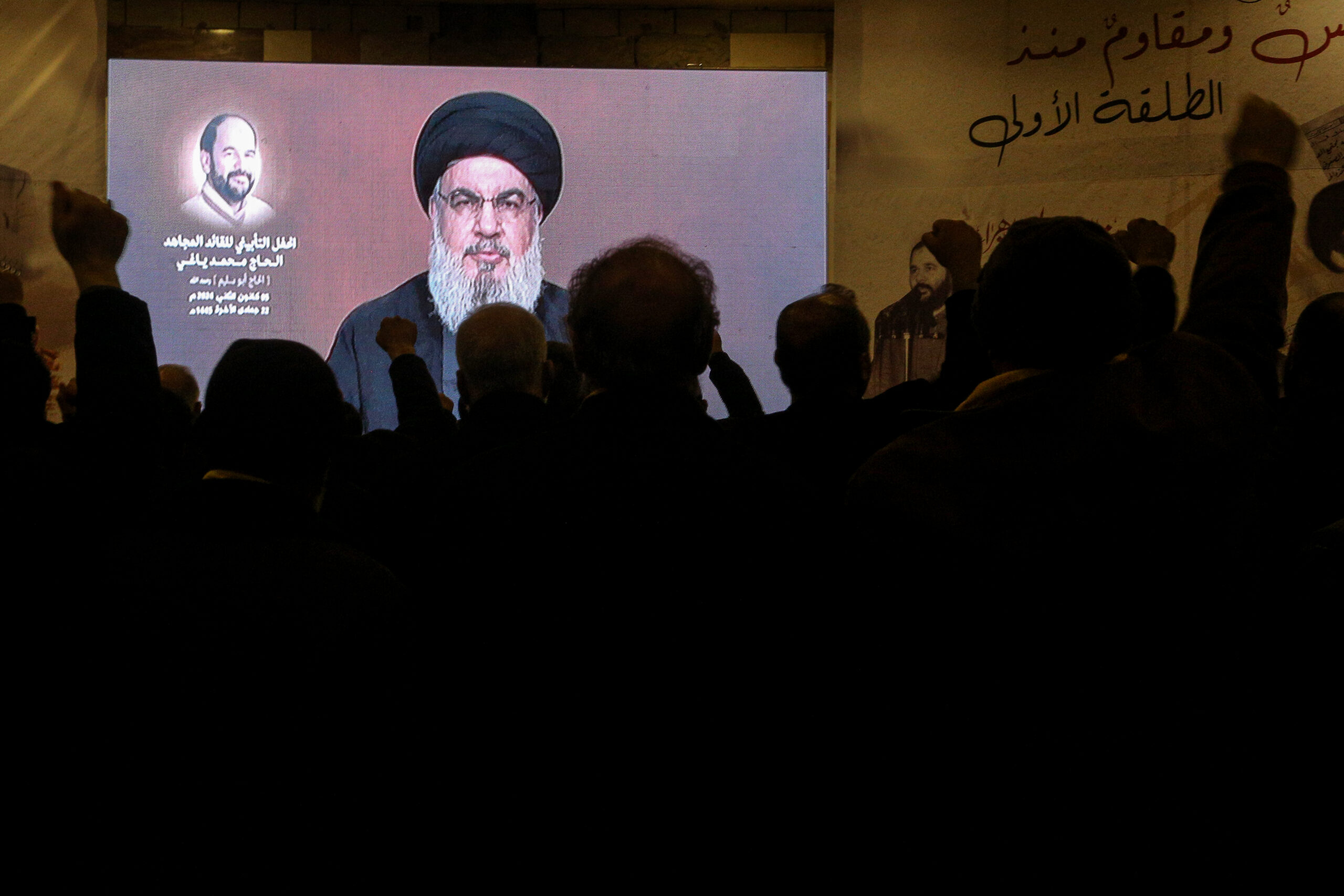
The Middle East teeters on the precipice of a substantial escalation, threatening to more fully draw in Lebanon, Iran, and perhaps other countries. What happens in the coming days, along with the decisions made by adversaries and allies alike, will determine if that happens.
As the Middle East becomes more autonomous and empowered domestically, the leaders in the region might consider more synergetic relations with each other and prepare national long-term plans that provide a balanced and integrated approach to social, technological, environmental, economic, and political development and progress.
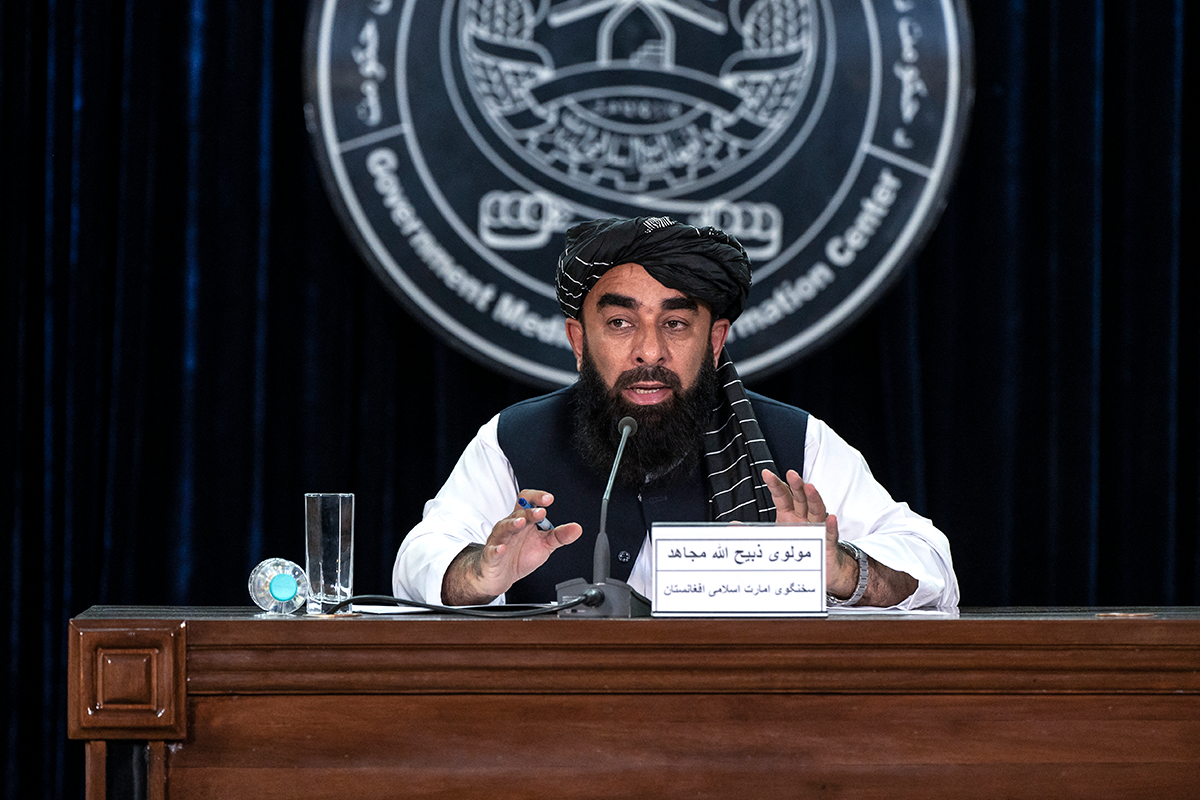
باكستان والشرق الأوسط: النهج المتطور تجاه أفغانستان
لطالما كانت أفغانستان ساحة للمنافسات بالوكالة بين القوى الإقليمية، التي اتبعت سياسات متباينة تجاه أفغانستان على مدى العقود الماضية من الاحتلال الأجنبي، وتقوم بذلك مرة أخرى الآن في ظل سيطرة طالبان المتجددة على البلاد.
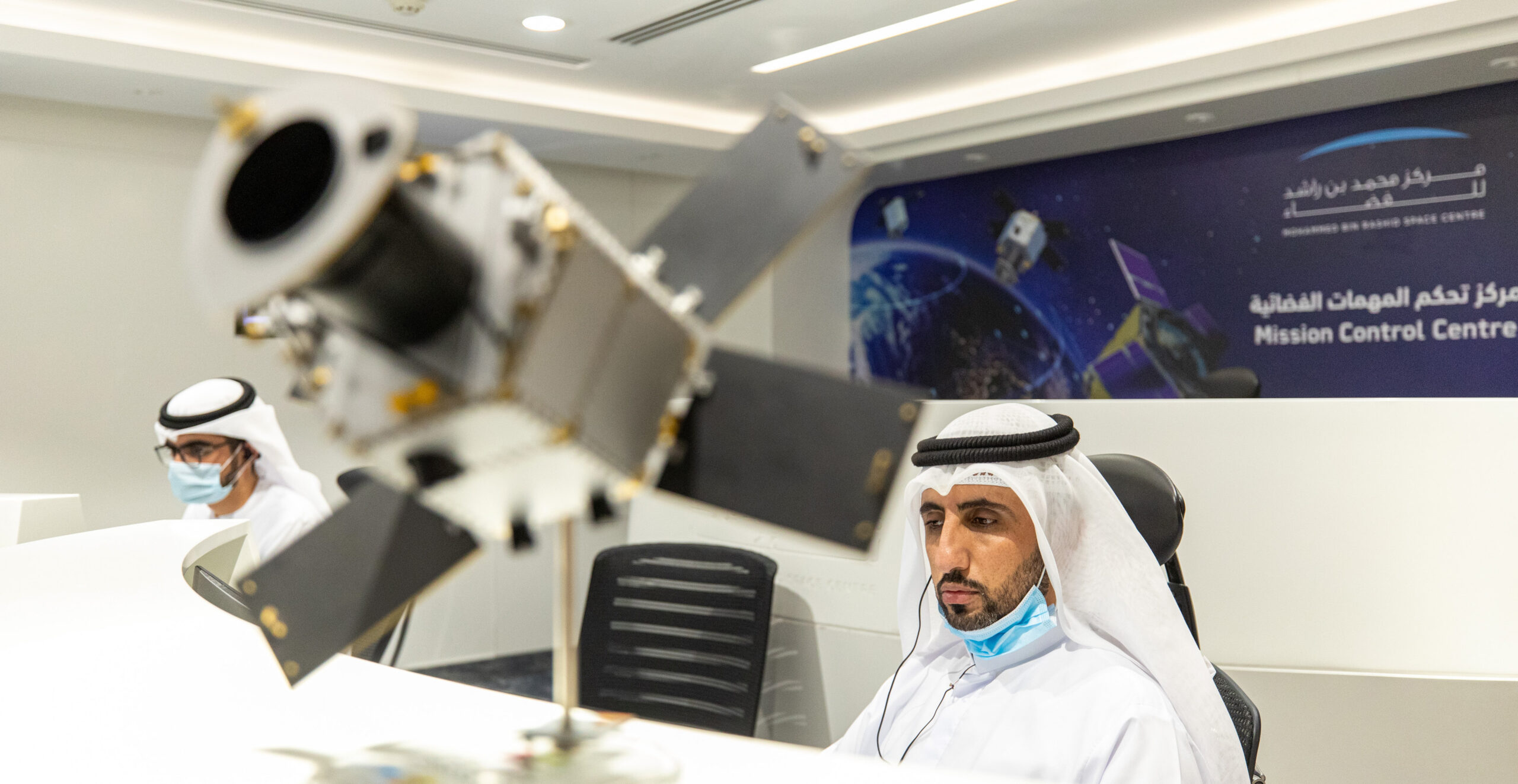
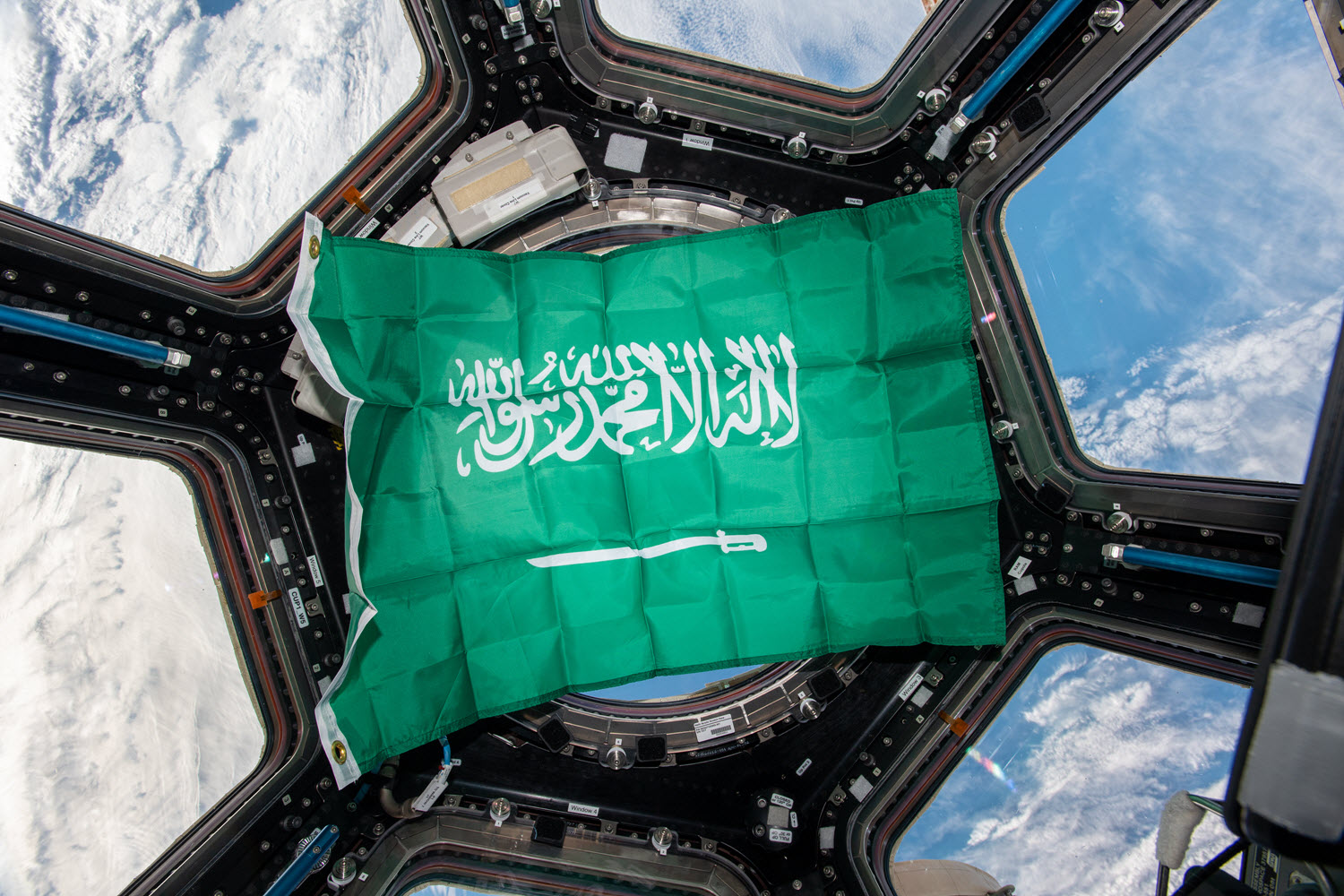
On July 16, the United States and Saudi Arabia announced a new framework for space collaboration and civil aeronautics that shakes up the space race. The agreement marks a turning point for the US-Saudi Arabia bilateral relationship, gearing it more toward scientific cooperation and demonstrating the pivotal role that emerging space powers, particularly in the Middle East, are poised to play in the Second Space Age.
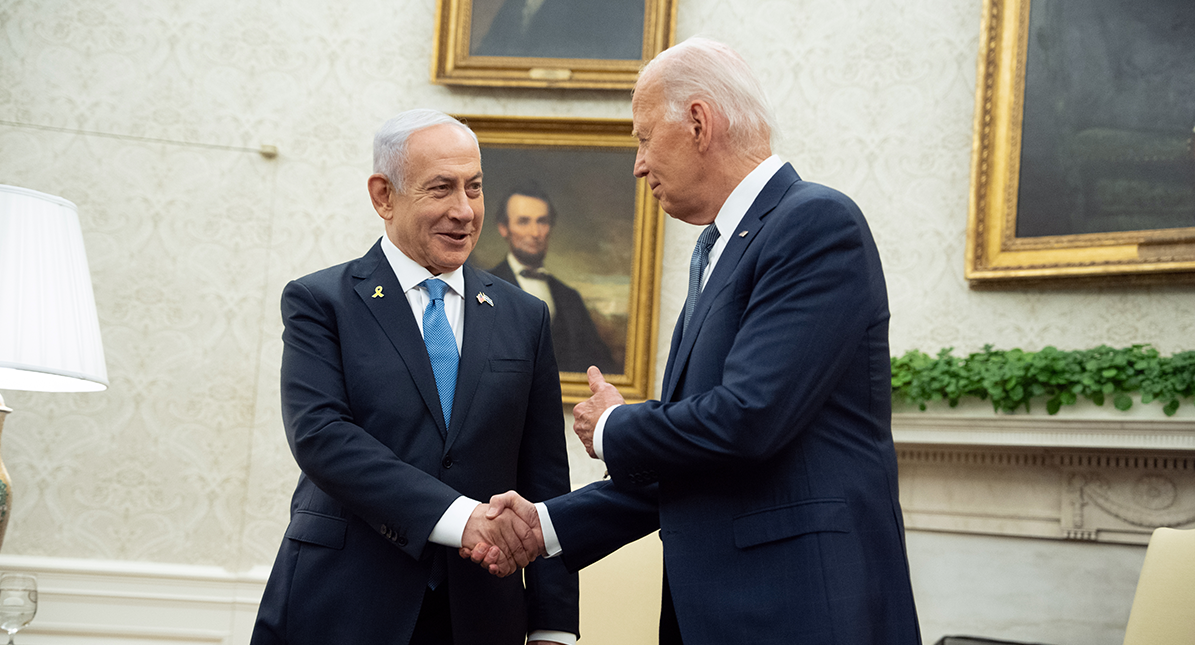
Unpacking the policy dimension of Netanyahu's Washington visit: A US push for a Gaza deal that came up short
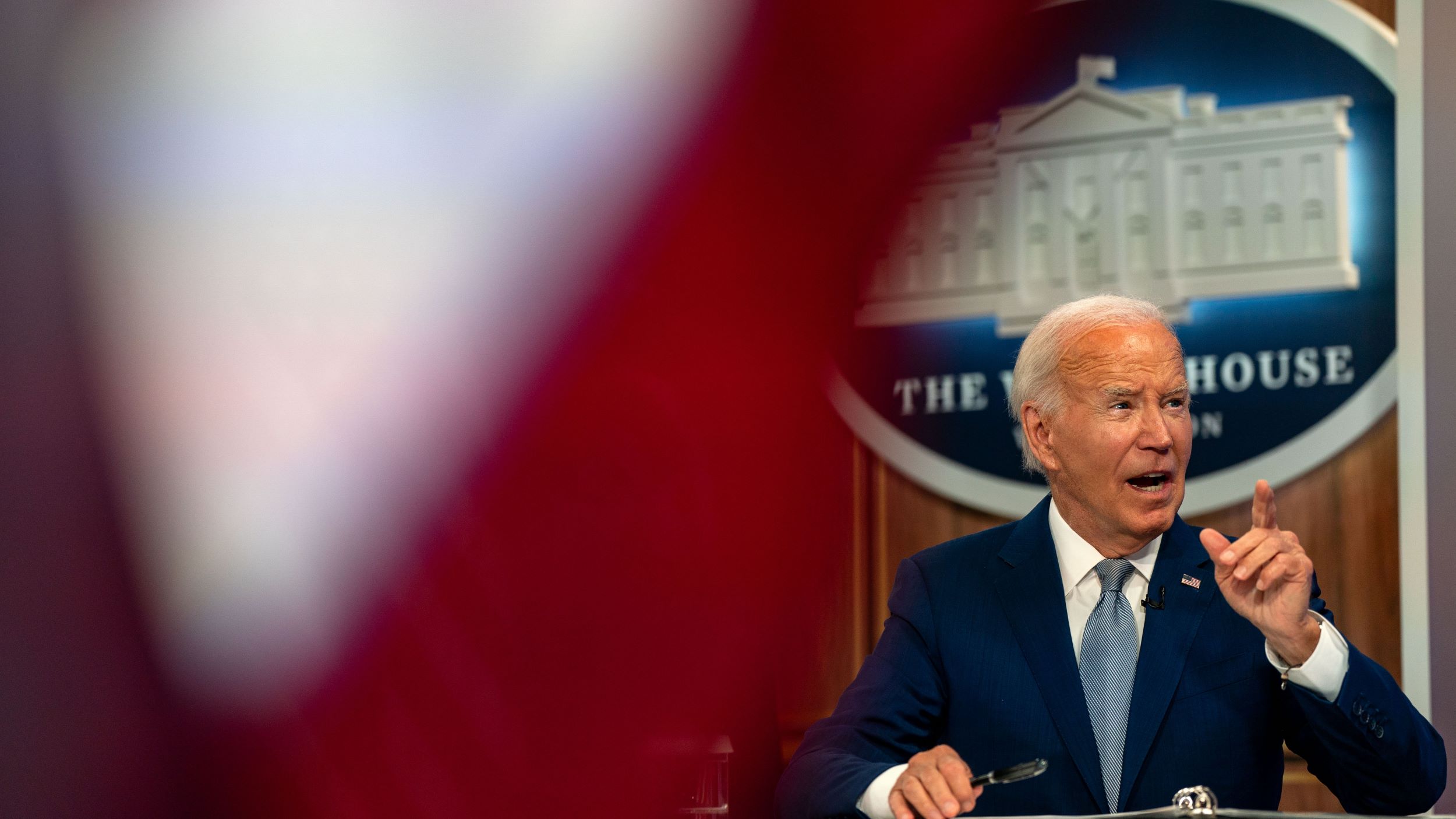
The extensive coverage and analysis of Israeli Prime Minister Benjamin Netanyahu’s recent visit to the United States mostly focused on optics and domestic politics, rather than on policy. Nevertheless, policy issues were very much present throughout the course of the visit, with Biden and his team trying to push for a hostage and cease-fire deal between Israel and Hamas.
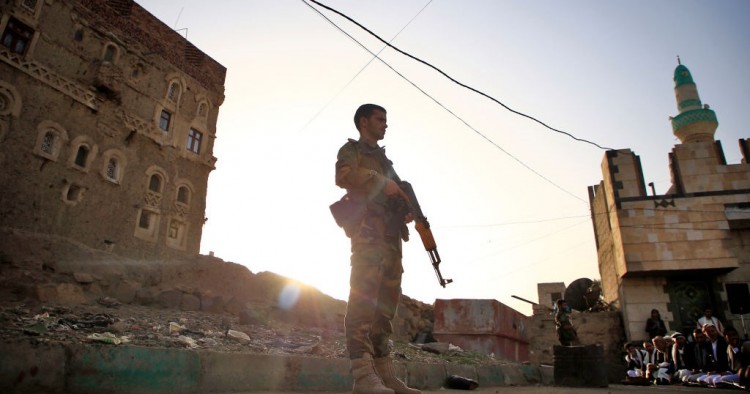
The geopolitical implications of Houthi attacks and Israeli retaliation
The Houthis’ strategy of escalation has the potential to upset the fragile balance of power in the Middle East and underlines the ability of smaller actors to influence larger geopolitical outcomes through calculated risks and alliances.
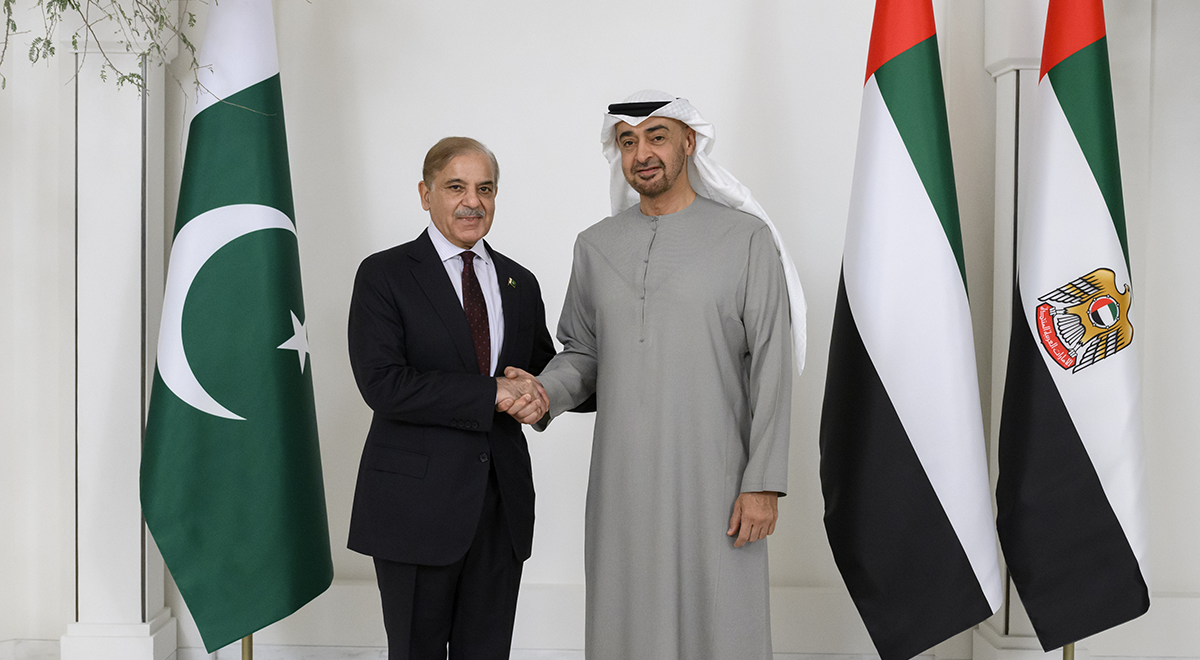
Why Pakistan is looking to Saudi Arabia and the UAE to ramp up investment
Pakistan’s government is pursuing a two-track approach to stabilize the country’s long-troubled economy. It is engaged in lengthy negotiations with the IMF to secure at least $6 billion in loans to shore up its ability to service its external debt. At the same time, Islamabad is also trying to woo its Gulf allies, most notably Saudi Arabia and the UAE, in a bid to diversify its sources of external financing, address the lingering threat of insolvency, and put its economy on an upward trajectory of sustainable growth.
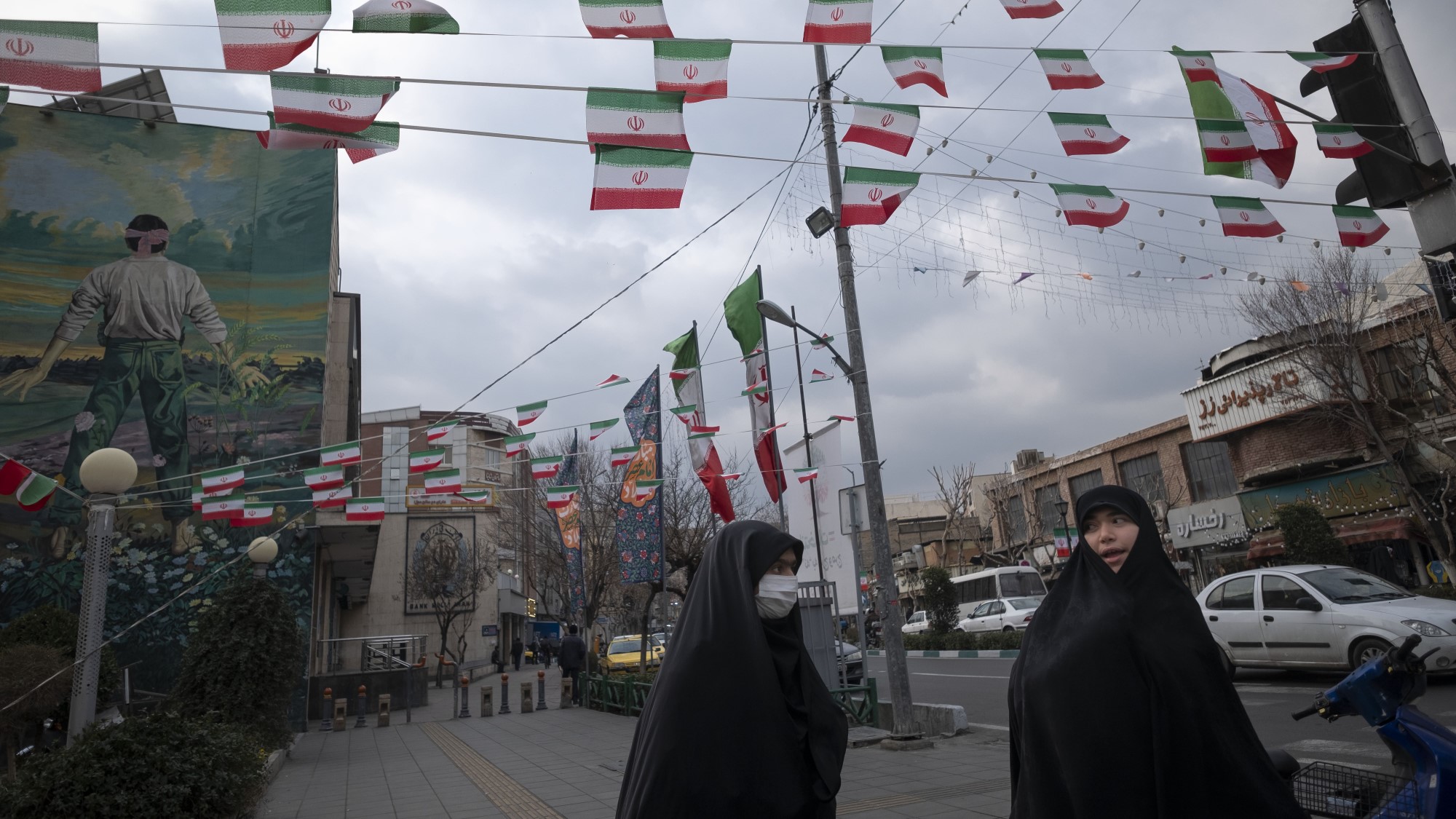
Beyond guns and oil: The emerging soft power rivalry between Iran and Saudi Arabia
A little over a year ago, the icy relations between Iran and Saudi Arabia underwent a remarkable thaw. But beneath this détente, a new front emerged in their longstanding rivalry — one rooted not in geopolitics or religious ideologies but in the realm of soft power and societal aspirations.
The clock is ticking to reset Kuwait’s economic course and reinstate legislature
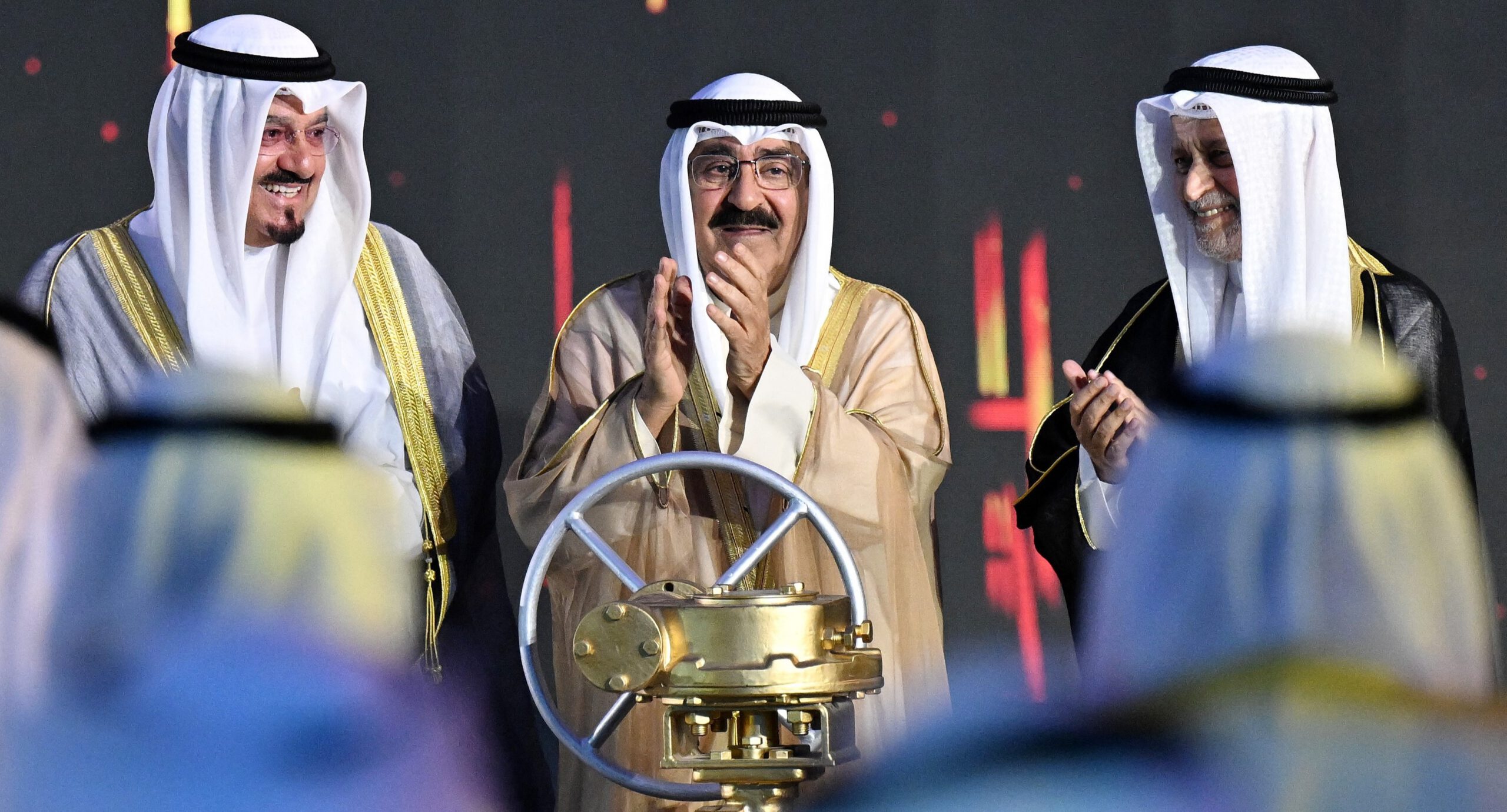
Kuwait’s emir, Sheikh Mishal Al Ahmad Al Jaber Al Sabah, took his next step in governance without a parliament in place on June 1, when he appointed Sheikh Sabah Khalid Al Sabah as crown prince. Although the timing of the announcement suspending portions of the constitution and dissolving the parliament caught most observers off guard, the emir’s decision was not surprising.