تقييم منتصف الطريق لرحلة ترامب التاريخية إلى الشرق الأوسط
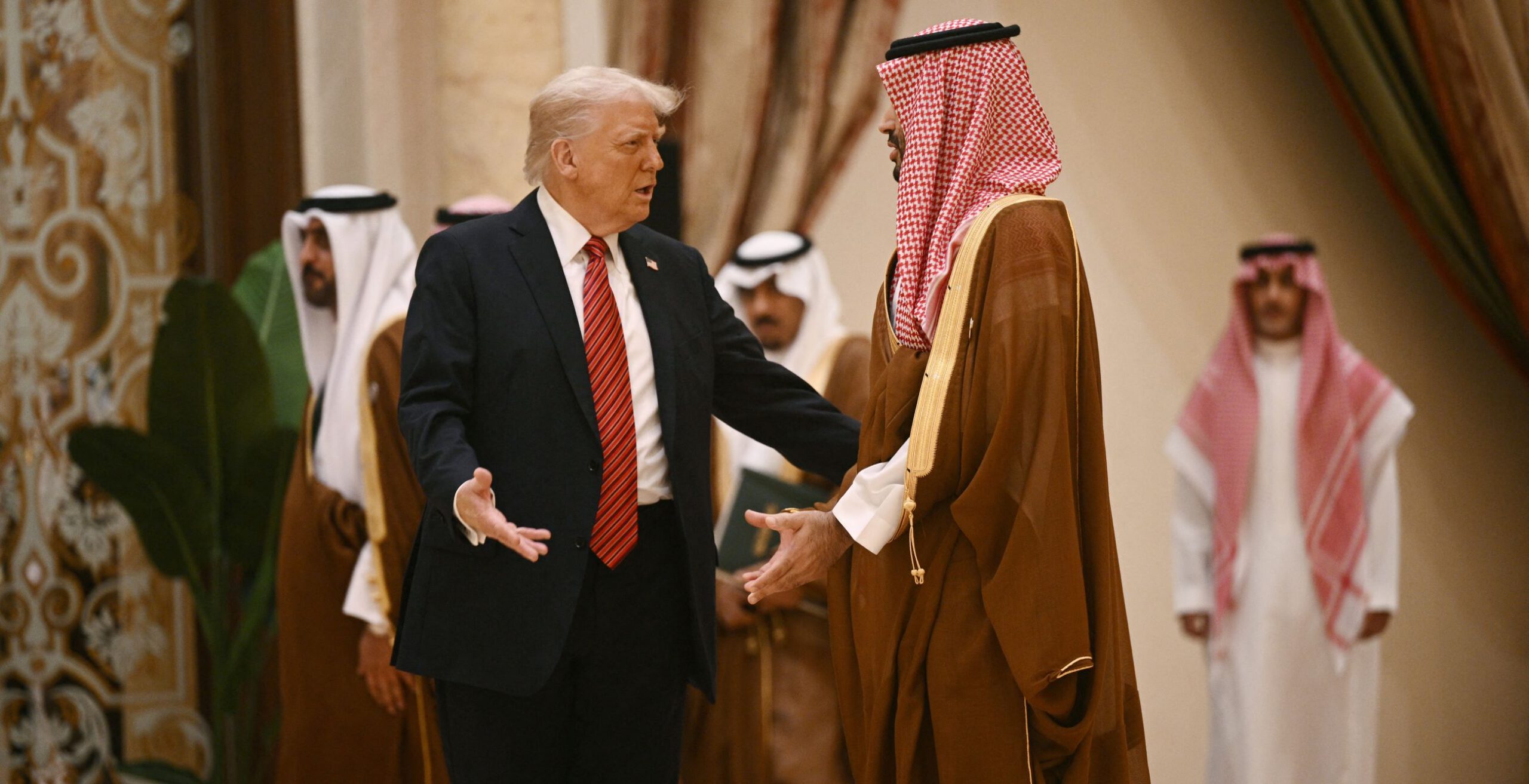
كان أحد المحاور الاستراتيجية في الأشهر الأولى من ولاية ترامب الثانية هو تعميق التعاون الاقتصادي بين الولايات المتحدة والاقتصادات الرائدة في منطقة الخليج. وبالتالي، أسفرت المرحلة الأولى من رحلته إلى المنطقة عن وضع نموذج لتعميق العلاقات بين الولايات المتحدة والسعودية.
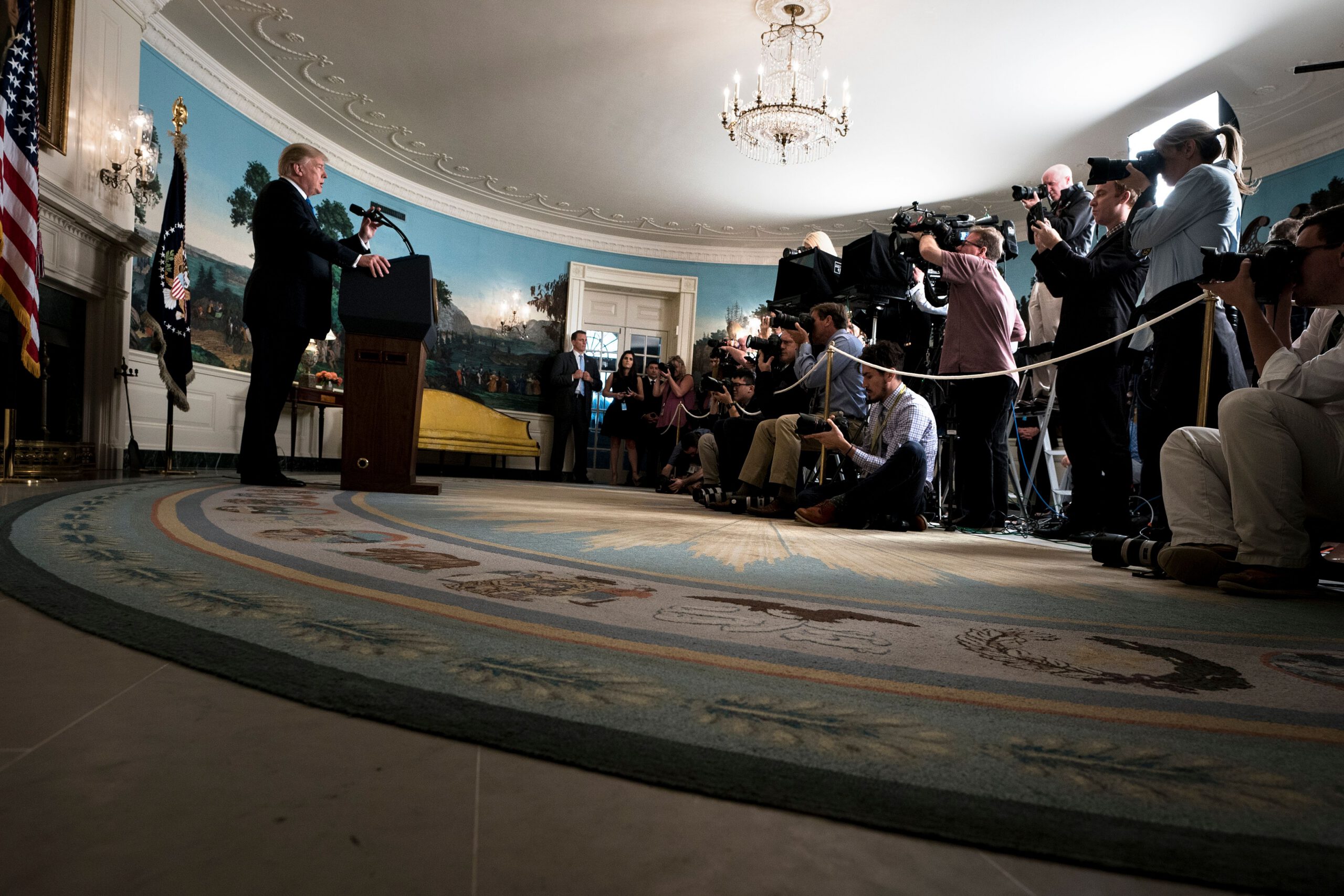
يقوم الرئيس الأمريكي دونالد ترامب هذا الأسبوع بزيارته الأولى إلى الشرق الأوسط منذ بدء ولايته الثانية، حيث سيزور المملكة العربية السعودية وقطر والإمارات العربية المتحدة في الفترة من 13 إلى 16 مايو. وسط التركيز المتزايد على سياسة الولايات المتحدة تجاه الشرق الأوسط، يقيّم خبراء معهد الشرق الأوسط (MEI) زيارة ترامب إلى الخليج، وكيف شكلت إدارته نهجها تجاه المنطقة ككل في الأشهر الأولى من ولايتها، وكيف تستجيب الأطراف الفاعلة في المنطقة للسياسات الصادرة عن واشنطن.
The Damascus-SDF agreement two months on: Fragile progress or delayed collapse?
On March 10, 2025, Ahmed al-Sharaa, the president of Syria, and Mazloum Abdi, the commander-in-chief of the Syrian Democratic Forces, signed a historic agreement, ending a long-running divide between Damascus and the Democratic Autonomous Administration of North and East Syria. Now, two months after the deal was signed, how far has it progressed, and what are the main obstacles and disputes between the parties during this transitional phase?
It’s time to end the EU’s Assad-era sanctions on Syria
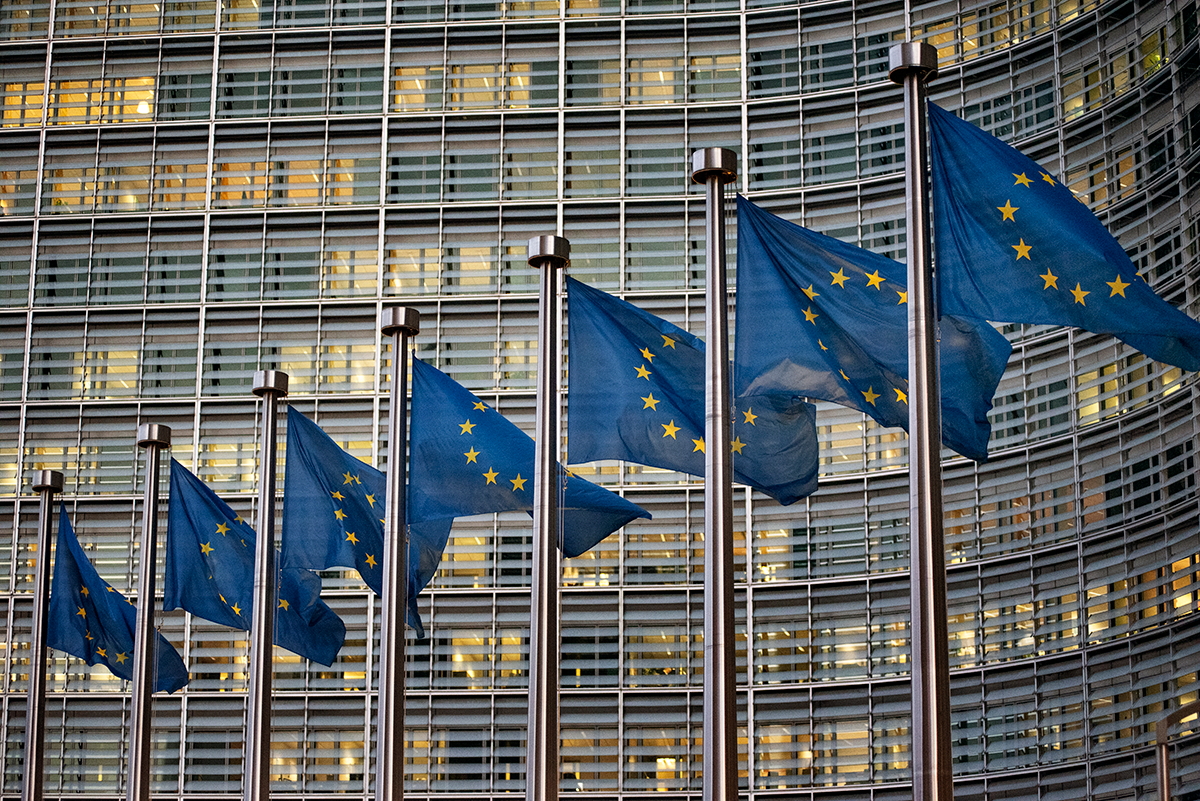
As the EU prepares for its annual review of sanctions imposed on Syria, it faces a moment of reckoning — an opportunity to demonstrate whether its policies not only continue to be principled and legal, but also in line with its strategic interests. They no longer serve the purpose for which they were designed, and the EU should let the entire sanctions regime on Syria collapse unconditionally and immediately.
الآلاف من اللاجئين الأفغان الذين كانوا يتمتعون بالحماية في الولايات المتحدة يواجهون الترحيل
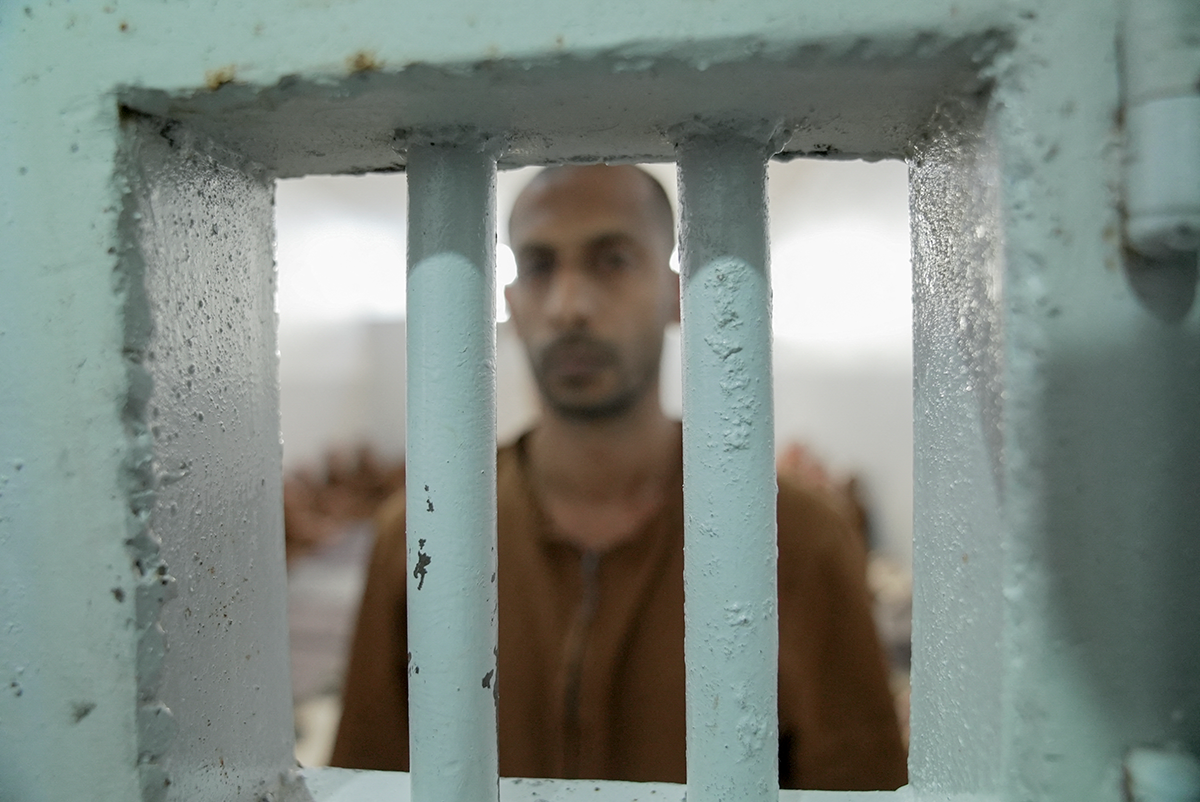
أصبح الانسحاب الفوضوي للجيش الأمريكي من أفغانستان في أغسطس 2021 قضية انتخابية ساخنة في الانتخابات الرئاسية لعام 2024 ولا يزال صداها يتردد حتى اليوم. وقد انتقد الرئيس دونالد ترامب، الذي بدأ عملية الانسحاب خلال ولايته الأولى، مرارًا وتكرارًا إدارة الرئيس جو بايدن لتركها وراءها معدات عسكرية بقيمة مليارات الدولارات. كما تركت وراءها عشرات الآلاف من الأفغان وأفراد أسرهم، الذين واجهوا انتقامًا لمساعدتهم القوات الأمريكية في القتال ضد طالبان.
لعدة أشهر، حاولت الحكومة التركية تحقيق ثلاث مهام رئيسية في وقت واحد أو تقريبًا لترسيخ قبضتها على السلطة في الداخل وتعزيز نفوذها في المنطقة بشكل عام. ويتألف نهجها الثلاثي لتحقيق هذا الهدف من السعي إلى 1) سحق الديمقراطية وتدمير المعارضة السياسية في تركيا من خلال توجيه تهم جنائية خطيرة ضد إكرم إمام أوغلو، عمدة إسطنبول الشهير؛ 2) ضم الحزب التركي المؤيد للأكراد إلى ائتلاف للفوز في الانتخابات الوطنية المقبلة مع استمرار الرئيس الحالي رجب طيب أردوغان في حكمه الذي دام 22 عامًا؛ و 3) الاستفادة من نفوذها الجديد والقوي في سوريا لتحييد القوة الكردية في الشمال الشرقي وفي الحكومة الوطنية السورية.
ISIS is on the ropes in Syria. A successful transition in Damascus could deliver a knockout blow
For much of the past two decades, ISIS has enjoyed favorable conditions in Syria, but since the fall of Bashar al-Assad’s regime in December 2024, dynamics have changed. With Assad’s departure, ISIS lost its long-standing and vitally important safe haven in Syria’s central desert and its most significant driver for recruitment. The results — so far — have been dramatic.
Reimagining Syria: A Roadmap for Peace and Prosperity Beyond Assad
The work of the Syria Strategy Project and the considerable policy recommendations found in this report present a realistic and holistic vision for Syria’s recovery and reintegration into the international system.
Trump brings his foreign policy improv act to the Middle East
While most media attention was focused on its global economic policy moves, the Trump administration continued to keep the Middle East high on its agenda this past week, with the president sending a letter to Iran’s supreme leader and his team directly engaging with the Palestinian group Hamas. This continued engagement on the region’s top two strategic questions, Iran and Arab-Israel affairs, contrasted with America’s hands-off approach to Syria, which saw some troubling violence.
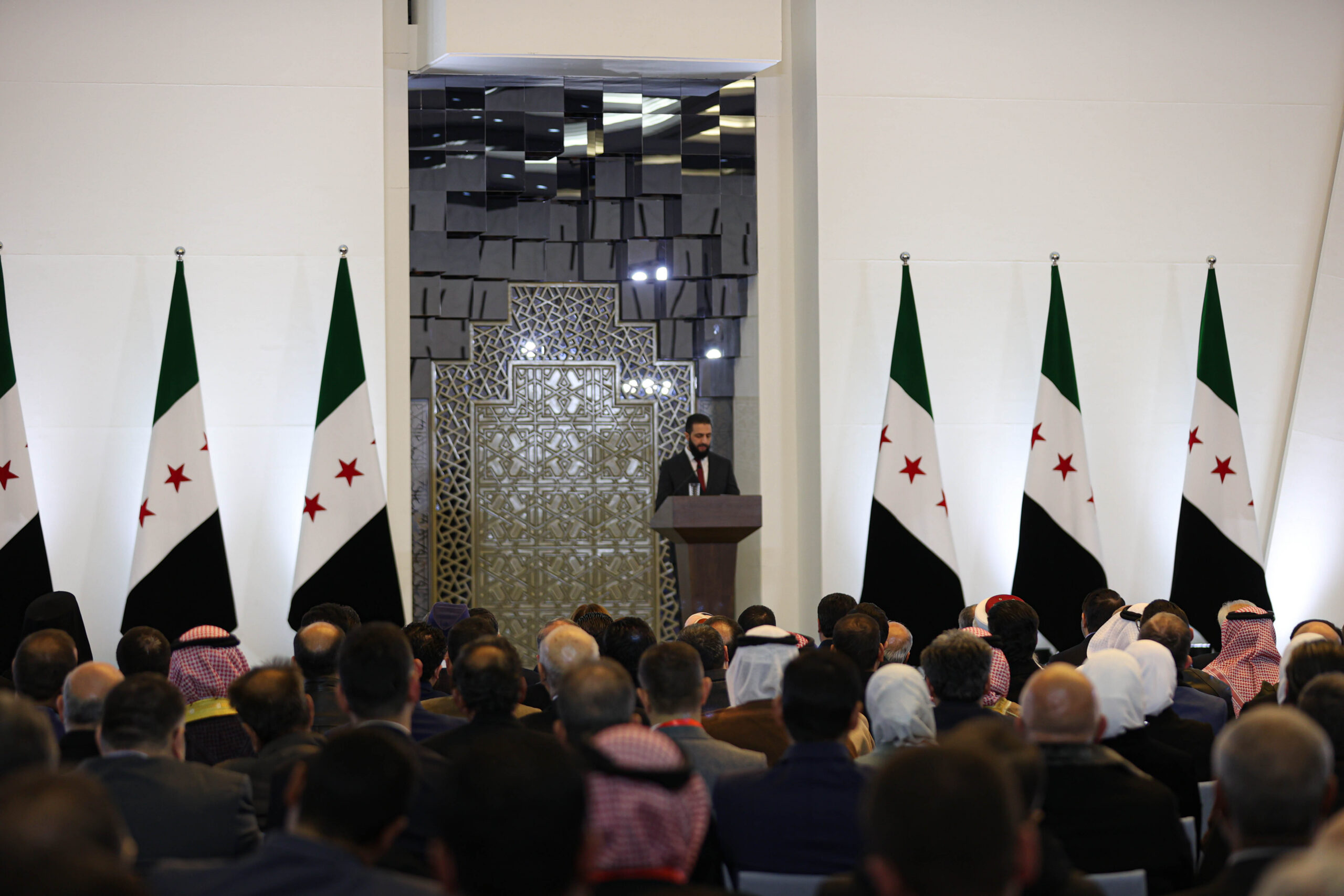
The national dialogue in Syria: A step forward or a concerning trajectory?
Syria’s national dialogue, held in Damascus at the end of February, was intended to chart the country’s future, one that would have been unthinkable just three months earlier. However, the process and outcomes of the dialogue were flawed, left critical questions unanswered, and raised new concerns.
انسحاب الولايات المتحدة والديناميات الأمنية الإقليمية الجديدة في جوار أفغانستان
تشهد الدول المجاورة لأفغانستان عملية إعادة هيكلة جوهرية لنظامها الأمني. وتواصل الدول الإقليمية الرئيسية، وهي باكستان وأفغانستان وإيران والصين، تعديل خططها الدفاعية وشراكاتها الأمنية لمواجهة التهديدات المتزايدة التي يشكلها الإرهاب المحلي والعابر للحدود. وفي الوقت نفسه، تبحث هذه الدول الأربع عن سبل جديدة لملء الفراغ الذي خلفه انسحاب الجيش الأمريكي من أفغانستان في جنوب آسيا.
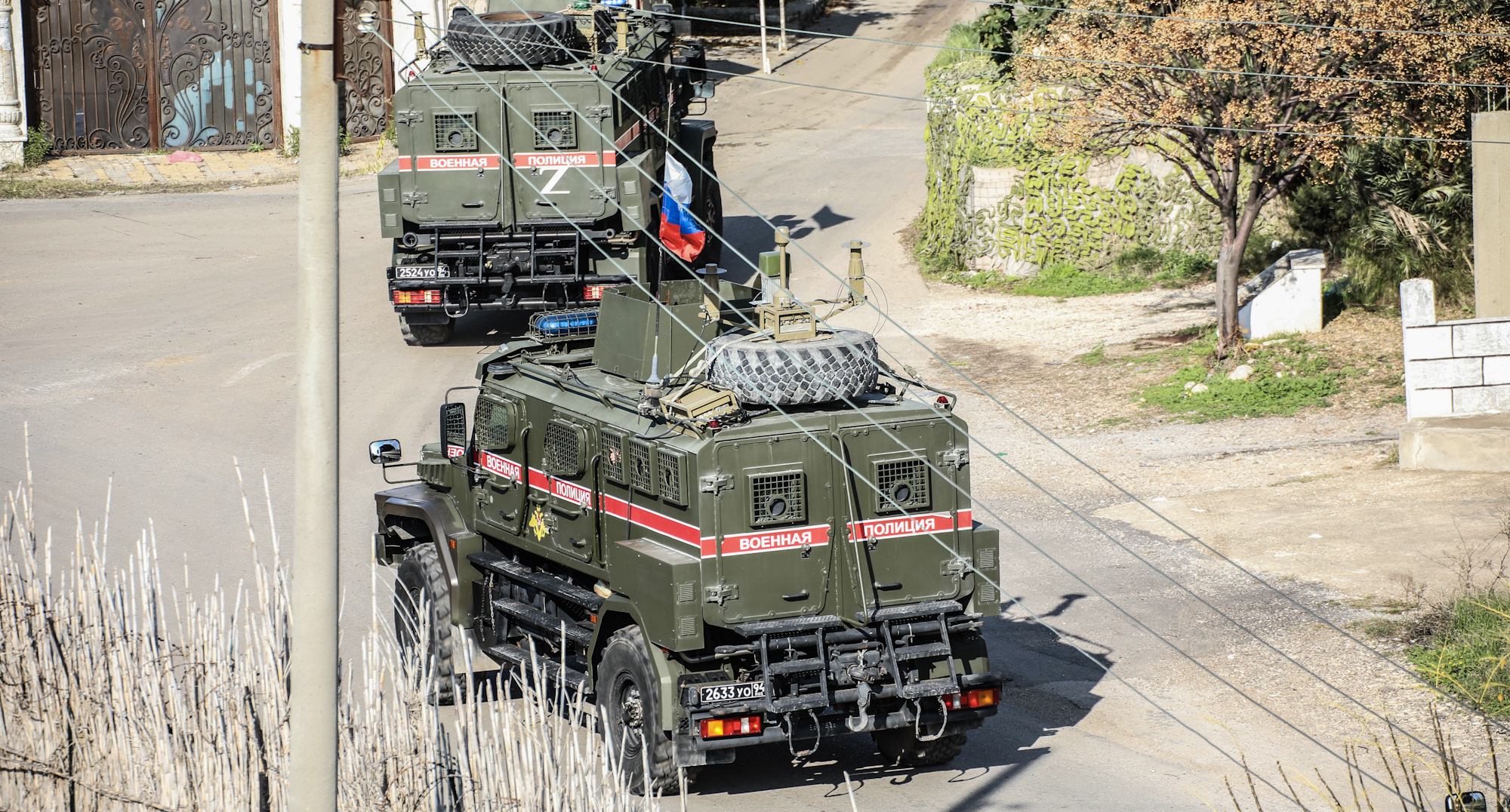
إعادة توازن استراتيجية روسيا في منطقة البحر الأبيض المتوسط: من إظهار القوة إلى التراجع إلى المنطقة الرمادية
سيكون من الصعب للغاية على موسكو الحفاظ على قواعدها العسكرية في سوريا أو إيجاد موقع بديل في البحر الأبيض المتوسط. وجزء من المشكلة في السعي وراء الخيار الأخير، خاصة إذا كان في ليبيا، هو أنه سيتطلب تحولاً كاملاً في نموذج الوجود العسكري الروسي — من قواعد أكثر تقليدية مصممة لفرض الردع من خلال إظهار العلم في المنطقة إلى بناء عملية عسكرية ولوجستية داخل "منطقة رمادية" أمنية.
ما وراء "الضغط الأقصى" في سياسة الولايات المتحدة تجاه إيران: الاستفادة من الشركاء الإقليميين لاحتواء تصرفات إيران وتشكيل خياراتها المستقبلية
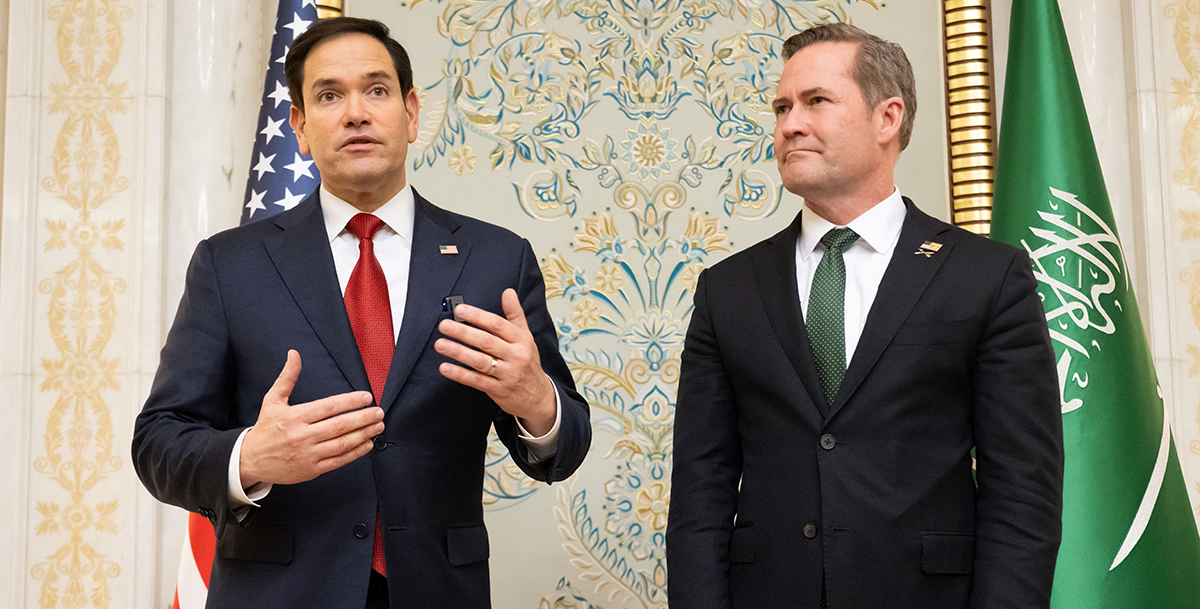
في ولايته الثانية، يواجه الرئيس دونالد ترامب منطقة الشرق الأوسط التي تشهد اضطرابات متعددة الأوجه وجمهورية إيران الإسلامية التي تمر حالياً بأضعف وأكثر مواقفها عزلة منذ تأسيس النظام في عام 1979. ومع ذلك، وبعيداً عن الخضوع الدائم، تواصل طهران الاقتراب من بناء سلاح نووي، وتحاول الحفاظ على شبكتها الإقليمية من الوكلاء والحلفاء غير الحكوميين. يواجه ترامب الآن خيارًا استراتيجيًا مهمًا بشأن سياسة إيران. يحلل هذا التقرير ثلاث ديناميات شاملة: التغيرات الاستراتيجية في الشرق الأوسط في 2023-2024؛ وتأثير هذه التغيرات على إيران وشبكة محور المقاومة؛ وموقف إيران الحالي ومكانتها في الداخل وفي المنطقة. ويختتم التقرير بسلسلة من التوصيات الاستراتيجية للإدارة الجديدة.
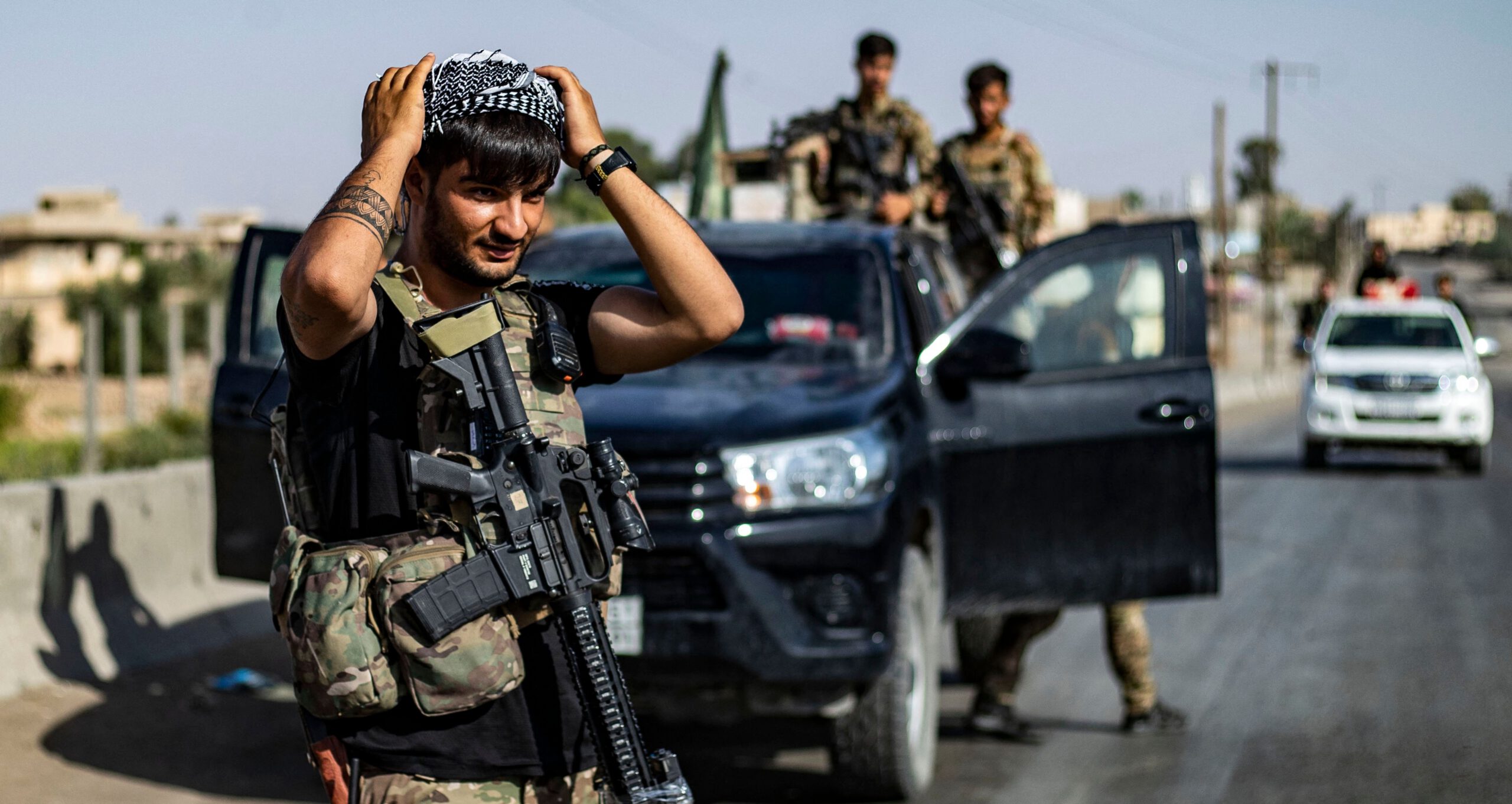
Will Damascus-SDF negotiations lead to agreement or escalation?
It is becoming apparent that negotiations between the new leadership in Damascus and the Syrian Democratic Forces (SDF) face significant obstacles due to disagreements over military structure and administrative demands. These issues reflect the difficulty of reaching a mutual understanding between the two parties. As these challenges persist, there is growing talk of a potential military escalation in eastern Syria, amid residents’ fears and international mediation efforts to contain the crisis and achieve progress in the negotiations.
Normalizing regular contacts and building relationships with the Taliban leadership can offer a more effective way to hold the Islamic Emirate to account for its actions. It also gives greater promise of realizing American hopes for an Afghanistan inhospitable to global terrorists and more respectful of the human rights of its citizens.