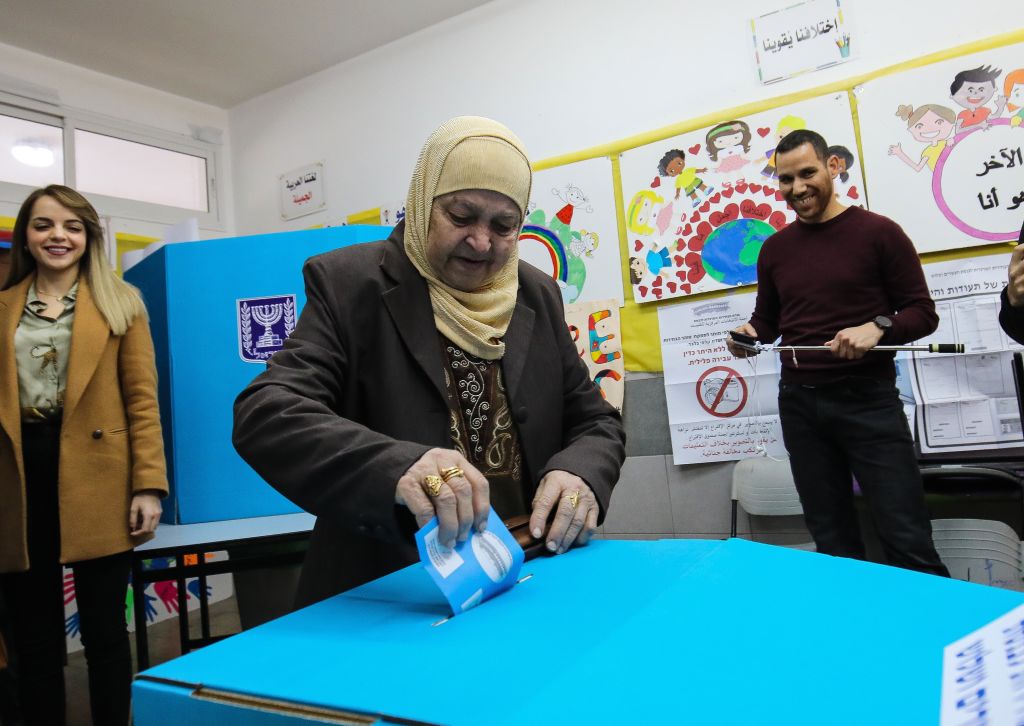
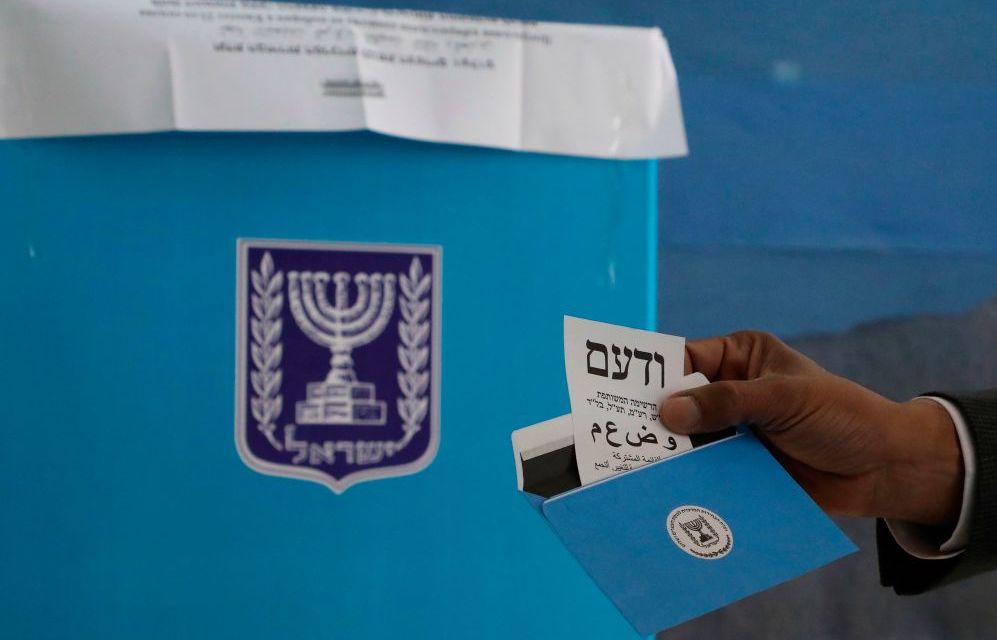
Can Palestinian citizens of Israel teach other Arabs a lesson in democracy?
While attention in the third Israeli general elections in a year has focused on the performance of the caretaker prime minister Binyamin Netanyahu, a powerful light must be shed as well on the successful performance of Israel’s Palestinian citizens, who again increased their representation in Israel’s parliament.
And now what? A realistic approach to the Israeli-Palestinian impasse
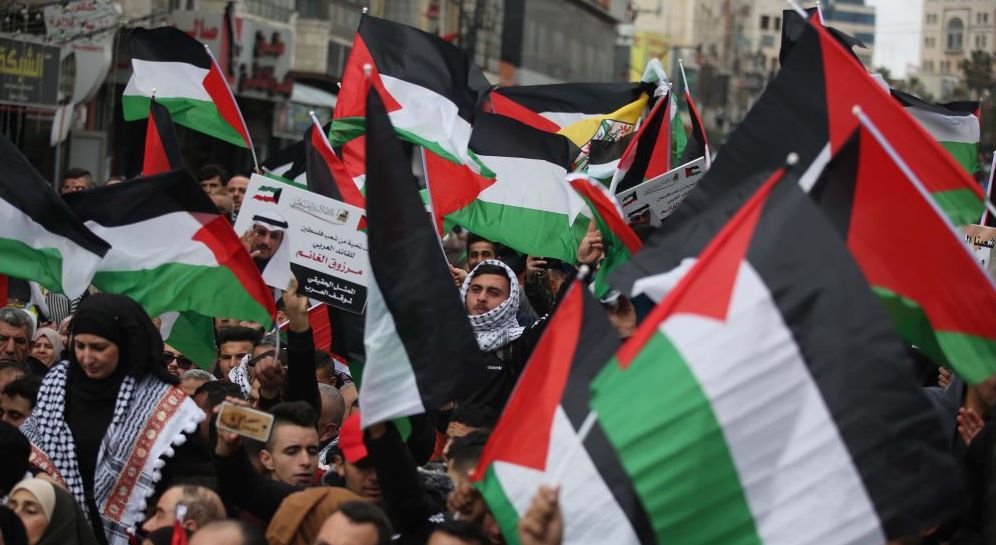
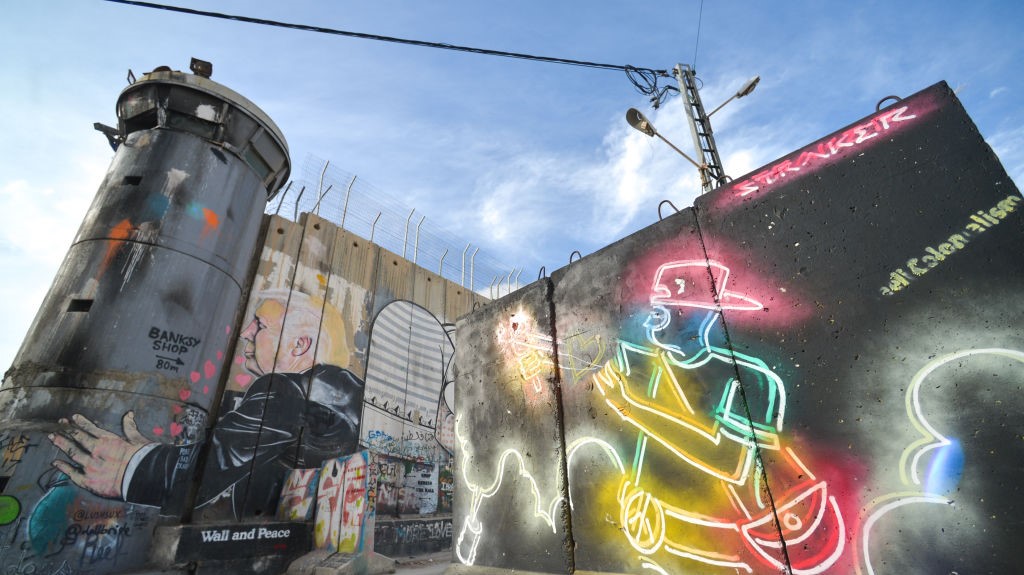
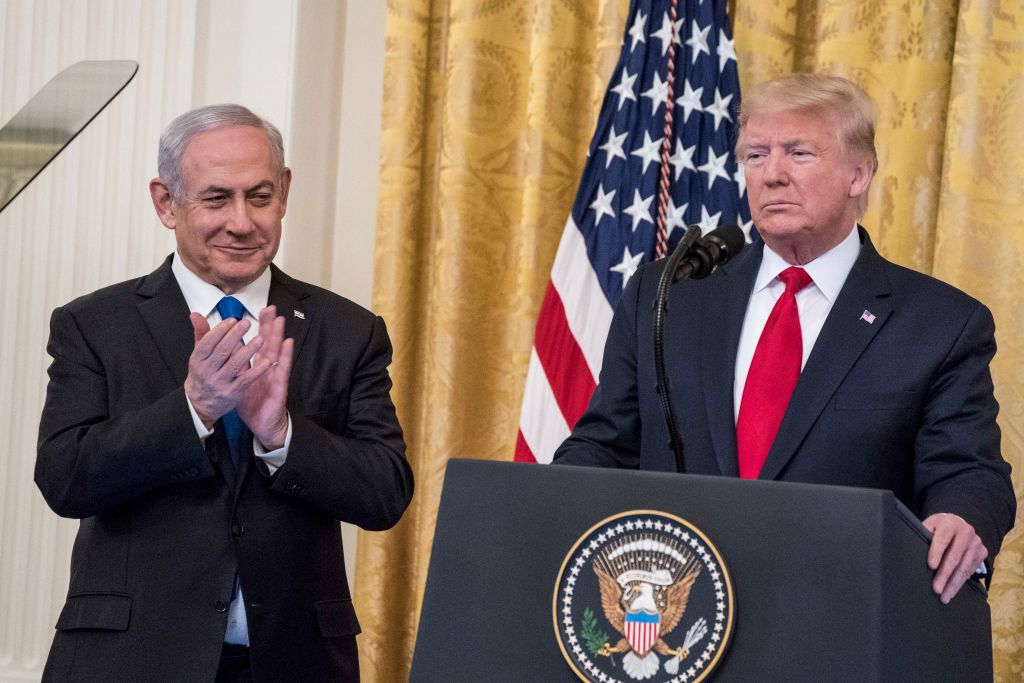
The announcement of Donald Trump’s “deal of the century” was a rude shock, roundly condemned by almost everyone concerned with peace and justice between Israelis and Palestinians. But it also presents an urgent challenge for all those who reject it because they realize the dire implications of what it portends for the future of any peaceful negotiated solution. If a genuine two-state solution is truly dead, and an equitable one-state solution is even harder to achieve, then where does that leave us? What is, or should be, the agenda for the foreseeable future for those concerned with the Israeli-Palestinian issue.
Why there’s little media coverage of the Lebanon and Iraq protests
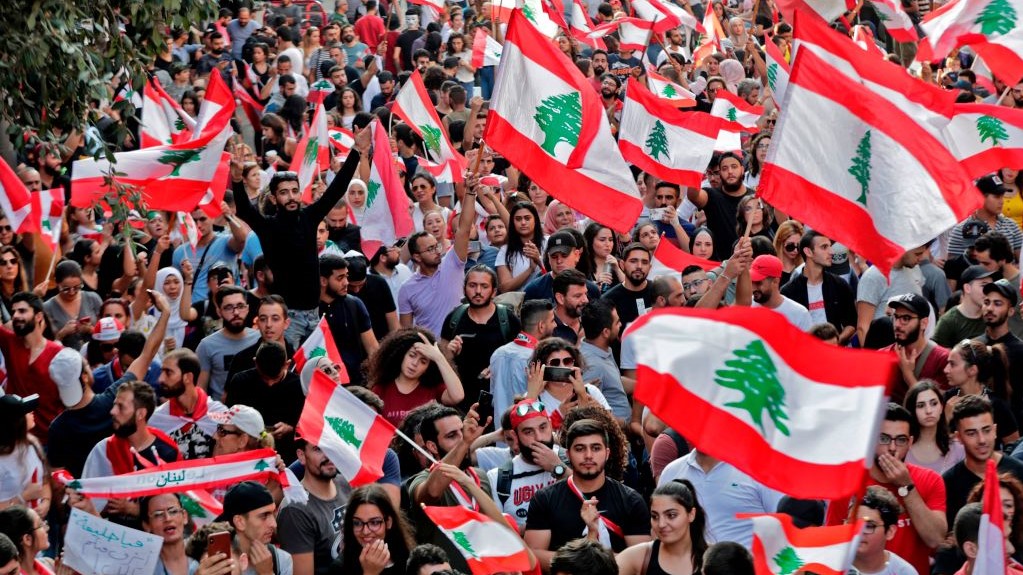
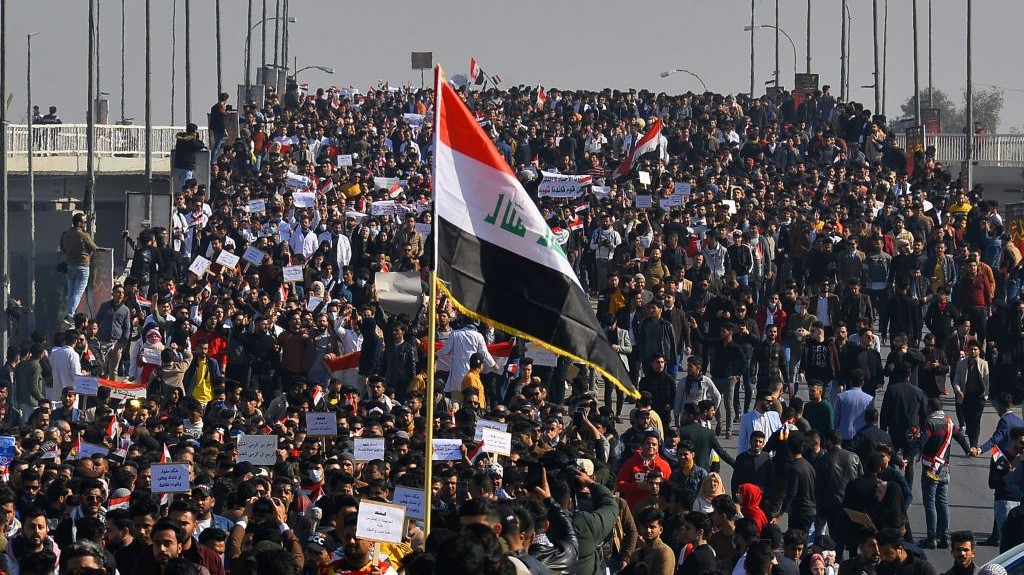
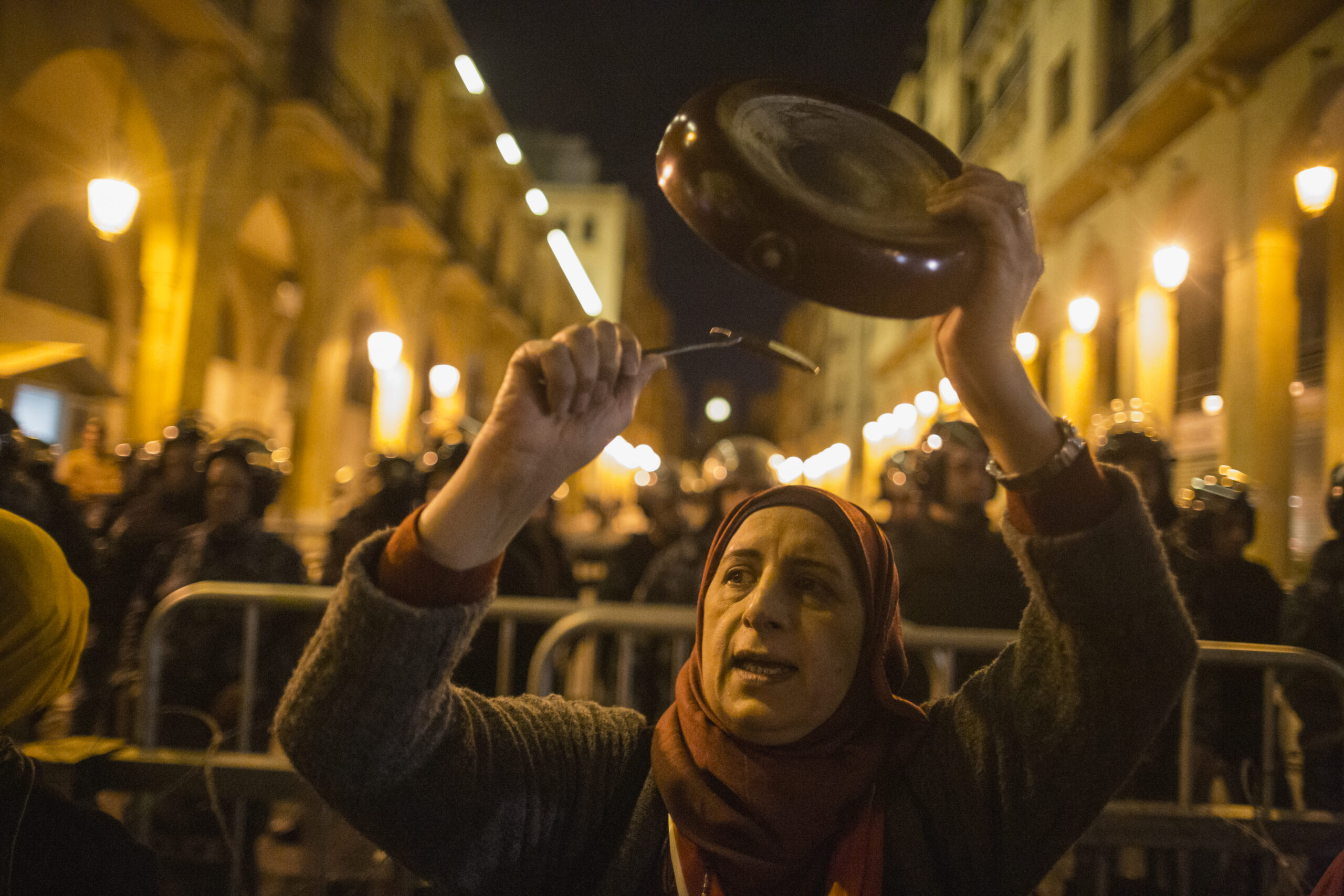
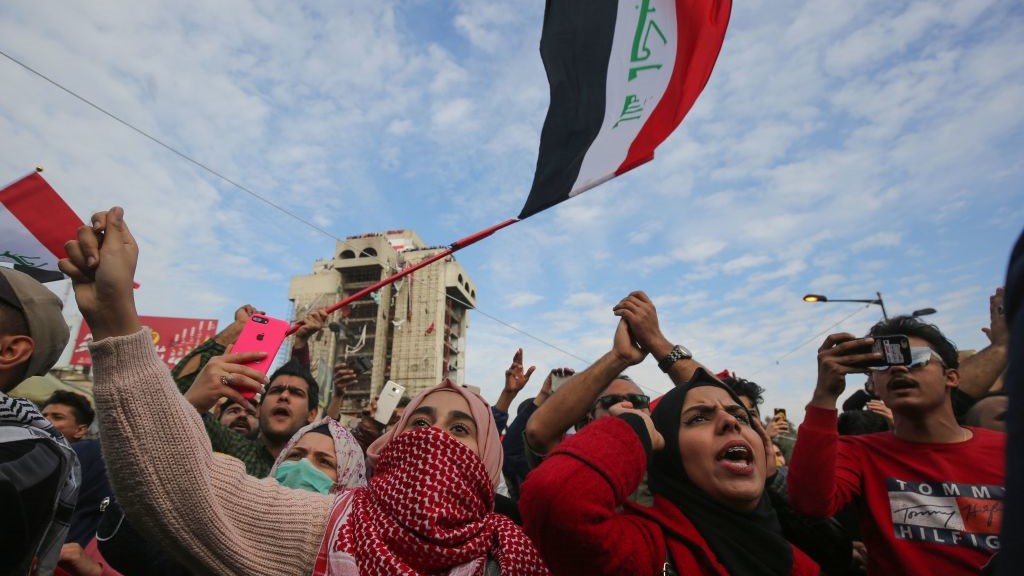
Lebanese and Iraqi protesters have faced an uphill battle drawing global media attention since Arab Spring-like uprisings erupted in both countries last October. Coverage of the protests has been dwarfed by other major international news stories running concurrently with the uprisings, such as Brexit and the Hong Kong protests. The main implication of low coverage has been a lack of sustained international pressure on Lebanese or Iraqi political leaders to accommodate protester demands for wholesale systematic changes.
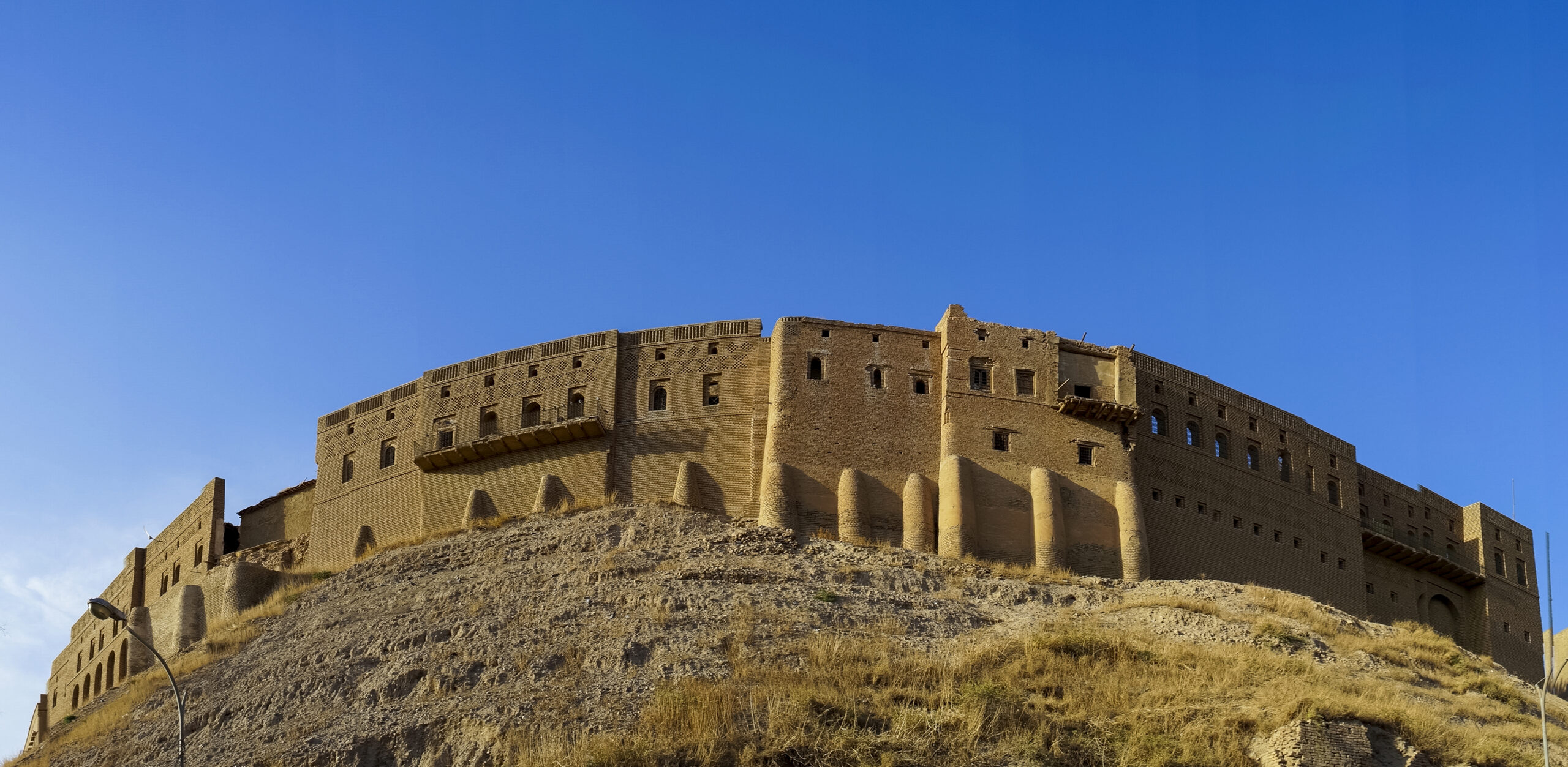
The history of Erbil’s citadel reads like a cinematic epic worthy of Cecil B. DeMille
Possibly one of the world’s oldest continuously inhabited human settlements, the citadel is built on a series of archaeological layers crowned by Ottoman-era houses. It may have been the site of a temple to Ishtar, was an important center of Nestorian Christianity, and survived both the 13th-century Mongol invasion and an 18th-century siege by Nader Shah. It was home to the Medians and the Assyrians (who called it Arbela), Muslims and Jews, and has housed Sufi shrines and displaced squatters. Its mound-like form has been shaped by successive generations of inhabitants and invaders who simply built on top of the rubble of their predecessors.
Truth is stranger than science fiction: Palestine +100
As the world increasingly resembles a dystopian film from the 1970s and television news blurs ominously with scenes from Soylent Green, a recent collection of Palestinian science fiction proves both prescient and eerily contemporary.
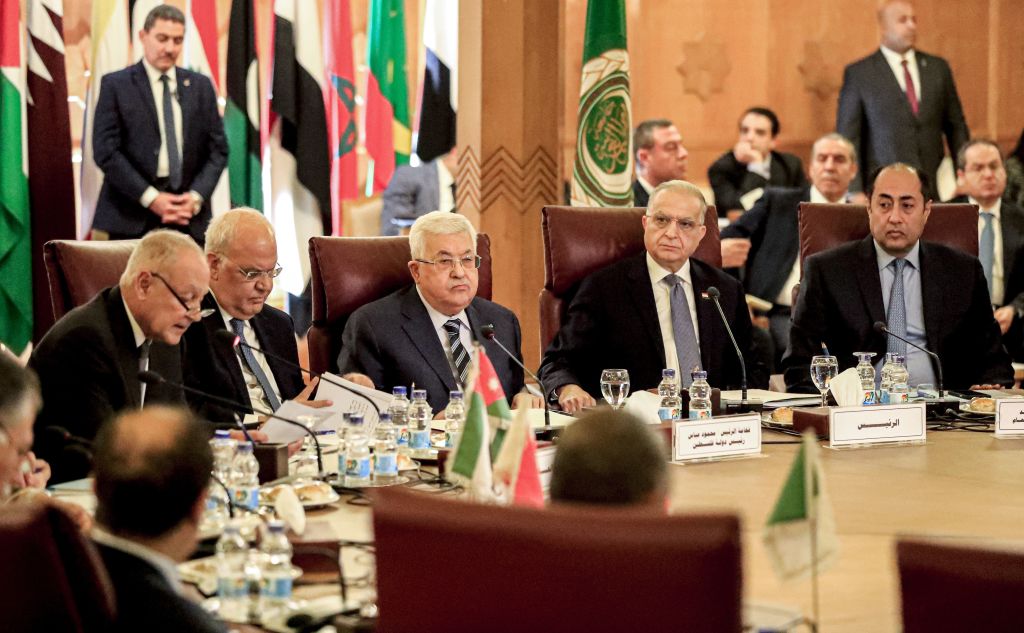
Why Jordan was so quick to reject Trump’s peace plan
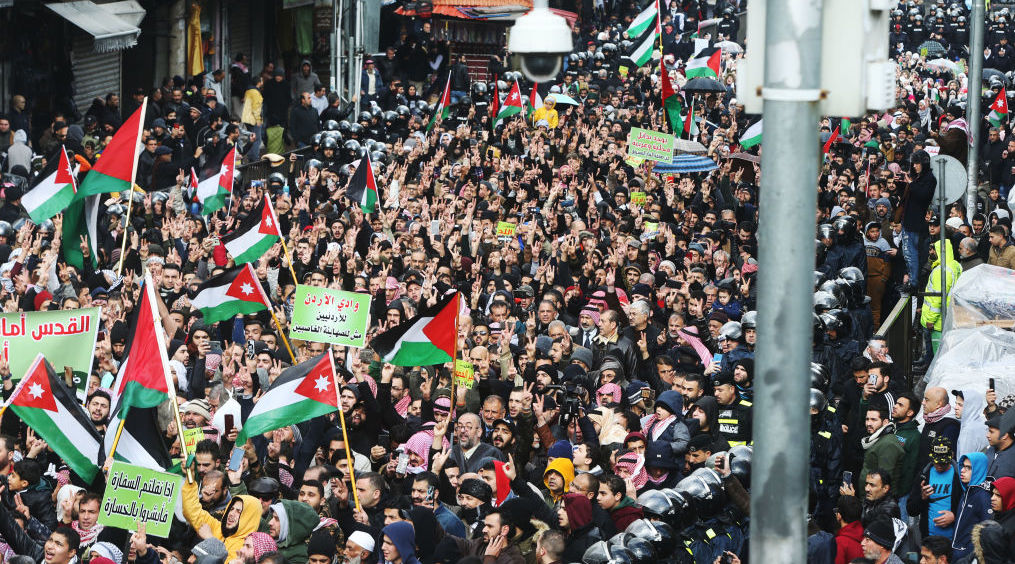
Jordan’s response to President Donald Trump’s so-called “deal of the century” has been quick and unequivocal. Less than an hour after the release of the peace plan at a White House ceremony on Jan. 28, Jordanian Foreign Minister Ayman Safadi issued a statement in which he reiterated Amman’s support for the two-state solution and the Arab Peace Initiative (API) as the only path to a just and lasting settlement to the Israeli-Palestinian conflict, without referring directly to the Trump proposal.
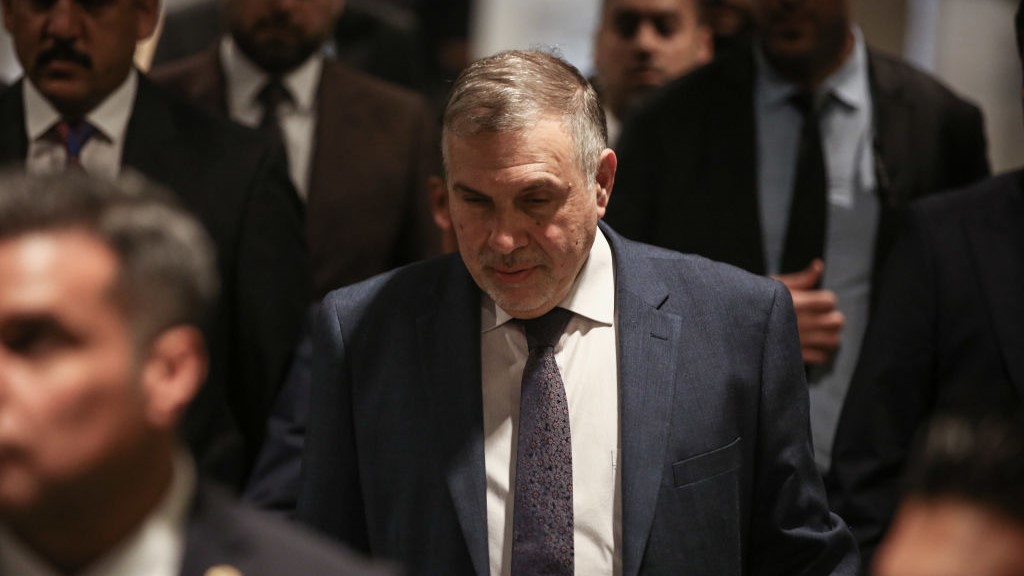
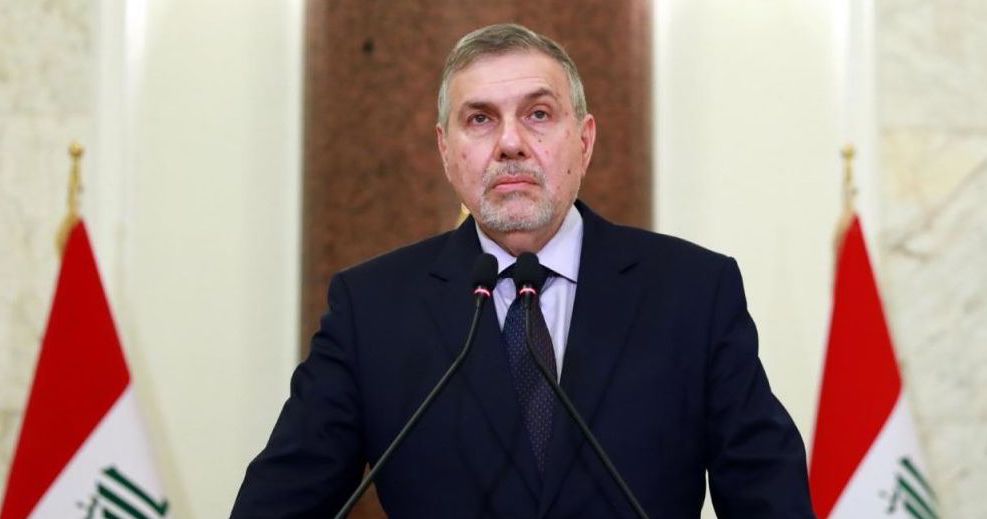
Iraqi PM nominee’s friends wrestle foes in the street
Allawi’s promises notwithstanding, there will be tough jostling among the parties over ministries, and more street protests and violence in the weeks ahead.
The protest movement in Iraq is now entering its fourth month. The protests raging across most of the south of the country have remained non-sectarian in their tone and message, and the movement is steadfast in its rejection of the political order, and all members of the political elite.
Khaled Elgindy and Michael Koplow join host Alistair Taylor to discuss the long-awaited “deal of the century” Middle East peace plan. President Trump rolled the plan out at the White House on Tuesday with Israeli Prime Minister Benjamin Netanyahu in attendance, while the Palestinians, who have refused to deal with the administration since it recognized Jerusalem as Israel’s capital at the end of 2017, were not there – and not invited. How has it been received so far, and where might things go from here?
By any objective standard, the Lebanese protest movement has failed. This is not necessarily an indictment against it. Rather, it’s a reality one cannot and should not ignore. The responsible thing to do now is to try to understand why it has fallen flat, despite more than 100 days of demonstrations in various regions of the country including the capital, Beirut.
First, a word of solace. In the annals of history, the Lebanese are in good company as most uprisings and revolutions failed to attain their goals. And even when they did, success either didn’t last long or was completely reversed due to counterrevolutions and other spoilers, both foreign and domestic.
As an Iraqi American who lived through the 1991 Gulf War and 2003 U.S.-led invasion to bring about regime change, I have witnessed firsthand how U.S. wars in the region can break out when Baghdad and Washington fail to understand each other’s intentions and motives.