Saudi-Iran Tensions Place Pressure on Smaller GCC States
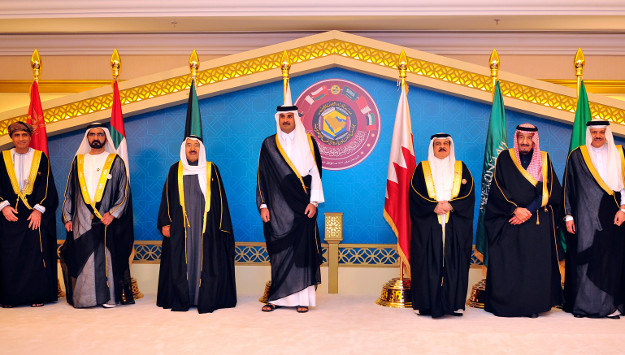
The recent escalation in tension between Saudi Arabia and Iran is throwing the GCC into a crisis of unity. Riyadh’s actions in particular are built on the frustration of the Yemen war and the perception of Iranian encroachment in Arab lands that the Saudi kingdom believes is its domain. King Salman and his son, Deputy Crown Prince Mohammad bin Salman, feel the kingdom is being ignored by the international community in other hot zones, namely Syria, where the outcome of the war is being determined by Washington and Moscow.
Impact of Low Oil Prices and Recalibration of U.S. Policy
This paper is part of a MEI scholar series titled “The Middle East and the 2016 Presidential Elections.”
The One-State Solution: Obama’s Sorry Legacy
Read the full article on Al Jazeera America.
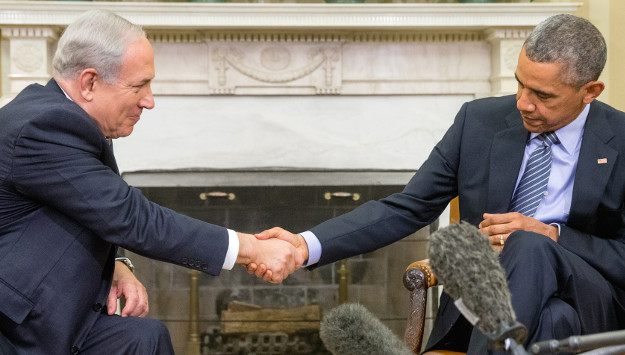
The White House recently acknowledged that it was out of ideas on how to pursue Israeli-Palestinian peace talks in the final year of Barack Obama’s presidency, raising — for the first time — the prospect that Israel’s occupation of East Jerusalem and the rest of the West Bank is permanent.
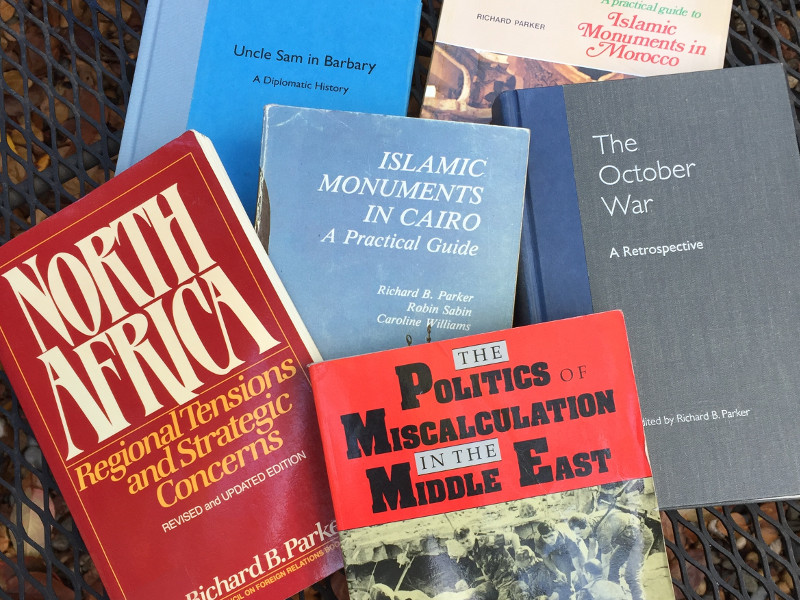
AUTHOR SPOTLIGHT: Richard B. Parker
Only a few authors have works that can be found on both floors of the Oman Library at The Middle East Institute, and fewer still that have a personal connection to both the institute and the history of the region. The late Ambassador Richard B. Parker can claim this status, having served 31 years in the Foreign Service and as the third editor of The Middle East Journal. He was also a longtime MEI scholar-in-residence.
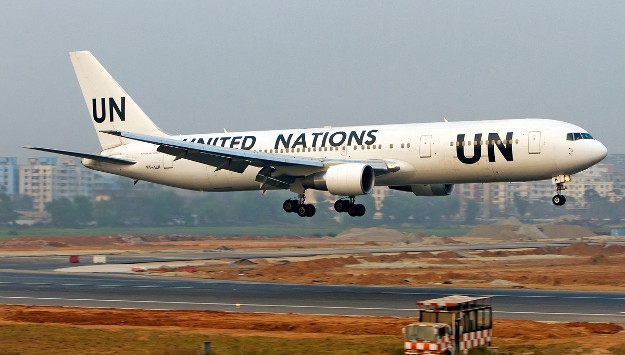
Gaza Airborne Again?
A recent United Nations report warned that the Gaza Strip might become “uninhabitable” by 2020 for its 1.8 million residents.[1] Serious changes must be implemented as soon as possible to reverse the coastal enclave’s de-development.

Nameless and Leaderless in Jerusalem
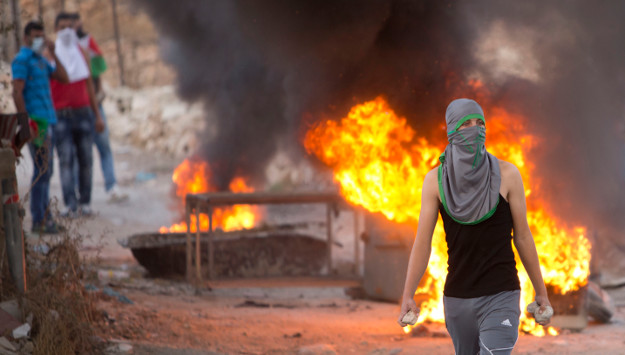
Although the Israeli-Palestinian conflict has been around for generations, it still has the capacity to surprise. Even the experts are confused by the current violence that has been roiling Jerusalem for weeks now. Is this the long-awaited third intifada? What is causing it? Why is it centered in Jerusalem, not the West Bank? Who is leading it, and why are the principal actors teenagers with household knives? In fact, similar questions were asked at the beginning of the two previous intifadas, and of the Palestinian Revolt during the British Mandate. Why now? What for?
Palestinian Security Forces: Living on Borrowed Time
On a scale not seen since April 2002, Israel is instituting dramatic increases in the deployment of its military and police forces throughout Israel, East Jerusalem and the West Bank proper. These moves by the government of Prime Minister Benjamin Netanyahu comprise the initial security response to limited but escalating Palestinian attacks against Israeli civilians, settlers, and military forces throughout Israel and the occupied West Bank.
Gaza: A Cautionary Refugee Lesson
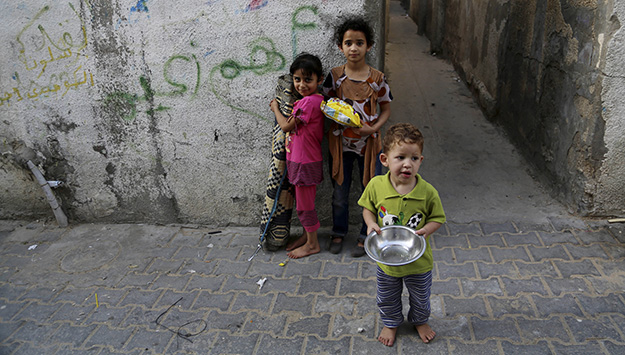
While the international community focuses on the latest refugee crisis fomented by the cascading calamities now engulfing the Middle East, Gaza—home to the region’s first permanent refugees—offers a cautionary lesson about the costs of man-made hardship and instability.
The UN recently reported that the infant mortality rate in the Gaza Strip has increased for the first time since Israel occupied the area in June 1967, in part because of the draconian restrictions on Gaza trade imposed by Israel and Egypt during the last decade.
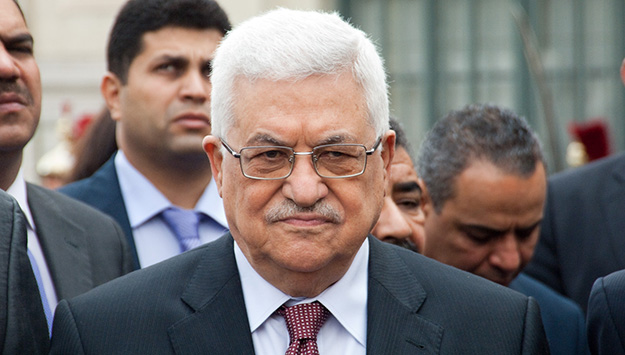
Abbas Moves to Consolidate Power in the PLO
This article was originally published by the Foundation for Middle East Peace.
On Saturday, local and international media outlets reported that Palestinian President Mahmoud Abbas had formally announced his resignation from another organization he heads: the Palestine Liberation Organization (PLO). Specifically the reports said Abbas had quit his role as chairman of the Executive Committee, the highest decision-making body in the PLO.
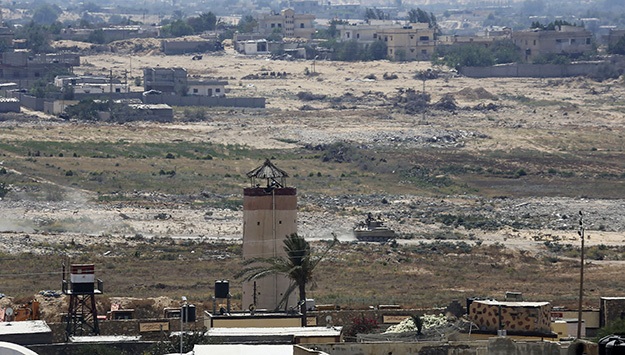
The Multinational Force of Observers and the Sinai Storm
The 1,667-strong contingent of U.S. and international forces that make up the Multinational Force of Observers (MFO) in Egypt’s Sinai Peninsula is in a tough spot. The ongoing failure of the Egyptian government’s war against the ISIS-led rebellion there has shredded the MFO’s mandate to monitor Egyptian and Israeli adherence to their peace treaty. Sinai’s descent into anarchy also puts outnumbered and outgunned U.S. troops in the only location other than Iraq that confronts ISIS in an active theater of war.
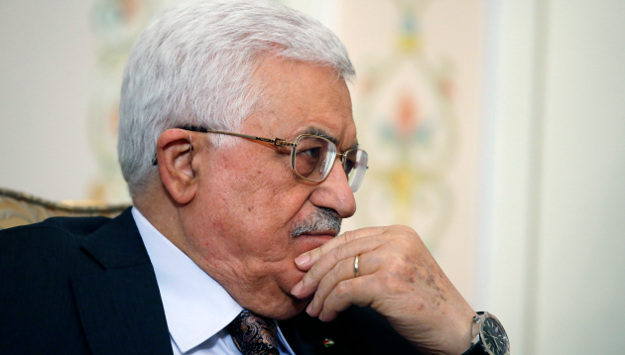
The Post-Abbas Palestinian National Struggle
In the coming months, we can expect that Palestinian President Mahmoud Abbas will no longer occupy the executive leadership position in the muqata, the interim Palestinian government headquarters in Ramallah. His age and his repeated insistence that he does not plan to run in new elections, as well as his most recent comments about his willingness to resign, point to this fact.

Another Palestinian Uprising?
Predictions of a new Palestinian intifada in the occupied territories tend to accompany every breakdown in the diplomatic process, announcement of a new colonial expansion project, and Israeli violence against Palestinian life—such as the recent horrific murder of Palestinian infant Ali Dawabsheh by settler terrorists who set fire to his West Bank family home.
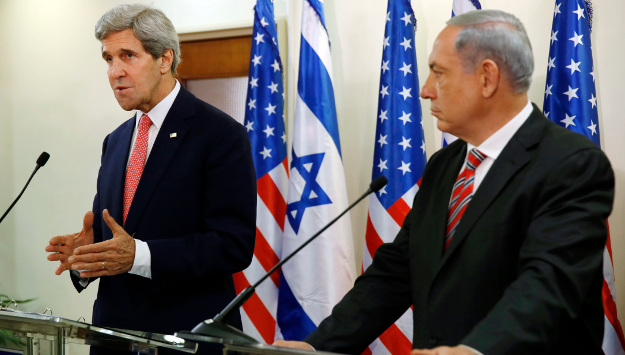
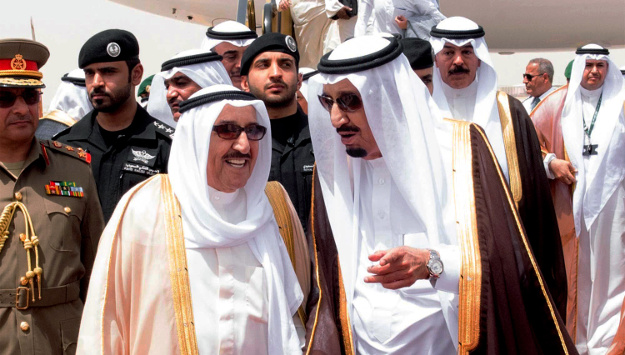
A Tiny But Positive Step in the Middle East
Read full article at LobeLog.
In the unending panorama of violence that is today’s Middle East, one hopeful note emerged earlier this month with a low-key announcement from Saudi Arabia that drew scant attention from the American news media.
King Salman appointed a military officer, Gen. Thamer al-Sabhan, to be the kingdom’s first resident ambassador in Baghdad since Iraq invaded Kuwait in 1990.