In light of Turkey’s purchase of the Russian S-400 missile defense system, the United States and its other NATO allies have questioned Turkey’s commitment to the alliance. Retired Lieutenant General Ben Hodges, former commanding general of the United States Army Europe and Pershing Chair in Strategic Studies at the Center for European Policy Analysis, and MEI’s Gonul Tol join host Alistair Taylor to discuss the reasons for President Erdogan’s decision and what it means for the future of U.S.-Turkey relations.
Divided over narratives: The new fault line in the Arab World
Many of the divisions in the Arab World today are ideological and revolve around narratives — carefully constructed ontological representations of both how the world works and how it is supposed to work conforming to clearly set out interests and values. While the old sectarian narratives might still play an underlying role, what divides Arabs from Morocco to Oman are different grand-strategic visions of the region’s future after the Arab Spring.
Missile defense, spinach pastry, and fighter jets: The S-400 leaves Turkey looking for an F-35 alternative
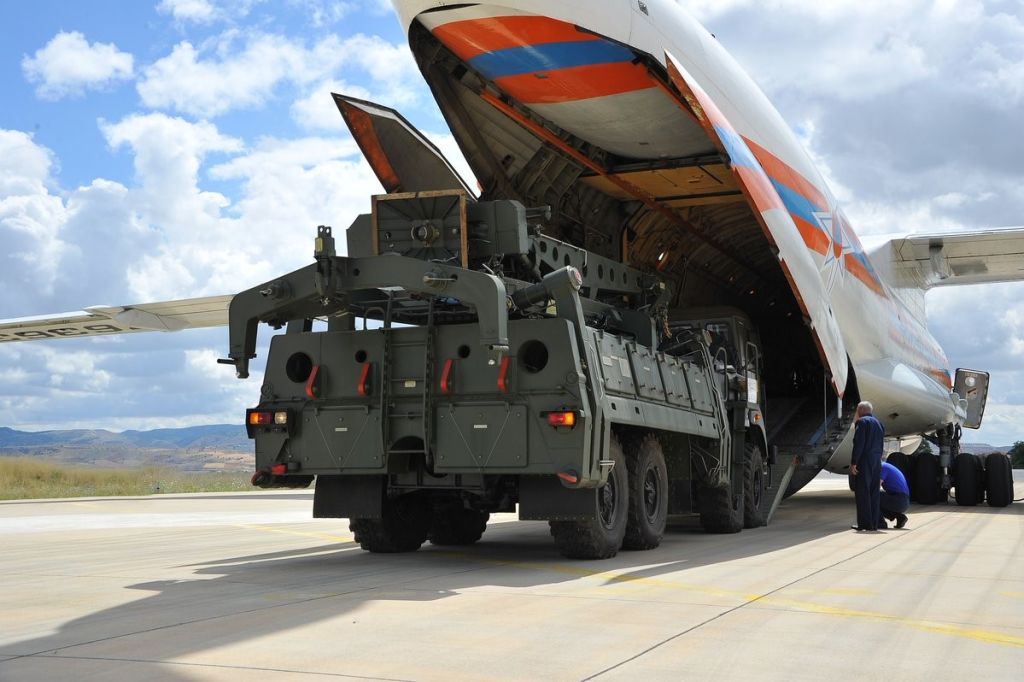
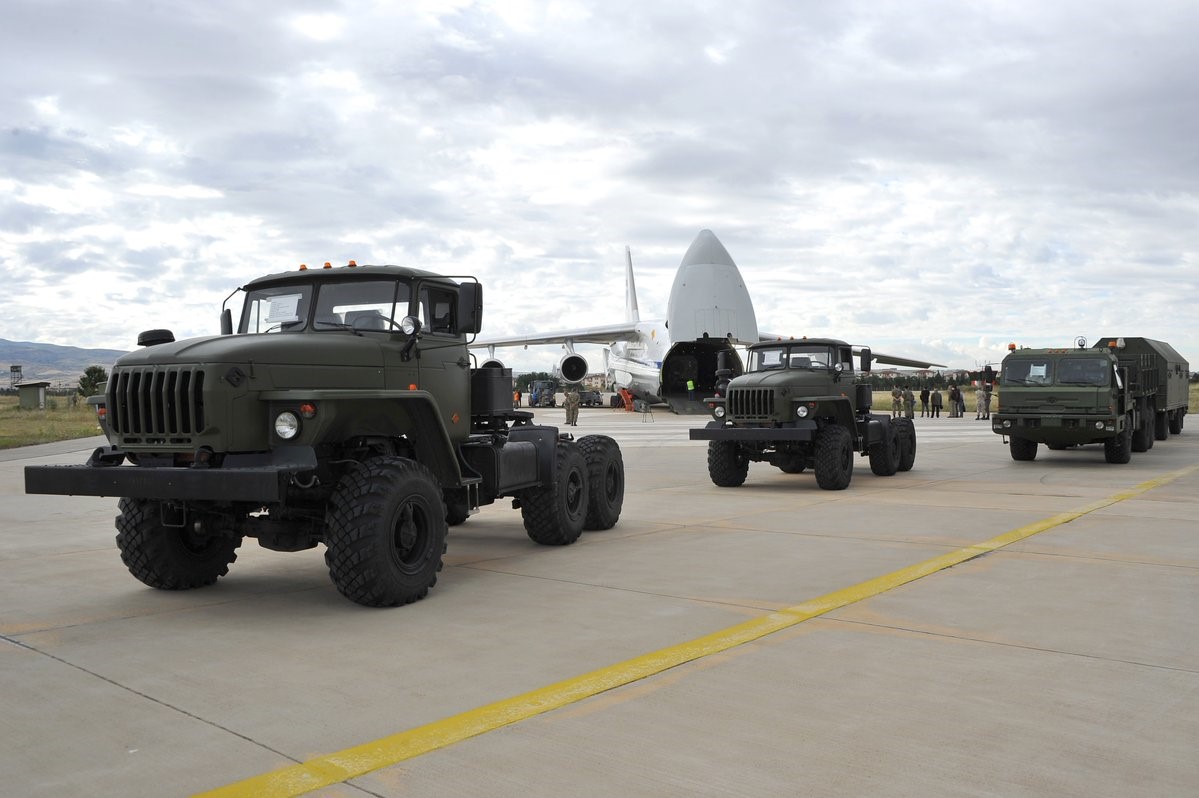
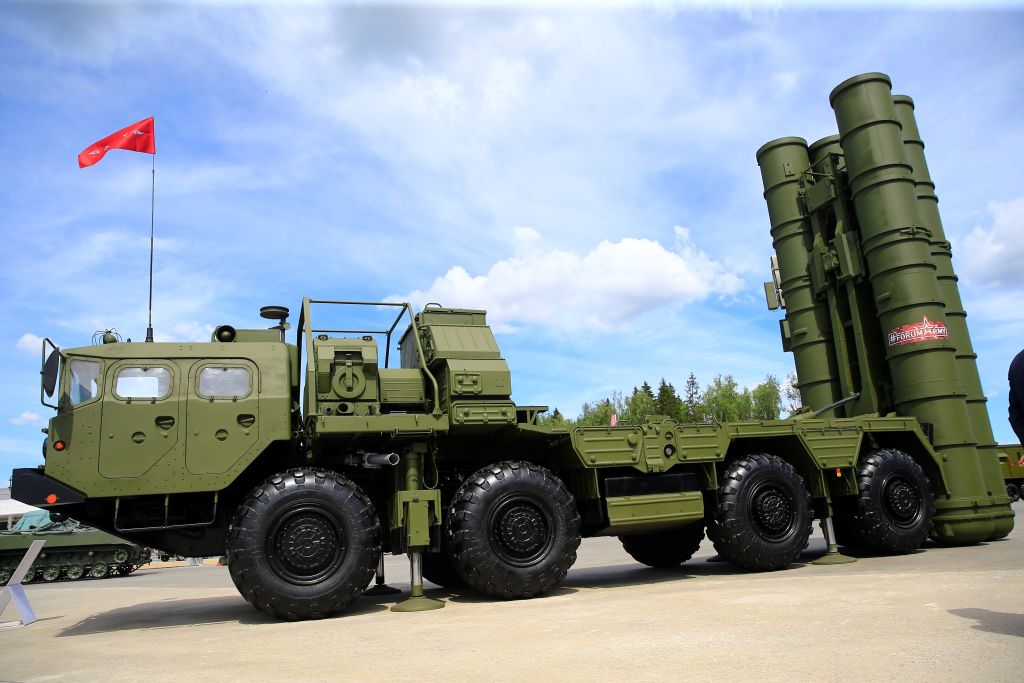
Turkey began taking delivery of the first Russian S-400s last week despite repeated warnings from the U.S., and the new missile defense system has received a warm welcome. Columnists, analysts, and TV commentators — pro- and anti-Erdogan alike — hailed the delivery of the missile system as the “country’s liberation from the West.” The U.S. response followed several days later, when it officially expelled Turkey from the F-35 stealth fighter jet program in retaliation. The U.S. announcement has not changed the jubilant mood in Ankara, although it has underscored the need for Turkey to find — or develop — an alternative.
Monday Briefing: Pakistani PM Khan heads to the White House
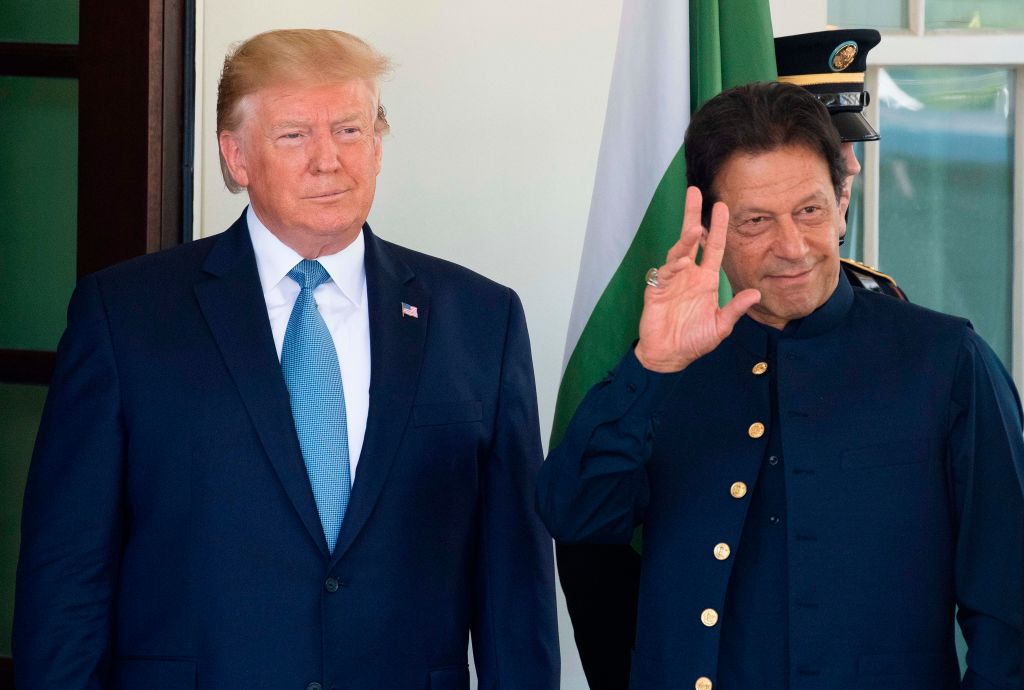
This week’s briefing on recent news and upcoming events in the region including Imran Khan’s visit to the White House, tensions between President Trump and Congress over Turkey’s new S-400 system, escalation in the Straits of Gibraltar and Hormuz, military restructuring in Iraq, increased collaboration on the region’s power supply, and changes to Egypt’s social safety net, featuring Arif Rafiq, Gonul Tol, Ruba Husari, Robert S. Ford, Dr. Ibrahim Saif, and Mirette F. Mabrouk.
Monday Briefing: US and Turkey face S-400 confrontation
This week’s briefing on recent news and upcoming events in the region including Turkey’s confrontation with the U.S. over its S-400 defense system, the latest round of Afghan peace talks, the UAE’s drawdown in Yemen, Turkey’s media signaling on Syria, and the 21st consecutive week of protests in Algeria, featuring W. Robert Pearson, Marvin G. Weinbaum, Ibrahim Jalal, Guney Yildiz, and Robert S. Ford.
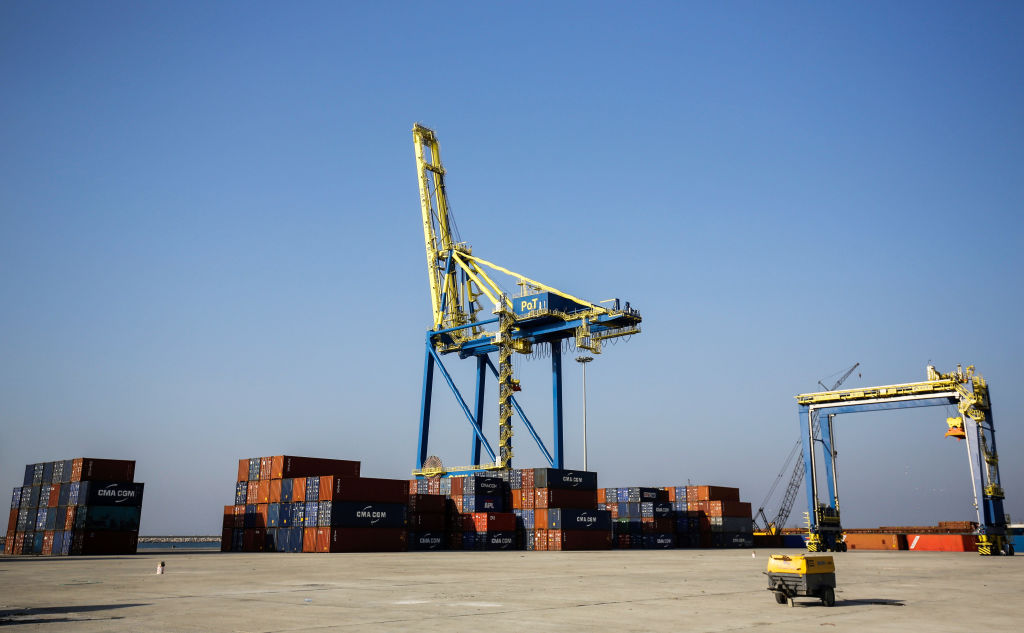
The idea of establishing a Levant Union — one not unlike the European Union (EU), but composed of the Levantine states of Lebanon, Syria, Iraq, Palestine, Jordan, and by extension, Egypt and Cyprus — is one that ought to be explored. Such an arrangement would offer untapped potential for trade, supported by the growing trend toward greater regionalization, fueled by the rise in protectionism, increasing multipolarity, and corporate regionalization.
With delivery of the Russian S-400 air defense system to Turkey looming, a new crisis in U.S.-Turkey relations is slowly emerging. While it is obvious that Turkey needs a new air and missile defense system given the security risks in its region, it remains unclear why Turkish President Recep Tayyip Erdogan seeks to acquire the capability from a historical rival and potential adversary instead of through NATO. This decision will likely have major consequences for Turkey and its future geopolitical orientation.
Freshwater Resources in the MENA Region: Risks and Opportunities
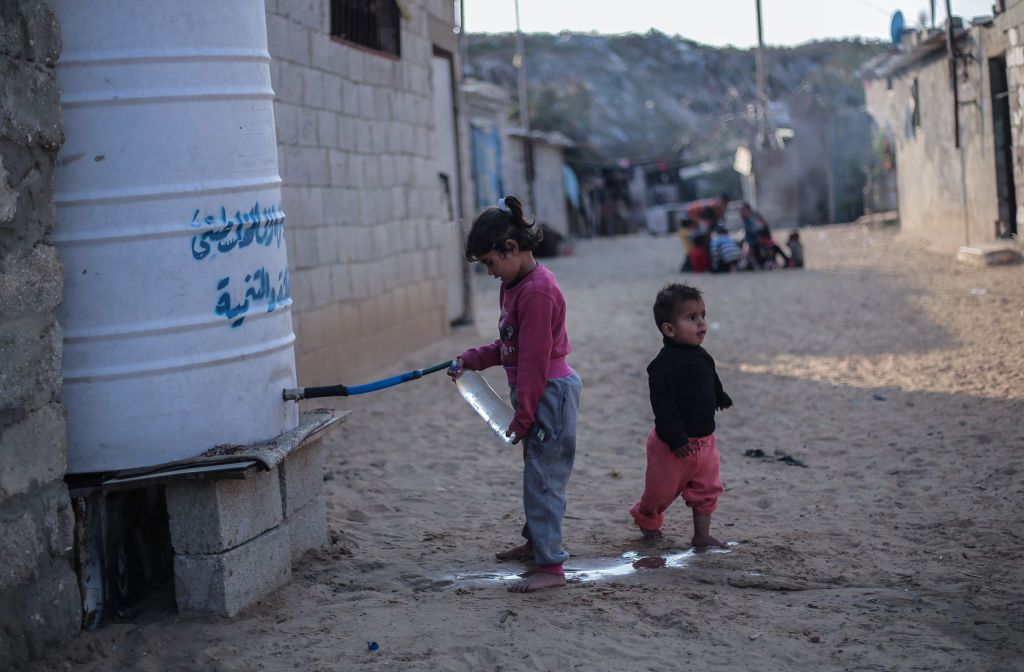
A reliable supply of freshwater is a prerequisite for sustainable socioeconomic development, as well as for sociopolitical stability and human prosperity, especially in semi-arid and arid regions of the world. The Middle East and North Africa’s freshwater resources are under immense pressures and are facing significant risks to their sustainability due to overexploitation, climate change, and interstate competition over their use that extends beyond the region’s boundaries.
Interconnected: Trade, food security, and stability in the GCC and MENA
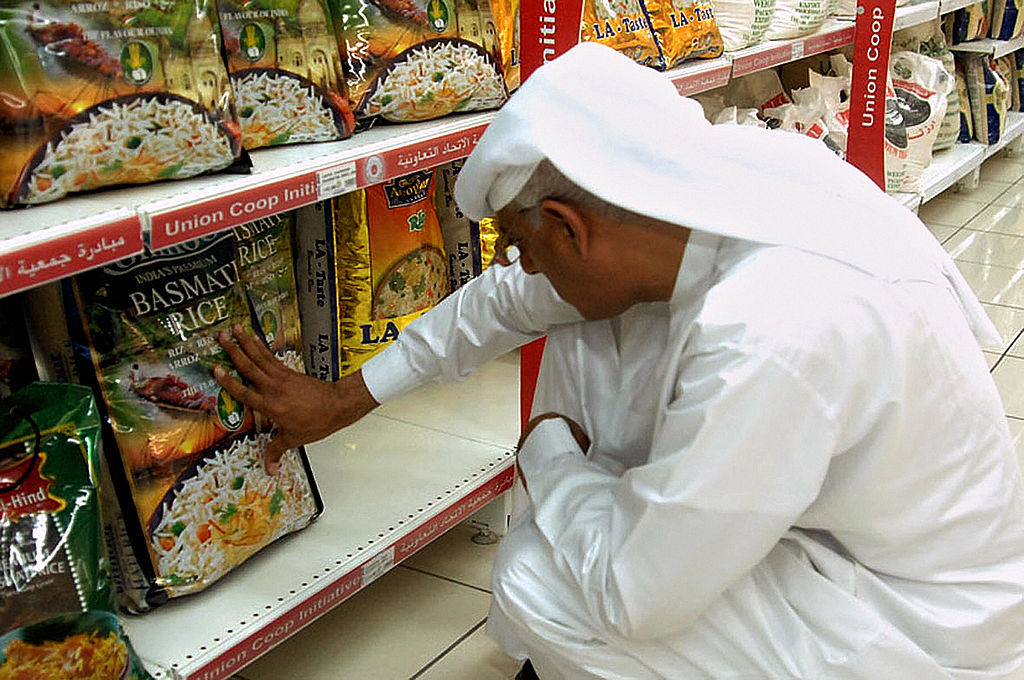
It is easy to overlook the fact that food security could be an issue of concern in the Gulf Cooperation Council. After all, its member states have some of the world’s highest per capita income levels. Food supplies in the Gulf are normally abundant and stable. Were they to be disrupted, however, it could lead to food security challenges and a chain of adverse consequences for human security throughout the region.
Monday Briefing: Strengthening Egypt’s ties with Africa
In this week’s Monday Briefing, MEI experts Mirette F. Mabrouk, Charles Lister, Gonul Tol, and Alex Vatanka provide analysis on recent and upcoming events including Egypt’s engagement with Africa to boost trade and investment, the reshuffling of leadership of Syria’s security apparatus, the firing of Turkey’s central bank governor, and Russia’s positioning to act as mediator between Iran and the Gulf states.
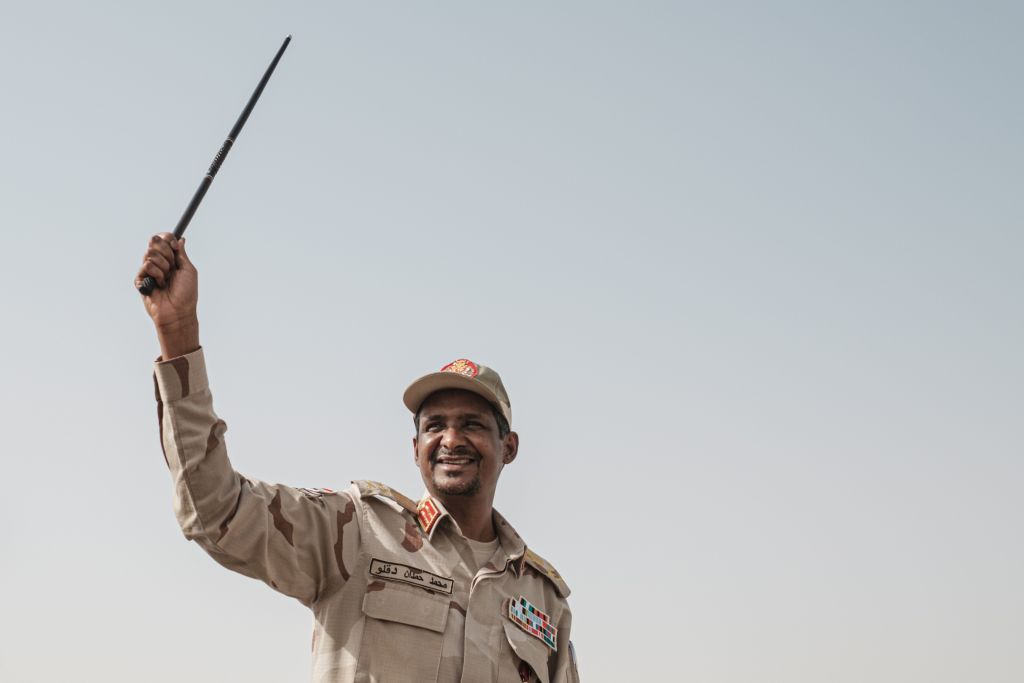
One hallmark of Sudan’s most recent protests has been the protestors’ fierce determination that the military not be their partner in the struggle for democratization. Some GCC states, however, are getting involved in Sudan, using their financial means to influence the country’s future. In doing so, they risk making it the Arab world’s next theater for intra-GCC rivalry.
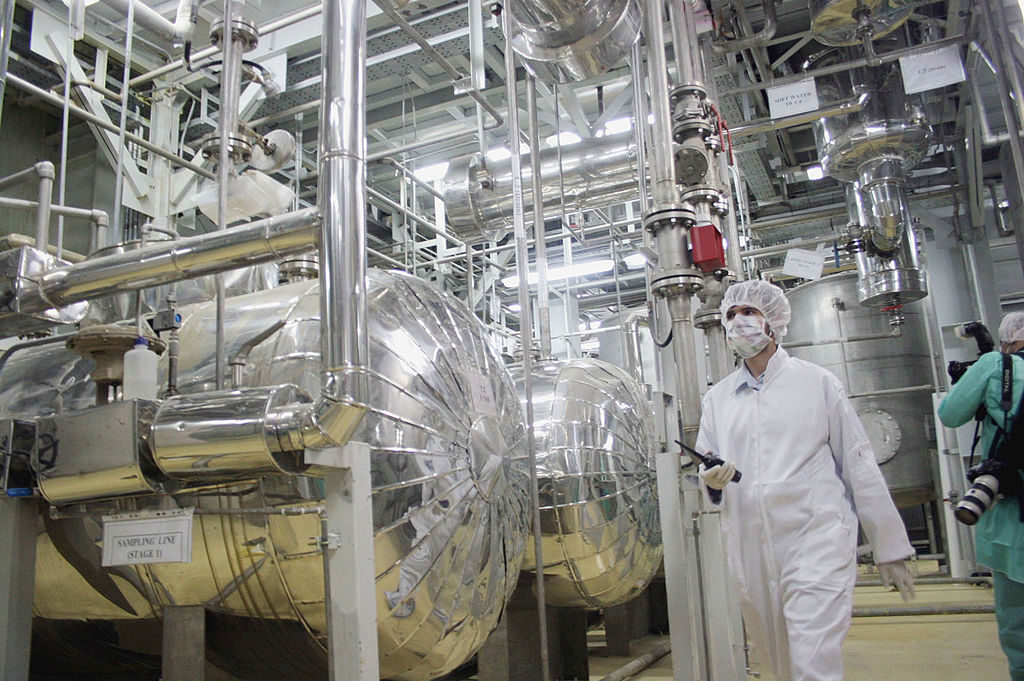
In this week’s Monday Briefing, MEI experts Alex Vatanka, Gonul Tol, Gerald Feierstein, Marvin G. Weinbaum, Rauf Mammadov, and Robert S. Ford provide analysis on recent and upcoming events including Iran’s announcement that it has exceeded its enriched uranium limit, Turkey’s purchase of Russia’s S-400s missile defense system over American objections, an Emirati announcement that it will downsize military involvement in Yemen, the resumption of intra-Afghan peace talks, Russia’s continuing embrace of OPEC+ oil production cuts, and the emergence of potential threats to Tunisia’s democracy.
A way out for Russia and Turkey from Idlib's spiral of violence
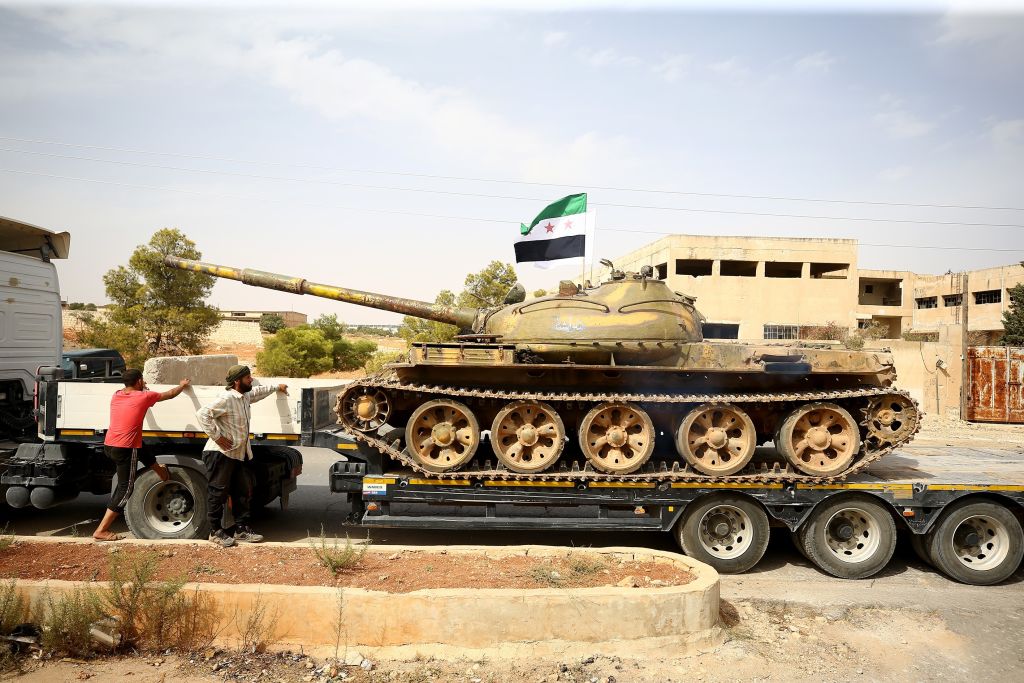
Since the start of the regime’s military campaign in Idlib last month, a group of Free Syrian Army factions that fought alongside Turkish soldiers has gradually entered the region. This development may balance the Hayat Tahrir al-Sham presence and ultimately help to force the group out of the demilitarized zone, ensuring a continued Turkish-Russian consensus on Idlib.
Unal Cevikoz, MP for Turkey’s CHP, and MEI’s Gonul Tol join host Alistair Taylor to discuss the outcome of the June 23 rerun vote for control of Turkey’s largest city and economic powerhouse, and what it signals for President Erdogan and the AK party.
Competition for security and energy is at the center of recent developments in the Eastern Mediterranean. Countries from Egypt to Turkey are moving to secure, exploit, and market their (not always fair) share of the game-changing offshore natural gas reserves. Russia, China, and Iran are securing port facilities, and in the case of Russia, drilling rights, in Lebanon and Syria.