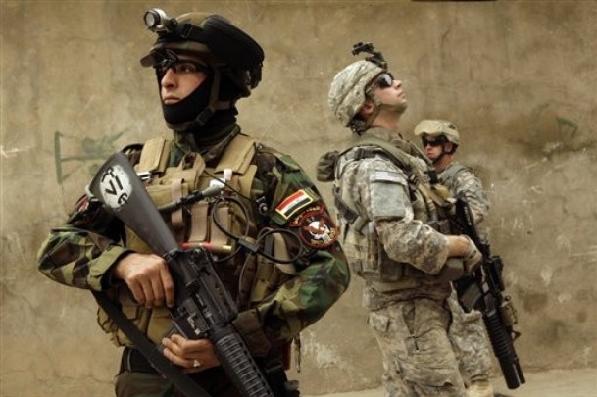
Mark N. Katz, examines the impact of the current and future US withdrawals from Iraq and Afghanistan on Islamic radicals. Katz argues that the US withdrawals from both countries will lead radicals to conclude they have defeated the US in the "War on Terror" and that US regional strength is on the decline. This, he argues, will spur Islamic radicals to seek further gains elsewhere. But regardless of the boost to their cause that the withdrawals from Iraq and Afghanistan may provide, they will likely meet three key obstacles in their pursuit of increased power and influence.
Afghanistan: Looking Ahead to the Next Fighting Season
Andrew Exum, Fellow at the Center for A New American Security, assesses the possibility of a new Taliban insurgency in Afghanistan and its ramifications for U.S. strategy there. The past six months have seen some remarkable successes in southern Afghanistan. But if hard-won security gains collapse in the face of a renewed Taliban offensive in 2011, the NATO strategy to secure Afghanistan will be in grave danger. Andrew Exum will discuss the situation in southern Afghanistan as well as how the American public can know whether the strategy is succeeding or failing this summer.
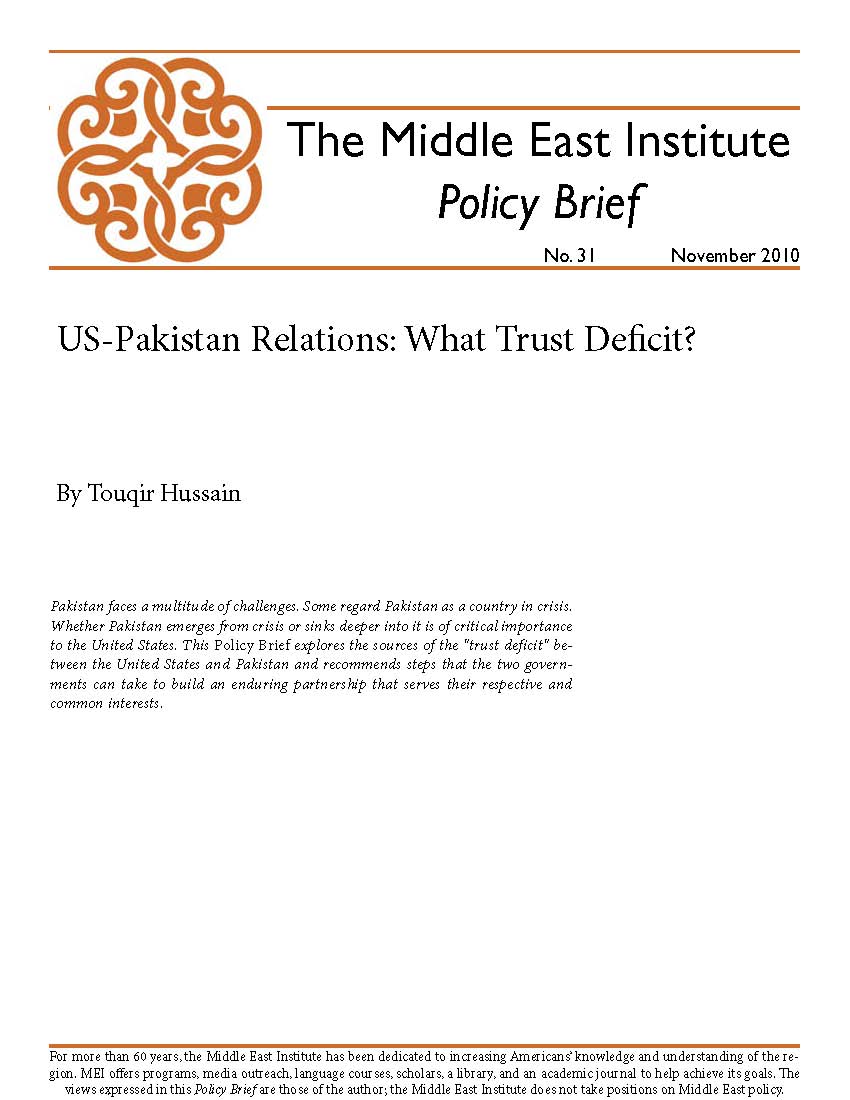
With Pakistan caught up in four wars during the past nine years — the Afghanistan war, the War on Terror, the insurgency in the tribal areas, and the wave of terrorism unleashed by the Tehrik-i-Taliban (TTP) and the Punjabi Taliban in the rest of the country — it has often been said that the country is facing an existential threat. If this was a cliché before, it is no more so after the catastrophic floods. Pakistan had been living dangerously in the past, but the wars and floods threaten to wash away its future.
The Middle East Institute is proud to host Salman Taseer, the Governor of Pakistan's Punjab province. He will examine Pakistan's accomplishments over the past year and its looming challenges.
Children can learn many lessons from playing sports: leadership, self-confidence, and the concept of working toward a common goal are a few such lessons. These are all skills that, when applied in life off the field, can augment the potential for success there as well.
Tradition Trumps Sport: A Female Wrestler Retreats
The 20th century has yielded new and expanding arguments for increasing sports opportunities for women and girls. From Title IX to the Women’s Sports Foundation, the importance of women’s access to sports has received a great deal of attention from academia, the media, and the non-profit circuit. While I agree that women should have access, and that our opportunities lag far behind those of men, I do not agree with the social and political promises of change made by some of these programs.