تمت ترجمة هذا النص بواسطة الذكاء الاصطناعي وقد يحتوي على أخطاء.
تخطي إلى المحتوى

Research & Commentary Results

تصفية حسب
948 Results
Could climate risk insurance reduce the cost of climate change adaptation in the Middle East?
الصورة من فاضل سينا/وكالة فرانس برس عبر غيتي إيمدجز
  • التحليل
  • Could climate risk insurance reduce the cost of climate change adaptation in the Middle East?

    As one of the hottest and driest spots globally, the Middle East region faces some of the worst impacts of climate change. Many of these events have not only been socially and politically devastating but have also resulted in huge financial losses for countries already experiencing economic insecurity. Countries in MENA have found themselves increasingly exposed to extreme weather events and natural disasters, which have affected more than 40 million people and cost more than $20 billion over the past 30 years, according to the World Bank. During the last five years alone, 120 disasters were recorded in the region, resulting in an average of $1 billion annually in damages and losses.

    June 23, 2021

    The Trilemma of Power, Aid, and Peacebuilding in the Israeli-Palestinian Context
    Xinhua/xiongsihao via Getty Images
  • التحليل
  • The Trilemma of Power, Aid, and Peacebuilding in the Israeli-Palestinian Context

    On Dec. 21, 2020, the United States Congress passed the Nita M. Lowey Middle East Partnership for Peace Act. The new law provides $250 million over five years to expand peace and reconciliation programs between Israelis and Palestinians as well as to support projects bolstering the Palestinian economy. But such programs are unlikely to be effective because the whole approach on which they are based is structurally flawed in two critical ways: first, because it is disconnected from local political, social, cultural, and economic processes and expectations; and second, because it tends to reinforce the inequalities that sustain the conflict between the two sides while undermining the declared goals of this intervention.

    June 21, 2021

    Up for Debate: The Biden administration's approach to Israel/Palestine
    Photo by ALEX BRANDON/POOL/AFP via Getty Images
  • التحليل
  • Up for Debate: The Biden administration's approach to Israel/Palestine

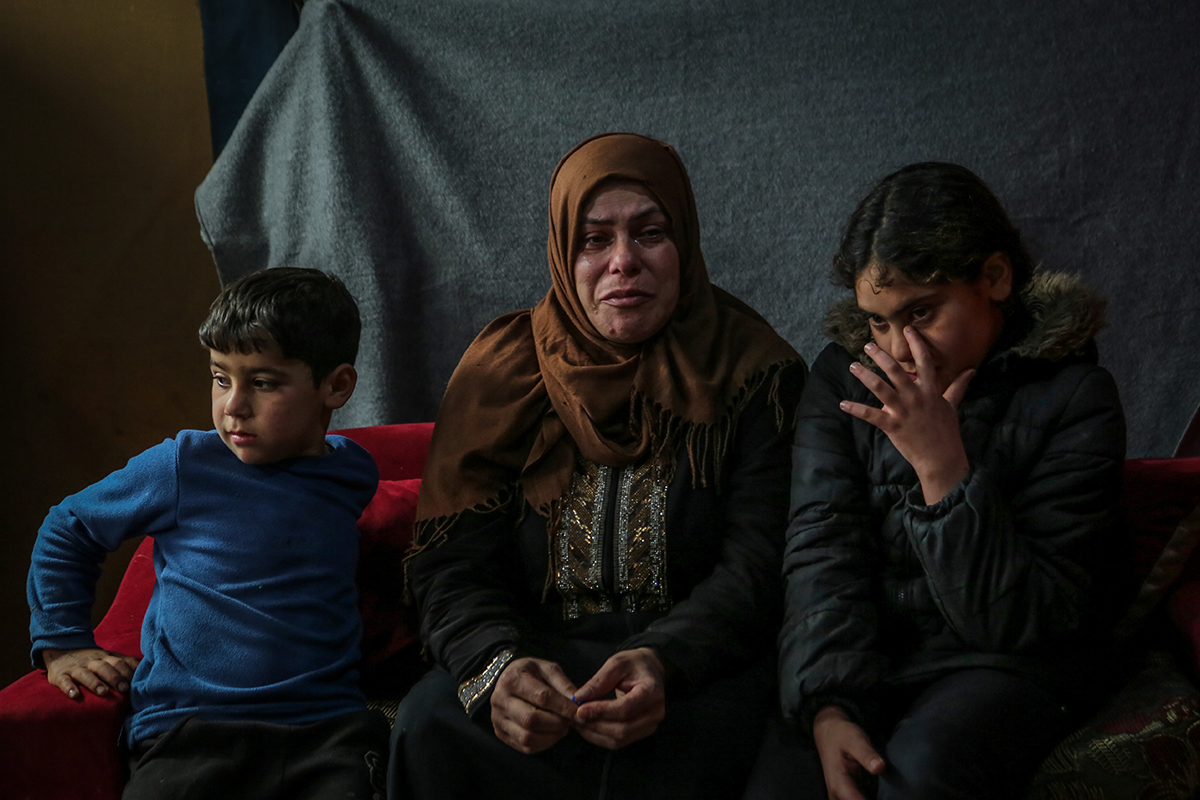
    The Biden administration has repeatedly said that Israelis and Palestinians “deserve equal measures of security, freedom, opportunity and dignity” (sometimes expressed as “equal measures of freedom, security, dignity and prosperity”). Since the recent crisis in Gaza and East Jerusalem, Secretary of State Antony Blinken and other U.S. officials have reiterated this formula in one form or another. What is its significance? What does (or should) it mean in the context of the Biden administration’s approach to Israel/Palestine — particularly given the dire humanitarian situation in Gaza, pending expulsions in East Jerusalem, and ongoing settlement expansion in the occupied West Bank and East Jerusalem? We asked eight experts to weigh in with their thoughts.

    June 21, 2021

    The Economics of Hayat Tahrir al-Sham
    Photo by Anas Alkharboutli/picture alliance via Getty Images
  • التحليل
  • The Economics of Hayat Tahrir al-Sham

    Over the past four years, Hay’at Tahrir al-Sham (HTS) has tried to transform itself from a faction of the Global Jihad movement into the de facto local military and governing power in north-west (NW) Syria. This shift requires the group to seek sources of funding other than al-Qaeda and its donors; consequently, HTS has undertaken a slow but steady takeover of the economy in NW Syria, from financial services and oil and gas to internet and telecommunications. This paper lays out how that process has taken place and provides a detailed look at the economics of HTS.

    June 21, 2021

    It's Now or Never: Lebanon Policy Conference Key Takeaways
  • التحليل
  • It's Now or Never: Lebanon Policy Conference Key Takeaways

    Over the course of two weeks in May and June, the Middle East Institute hosted its inaugural Lebanon policy conference in collaboration with the American Task Force on Lebanon (ATFL) and LIFE. This series of events brought together leading diplomats, policymakers, economists, development practitioners, and think tank professionals from the U.S., Europe, the Middle East, and Lebanon to discuss the urgency and viable paths forward for the country’s political, financial, and humanitarian crises.

    June 15, 2021

    The nascent Israeli government: The thread that binds?
    Photo by RONEN ZVULUN/POOL/AFP via Getty Images
  • التحليل
  • The nascent Israeli government: The thread that binds?

    There is only one thread holding together the unprecedentedly disparate parties that will establish and support the nascent Israeli government announced on the night of June 2, an hour before the midnight deadline. That thread is, of course, a shared loathing for Benjamin Netanyahu. Whether that thread will even get the new government past its first hurdle, which is a vote of confidence in the Knesset, much less to its theoretical four years, is an open question. Until recently no one could have imagined such a political monstrosity might be conceived, let alone gestated, but there’s a decent chance this government will get off the ground.

    June 4, 2021

    Lessons Learned for Baghdad & Erbil From the GCC
  • تعليق
  • Lessons Learned for Baghdad & Erbil From the GCC

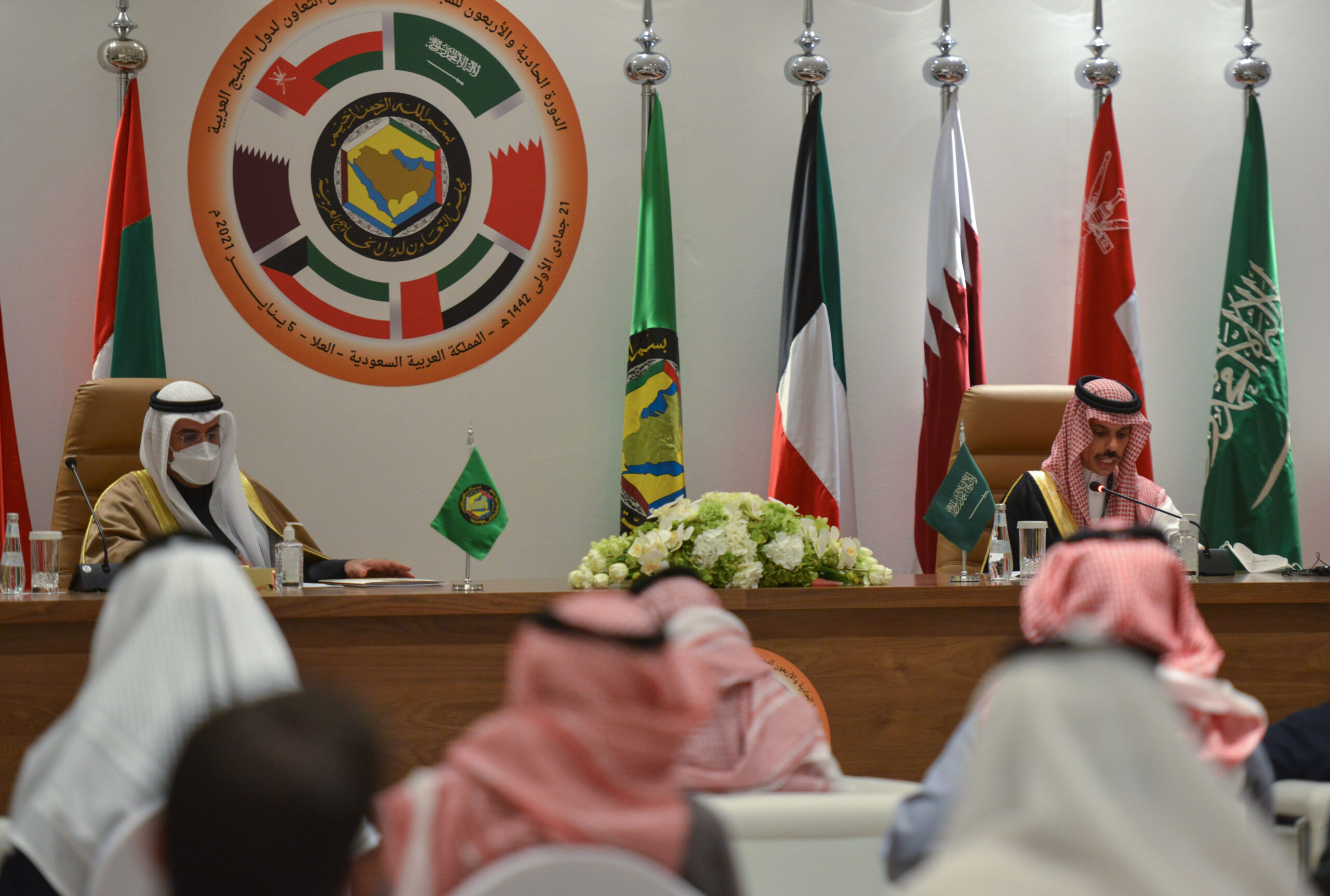
    In this policy paper, Dr. Karen E. Youngsets out to delineate and compare economic diversification efforts underway in the GCC that might prove useful in the Iraqi context, for the state as a whole, and measures that might be adopted in the context of the Kurdistan region.

    مجلس حقوق الإنسان التابع للأمم المتحدة يوافق على لجنة غزة لتقصي الحقائق
  • تعليق
  • مجلس حقوق الإنسان التابع للأمم المتحدة يوافق على لجنة غزة لتقصي الحقائق

    “إن استعداد مجلس حقوق الإنسان لإنشاء لجنة دائمة ذات تفويض شامل يشير إلى مدى التغيير في التصورات الدولية للصراع الإسرائيلي الفلسطيني في السنوات القليلة الماضية”.

    June 2, 2021

    Pakistan needs to reframe its regional connectivity push
    Asim Hafeez/Bloomberg via Getty Images
  • التحليل
  • Pakistan needs to reframe its regional connectivity push

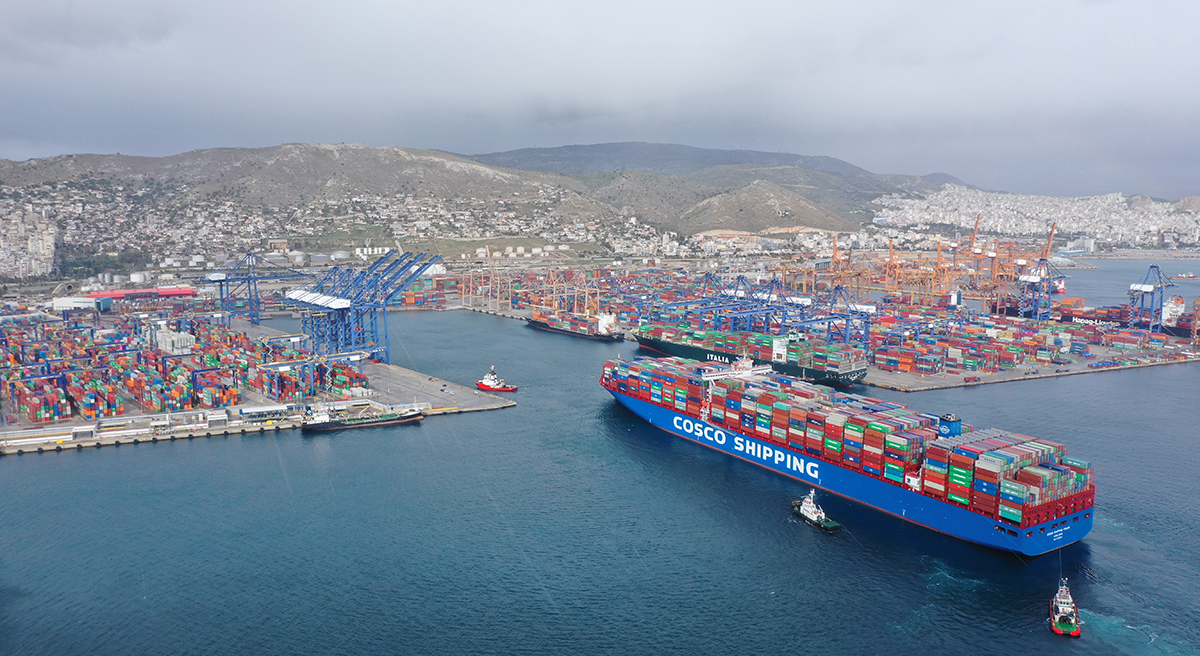
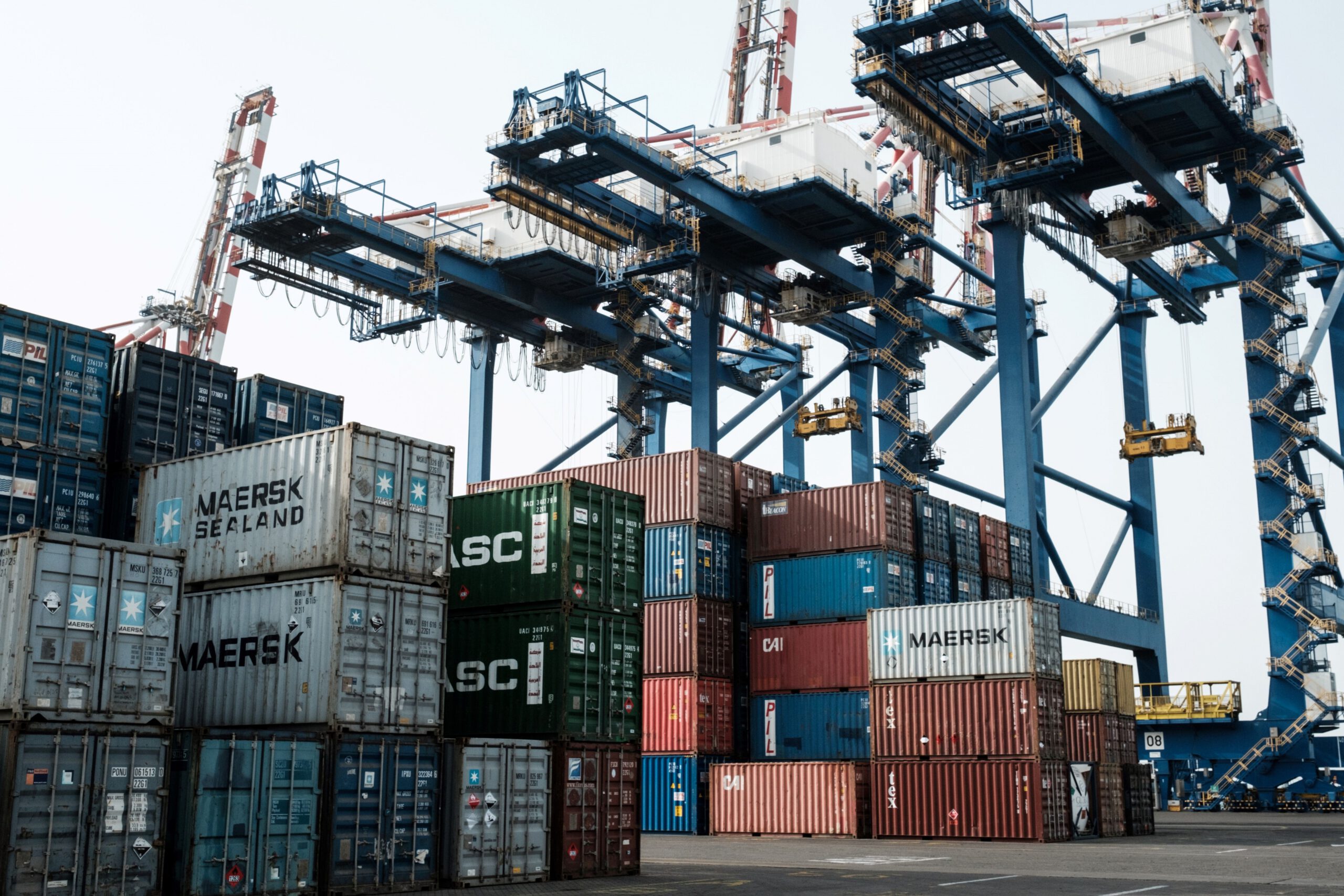
    On April 8, the top U.S. diplomat in Pakistan visited the Chinese-operated port of Gwadar — the first such visit by an American official in 15 years. The move appears to be part of a campaign by Pakistan to promote its regional connectivity agenda and simultaneously signal that this effort isn’t solely wedded to China and its Belt and Road Initiative.

    May 25, 2021

    Greece and Cyprus can play a modest role in advancing Israeli-Palestinian peace
  • التحليل
  • Greece and Cyprus can play a modest role in advancing Israeli-Palestinian peace

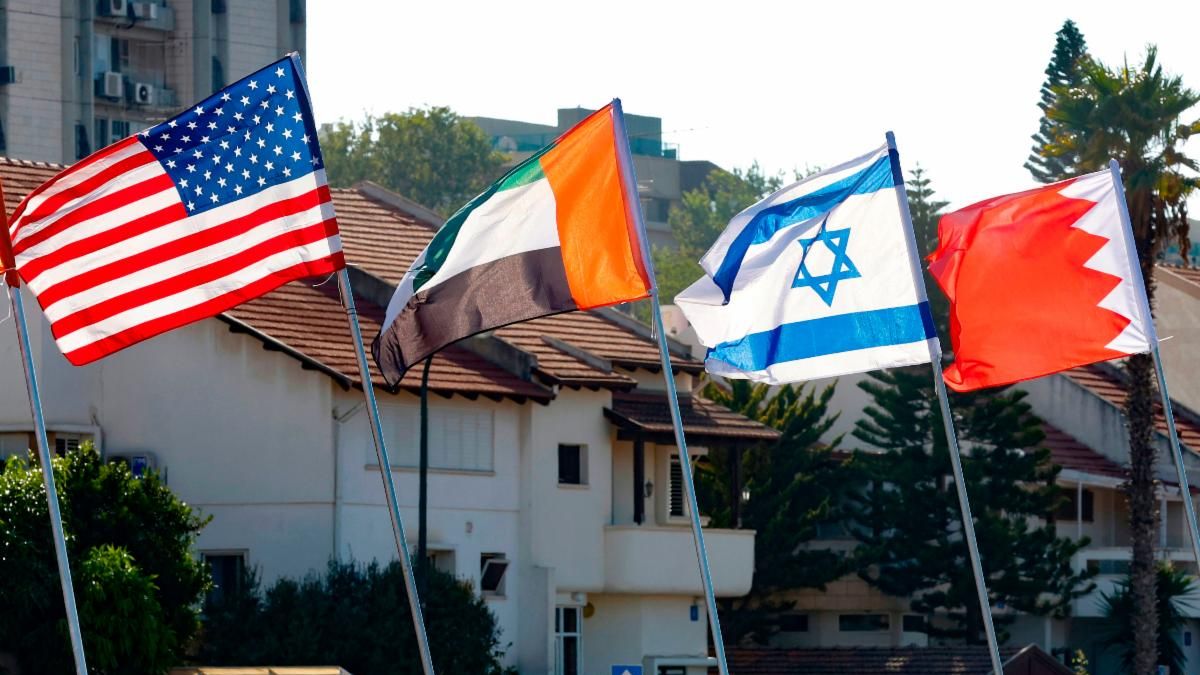
    In March 2021, the Eastern Mediterranean Gas Forum held its first meeting as a recognized international organization. Delegations from member countries – including Cyprus, Egypt, Greece, Israel, Italy, Jordan, and Palestine – gathered in Cairo to organize a regional gas market. The forum is a unique space that offers a platform for dialogue between European and Middle Eastern countries. Furthermore, it is rare that Israeli and Palestinian delegations cooperate on the international stage. Yet, as the inaugural meeting demonstrated, the conflict is never too far away. When the delegates voted on whether to grant the United Arab Emirates observer status in the forum – a privilege given to the United States and European Union – Palestine vetoed, a clear demonstration of Ramallah’s frustration with the normalization process that started a few months ago.

    May 21, 2021

    Agricultural technology in the Middle East: Sowing the seeds of the future
     Christopher Pike/Bloomberg via Getty Images
  • التحليل
  • Agricultural technology in the Middle East: Sowing the seeds of the future

    Over the last decade, new technology has been developed to address agriculture’s longstanding structural problems related to unproductive farming soils and water shortages. Such initiatives could potentially play a pivotal role in promoting food systems’ resilience across the region. These technologies are designed to increase and improve the outputs of the agricultural sector, while using less energy and more sustainable methods. Responding to the need to promote sustainable agricultural growth, agricultural technology (or “agritech”) today aims to reduce agrarian waste and the use of chemical fertilizers. Looking to the future — while taking cues from the past — may unlock the solutions to the region’s desperate food insecurity.

    May 19, 2021