The perils of personalizing power: Erdoğan’s one-man rule has made him increasingly vulnerable
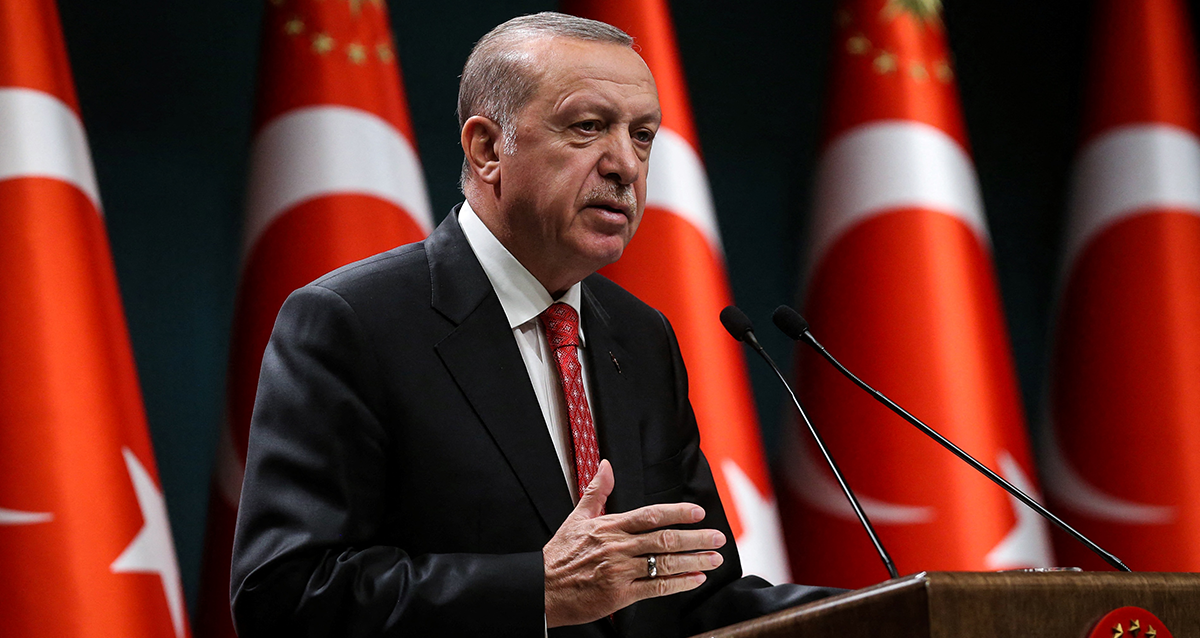
Turkish President Recep Tayyip Erdoğan long believed that establishing one-man rule would end all his headaches. Instead, the system he created has only caused him more trouble. So great is Erdoğan’s remorse that he is now said to be thinking of amending the executive presidency to strengthen the role of parliament.
Century-old grievances continue to fester in Yemen’s Tihama region
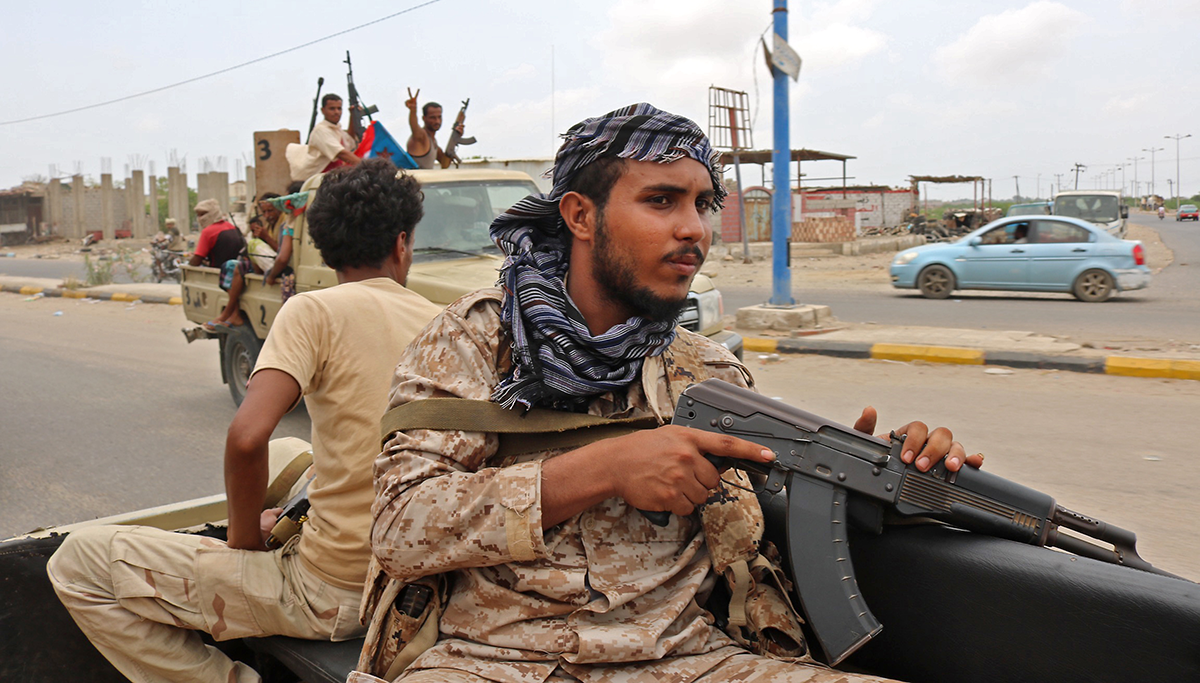
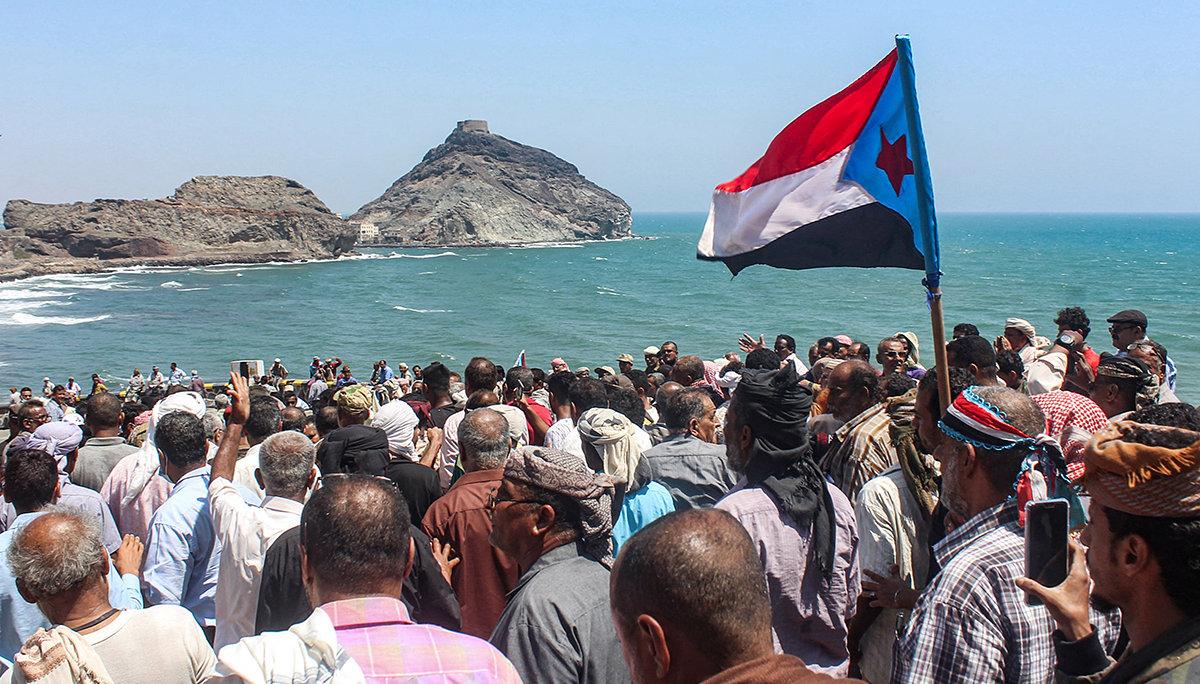
Grievances have been piling up unaddressed in Tihama, Yemen’s Red Sea coastal plain, for almost a hundred years. Since the revolt of al-Zaraniq against Imam Yahya Hameed al-Din of the Mutawakkilite Kingdom (then North Yemen) in 1925-26, consecutive Imams and the republican elite have pursued policies that have systematically marginalized the Tihamis. They have been deprived of a fair share of their region’s wealth, as well as opportunities for equitable power-sharing and economic empowerment.
Cyclone Shaheen: A reminder of the Arabian Peninsula’s vulnerability to extreme weather events
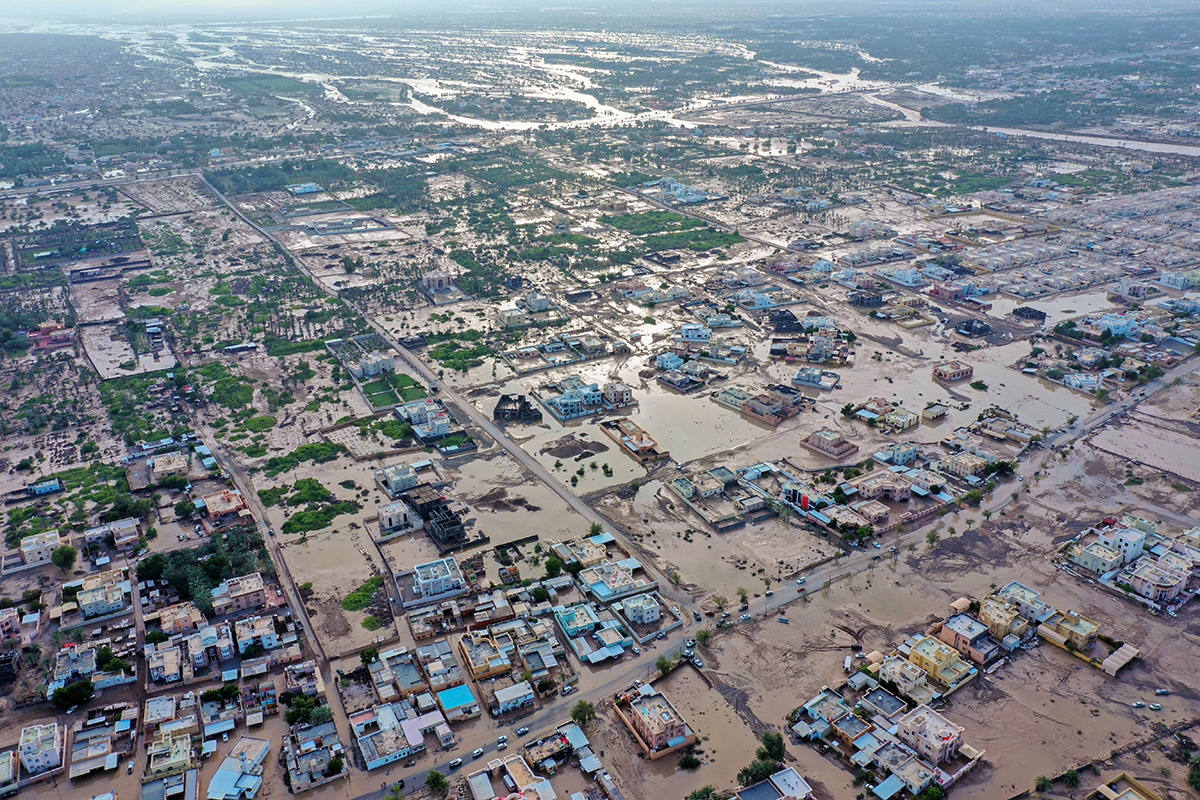
On Oct. 3 Cyclone Shaheen made landfall in Oman, near Muscat, after traveling through the Gulf of Oman from the Arabian Sea. According to the India Meteorological Department, which monitors and tracks the formation of cyclones in the North Indian Ocean, Cyclone Shaheen was categorized as a severe cyclonic storm when it made landfall with sustained winds of 70 miles per hour. Its arrival brought on heavy rainfall and excessive flooding in the many valleys that are a natural part of Oman’s topography. The high winds of the cyclone generated massive storm surges along the coast and caused serious damage to infrastructure and homes, displacing many.
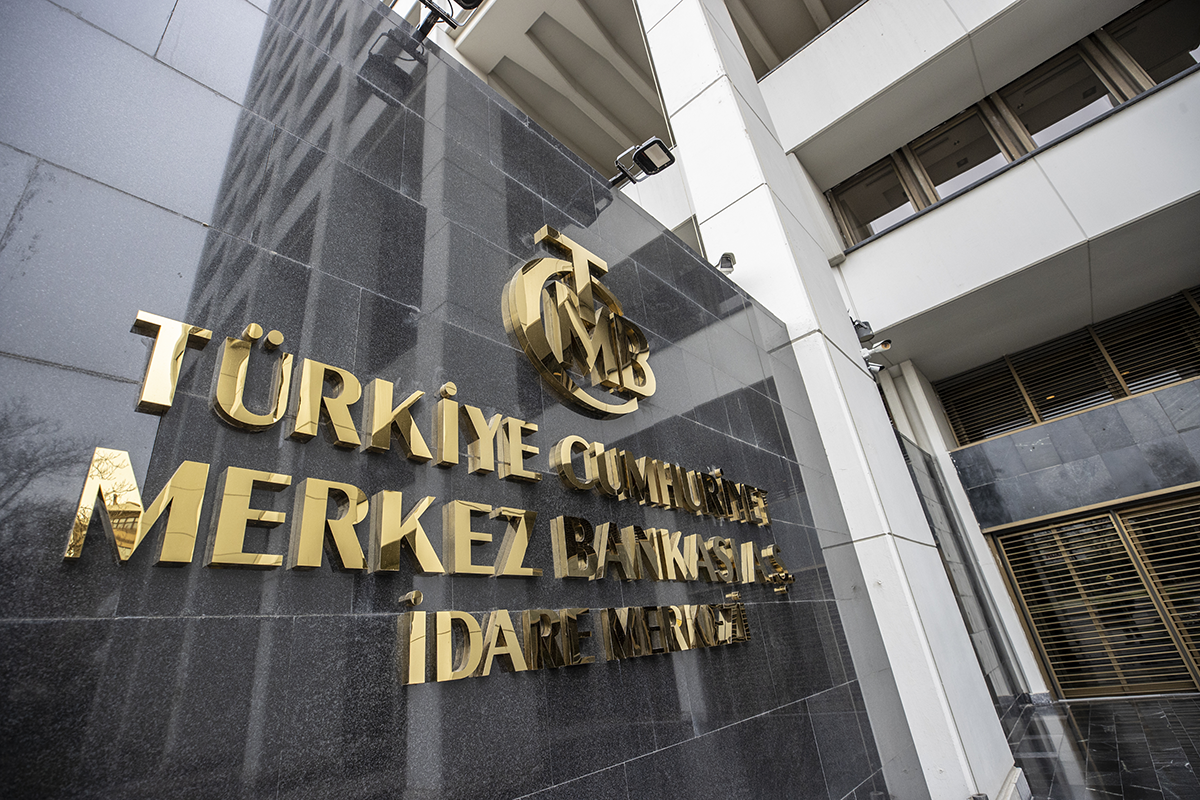
What’s driving Turkey’s early easing of monetary policy?
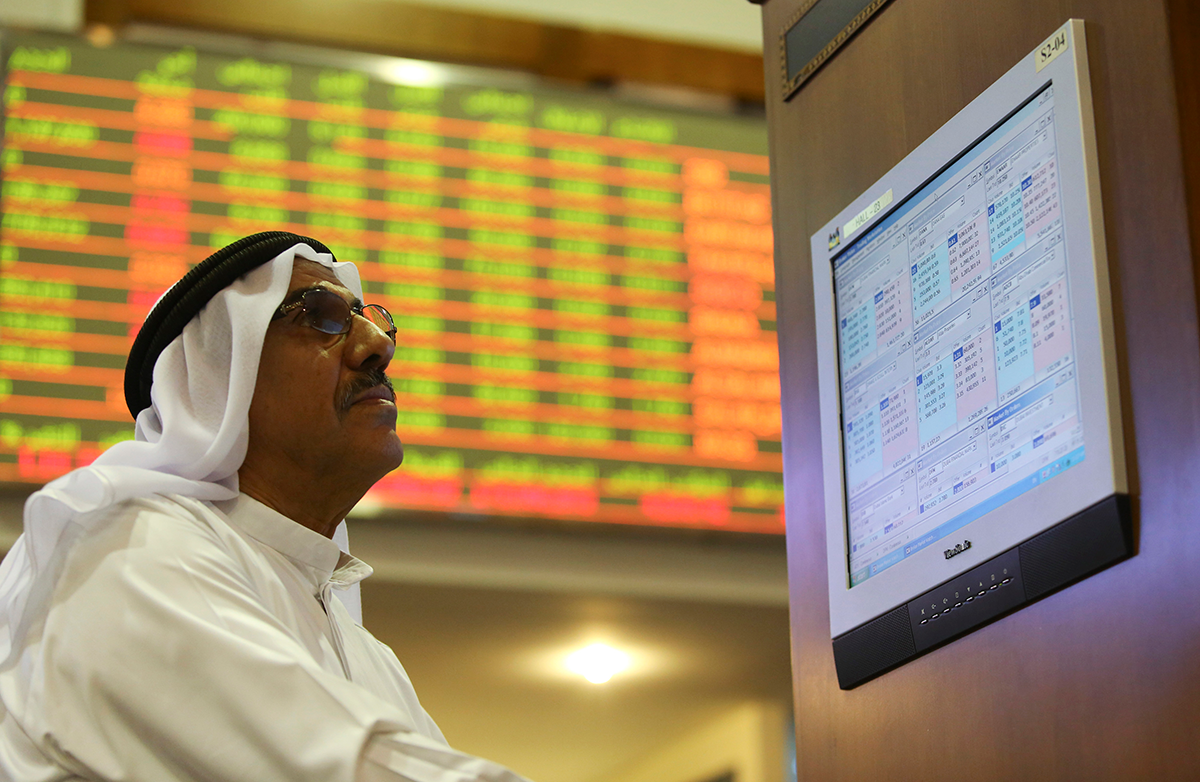
At its Sept. 23 meeting, the Central Bank of the Republic of Turkey (CBRT), in a surprise move, cut its policy rate (1-week repo rate) 100 basis points to 18.00%, while headline inflation was 19.25% (currently 19.58%). This is an interesting development as most central banks around the world have just started preparing to implement tighter policies.
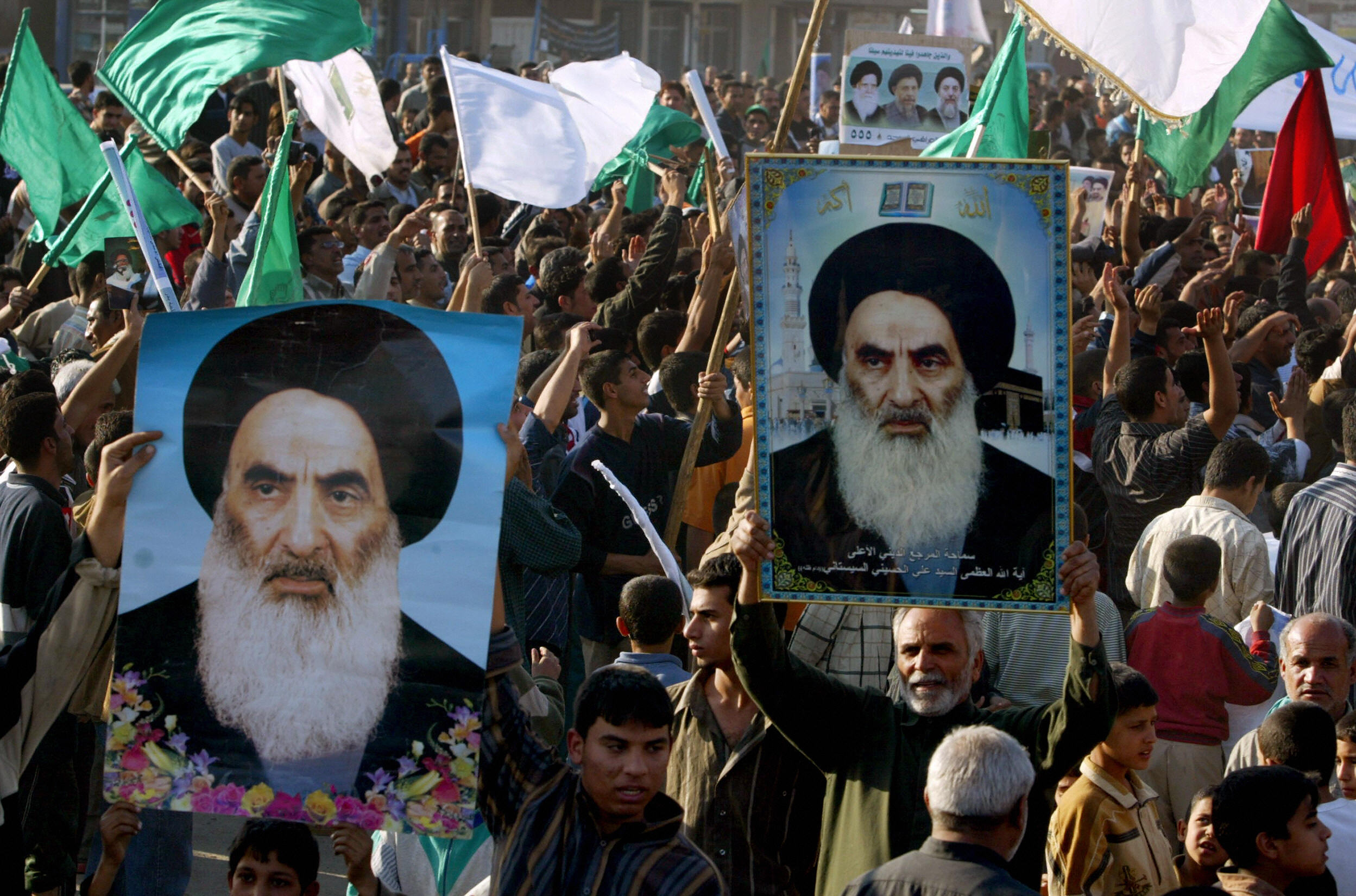
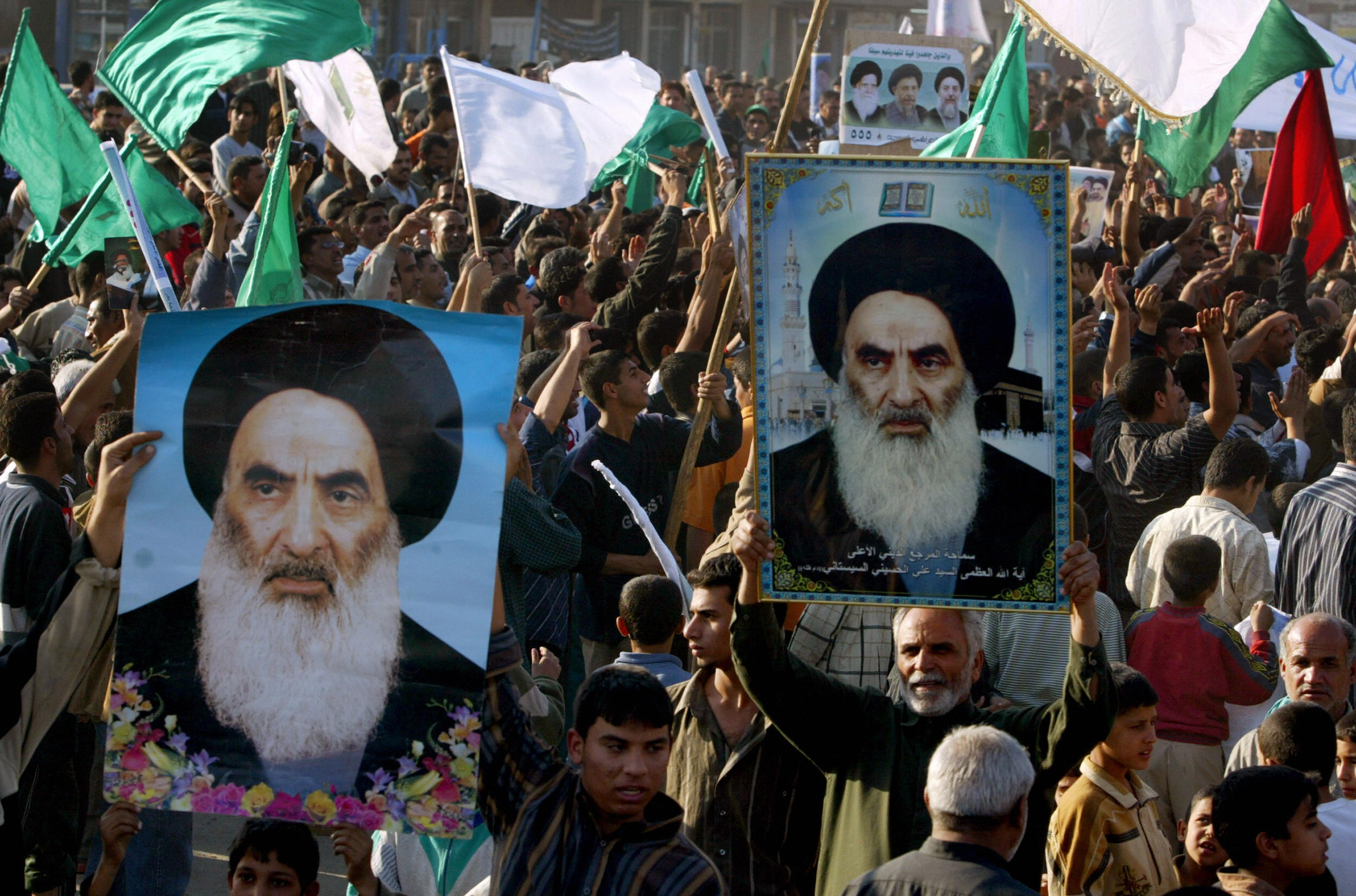
بعد غزو العراق في ٢٠٠٣، تحولت الأنظار إلى السيد علي السيستاني في النجف بوصفه نقطة محورية ليس فقط على مستوى العراق، بل في عموم المنطقة. اليوم، يبلغ السيستاني ٩١ عامًا مما يجعل مسألة خلافته أمرًا يشغل المتابعين، ليس فقط على مستوى الساحة الشيعية، ولكن على مستوى منطقة الشرق الأوسط بشكل عام. وعليه، تهدف هذه الدراسة إلى تسليط الضوء على مستقبل المرجعية الشيعية على أساس التغيير المرتقب القادم بعد السيستاني.
Will Sistani be the Last Legend? The Challenge of Succession and the Future of the Marj’aiyyah
For Shi’a Muslims, the highest-ranking religious authorities are known as marj’as, who serve as a reference point for emulation for laypeople (marj’a al-taqlīd). The position of the marj’a, known as the marj’aiyyah, has the exclusive right to issue religious rulings (fatwas). Since the 2003 invasion of Iraq, Ayatollah Sayyid Ali Sistani in Najaf has become a focal point not only for Shi’a in Iraq, but for the entire region. Sistani is now 91 years old and the question of succession is a central one — one that concerns not only Shi’a Muslims, but the wider Middle East as well. This paper aims to shed light on the future of the religious authority in the Shi’a world based on the unavoidable change after Sistani.
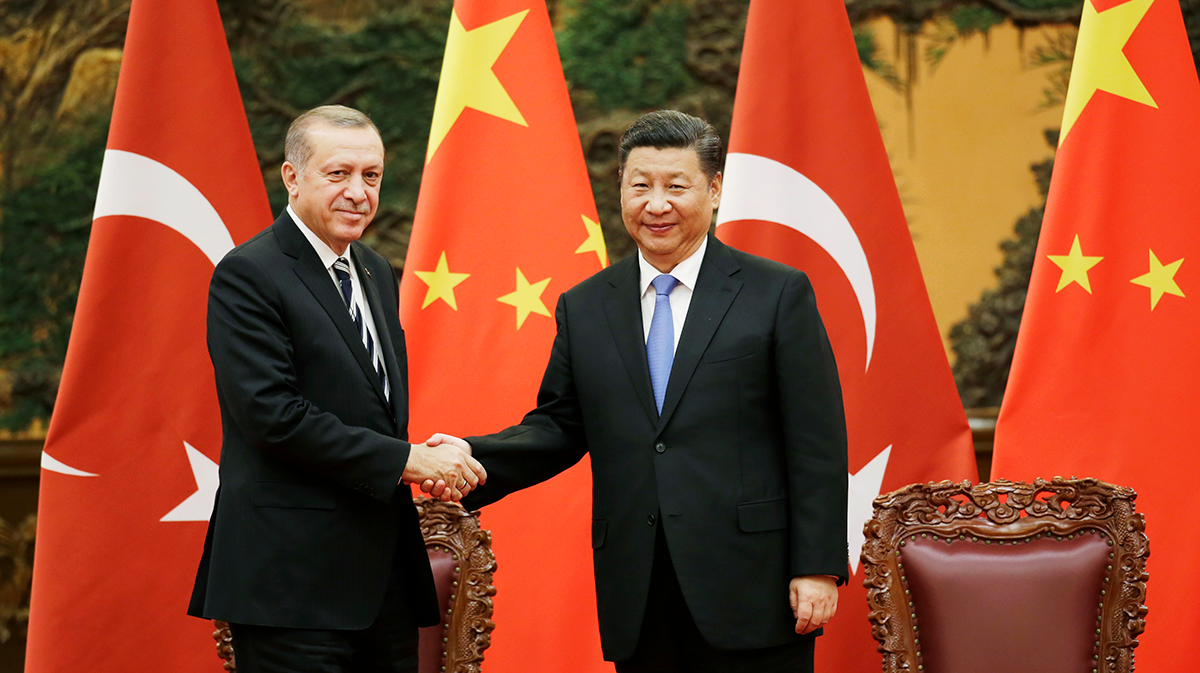
Courting danger, Erdoğan ramps up reliance on China
China’s recent multi-sectoral engagements in Turkey suggest that the Black Sea region’s significance is on the rise in Beijing, and under President Erdoğan, Turkey has consistently sought its favor and investment.
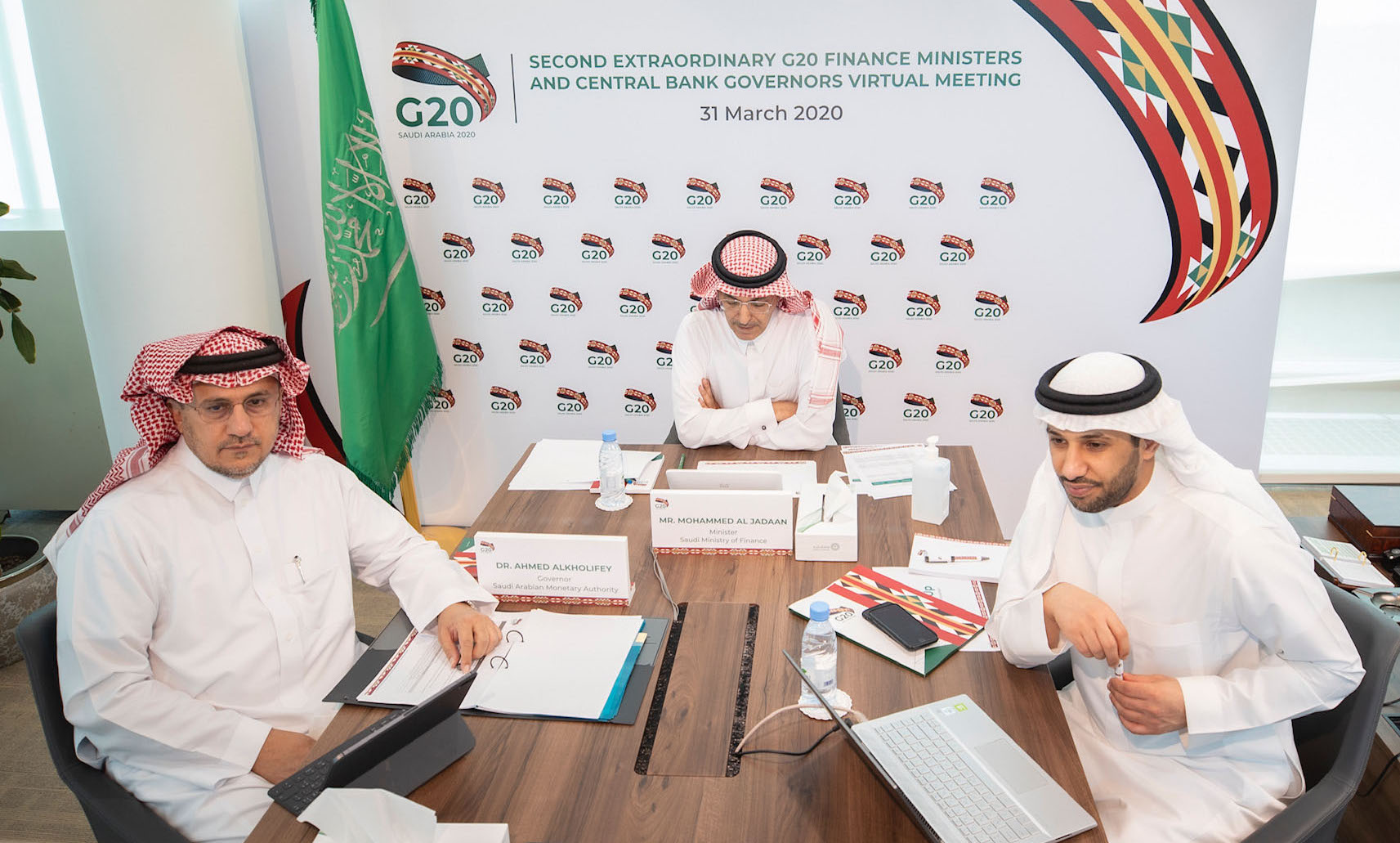
Mega-projects and Small Enterprises: Understanding Saudi Arabian Banks’ Role in Economic Development
Vision 2030 promises a transformation of Saudi Arabia’s economy, and the financial sector will be crucial to achieving this. The sector will facilitate private investment focusing on small and medium-sized enterprise (SME) financing, fund mega-projects, and be a driver for diversifying away from oil. As a result, banks’ role must go from being distributive and largely passive to developmental and active. This article will highlight how the role of the Saudi banking sector has been transformed in the last five years and how its composition is changing to cope.
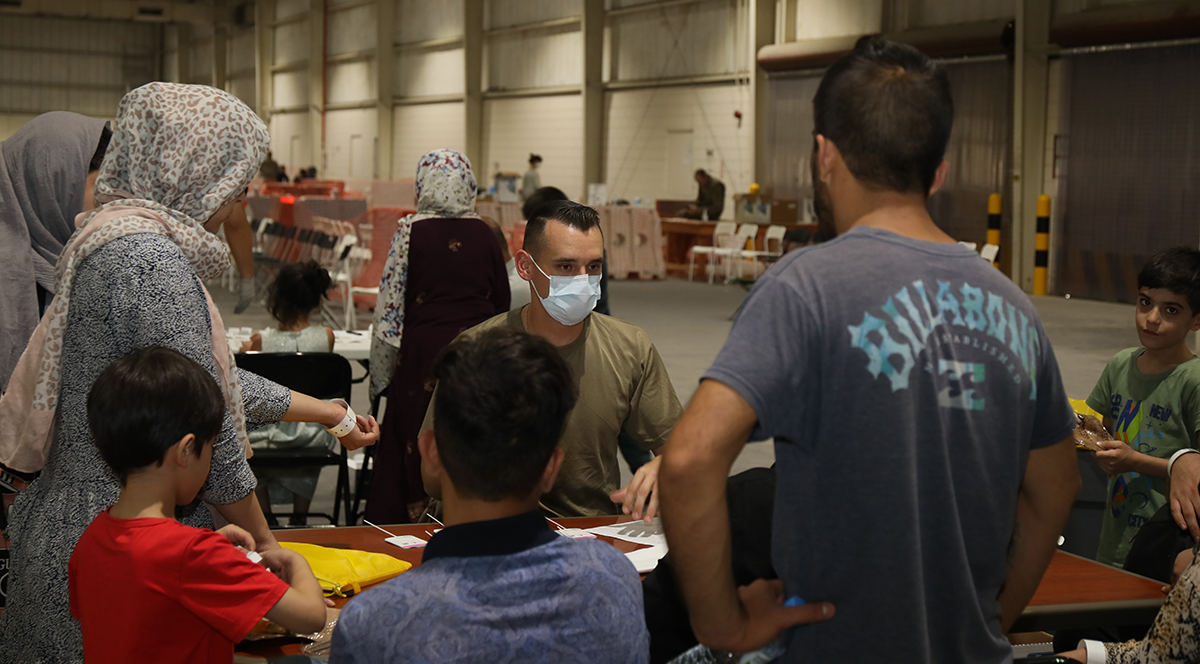
We rarely miss an opportunity to criticize our Gulf Arab partners — sometimes rightly so — for not doing enough to safeguard collective interests. But one must acknowledge that on Afghanistan, and especially our just-completed exit from the country, most of our Gulf Arab partners absolutely shined. They deserve a ton of credit for the role they played in our large, challenging, and deadly evacuation — a role which was nothing short of indispensable.
There is a puzzle in the profits of Gulf Cooperation Council (GCC) firms, especially conglomerates. Even as the size of GCC economies has grown considerably in the last two decades, corporate profits have been flat. With a goal of economic diversification to expand private sector business and job opportunities for citizens, the imperative to create an environment for growth is acute for regional governments. Tarek Fadlallah, CEO of Nomura Asset Management Middle East and a member of the Program on Economics and Energy Advisory Council, lays out some of the challenges for Gulf economic diversification and improved corporate profitability.
Southern inclusivity is key to Yemen’s chances for lasting peace
A reinvigorated international approach to Yemen is possible. The current architecture for advancing a negotiated peace is being challenged by both international and local developments. The protracted nature of the conflict, the risk that it could worsen, and local political developments over the past two years necessitate a recalibration of the peace process, informed by realities on the ground, the urgent needs of the population, and the demand for security. Evolving coalition priorities, renewed U.S. engagement, and the appointment of a new U.N. special envoy may be an opportunity to advance conflict resolution. Achieving greater unity among southern actors will be key to the success of national-level talks and is urgently needed to prevent a further descent into violence, extremism, and humanitarian catastrophe.