Panel II: Working Toward a National Reconciliation
Panel II: Working Toward a National Reconciliation 11:00am-12:30pmModerator: Thomas Friedman, New York TimesNader Bakkar—co-founder, al Nour PartyDina Guirguis—Tahrir Institute for Middle East PolicyWael Haddara—former senior advisor to Mohamed MorsiHani Sarie Eldin—al Dostour Party
Panel I: Forging A Viable Political PathModerator: David Rothkopf, Foreign PolicyKhalil al Anani, Middle East Institute Graeme Bannerman, Middle East instituteKarim Haggag, National Defense UniversityTarek Masoud, Harvard University’s John F. Kennedy School of Government
Panel I: Forging A Viable Political PathModerator: David Rothkopf, Foreign PolicyKhalil al Anani, Middle East Institute Graeme Bannerman, Middle East instituteKarim Haggag, National Defense UniversityTarek Masoud, Harvard University’s John F. Kennedy School of Government
Panel I: Forging A Viable Political PathModerator: David Rothkopf, Foreign PolicyKhalil al Anani, Middle East Institute Graeme Bannerman, Middle East instituteKarim Haggag, National Defense UniversityTarek Masoud, Harvard University’s John F. Kennedy School of Government
Panel I: Forging A Viable Political PathModerator: David Rothkopf, Foreign PolicyKhalil al Anani, Middle East Institute Graeme Bannerman, Middle East instituteKarim Haggag, National Defense UniversityTarek Masoud, Harvard University’s John F. Kennedy School of Government
Panel I: Forging A Viable Political PathModerator: David Rothkopf, Foreign PolicyKhalil al Anani, Middle East Institute Graeme Bannerman, Middle East instituteKarim Haggag, National Defense UniversityTarek Masoud, Harvard University’s John F. Kennedy School of Government
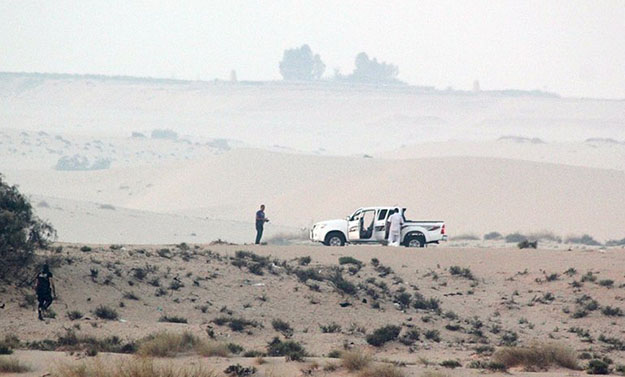
Much of the analysis on the causes for the military’s ouster of Mohamed Morsi focuses on the Muslim Brotherhood’s performance, or lack thereof, in domestic affairs. Glaringly absent, however, is an examination of the preeminence of Sinai in the military’s decision to intervene in otherwise civilian political disputes between the burgeoning liberal parties and the veteran Muslim Brotherhood and its Islamist allies.
The Lessons of Benghazi: One Year Later, Never More Urgent
The situation in Libya one year after the attack on the U.S. Special Mission in Benghazi on September 11, 2012 is chaotic, dysfunctional and disheartening. It remains not as abjectly horrible as it could be—the General National Congress did this summer finally approve a framework (however imperfect) for electing a constitutional assembly, and UN-backed efforts are under way to create an unofficial dialogue of national reconciliation—but these advances paper over ever-deeper failings, many of which were not inevitable.
Egyptians call their desert country “the protected” (al-mahrousa) in homage to its longevity and the idiosyncratic features that have consistently saved it from destitution: a geostrategic location, Nile-fed farmland, and a stunning array of in situ antiquities. While much has remained unchanged in Egypt since the 2011 uprising, including the authoritarian nature of its government, alarming quantities of the country’s precious agricultural and archeological land have been vanishing to make way for cheaply-built homes of low-income citizens.
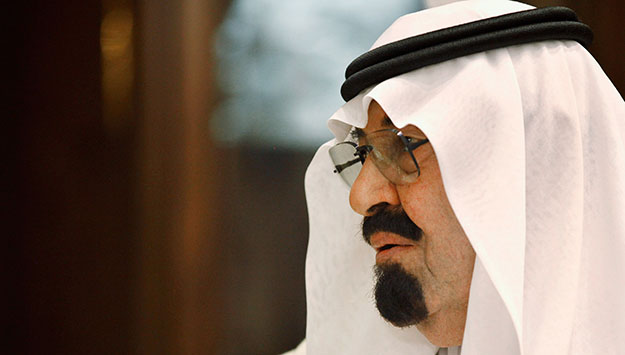
When King Abdullah of Saudi Arabia and his foreign minister, Prince Saud al-Faisal, issued unequivocal pledges of support for Egypt’s military government and its crackdown on the Muslim Brotherhood, their move was widely depicted in the news media as a logical extension of the kingdom’s opposition to revolutionary movements in the Arab world. This simplistic view overlooks the fact that Saudi Arabia has responded differently to different uprisings—it supports the rebels in Syria, helped to crush them in Bahrain—and that aligning itself with Egypt’s new rulers could be a risky strategy.