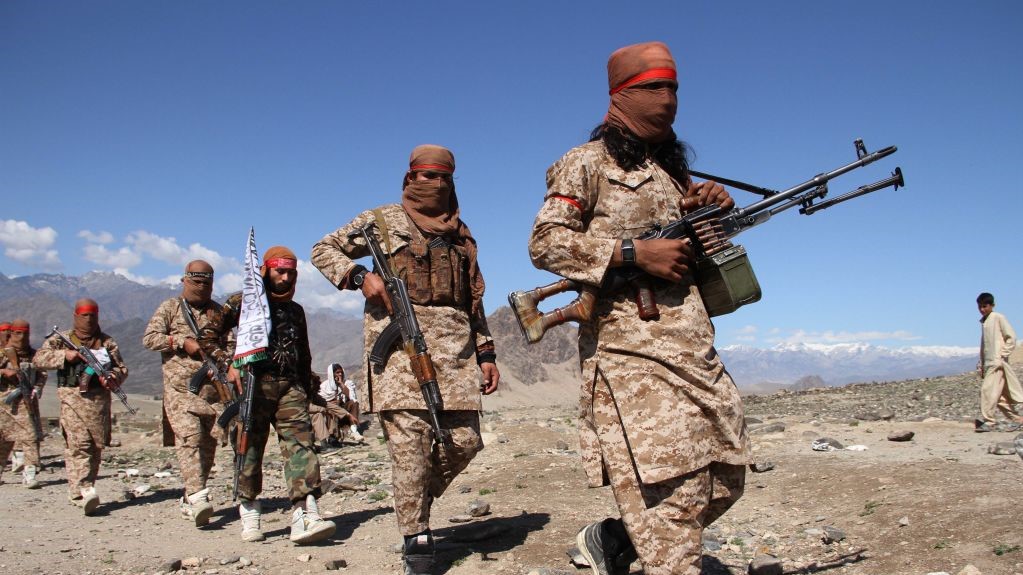
Vanda Felbab-Brown, Michael Kugelman, and Marvin Weinbaum join host Alistair Taylor to discuss the recent US-Taliban agreement in Afghanistan, the political power struggle over the presidency, the challenges facing the intra-Afghan dialogue, and the effects of coronavirus.
Democrats ought to build a moral firewall around Syria policy, establishing a framework for understanding the Syrian conflict and debating policy options.
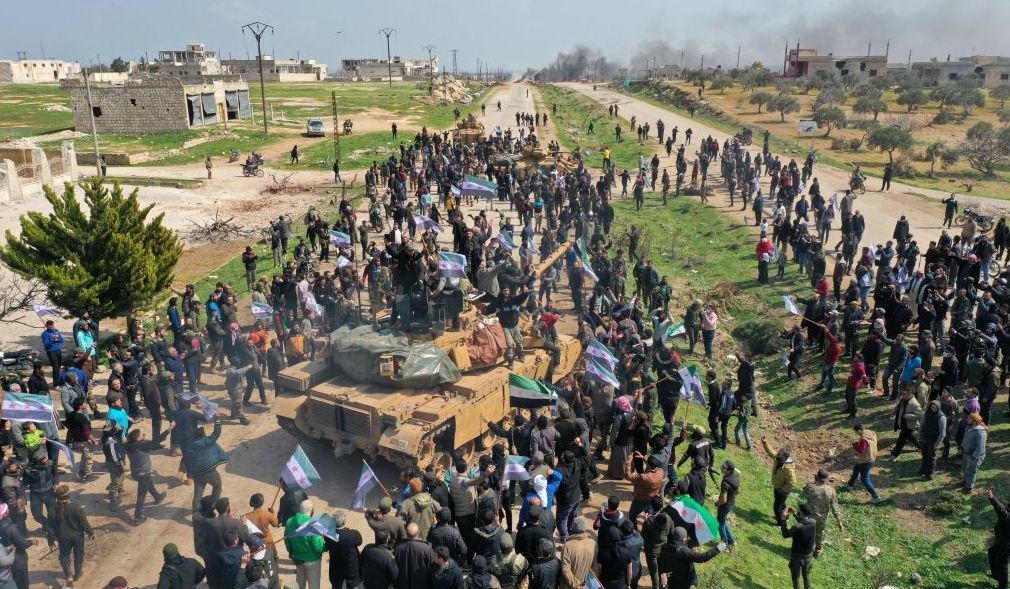
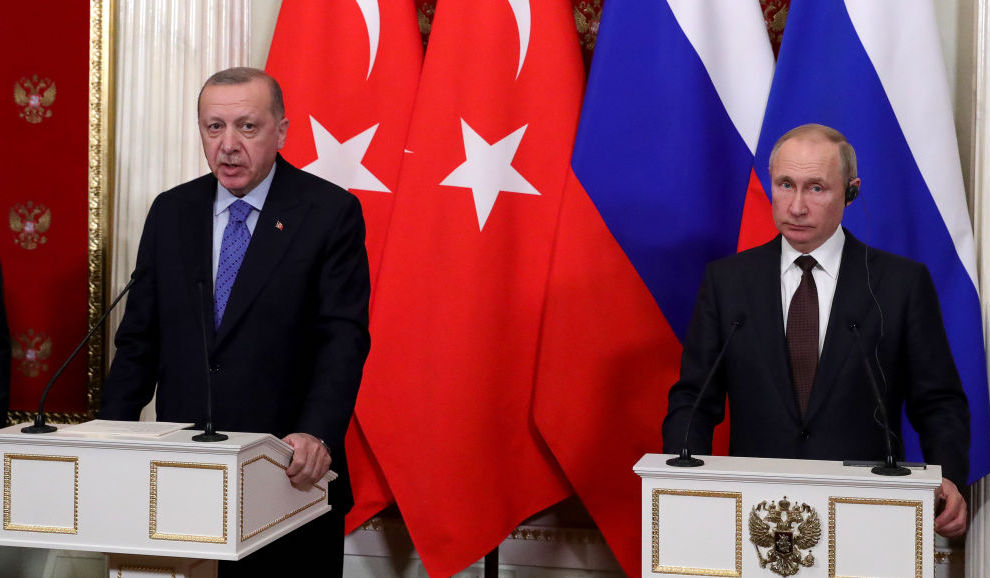
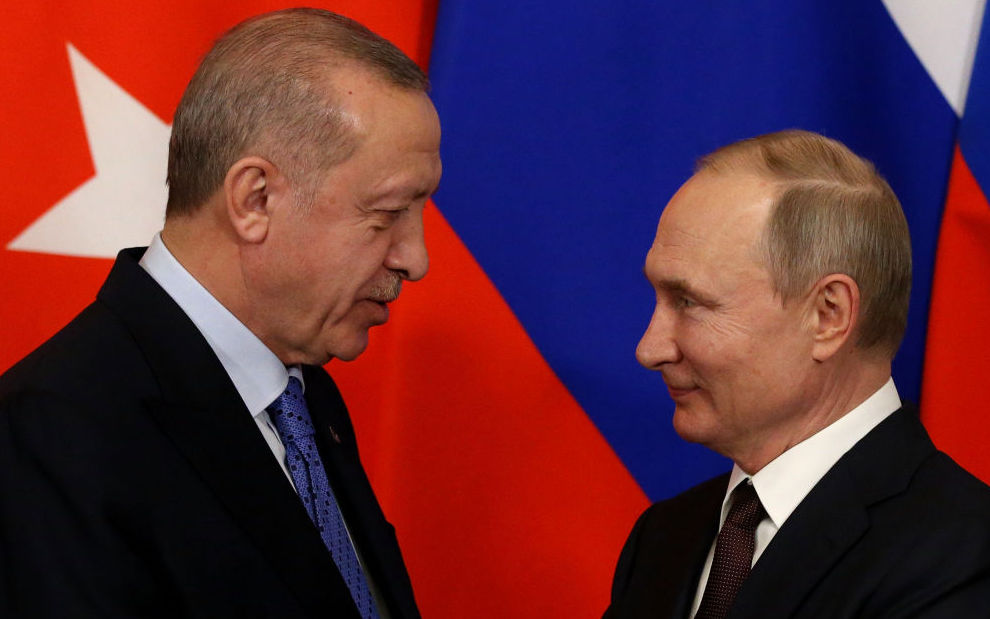
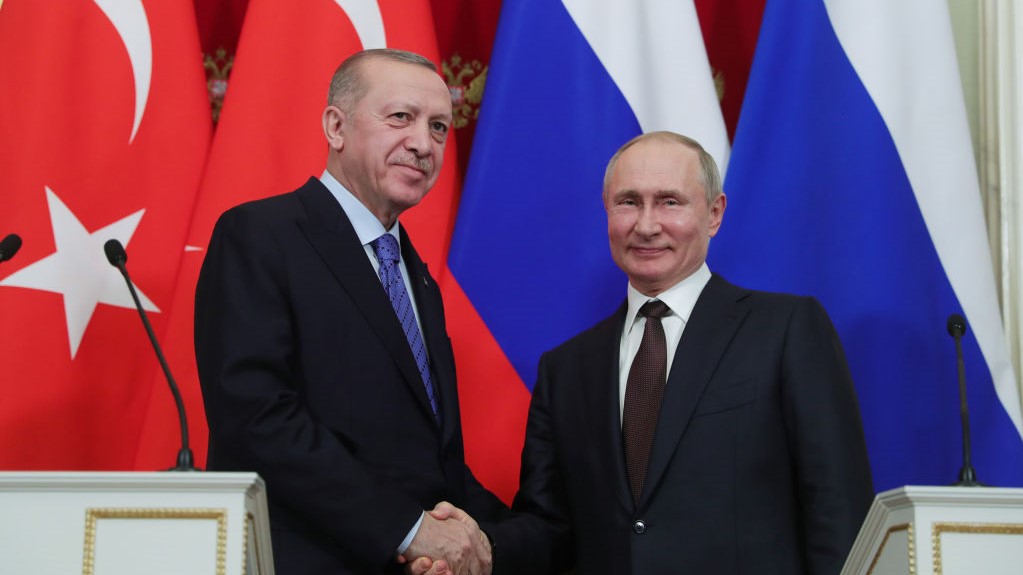
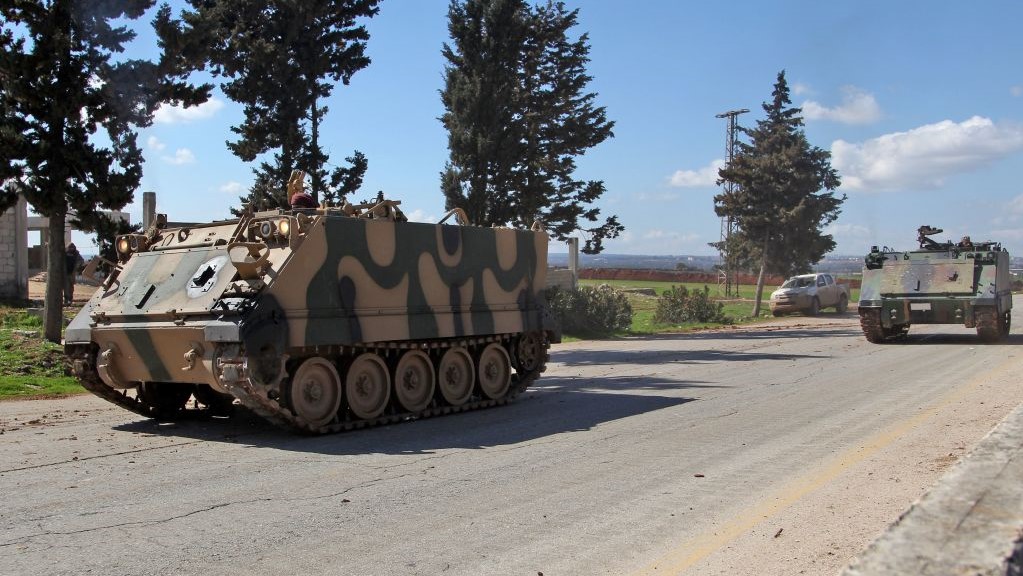
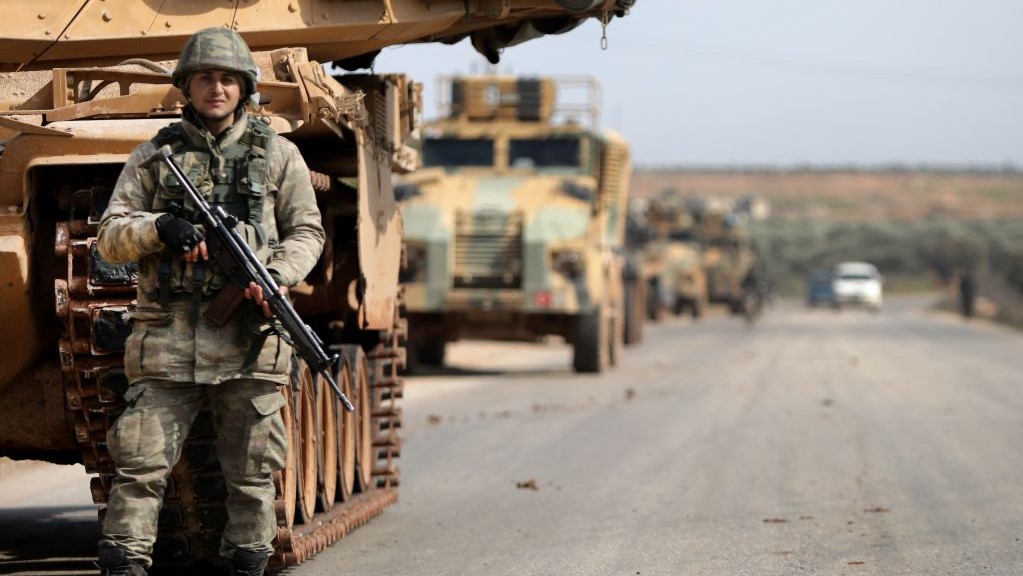
In changing the balance of power on the ground and forcing hostilities to a stalemate, Turkey’s military intervention in Idlib had produced its desired effect. On March 5, Vladimir Putin and Erdogan sat together for six hours and announced to the world a comprehensive cease-fire and the establishment of a secure corridor spanning six kilometers on the north and south sides of the M4 highway.
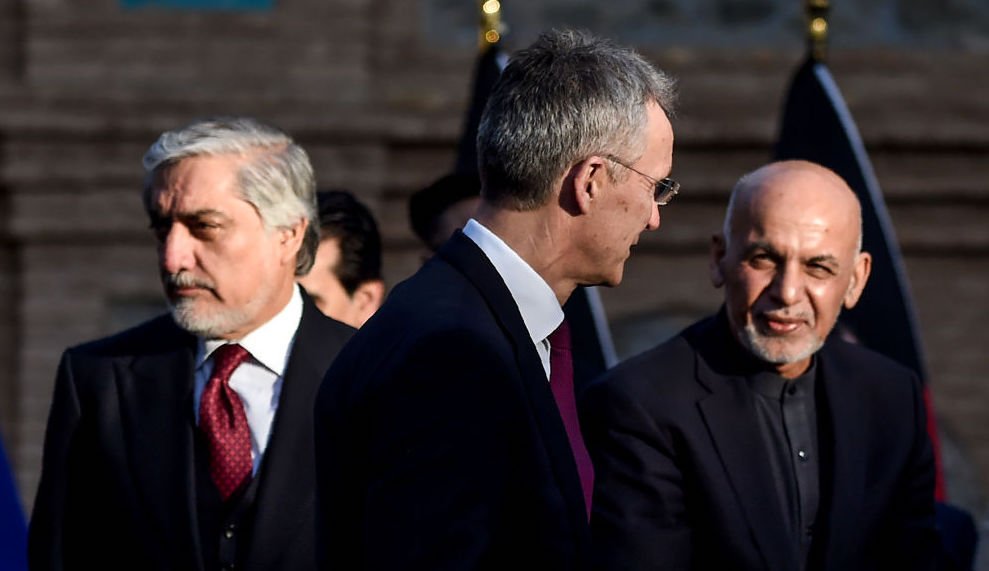
Uncertainty and chaos as Afghanistan’s political crisis deepens
On March 9, Afghanistan’s sitting president, Ashraf Ghani, took the oath of office for a second term. However, on the same day the country’s chief executive, Abdullah Abdullah, also declared himself president at a rival swearing-in ceremony. The controversy has plunged the country into further political uncertainty and potential chaos, dashing hopes of an immediate return to peace following the historic U.S.-Taliban deal on Feb. 29.
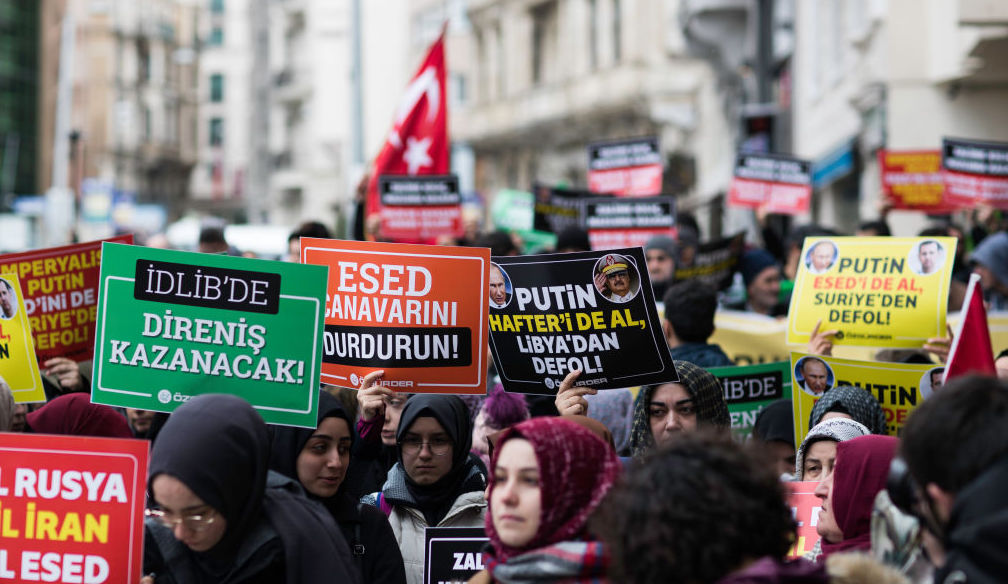
After Turkish President Recep Tayyip Erdogan hammered out a deal with his Russian counterpart Vladimir Putin on March 5 to bring an end to the fighting in Idlib in northwestern Syria, he said he was hopeful that the two countries could extend their cooperation to Libya.
Turkey and Russia agree to a cease-fire in Idlib, but will it hold?
In the past, similar cease-fire agreements ended shortly after they were announced and were followed by more fierce fighting that further consolidated the regime’s control.
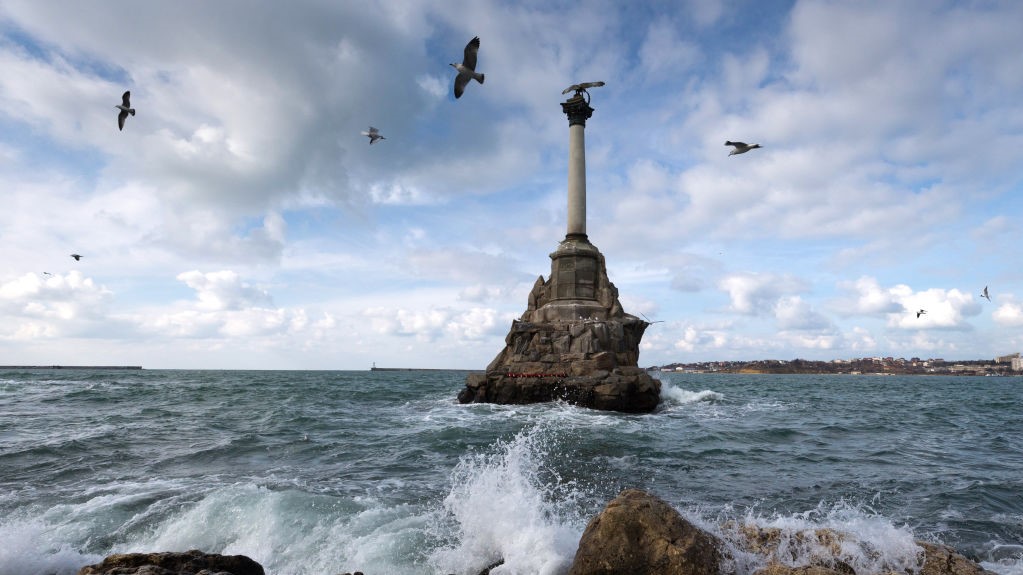
Black Sea conflicts: Militarization and peacebuilding
The sheer density of protracted conflicts in the Black Sea region makes it particularly exposed to the geopolitical ambitions of regional and global powers. The rapid militarization in Russia-controlled territories in recent years has only added fuel to the fire, dramatically increasing security concerns and underscoring the need for the West and its allies in the region to address the so-called frozen conflicts.
All eyes on Moscow as Erdogan and Putin meet for Syria talks
Turkish President Recep Tayyip Erdogan typically never misses an opportunity to appear in front of the cameras. But after the airstrike last week that killed dozens of Turkish soldiers in Syria’s Idlib Province, he was unusually quiet. The local governor of the south-eastern Turkish province of Hatay, just across the border from Idlib, did the talking instead, providing information to the outraged public about Turkey’s worst day in the Syrian conflict so far. As the death toll rose, so did the public anger.
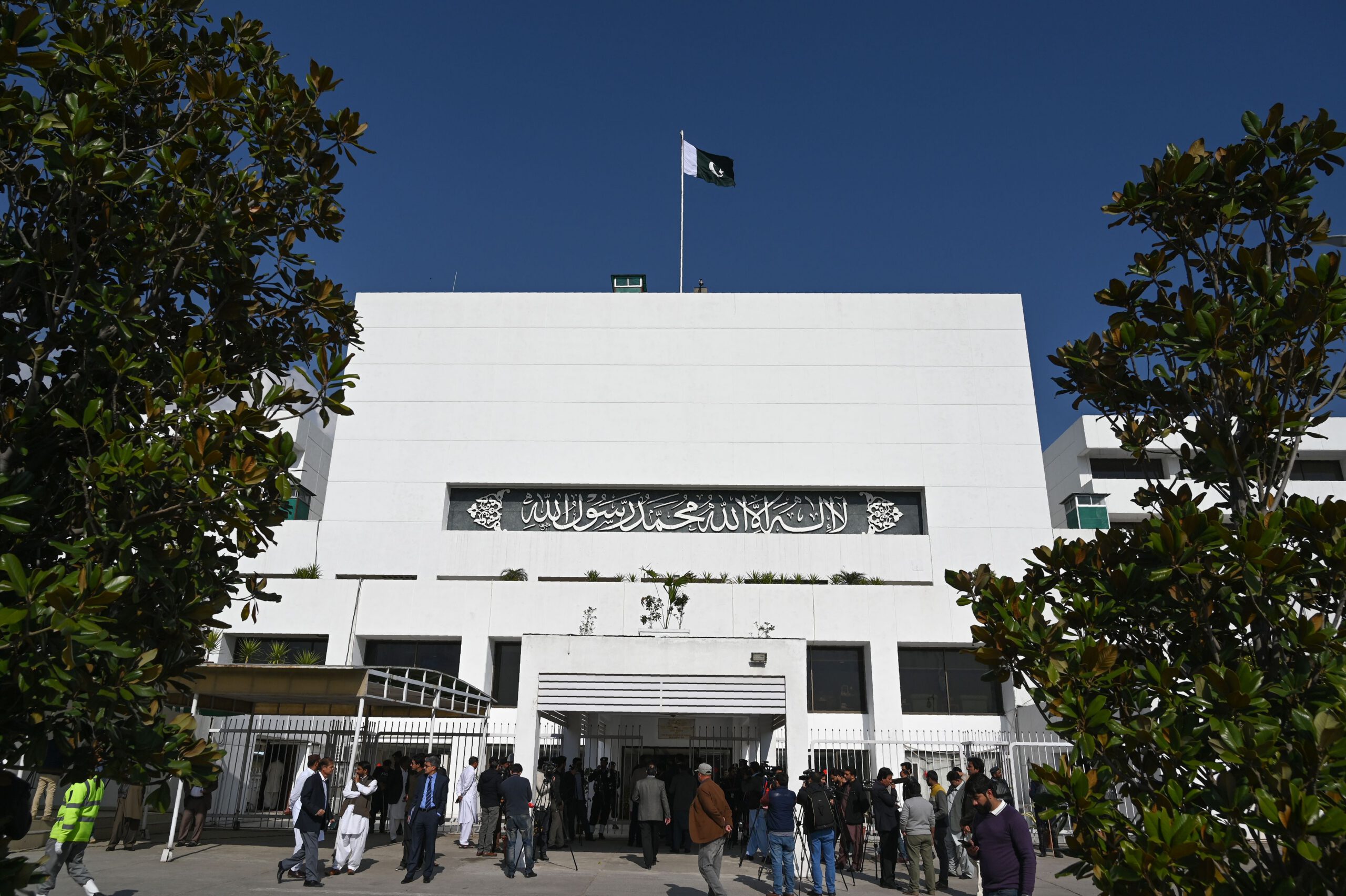
Seizing the Moment for Change: Pathways to a Sustainable US-Pakistan Relationship
It is a near truism that U.S. relations with Pakistan have been historically unstable, waxing and waning, climbing to heights of interdependence and sinking to mutual recrimination. Yet this is presently a period unmarked by either high promise or driven by crisis. Rather than a reason, however, for leaving the relationship untouched and unexamined, this can be a time of unusual opportunity to create a more deliberative approach to thinking about the bilateral relationship and for shaping fresh initiatives.
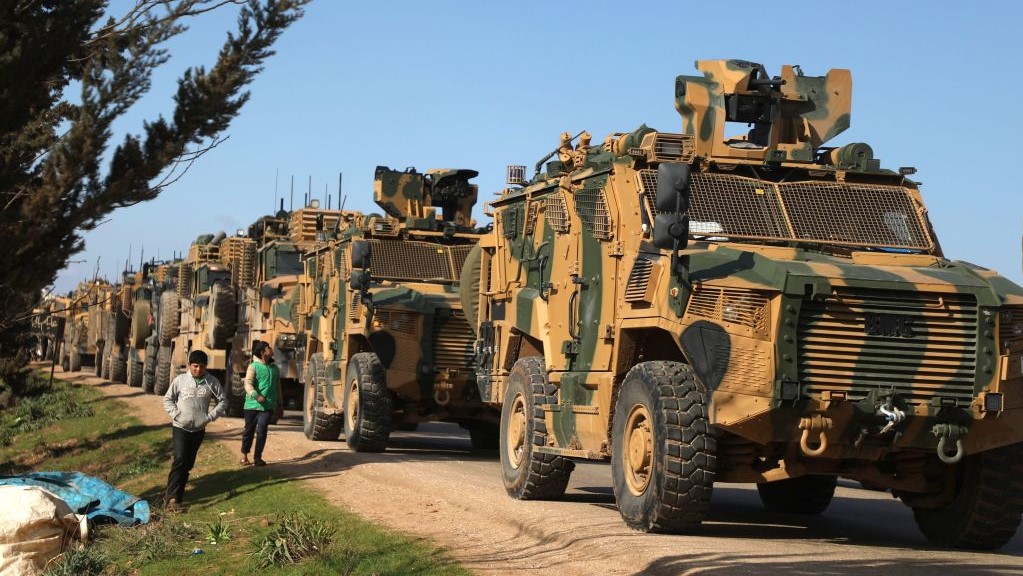
As its air campaign in Idlib continues, Turkey looks unlikely to stand down
The scale of Turkey’s intervention will have shaken Moscow and the losses incurred by pro-regime forces are serious and will further strain a Syrian Army that was already overstretched.
Turkey is running out of options in Idlib Province and in Syria. Aggressively taking on a task that is beyond its capabilities, the government in Ankara now is faced with doubling down on a high-risk gamble, hoping someone, somewhere will believe its bluff, or saving Turkey and the area from worse destruction. There are two things the U.S could do, working together with the EU, NATO, and the UN.