The Rohingyas Refugee Crisis: A Regional and International Issue?
One of the biggest (and most important) differences between the Rohingya refugee crisis and the refugee emergency in the Mediterranean is that in the former case, none of the involved states is a signatory to the 1951 Refugee Convention, nor its 1967 Protocol. Furthermore, the lack of a formal regional asylum framework has made the Rohingyas emergency that much more acute—and tragic.
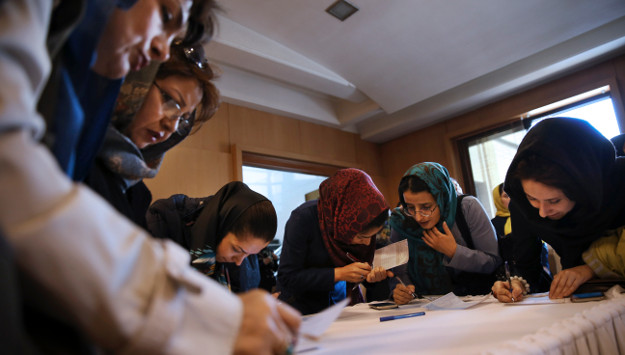
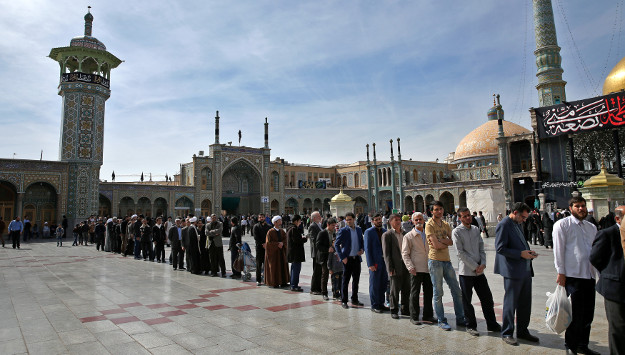
The stunning performance of Iran’s moderate forces in the Feb. 26 elections has prompted new optimism for democracy in the Islamic Republic. It should not.
This essay explores how, if the European Union had a more complete refugee policy—one that covers all aspects of refugee arrival, reception, and protection—the Syria crisis might have been mitigated, if not averted. The essay focuses specifically on the desirability and advantages of resettlement (among other mooted policies) as a vital protection tool.
Qatar’s Cabinet Reshuffle and a New Regional Approach
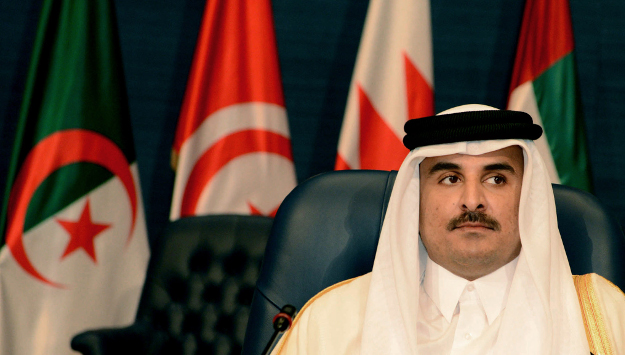
Qatar’s recent cabinet reshuffle marks the latest step in the tiny emirate’s shift away from its high-profile regional activities under former emir, Sheikh Hamad bin Khalifa al-Thani, to the more discreet role of his son and current emir, Sheikh Tamim bin Hamad al-Thani.
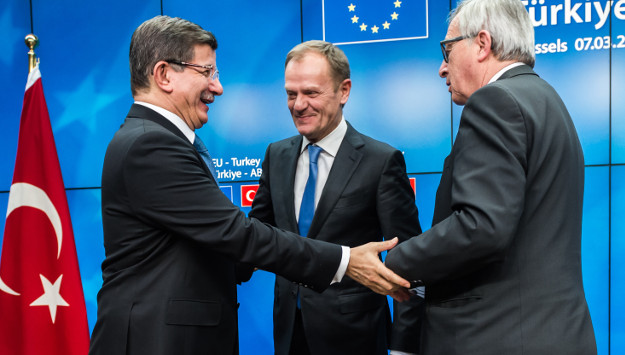
In this week’s Monday Briefing, MEI experts Gonul Tol, Robert S. Ford, and Marvin G. Weinbaum provide analysis on recent events including the E.U.-Turkey summit in Brussels to discuss the Syrian refugee crisis, the ceasefire agreement in Syria, and the status of peace talks with the Taliban in Afghanistan.
E.U., Turkey Talk Refugee Plan By Gonul Tol, Director of MEI’s Center for Turkish Studies
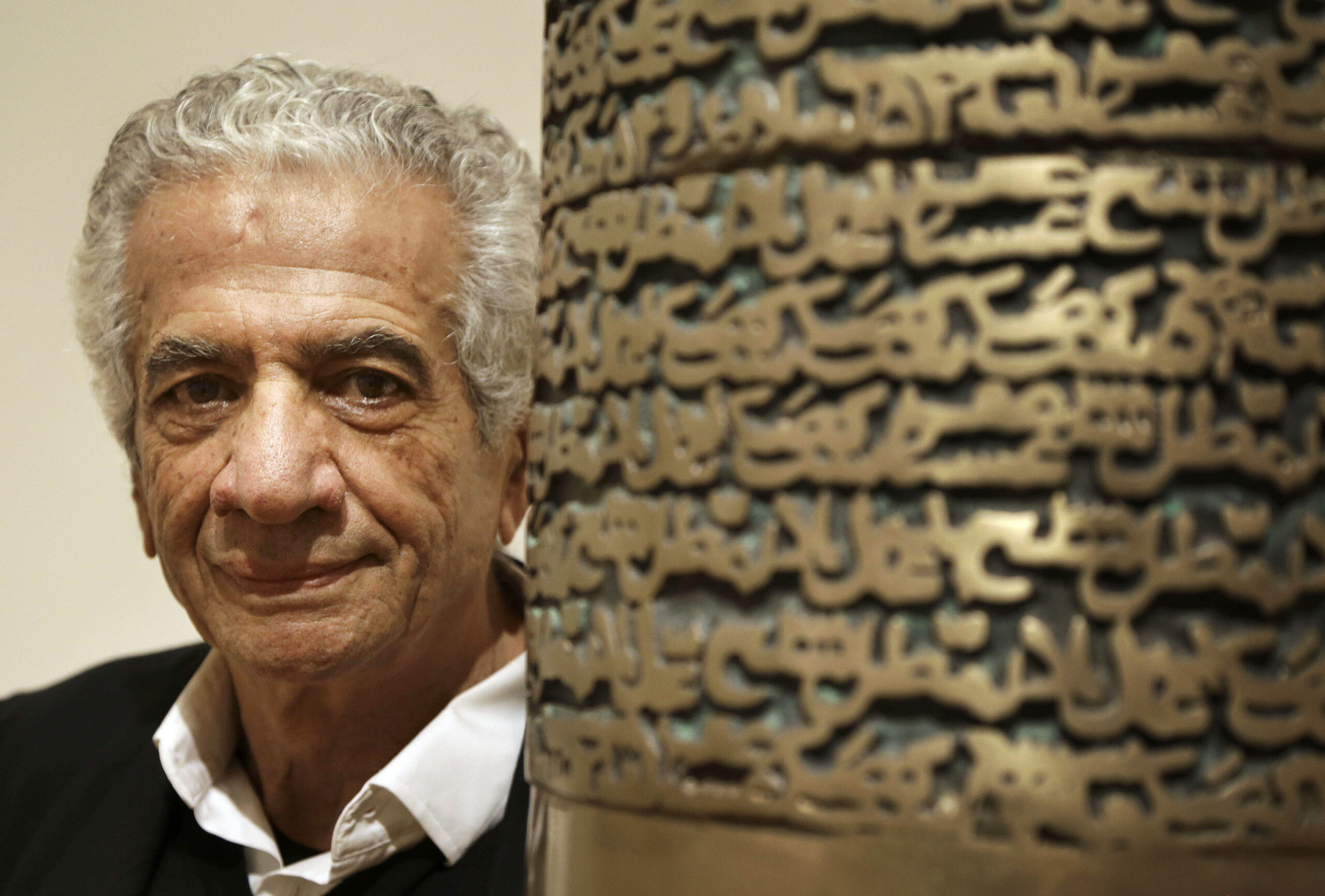
New Documentary Honors Father of Modern Iranian Sculpture
At the edge of the Pacific, in a bucolic suburb of Vancouver called Horseshoe Bay, the “father of modern Iranian sculpture” has lived a quiet existence since 1989.
Despite being a pioneer of Iranian modernism and one of the founders of the Saqqakhaneh School of Art in mid-20th century Tehran, Parviz Tanavoli has been virtually invisible in Vancouver.
Today, however, a new documentary about the artist directed by Canadian filmmaker Terrence Turner has bridged the chasm between the Middle East and the Pacific Northwest.
Saudi Arabia has come under intense scrutiny in recent months. Much of it centers on its more assertive and less accommodating foreign policy, as manifested in its unprecedented military campaign in Yemen. The shift in Saudi regional policy has spawned the sudden popularity of two narratives in the Western press, think tanks and even some official circles.
Peace with Taliban Could Stem ISIS Growth in Afghanistan
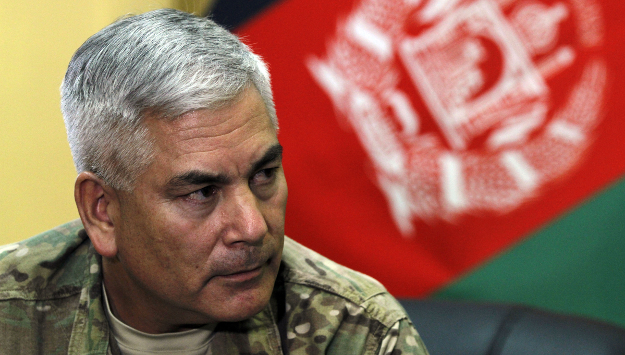
U.S. Army General John Campbell, the outgoing commander of coalition forces in Afghanistan, estimates the number of ISIS militants in Afghanistan to range from 1,000 to 3,000 and warns that “they have the ability to recruit quite well, not only around the world, but inside Afghanistan.”
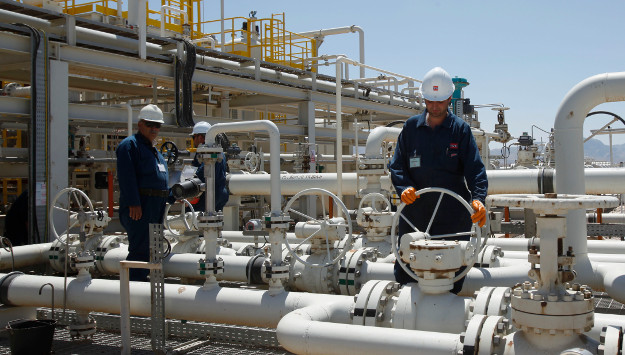
Emir Sheikh Tamim bin Hamad Al Thani warned Qataris in November that due to tumbling oil prices, the government could no longer “provide for everything.” The following month he addressed “wasteful spending, overstaffing and a lack of accountability,” sending a clear message that austerity measures were on the way.
South Korea’s Diversifying Economic Cooperation in the Gulf
Traditionally, South Korea’s economic relations with the Gulf states have been primarily based on energy trade and construction. The Park Geun-hye administration is keen to expand the scope and boost the value of South Korea’s economic relations with the GCC countries and with Iran.
Monday Briefing: Syria Ceasefire, Iran's Elections, and ISIS in Libya
In this week’s Monday Briefing, MEI experts Robert S. Ford, Paul Salem, Alex Vatanka, and David Mack provide analysis on recent events including the ceasefire agreement in Syria, Iran’s elections, and how the United States should respond to the growing threat of ISIS in Libya.
For any major film festival, politics is an imperative ingredient, inseparable from the glamor and publicity organizers always strive to attract. Of all the big film fairs, the Berlin International Film Festival (aka the Berlinale) has forever been known to be the most political, either in its eye-raising selection or in its granted awards.
Turkey is confronting a nightmare as its two archenemies, President Bashar al-Assad’s regime and the Kurdish Democratic Union Party (PYD), gain ground in Syria with the help of U.S. and Russian air cover. Turkey has long called for a no-fly zone in northern Syria to protect areas held by the opposition and a halt to the PYD advances west of the Euphrates. Frustrated with U.S. cooperation with the PYD, Ankara has insisted that the PYD is a terrorist organization and poses a grave danger to Turkey’s national security.