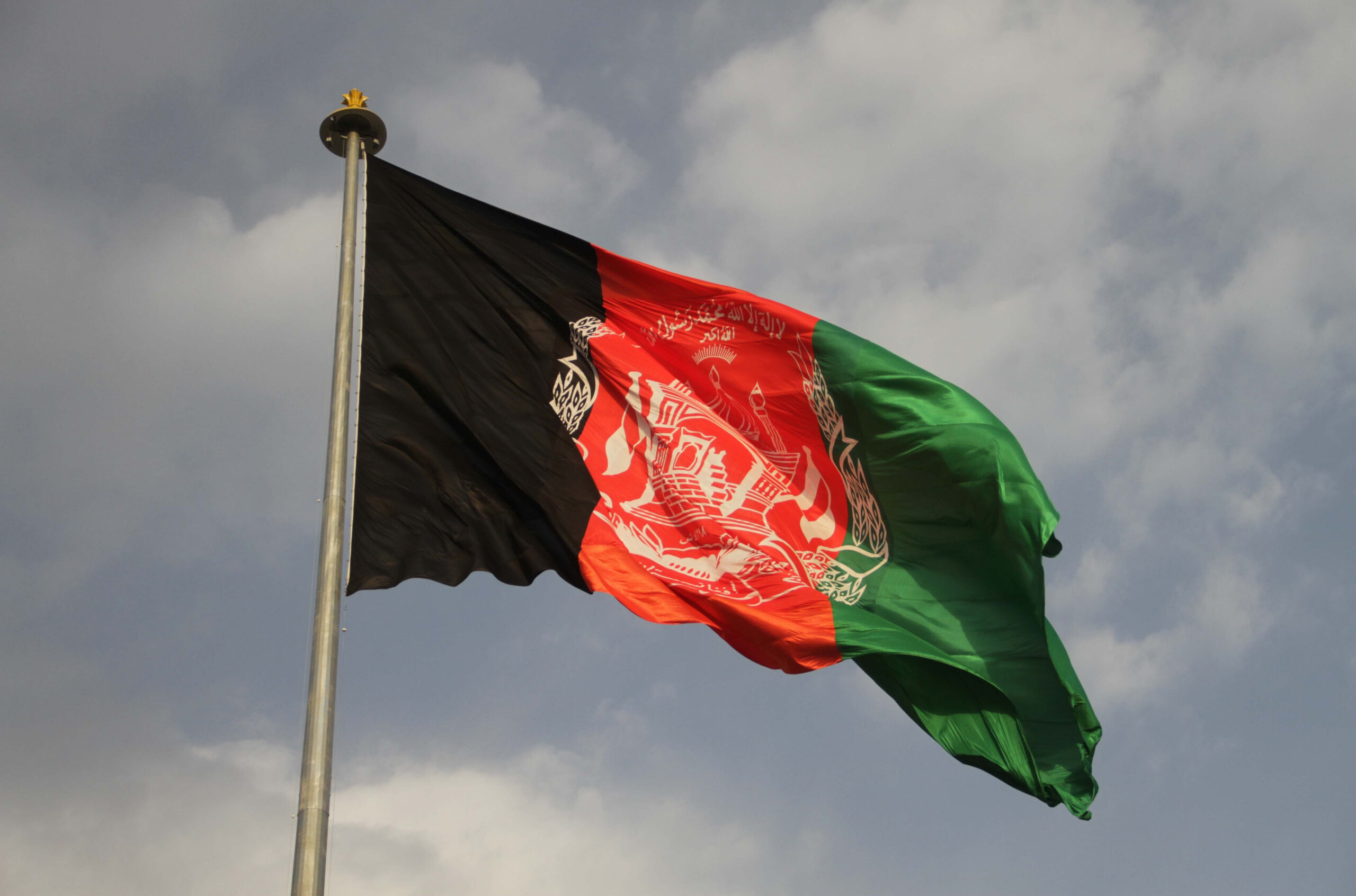
Monday Briefing: The 20-year-old Afghan republic comes to a crashing end
اقرأ تقرير MEI الأسبوعي الذي يتضمن تحليلات الخبراء للتطورات الإقليمية الرئيسية للأسبوع المقبل.
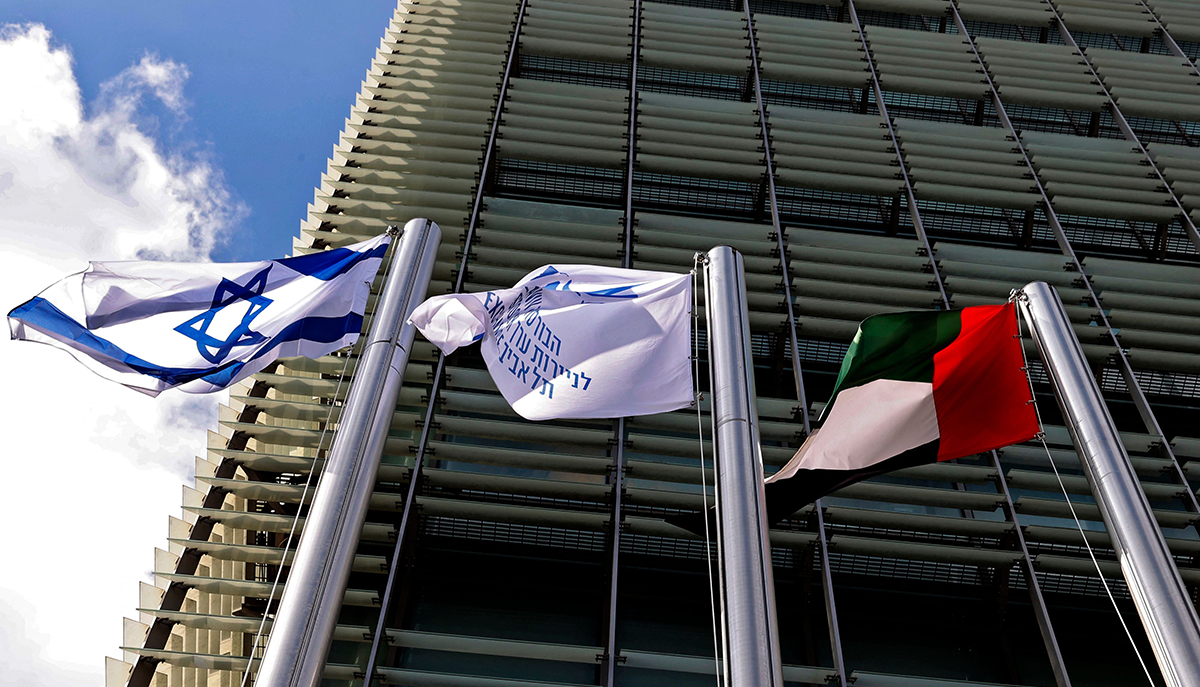
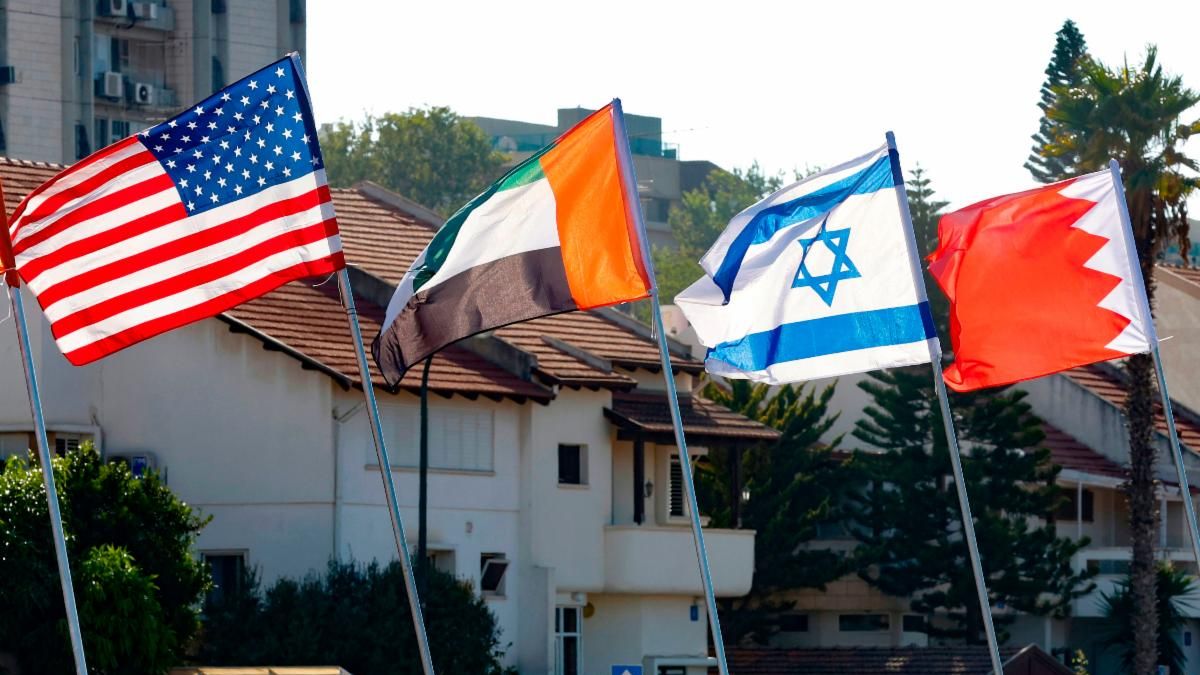
It has been a year since the August 2020 announcement of the Abraham Accords, which normalized diplomatic relations between the UAE and Israel. The accords were later signed at a White House ceremony attended by President Donald Trump that September. In less than a year the UAE and Israel swiftly exchanged ambassadors. This was the highlight of the first year of normalizing relations between Tel Aviv and Abu Dhabi. During their first year the accords also successfully passed the unexpected, brutal test of the 11-day military escalation between Israel and Hamas that began in late May 2021.
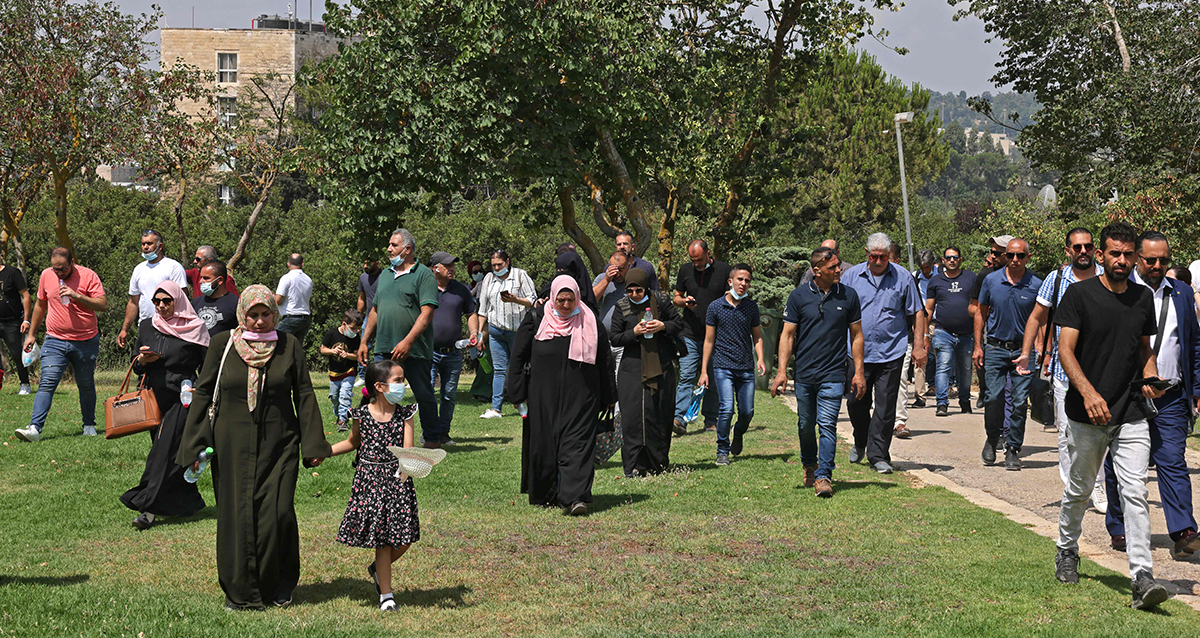
The expiration of Israel’s 2003 citizenship law early last month has finally ended the suffering of roughly 30,000 Palestinian families and paved the way for their reunification. Despite the efforts of the Zionist political parties to renew the law, the abstention from voting of the two Arab Palestinian Knesset members from the United Arab List — which, for the first time, is represented in Israel’s new coalition government — blocked the majority needed to extend the long-standing “temporary” law, which subsequently expired on July 6. While this is welcome news for many Palestinian families, the defeat of this notorious law is by no means a panacea. Until there is real change in Israel, Palestinians, both those who are citizens of Israel as well as those in the occupied territories, will continue to face legal obstacles when it comes to obtaining their basic rights.
اقرأ تقرير MEI الأسبوعي الذي يتضمن تحليلات الخبراء للتطورات الإقليمية الرئيسية للأسبوع المقبل.
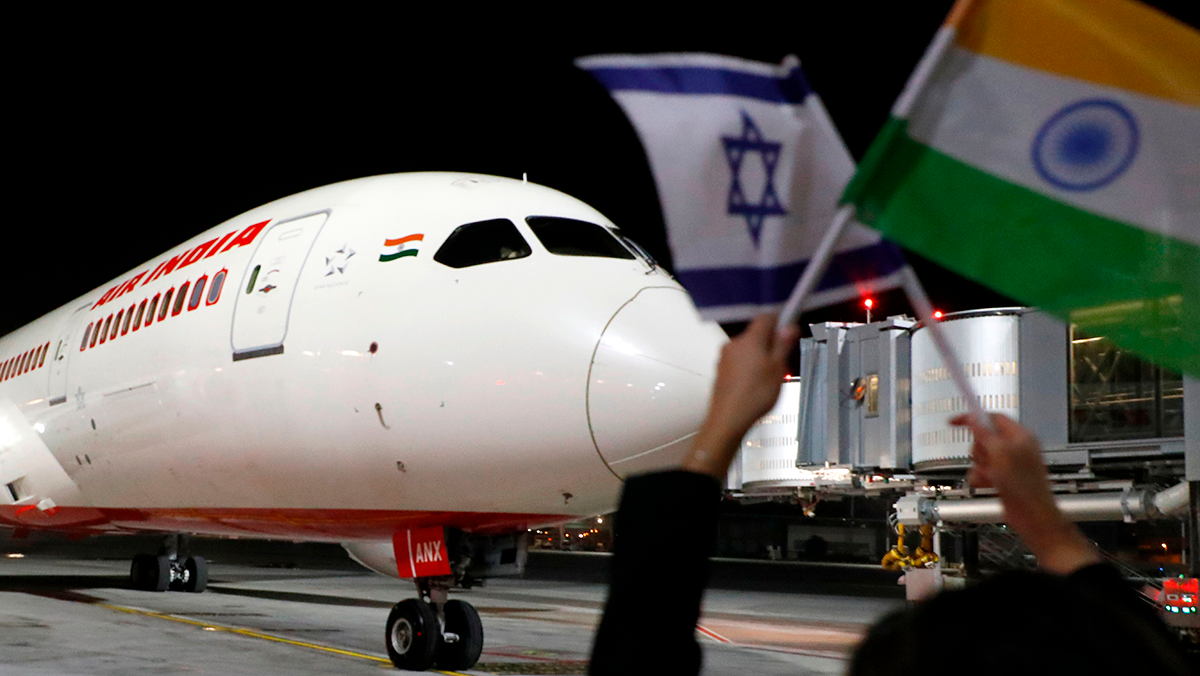
There is a new and little noticed geostrategic alliance on the rise. India, Israel, and the UAE have had surface-level, transactional relations for a long time. However, last year’s normalization agreements between Israel and several Arab states — chief among them, the UAE — along with Turkey’s bid to return as the leader of a Muslim order and the growing distance between the UAE and Pakistan have created an unlikely and unprecedented “Indo-Abrahamic“ transregional order. This emerging multilateral pact may fill the gap the United States is leaving in the Middle East and has the potential to transform the region’s geopolitics and geoeconomics.
Masameer County, the Netflix animated television series taking Saudi Arabia by storm, reveals how the country’s creative class, over the last two decades, has posed awareness-raising questions while reevaluating the assumptions and terms used to discuss contentious social issues. This is not the Saudi Arabia of clerics, oil, and the royal family, but the one experienced by everyday people.
While Western banks saw their valuations drop substantially during the first 18 months of the COVID pandemic — and have yet to recover — the declines among Saudi banks have been smaller and their valuations are now closer to, if not above, their pre-pandemic levels. Identifying the drivers of this seemingly contradictory trend helps us better understand the shifts within the Saudi banking sector and the growing impacts of policies related to Vision 2030, the country’s long-term economic development and diversification program.
اقرأ تقرير MEI الأسبوعي الذي يتضمن تحليلات الخبراء للتطورات الإقليمية الرئيسية للأسبوع المقبل.
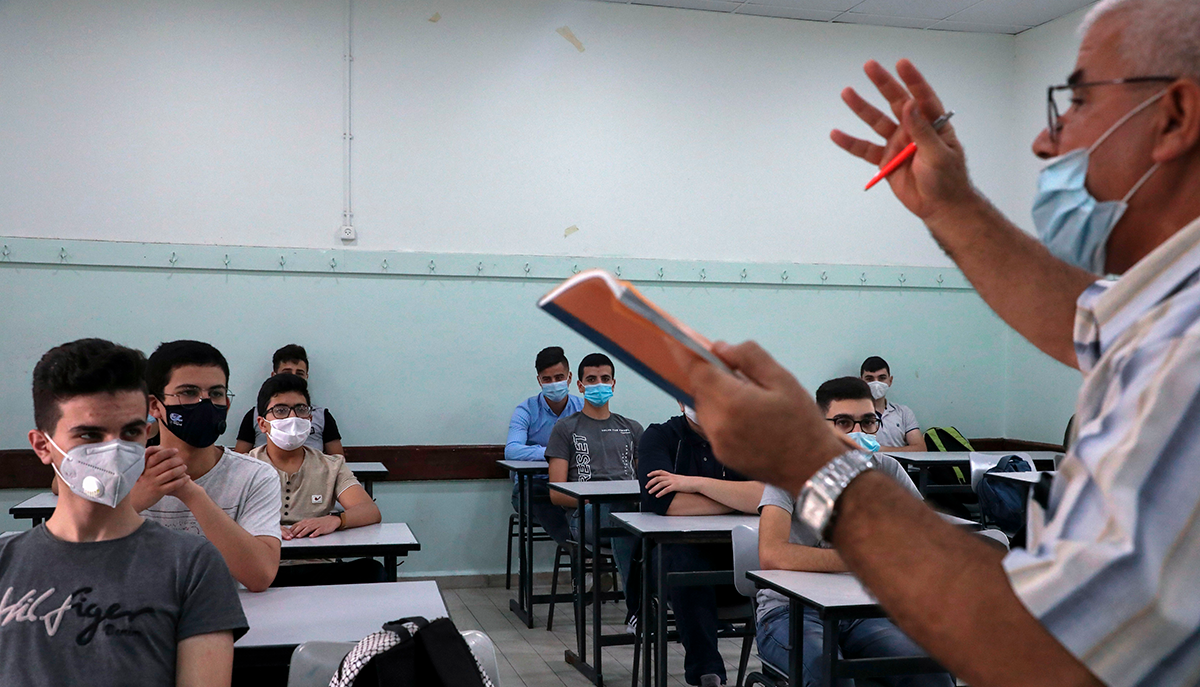
It would be an understatement to say that the Georg Eckert Institute for International Textbook Research in Germany has written the book on how to analyze textbooks. The Institute has actually published many books — ones that are meticulous, detailed, and dispassionate. Now the Institute has published one more, this time on Palestinian textbooks.
In the past few months, several articles have been written on the significant rise in the Saudi female labor force participation rate (LFPR) from 17.7% in Q2, 2016 to 33.2% in Q4, 2020. Interestingly, this increase in female LFPR was not coupled with a rise in unemployment, which often occurs when workforce participation rises for a particular group. In fact, the unemployment rate among female nationals declined to its lowest level in four years, at 24.4% in Q4, 2020. However, it still remains over twice as high as that for male nationals. Another positive labor market indicator, albeit one receiving little attention from analysts, is the significant change in the employment rate among Saudi women. In other words, Saudi women not only increased their share in the workforce, but were also able to gain jobs once they entered the labor force.
Oil and gas have long dominated trade and investment flows between Singapore and the Gulf. In the wake of two new projects — one in Singapore and the other in the United Arab Emirates — unveiled last month, this article considers whether Singapore and the Gulf are on the cusp of a new level and type of economic relations.
تحليل إقليمي متخصص من قبل باحثي ومساهمي معهد الشرق الأوسط.
Some international concern has been voiced about the future prospects of the Abraham Accords under Israel’s new government. This stems from the perception that the normalization agreements Israel signed in 2020 with the UAE and Bahrain were the personal achievements of two former leaders — Donald Trump and Benjamin Netanyahu — and would not have happened without them. The question thus arises of whether the agreements can survive their departure from power. Not only will the Abraham Accords survive, they will now be able to flourish and reach new heights. Foreign Minister Yair Lapid’s statement that his first visit abroad will be to the UAE is a good indicator.
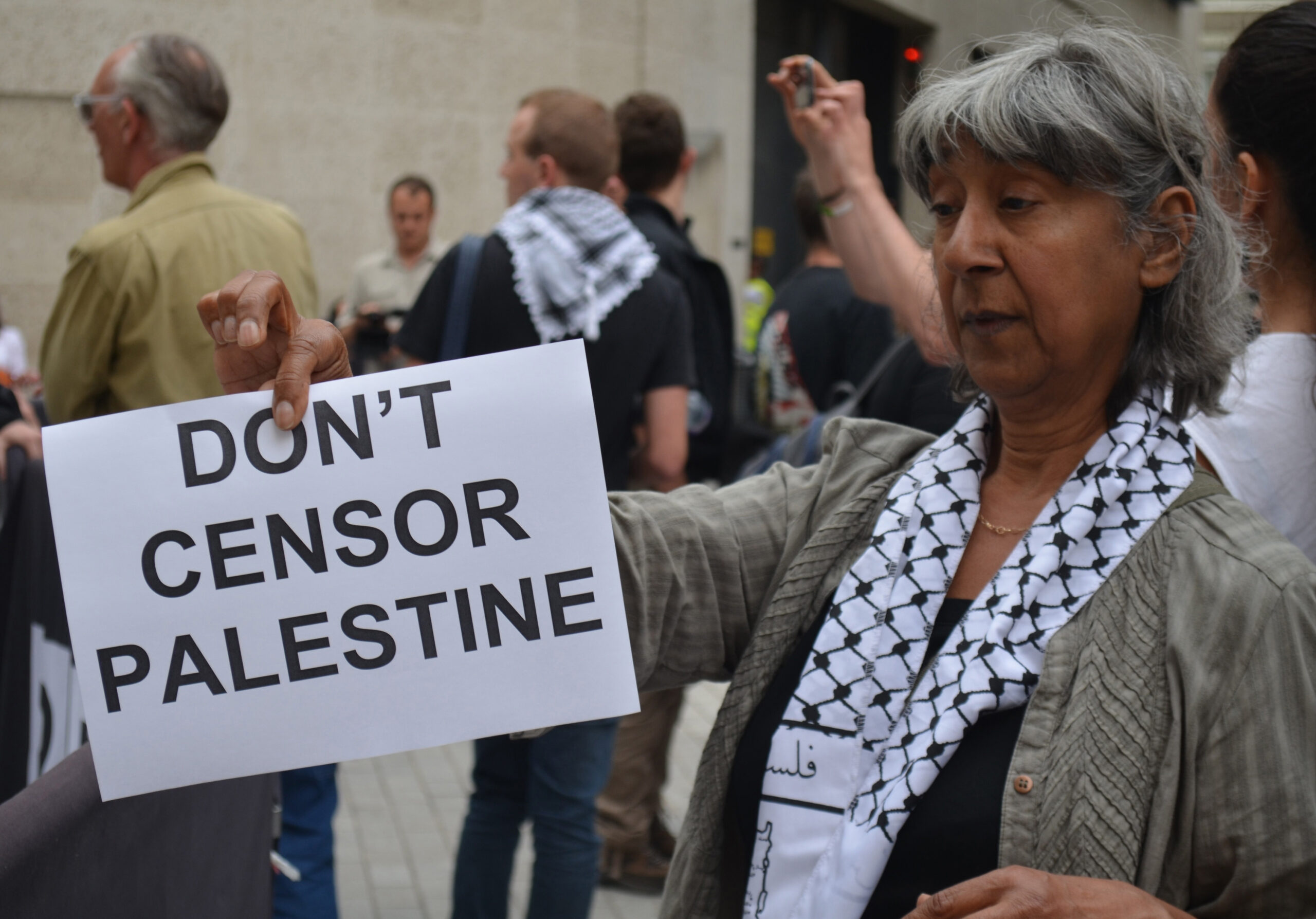
In a landscape of suppression and retaliation against Palestinian journalists and activists at the hands of Israel, social media networks have been at once critical organizing platforms and tools for exacerbating censorship.
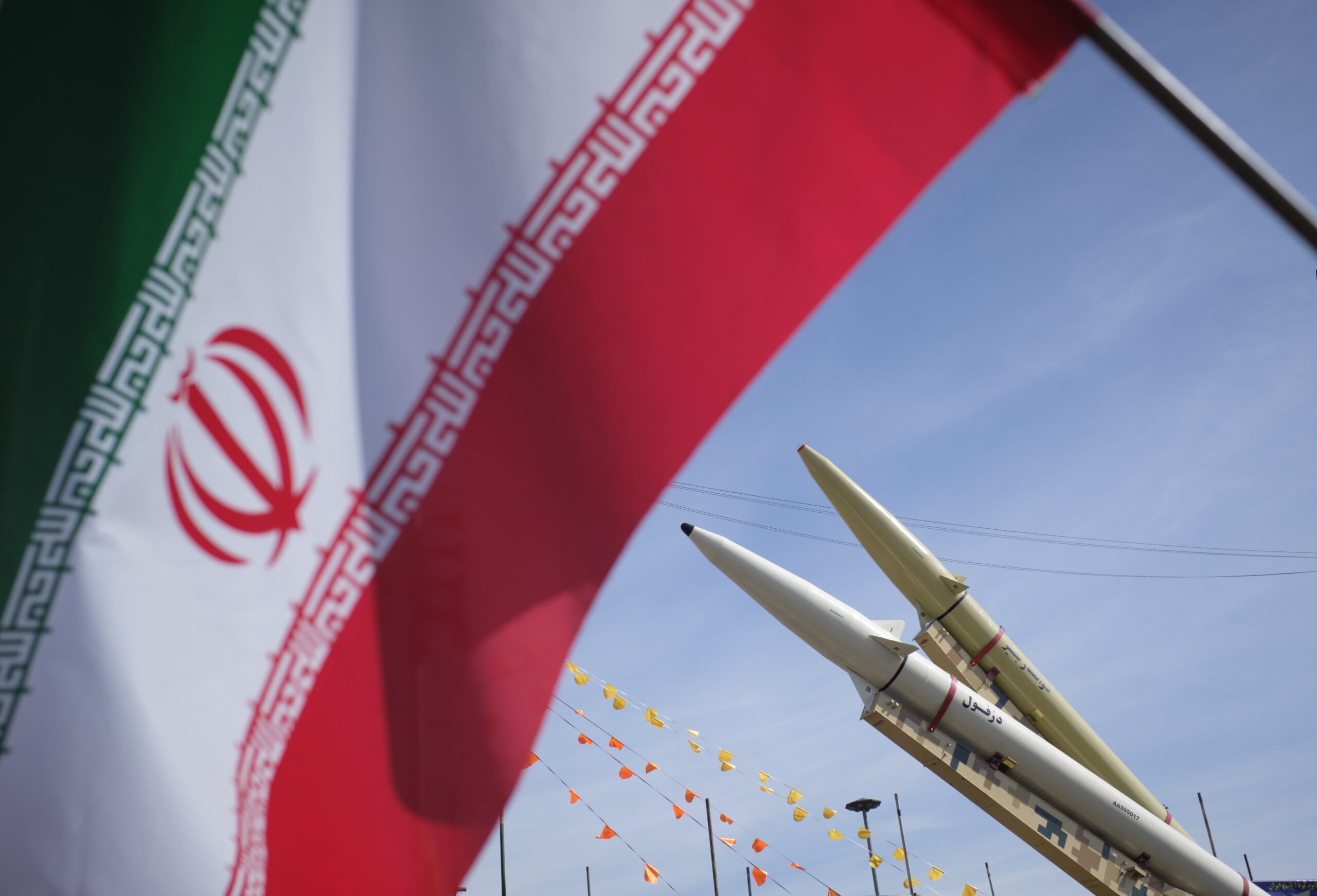
One of the first foreign policy decisions facing Israel’s new government will be if it wants to maintain or modify the policy spearheaded by Netanyahu to counter the United States’ determined effort to return to the 2015 nuclear deal with Tehran. Moreover, the new government needs to assess how successful the maximalist approach Israel has embraced since the negotiations between Iran and the great powers began about two decades ago has been, and to what extent it has pushed the international community to refrain from making concessions and compromises vis à vis Iran.