تمت ترجمة هذا النص بواسطة الذكاء الاصطناعي وقد يحتوي على أخطاء.
تخطي إلى المحتوى

Research & Commentary Results

تصفية حسب
3037 Results
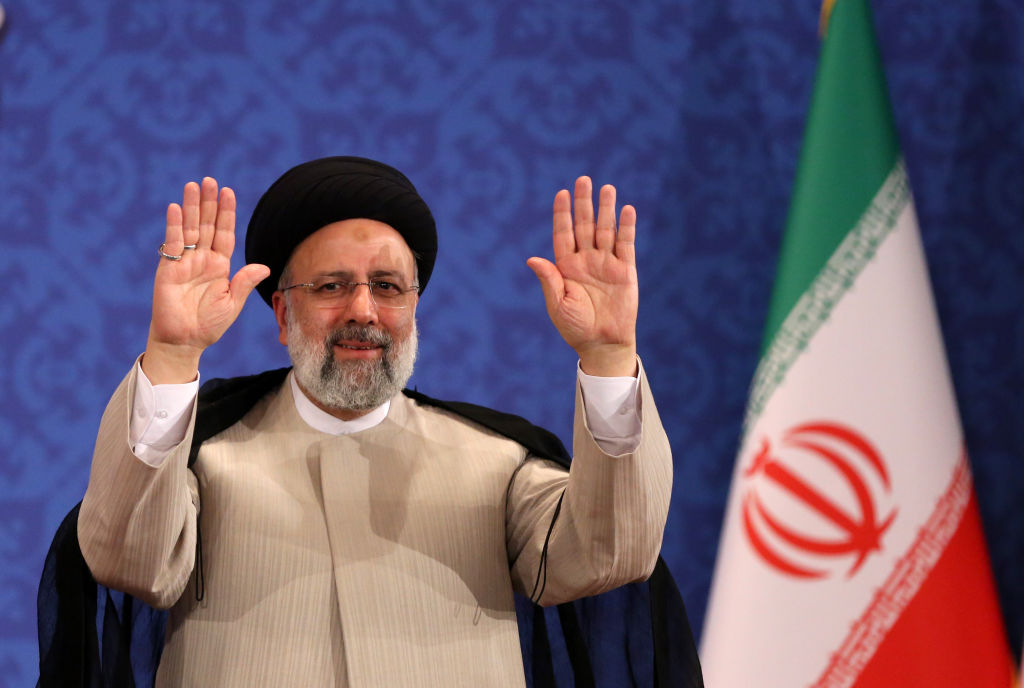
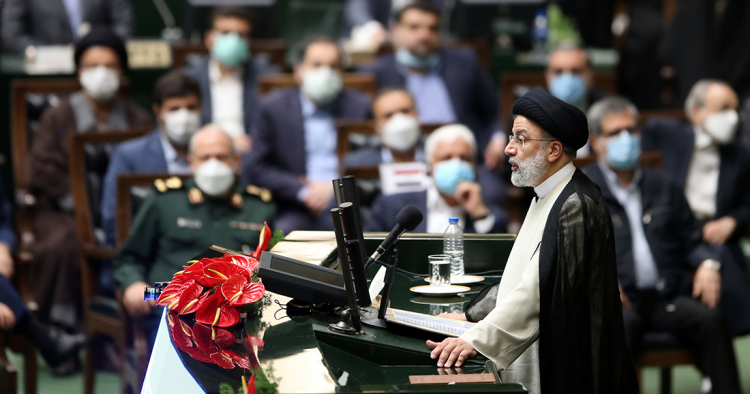
Beholden to Khamenei and the IRGC, Raisi will stick to the hardline script
Photo by Meghdad Madadi/ATPImages/Getty Images
  • التحليل
  • Beholden to Khamenei and the IRGC, Raisi will stick to the hardline script

    In the June 2021 elections, the Iranian presidency was handed to Ebrahim Raisi on a silver platter. Supreme Leader Ayatollah Ali Khamenei made sure the election process was engineered, down to the smallest detail, for a shoo-in Raisi victory. For Raisi, this is something of a double-edged sword. At a minimum, it means policy continuity in Tehran, including in the realm of hybrid military-economic affairs. The Islamic Revolutionary Guards Corps (IRGC) will not only continue to have a free hand to shape Iran’s military and regional agenda, but it will also return to center-stage as far as economic planning is concerned. The same thing happened during the government of Mahmoud Ahmadinejad; he too gave the IRGC an free hand — a decision that he later came to regret. Raisi has no choice though. His political fortunes rest on continued support from Khamenei and the IRGC. Don’t expect him to unveil any trailblazing policies anytime soon.
    Budget dust: Better approaches for security and sustainability — lessons learned from Iraq and Afghanistan
    Photo by MARCUS YAM/LOS ANGELES TIMES/GETTY IMAGES
  • التحليل
  • Budget dust: Better approaches for security and sustainability — lessons learned from Iraq and Afghanistan

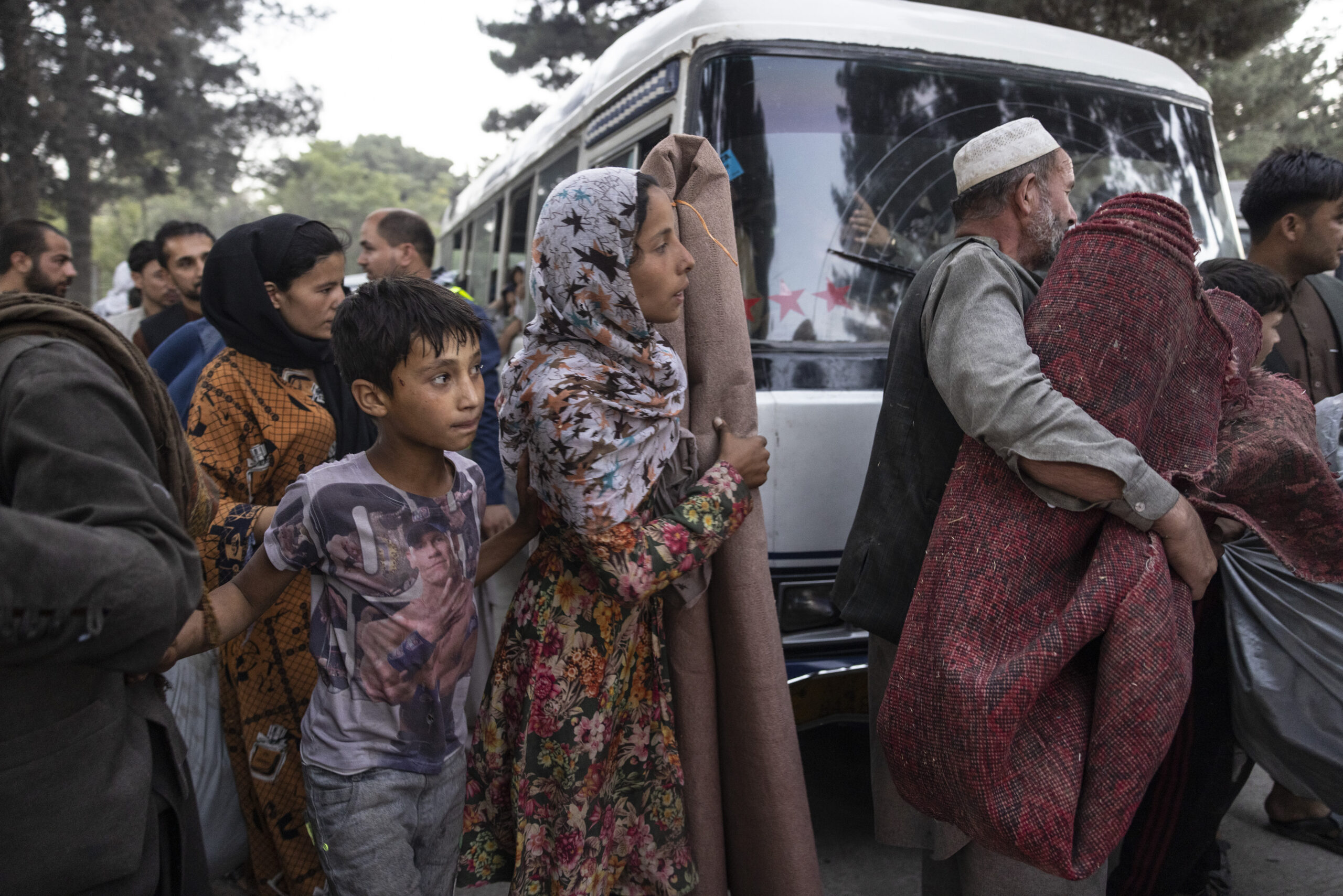
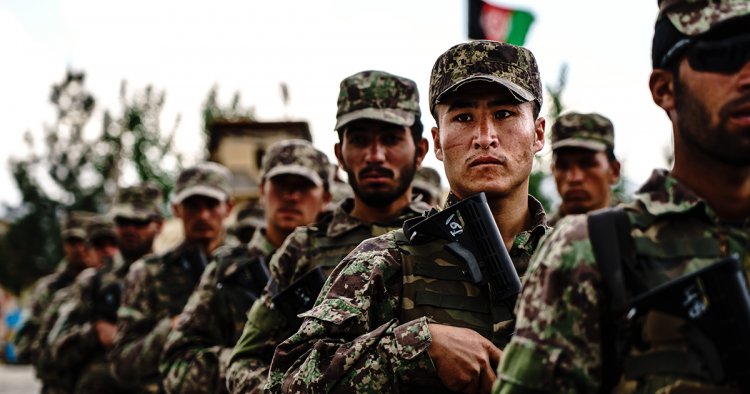
    It took the Taliban just three and a half months to undermine a 20-year international effort to build a competent Afghan military. The Afghanistan National Army (ANA) collapsed once it was clear the U.S. was pulling out ground troops and ceasing air support operations after two decades of training and sustainment that cost the American taxpayer approximately $83 billion. When required to stand alone, against a Taliban force, the ANA failed unequivocally. Building the ANA as a mirror image of the U.S. military was strategically and operationally flawed. If they are designed to fight like the U.S. but cannot fight in the absence of U.S. forces, they are ineffective. What lessons should we learn from this and how could our approach be different in the future?

    9/11’s legacy for U.S.-Middle East relations
    معهد الشرق الأوسط
  • Podcast
  • 9/11’s legacy for U.S.-Middle East relations

    Ross Harrison, Paul Salem, and Randa Slim join host Alistair Taylor to reflect on 9/11’s impact on US policy in the Middle East over the past 20 years and how its legacy has been viewed by the region.

    September 9, 2021

    Iran: Breaking up is hard to do
    Photo by JOE KLAMAR/AFP via Getty Images
  • التحليل
  • Iran: Breaking up is hard to do

    With Iran, American policymakers have often chased phantoms in search of solu­tions to problems they did not understand. This futile shadow-chase continues when “experts” argue that the U.S. should somehow encourage the break-up of Iran on ethnic or linguistic lines. This idea is simply wrong.

    September 9, 2021

    Baghdad, Beirut, and the politics of Lebanon’s power crisis
    الصورة من وكالة فرانس برس عبر غيتي إيمدجز
  • التحليل
  • Baghdad, Beirut, and the politics of Lebanon’s power crisis

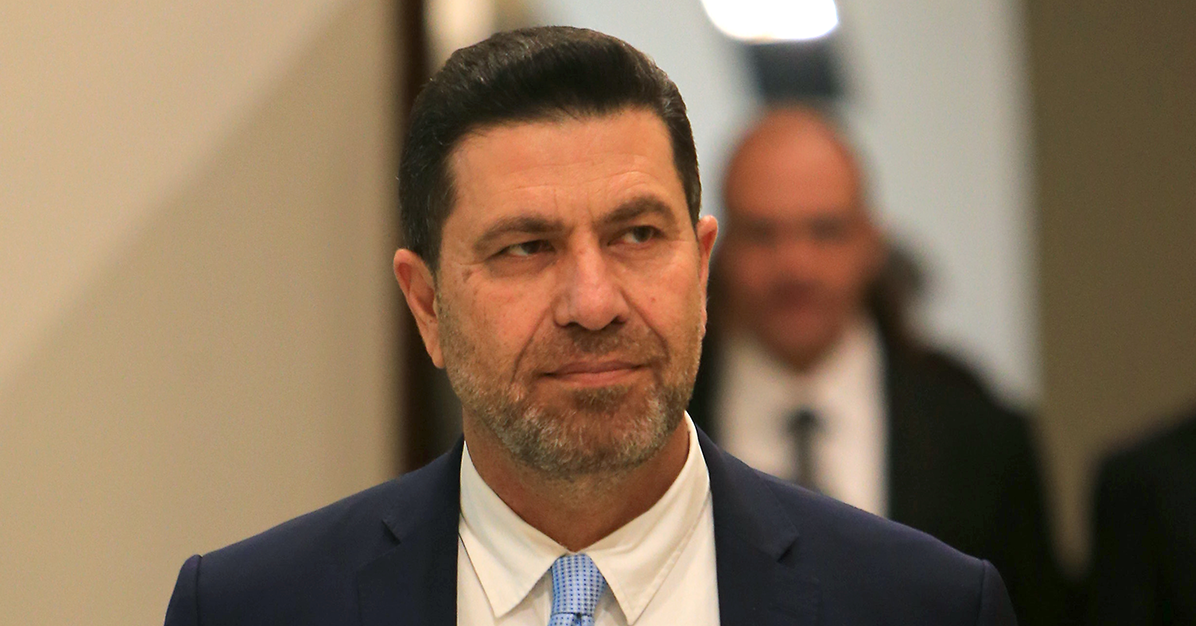
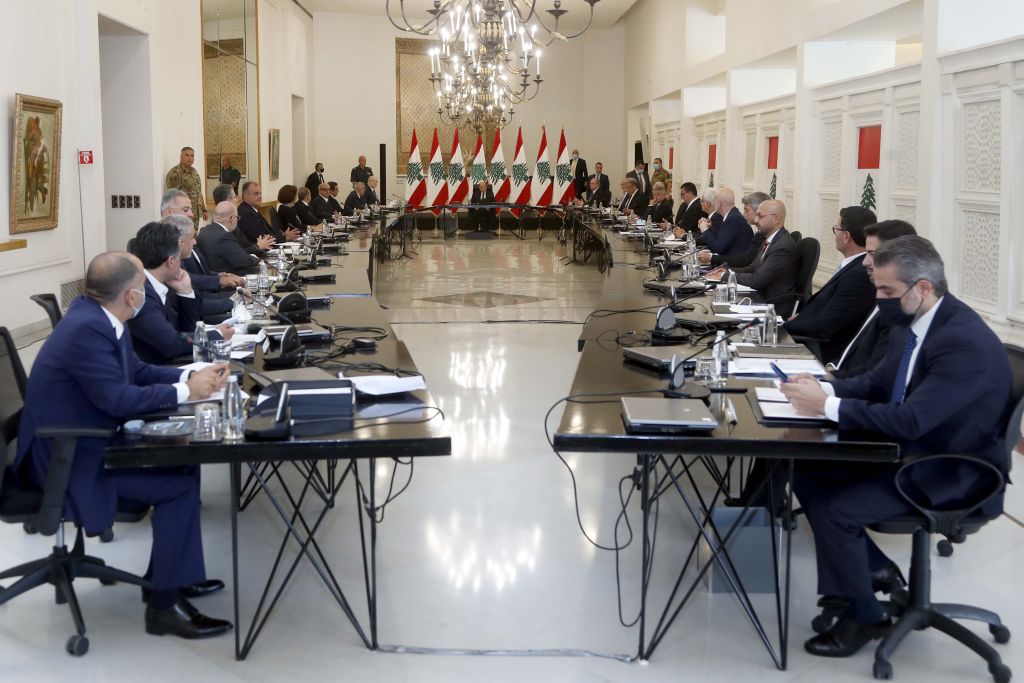
    On July 24, Beirut and Baghdad signed a governmental framework agreement under which Iraq pledged 1 million tons of heavy fuel oil to Lebanon over a full year.

    September 7, 2021

    Iran’s President Raisi takes over a ruined country
    Photo by Fatemeh Bahrami/Anadolu Agency via Getty Images
  • التحليل
  • Iran’s President Raisi takes over a ruined country

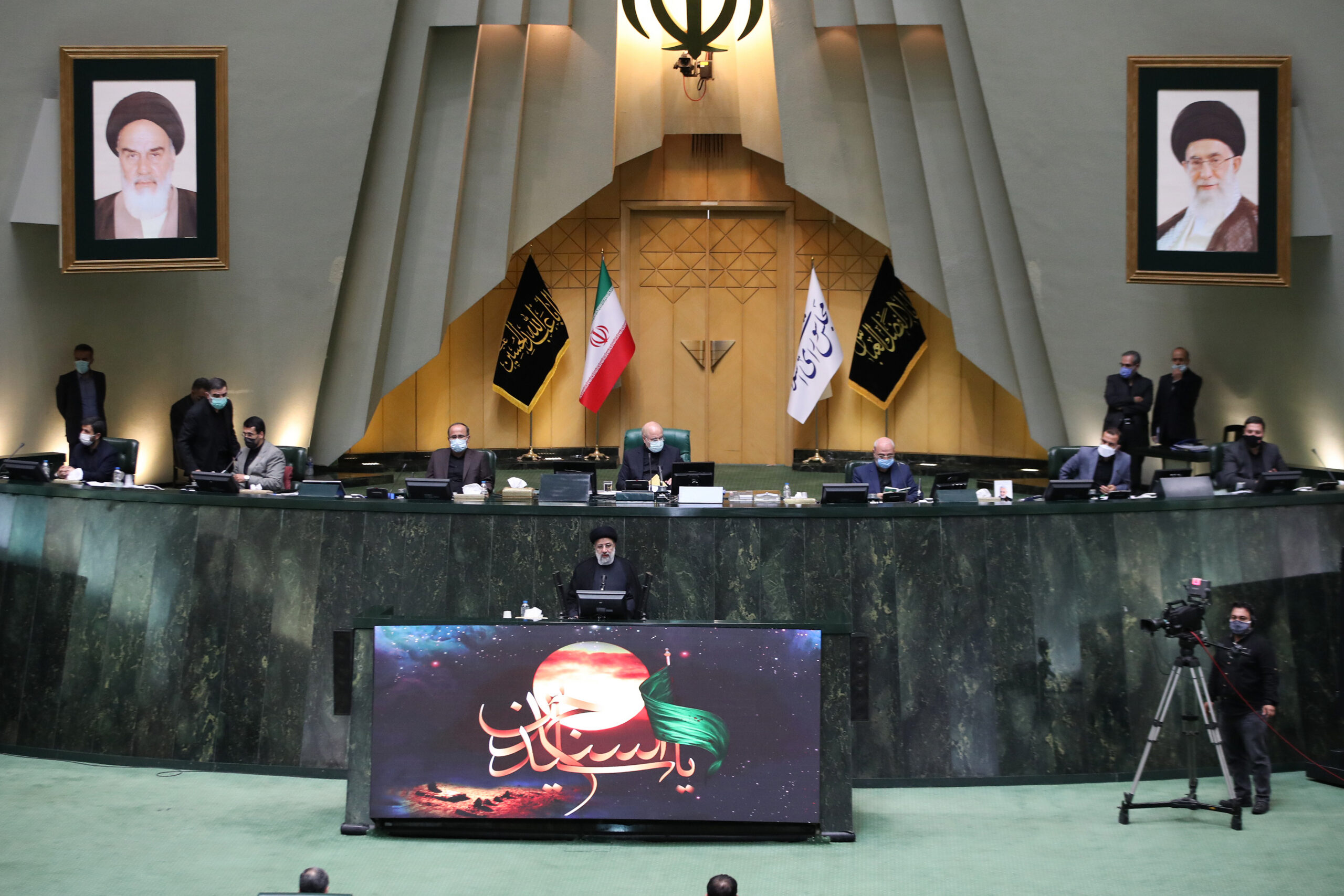
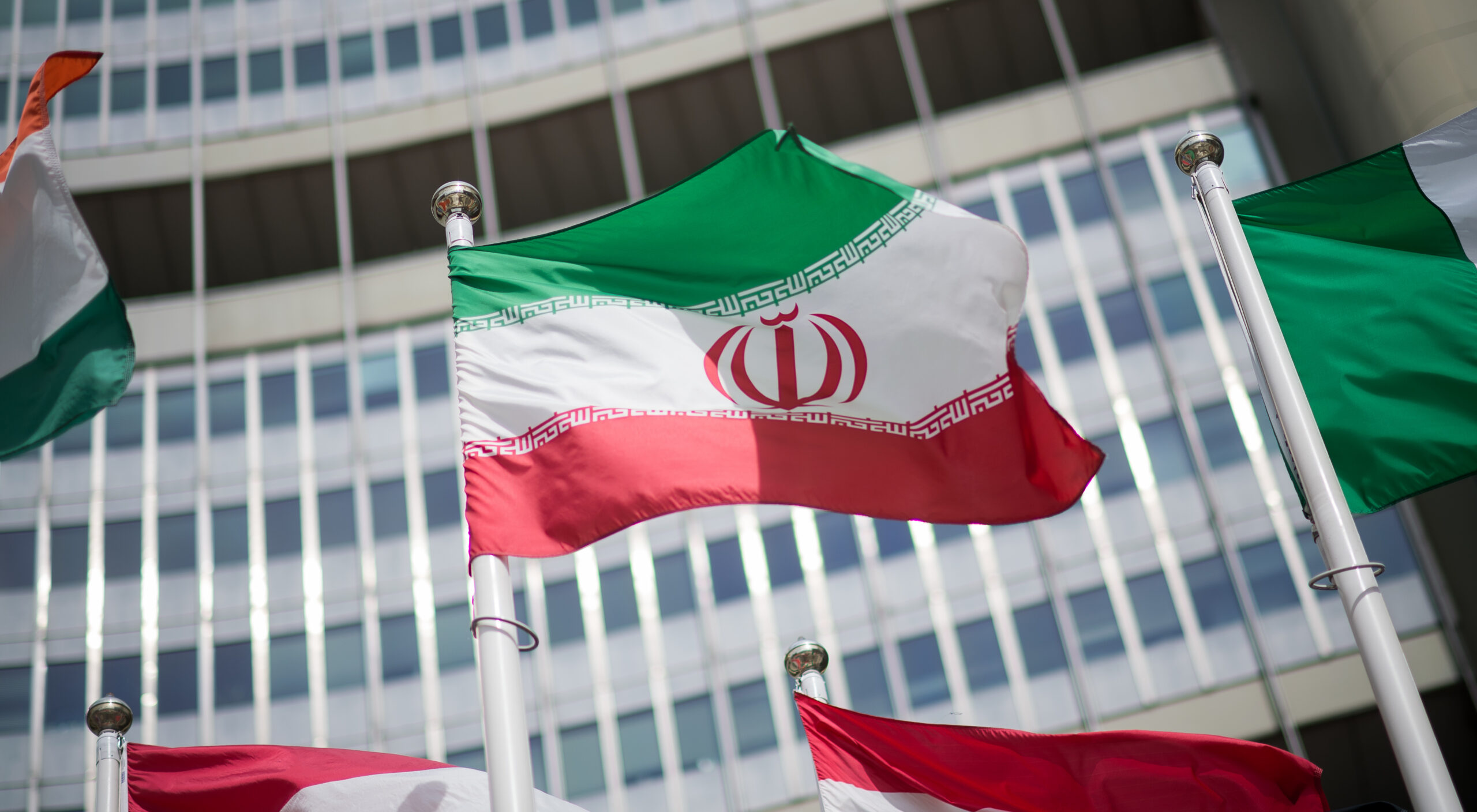
    On Aug. 25, Iran’s parliament voted on the cabinet of its new president, Ebrahim Raisi, approving 18 out of the 19 ministers put forward. Raisi’s government is full of revolutionaries likely to adopt a hardline approach to domestic and international affairs, leading to heightened geopolitical risk and potentially prolonging the country’s economic crisis.

    September 7, 2021

    Raisi and the Revolutionary Guards
  • تعليق
  • Raisi and the Revolutionary Guards

    Under President Ebrahim Raisi, the Islamic Revolutionary Guard Corps (IRGC) is poised to exert greater control over Iran’s national security agenda and economy. Several of his ministers and advisors were members of the IRGC or have connections to it.

    A Case Study in Irregular Warfare
    معهد الشرق الأوسط
  • Podcast
  • A Case Study in Irregular Warfare

    Mick Mulroy and Ken Tovo join host Alistair Taylor to discuss their recent paper on how US intelligence and military operatives effectively collaborated with local Kurdish partners in Northern Iraq in the early 2000s, why it was a successful partnership, and what lessons it may provide for future operations. The paper, “Irregular Warfare: A Case Study in CIA and US Army Special Forces Operations in Northern Iraq, 2002-03,” is available now on MEI’s website.

    September 1, 2021

    Sectarianism and ideology: The cases of Iran and Saudi Arabia
    Photo by Michael Gruber/Getty Images
  • التحليل
  • Sectarianism and ideology: The cases of Iran and Saudi Arabia

    Many analysts oversimplify the political conflict between Iran and Saudi Arabia as one driven by sectarianism or Shi’a-Sunni tensions that has shaped the two states’ outlook and actions in the Middle East. However, their political differences are actually much more complex and deeper rooted.

    August 27, 2021

    What prompted Iran to strike the Mercer Street?
    الصورة من KARIM SAHIB/AFP عبر Getty Images
  • التحليل
  • What prompted Iran to strike the Mercer Street?

    The July 29 suicide drone attack on the Israeli oil tanker Mercer Street, which left two British and Romanian crewmembers dead in the Arabian Sea, was carried out by Iran and was intended to cause human casualties and physical damage, according to the investigative report from U.S. Central Command(CENTCOM). While Tehran denied any hand in the strike, the G7 directly blamed Iran and U.S. Secretary of State Antony Blinken promised a “collective response.”

    26 أغسطس 2021

    Iranian women campaign to stop the rise in “honor killings”
  • التحليل
  • Iranian women campaign to stop the rise in “honor killings”

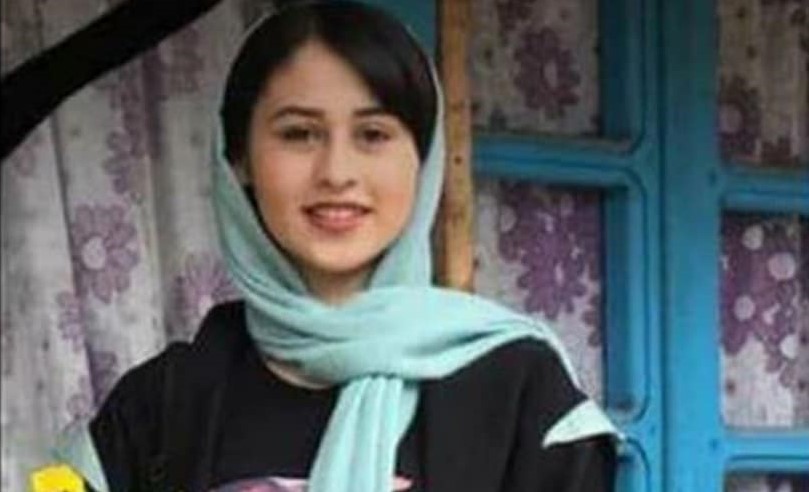
    Every year 400-500 women are killed brutally in Iran to protect men’s “honor.” The killers are usually close relatives — often the victim’s father, husband, or brother. According to a report published in The Lancet in October 2020, at least 8,000 such killings were reported in Iran between 2010 and 2014. “The number of honor killing victims is greater than reported as in some cases women were driven to suicide or the cause of the death was not reported as murder but as illness,” according to Dr. Rezvan Moghadam, founder of the Iranian organization Stop Honor Killings. Dr. Moghadam has documented more than 1,200 cases of honor killings in the country. According to research, which will soon be published as a book and made available to the public, these kinds of violent killings of women and girls have been increasing for the last 20 years in different cities and villages in Iran.

    26 أغسطس 2021

    Saudi Arabia Returns
    Photo by Saudi Royal Council/Anadolu Agency via Getty Images.
  • التحليل
  • Saudi Arabia Returns

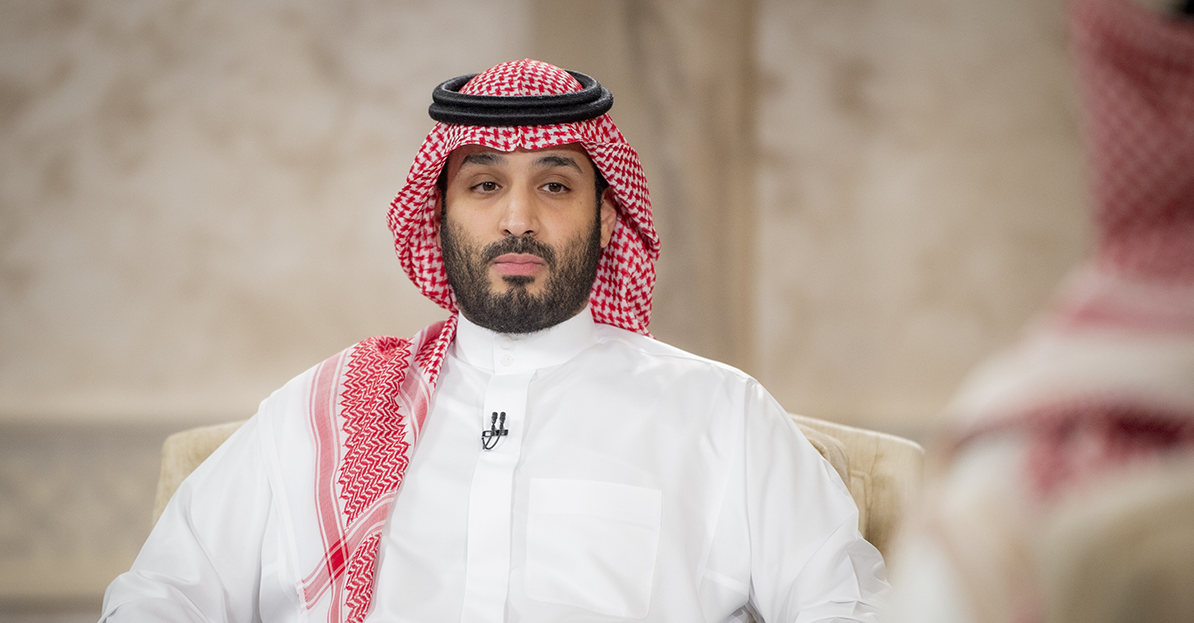
    At the dawn of the Biden era of American foreign policy, a more mature, realistic Saudi foreign policy is emerging to match the shifting signals from Washington. In some measure, the Saudis are readopting elements that traditionally characterized their policy preferences before the meteoric rise of Crown Prince Mohammed bin Salman (MbS), the kingdom’s de facto ruler.

    Time to flip the script on Iran
    Photo by Iranian Presidency / Handout/Anadolu Agency via Getty Images
  • التحليل
  • Time to flip the script on Iran

    Since 1979 U.S. policies toward Iran have alternatively ranged from some version of “maximum pressure” to appeasement and back again while maintaining the same assumptions and calculus: the clerics would ultimately fall when the elite and middle class had enough and were willing to pay the price for revolting. Today, however, the landscape is evolving. While Iran’s leaders appear to be adapting, U.S. thinking is rooted in the past.

    August 23, 2021