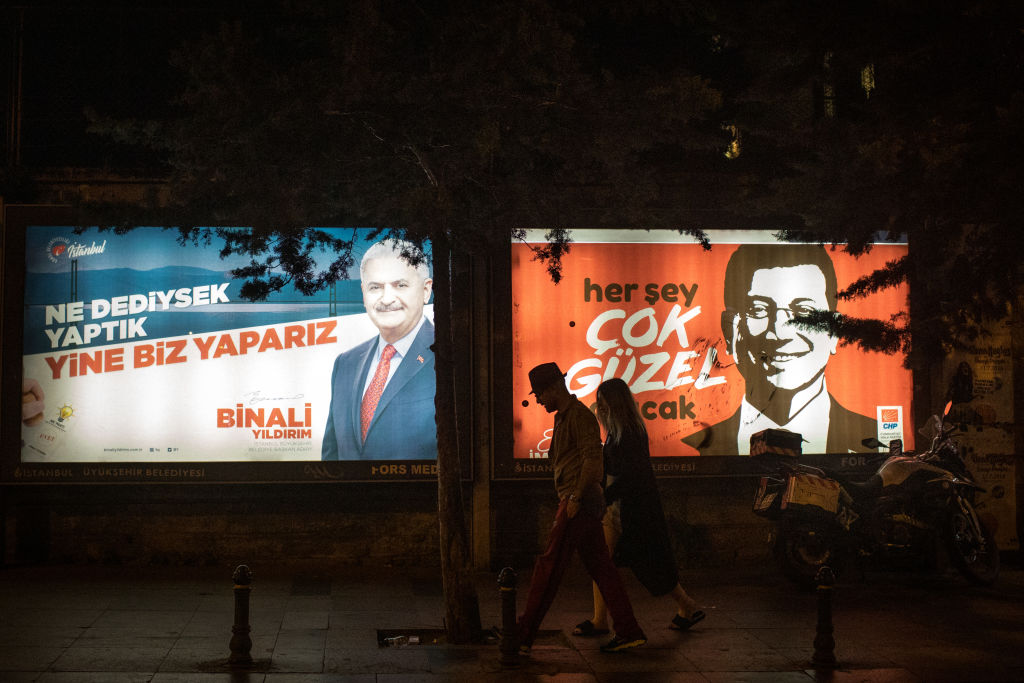
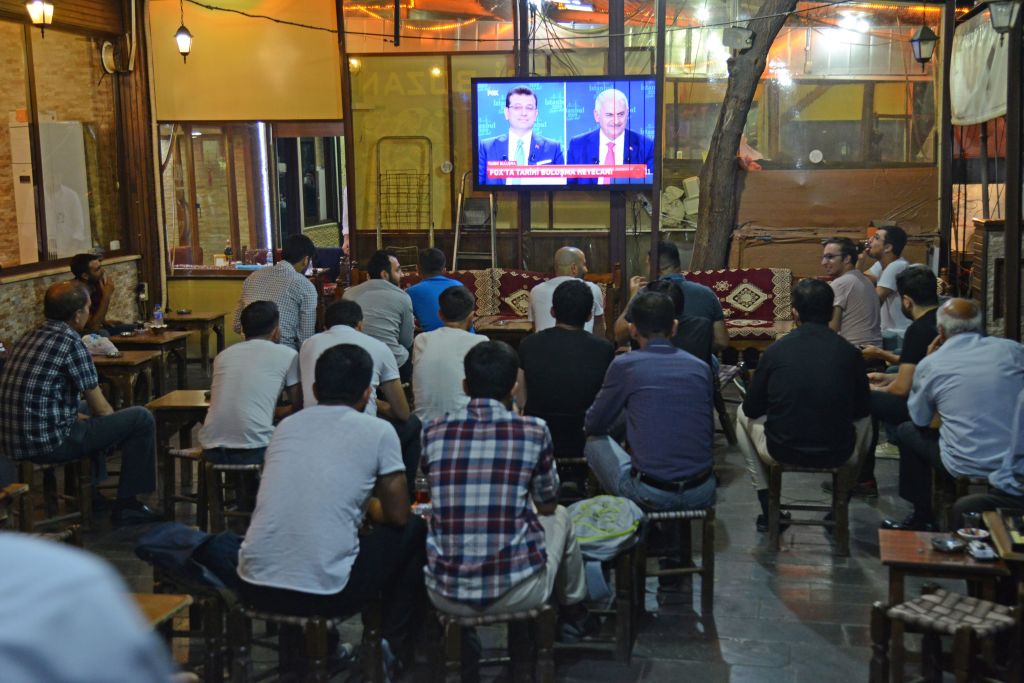
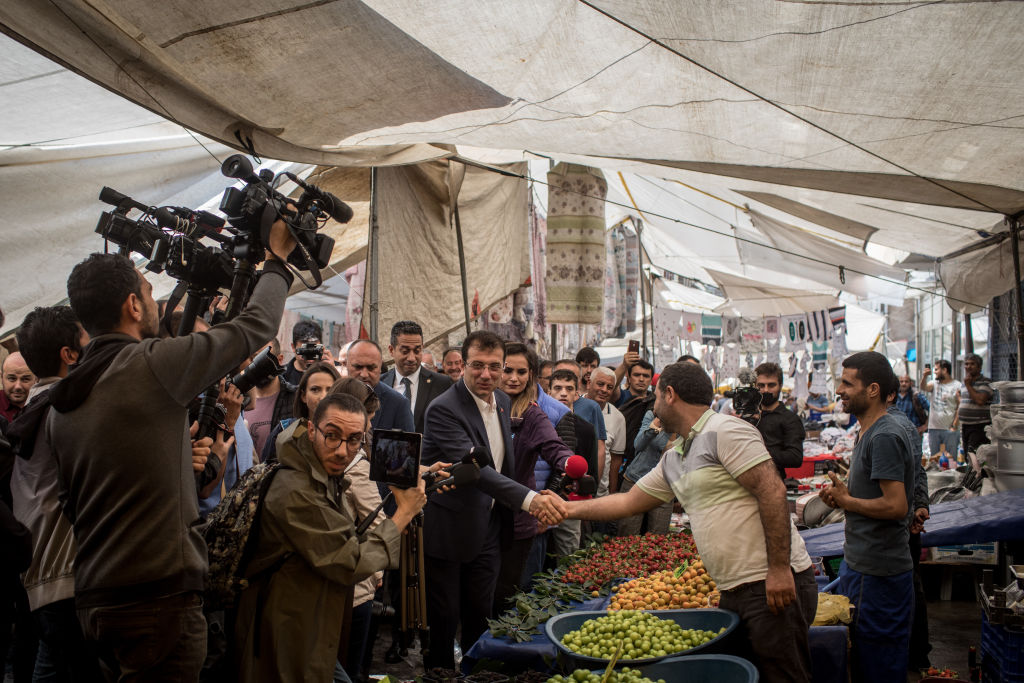
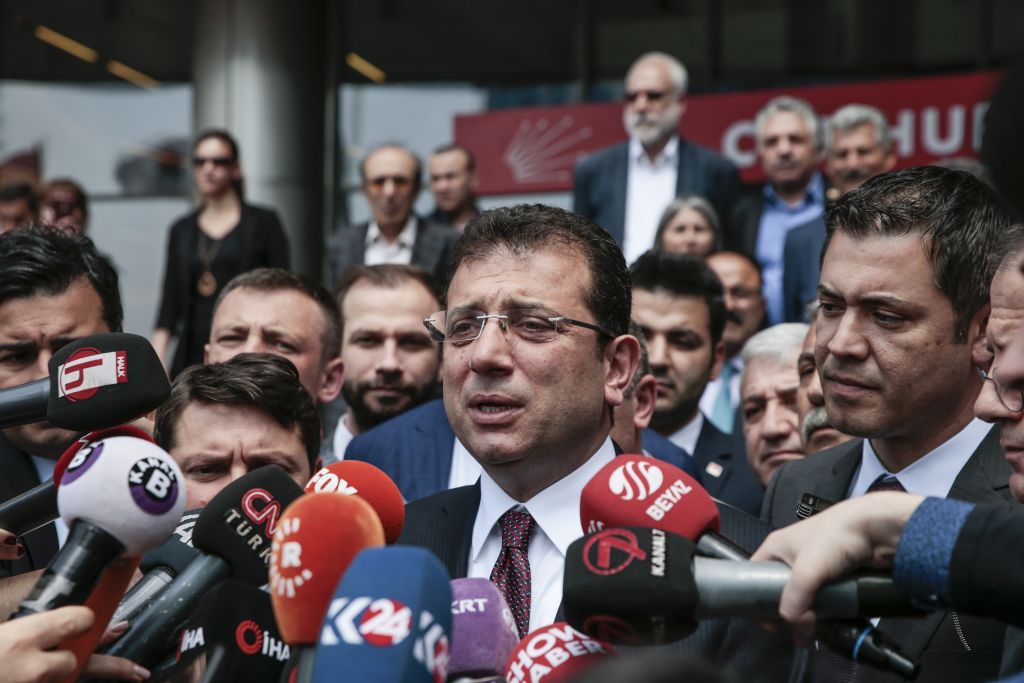
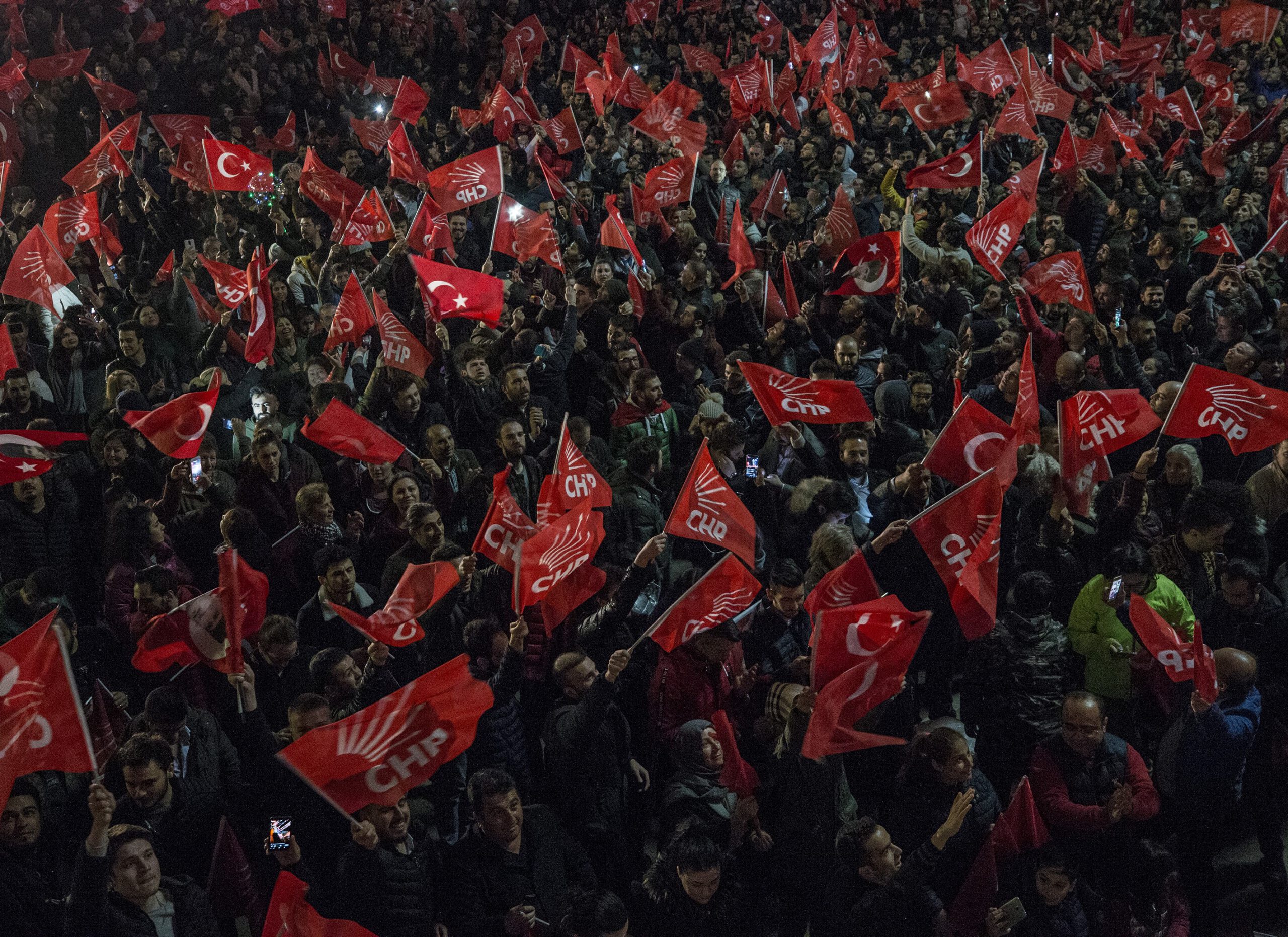
In theory, Sunday’s election is over who will be the next mayor of Istanbul, but in reality it’s about something much bigger: The survival of democracy in Turkey.
Istanbulites are only few days away from delivering their verdict on who will run the city for the next five years. The June 23rd election marks the second time in the last three months that local voters will choose their mayor, and the stakes are high for both sides.
In this week’s Monday Briefing, MEI experts Paul Salem, Gonul Tol, Alex Vatanka, and Marvin G. Weinbaum provide analysis on recent and upcoming events including Iran’s announcement that it will increase uranium enrichment, Istanbul’s upcoming mayoral election, potential leadership shifts in Tehran, and a rise in political tensions following Pakistan’s anti-corruption crackdown.
The recent European elections are the latest wake up call to the left. If it wants to counter rising radical right wing populism, it has to shift its agenda from questions of identity to politics centered on creating broad economic equality. Turkey’s left should draw a lesson from the European experience. Instead of fighting the cultural war against Islamists and Kurds, it should connect with the country’s “left behind” and adopt an agenda focused on addressing the country’s economic woes.
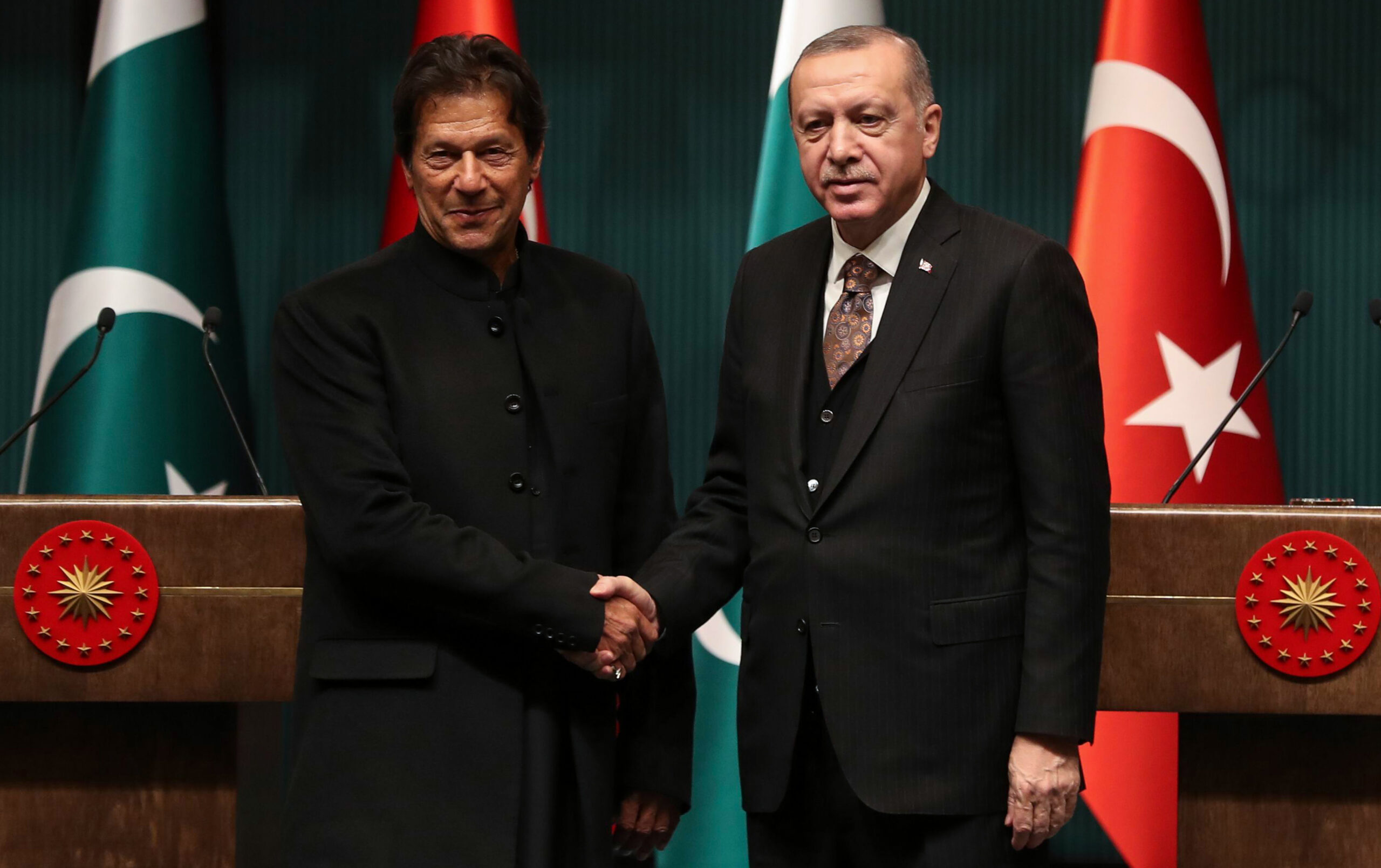
Turkish-Pakistani relations: A burgeoning alliance?
As Turkey aims to expand its influence throughout the Sunni Muslim world, President Erdoğan is playing up the historic ties and strategic partnership between Turkey and Pakistan. It remains to be seen, however, if this alliance will evolve beyond mere symbolism.
If at first you don’t succeed: Turkey gears up for Istanbul election rerun
The March 31st local elections in Turkey were a breath of fresh air for those long resigned to the fact that the ballot box doesn’t matter anymore and that President Recep Tayyip Erdogan was invincible. To the surprise of many, the opposition captured all of Turkey’s major cities, but the decision by the Supreme Election Council on May 6th to nullify the results of the Istanbul mayoral election and call for a new vote quickly changed the mood. The election is now set to be rerun on June 23rd.
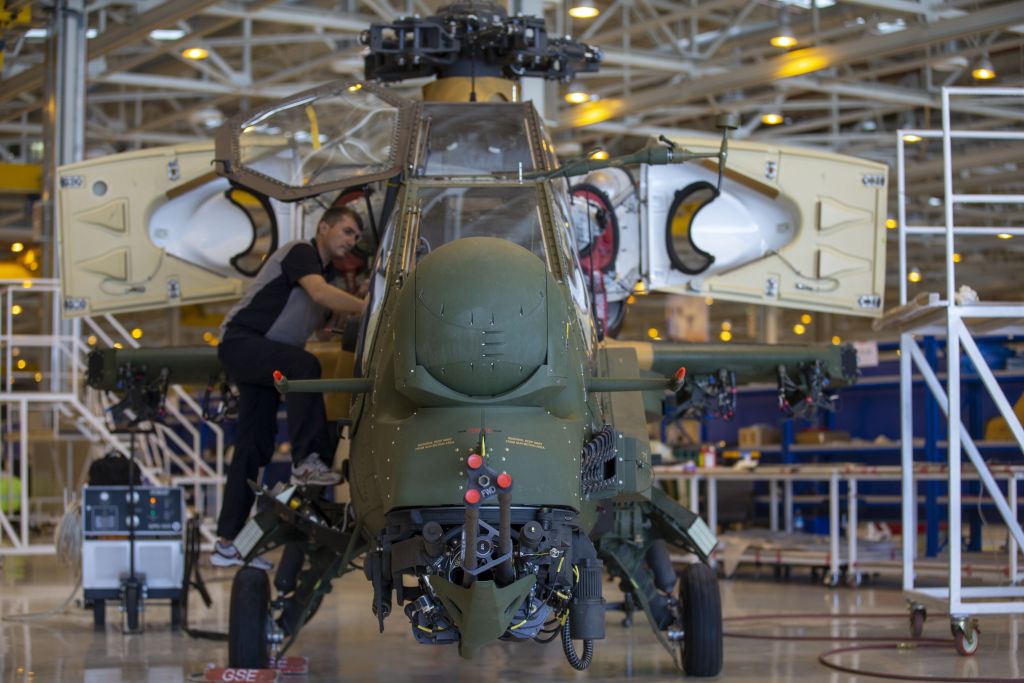
Challenges threaten the rise of Turkey’s defense industry
Building up Turkey’s defense industry has long been a priority for the government, and it has made considerable progress. Turkey is now the world’s 14th largest defense exporter. Despite its success to date, the industry is facing growing pains, and challenges like brain drain, a currency crisis, dependence on foreign suppliers, and regional political disputes could hamper growth going forward.
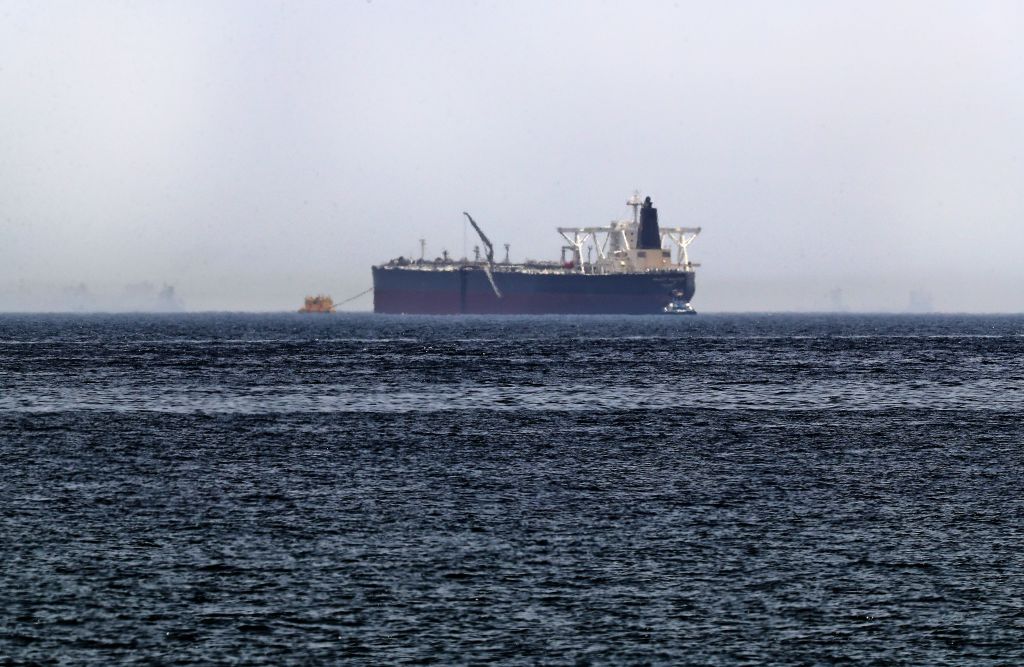
Monday Briefing: Ships sabotaged in the Gulf amid rising tensions with Iran
In this week’s Monday Briefing, MEI experts Alex Vatanka, Robert S. Ford, Jonathan M. Winer, and Gonul Tol provide analysis on recent and upcoming events including the sabotage this weekend of four ships off the coast of the UAE, the recent escalation of fighting in northwestern Syria, efforts to negotiate a ceasefire in Libya, and mounting concerns about Turkey’s economic health.
The recent arrest in Turkey of two suspects accused of spying for the United Arab Emirates highlights the growing divide between the two countries. Although the original cause of the rift – diverging views of the Muslim Brotherhood – has become less relevant in recent years, the enmity between the two nations endures.
Monday Briefing: Conflict is far from over in Syria
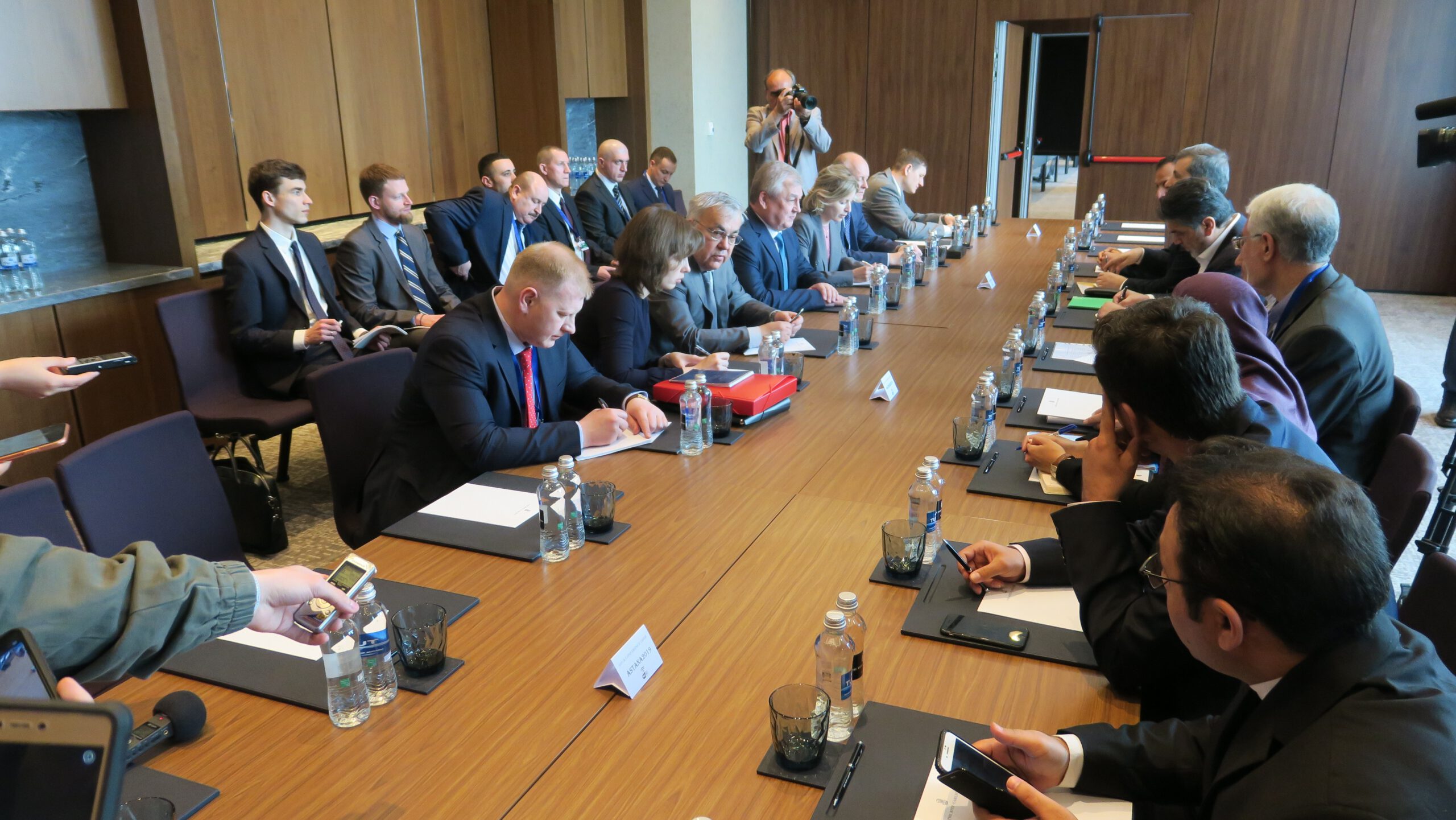
In this week’s Monday Briefing, contributors Charles Lister, Gerald Feierstein, Ruba Husari, Guney Yildiz, Mirette F. Mabrouk, and John Calabrese provide analysis on recent and upcoming events including the failure of the twelfth rounds of Syria peace talks in Astana, negotiations over Yemen’s strategic port of Hodeida, a new report on Iraq’s oil production potential, ongoing US-Turkey talks about a buffer zone in Syria, Egypt’s recently passed constitutional amendments, and Beijing’s second Belt and Road Forum.
Former US Ambassador to Turkey W. Robert Pearson and Sinan Ulgen, a visiting scholar at Carnegie Europe, join host Alistair Taylor to discuss Turkey’s March local elections, in which the long-ruling AK party faced significant setbacks, and where Turkey’s economic challenges and strained foreign relations stand today.
US sanctions and the future of Turkish-Iranian energy ties
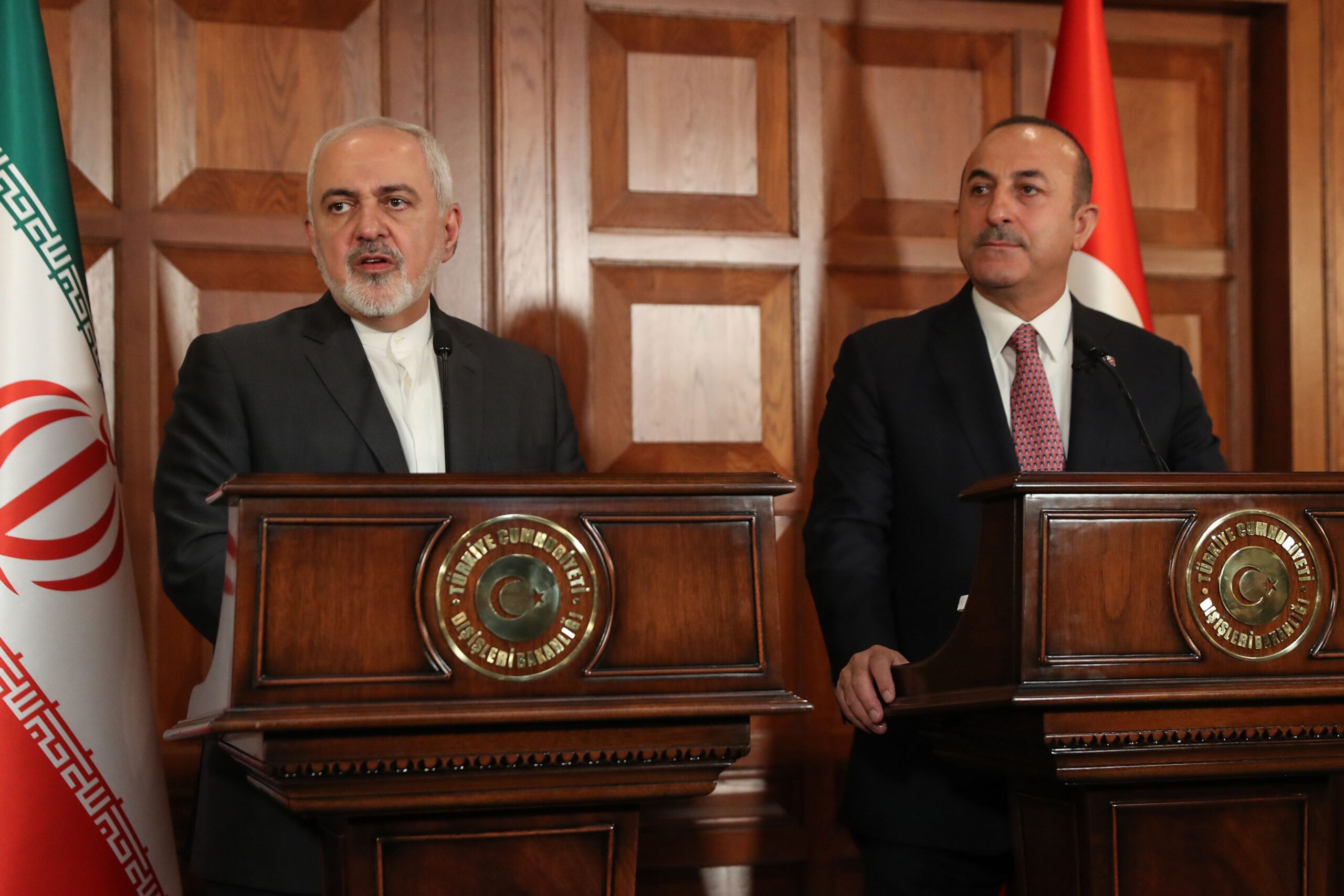
Iran’s huge hydrocarbons reserves and Turkey’s growing demand for oil and gas seem to suggest great potential for energy collaboration. US sanctions and pricing disputes, however, limit and complicate the prospects of such a partnership.
The Rise of Eurasianism in Turkish Foreign Policy: Can Turkey Change its pro-Western Orientation?
The Eurasianist (Ulusalcı in Turkish) ideology, which originated from the far-left movement in Turkey, espouses an anti-Western approach in foreign policy and ultranationalist sentiment in domestic politics. They contend that Turkey’s interests lie outside the Western world and that Turkey should join the Russia- and China-led “anti-imperialist” camp. This article examines the rise, shortcomings and failures of the Eurasianist approach in Turkish foreign policy.
Russia looks to the Middle East to boost arms exports
According to SIPRI’s recently published annual report, Russia’s share of global arms exports shrank by around one-fifth over the last decade, falling from 27 percent to 21 percent, while the U.S. share increased from 30 percent to 36 percent, widening the gap between the two major arms exporters. As Russia looks to reverse this decline, it is focusing on the Middle East, the world’s second-largest and fastest-growing arms market, as a way to boost its exports.
Invincible no more? Turkey’s Erdogan suffers election defeat
25 years ago, Turkish Islamists’ march to power began in the country’s capital, Ankara, and its largest city, Istanbul, when the ruling Justice and Development Party’s predecessor, the Welfare Party, captured the two municipalities. The loss of these cities in Sunday’s local elections could well mark the beginning of their descent.