Monday Briefing: The Syrian Constitutional Committee finally begins its work amid a lack of Western diplomatic engagement
اقرأ تقرير MEI الأسبوعي الذي يتضمن تحليلات الخبراء للتطورات الإقليمية الرئيسية للأسبوع المقبل.
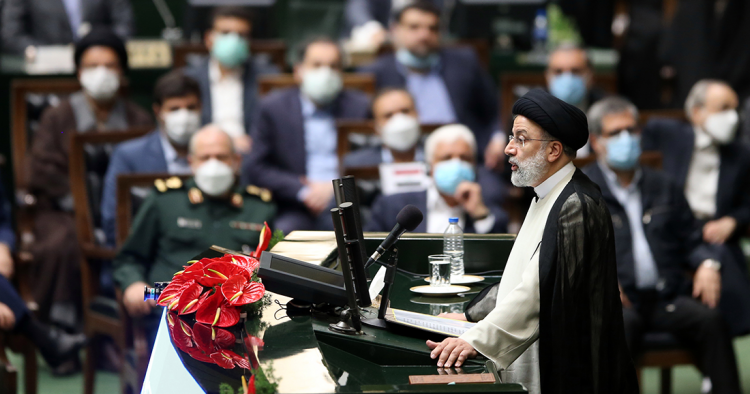
Women in higher positions within the Iranian state who are loyal to the system of the Islamic Republic and Supreme Leader Ayatollah Ali Khamenei’s leadership are dissatisfied with the new government under President Ebrahim Raisi, and especially with its composition. They had expressed their hopes that with women accounting for half of Iran’s population, they could be responsible for at least one of the ministries in the cabinet. Instead, Raisi’s government, approved by parliament at the end of August, is made up of conservatives and includes not a single woman. What impact is that likely to have on support among women who back the system? Will these women fight for greater political participation within the government or become disillusioned with it? And what consequences might that have for the Iranian state in the longer run?
Iran’s new conservative government under President Ebrahim Raisi has based its approach to the nuclear talks for the revival of the 2015 JCPOA on three key documents that lay out clear directives.
Iran-Azerbaijan relations have been going through a rough patch recently; both sides have genuine concerns that they want addressed.
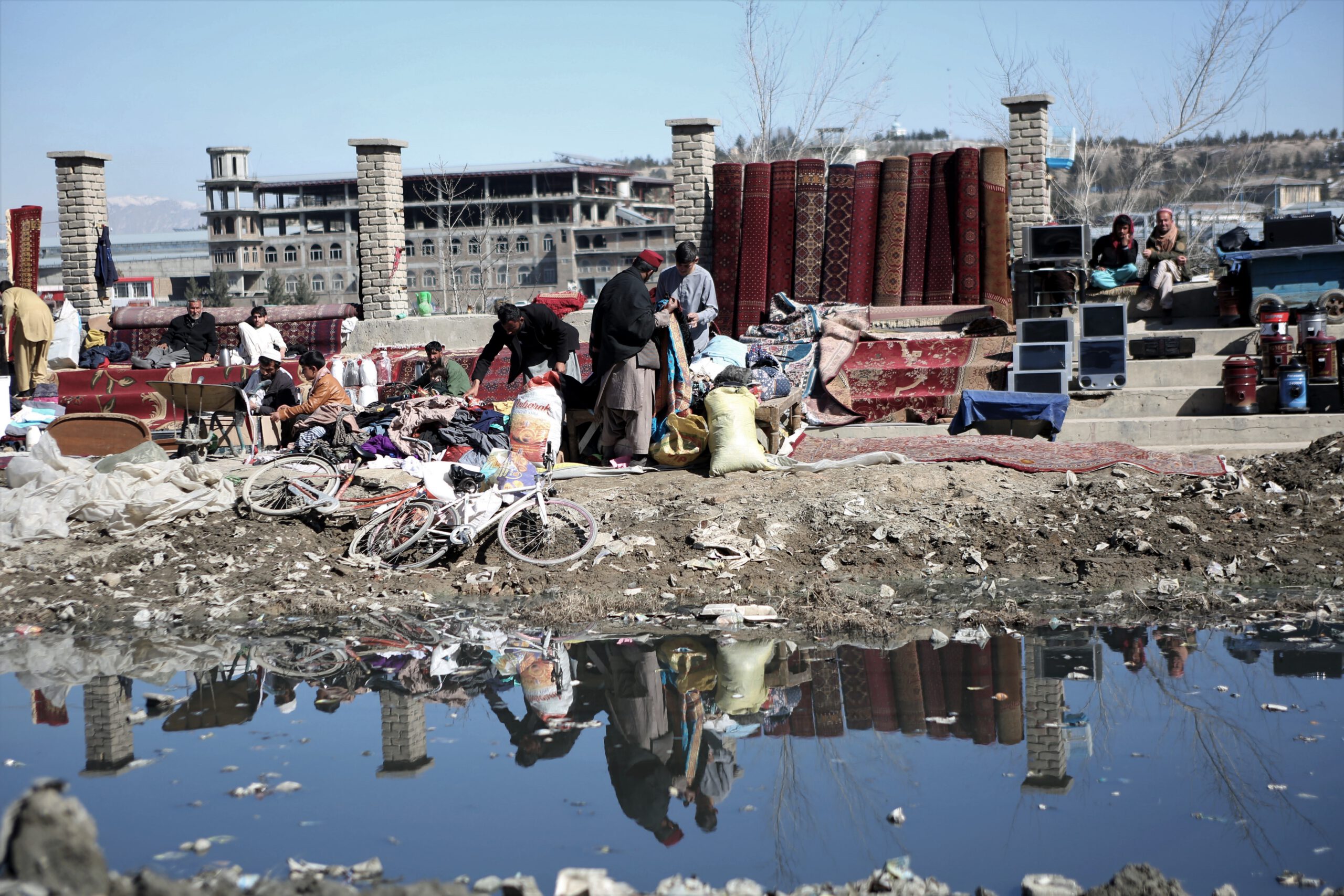
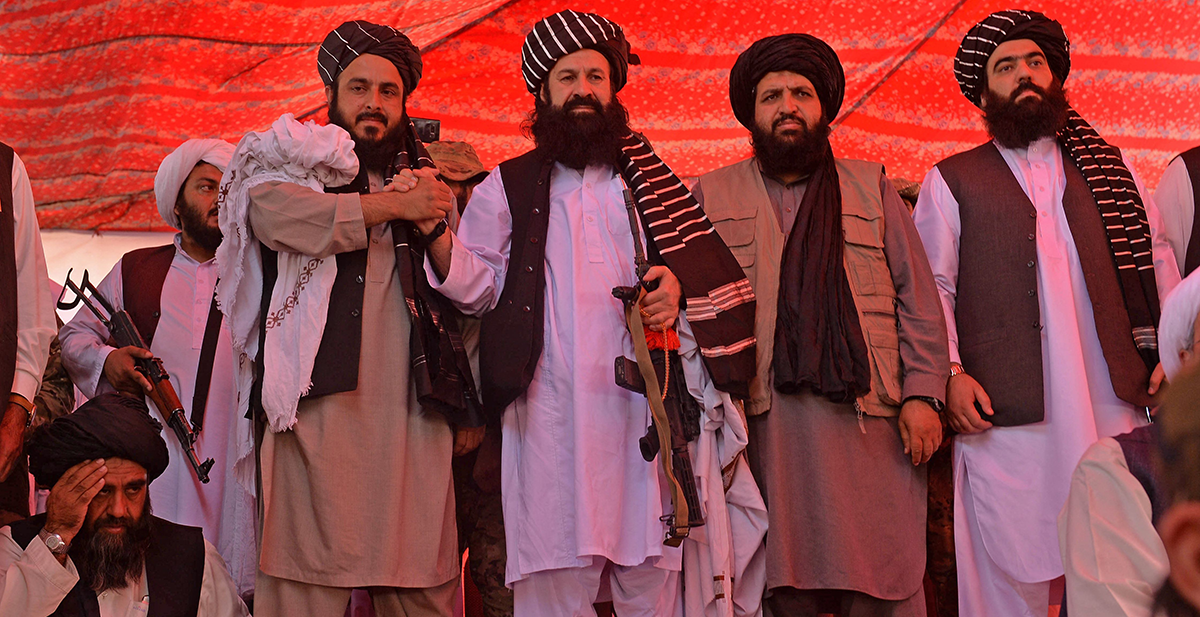
The concept of human security encompasses people-centric policies to protect individuals from insecurity that could pose threats to their survival and dignity. Traditional security systems support that protection and state institutions are responsible for enabling conditions for growth and development in a society. This article discusses the emerging characteristics of Taliban governance, the current state of human security in Afghanistan, and how these new conditions affect the protection of human security.
تحليل إقليمي متخصص من قبل باحثي ومساهمي معهد الشرق الأوسط.
Like the rest of the world during the past 20 years, Afghanistan has lived much of its life online and via networked technology; a multifaceted understanding of how digital rights are foundational to protecting Afghans in the face of an uncertain future must be key to any humanitarian or policy strategy undertaken by the U.S. or the international community.
After three years of decline and instability, the Iranian economy has stabilized. Some of the macroeconomic indicators, especially inflation, remain worrying, but the country’s GDP has returned to marginal growth, which is a reminder that the economy has been resilient in the face of massive external and internal pressures. Experts agree that the diversity of economic activity has been the key reason for this resilience. This piece explores three potential medium-term scenarios: 1) A return to the JCPOA; 2) An interim deal that would ease the sanctions pressure; and 3) A continuation of the current sanctions regime.
Supporting anti-Taliban fighters will spark a return to civil war, antagonize Pakistan, and draw the United States back into a conflict it sought to put behind it.
Tensions between Iran and Azerbaijan are high right now but both sides will very likely soon step down. Neither Tehran nor Baku can afford to let recent events lead to a full-fledged crisis or a military showdown between the two Shi’a Muslim-majority countries. On the surface, this latest spat is about Azerbaijan’s resentment toward Iran for providing an economic lifeline through trade and transit options to its landlocked arch nemesis, Armenia. In reality, the split that underpins the ongoing Iranian-Azerbaijani tensions is more about fundamental foreign policy choices that Tehran and Baku have each made and are unlikely to reverse.
اقرأ تقرير MEI الأسبوعي الذي يتضمن تحليلات الخبراء للتطورات الإقليمية الرئيسية للأسبوع المقبل.
It was another hot, dry year in the western U.S., with almost the entire region in drought. Vital reservoirs have fallen to dangerous lows. More than 7,000 miles away, Iran is grappling with water problems that are similar to the U.S. Southwest’s but more severe.
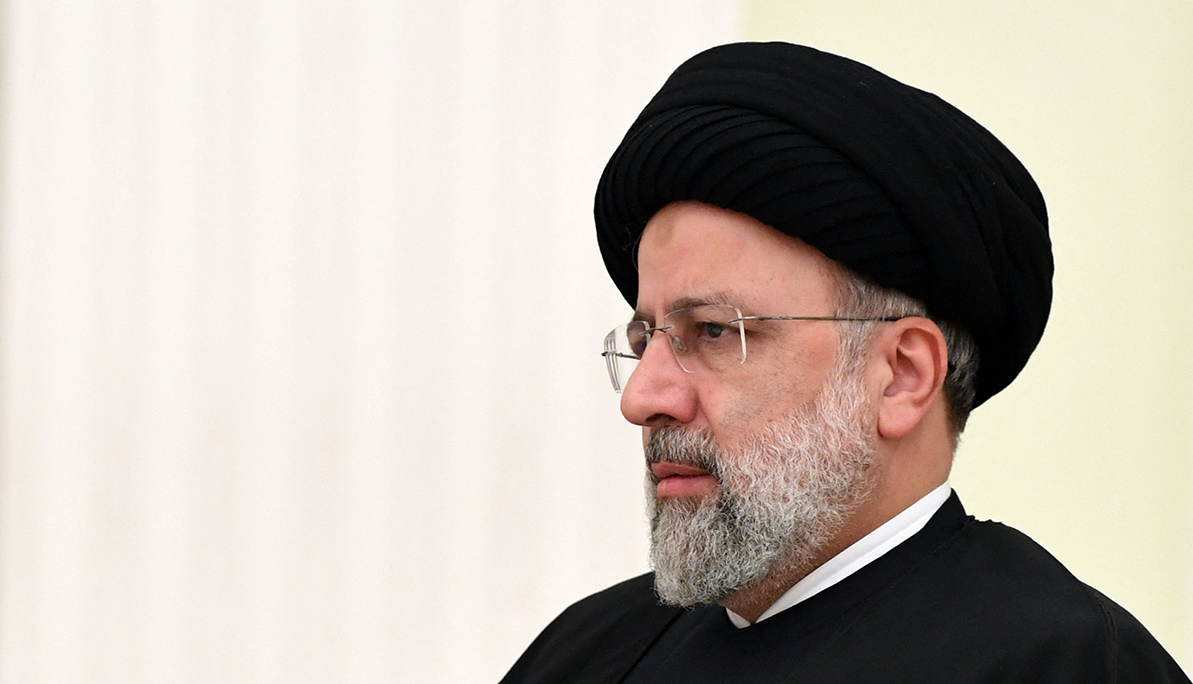
The new government of Iran, under President Ebrahim Raisi, still looks like a black box. It isn’t yet clear what policy the new officials in Tehran want to pursue in the nuclear negotiations — or even if they will negotiate at all. Hossein Amirabdollahian, Iran’s new foreign minister, shed some light on this darkness and said that “consultations are underway within the new Iranian government on how to continue the Vienna nuclear talks.” It appears the “consultations” have reached a meaningful point and the replacement of key positions has begun in the foreign policy apparatus. As a first move, Ali Bagheri Kani, a conservative close to former top nuclear negotiator Saeed Jalili, replaced Abbas Araghchi, the political deputy foreign minister. The emerging new team in Tehran looks strange not only to the U.S. and Europe, but also to Russia.
Iran came one step closer to becoming a full member of the Shanghai Cooperation Organization (SCO) last week with the approval of its bid, 15 years after it first applied. The accession process is expected to take up to two years to complete.
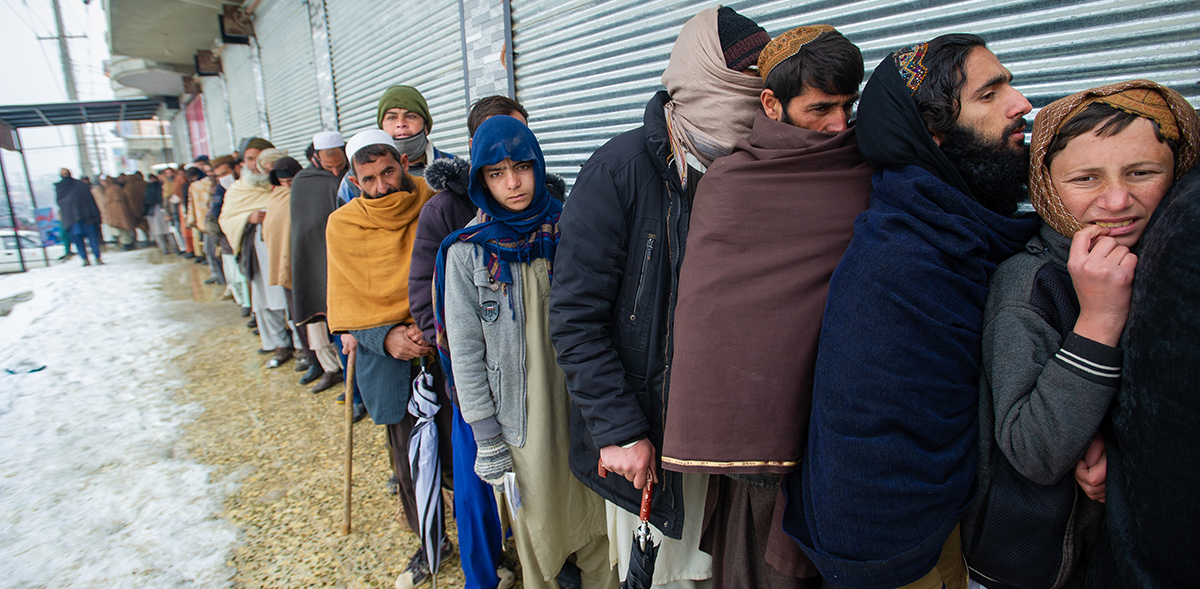
For the second time in the past two decades, a large number of Afghans find themselves escaping chaos. Twenty years ago, it was the American invasion of Afghanistan after the terrorist attacks of 9/11 that caused a large wave of refugees. More recently, the hasty American withdrawal from the country and the ensuing Taliban takeover have created another wave of refugees.