After Afghanistan: Western militaries and the rise of new strategic threats
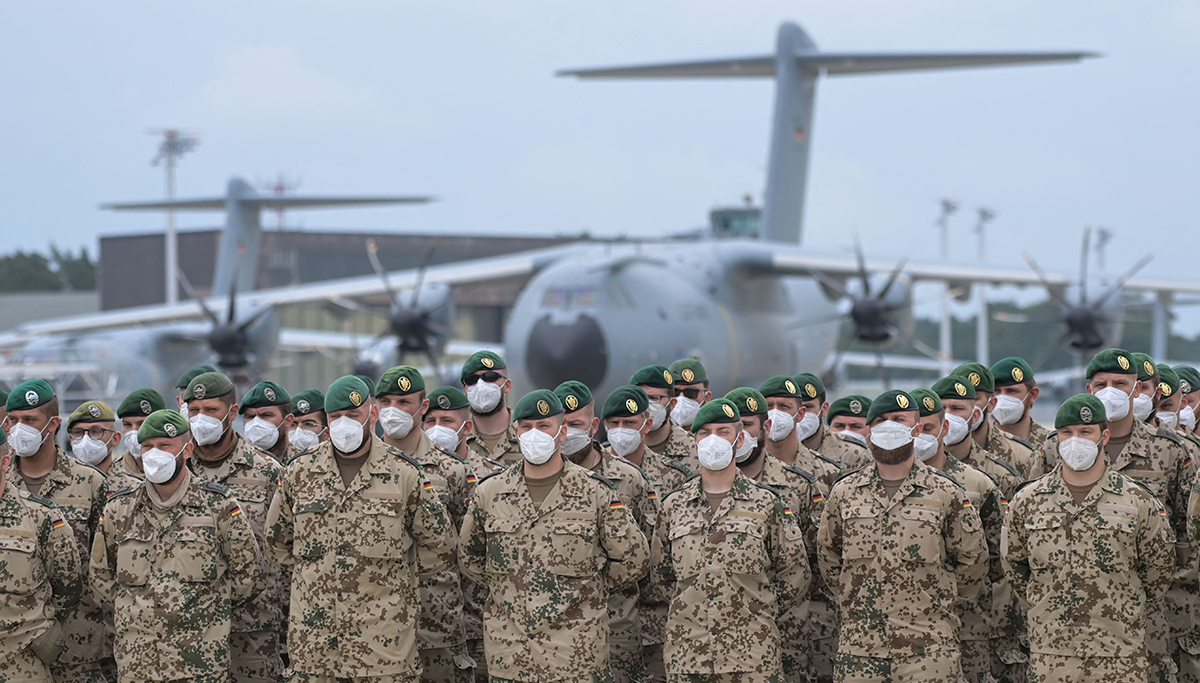
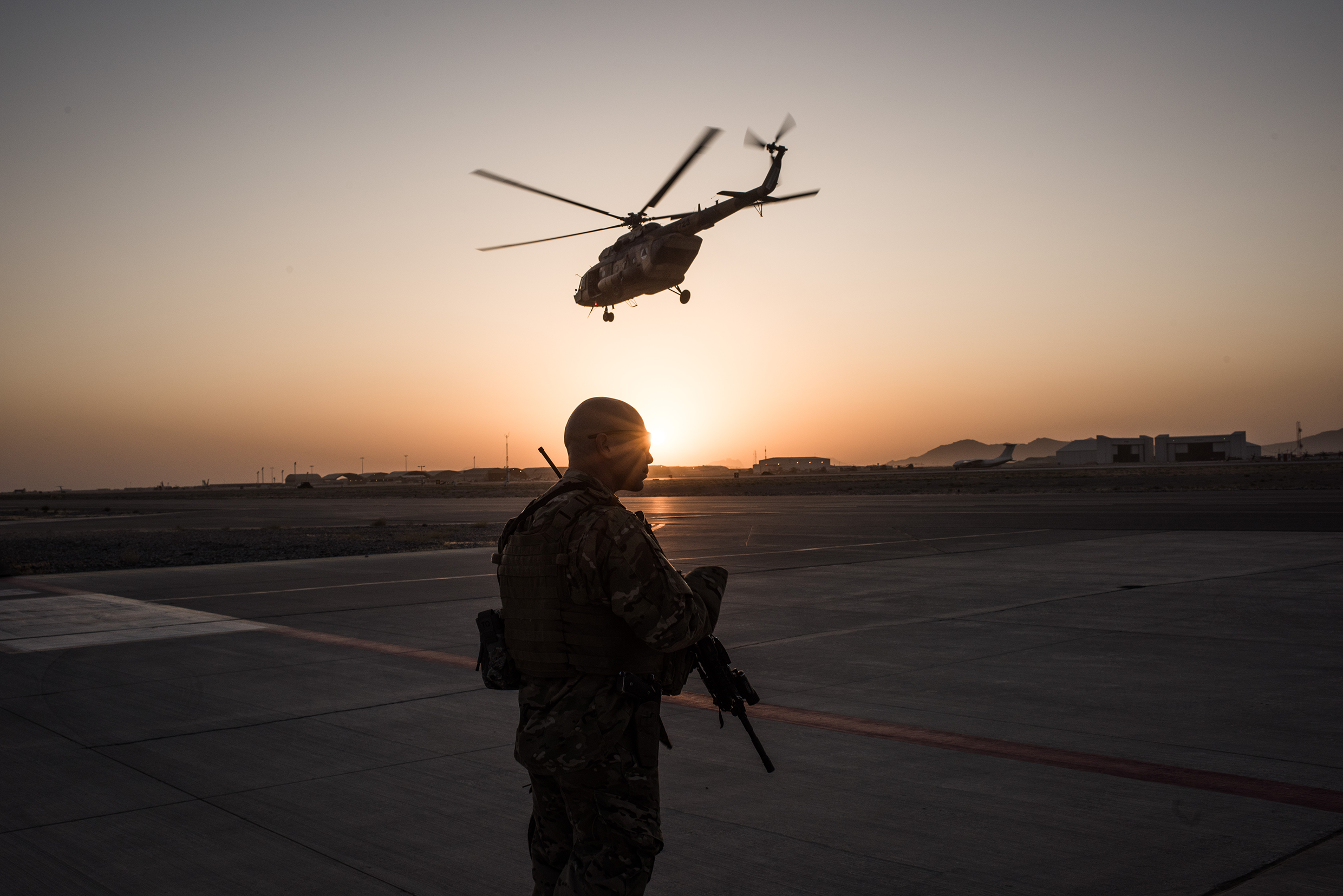
The withdrawal from Afghanistan marks the end of a historic chapter. It involves more than just the conclusion of a drawn-out international military engagement in Afghanistan. Rather, it signals the end of a decades-long phase in which Western militaries placed the broader Middle East and the fight against international terrorism at the center of their strategic attention. With competition between the great powers on the rise, Western militaries have realized their current vulnerabilities vis-à-vis near-peer competitors and the need to shift gears.
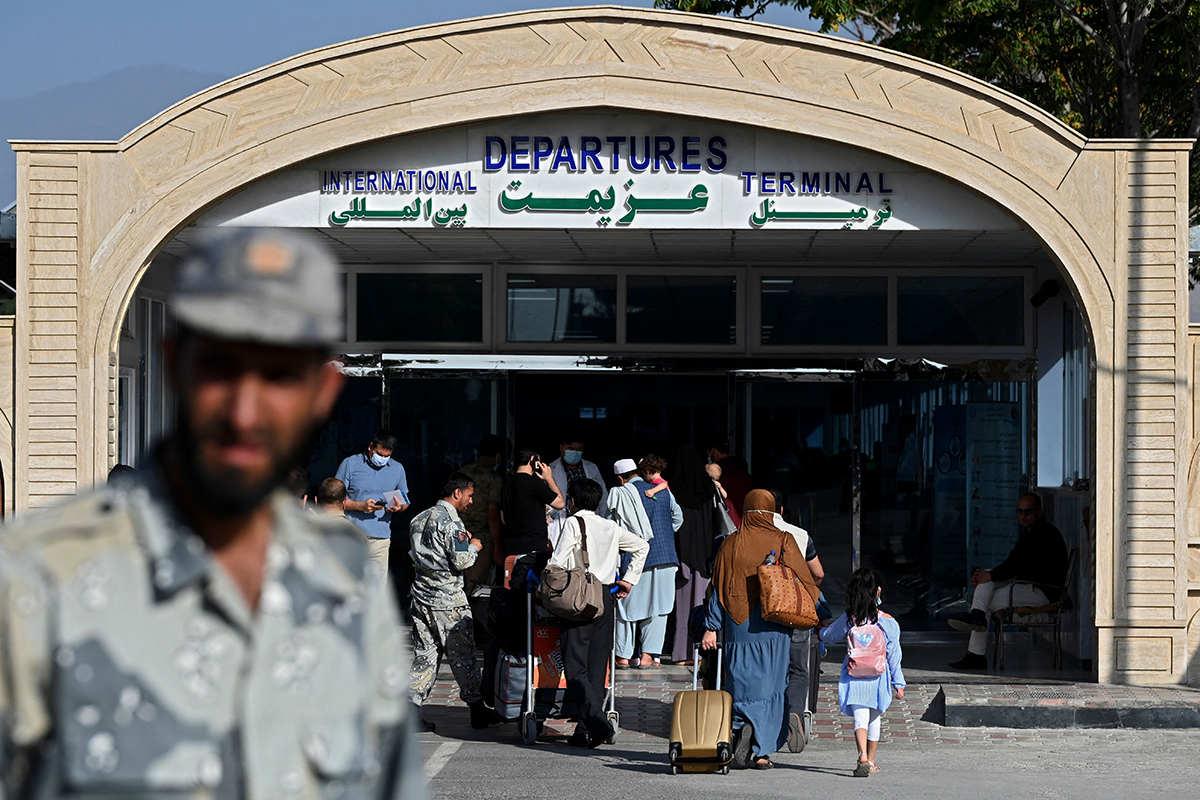
In a politically significant statement, Turkish President Recep Tayyip Erdoğan has asked the Afghan Taliban to “end the occupation of their brothers’ soil.” This follows a Taliban warning of severe consequences if Turkey were to remain in charge of security at Kabul Airport after the exit of American troops. Erdoğan’s message is likely to be interpreted differently by different stakeholders in the unfolding Afghan tragedy, a situation characterized by escalating violence, political uncertainty, and regional chaos.
روسيا تنهي مهمة إعادة هيكلة الجيش السوري.. بعد الفشل
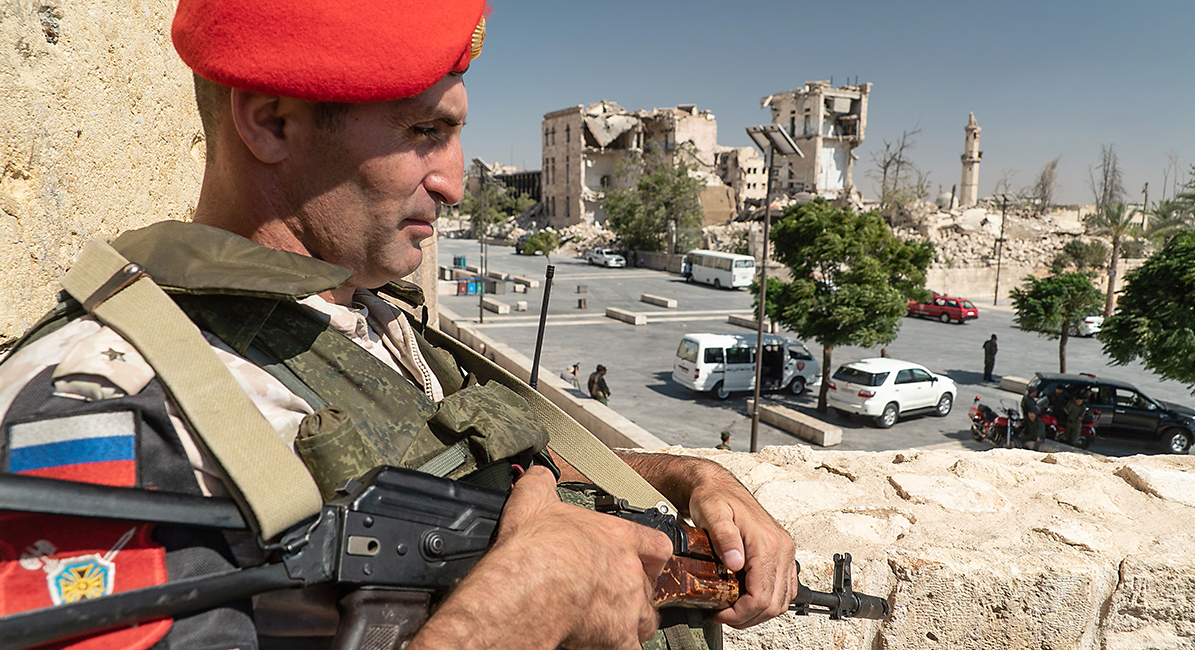
منذ بداية الانتفاضة السورية مايو 2011 وحتى صيف العام 2015، فشلت الميليشيات الإيرانية إلى جانب الجيش السوري والميليشيات المحلية في إعادة السيطرة على البلاد، على الرغم من العدد الهائل لمجموع هذه القوات أمام المتمردين الذين كانت حركتهم فوضوية في مقابل أجهزة أمنية وقوات منظمة، حيث سيطرت هذه القوات المتمردة على النظام السوري مساحات واسعة من سوريا.
Russia’s failed efforts to restructure the Syrian army
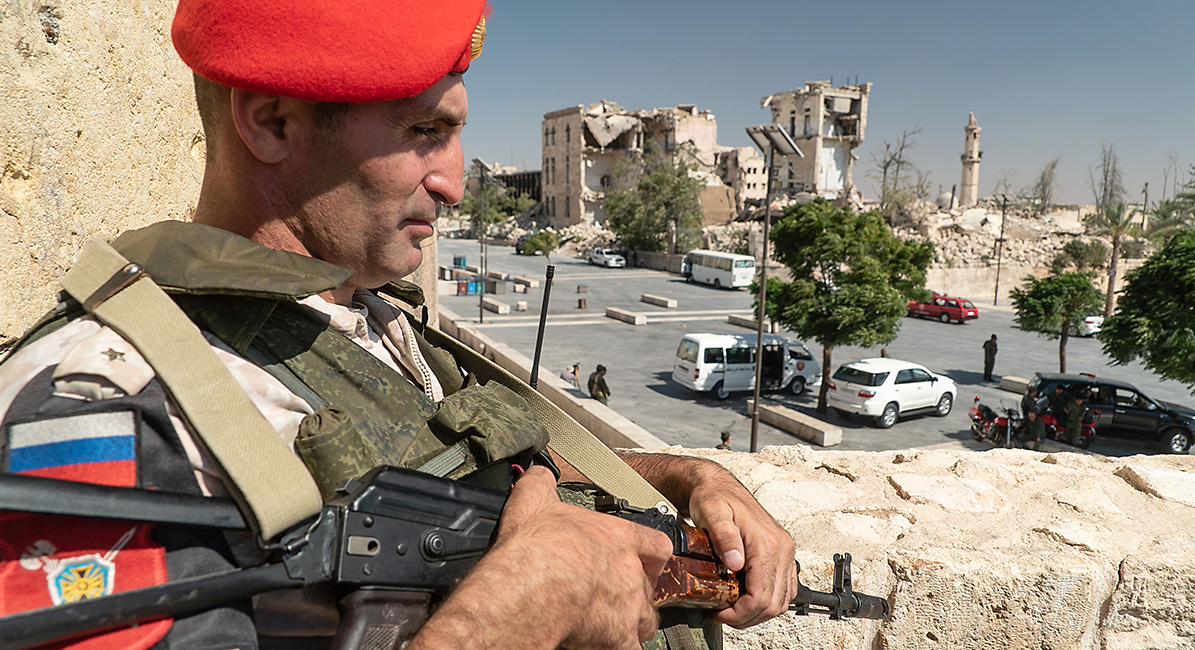
The Russian military intervention in Syria in late 2015 brought about a clear change in the balance of power in the military, political, and psychological spheres. The Russian military, especially its air force, dramatically tipped the scales in the conflict between the armed opposition, the regime, and the Iranian militias. Moscow’s intervention was also accompanied by a project to regain control over the security and military situation in Syria, but this effort proved far less successful.
At the very least we need to provide our Afghan partners with direct air support
The decision to withdraw the relatively small number of U.S. troops from a supporting role to our Afghan partners to preserve our hard-fought-for gains in Afghanistan was a mistake.
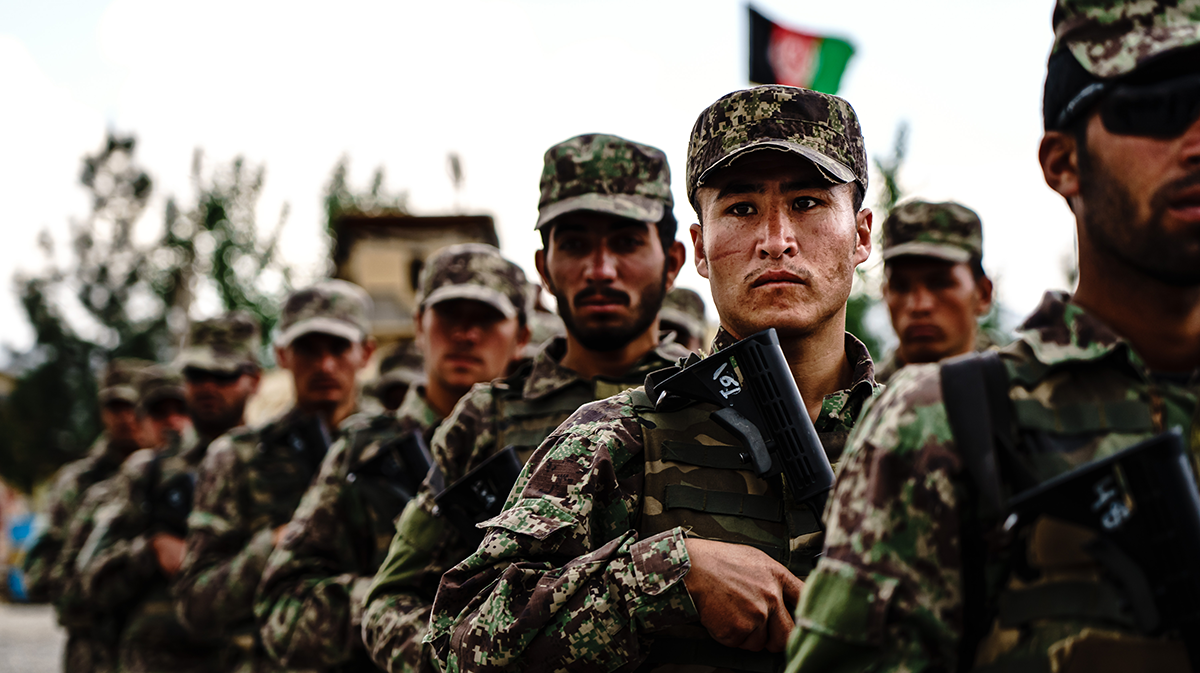
Mr. President, keep the military advisers in Afghanistan
Even the most ardent supporters of President Joe Biden’s decision to withdraw all American troops from Afghanistan recognize the inherent tension in his policy. Biden promised Afghanistan’s top leaders in a recent meeting at the White House that he would maintain U.S. material support to the country. But ensuring a “sustained” partnership with a politically fragile Afghan government requires first and foremost an Afghan force that’s capable of defending that government, providing some security across the country, containing the Taliban, and preventing terrorists from once again setting up shop and plotting attacks worldwide like they did on 9/11.
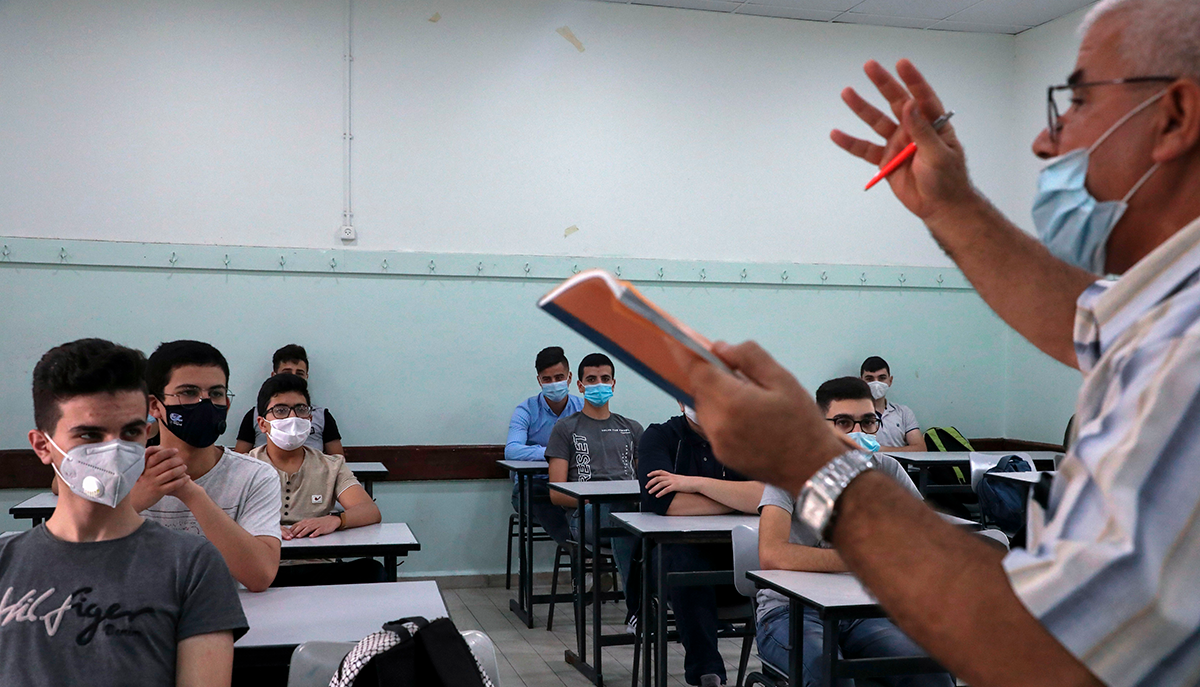
It would be an understatement to say that the Georg Eckert Institute for International Textbook Research in Germany has written the book on how to analyze textbooks. The Institute has actually published many books — ones that are meticulous, detailed, and dispassionate. Now the Institute has published one more, this time on Palestinian textbooks.
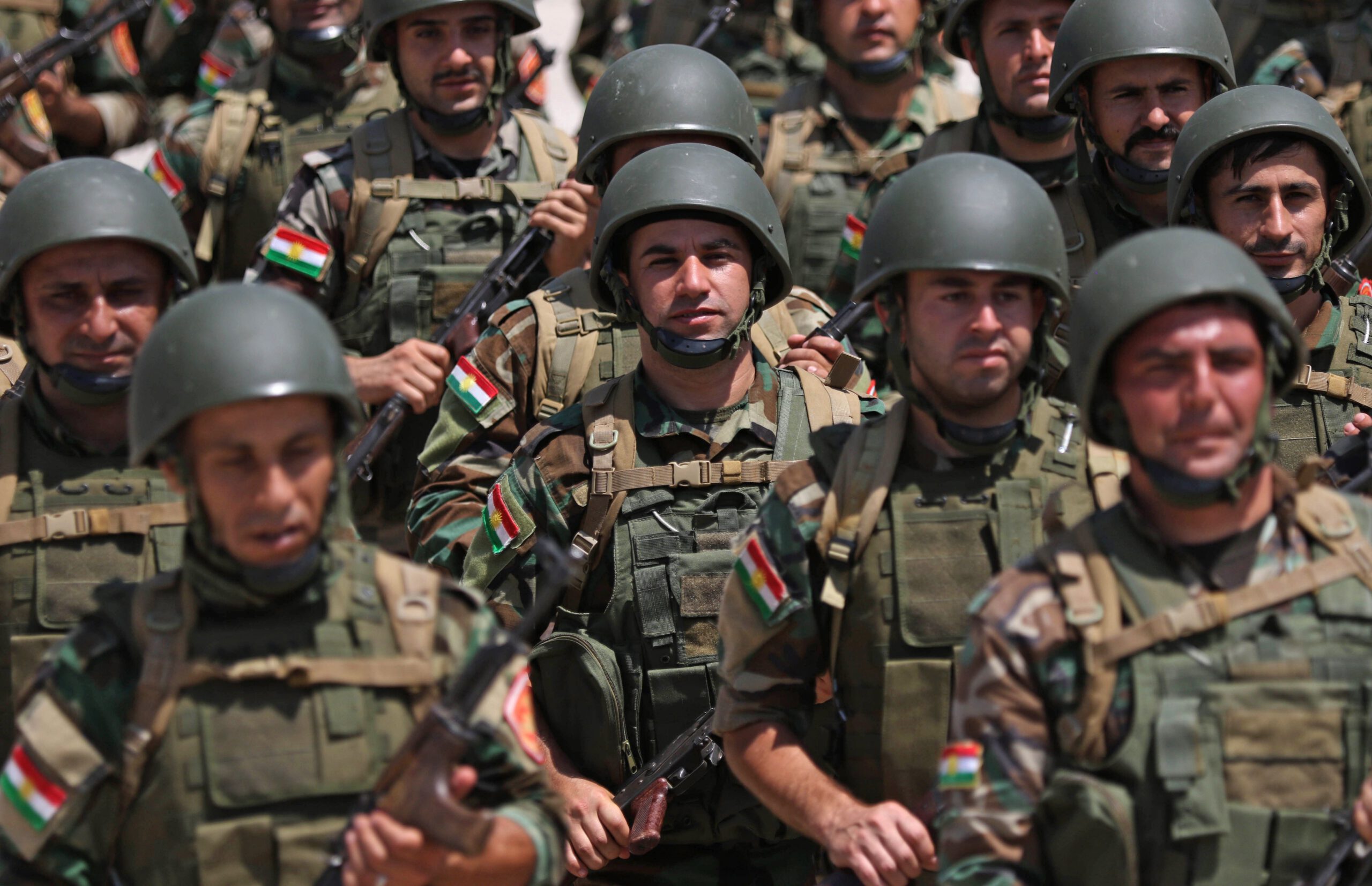
The War at Home: The Need for Internal Security Sector Reform in Iraqi Kurdistan
The forces and agencies of Kurdistan’s Ministry of Interior and the Kurdistan Region Security Council, collectively referred to the Kurdistan Region Interior Forces, are now the region’s main security actors, but their role as instruments of partisan rivalry and enforcers of public loyalty to the political bureaus threatens the Kurdistan Region’s stability. This report makes the case that coalition security sector reform efforts should be refocused on them. Although Peshmerga reform is necessary to improve the Kurdistan Region’s ability to combat external threats, it is equally, if not more important to start the same reform within these internal forces and agencies to achieve durable stability.
الضربات الجوية الأمريكية على الميليشيات العراقية وخطر دوامة التصعيد
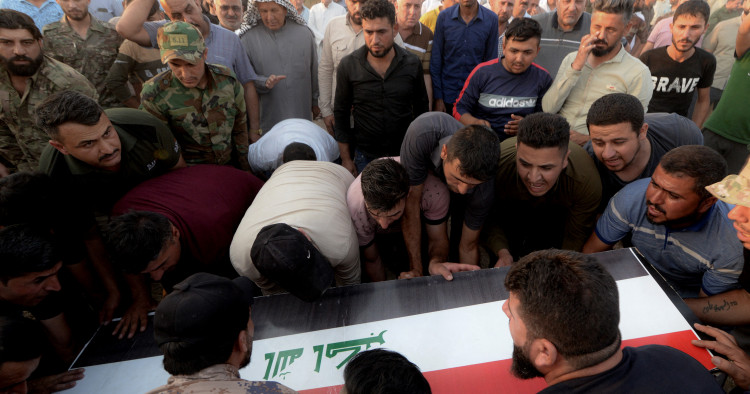
مهما كانت شدة محاولات الحكومة العراقية لتوجيه البلاد بعيدًا عن الصراع الإيراني الأمريكي، فإن الميليشيات العراقية المدعومة من إيران ستظل تسحبها مجددًا لهذا الصراع
Russia’s careful calculus in supplying Iran with a high-tech satellite
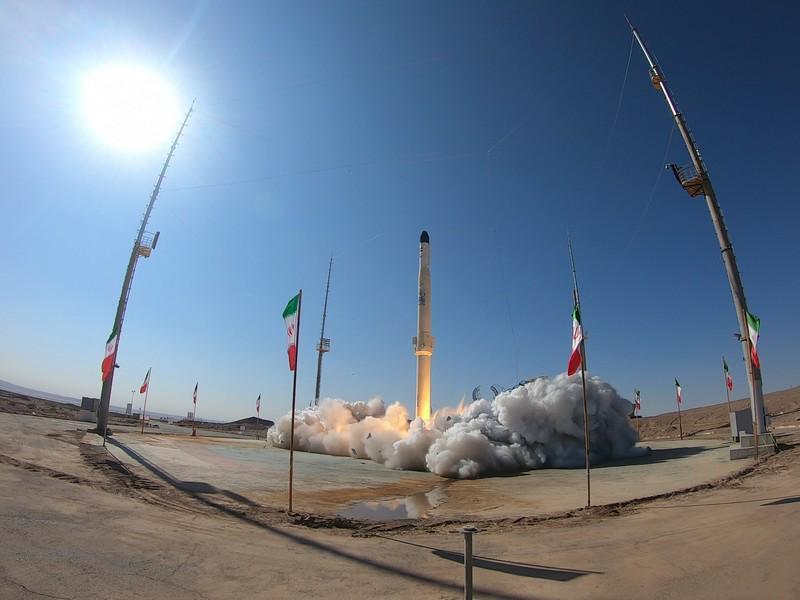
According to reporting from The Washington Post, Russia is set to provide Iran with a high-tech satellite called Kanopus-V. Russia will launch the satellite from its territory and then hand over control to an Iranian crew that received essential training in Russia. Iran will control the satellite from a newly built facility in Alborz Province, near Tehran.
The “Palestinian exception”: Social media censorship of Palestinian activism
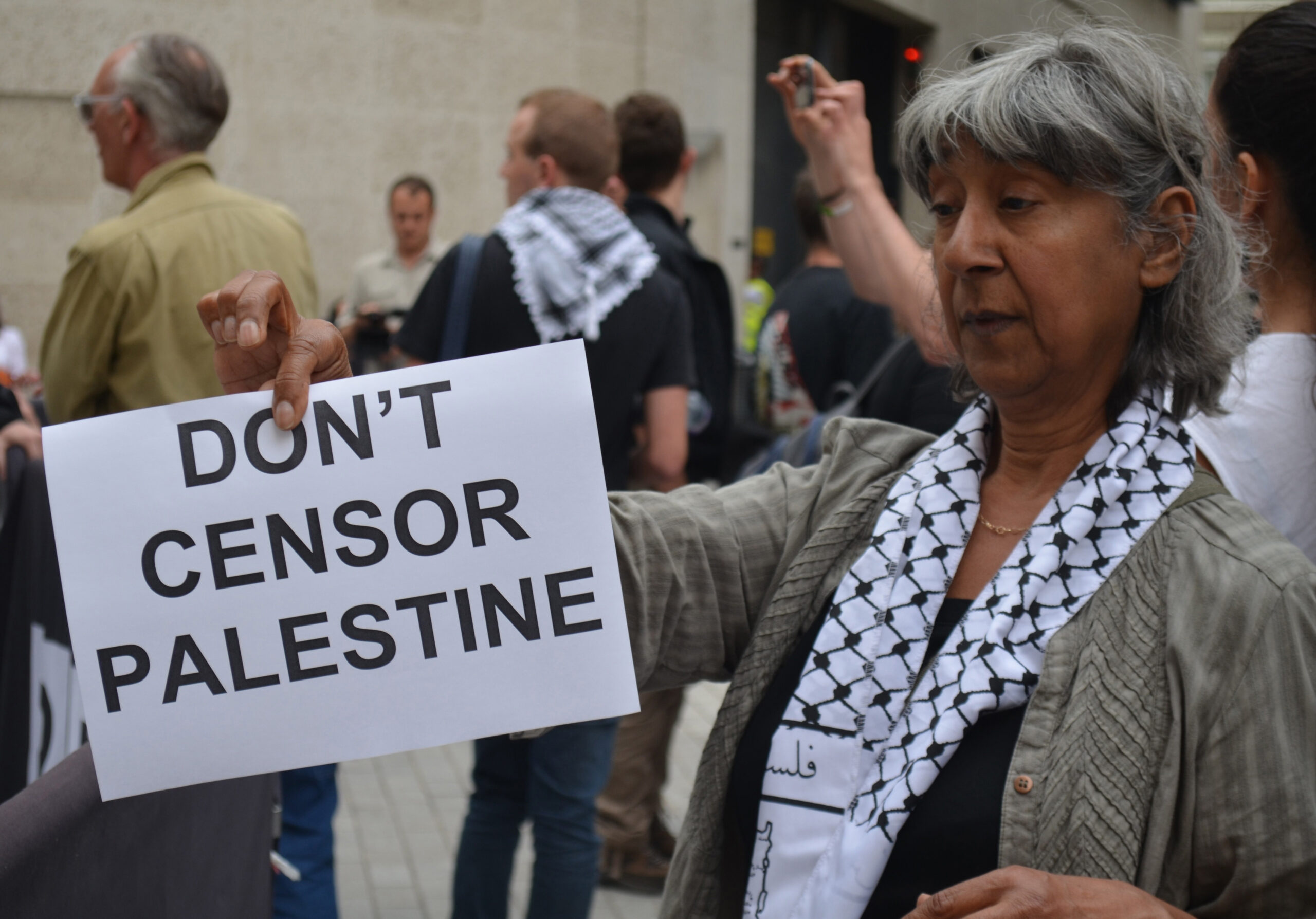
In a landscape of suppression and retaliation against Palestinian journalists and activists at the hands of Israel, social media networks have been at once critical organizing platforms and tools for exacerbating censorship.
Israel's counter-Iran strategy: Significant accomplishments, but a negative trend
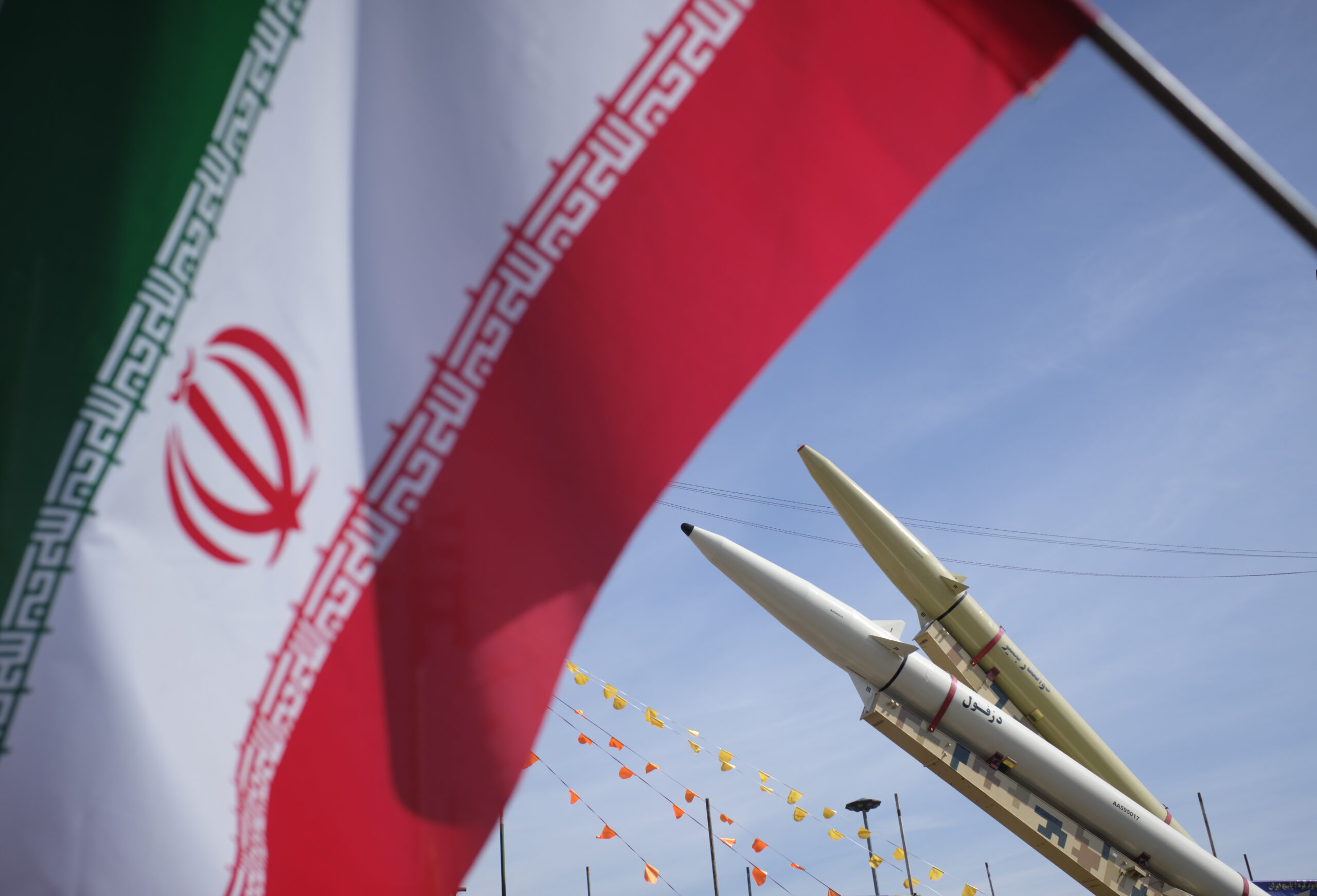
One of the first foreign policy decisions facing Israel’s new government will be if it wants to maintain or modify the policy spearheaded by Netanyahu to counter the United States’ determined effort to return to the 2015 nuclear deal with Tehran. Moreover, the new government needs to assess how successful the maximalist approach Israel has embraced since the negotiations between Iran and the great powers began about two decades ago has been, and to what extent it has pushed the international community to refrain from making concessions and compromises vis à vis Iran.
The Trilemma of Power, Aid, and Peacebuilding in the Israeli-Palestinian Context
On Dec. 21, 2020, the United States Congress passed the Nita M. Lowey Middle East Partnership for Peace Act. The new law provides $250 million over five years to expand peace and reconciliation programs between Israelis and Palestinians as well as to support projects bolstering the Palestinian economy. But such programs are unlikely to be effective because the whole approach on which they are based is structurally flawed in two critical ways: first, because it is disconnected from local political, social, cultural, and economic processes and expectations; and second, because it tends to reinforce the inequalities that sustain the conflict between the two sides while undermining the declared goals of this intervention.
Up for Debate: The Biden administration's approach to Israel/Palestine
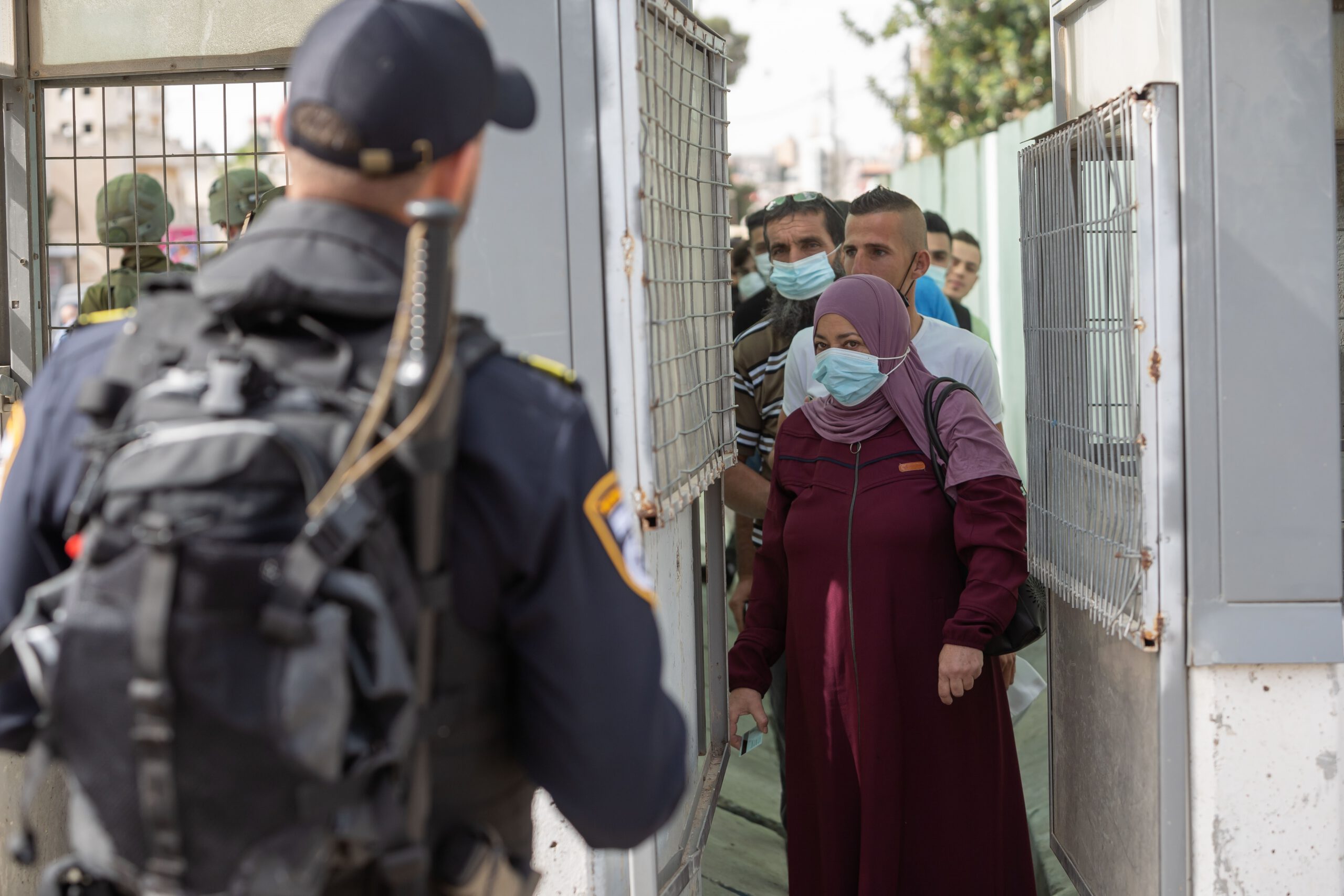
The Biden administration has repeatedly said that Israelis and Palestinians “deserve equal measures of security, freedom, opportunity and dignity” (sometimes expressed as “equal measures of freedom, security, dignity and prosperity”). Since the recent crisis in Gaza and East Jerusalem, Secretary of State Antony Blinken and other U.S. officials have reiterated this formula in one form or another. What is its significance? What does (or should) it mean in the context of the Biden administration’s approach to Israel/Palestine — particularly given the dire humanitarian situation in Gaza, pending expulsions in East Jerusalem, and ongoing settlement expansion in the occupied West Bank and East Jerusalem? We asked eight experts to weigh in with their thoughts.