Monday Briefing: Political upheaval in Tunisia and questions over what comes next
Read MEI’s weekly briefing featuring expert analysis of key regional developments for the week ahead.
Guled Ahmed, Mirette Mabrouk, and Mohammed Soliman join host Alistair Taylor to discuss the latest developments for the Grand Ethiopian Renaissance Dam (GERD), Egypt’s African diplomatic outreach, and the creative solutions required to meet the region’s growing energy needs.
“في النهاية، كانت النتيجة متوقعة: دعّم أعضاء مجلس الأمن جهود وساطة الاتحاد الإفريقي وأوصوا باستئناف المفاوضات بأسرع ما يمكن”.
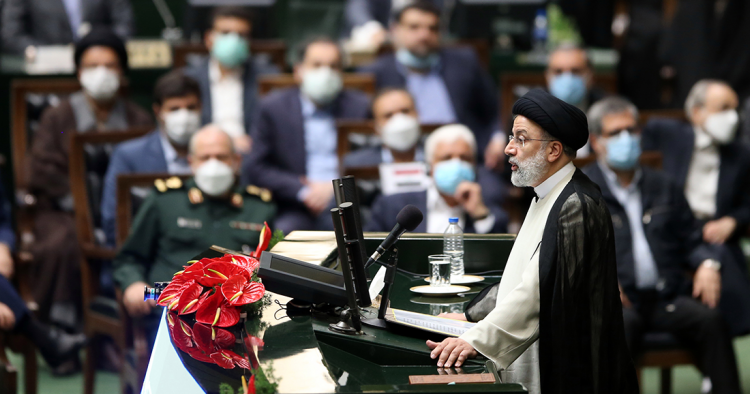
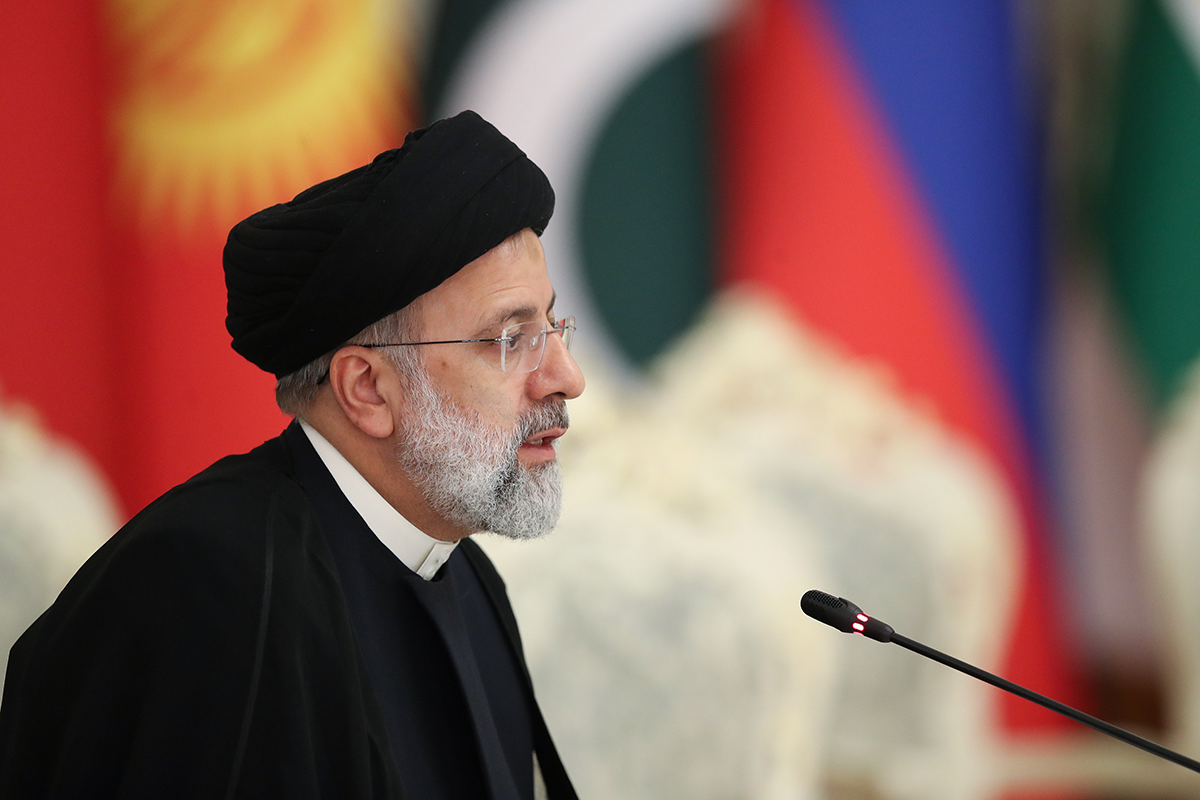
On June 18, Ebrahim Raisi won a landslide victory in Iran’s presidential elections. After Raisi’s triumph, Maxim Suslov, the press attaché of the Russian Embassy in Tehran, transmitted a message from President Vladimir Putin congratulating Raisi on his win and pledging to strengthen Russia-Iran bilateral relations. Iranian Ambassador to Russia Kazem Jalali echoed Putin’s comments about Russia-Iran relations and noted that he was the first world leader to congratulate Raisi on his election as Iran’s next president.
تخوض مصر وإثيوبيا والسودان في مأزق خطير بشأن نهر النيل، وعلى الرغم مما يعتقده المجتمع الدولي، فإن خطر المواجهة العسكرية بين الدول الثلاث ليس مستبعدًا على الإطلاق. إذ بدأت أديس أبابا في المرحلة الثانية لملء الخزان خلف سد النهضة الإثيوبي العملاق في أوائل مايو/أيار دون اتفاق مع الدول المشاطئة – مصر والسودان. غير أن الكثير قد تغير خلال العام الماضي والملء الثاني يتم في ظروف مختلفة نوعًا ما عن الملء الأول في يوليو/تموز الماضي. ففي الأشهر الماضية، عززت مصر من تواجدها الدبلوماسي وظهرت كلاعب مؤثر في حوض النيل والقرن الإفريقي وشرق ووسط إفريقيا.
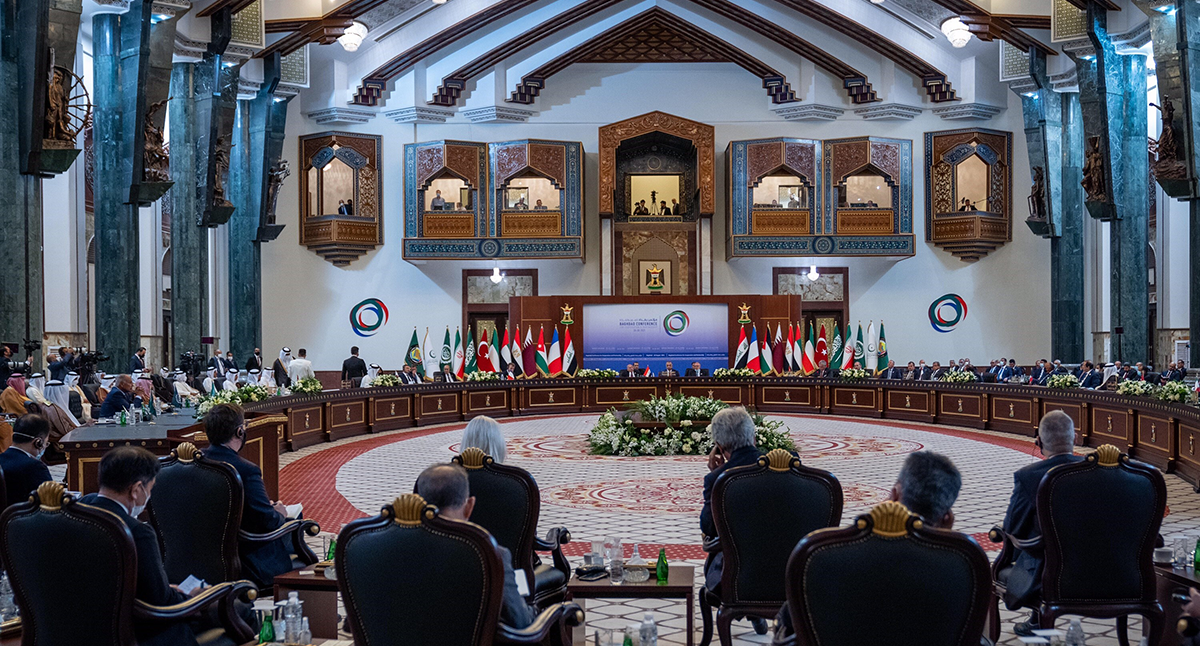
Sunday was a festive day in Baghdad. The last time Iraqis had received an Egyptian president 30 years ago, the region was gearing up for war and uncertainty as the late President Hosni Mubarak shuttled between Baghdad and Gulf capitals prior to Saddam Hussein’s invasion of Kuwait in 1990. The circumstances were quite different on June 27, when Egyptian President Abdel-Fattah el-Sisi and King Abdullah II of Jordan were given the red-carpet treatment at a tripartite summit marking the fourth meeting between the leaders of the three countries aiming to form a new regional alliance.
Egypt, Ethiopia, and Sudan are caught in a dangerous deadlock over the Nile River and despite what the international community seems to think, the risk of military confrontation among the three nations is not at all far-fetched. Addis Ababa began the second phase of filling the reservoir behind its giant Grand Ethiopian Renaissance Dam (GERD) in early May without an agreement with the riparian nations — Egypt and Sudan. However, much has changed over the past year and the second filling has played out rather differently from the first last July. In the intervening months Egypt has ramped up its diplomatic outreach and emerged as an influential player in the Nile Basin, the Horn of Africa, and East and Central Africa. Cairo succeeded in forging strategic alignment with Khartoum to exert diplomatic pressure on Addis Ababa, forming webs of alliances with different regional powers across East and Central Africa and the Horn of Africa to project power and influence, and exerting geopolitical forward pressure on Ethiopia in parallel with the diplomatic track to solve the GERD dispute.
Read MEI’s weekly briefing featuring expert analysis of key regional developments for the week ahead.
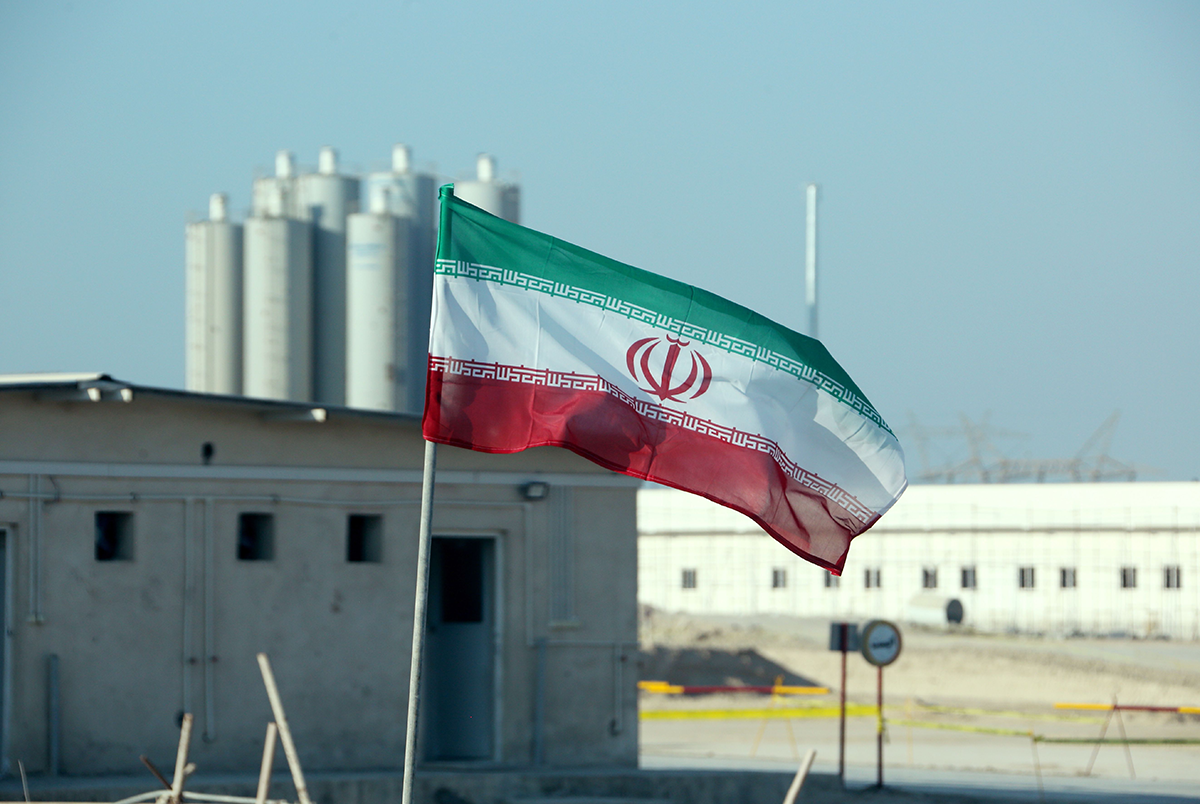
According to reporting from The Washington Post, Russia is set to provide Iran with a high-tech satellite called Kanopus-V. Russia will launch the satellite from its territory and then hand over control to an Iranian crew that received essential training in Russia. Iran will control the satellite from a newly built facility in Alborz Province, near Tehran.
One of the first foreign policy decisions facing Israel’s new government will be if it wants to maintain or modify the policy spearheaded by Netanyahu to counter the United States’ determined effort to return to the 2015 nuclear deal with Tehran. Moreover, the new government needs to assess how successful the maximalist approach Israel has embraced since the negotiations between Iran and the great powers began about two decades ago has been, and to what extent it has pushed the international community to refrain from making concessions and compromises vis à vis Iran.
“لدى خامنئي الاختيار للاستمرار في المسار الحالي للسياسات المحلية والخارجية أو أن يستخدم رئاسة رئيسي كسبب لتغيير المسار”
Read MEI’s weekly briefing featuring expert analysis of key regional developments for the week ahead.
In the run up to Iran’s presidential election, Supreme Leader Ayatollah Ali Khamenei has sought to entrench his power. Will a sharp slump in voter turnout reveal the extent of popular discontent?
Blame will go to the departing president while praise will go to his handpicked successor.
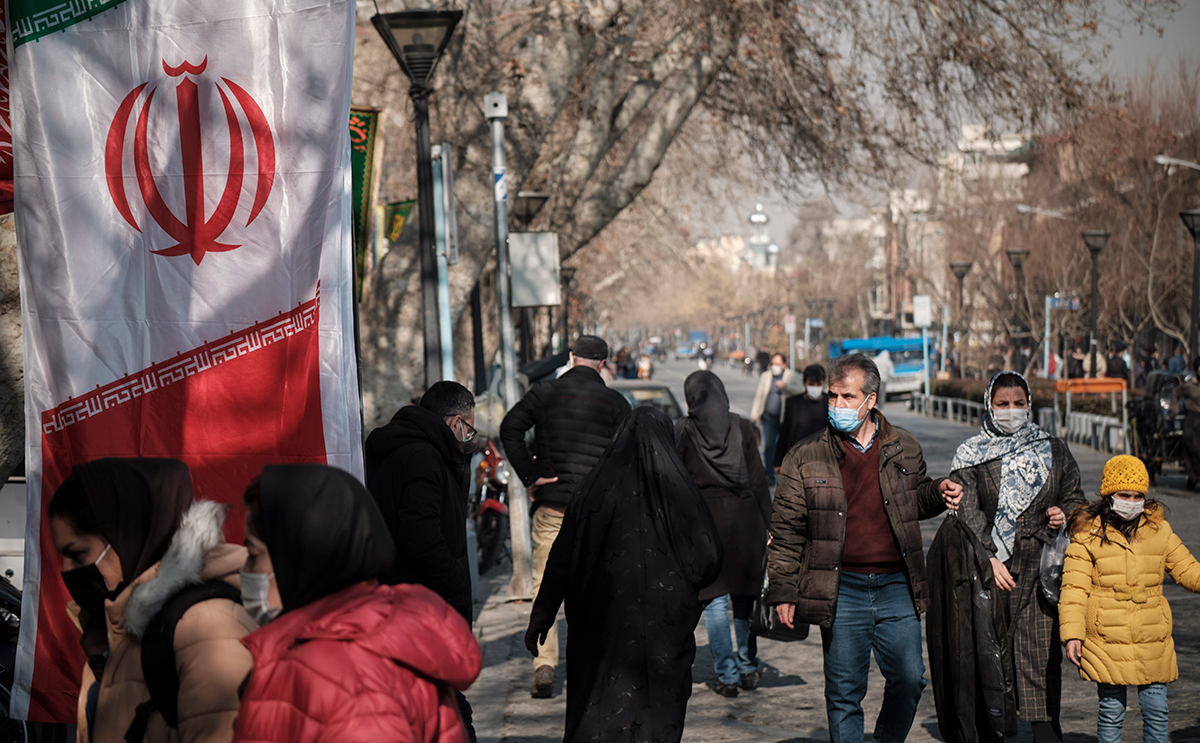
Iran’s presidential election on June 18 is expected to have the lowest turnout of any election to date and the implications are likely to extend far beyond the ballot box.