The following excerpt is from an interview with MEI Senior Fellow Alex Vatanka conducted by J. Dana Stuster for Lawfare. Read the full conversation here.
New Saudi Outreach with Iraqi Shiite Leaders | Monday Briefing
In this week’s Monday Briefing, MEI experts Randa Slim, Paul Salem, and Marvin G. Weinbaum analyze new Saudi diplomatic engagement with Iraq, the escalating G.C.C. crisis, and the continuation of dynastic politics in Pakistan.
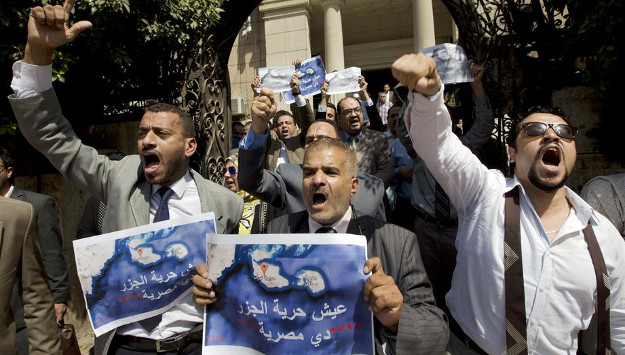
Red Sea Islands Deal Undermines Arab Peace Initiative
The Saudi-led Arab Peace Initiative is losing its value in the wake of Egypt’s decision to return the Red Sea islands of Tiran and Sanafir to Saudi Arabia, and the latter’s participation as a security guarantor of the Egypt-Israel peace treaty.
Last month, the Egyptian parliament, bucking widespread public and institutional opposition, acknowledged Saudi sovereignty over the islands.
Most attention has focused on the dispute over sovereignty, which has been under Egyptian administration for more than half a century. But the real significance of the deal lies elsewhere.
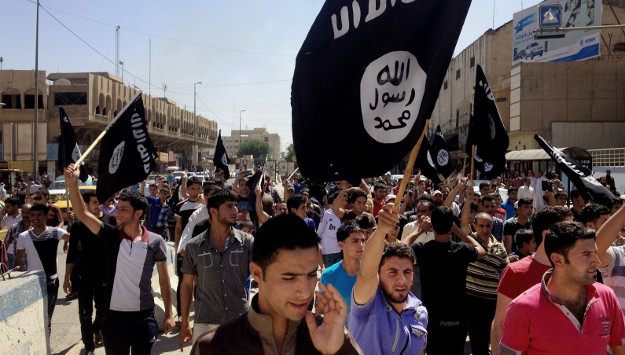
Mosul Turning Ugly, Raqqa Front Slows | Monday Briefing
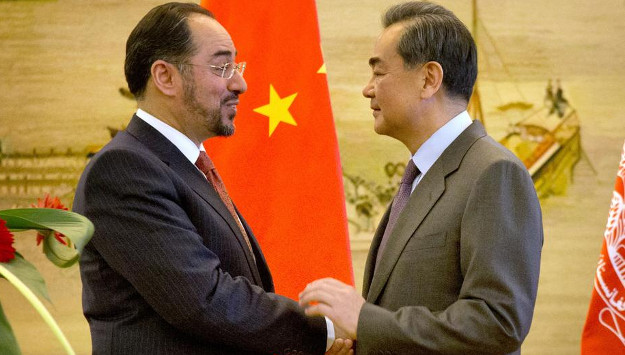
In this week’s Monday Briefing, MEI experts Charles Lister, Marvin G. Weinbaum, Yousef Munayyer, and Alex Vatanka provide analysis on recent events including the battle for Mosul, corruption in Pakistan, Mahmoud Abbas’s trip to China, and Rouhani’s difficult second presidential term.
Egyptian Copts Under Attack: The Frailty of a National Unity Discourse
This essay discusses the recent spate of attacks upon and heightened sense of insecurity felt by Egyptian Coptic Christians. The essay focuses on Copts’ growing frustration with state authorities’ responses to their grievances.
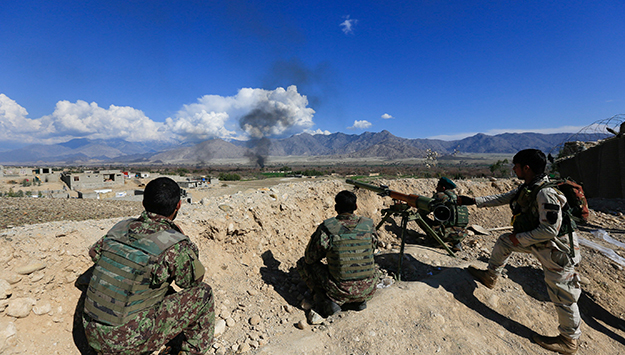
Geopolitical maneuvering, political disunity, endemic corruption, rudderless security apparatus and, most importantly, a confident Taliban movement supported by the Pakistani “deep state” make Afghanistan the most persistent trouble spot. Recent events in the country are dominated by increasing terrorist attacks against security forces and hapless citizens.
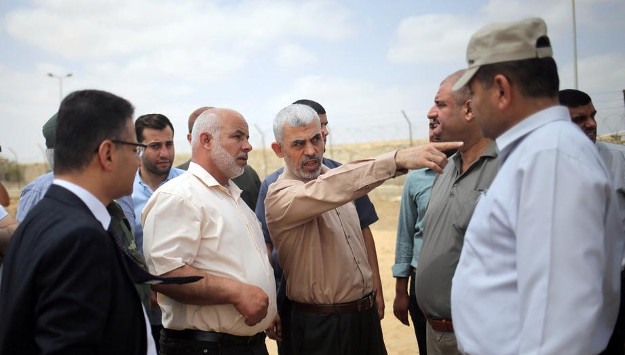
Jordan’s conspicuous silence over the unexpected trilateral rapprochement involving Hamas, Egypt, and former Fatah strongman Mohammad Dahlan does not mean that Amman is not keeping a close eye on recent developments. It is an unusual partnership that brings together once bitter foes, especially in the case of Dahlan and Hamas.
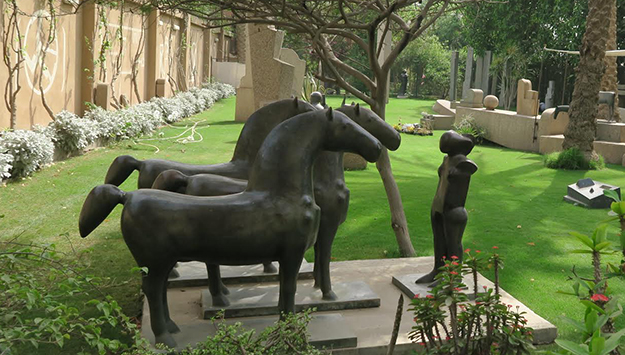
The road to Haraniyya, a formerly rural area just beyond the Giza pyramids, is now an eight-lane highway flanked by red-brick buildings packed and stacked as if designed by some demented cubist. But take the exit, cross a canal and tucked behind a wall of residential towers, the Museum of Adam Henein exists in magical contrast, a verdant stronghold of living art, and one of Cairo’s hidden treasures.
The Influence of North African Militaries in Foreign Policy-Making
This essay looks at five North African states, arguing that the armed forces — for a variety of often case-specific reasons — are actually not as politically powerful and thus influential in foreign policy-making as one might expect. It first discusses the political strength of the military establishments of five North African states — Morocco, Algeria, Tunisia, Libya, and Egypt — and then investigates the difference, if any, that the recent Arab upheavals have made in their involvement in foreign policy-making.
The Durand Line: A British Legacy Plaguing Afghan-Pakistani Relations
The Durand Line issue has continued to complicate the unpredictable nature of the Afghan-Pakistani relationship since the birth of Pakistan. Constant tension haunts their neighborly relations, as apprehensions and suspicions co-exist with some affable gestures. No Afghan government, including the present one headed by President Ashraf Ghani, has ever recognized the legitimacy of the Durand Line, which runs through mountainous terrain and remains largely unpoliced.
Monday Briefing: ISIS losing territory, President Erdogan visits Sudan
In this week’s Monday Briefing, MEI experts Charles Lister, W. Robert Pearson, and Yousef Munayyer provide analysis on ISIS’ continued threat to security despite losing territory, President Erdogan’s upcoming visit to Sudan as a political calculation, and Mohammed Dahlan’s effort to return to Palestinian politics.
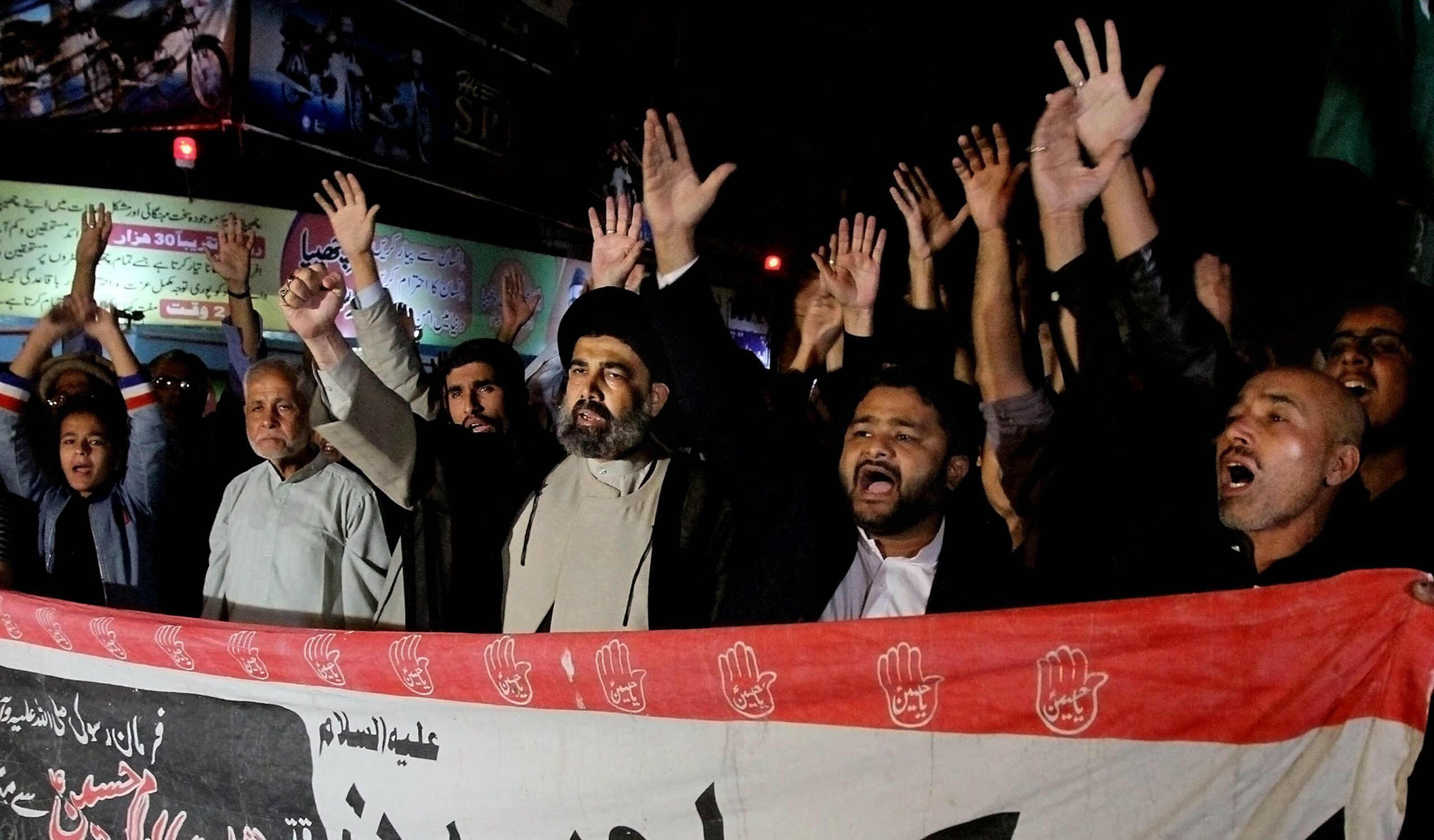
The Saudi-Iran Factor in Pakistan’s Sunni-Shia Conflict
This essay examines the effects of the Saudi-Iran rivalry on Sunni-Shia relations in Pakistan. The essay shows that this rivalry, which has sectarian undertones and is partly responsible for the continuing Syrian civil war, has not only complicated Pakistan’s relations with Riyadh and Tehran but has exacerbated Sunni-Shia tensions domestically. Pakistan’s predicament has become even more complicated in light of the recent Trump-led Arab Islamic American Summit.
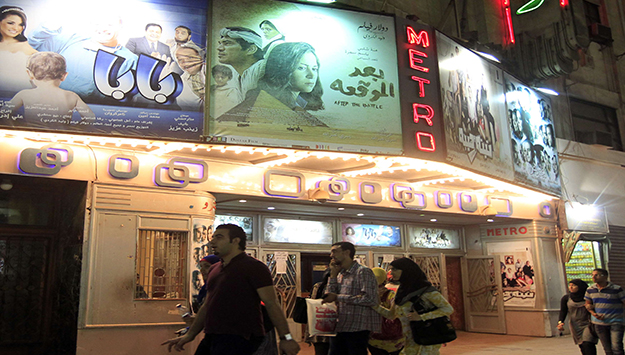
The cinema has long been a contested space in Egypt. Following its nationalization in 1966, a formerly flourishing film industry ran steadily downhill and movie theater operators were subjected to censors’ increasingly puerile whims. The only independent company allowed to operate was Misr International Films—founded in 1972 by Egyptian director Youssef Chahine (1926-2008)—to produce, distribute, and exhibit films while coincidentally enabling the state to posit itself as an indulgent patron of cinematic art. The annual state-run Cairo International Film Festival (CIFF, est.
Accusations are mounting that Iran is ramping up its engagement with the Taliban in Afghanistan. Like a lot of Iran’s murky foreign policy, it is difficult to separate the wheat from the chaff. The three questions that need to be answered to clear up the murky relationship between Iran and the Taliban are: why the change in Iran’s policy; when did this policy change occur; and what is the level of support afforded to the Taliban?
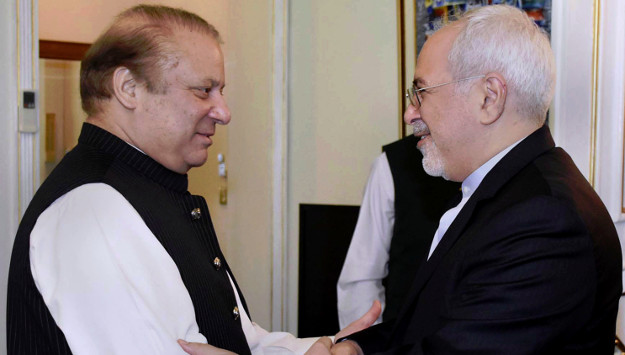
Pakistan Protests Top Iranian Military Official’s Cross-Border Attack Warning
Tension between Iran and Pakistan over the latest killing of 10 Iranian border guards continues to escalate despite an agreement between leaders of the two countries last week to jointly tackle cross-border issues.