This text has been translated by AI and may contain errors.
Skip to Content

Research & Commentary Results

Filter by
1521 Results
Saudi Arabia Returns
Photo by Saudi Royal Council/Anadolu Agency via Getty Images.
  • Analysis
  • Saudi Arabia Returns

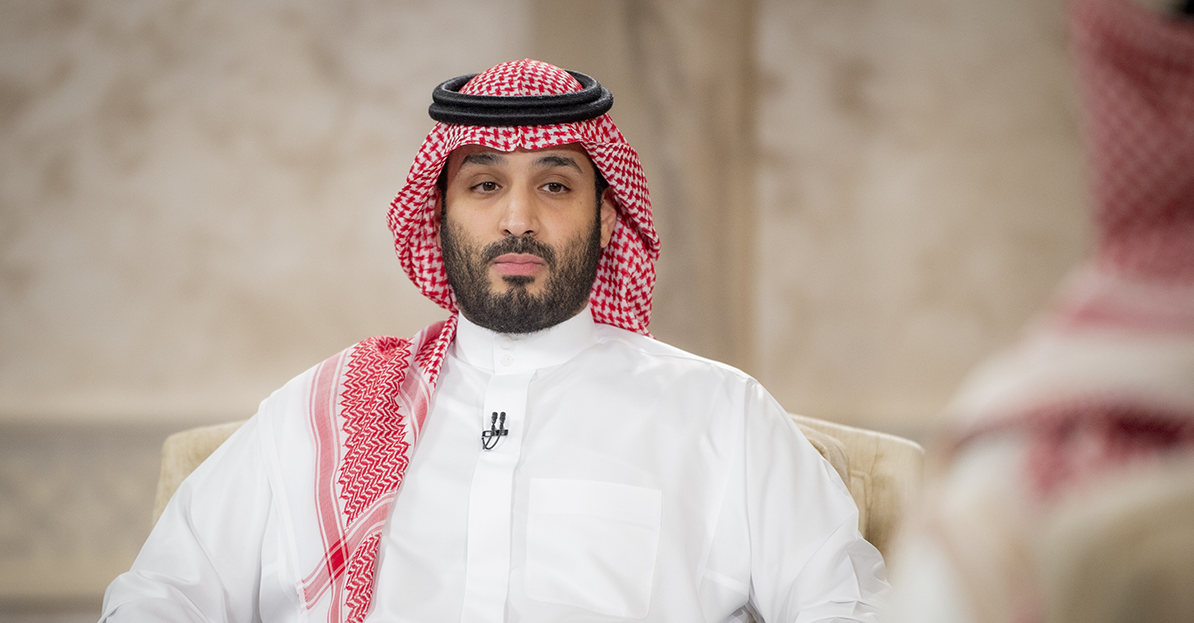
    At the dawn of the Biden era of American foreign policy, a more mature, realistic Saudi foreign policy is emerging to match the shifting signals from Washington. In some measure, the Saudis are readopting elements that traditionally characterized their policy preferences before the meteoric rise of Crown Prince Mohammed bin Salman (MbS), the kingdom’s de facto ruler.

    China-US rivalries after the Afghan war
    Photo by Yang Wenbin/Xinhua via Getty Images.
  • Analysis
  • China-US rivalries after the Afghan war

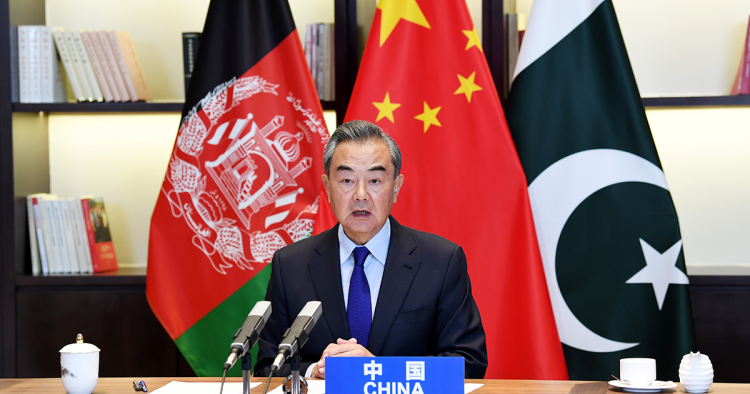
    As the Great Game between the United States and China unfolds on a global scale, American and Chinese leaders have to make a choice — will they clash more openly in a struggle to dominate Afghanistan and its neighboring regions or will they rein in their ambitions and jealousies to accomplish goals that benefit themselves and many others?

    August 24, 2021

    “Zero means zero”: What we can learn from our mistake in Iraq and apply in Afghanistan
    Photo by JONATHAN ERNST/AFP via Getty Images
  • Analysis
  • “Zero means zero”: What we can learn from our mistake in Iraq and apply in Afghanistan

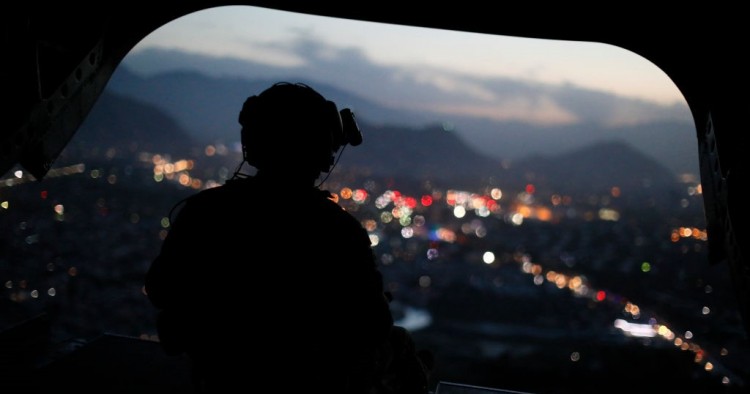
    Now as we watch this debacle unfold in our exit from Afghanistan, what lessons learned from Iraq should we apply today and is there still time? There are lessons learned from Iraq that are applicable in Afghanistan because although history does not repeat itself, it certainly rhymes a lot and yes, there is always time.

    "صفر يعني صفر": ما يمكن أن نتعلمه من خطأنا في العراق ونطبقه في أفغانستان
  • Commentary
  • "صفر يعني صفر": ما يمكن أن نتعلمه من خطأنا في العراق ونطبقه في أفغانستان

    في ديسمبر/كانون الأول 2011، كُنتُ في مُعسكر أمريكي صغير بالقرب من بغداد أتحدث مع القادة الميدانيين لأحد أجهزتنا الاستخباراتية حول الخيارات للحد من فقدان كل من الاستخبارات التقنية والبشرية بعد أن تم تخفيض القوات العسكرية الأمريكية إلى الصفر في العراق. في وقت متأخر من تلك الليلة بعد انتهاء اجتماعاتي التي استمرت طوال اليوم، قمت بإجراء مكالمة مع قائدي الجنرال جيم ماتيس، الذي كان وقتها يتولى رئاسة القيادة المركزية الأمريكية (CENTCOM).

    Biden Must Keep U.S. Operatives in Afghanistan To Enable the Counterterrorism Mission
  • Commentary
  • Biden Must Keep U.S. Operatives in Afghanistan To Enable the Counterterrorism Mission

    We can and must provide that assistance not to help defeat the Taliban, fix Afghanistan, or remove our moral stain, but to achieve a much more limited objective, one that’s stated by the President himself, which is to ensure that no major attack against the U.S. or U.S. strategic interests is launched from Afghanistan.

    تهديدات جديدة وبيئة أخطر كثيرًا في أفغانستان
  • Commentary
  • تهديدات جديدة وبيئة أخطر كثيرًا في أفغانستان

    مع تكثيف جهود الإجلاء من قِبَل الولايات المتحدة وحلفائها في مطار كابول، تزداد معها التهديدات الإرهابية للمطار ومجاله الجوي. فلمدة 48 ساعة على الأقل، أشارت المعلومات الاستخباراتية إلى وجود تهديد “خطير” و”مستمر” بشن هجمات من قِبَل فرع تنظيم الدولة الإسلامية في أفغانستان، المعروف باسم ولاية خراسان الإسلامية (ISKP). وللمرة الأولى، بدأت طائرات النقل العسكرية يوم السبت بإطلاق مشاعل حرارية مضيئة أثناء الإقلاع – في مؤشر واضح على تهديد محتمل للاستهداف بصاروخ أرض – جو.

    What’s next in Afghanistan? The prospects for future political violence
    Photo by MARCUS YAM/LOS ANGELES TIMES/Getty Images
  • Analysis
  • What’s next in Afghanistan? The prospects for future political violence

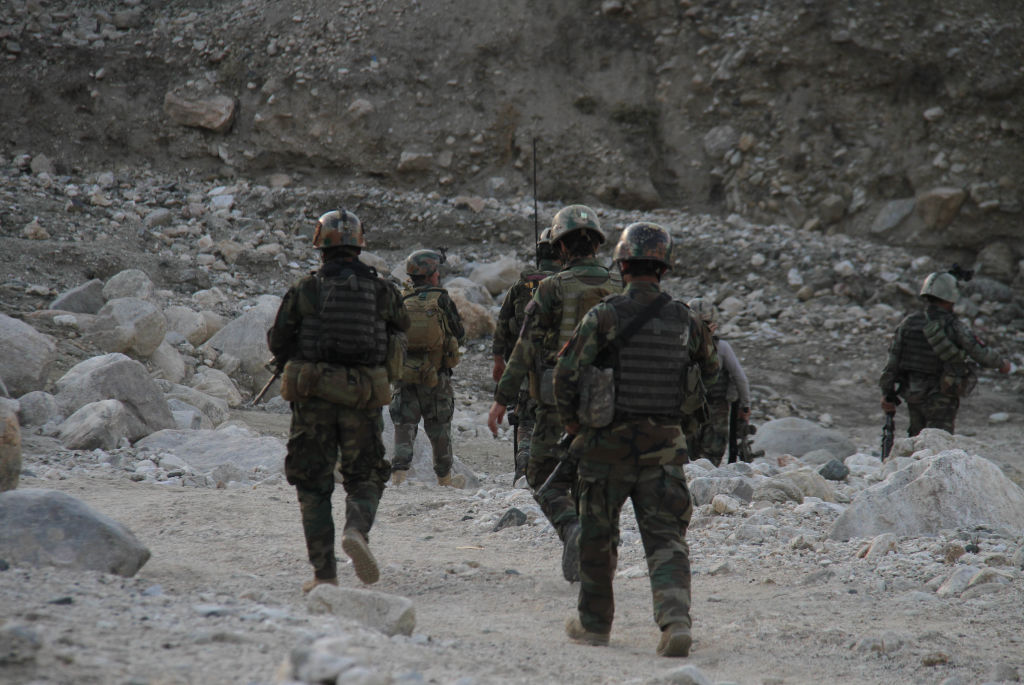
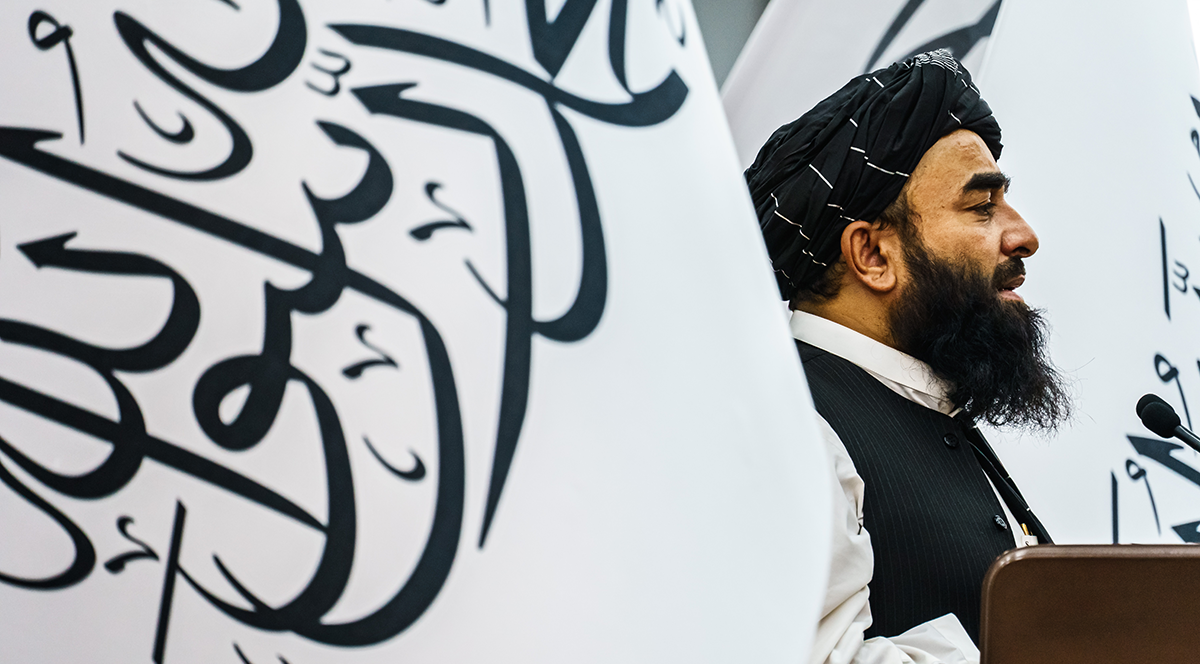
    As the U.S. withdrew troops from Afghanistan, the Taliban pushed through large portions of the country, capturing strategic regional centers and ultimately securing the capital city of Kabul. In its pursuit, the Taliban faced relatively little resistance as it seized government strongholds. Rather than widespread fighting, reports indicate that Taliban fighters often cut deals with soldiers, offering payoffs or demanding surrenders. At the same time and as of the time of writing, the Taliban announced a general amnesty, encouraging former government officials and women to support the group.
    Whether and how long this period of limited resistance and amnesty might last are unclear. What are the prospects for future political violence both within and outside the country?

    August 19, 2021

    The Abraham Accords one year on
    Photo by Alex Wong/Getty Images
  • Analysis
  • The Abraham Accords one year on

    On Sept. 15, 2020, Emirati Foreign Minister Abdullah bin Zayed al-Nahyan, Bahraini Foreign Minister Abdullatif bin Rashid al-Zayani, then-Israeli Prime Minister Benjamin Netanyahu, and then-U.S. President Donald Trump met on the South Lawn of the White House to sign the Abraham Accords, normalizing relations between the two Gulf Arab states and Israel. Morocco followed suit several months later, signing a similar agreement with Israel on Dec. 22, and a week and a half after that, on Jan. 6, 2021, Sudan and Israel also agreed to normalize relations. A year on, these accords have had a significant, if not yet fully realized, impact on the Middle East, affecting everything from geopolitics and economics to tourism and people-to-people (P2P) ties, and they also reflect the changing dynamics in the region and beyond, particularly with the U.S. and China.

    August 19, 2021

    The race to reset the Middle East's maritime map
    Photo by Xinhua/Wu Lu via Getty Images
  • Analysis
  • The race to reset the Middle East's maritime map

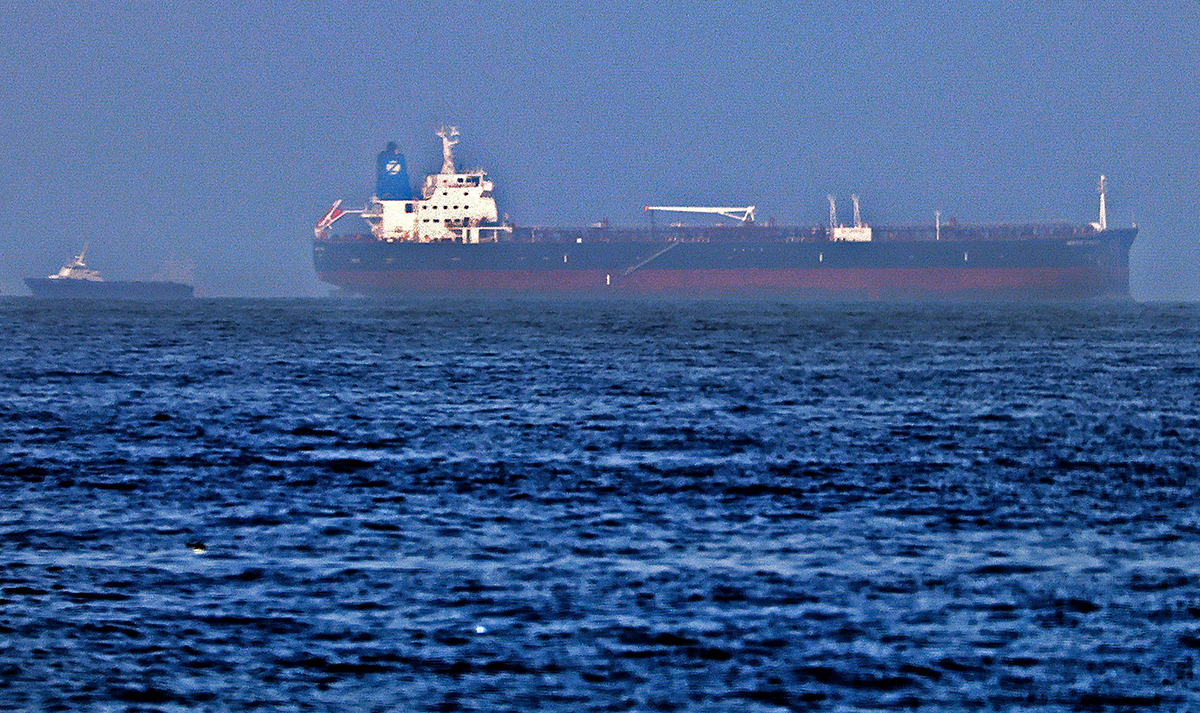
    One of the most consequential changes in the Middle East’s geopolitical map is happening at the water’s edge. Along the entire eastern rim of the Mediterranean basin, global and regional actors are engaging in a spate of port capacity expansions, new private port construction, and the sell-off of major state-owned ports that will determine who sits atop the region’s global trade flows for decades to come. The international competition to rebuild Beirut’s port is one key puzzle piece in this larger process that is reconfiguring the Levant’s maritime commercial architecture and, as a consequence, the geopolitical contours of the Middle East.

    The possibility that the Lebanese government could opt for China to reconstruct Beirut’s port has raised alarm in Washington and European capitals given China’s already outsized commercial port presence in Egypt, Israel, and Greece. Increased Chinese involvement in Lebanon’s port operations could consolidate Beijing’s hold over the commercial connectivity architecture of the Levant. Re-orienting global commercial flows between Europe, the Middle East, and Asia according to Beijing’s priorities would make China’s Belt and Road Initiative a dominant organizing principle in the international relations of the Middle East. The most effective way to offset China’s ambition may be to facilitate Mediterranean rivals France and Turkey to jointly rebuild Beirut’s port.

    The Taliban takeover of Afghanistan
    Middle East Institute
  • Podcast
  • The Taliban takeover of Afghanistan

    Dr. Marvin Weinbaum, director of MEI’s Afghanistan and Pakistan program, joins host Alistair Taylor for a bonus episode responding to the Taliban’s rapid overthrow of the Afghan military and government over the past week.

    August 17, 2021

    First Anniversary of the Abraham Accords
    Middle East Institute
  • Podcast
  • First Anniversary of the Abraham Accords

    Amb. Dennis Ross and Karen Young join guest host Gerald Feierstein to discuss the progress of relations between Israel and the Arab world one year after the signing of the Abraham Accords, as well as the agreement’s economic impacts and what role the United States will play moving forward.

    August 17, 2021

    Israel and Egypt top growth expectations in MENA: A tale of two divergent strategies
    Photographer: Kobi Wolf/Bloomberg via Getty Images
  • Analysis
  • Israel and Egypt top growth expectations in MENA: A tale of two divergent strategies

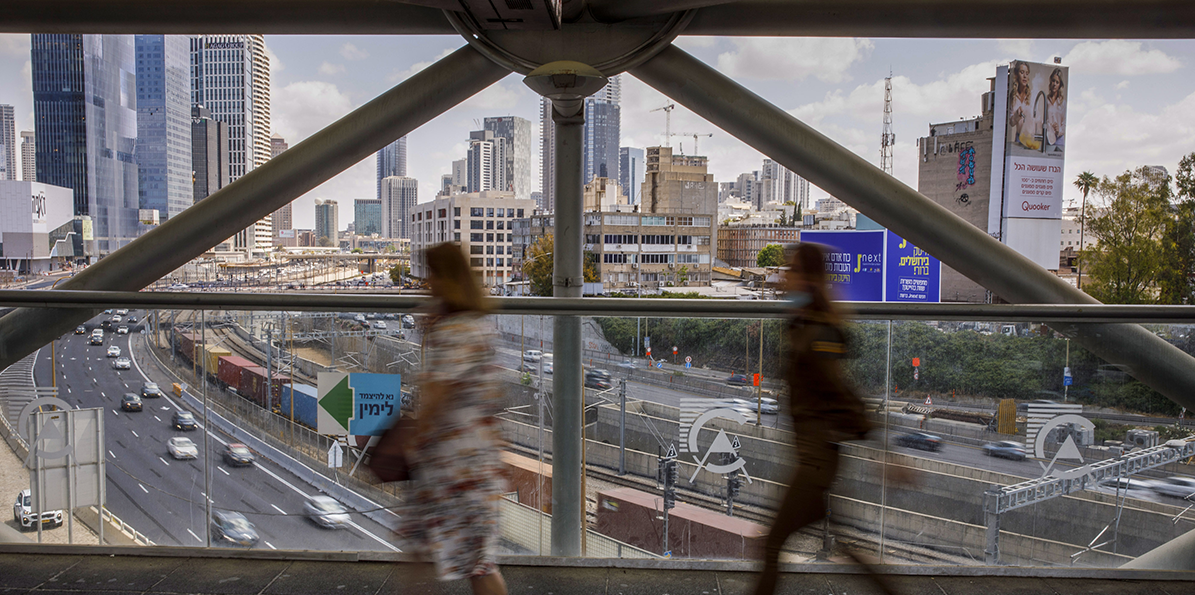
    The two countries in the Middle East with the highest growth expectations for 2022 are Israel and Egypt. Fitch Solutions estimates that MENA-wide GDP will grow by 3.6% in 2021, after a contraction of 4% in 2020. Egypt and Israel are the only countries within the region expected to grow their economies beyond the size of their pre-COVID-19 levels for 2021.

    الكارثة الأفغانية وعواقبها على الشرق الأوسط الكبير
  • Commentary
  • الكارثة الأفغانية وعواقبها على الشرق الأوسط الكبير

    أولًا، انتصار طالبان يمثل انتصارًا هائلًا لرواية القاعدة والحركة الجهادية الأوسع. فبعد عشرين عامًا من وقوع الهجمات على الولايات المتحدة، ها هي الولايات المتحدة تُهزَم مرة أخرى وتُجبّر على الانسحاب بشكل مُذَل. سيكون هذا الانتصار بمثابة “برهان على صحة مبدأ” التجنيد الرئيسي للحركات الجهادية المتطرفة لعقود قادمة، ويجب أن نتوقع زيادة جديدة في التجنيد والعمل الجهادي في المنطقة، وزيادة المخاطر على المصالح الأمريكية والأراضي الأمريكية. ومن ثم فعلى الولايات المتحدة العمل مع الحلفاء والشركاء في المنطقة لوقف هذا المد المحتمل.

    August 17, 2021