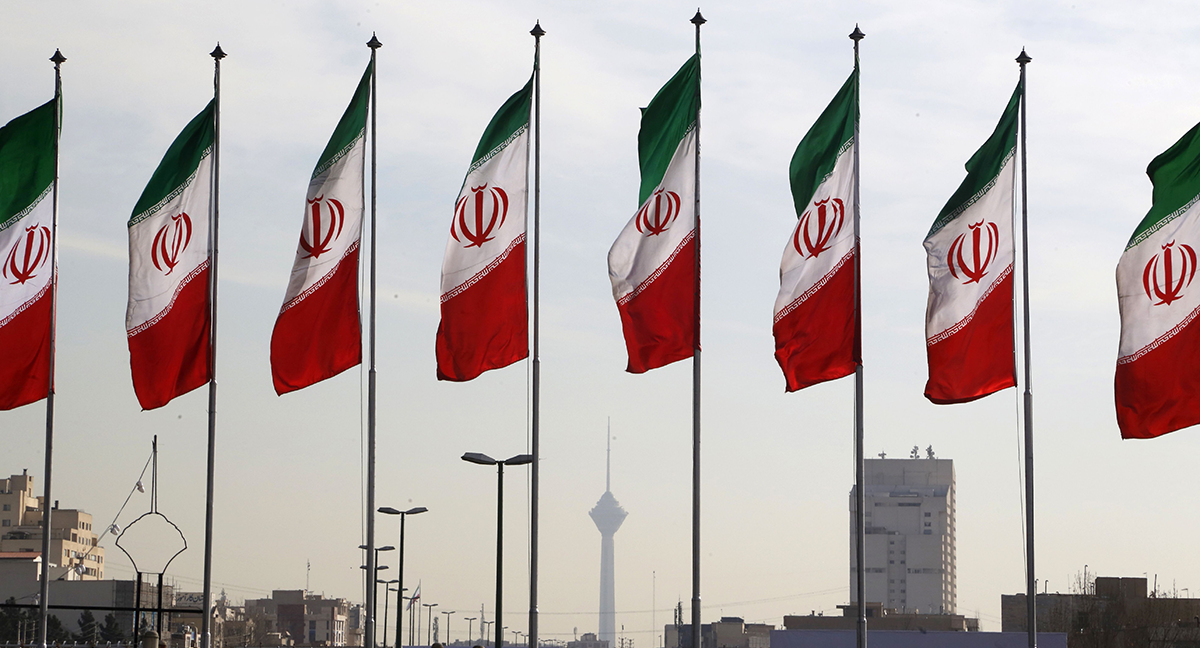
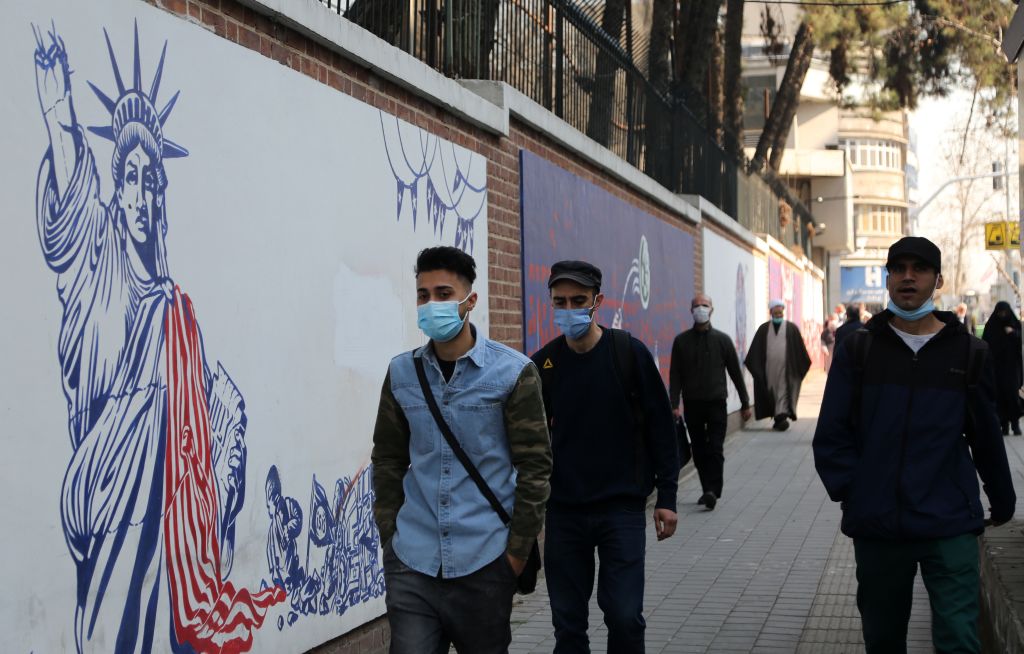
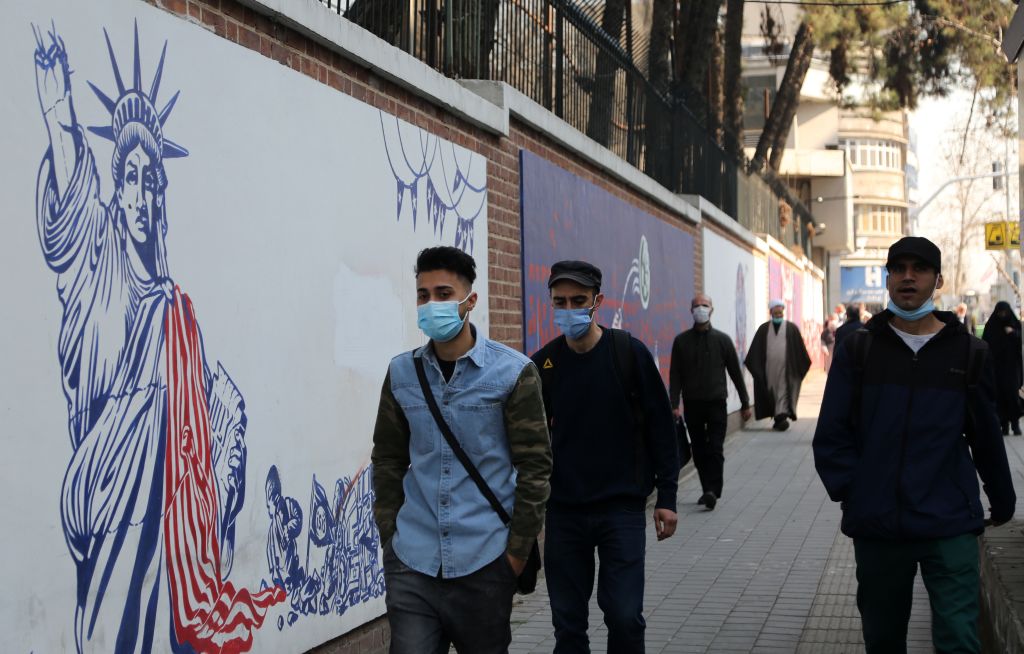
Iran’s attempts to achieve cyber dominance both within the MENA region and around the world have been well documented, particularly its efforts to spread pro-Iranian messaging and “tell Iran’s story.” This strategy is shaped by the challenging international context facing Tehran, which is suffering economically under U.S. sanctions and largely constrained from purchasing weapons under a recently expired U.N. arms embargo.
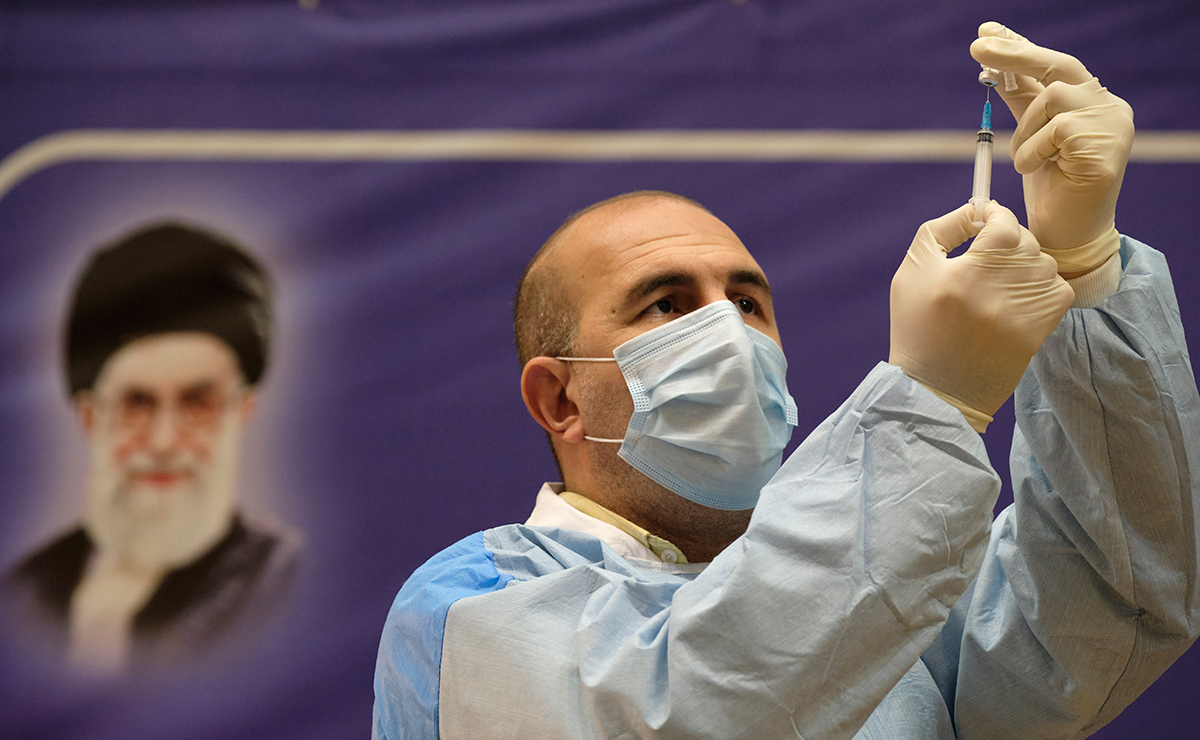
Iran announced last week it had developed one of the world’s most promising COVID-19 vaccines. The news appeared to be part of Tehran’s efforts to satisfy domestic demands for a safe vaccine and to show the country is launching its vaccine rollout independently, despite the crippling economic sanctions imposed by former U.S. President Donald Trump.
العودة للدبلوماسية مع إيران من دون التخلي عن النفوذ الأمريكي
“رغم أن الولايات المُتحدة عادت للمسار الدبلوماسي مع إيران، إلا أن إصرار طهران على انتهاك الاتفاق النووي، وتطوير قدراتها العسكرية الخطيرة، سيؤدي فقط إلى زيادة عزلة إيران”.
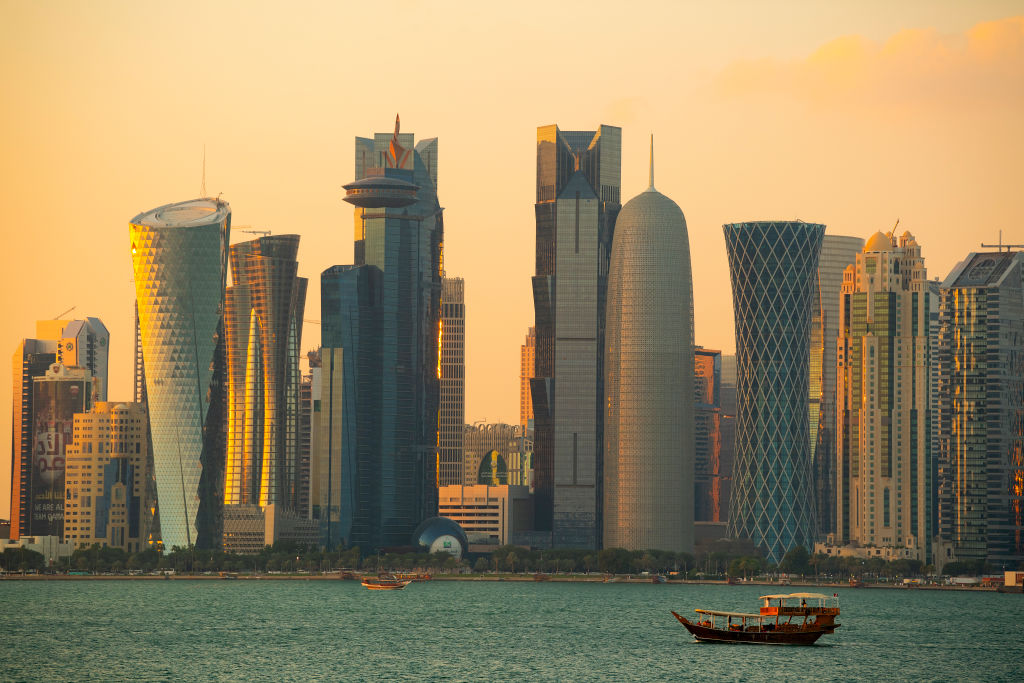
The tiny Persian Gulf country of Qatar has chosen a herculean task for itself: to mediate between the United States and Iran. As Qatar’s Foreign Minister Sheikh Mohammed bin Abdulrahman al-Thani put it on Feb. 10, Doha “is working on de-escalation through a political and diplomatic process.” To this end, al-Thani recently spoke to U.S. National Security Adviser Jake Sullivan and U.S. Special Representative for Iran Robert Malley.
Geo-technology trends to watch in MENA in the 2020s
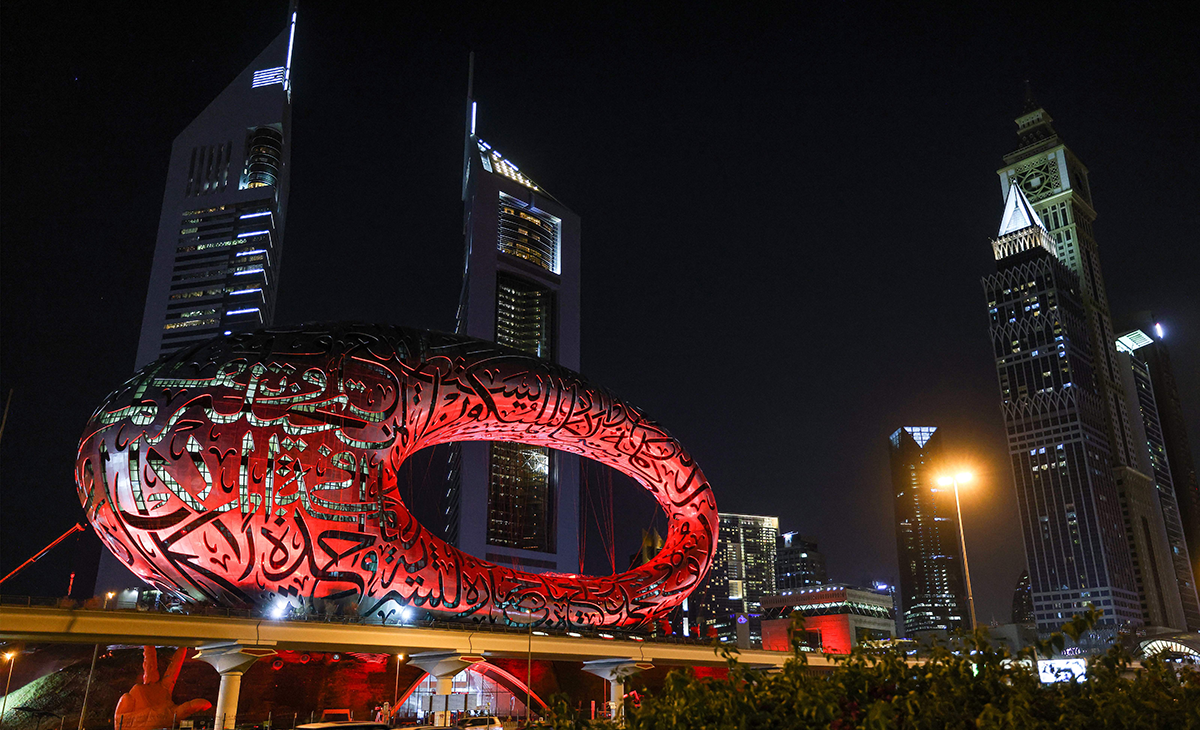
Ongoing conflicts in Syria, Libya, and Yemen are expected to continue to destabilize the Middle East and North Africa (MENA) in 2021. However, technology will likely add another layer of complexity to these conflicts and reshape the region throughout the 2020s. When the Arab Spring began a decade ago, the biggest challenge facing long-standing Arab autocrats was grappling with the power of social media and the rise of online political opposition by tech-savvy millennial activists. In the 2020s, however, regional governments are now facing a new set of emerging technologies that will shape not only domestic politics but also regional geopolitical dynamics. These advancing technologies include: drone, cyber, and space technologies.
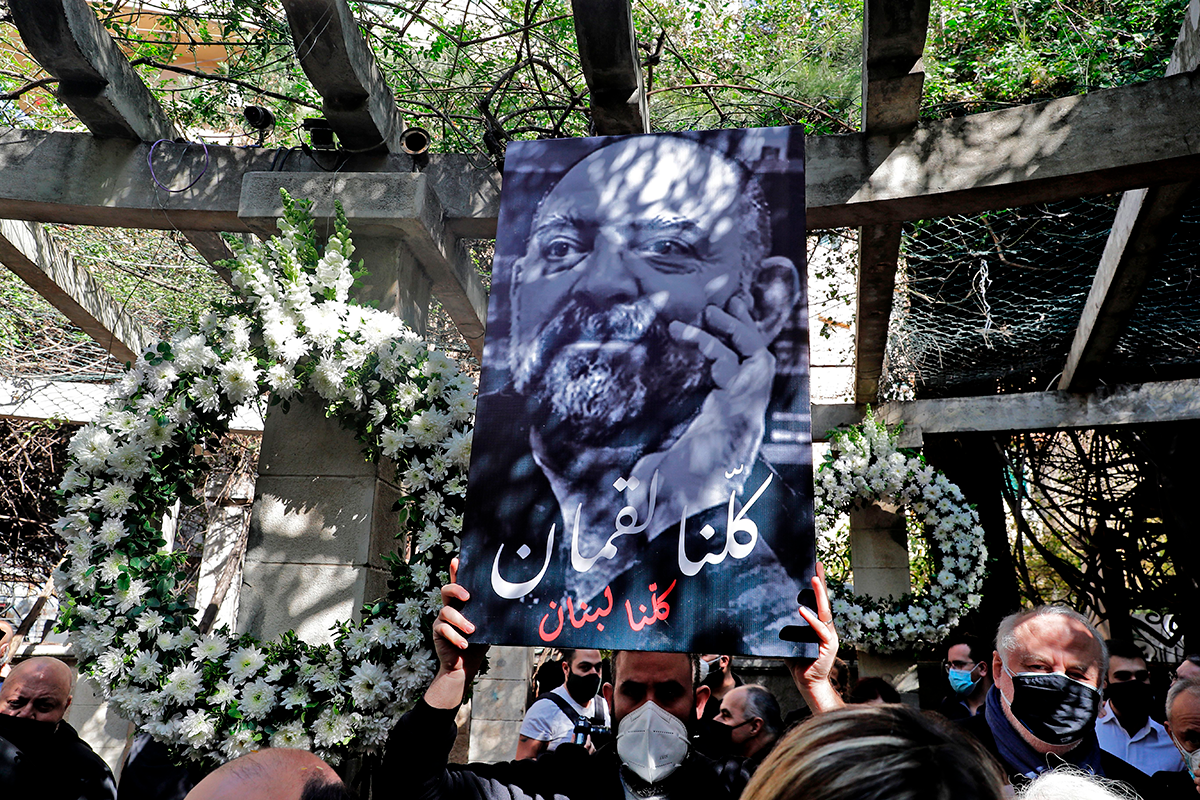
With Lokman Slim’s assassination, Hezbollah consolidates its power over Lebanon
The cold-blooded assassination of Hezbollah critic and Lebanese activist Lokman Slim on Feb. 4 is yet another manifestation of Iran’s growing boldness in the country. Hoping it can once again get away with murder, Iran is mobilizing its repressive proxy in Lebanon and across the region. The question of Hezbollah’s future is key for regional stability and for the U.S. and its partners. As the U.S. prepares to renegotiate a nuclear deal with Iran, curbing the country’s regional ambitions — including its provision of military and political assistance to Hezbollah — needs to be an integral part of any new deal.
Paul Goble, Gonul Tol, and Alex Vatanka join host Alistair Taylor to discuss the Nagorno-Karabakh conflict and the role of Russia, Turkey, and Iran in the South Caucasus.
The news coming out of Iran does not paint a pretty picture of its economy. Economic mismanagement, widespread corruption, weak legal and institutional capacity, and unfavorable business regulations, alongside the unprecedented U.S. financial and economic sanctions and the coronavirus pandemic, have been choking the Iranian economy. However, with a population of 85 million, half under the age of 30 and highly educated, as well as a strategic location on the Persian Gulf and vast reserves of energy and other natural resources, including wind and solar energy, Iran’s economy has incredible potential waiting to be unlocked.
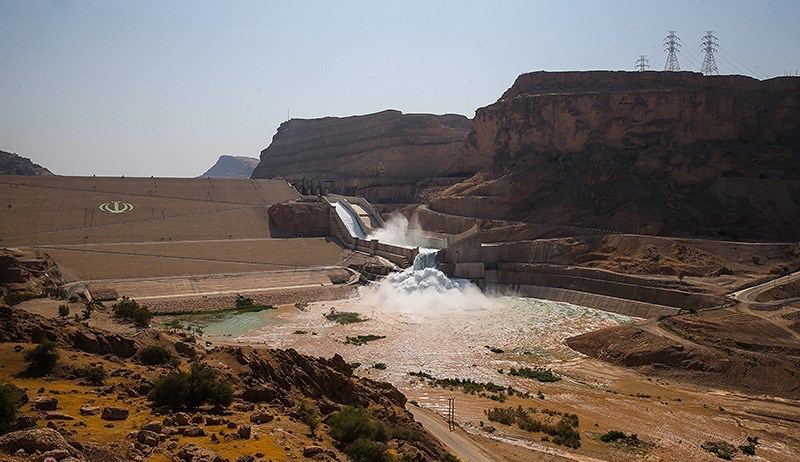
Since its founding the IRGC has evolved into a significant military and financial player in Iran. Khatam al-Anbiya, its construction arm, gets funding from the government for all kinds of major building projects. It is particularly actively in water management projects, like dam construction and water transfer schemes, and it forms a key part of Iran’s “Water Mafia.”
Finding common ground: Fostering environmental cooperation in the Persian Gulf
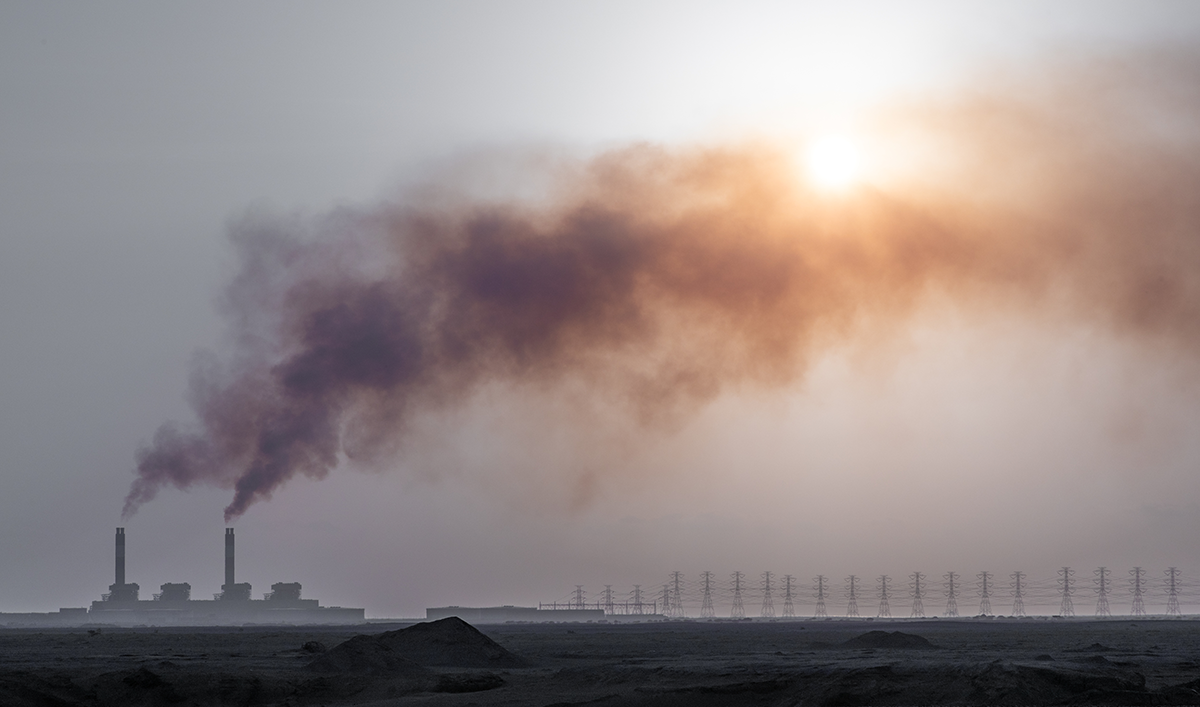
When it comes to the Persian Gulf, saving the environment might seem like it would be the last item on the to-do lists of the region’s Iranian and Arab rivals. It is an urgent matter, however — and one that could help turn these foes into friends. The United States can play an important role in this: It has helped the region to resolve conflicts over water in the past, and it could do so again.
Iran-US negotiations 2021: No 2015 redux by the standards of the Iranian economy
The core question for Iran watchers this year is the likelihood and nature of a renewed Iranian nuclear deal. However, the circumstances are very different and the respective bargaining power of the two sides does not mirror the negotiations in 2015. In particular, the macroeconomic backdrop is considerably worse today and the regime more desperate for sanctions relief than it seems.